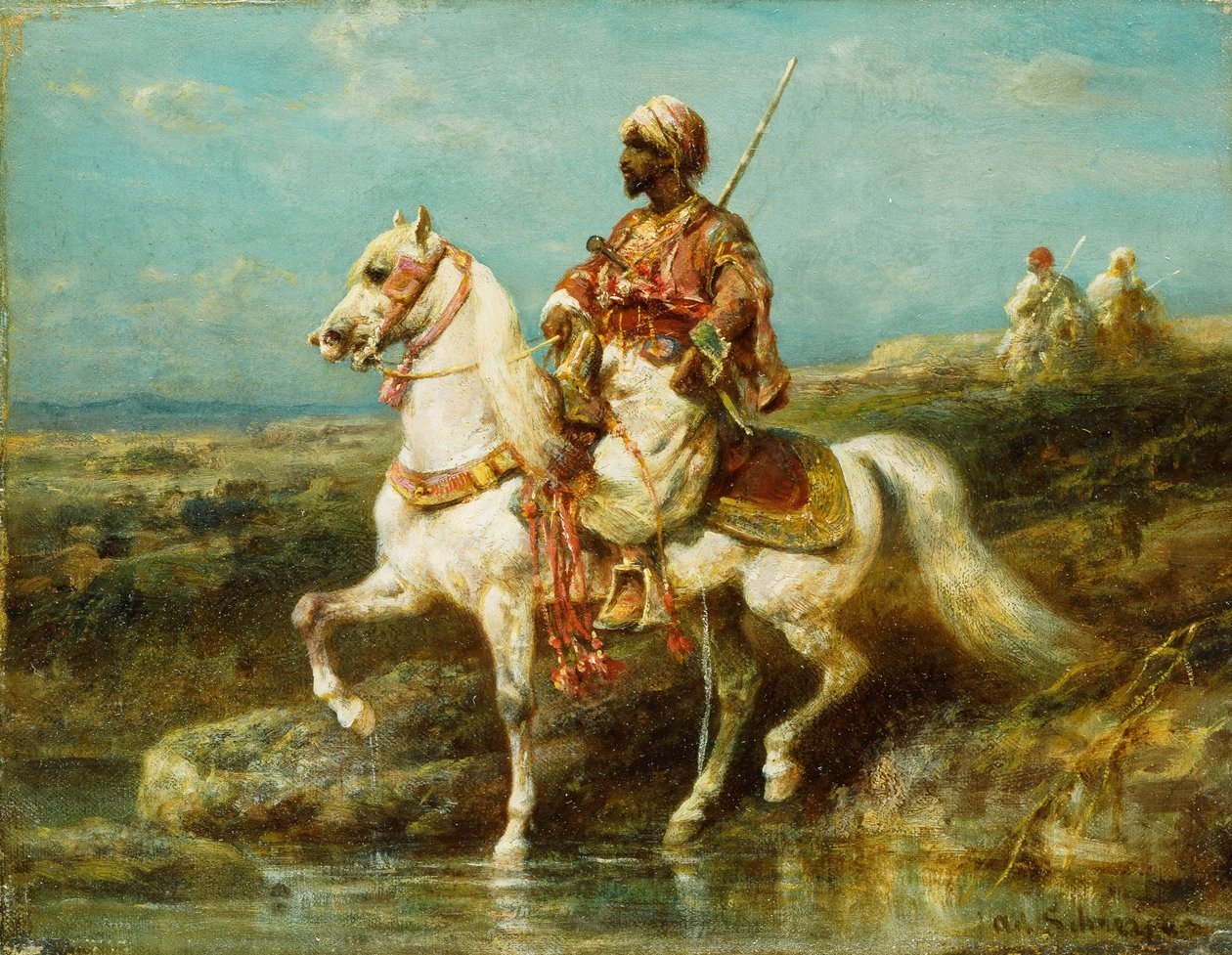


The Arab conquest of Sicily began in 827 AD and took nearly 75 years to complete, culminating with the fall of Syracuse in 878 and Taormina in 902. What emerged was not just occupation but a grand transformation. Under the Aghlabid, Fatimid, and later Kalbid dynasties, Sicily experienced the most comprehensive cultural and economic renewal in its history to that point. The ancient Greek city of Panormus (Palermo), renamed Bal’harm, grew into one of the largest and most sophisticated cities in the world — a metropolis of more than 200,000 people, with hundreds of mosques, palaces, and vast botanical gardens, and developed a reputation for greatness that rivaled the principal Islamic centers of that era, Cordoba and Cairo.
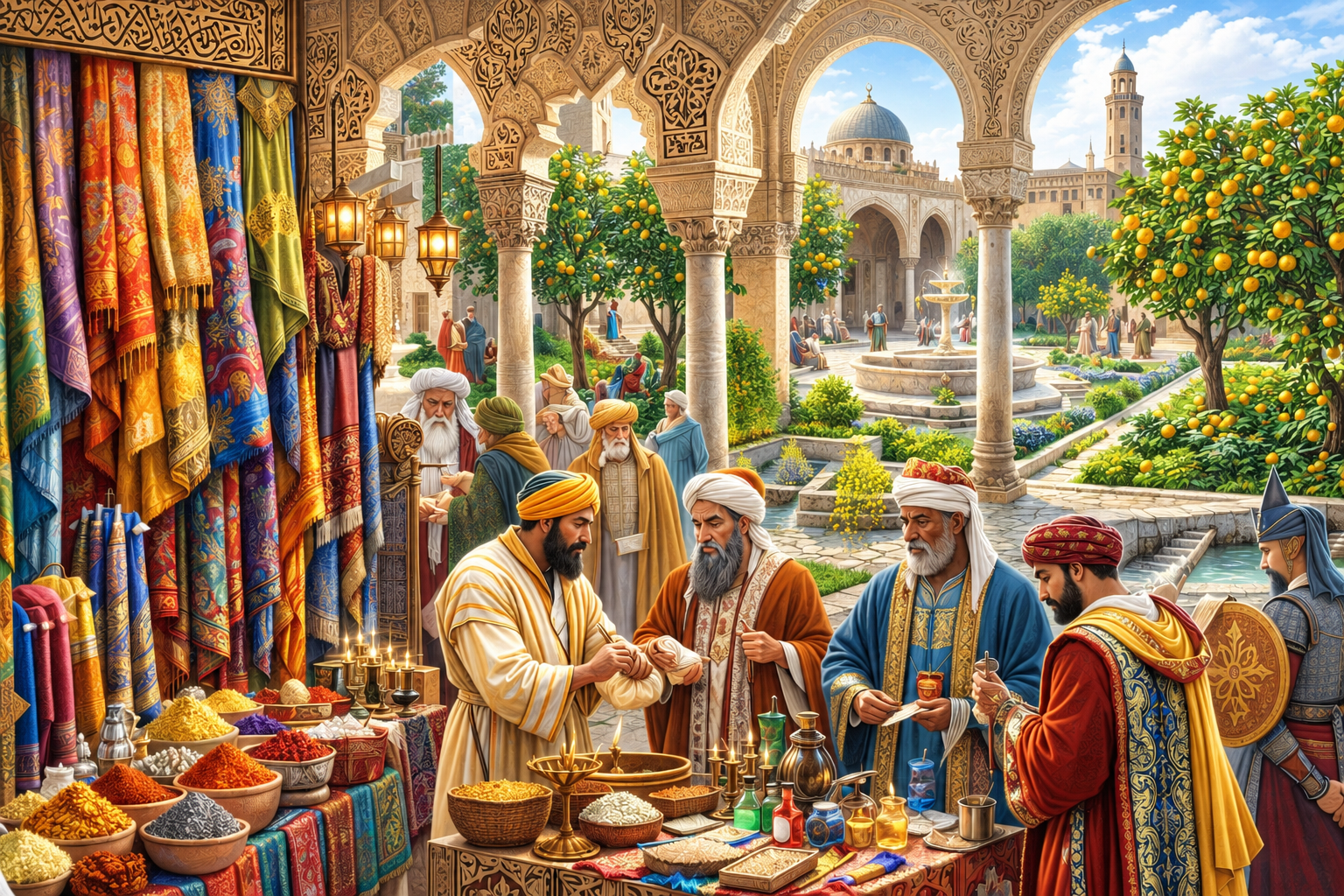
The Arab agricultural revolution in Sicily is perhaps the most lasting legacy of this era. Arab settlers introduced sugar cane, citrus fruits (oranges, lemons, bitter oranges), rice, cotton, date palms, pistachios, sumac, and a sophisticated irrigation system that transformed the productivity of Sicilian land. Many of these crops — along with their Arabic names — are still central to Sicilian agriculture and cuisine today.
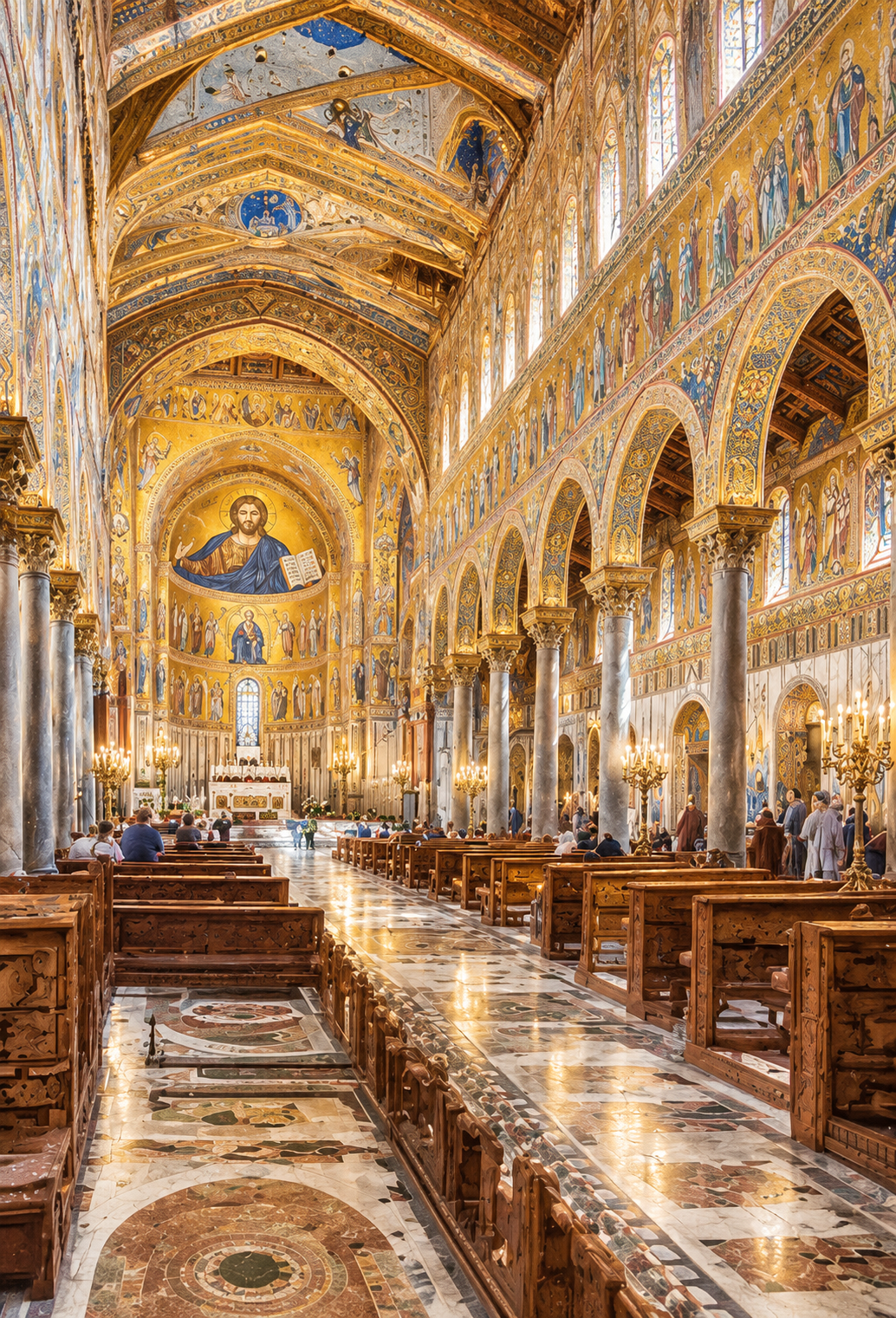
Culturally, Arab Sicily was a society of remarkable tolerance. Christians and Jews continued to freely practice their faiths under Muslim rule, with protections codified under Islamic law. Greeks, Latins , Muslims, and Jews peacefully coexisted in Palermo’s streets. Scientific and scholarly exchange flourished within Sicily as works of Arab geography, astronomy, and medicine were translated and transmitted across the Mediterranean. The later Norman kings would preserve and expand this brilliant multicultural foundation of Sicily, created during Arab rule.