Illustrated History of Sicily

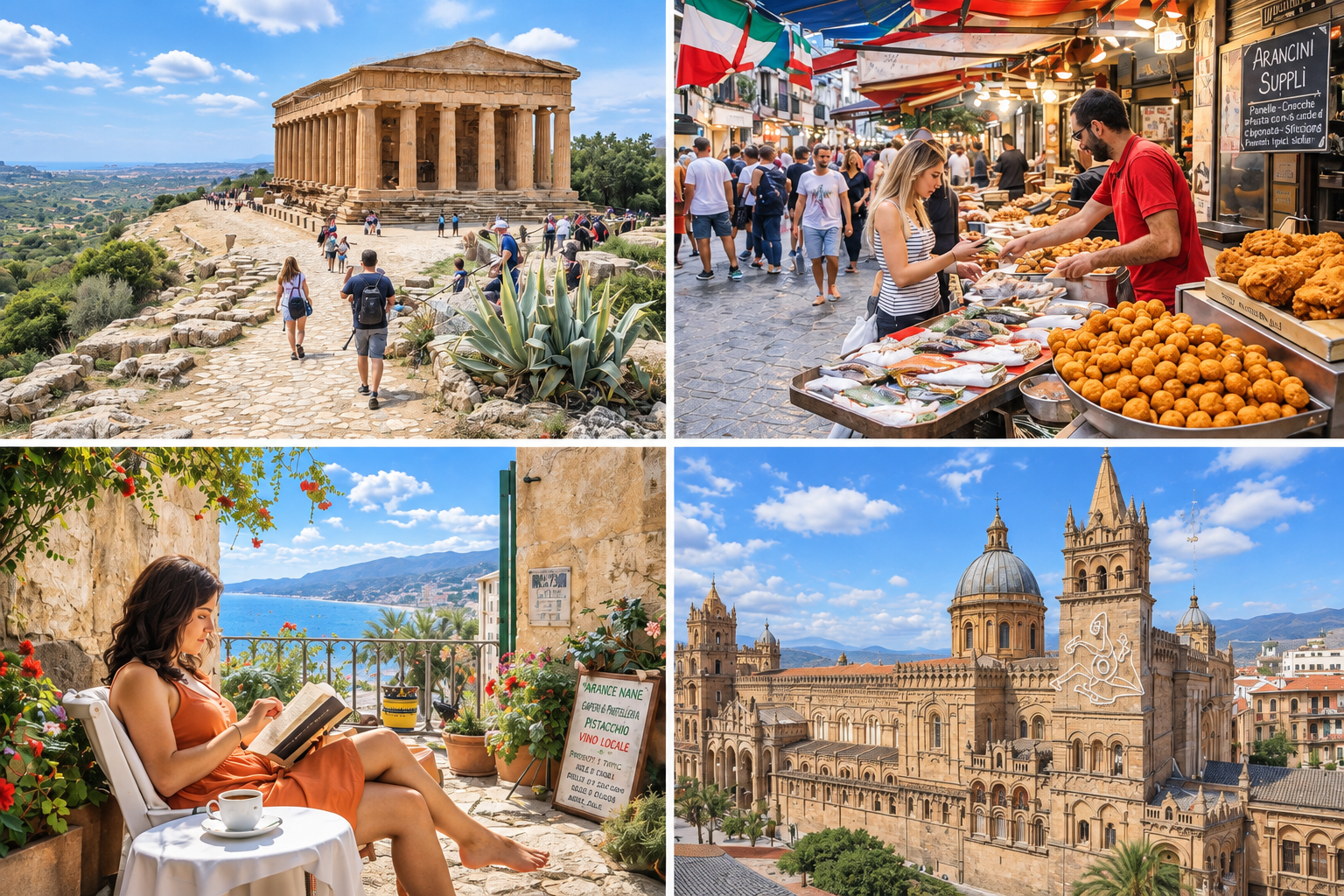
A visual journey through the land, cuisine, people, language, and living traditions of Sicily — the crossroads of civilizations.

History of Sicily

3,000 years of civilization, conquest, and the story of a people who endured.

OVERVIEW

The island of Sicily has had a very long and troubled history. A succession of conquests over two thousand years by a series of either repressive or neglectful foreign rulers has left its imprint on the psyche of the Sicilian people and their identity, which survives today. In recent history Sicilians have consistently been portrayed as being extremely passionate, violent, immoral, dangerous, backwards, superstitious, and lazy. These vulgar and bigoted stereotypes ignore the root cause of the historical Sicilian condition, the island’s long, continuous cycle of neglect, abuse and corruption at the hands of foreign rulers, governments, and by the Mafia.

The ability to endure great suffering through the millennia has been the universal trait of the Sicilian people, which most defines them. This ability sets them apart from all other peoples and cultures in Europe. No other ethnic group within Europe has endured such a sustained, unbroken cycle of brutality and repression as the Sicilian people. It is the keystone of our collective soul, the force that binds all Sicilians to our ancestors throughout time, and a unique identity which supersedes our nominal nationality as Italians.

Sicily has been conquered more times, by such a varied collection of nations and empires than any other place on Earth. Each civilization left its mark some positive, but most left nothing but a bitter legacy of neglect and repression. Collectively, they created one of the richest, most unique cultural legacies in human history.

Ten Civilizations. One Island. One People.

Sicilian history unfolds across ten distinct eras, each leaving its mark on the island, its architecture, its language, its cuisine, and above all its people. Click any era below to explore it in depth.

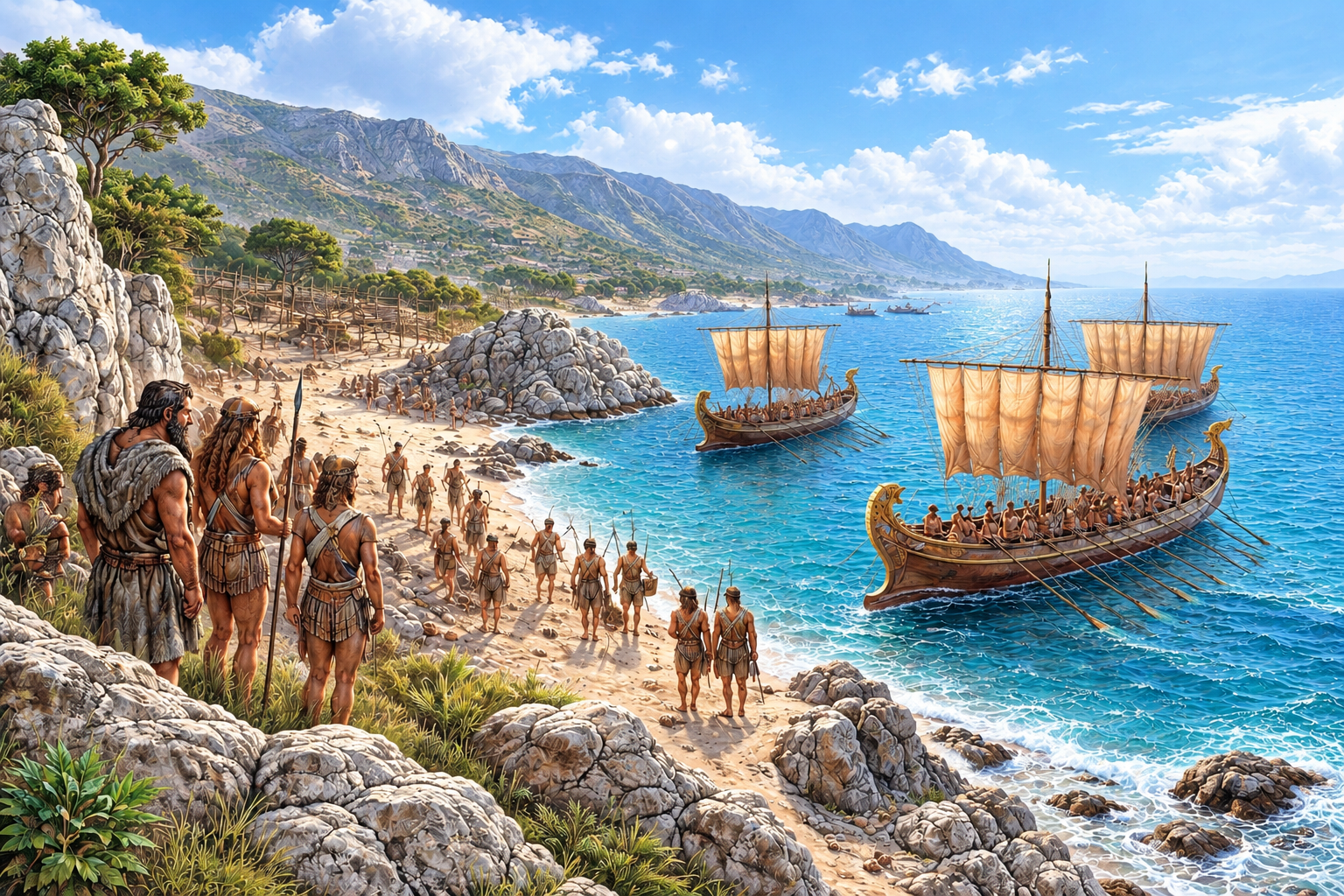
Before the Greeks ever set foot on Sicily, three distinct peoples already called this island home. Their story is the first story of Sicily — and it is the foundation of everything that came after.

Before 734 BC

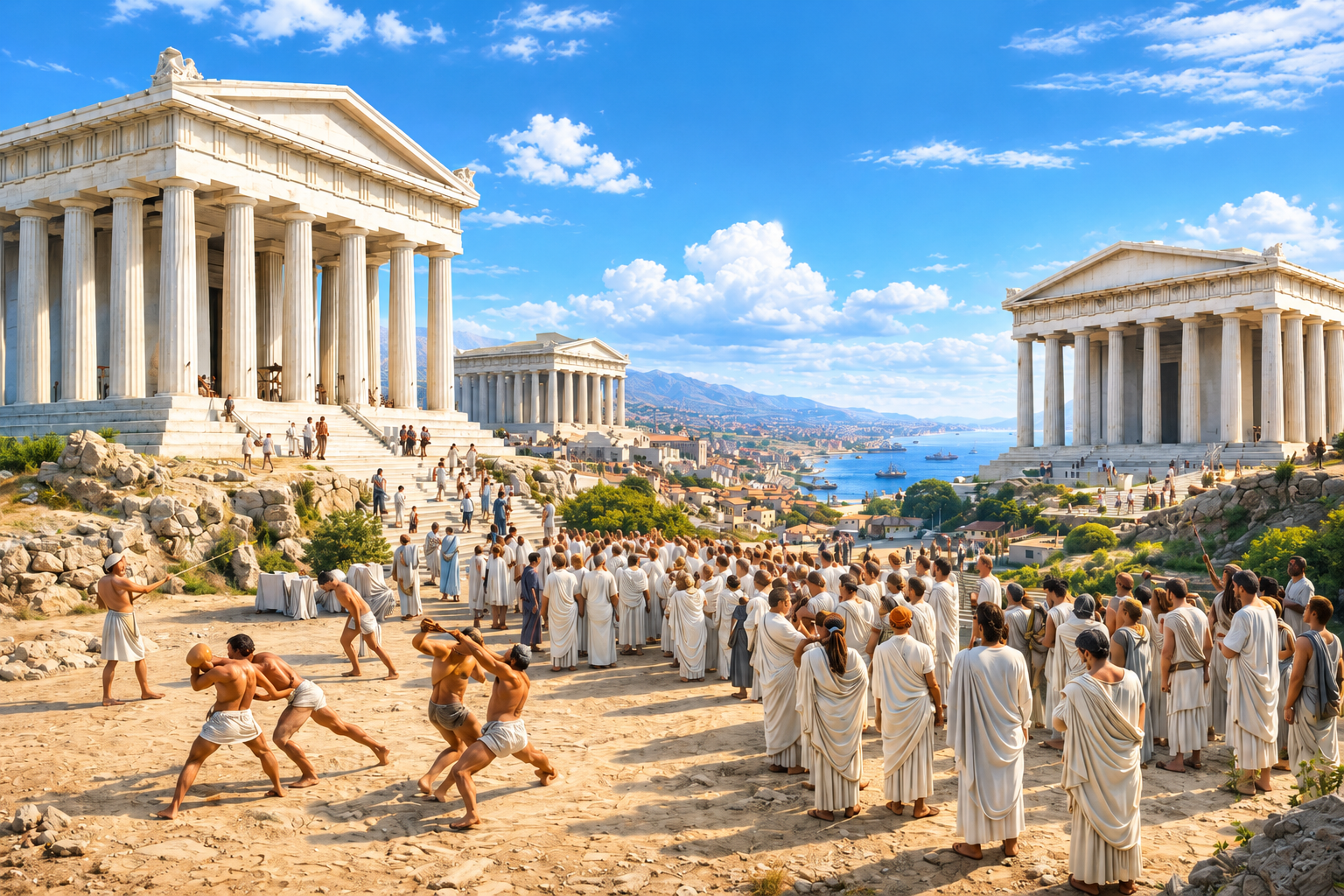
Greek and Carthaginian colonists battled for control of the island.The power of Syracuse rose to rival Athens. The ruins of Agrigento’s magnificent temples still stand. Sicily became the jewel of the Greek world — a western Hellas.

734–241 BC

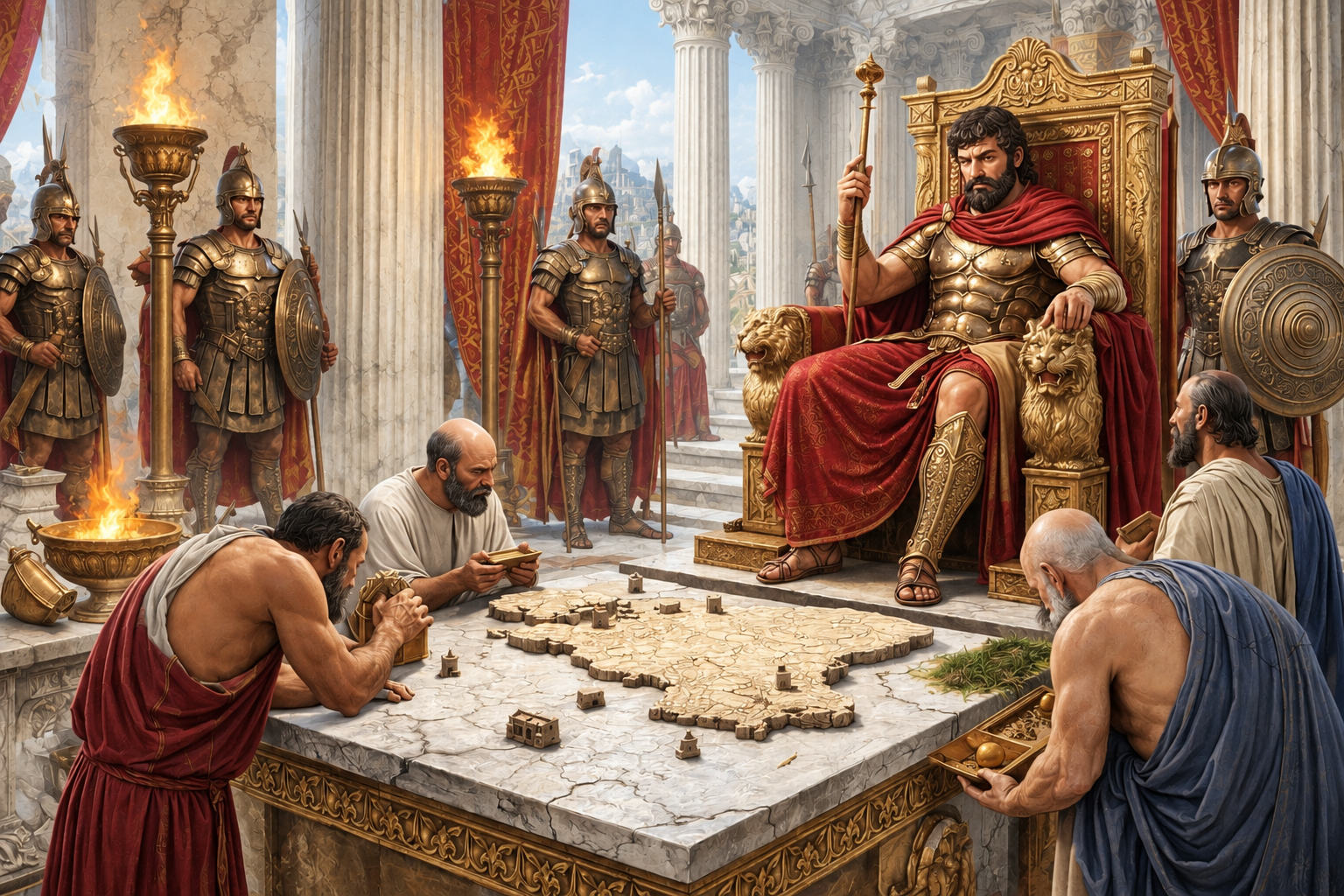
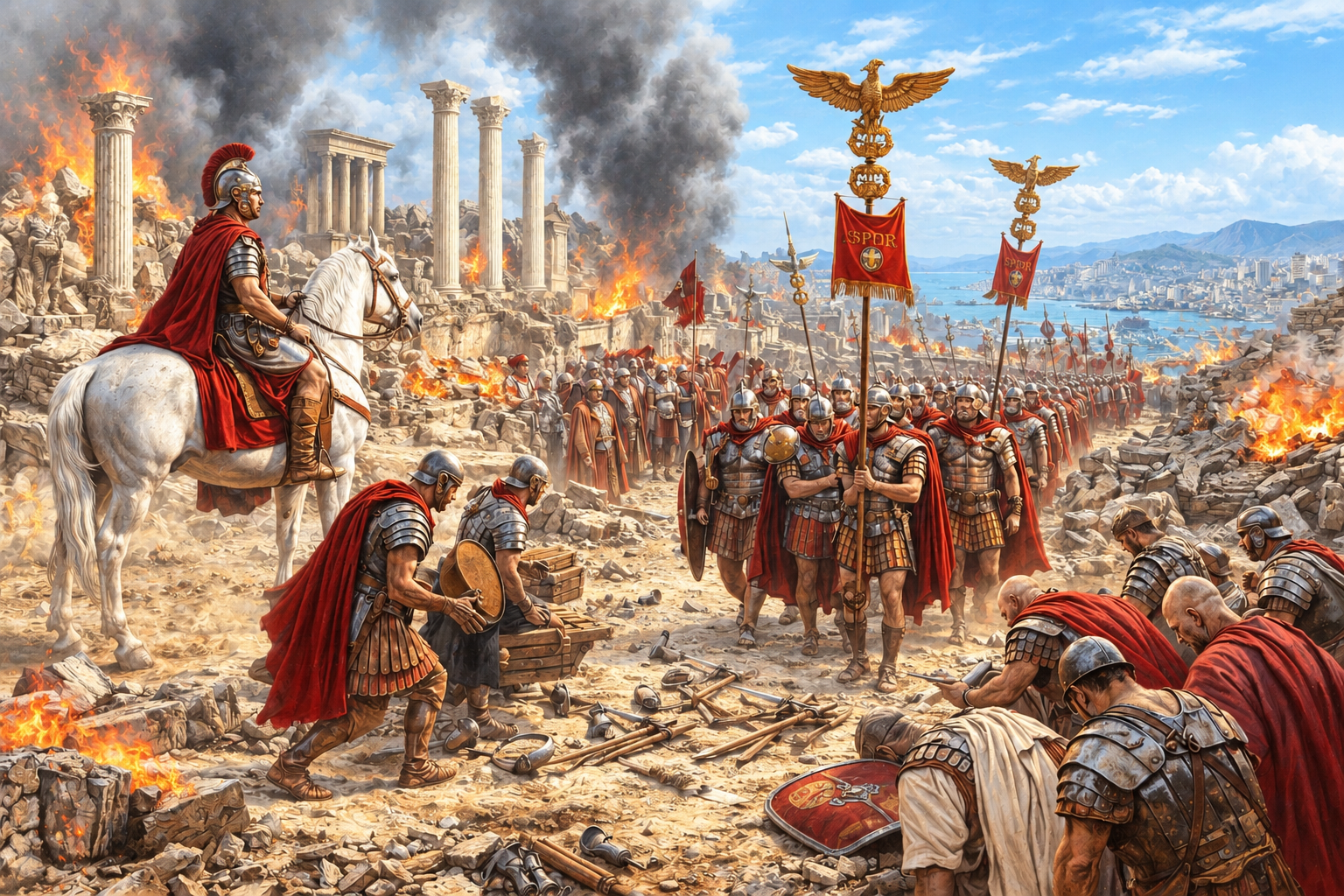
Rome’s first overseas province. Its granary. Its training ground for empire. And the first era of great injustice suffered by the Sicilian people at the hands of a foreign conqueror.

241 BC–476 AD

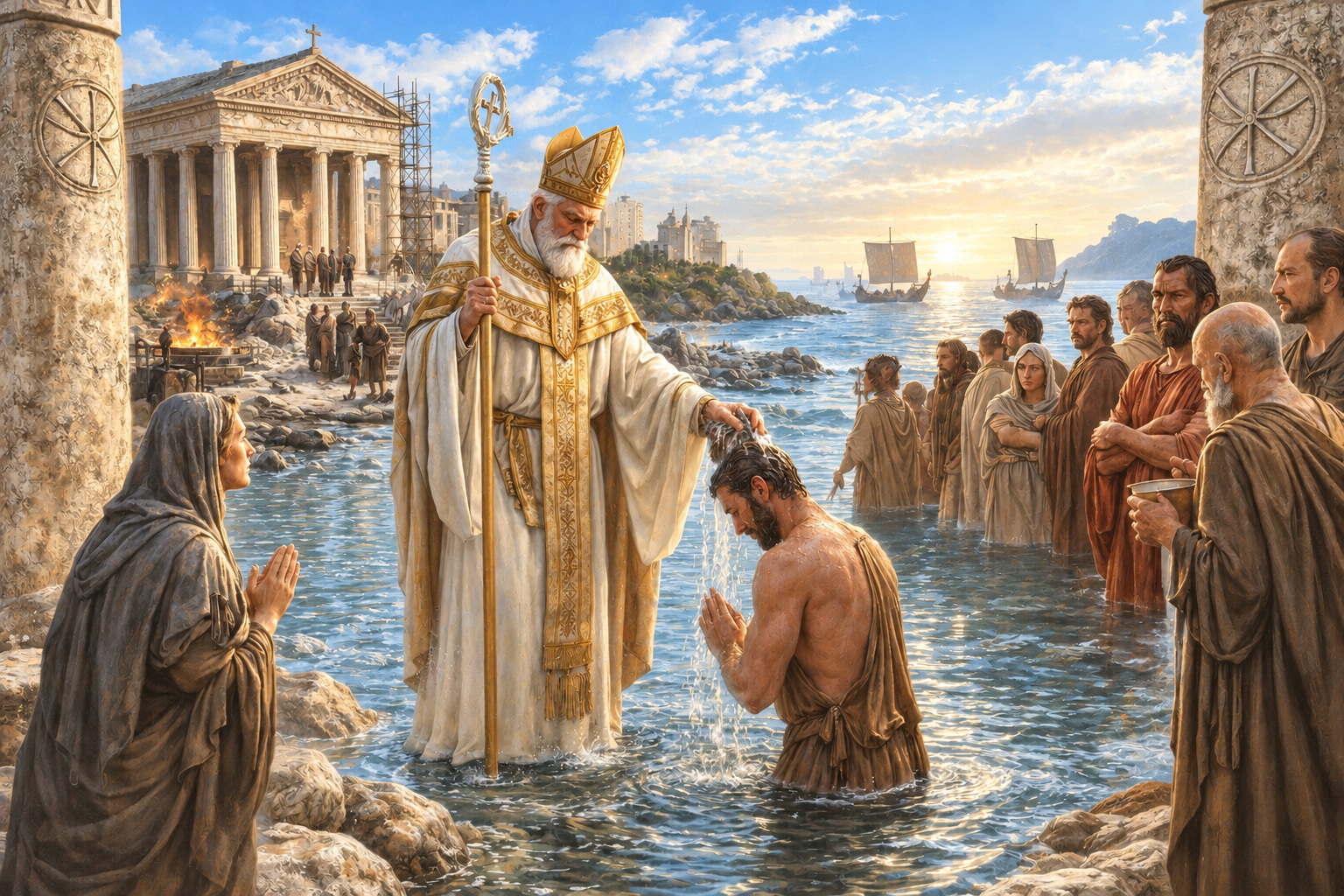
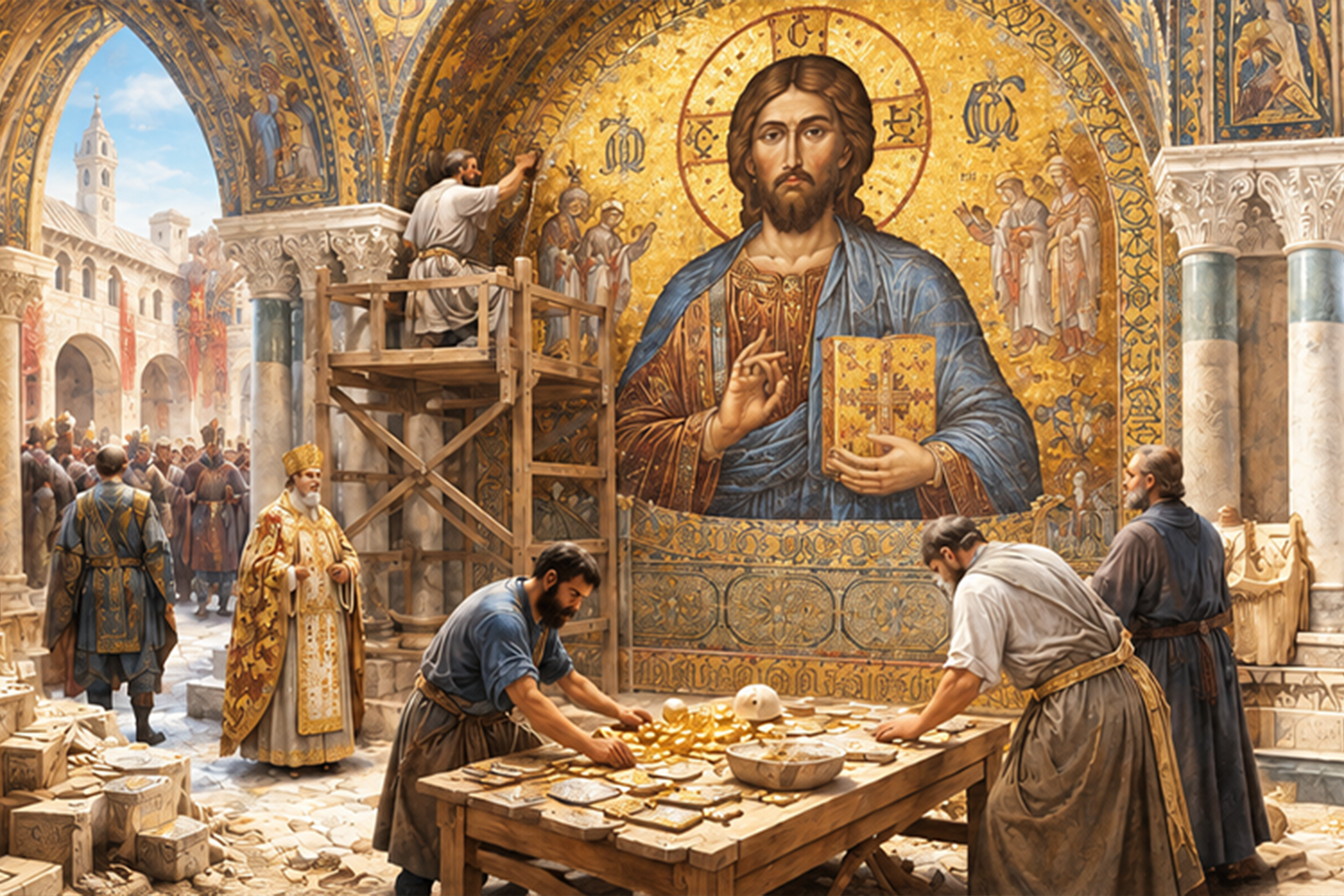
Following a century of control by Germanic tribes, Constantinople’s distant hand ruled the island for nearly three centuries. Sicilians were oppressed by fellow Greeks from the east and the island was overly taxed and steadily impoverished.

476–827 AD

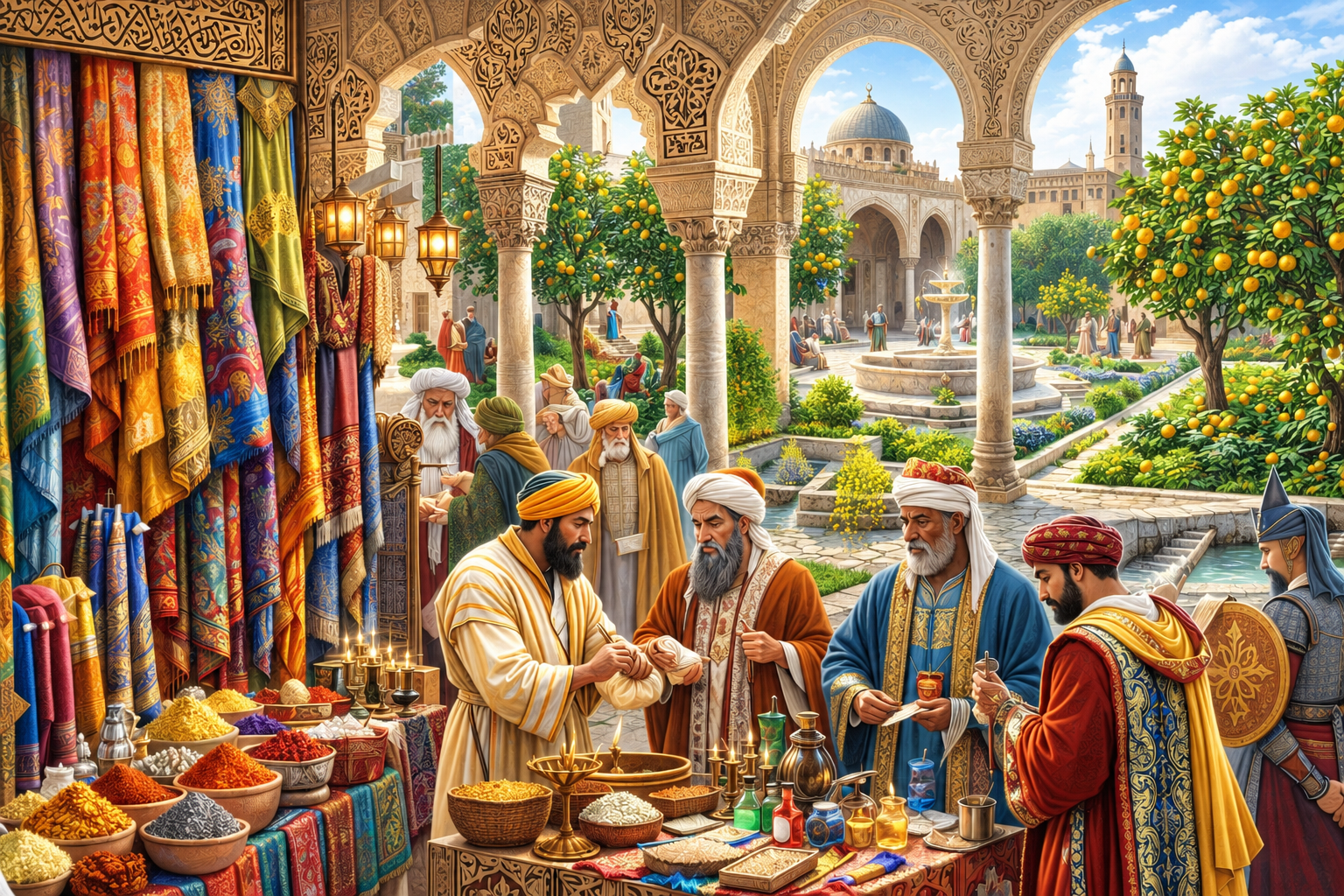
Palermo is transformed into one of the most magnificent and cosmopolitan metropolises of the Western World. A period of great agricultural and scientific advances, the island is a center of learning and religious tolerance under Muslim rule.

827–1091 AD

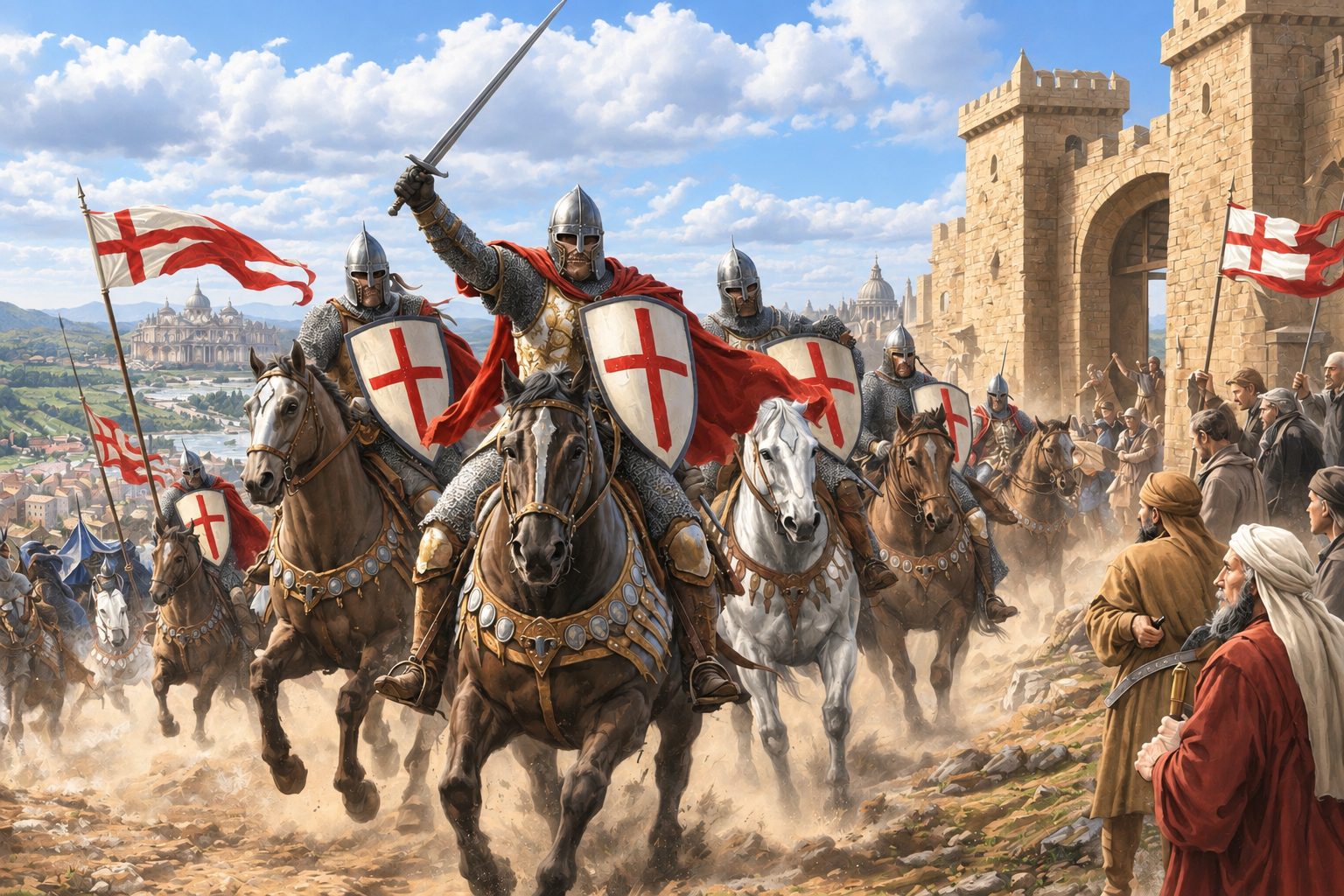
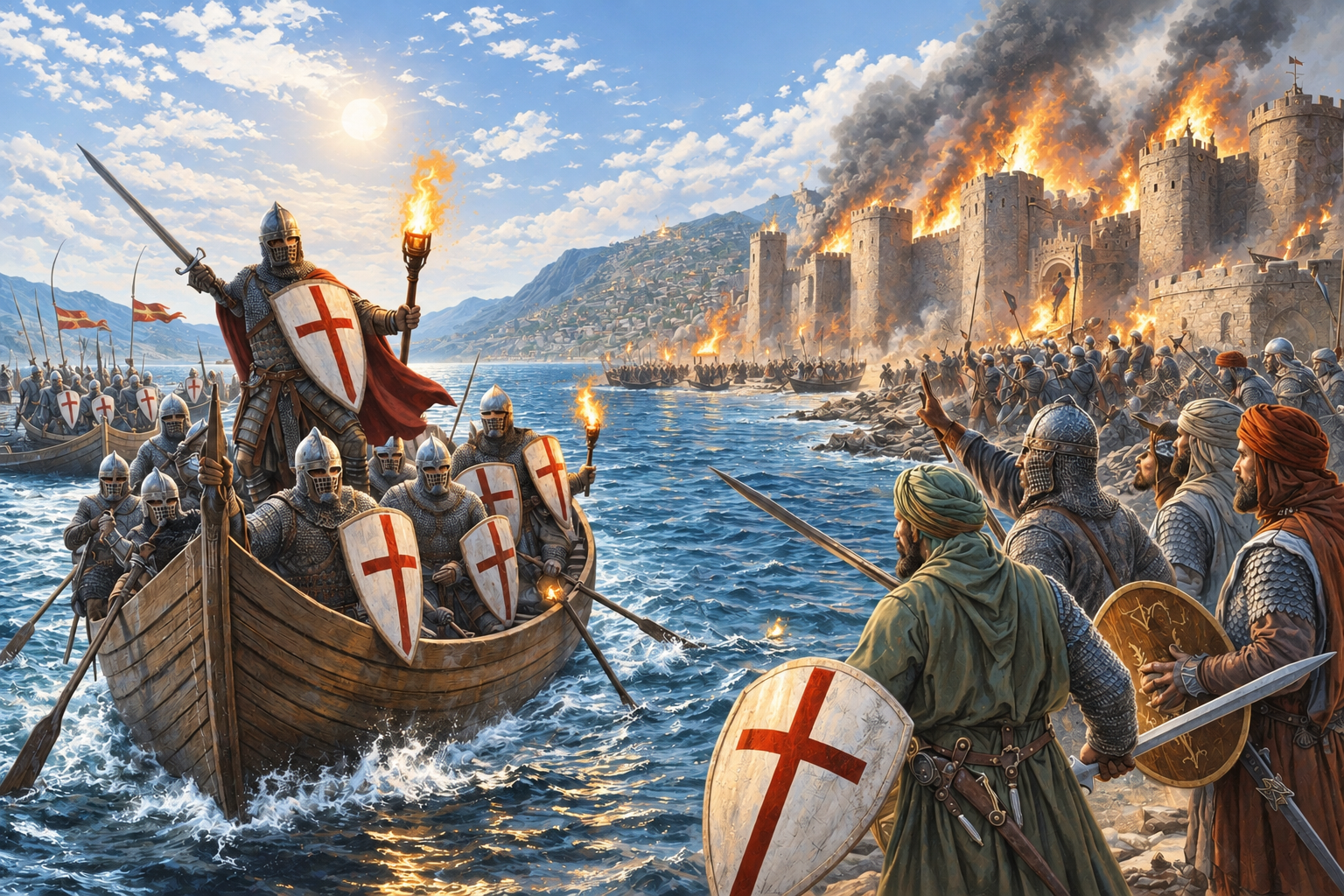
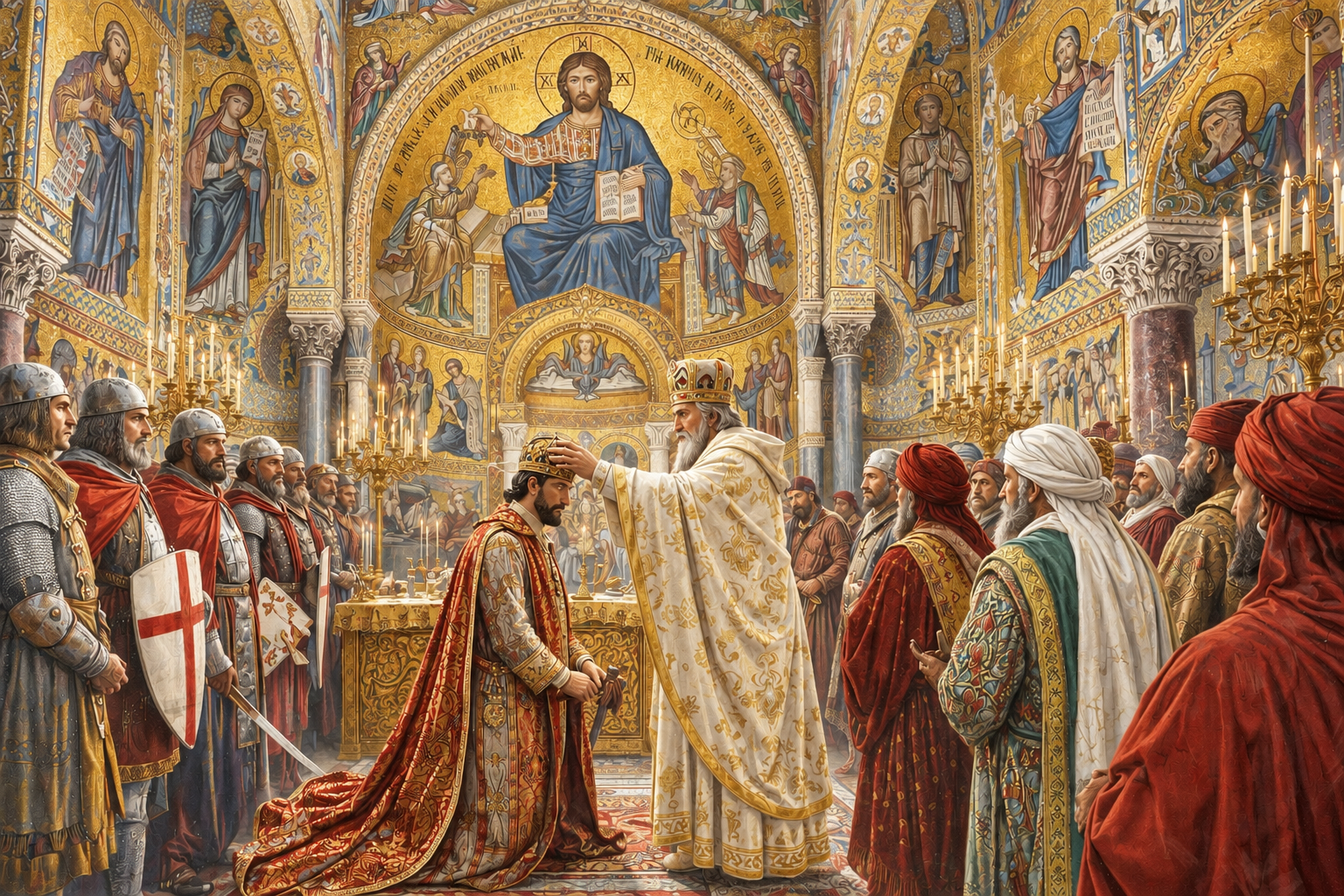
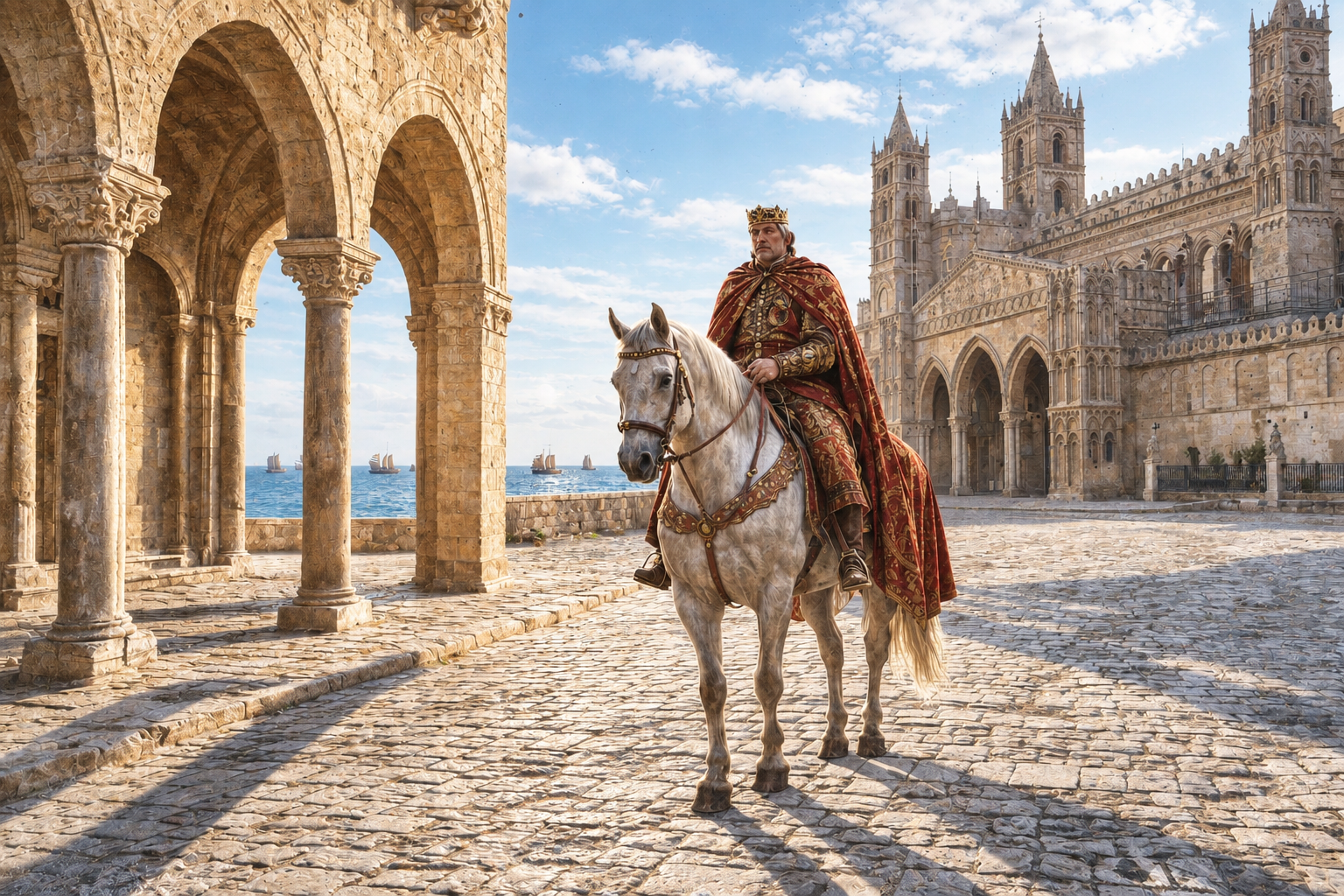
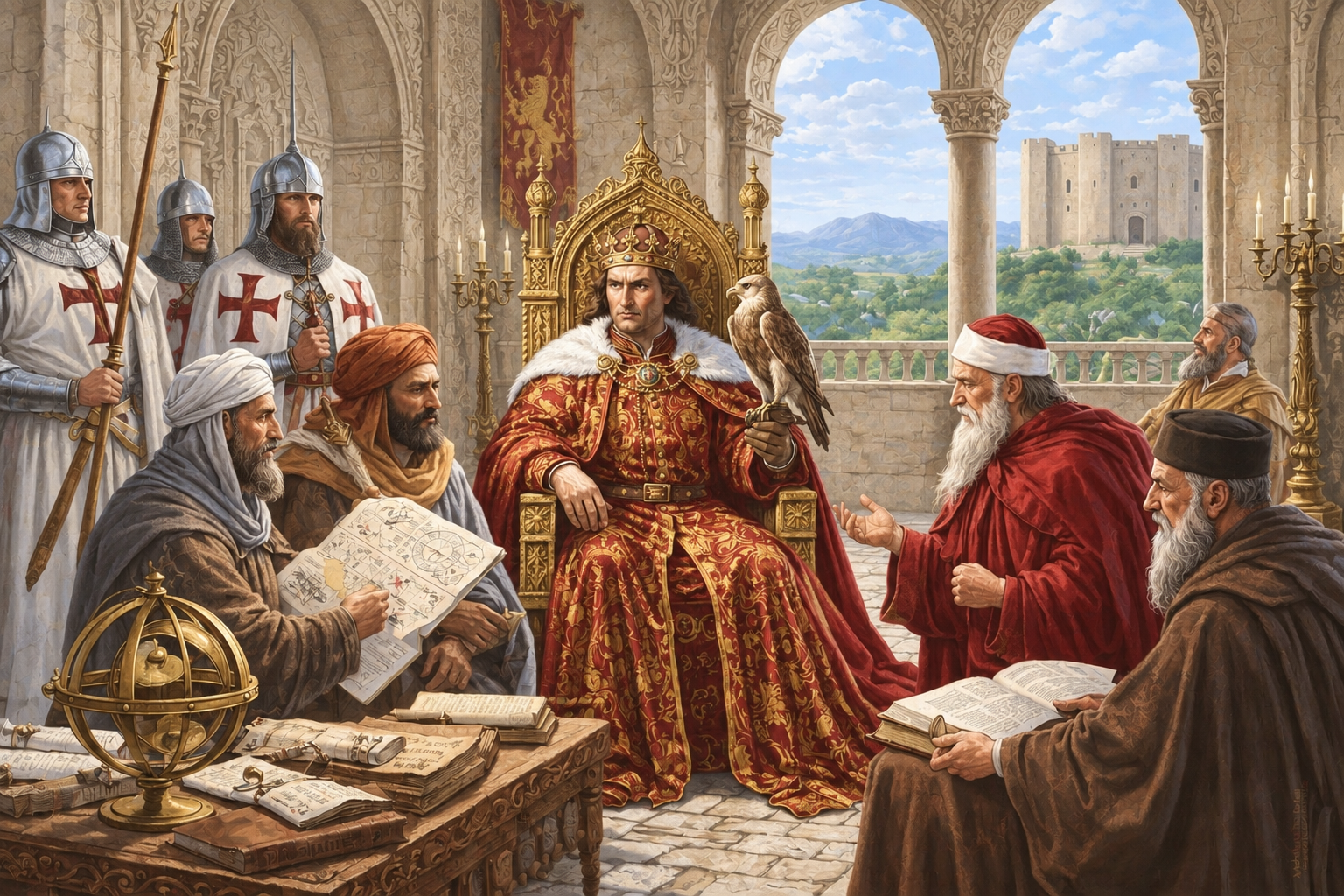
Europe’s richest and most culturally brilliant kingdom, built by the descendants of Vikings on the land of the Greeks and the Arabs. Sicily’s golden age of peaceful cultural coexistence, which will see the creation of its grandest multi-cultural religious monuments.

1091–1194 AD

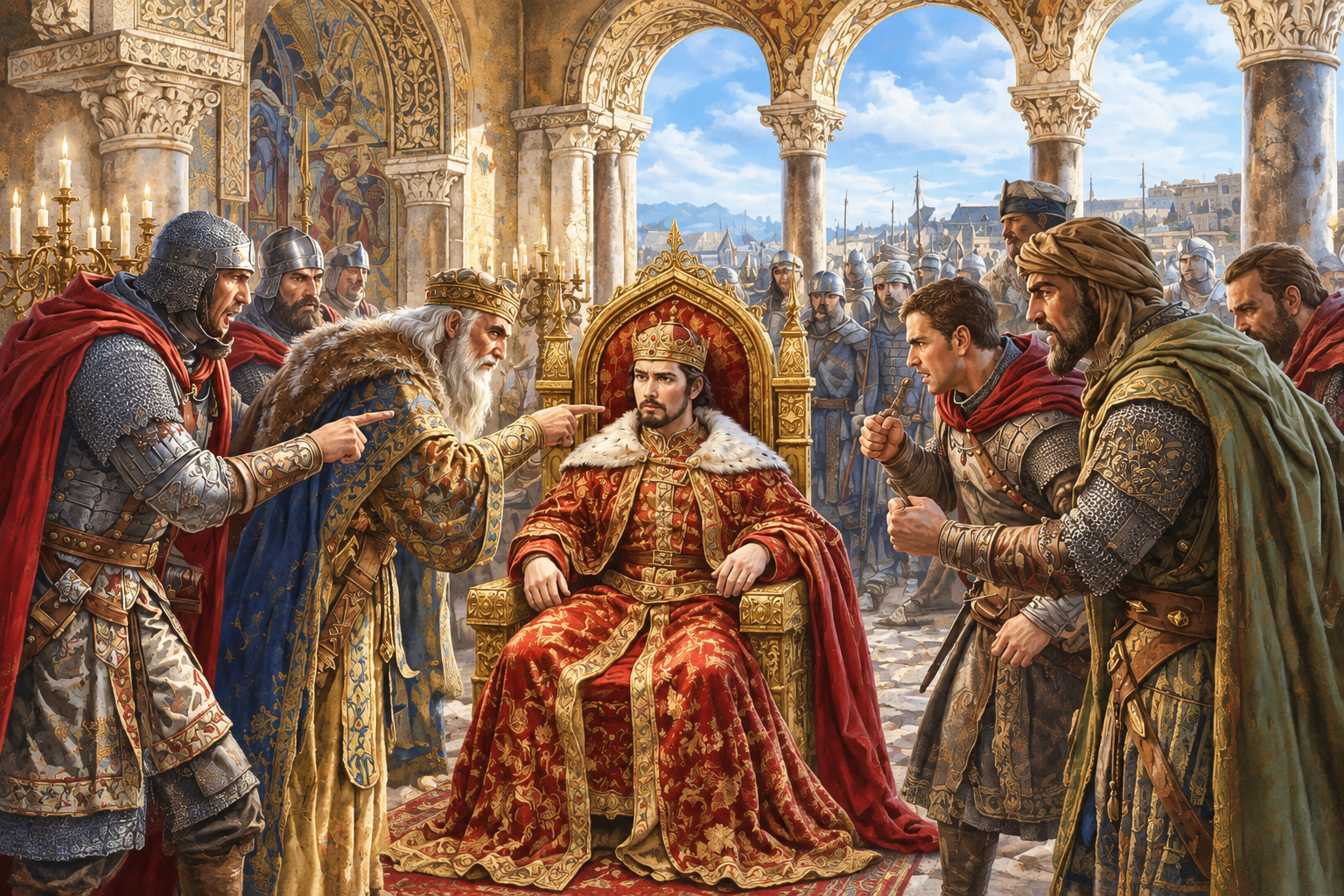
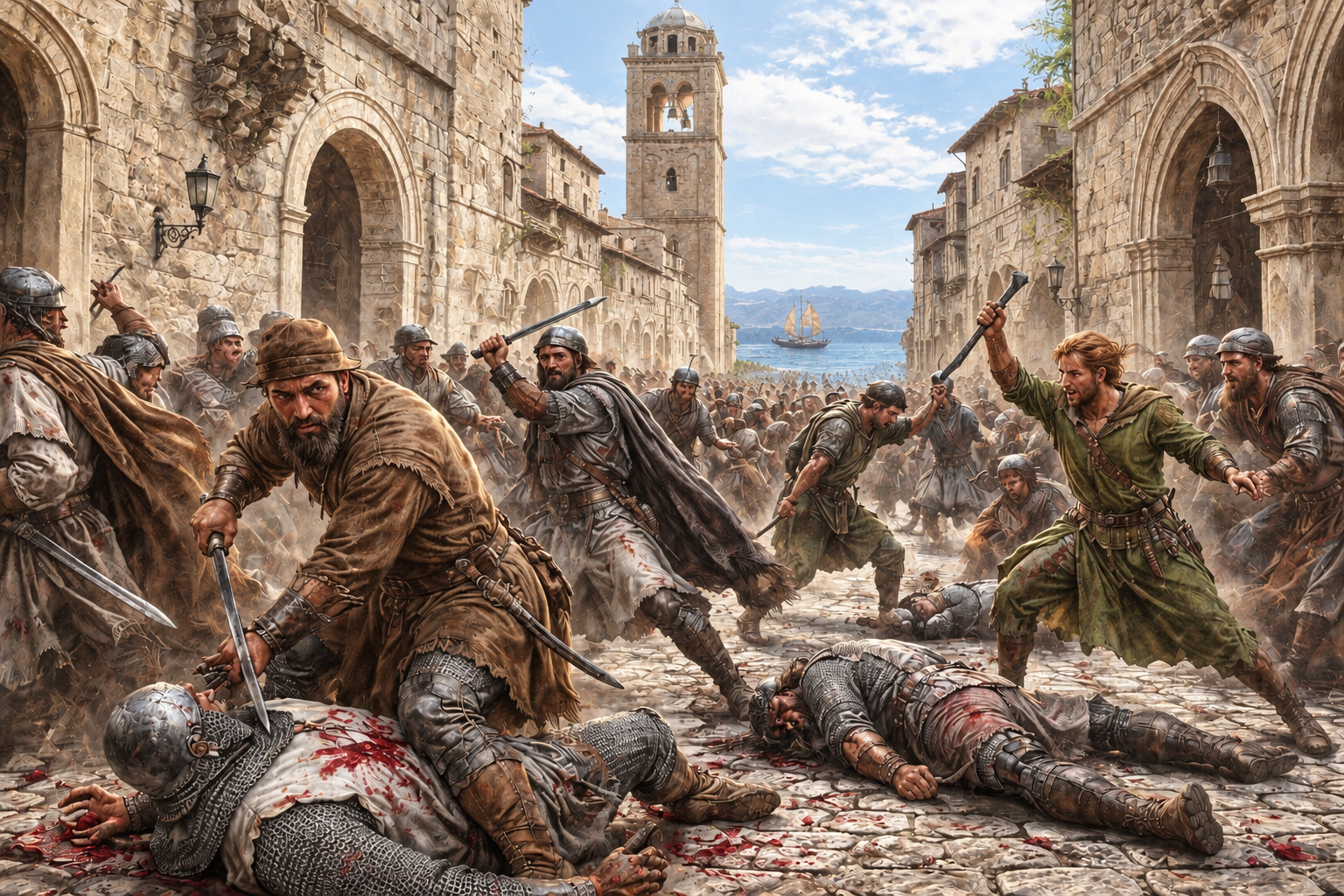
Frederick II, Stupor Mundi, dazzled the world from Palermo. Then came the short rule by vile French oppressors – all slain by Sicilian vengeance during the rebellion of the Sicilian Vespers.

1194–1282 AD

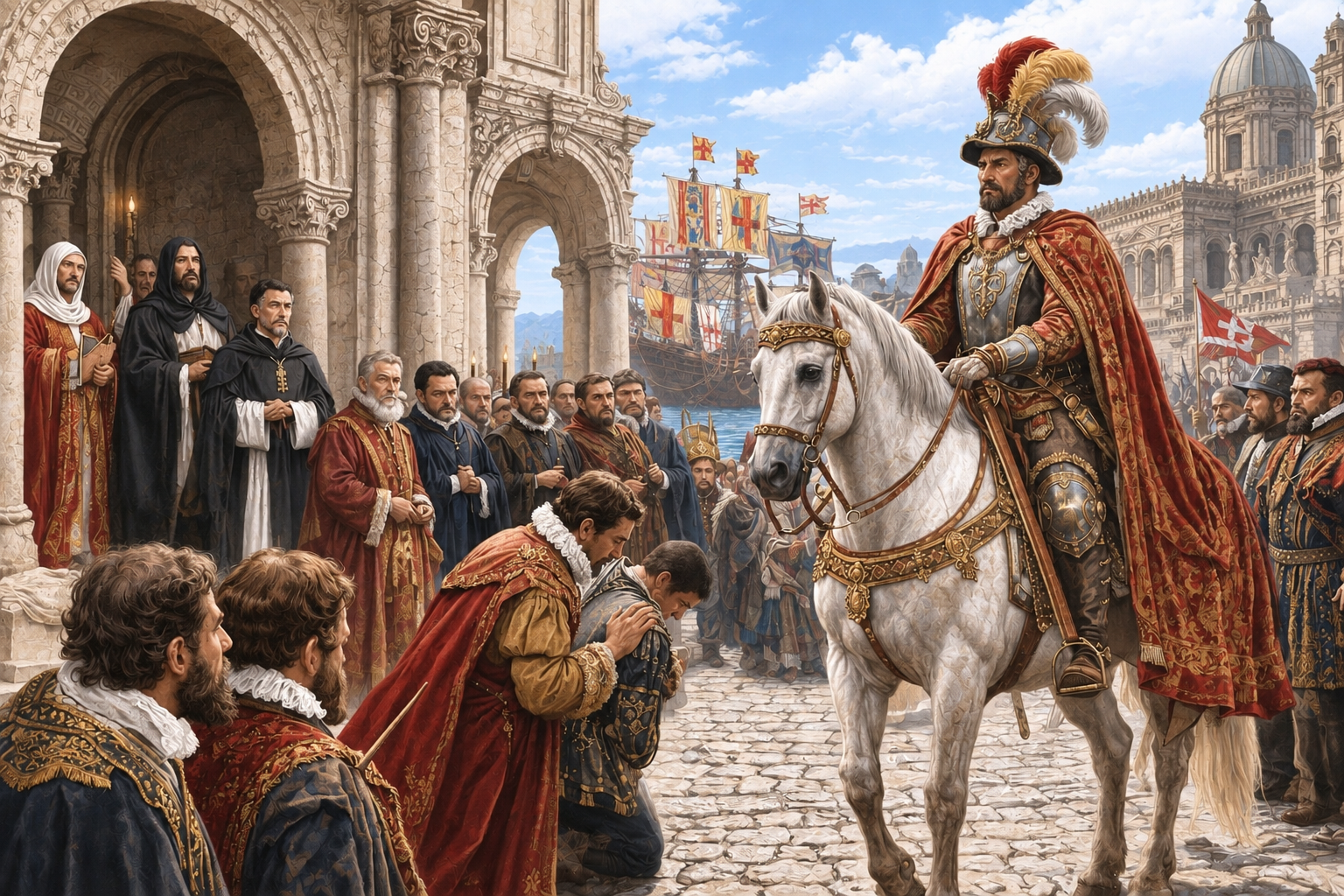
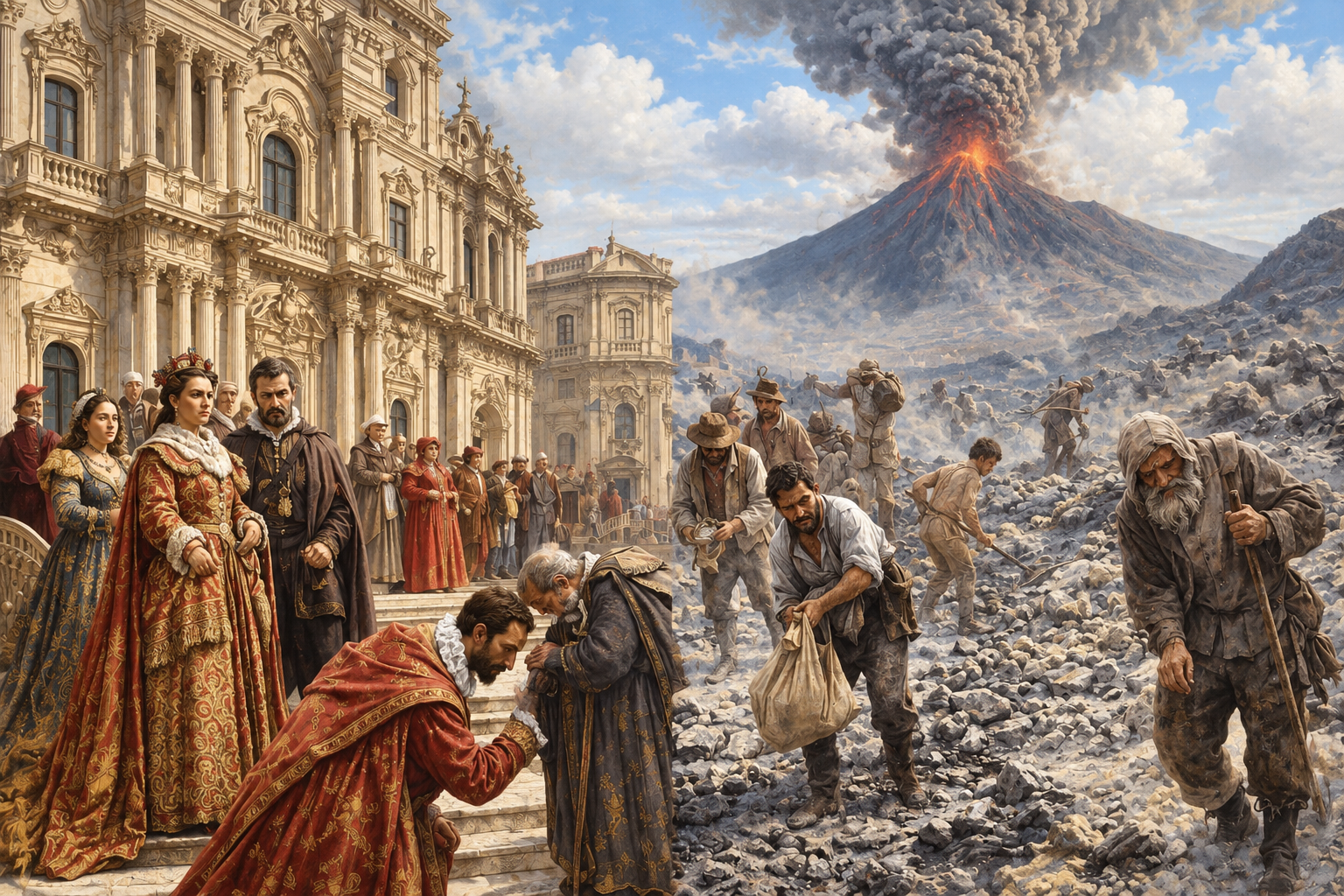
Four centuries under Spain. Centuries of neglect, exploitation, kidnappings and slavery from Muslim pirate raids, and the terror of the inquisition — broken only by the Baroque rebirth after the 1693 earthquake

1282–1713 AD

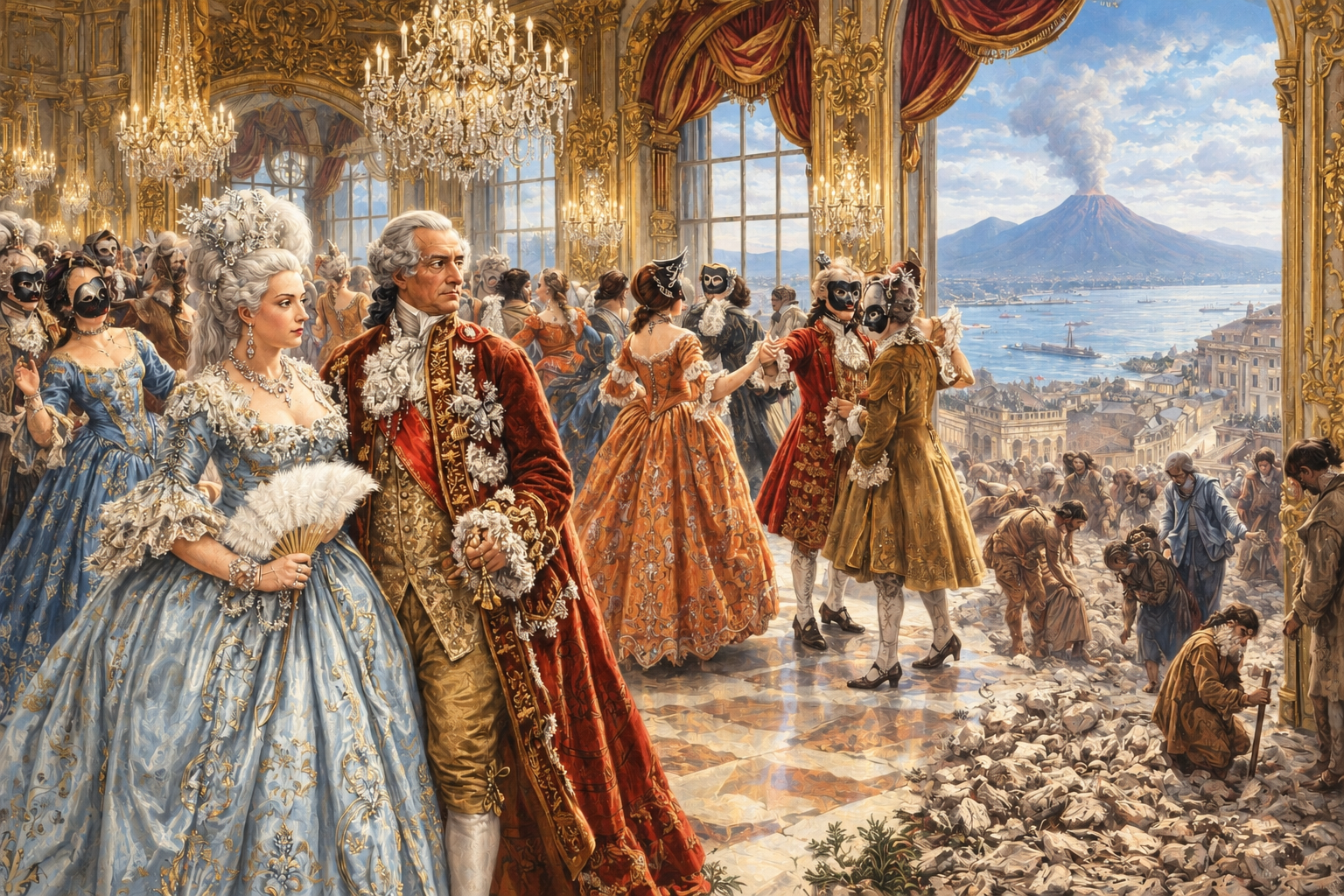
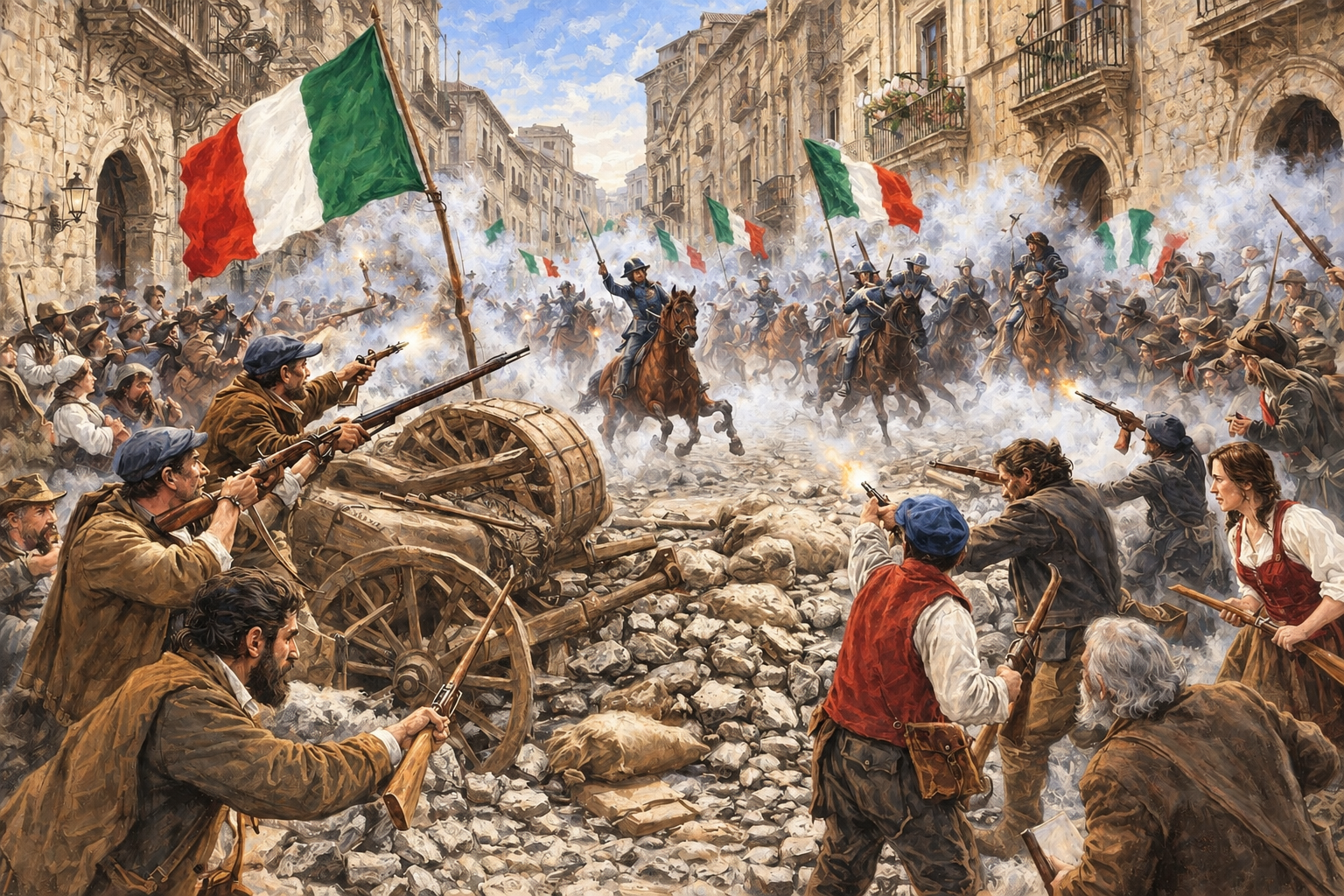
The Kingdom of the Two Sicilies. An era of Sicilian discontent and popular revolutions occurring in 1820, 1837, and 1848. A people pushed past breaking — and finally, past fear.

1713–1860 AD

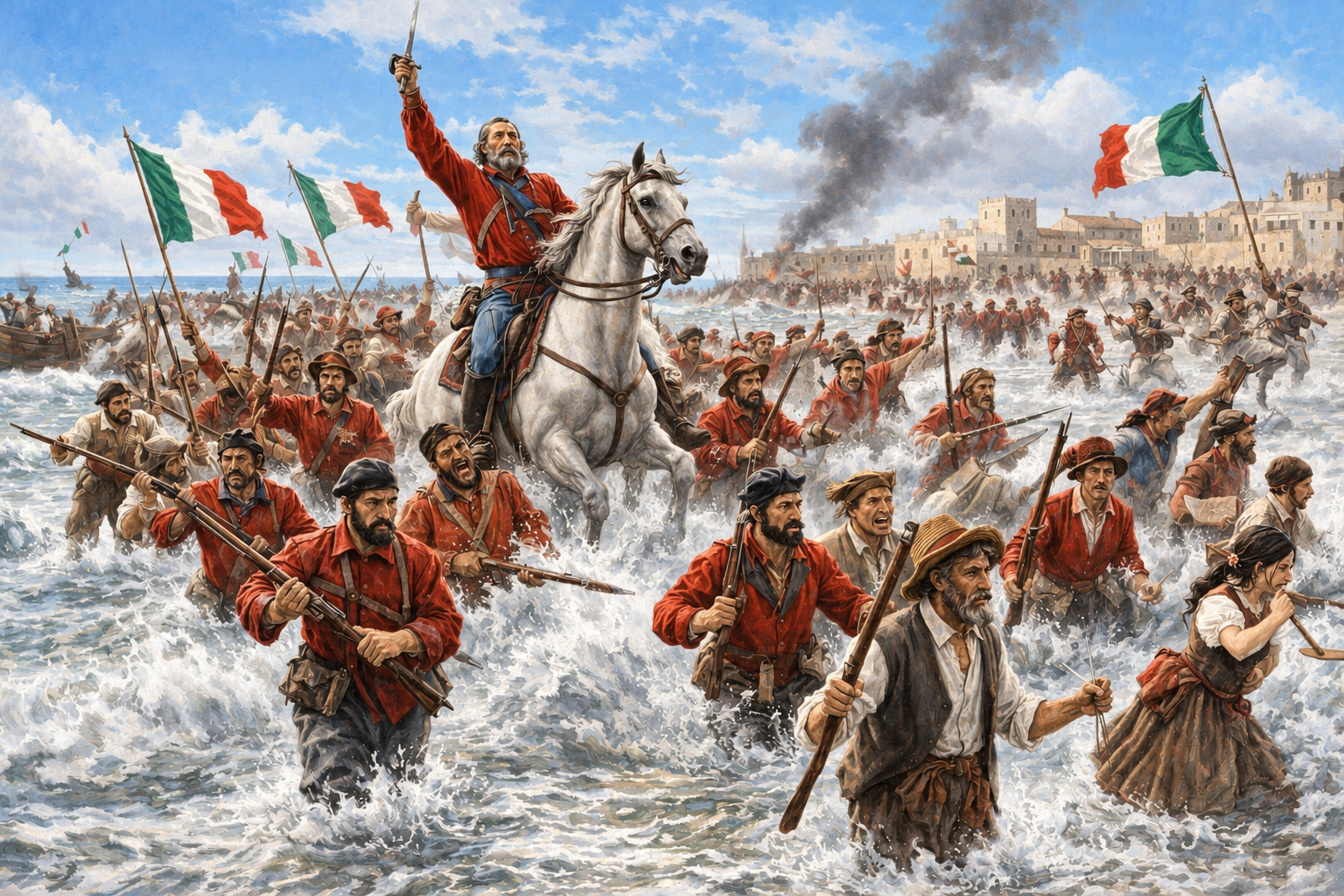
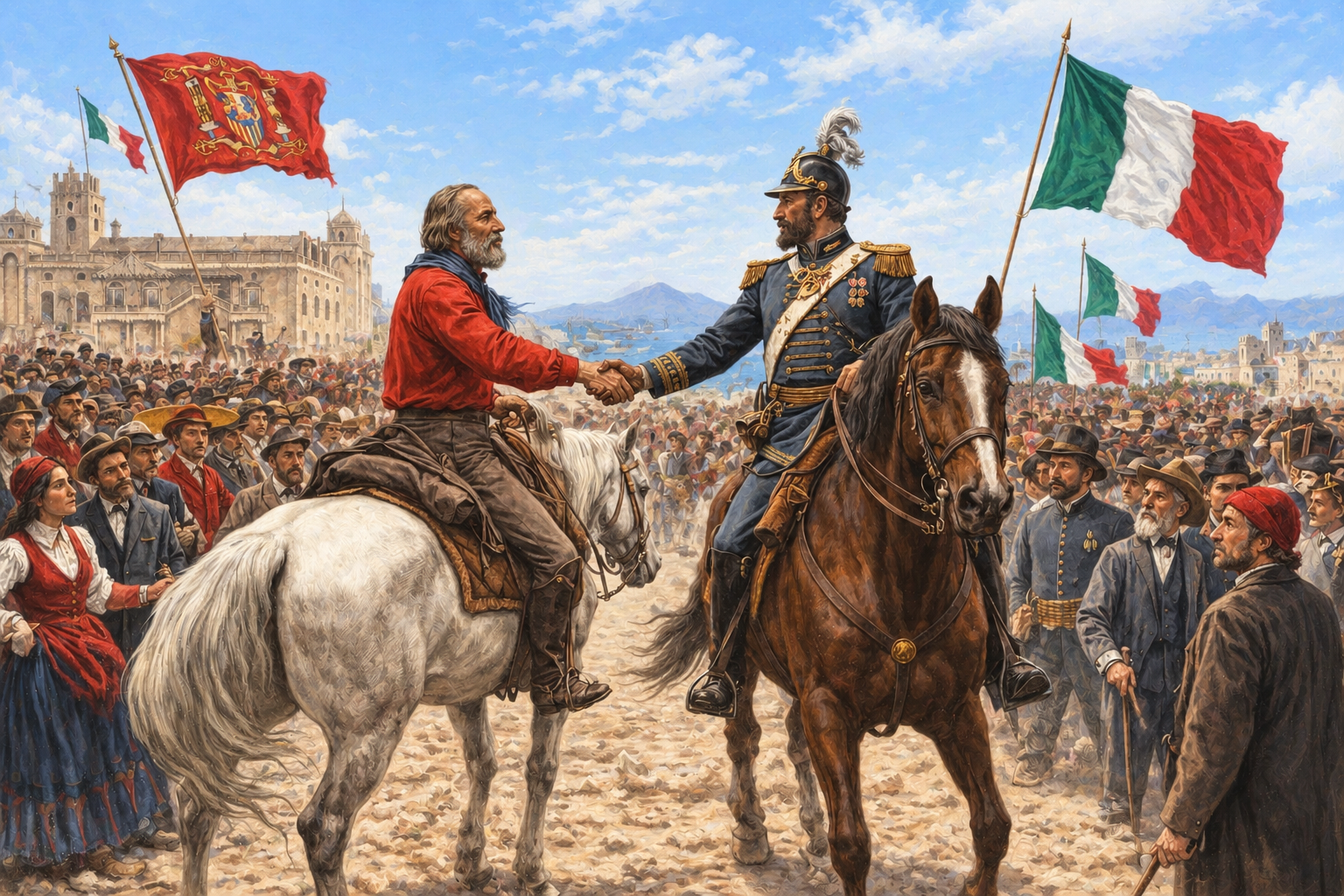
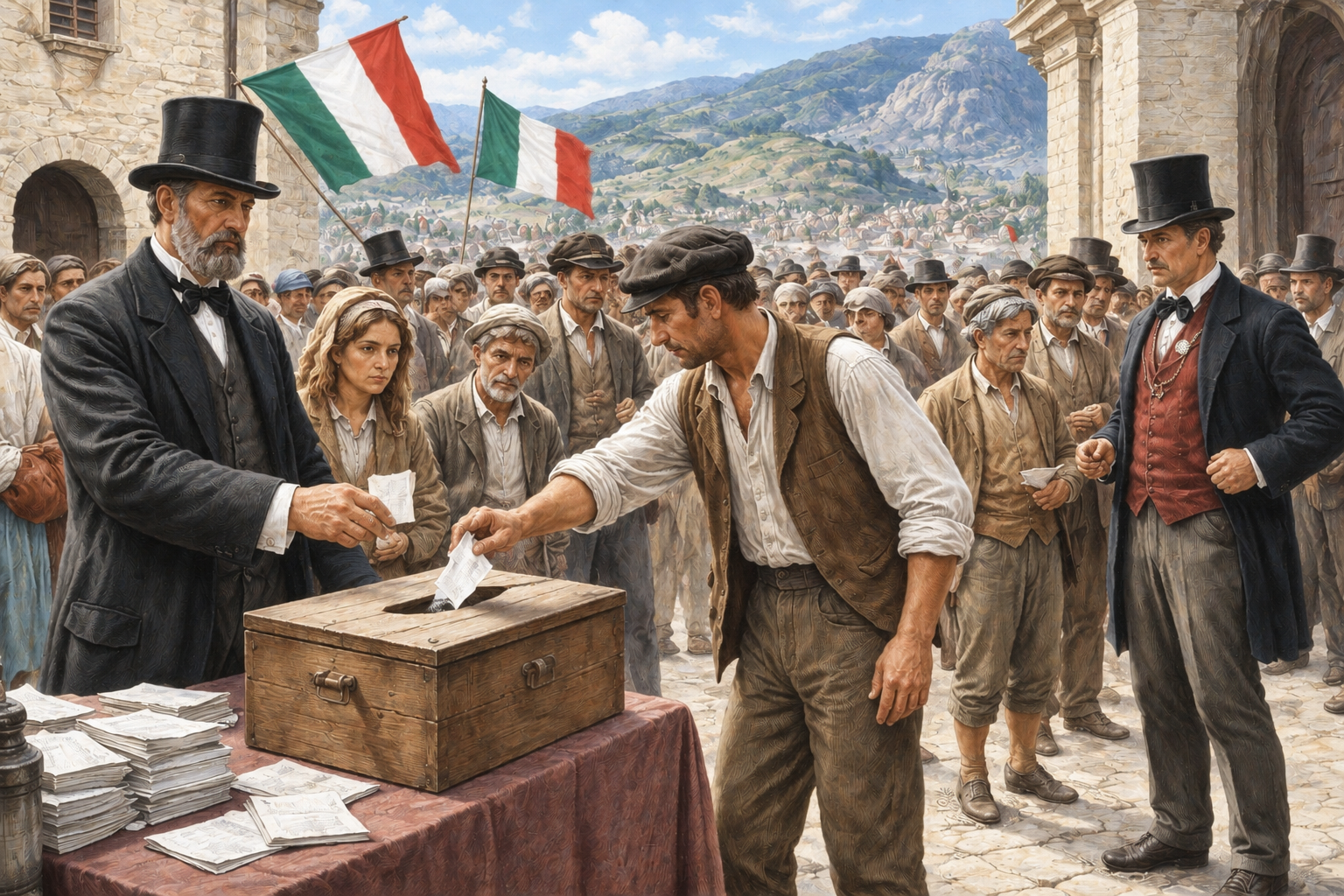
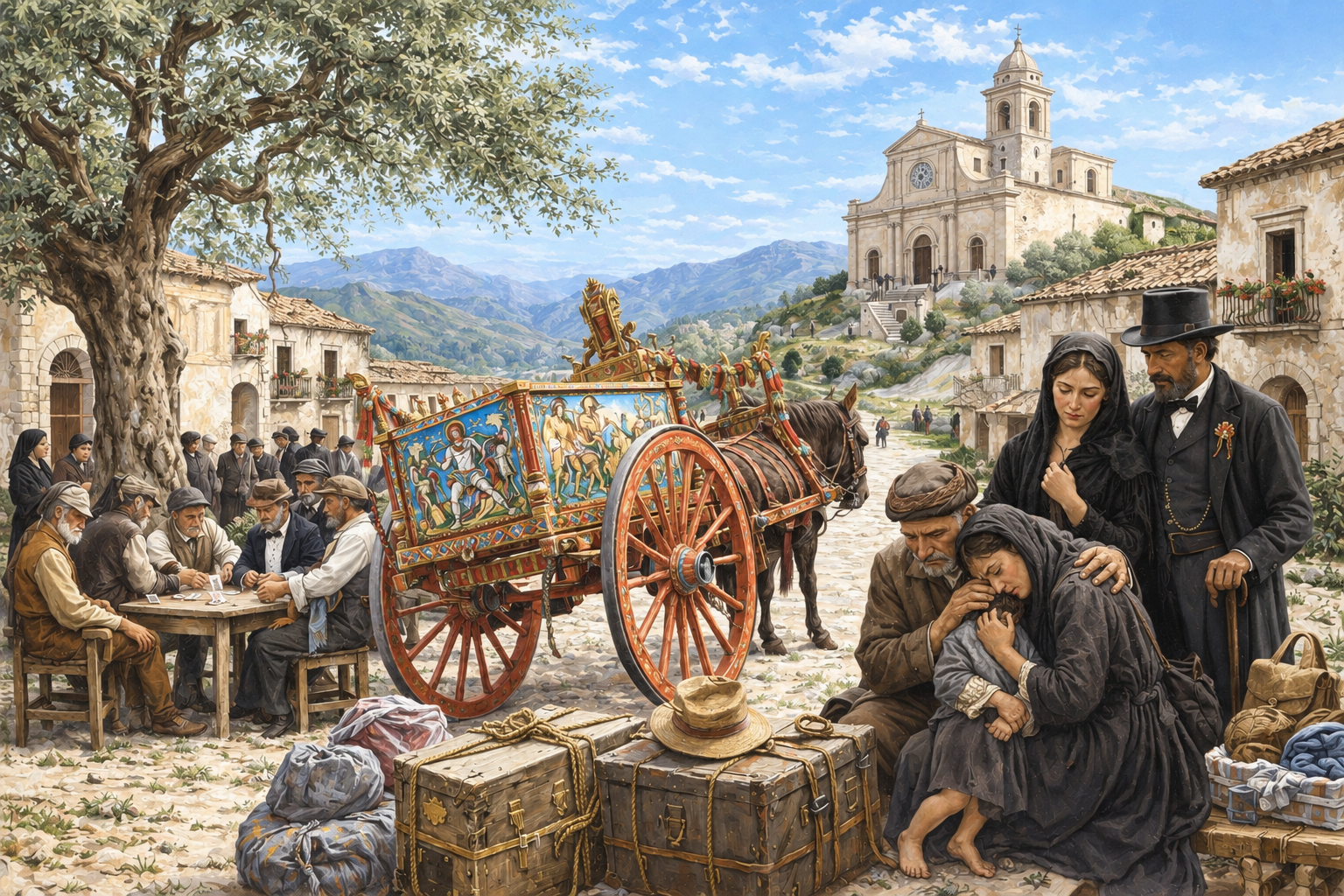
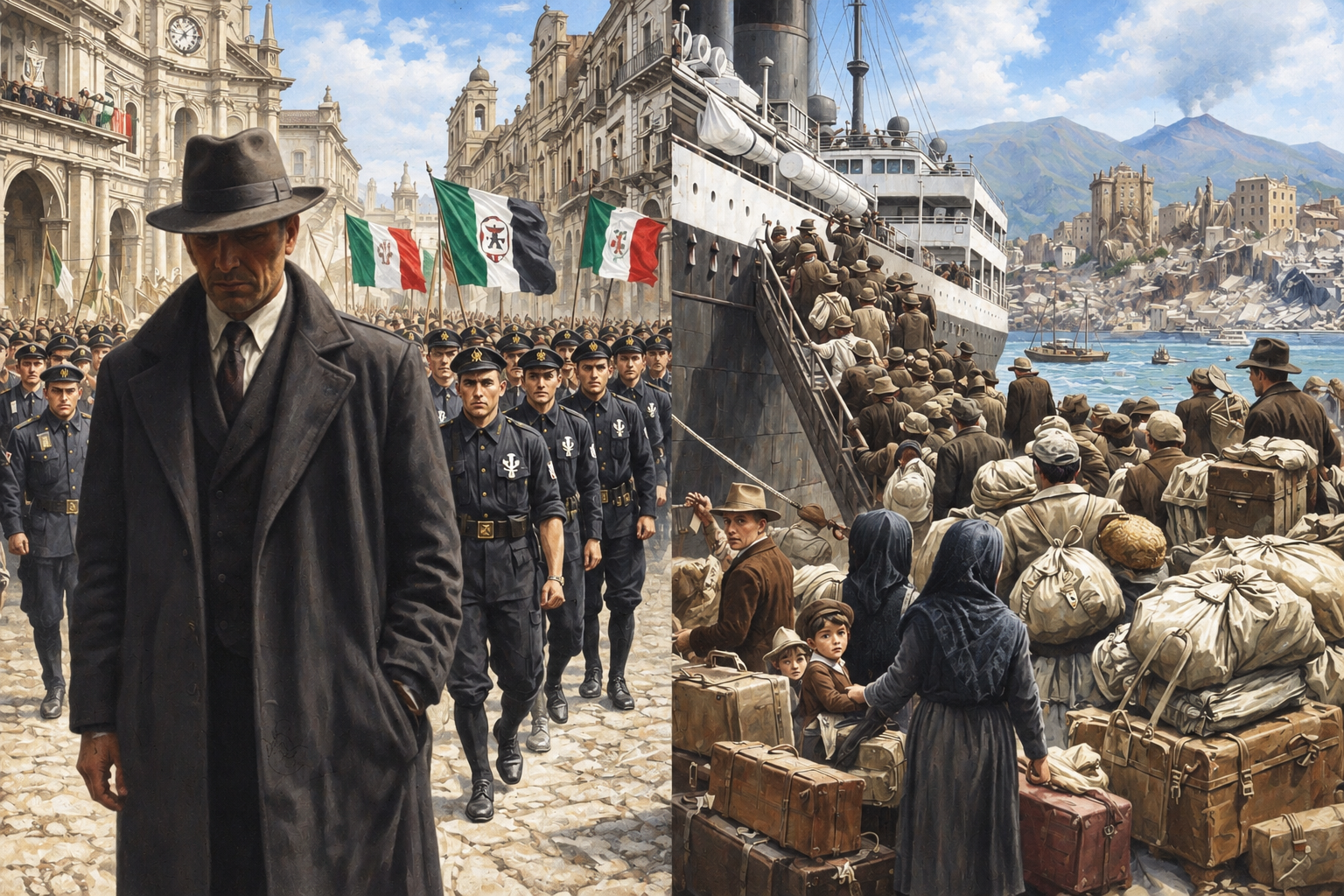
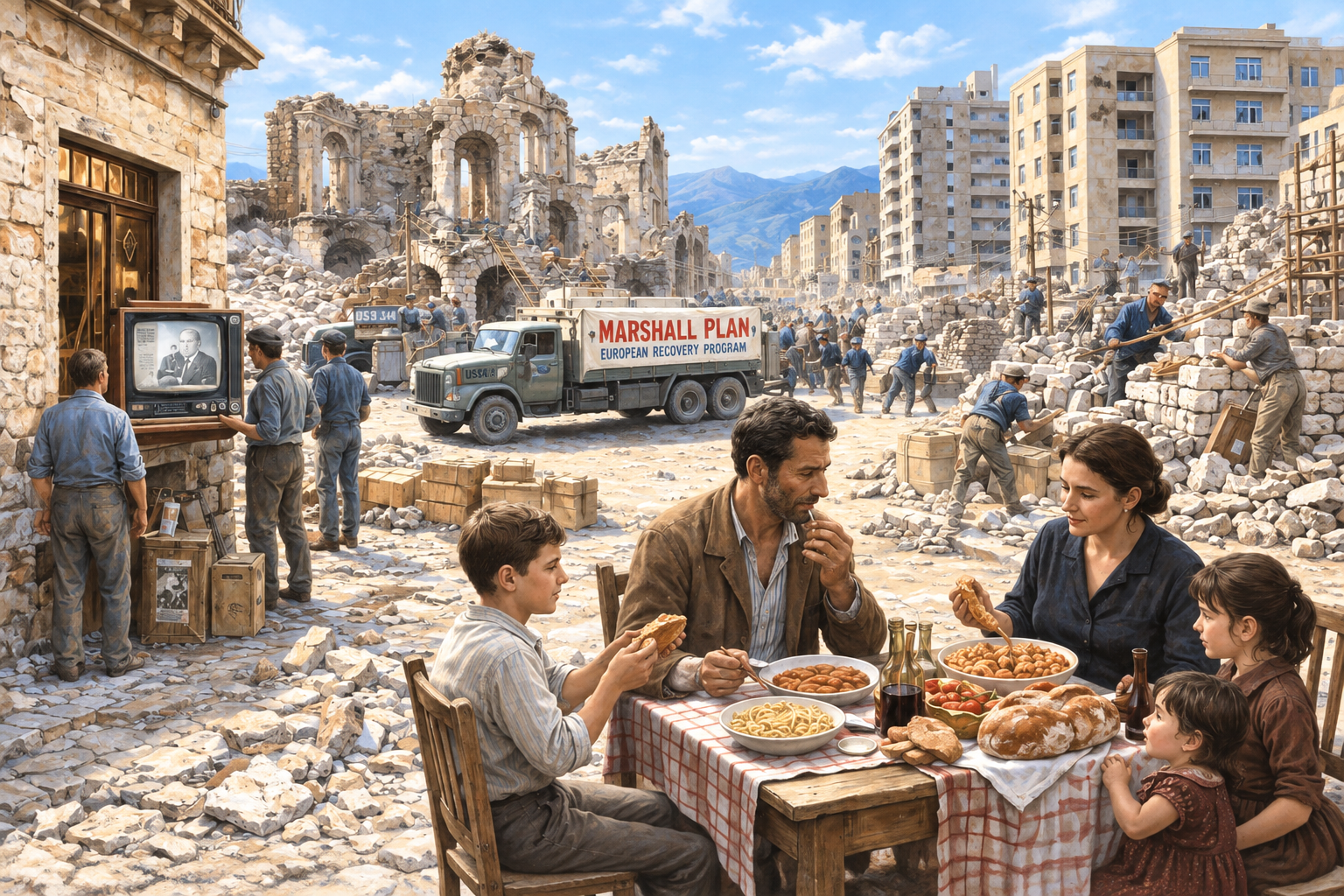
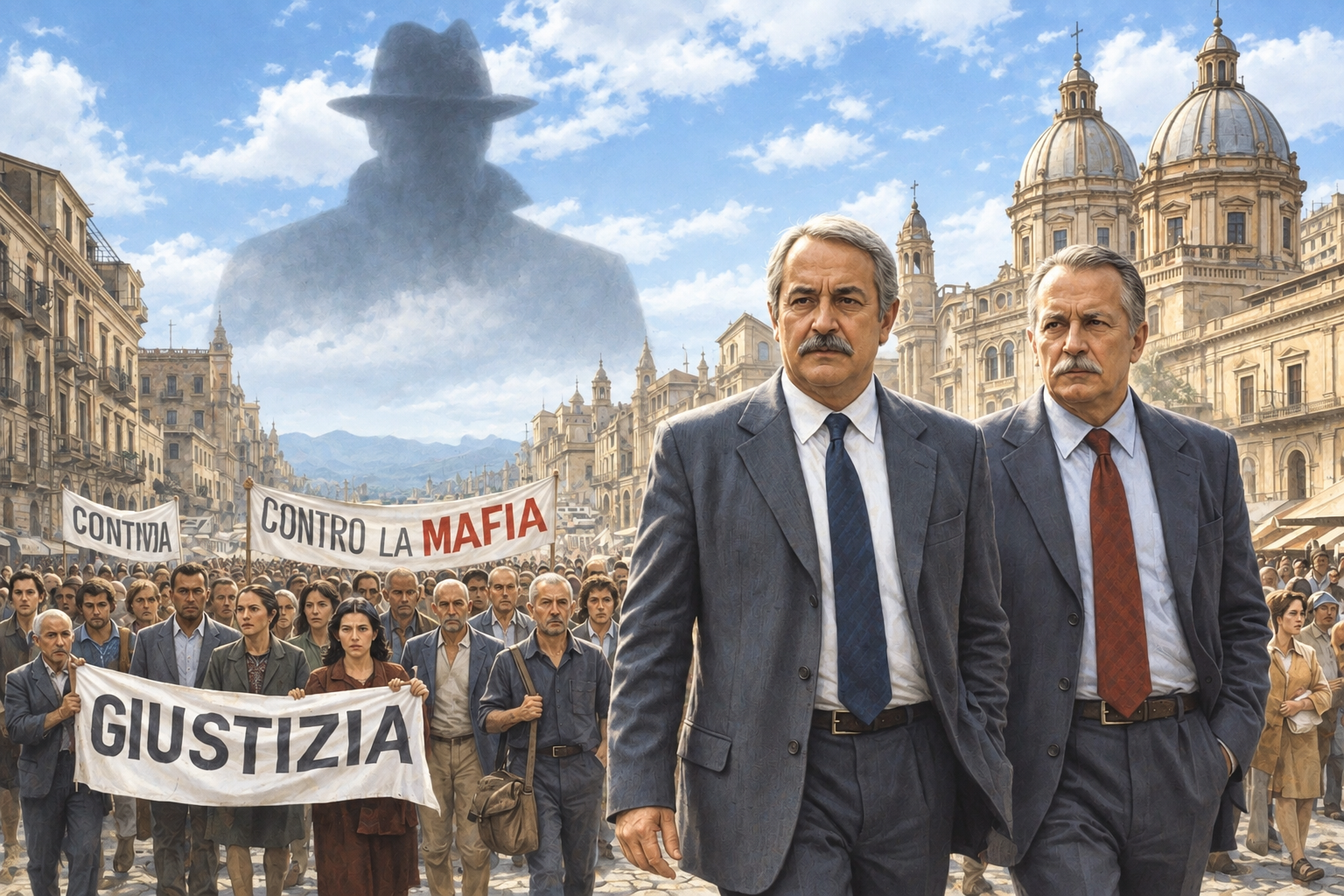
Garibaldi lands a small volunteer army at Marsala and miraculously creates a unified Kingdom of Italy. But living conditions worse, forcing millions to emigrate in late 19th and early 20th centuries. Two World Wars followed by the rise of the Mafia. Palermo becomes is a Mafia controlled war zone, leading to the assassinations of anti-Mafia judges Sicilians rise and defeat the Mafia.

1860–Present

Jump to Timeline

It is a long established fact that a reader will be distracted by the readable content of a page when looking at its layout. The point of using Lorem Ipsum is that it has a more-or-less normal distribution of letters, as opposed to using ‘Content here, content here’, making it look like readable English. Many desktop publishing packages and web page editors now use Lorem Ipsum as their default model text, and a search for ‘lorem ipsum’ will uncover many web sites still in their infancy. Various versions have evolved over the years, sometimes by accident, sometimes on purpose (injected humour and the like).
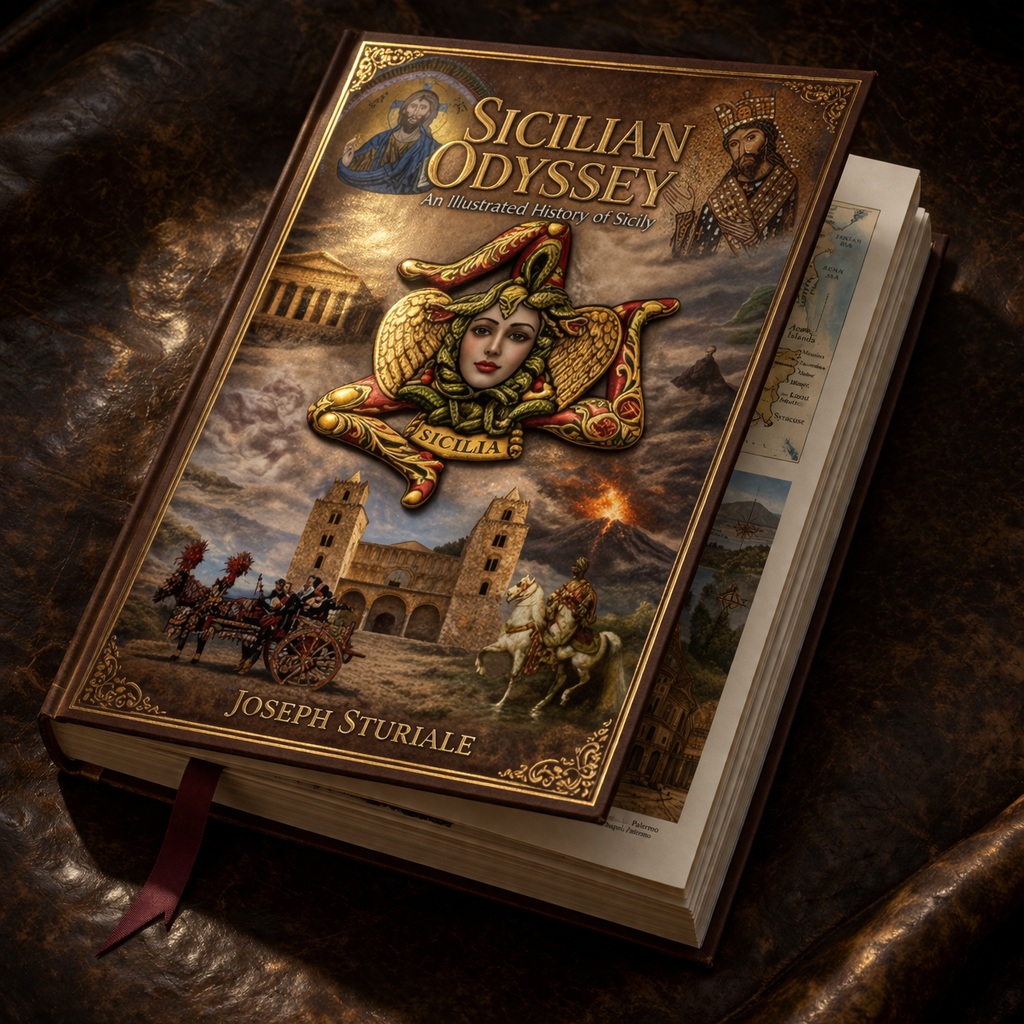
Read Chapter by Chapter

Archeological evidence dates the earliest settlements within Sicily back to the Paleolithic

This chapter sets the stage to gain greater understanding of Sicilian historical

Sicilian Greek history is dominated by a succession of powerful rulers called

The Roman conquest of Sicily was the product of the First Punic

Christianity came early to Sicily. Tradition holds that Saint Paul himself visited

The Byzantine reconquest of Sicily was led by Belisarius, Emperor Justinian’s greatest

The Arab conquest of Sicily began in 827 AD when an Aghlabid

To understand the Norman Kingdom of Sicily, one must first understand how

The Norman invasion of Sicily was a 30-year campaign of conquest, from

On Christmas Day 1130, Roger II, the son of the Roger I

Upon the death of King Roger II of Sicily in 1154, the

Every golden age must end. For Norman Sicily, the end began with

The chapter traces the regency period following the death of Emperor Henry

and the chapter begins with the establishment of a brutal and rapacious

This chapter begins with the consolidation of the kingdoms of Castille and

At the end of the long Spanish decline, rule of the island

From 1735 until the Italian unification of 1860, Sicily was ruled by

The year 1848 is known in European history as the “Year of

On May 11, 1860, Giuseppe Garibaldi landed at the port of Marsala

The fall of the Bourbons in 1860 completed one of the longest

Far from romanticizing this early period of Italian unification, the chapter examines

It is a long established fact that a reader will be distracted

This chapter covers the period from roughly 1890 to 1940 — the

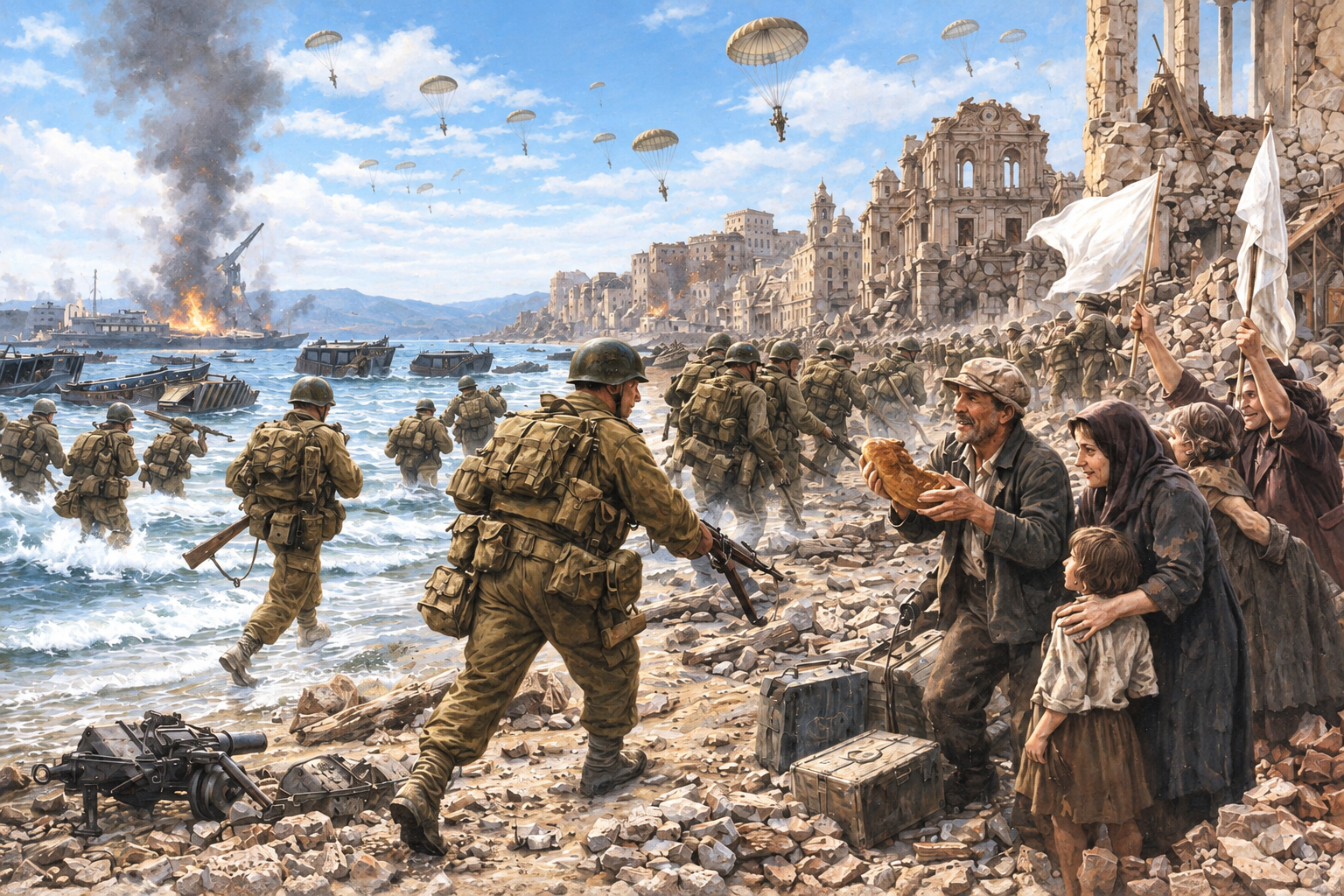
On July10, 1943, the Allied forces launched Operation Husky, the invasion of

Post-war Sicily faced enormous challenges: rebuilding shattered cities, multiple humanitarian crises from

By the late 1970s the despair of the Sicilian people had reached

The final chapter of Sicilian Odyssey is an epilogue on modern day