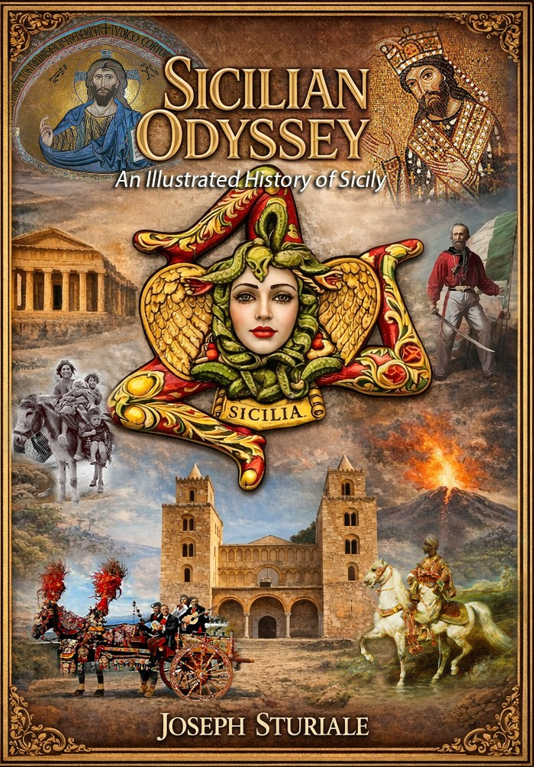
Sicilian Odyssey
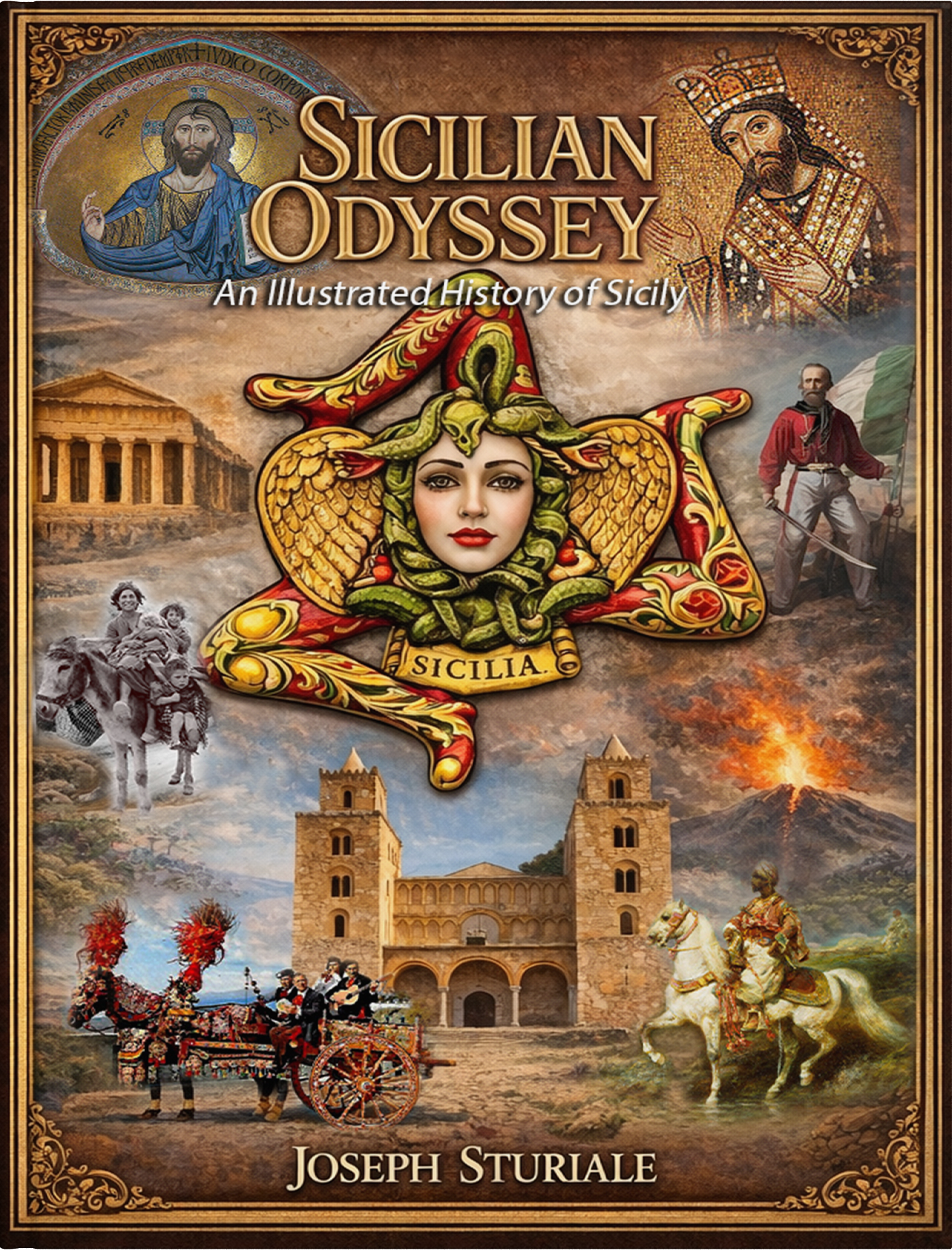
An Illustrated History of Sicily
A modern day illustrated chronicle
Sicilian Odyssey
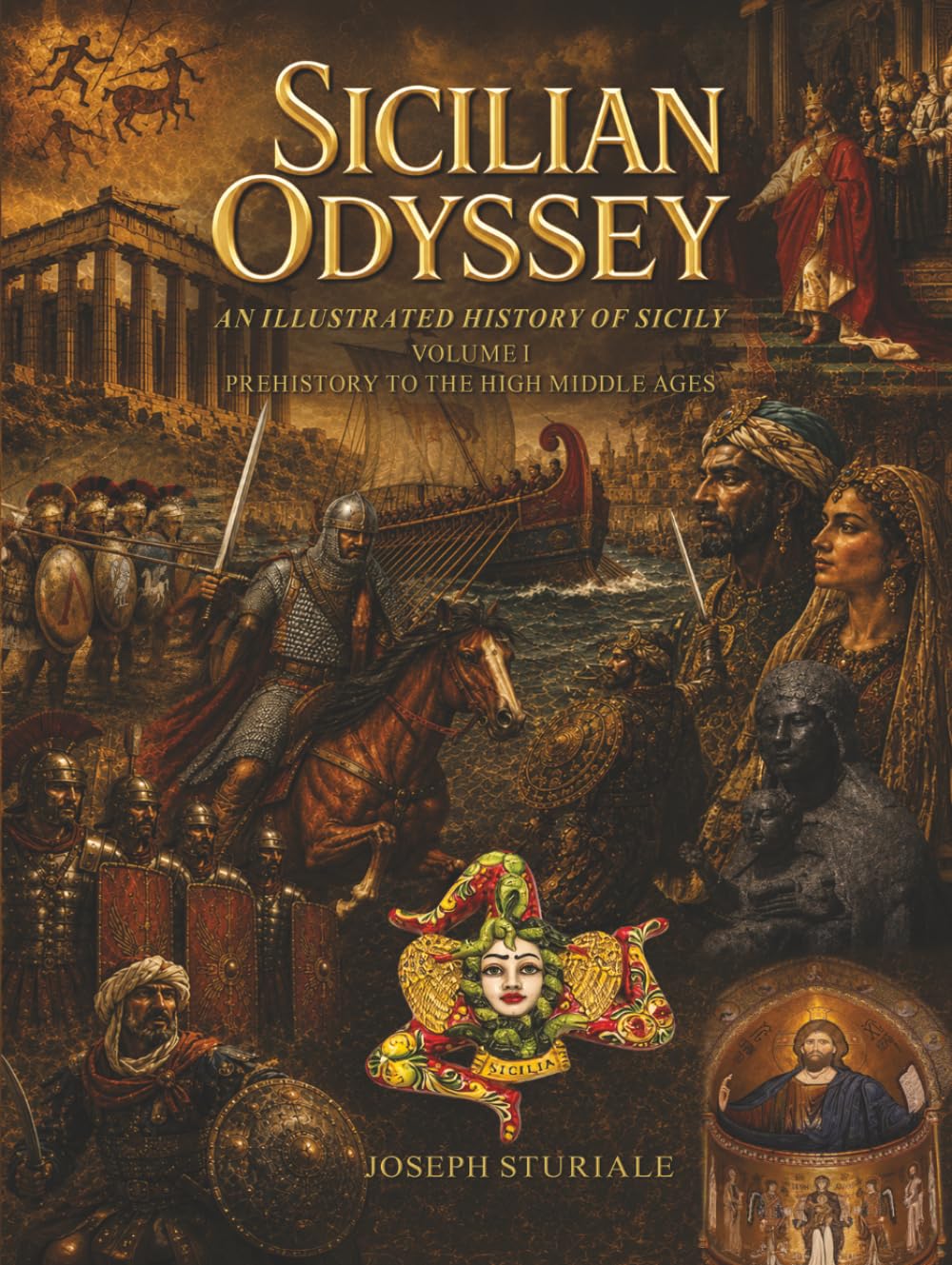
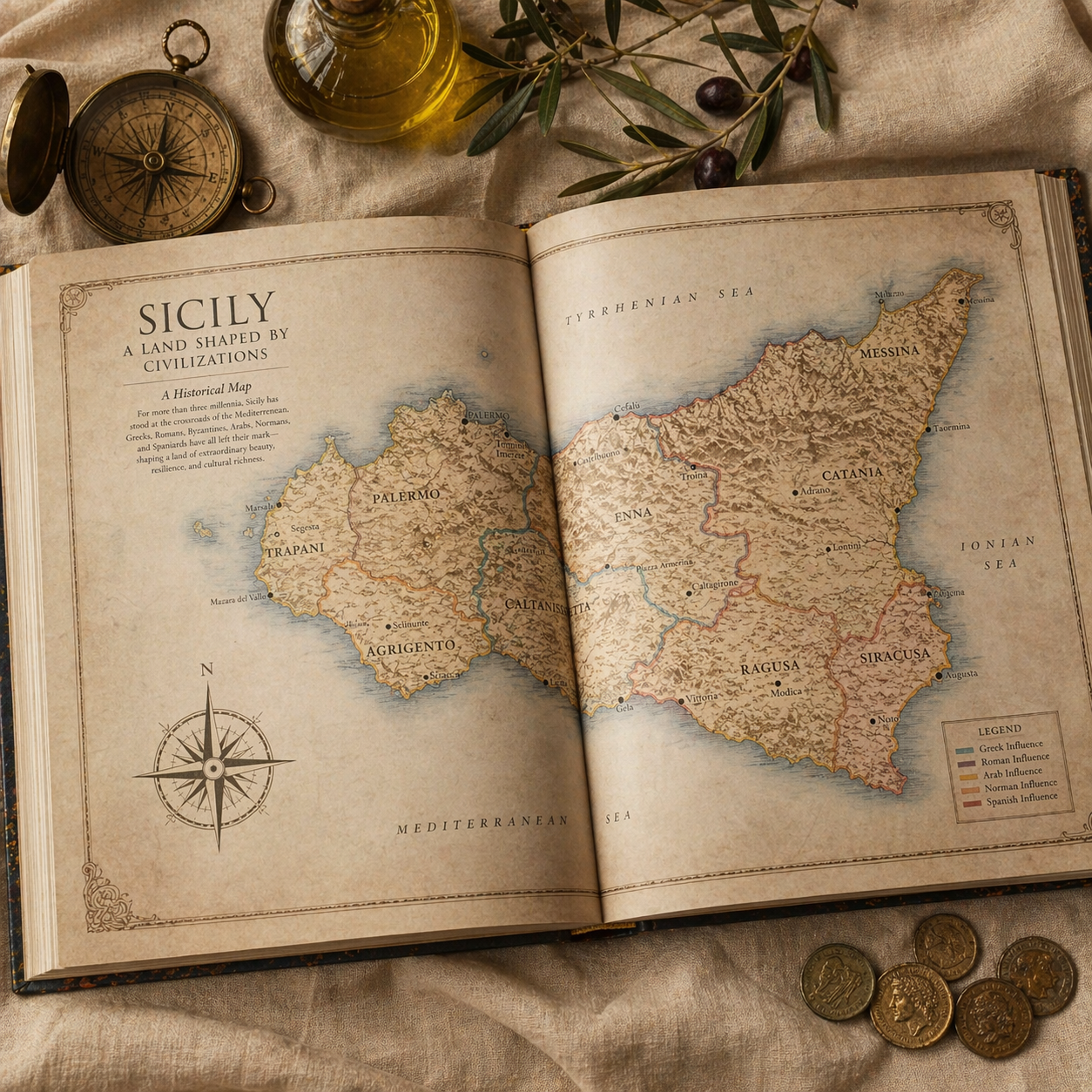
Sicilian Odyssey: An Illustrated History of Sicily: Volume I – Prehistory to the High Middle Ages
$14.95 – $59.95Price range: $14.95 through $59.95
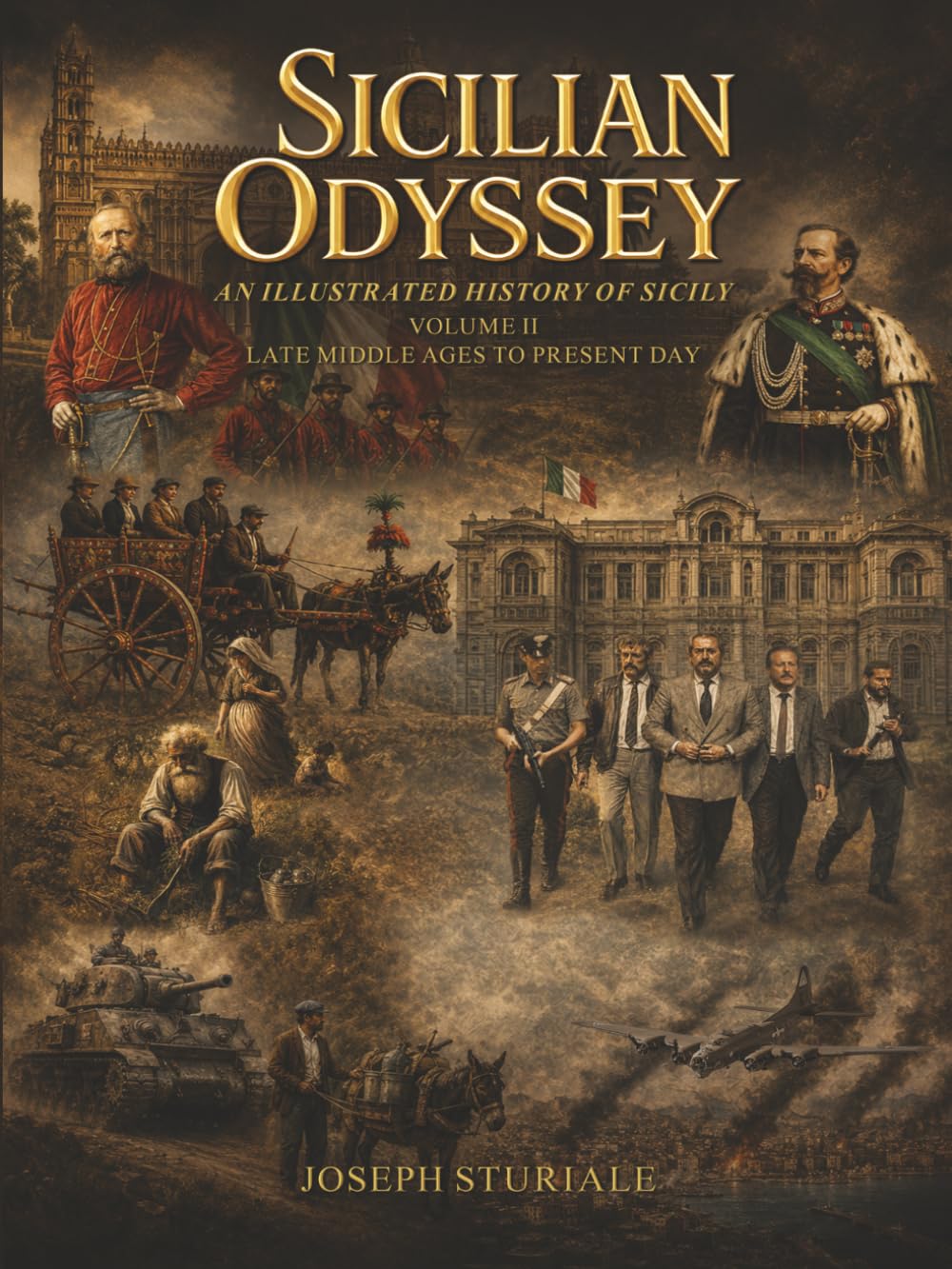
Sicilian Odyssey: An Illustrated History of Sicily: Volume II – Late Middle Ages to Present Day
$14.95 – $59.95Price range: $14.95 through $59.95
Sicilian Odyssey Single Volume
$69.95 – $89.95Price range: $69.95 through $89.95
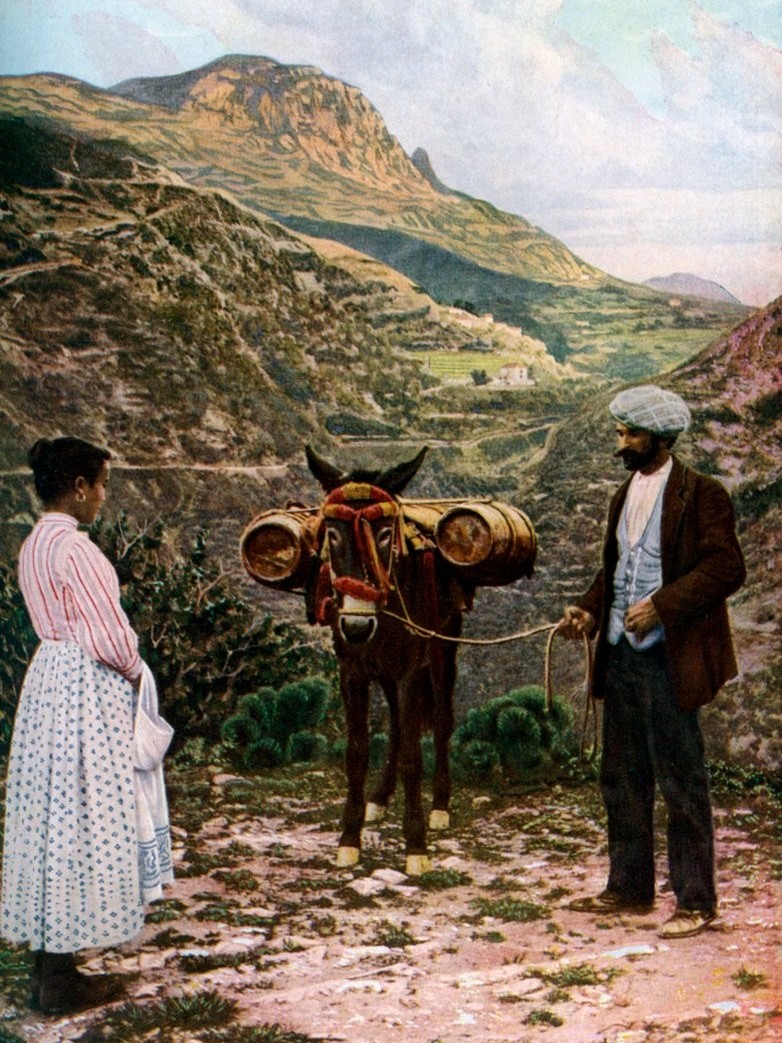
Mule with water kegs; colorized photo by A.W. Cutler, circa 1923.
Author’s Introduction
Beginning in the 19th century and continuing to present day, the real history of Sicily and its people has been largely overshadowed and obscured by an endless number of sensationalized, fictitious Mafia stories. My purpose in writing the book was to present the true history of Sicily to an audience, which has been fed a steady diet of Hollywood fiction, glorifying the criminal Mafia lifestyle. The absence of accurate depictions of real Sicilians by the media and entertainment industries has effectively left this exploitive and false Mafia fiction as the only representations of Sicilians that most people will ever know. The result is that the fallacious presumptive association of the Sicilian people with violence, lawlessness, criminality, and immorality is perpetuated.
My purpose for the book was to reintroduce the real Sicilian people, and present their true story and culture to a world audience. I hope that the book will be a source of inspiration and pride for individuals of Sicilian descent, and that it challenges the prior false perceptions and prejudices held by many of its readers.
Joseph Sturiale
Explore The Chapters
Chapter 1
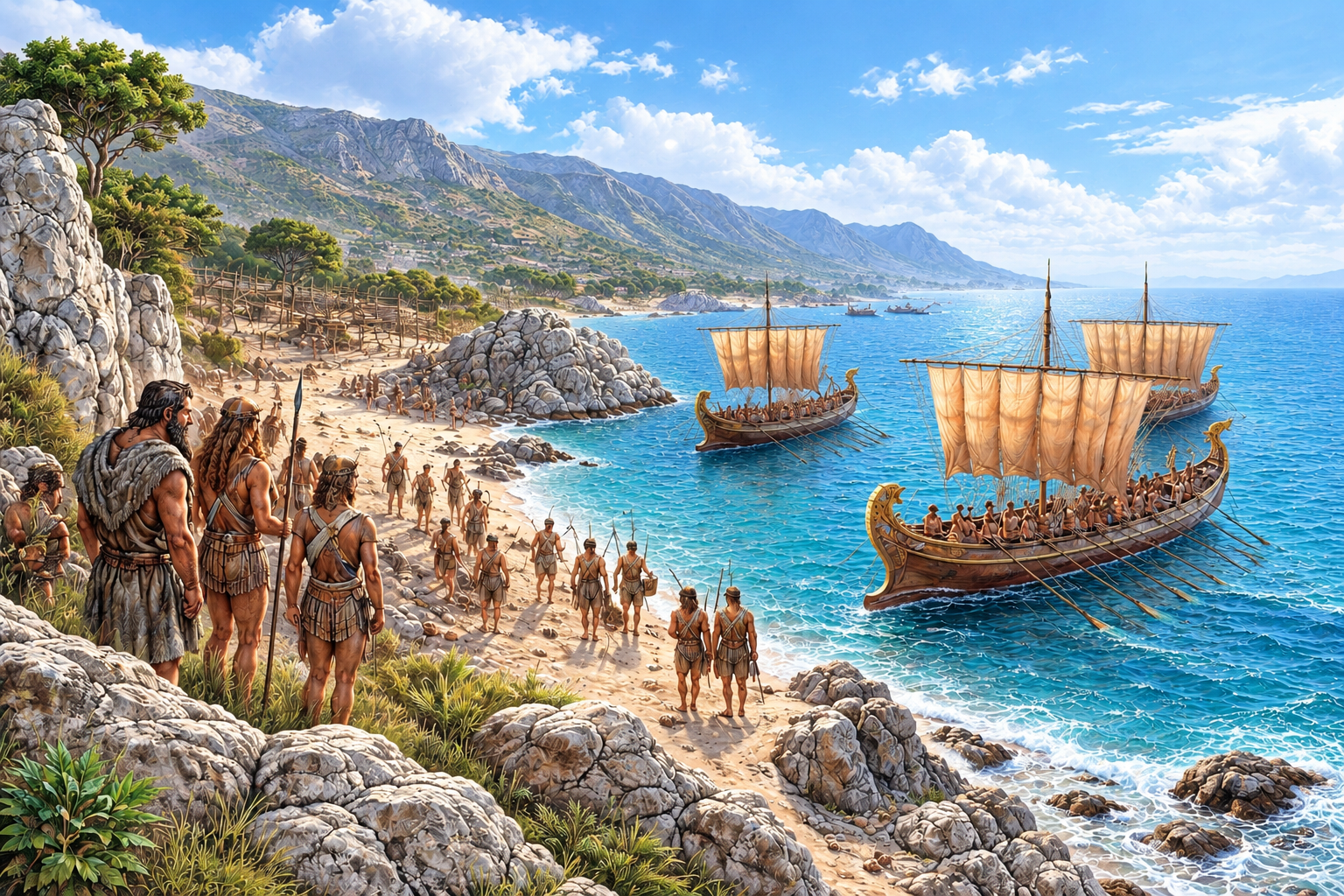
Archeological evidence dates the earliest settlements within Sicily back to the Paleolithic era more than 12,000 years ago. These original…
Chapter 2
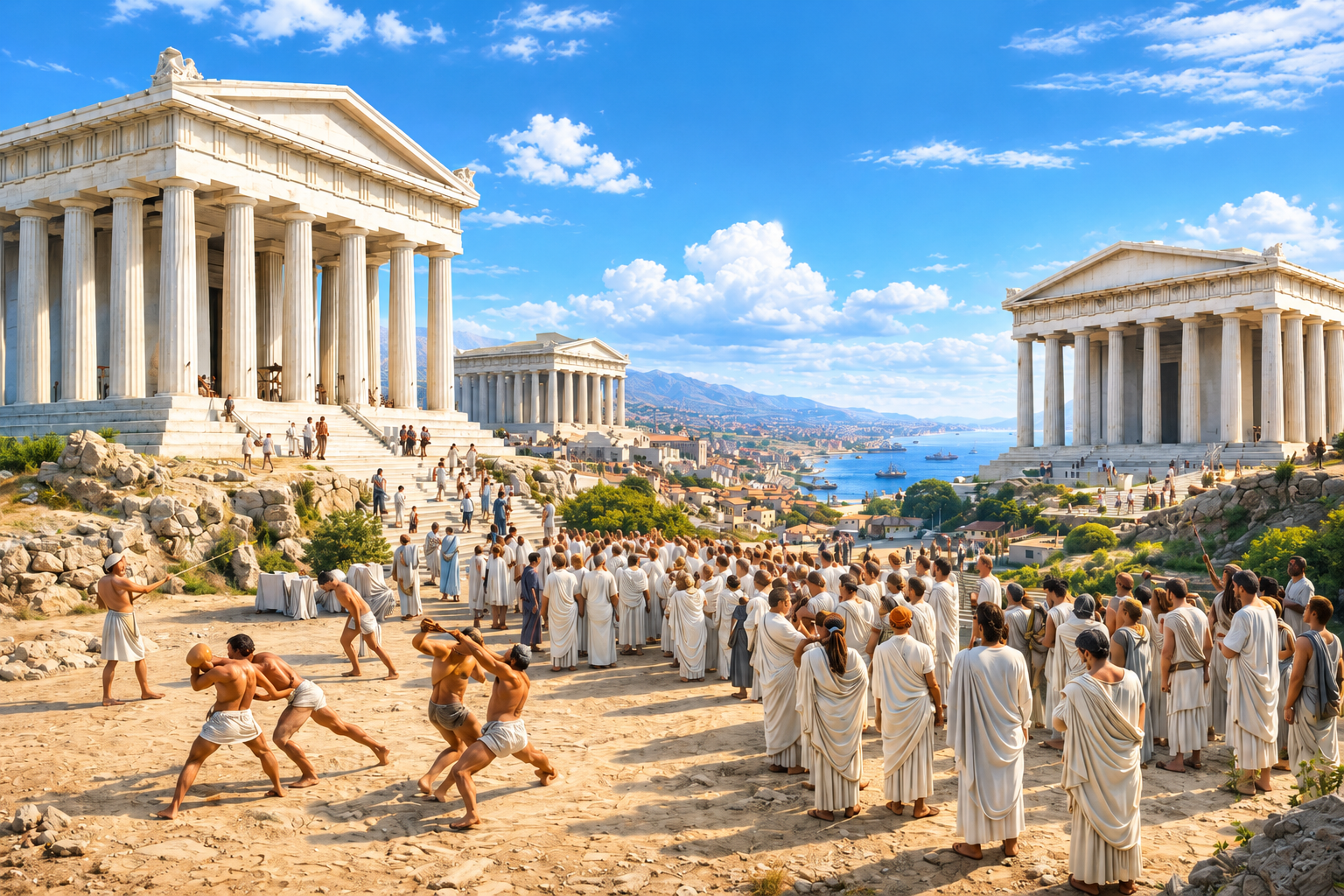
This chapter sets the stage to gain greater understanding of Sicilian historical events of the 5th century BC, by exploring…
Chapter 3
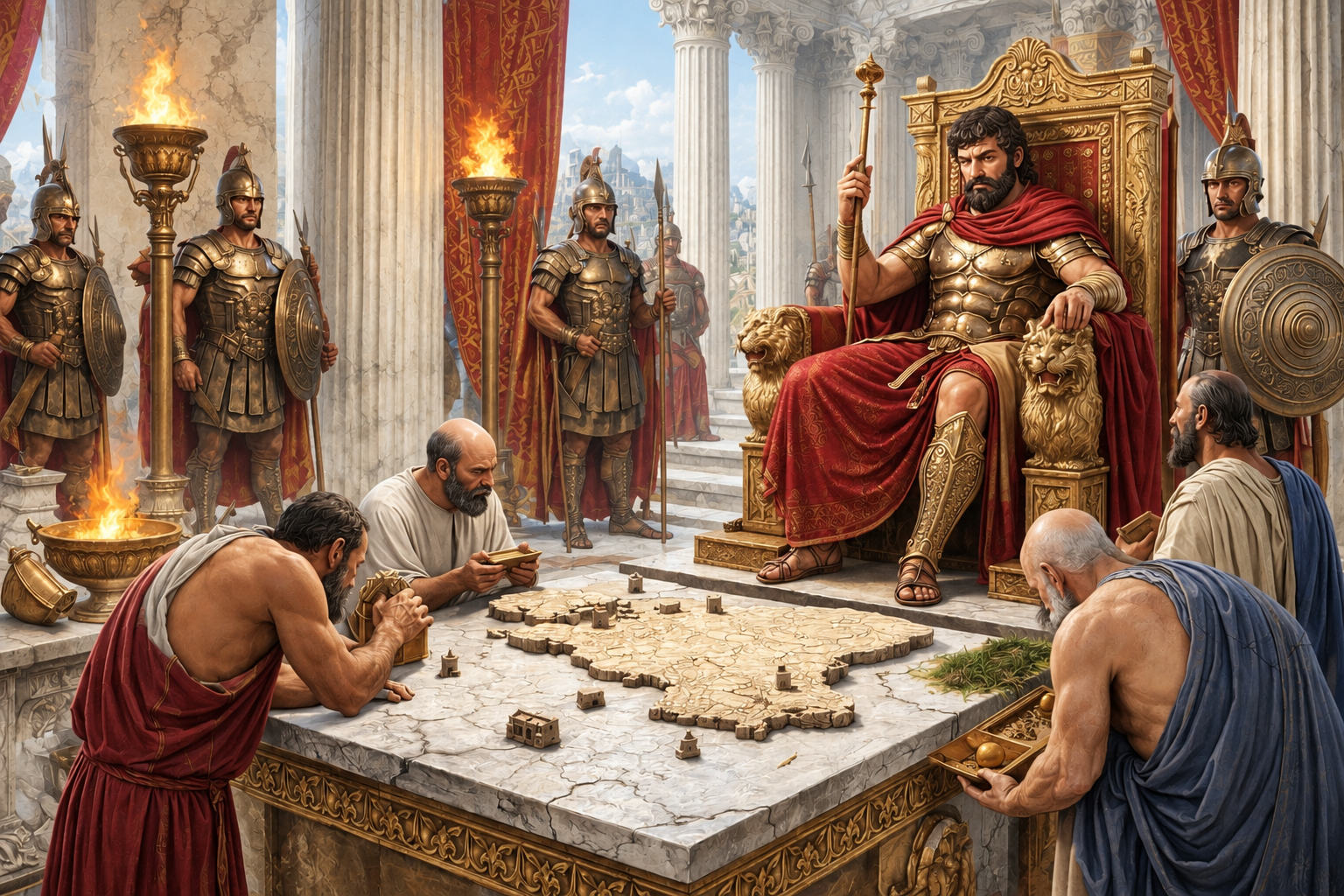
Sicilian Greek history is dominated by a succession of powerful rulers called tyrants. The word “tyrant” in this context did…
Chapter 4
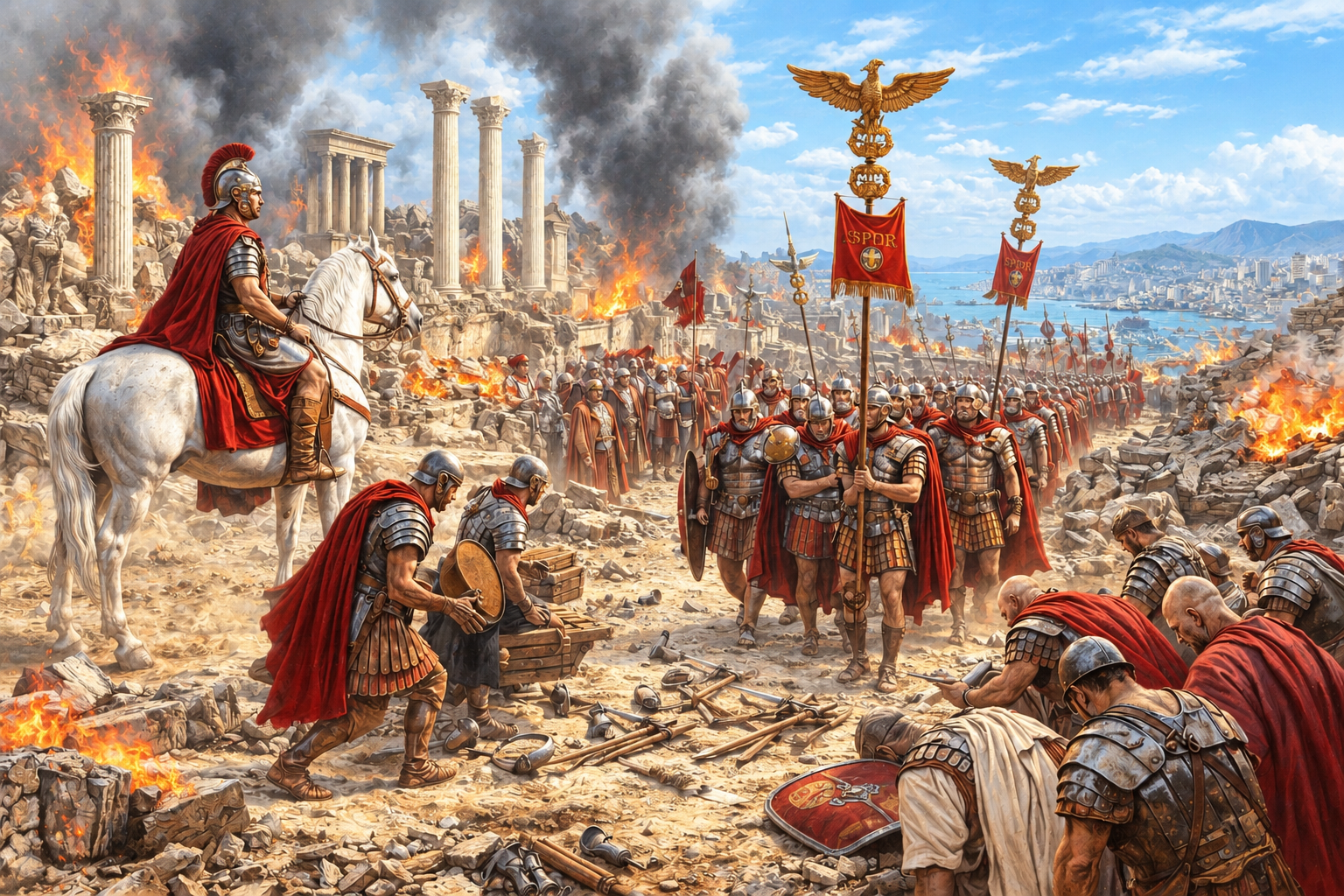
The Roman conquest of Sicily was the product of the First Punic War (264–241 BC), the first and longest of…
Chapter 5
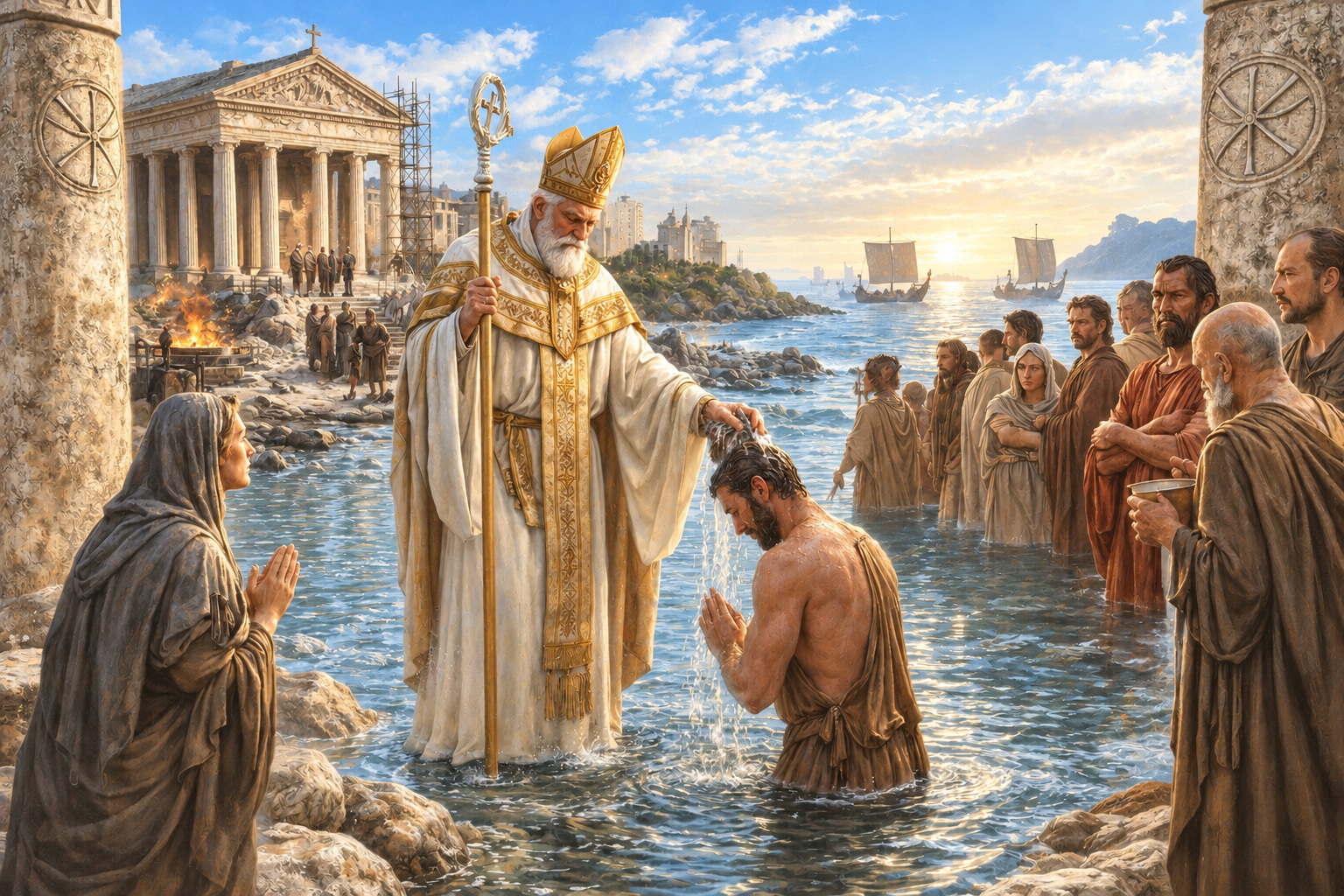
Christianity came early to Sicily. Tradition holds that Saint Paul himself visited the island at Syracuse during his journey to…
Chapter 6
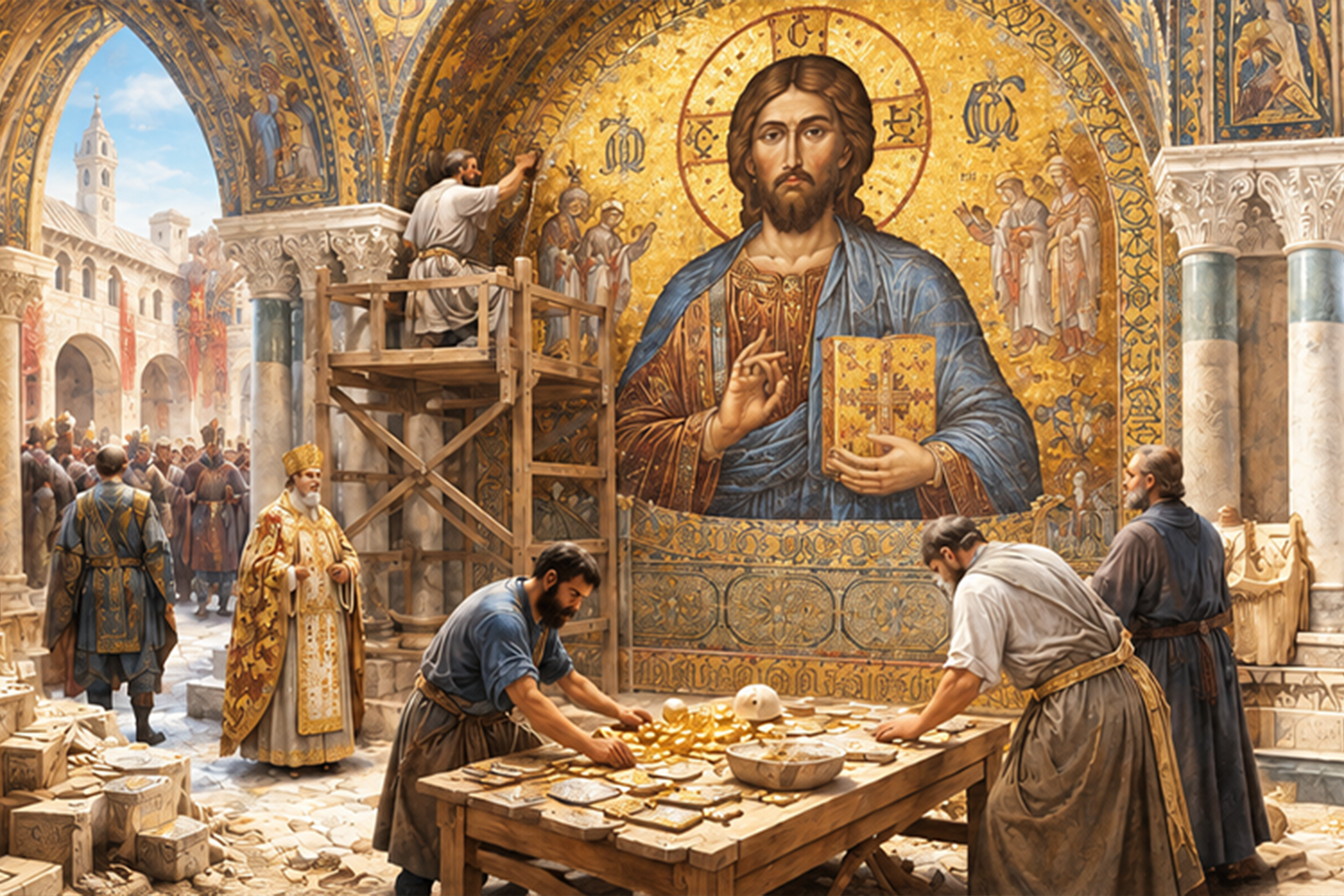
The Byzantine reconquest of Sicily was led by Belisarius, Emperor Justinian’s greatest general, in 535 AD. The campaign was remarkably…
Chapter 7
The Arab conquest of Sicily began in 827 AD when an Aghlabid army from Ifriqiya (modern Tunisia) landed at Mazara…
Chapter 8
To understand the Norman Kingdom of Sicily, one must first understand how Normans came to southern Italy at all. This…
Chapter 9
The Norman invasion of Sicily was a 30-year campaign of conquest, from the first landing in 1060 to the fall…
Chapter 10
On Christmas Day 1130, Roger II, the son of the Roger I the Great Count of Sicily and Calabria, was…
Chapter 11
Upon the death of King Roger II of Sicily in 1154, the Sicilian Kingdom passed to his fourth son William….
Chapter 12
Every golden age must end. For Norman Sicily, the end began with succession problems. King William II, called “the Good,”…
Chapter 13
The chapter traces the regency period following the death of Emperor Henry VI in 1197, when the infant Frederick II…
Chapter 14
The chapter begins with the establishment of a brutal and rapacious French occupation of Sicily. Sicilians despised Angevin rule from…
Chapter 15
This chapter begins with the consolidation of the kingdoms of Castille and Aragon into the kingdom of Spain in the…
Chapter 16
At the end of the long Spanish decline, rule of the island of Sicily passed through a complex series of…
Chapter 17
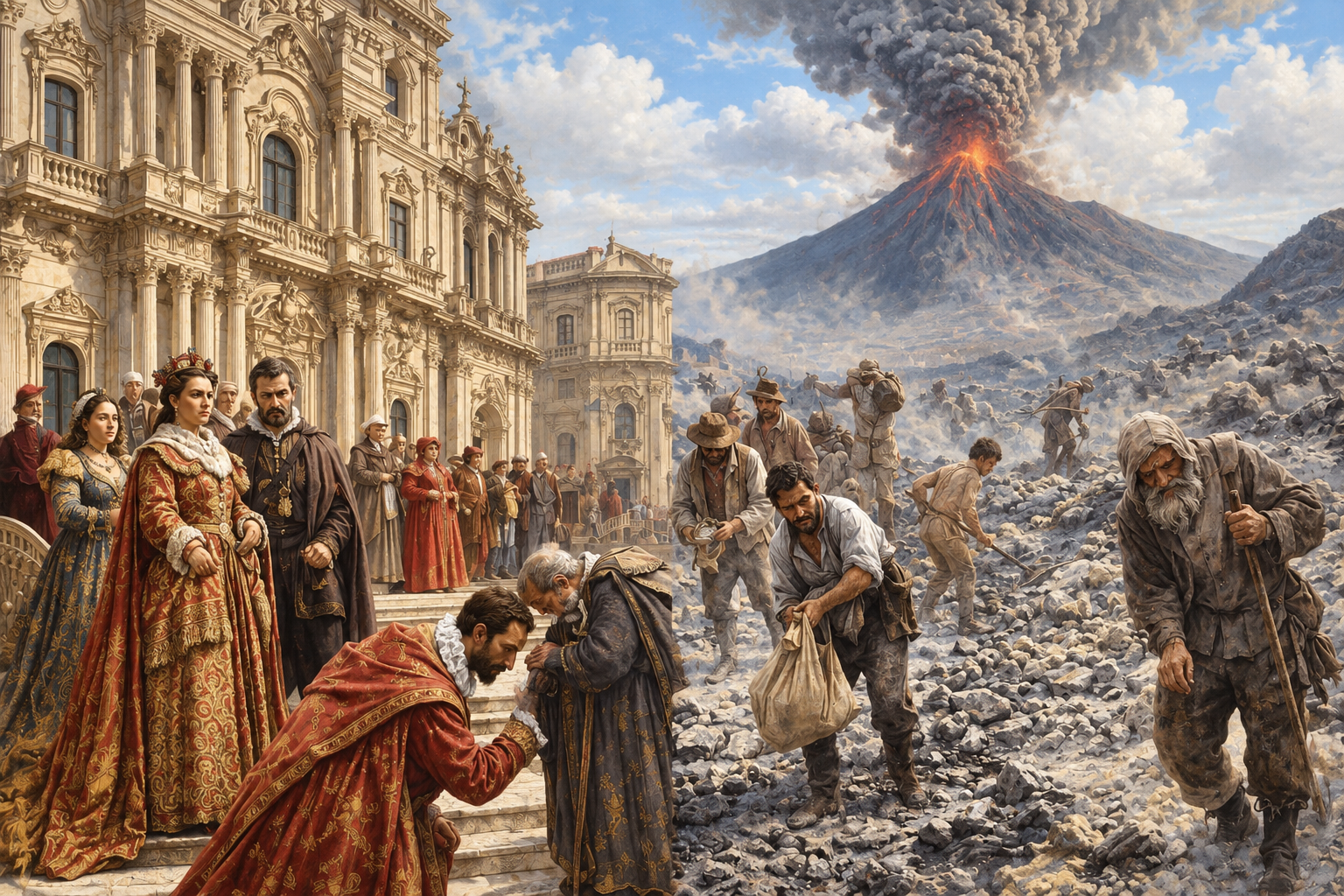
From 1735 until the Italian unification of 1860, Sicily was ruled by the Spanish Bourbon dynasty as part of the…
Chapter 18
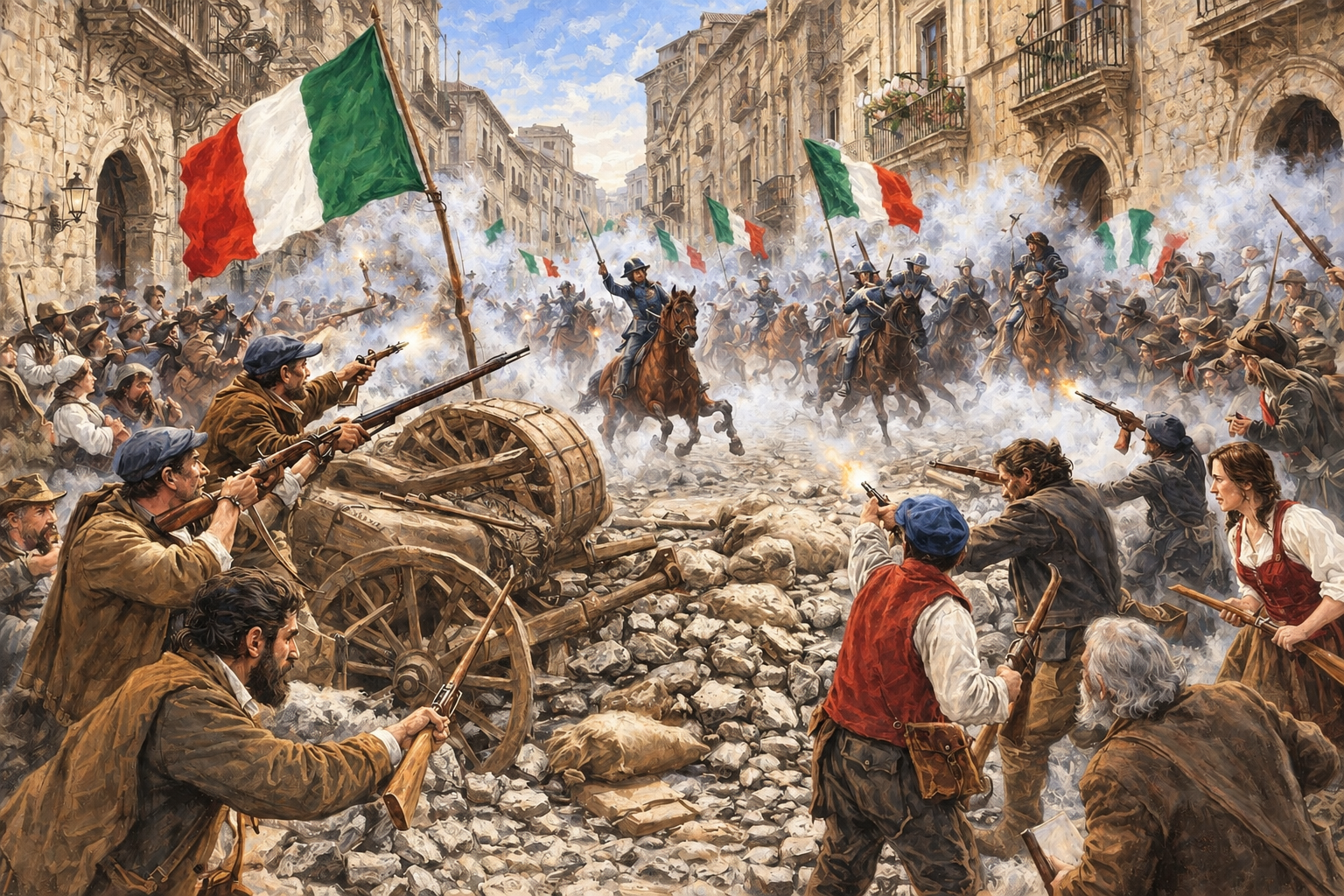
The year 1848 is known in European history as the “Year of Revolutions.” Beginning in Sicily in January 1848, popular…
Chapter 19
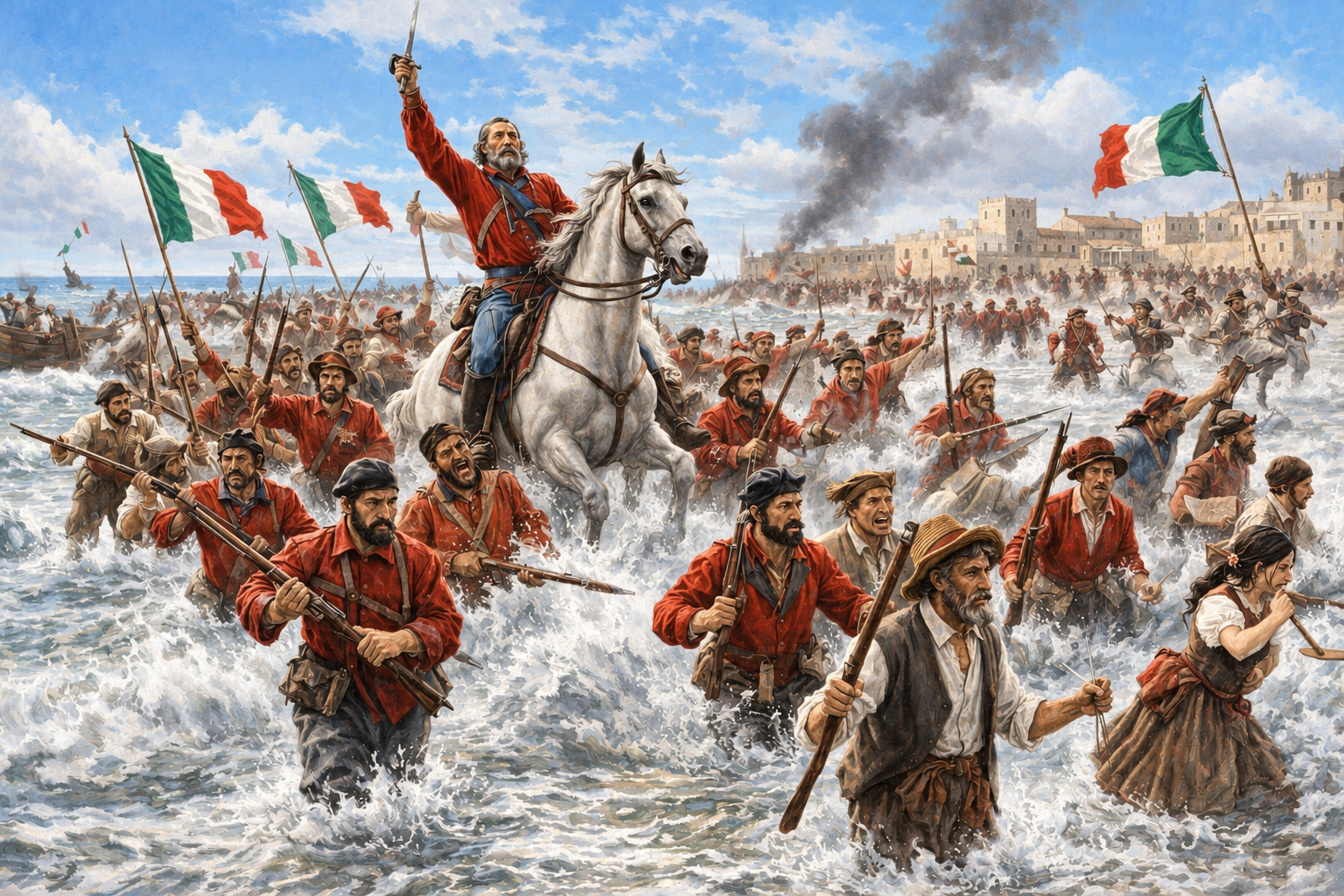
On May 11, 1860, Giuseppe Garibaldi landed at the port of Marsala in western Sicily with approximately one thousand volunteer…
Chapter 20
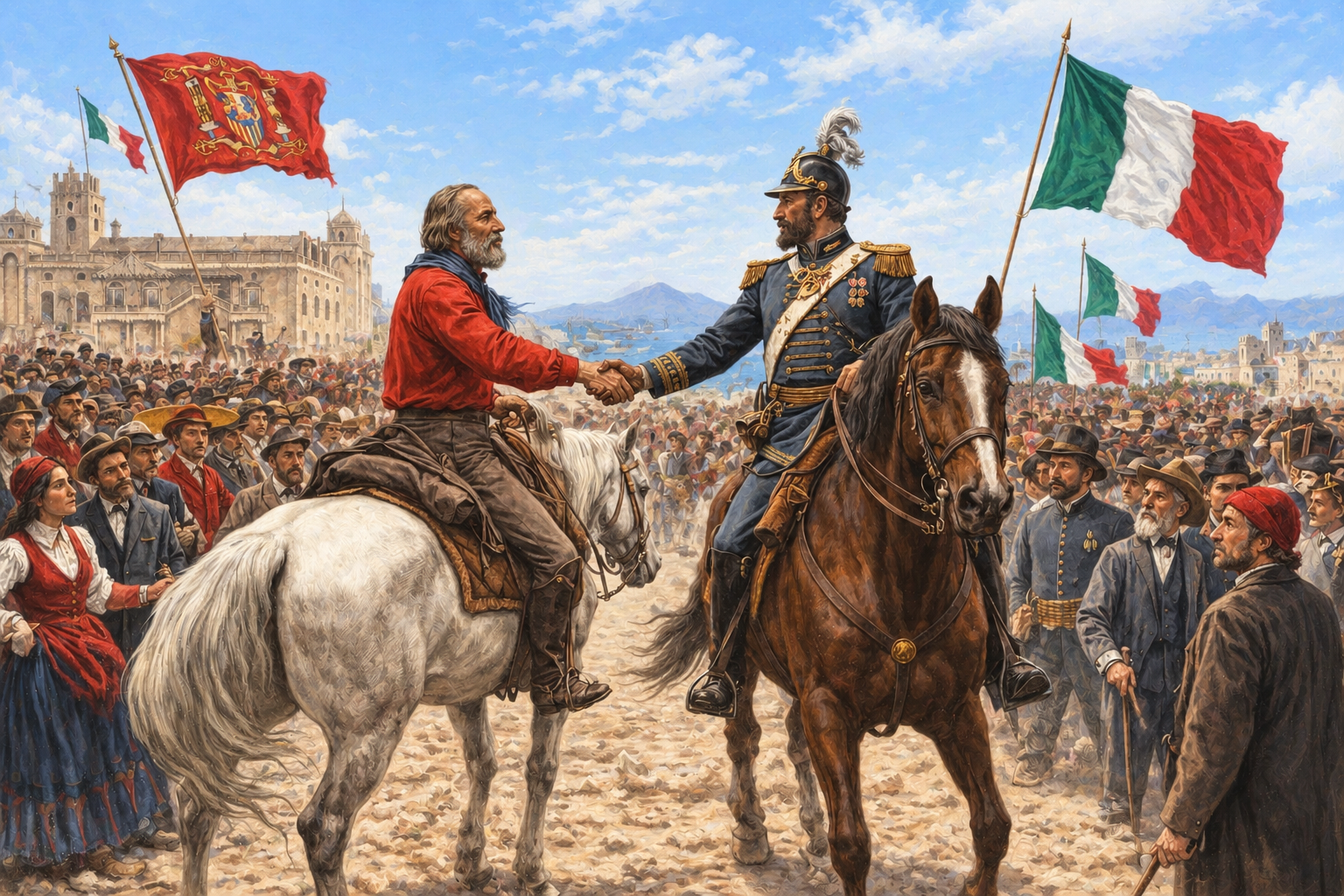
The fall of the Bourbons in 1860 completed one of the longest chapters of Sicilian history. More than five centuries…
Chapter 21
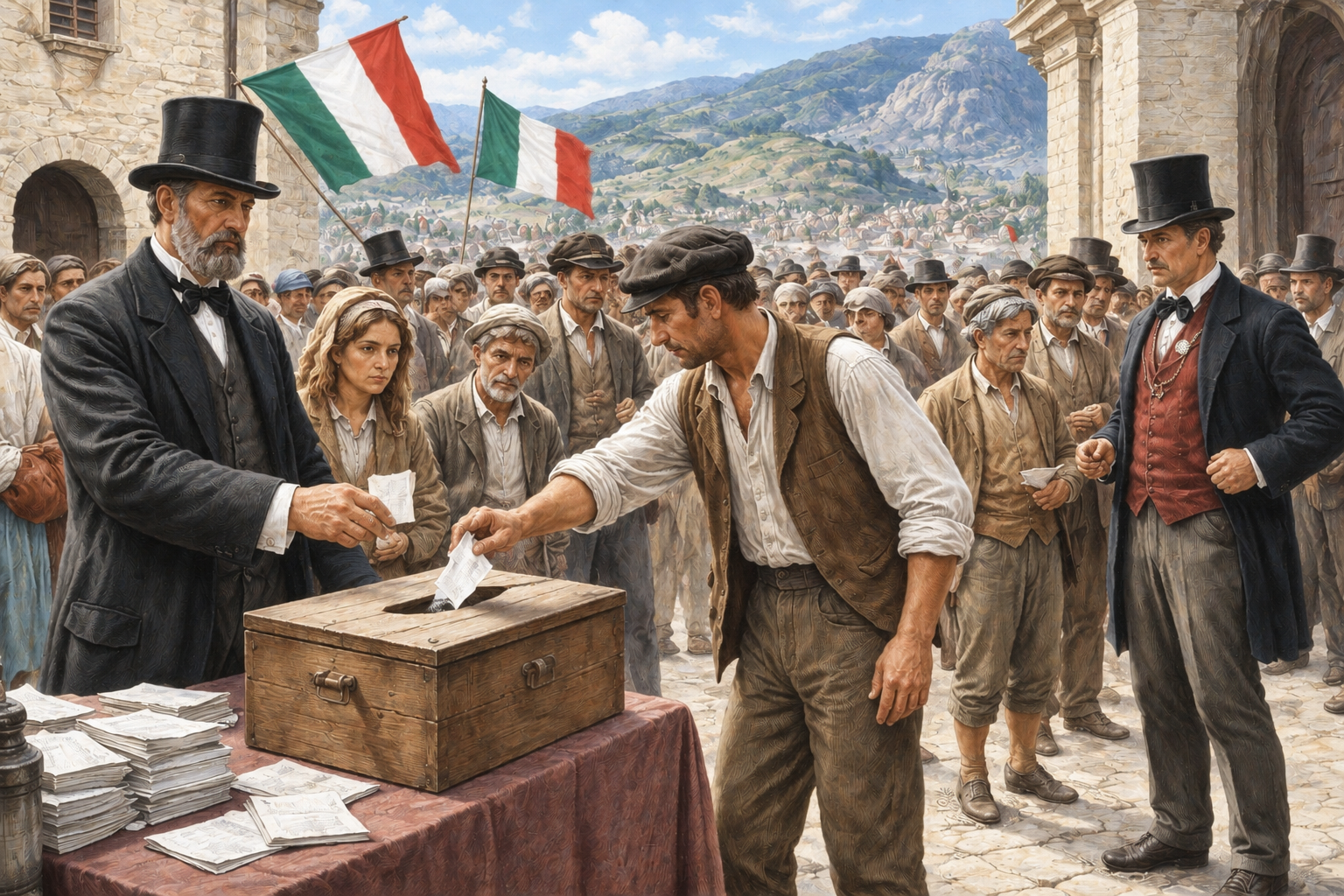
Far from romanticizing this early period of Italian unification, the chapter examines the harsh realities that followed for the Sicilian…
Chapter 22
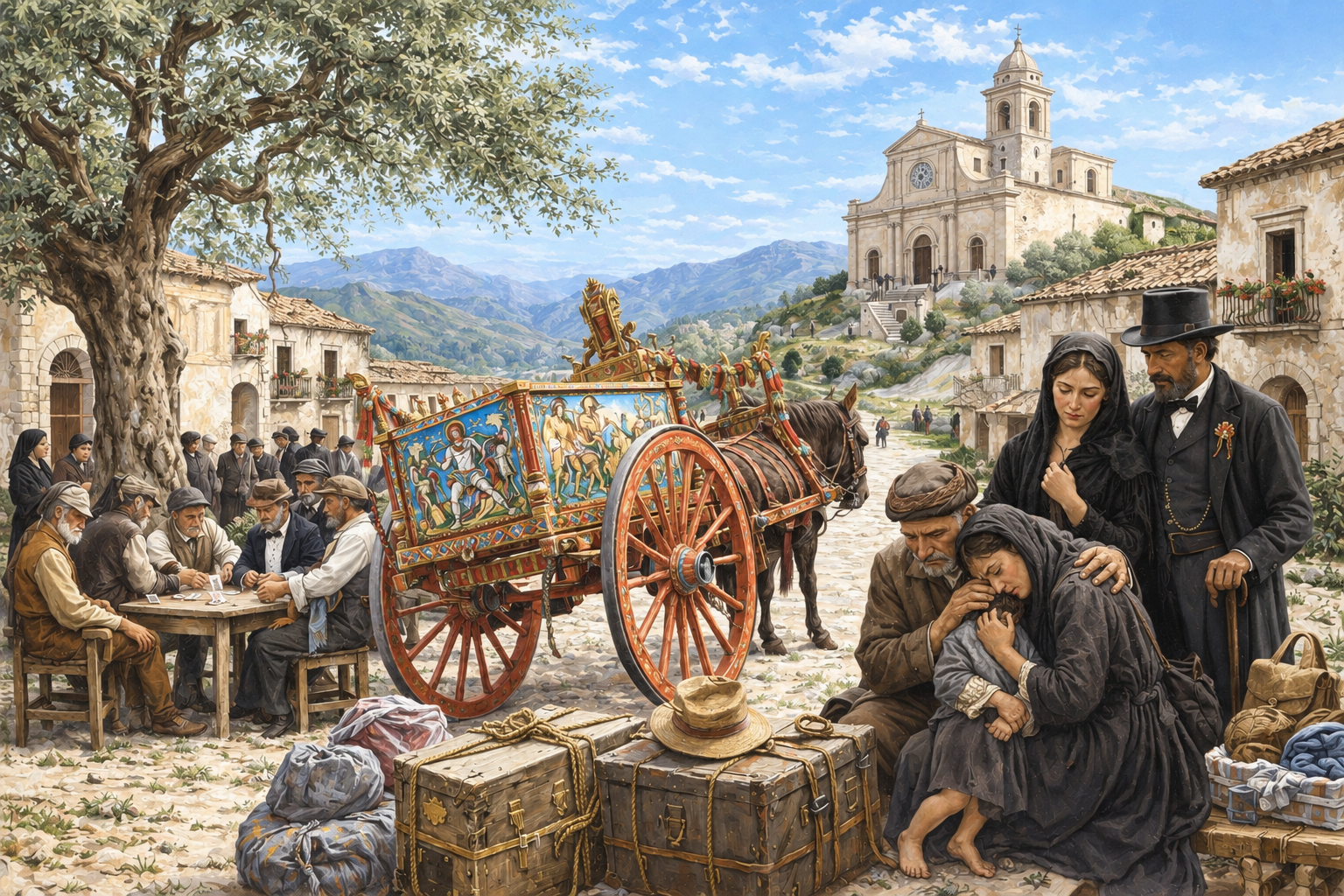
This chapter describes the daily life for the great masses of ordinary Sicilians at the turn of the 20th century,…
Chapter 23
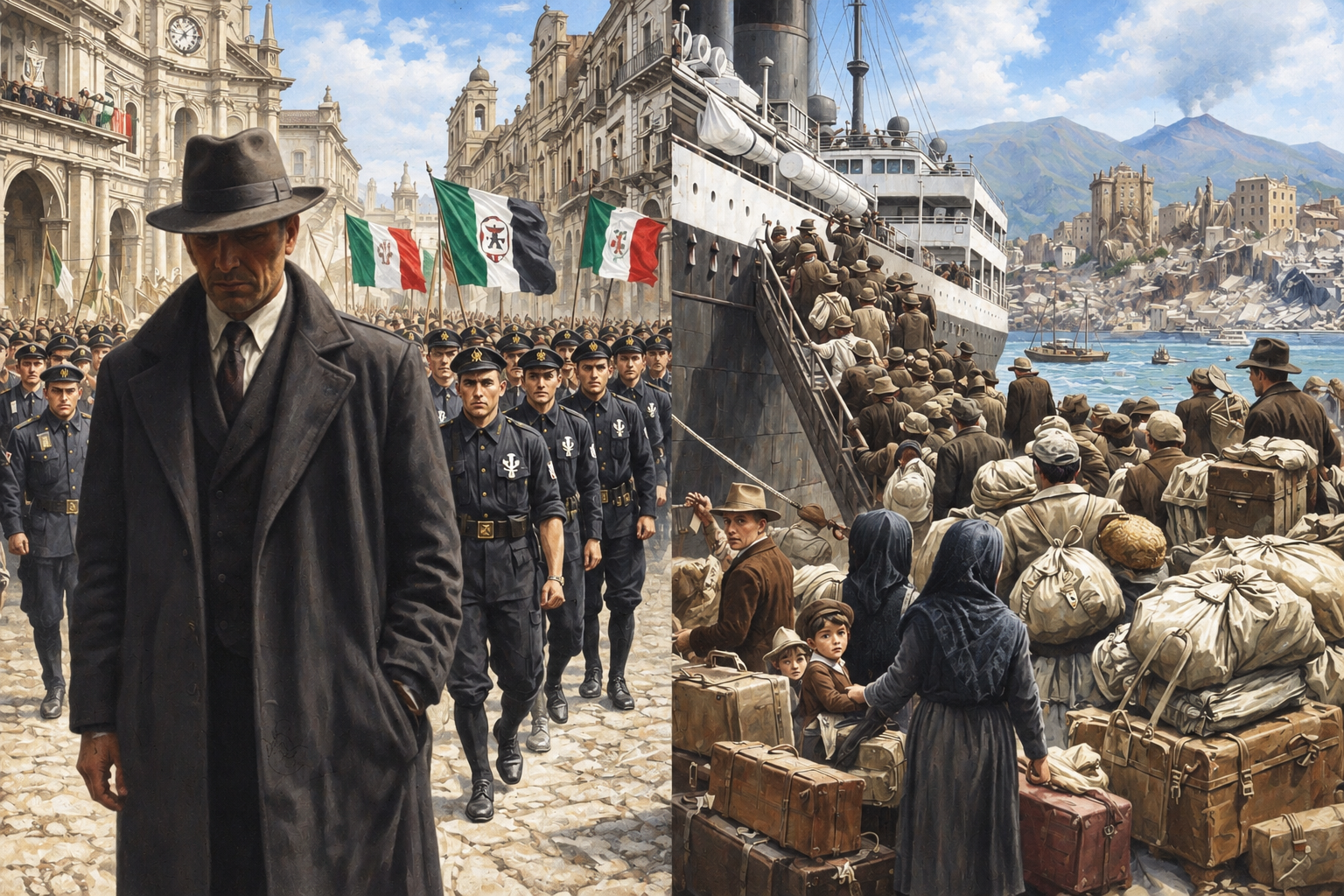
This chapter covers the period from roughly 1890 to 1940 — the era of mass Italian migration, a devastating Sicilian…
Chapter 24
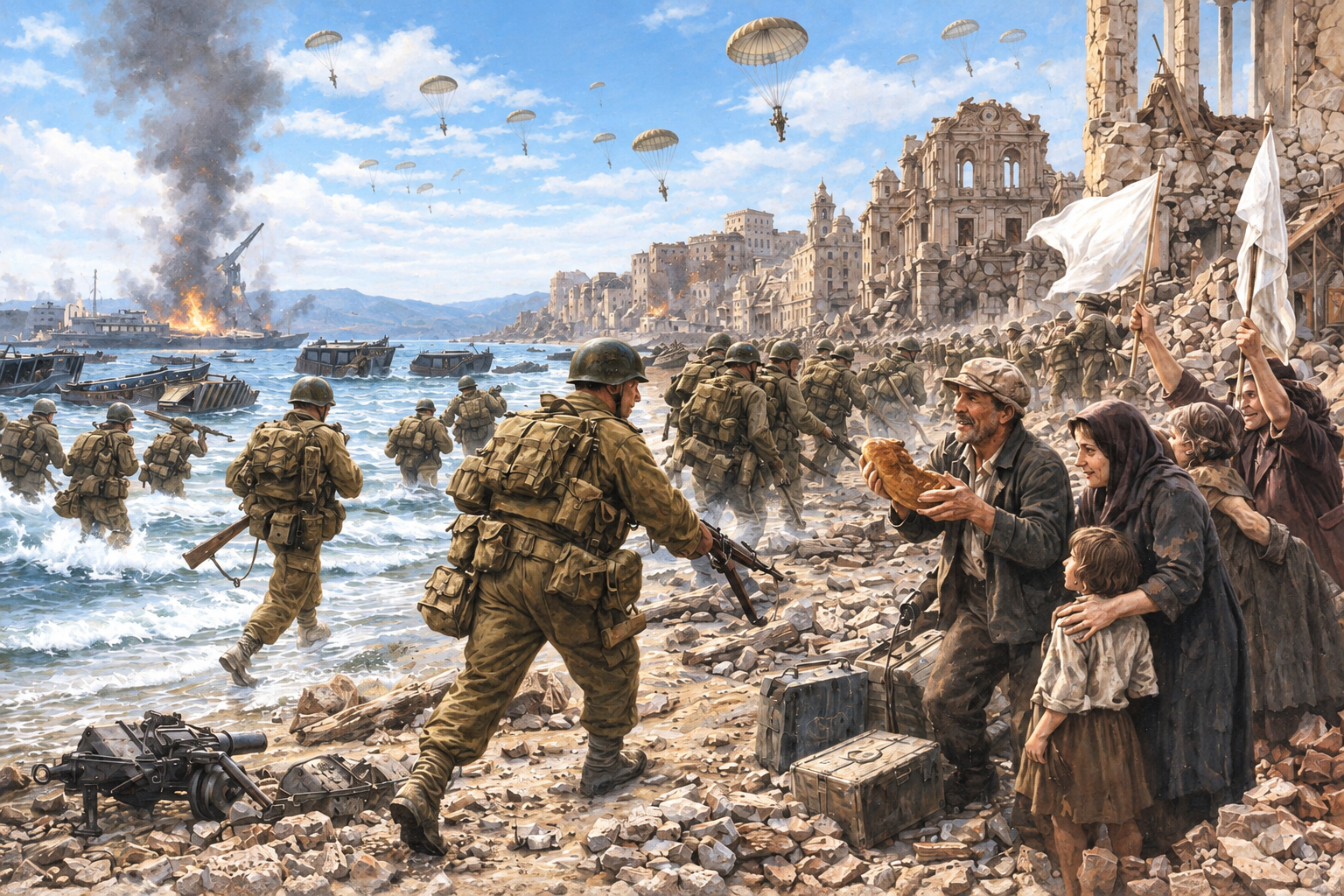
On July10, 1943, the Allied forces launched Operation Husky, the invasion of Sicily. It was the largest amphibious assault in…
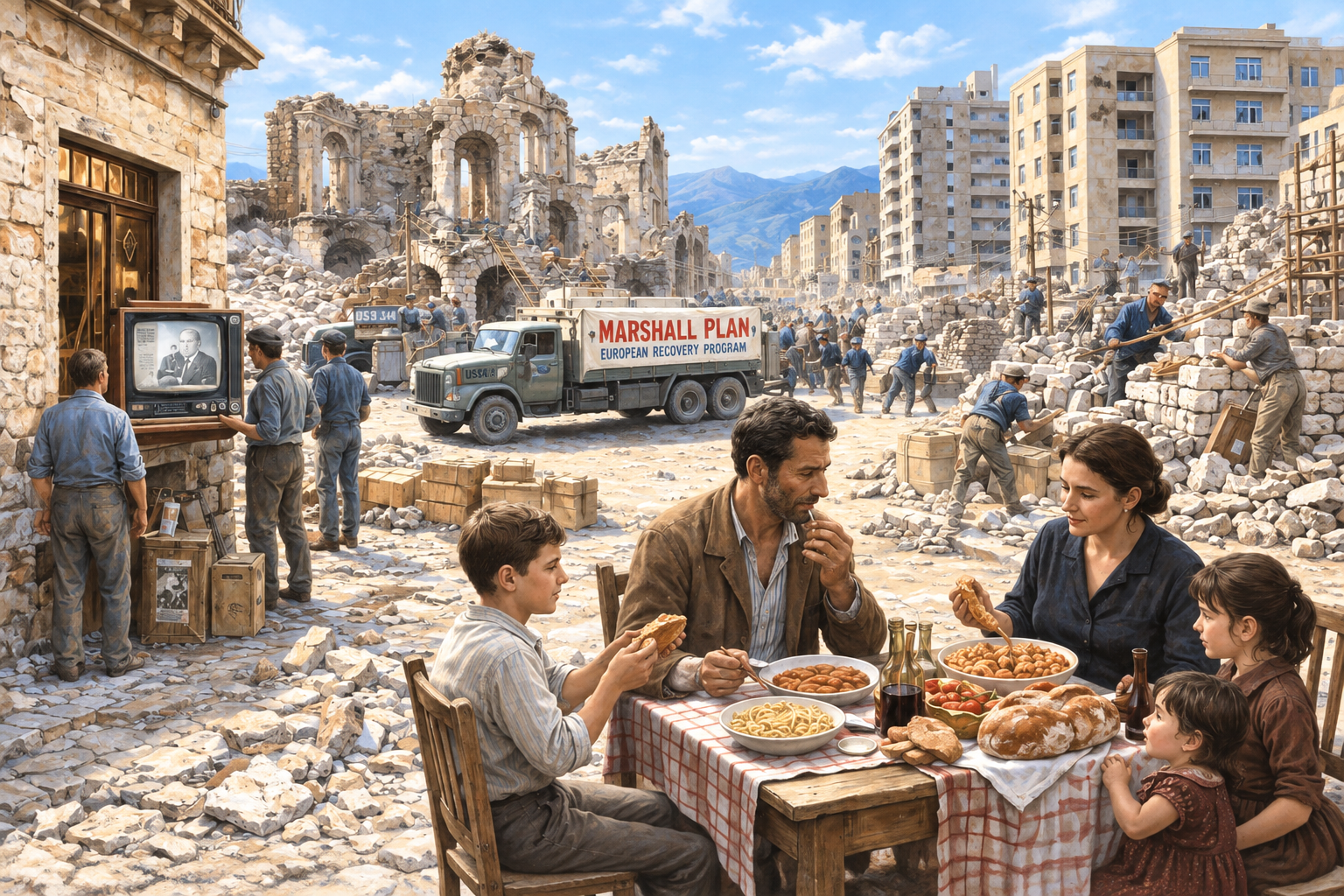
Chapter 25
Post-war Sicily faced enormous challenges: rebuilding shattered cities, multiple humanitarian crises from the lack of food, housing and healthcare, recovering…
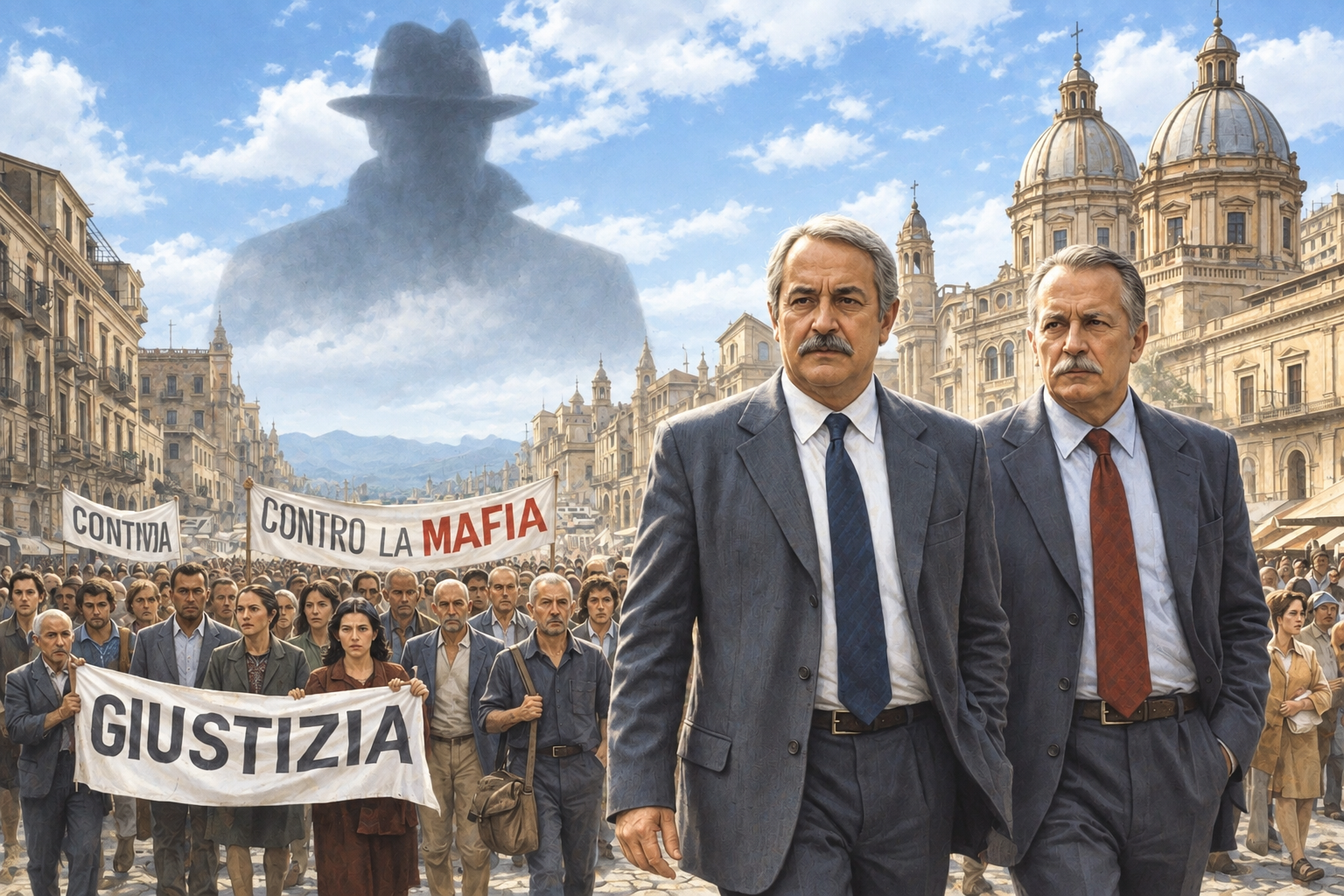
Chapter 26
By the late 1970s the despair of the Sicilian people had reached new lows. The Mafia’s vast wealth and their…
Chapter 27
The final chapter of Sicilian Odyssey is an epilogue on modern day Sicily, particularly the city of Palermo, following the…
Inside The Book
Introduction
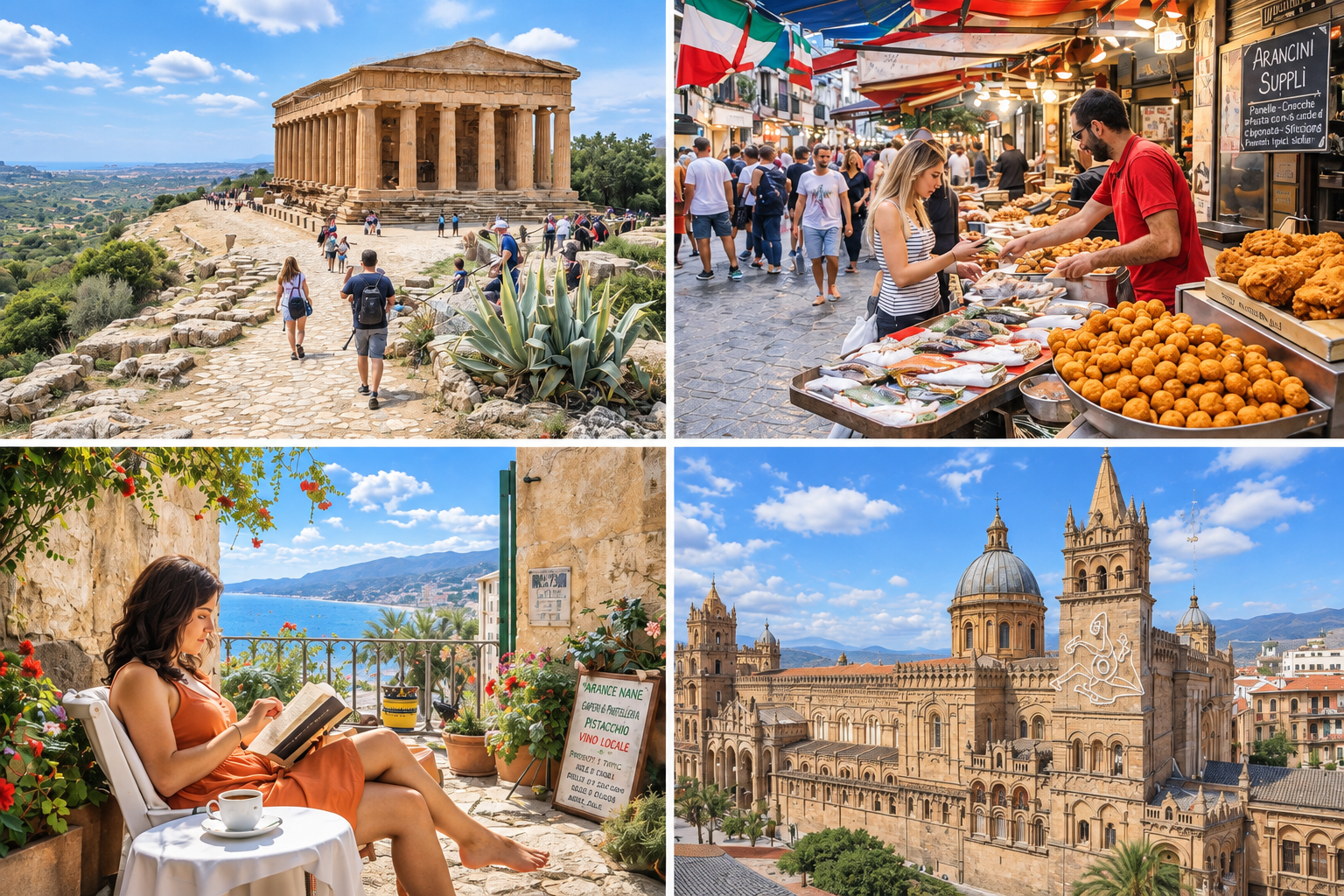
In recent years a growing number of world travelers have “discovered” Sicily. The island has emerged as an exciting new holiday destination, rich in magnificent historical treasures from the ancient, medieval and enlightenment periods, and as a wonderous rugged land of spectacular natural beauty. Despite thousands of years of well recorded history and significant academic research of the island, real knowledge of Sicily and her people remains largely unknown throughout the world, even to many millions of individuals of Sicilian descent.



What Readers Are Saying
It is a long established fact that a reader will be distracted by the readable content of a page when looking at its layout. The point of using Lorem Ipsum is that it has a more-or-less normal distribution of letters, as opposed to using ‘Content here, content here’, making it look like readable English. Many desktop publishing packages and web page editors now use Lorem Ipsum as their default model text, and a search for ‘lorem ipsum’ will uncover many web sites still in their infancy. Various versions have evolved over the years, sometimes by accident, sometimes on purpose (injected humour and the like).
John Doe
It is a long established fact that a reader will be distracted by the readable content of a page when looking at its layout. The point of using Lorem Ipsum is that it has a more-or-less normal distribution of letters, as opposed to using ‘Content here, content here’, making it look like readable English. Many desktop publishing packages and web page editors now use Lorem Ipsum as their default model text, and a search for ‘lorem ipsum’ will uncover many web sites still in their infancy. Various versions have evolved over the years, sometimes by accident, sometimes on purpose (injected humour and the like).
John Doe
It is a long established fact that a reader will be distracted by the readable content of a page when looking at its layout. The point of using Lorem Ipsum is that it has a more-or-less normal distribution of letters, as opposed to using ‘Content here, content here’, making it look like readable English. Many desktop publishing packages and web page editors now use Lorem Ipsum as their default model text, and a search for ‘lorem ipsum’ will uncover many web sites still in their infancy. Various versions have evolved over the years, sometimes by accident, sometimes on purpose (injected humour and the like).
John Doe
It is a long established fact that a reader will be distracted by the readable content of a page when looking at its layout. The point of using Lorem Ipsum is that it has a more-or-less normal distribution of letters, as opposed to using ‘Content here, content here’, making it look like readable English. Many desktop publishing packages and web page editors now use Lorem Ipsum as their default model text, and a search for ‘lorem ipsum’ will uncover many web sites still in their infancy. Various versions have evolved over the years, sometimes by accident, sometimes on purpose (injected humour and the like).