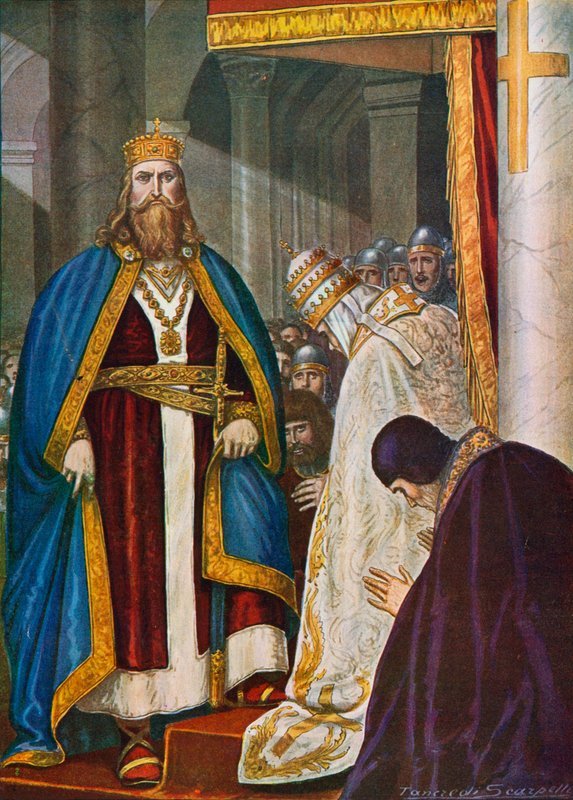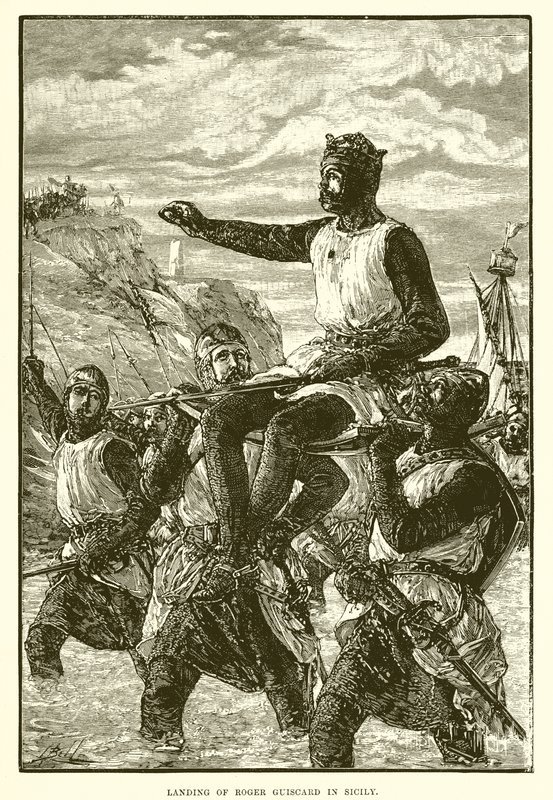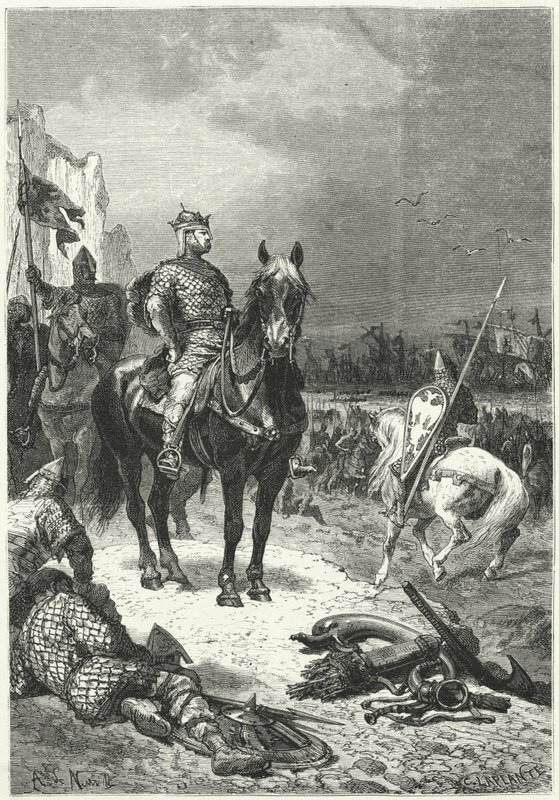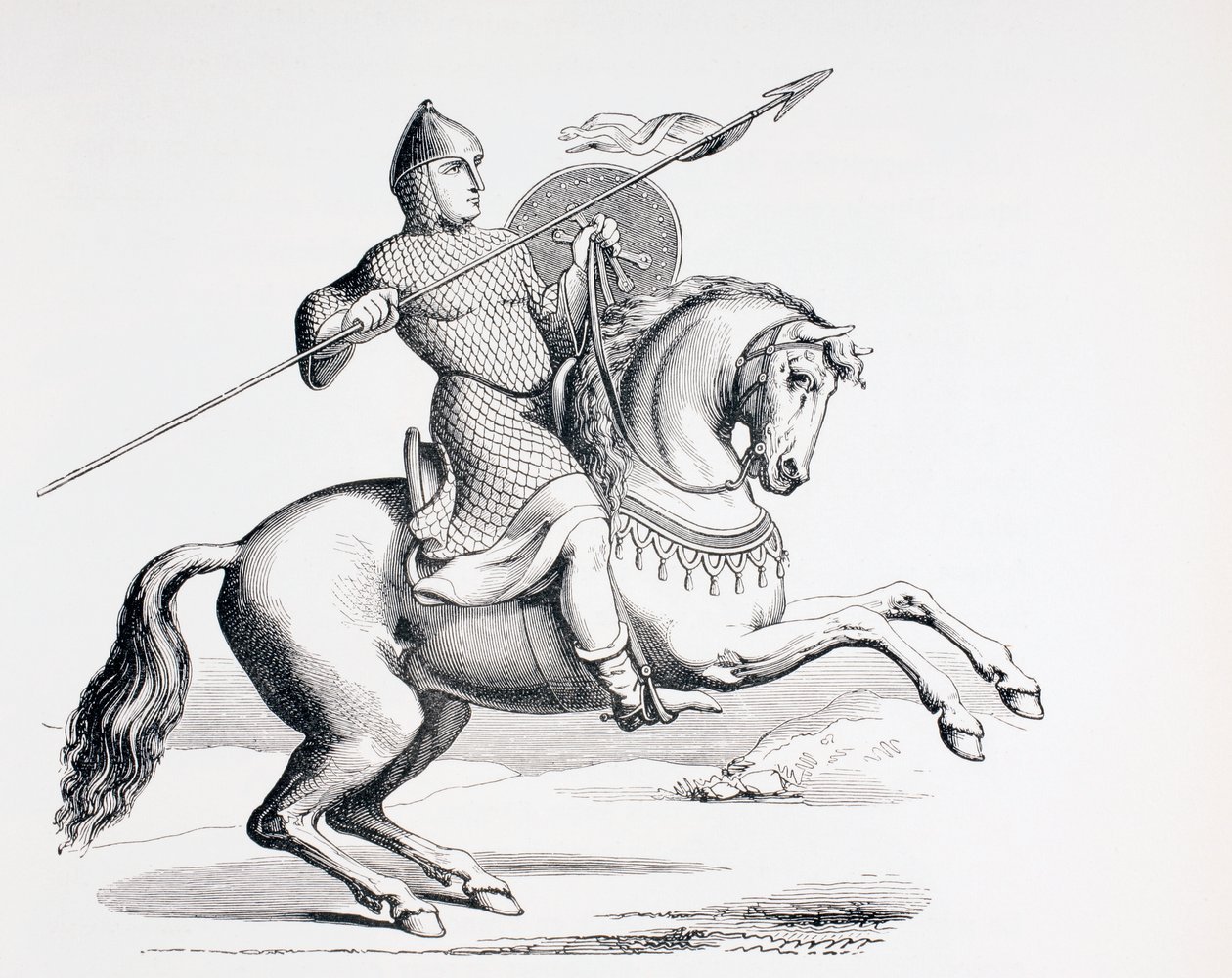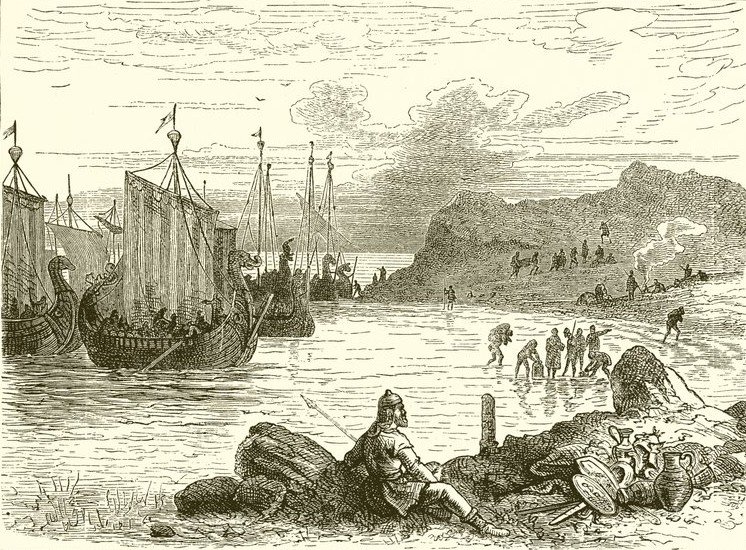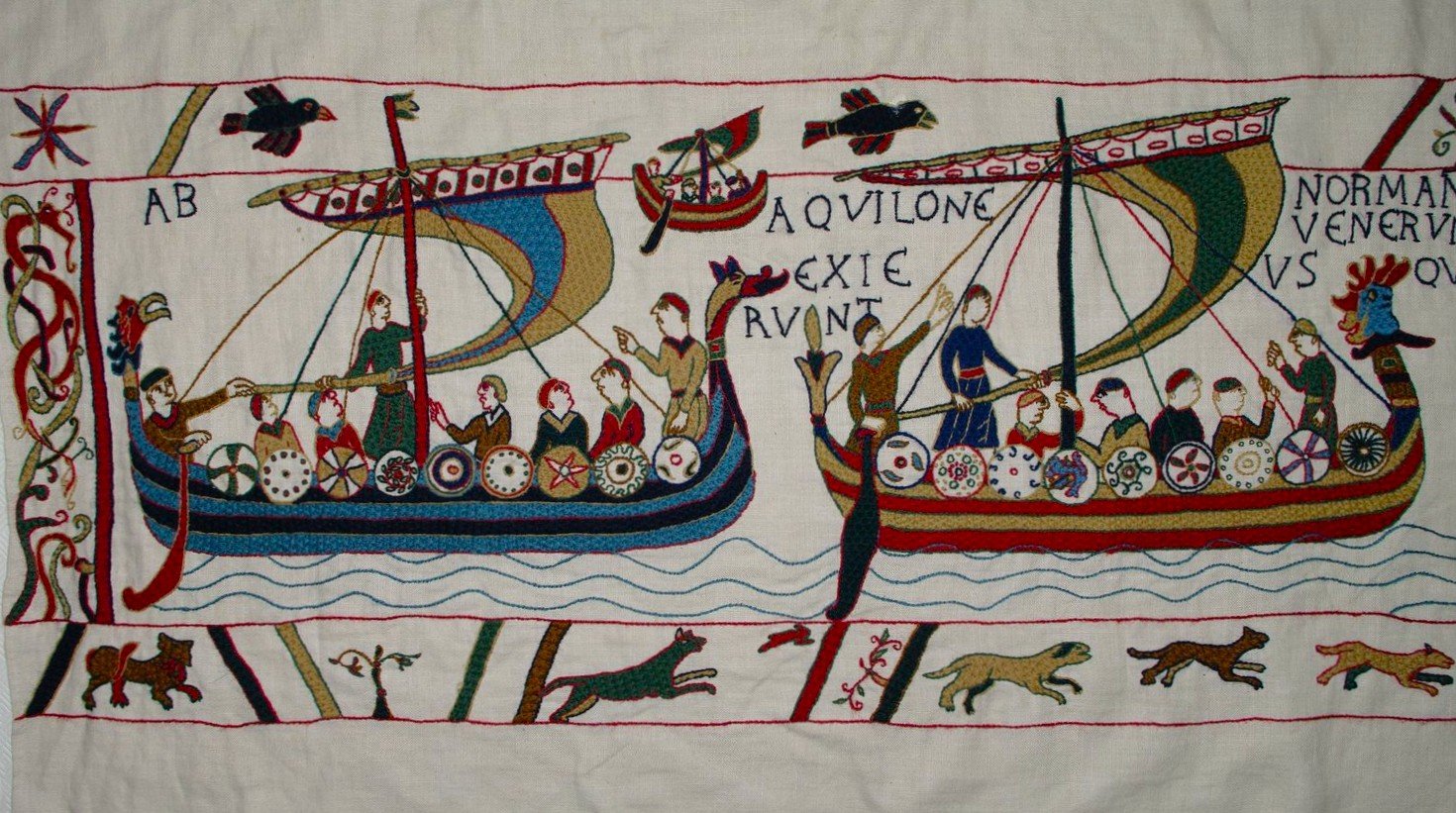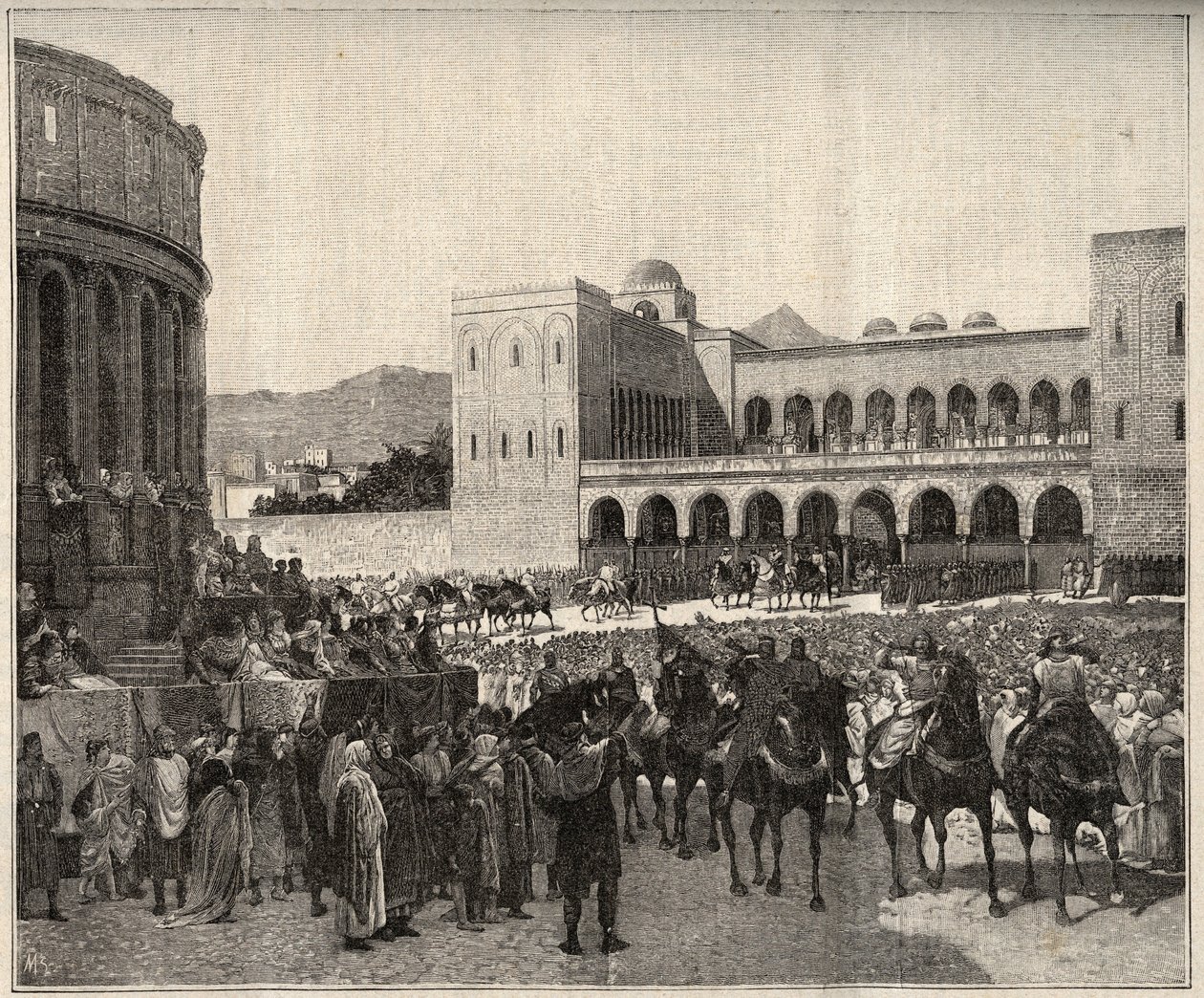


The Norman conquest of Sicily was one of the most improbable stories in medieval history. In the early 11th century, small bands of Norman adventurers — the descendants of Viking settlers in northern France — began arriving in southern Italy as mercenary soldiers. Within a few decades they had carved out their own territories. In 1060, under the leadership of Roger I, “The Great Count,” the Normans began the conquest of Sicily from the Arabs. Thirty years of warfare later, in 1091, Roger I completed the conquest of the island. Recognizing the value of the rich multicultural heritage of Sicily, Count Roger preserved and protected religious freedom of the earlier Arab rule.
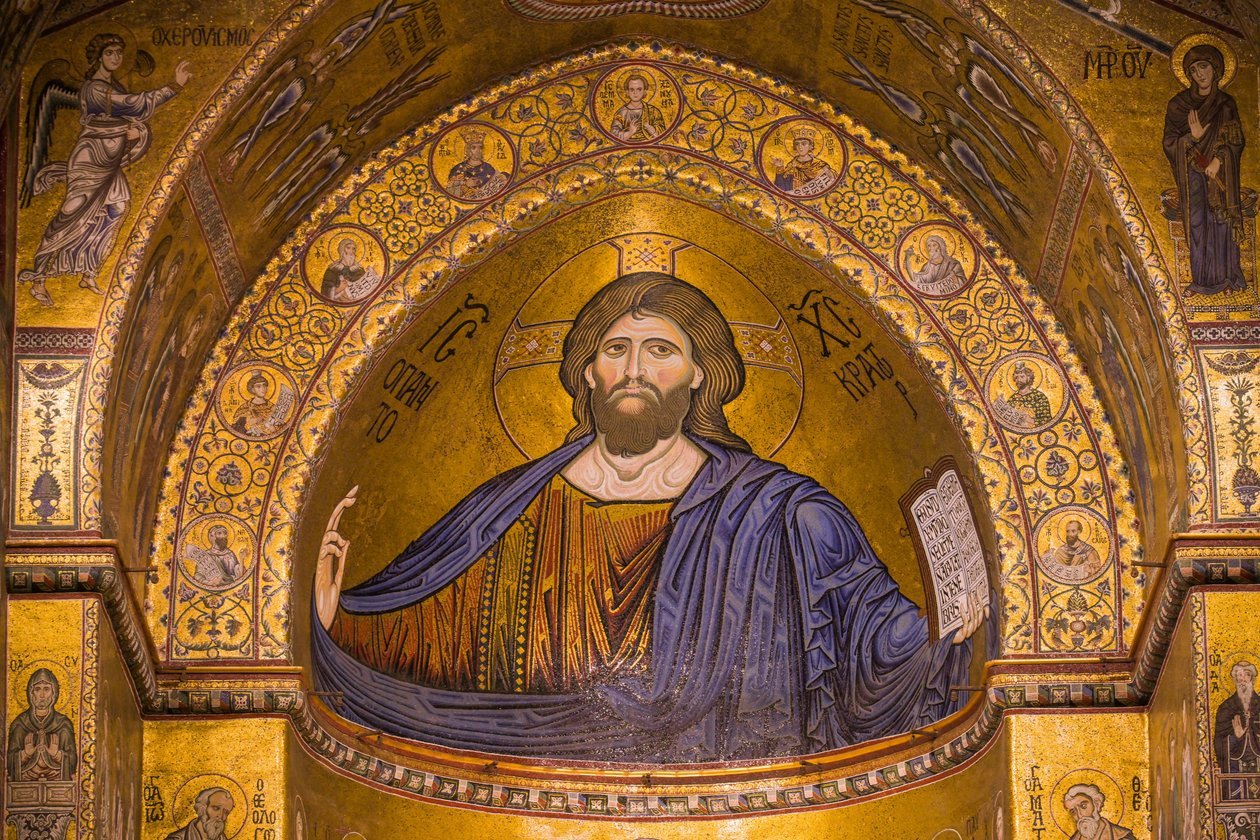
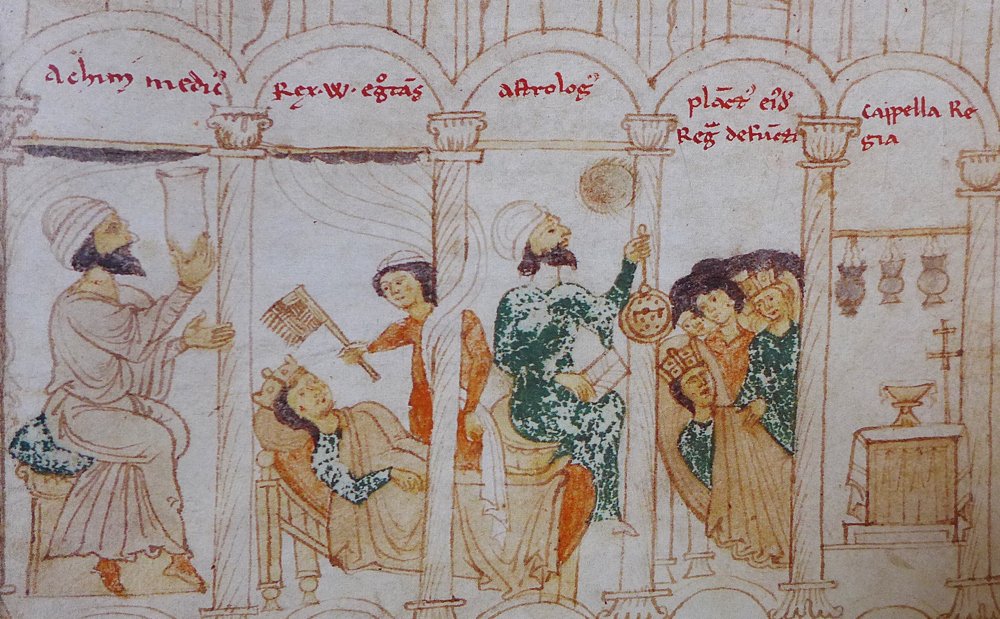
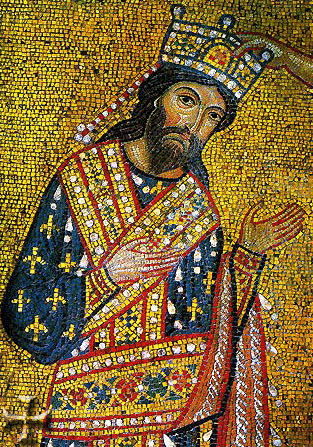
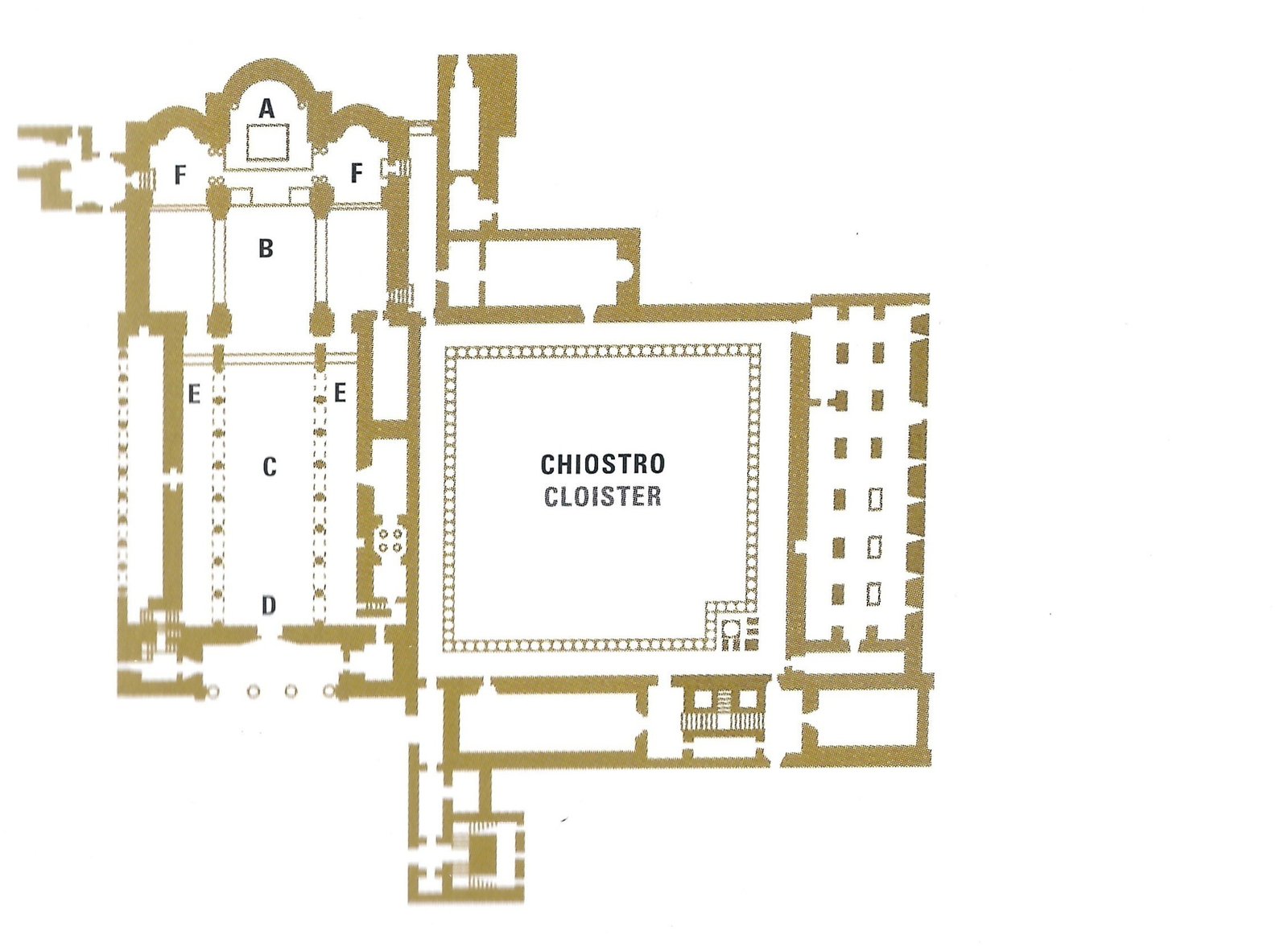
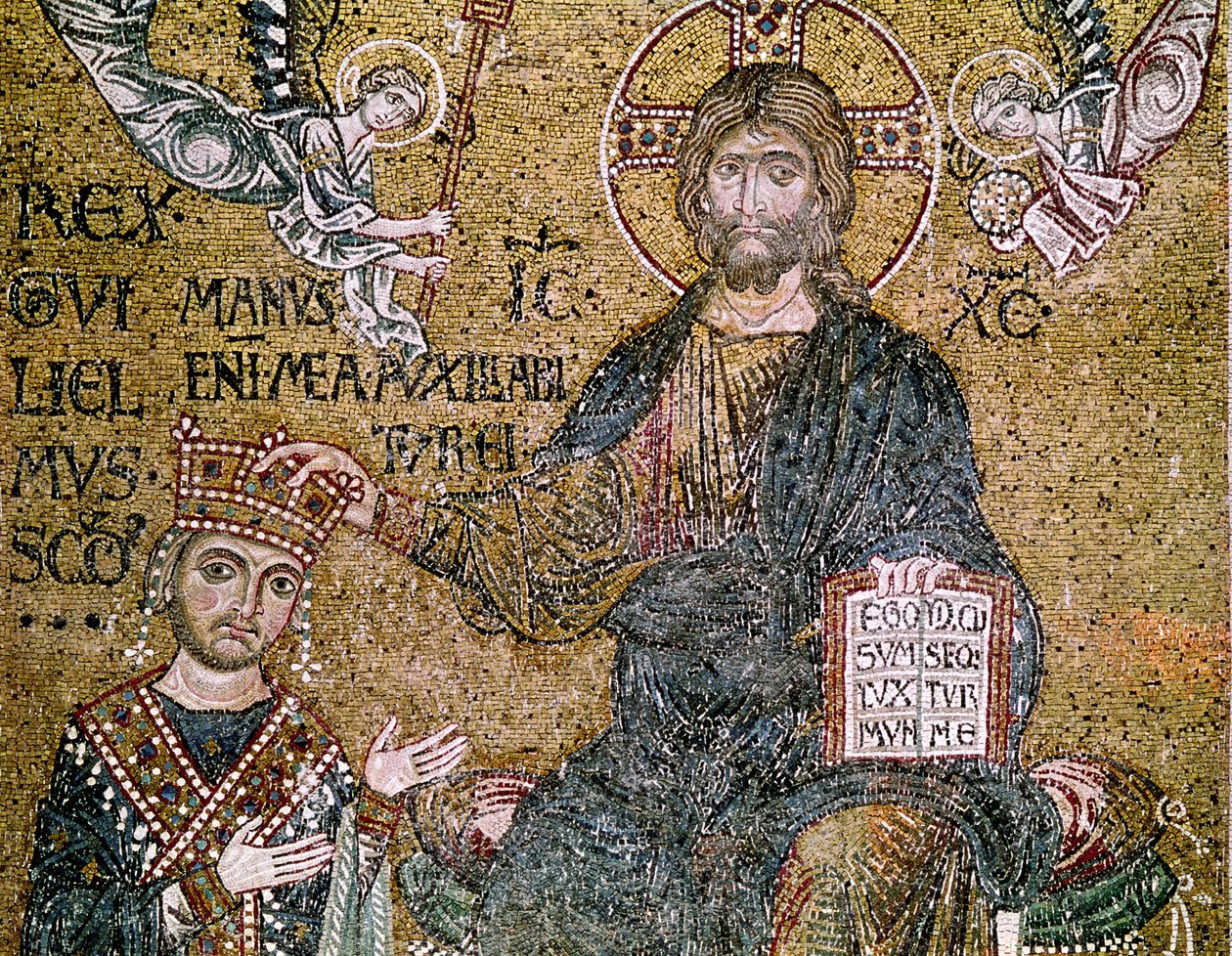
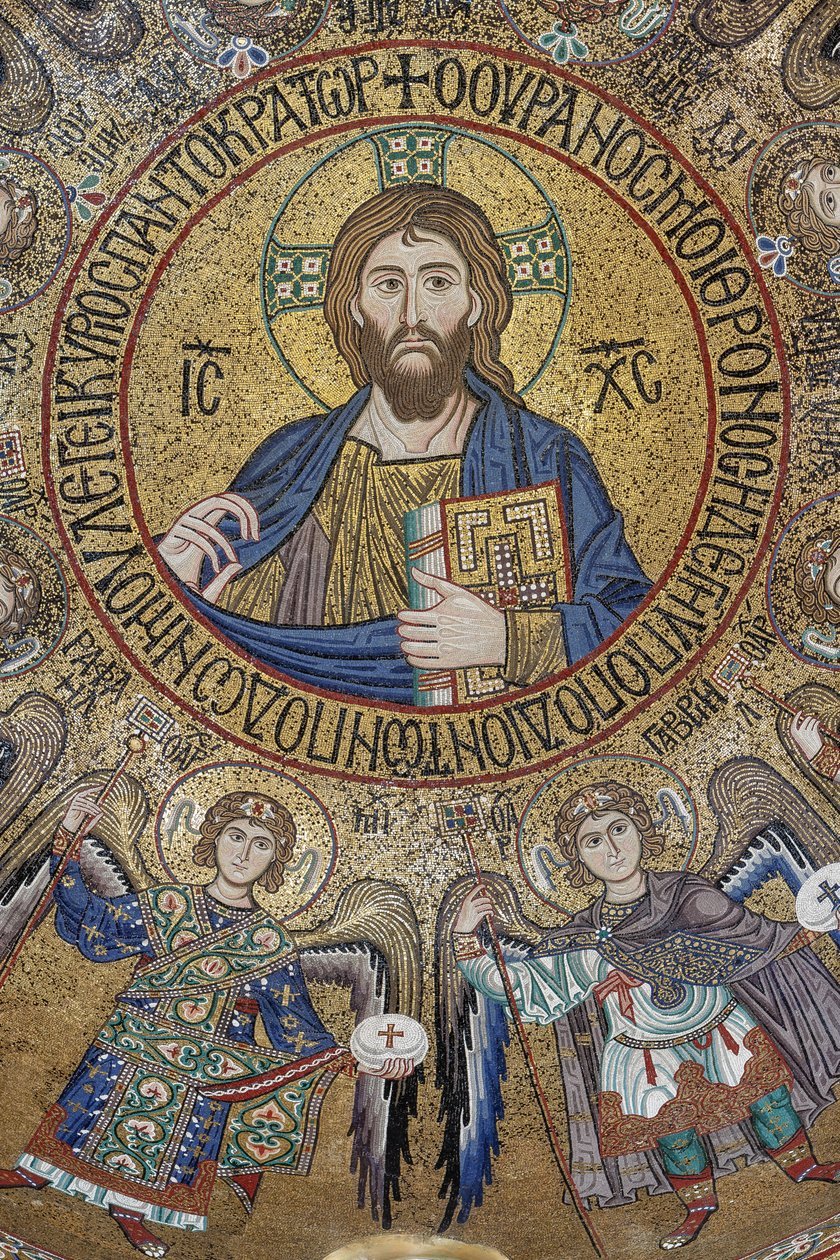
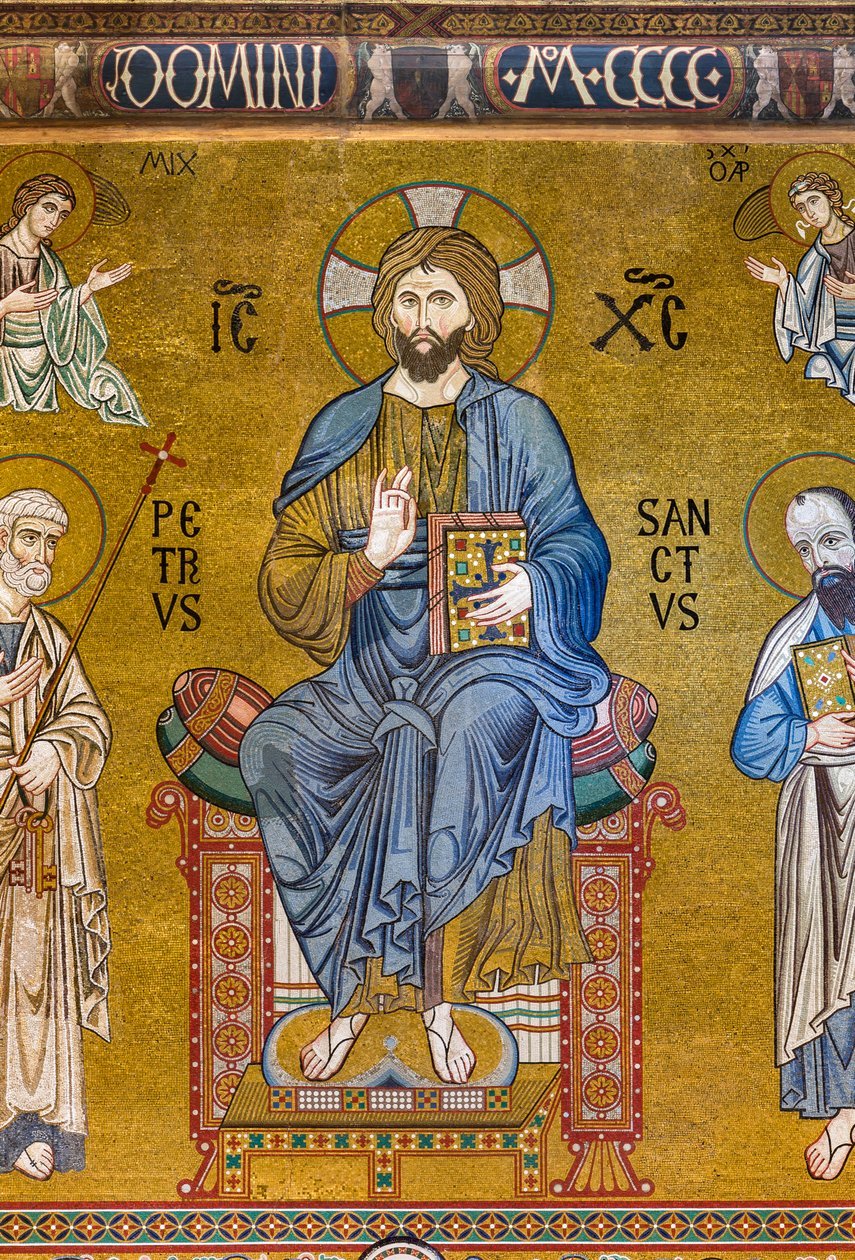
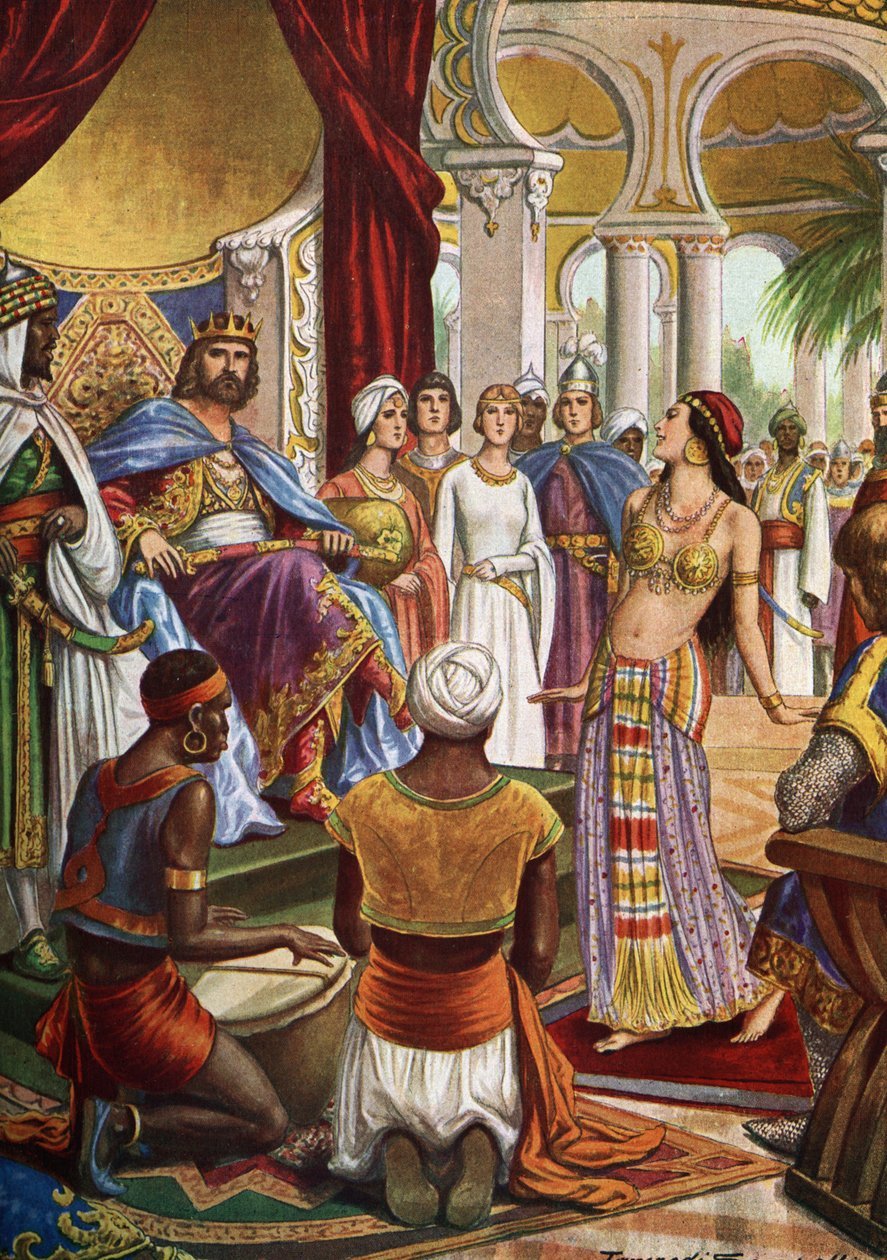
Roger I’s son, Roger II, would inherit his father’s rule, first as count and later as duke of Southern Italy and Sicily, and would consolidate his Norman domains into the first Kingdom of Sicily in 1130. Roger II and his Norman successors built a royal administration that drew on Arab bureaucratic traditions, employed Arab architects and craftsmen, commissioned Byzantine mosaicists for their churches, and maintained a court that conducted business in Latin, Greek, and Arabic simultaneously. His personal royal chapel within the Norman Palace in Palermo — the Palatine Chapel — remains one of the most beautiful and magnificent monuments in all of Christendom and reflects the rich multiculturalism of his diverse kingdom. The design and layout of the chapel follows traditional Latin patterns, its walls are covered with brilliant Byzantine-style gold mosaics, while its crowning glory consists of an intricately carved and painted muqarnas ceiling, an Islamic artistic masterpiece, which rivaled those in the greatest mosques of the medieval world.
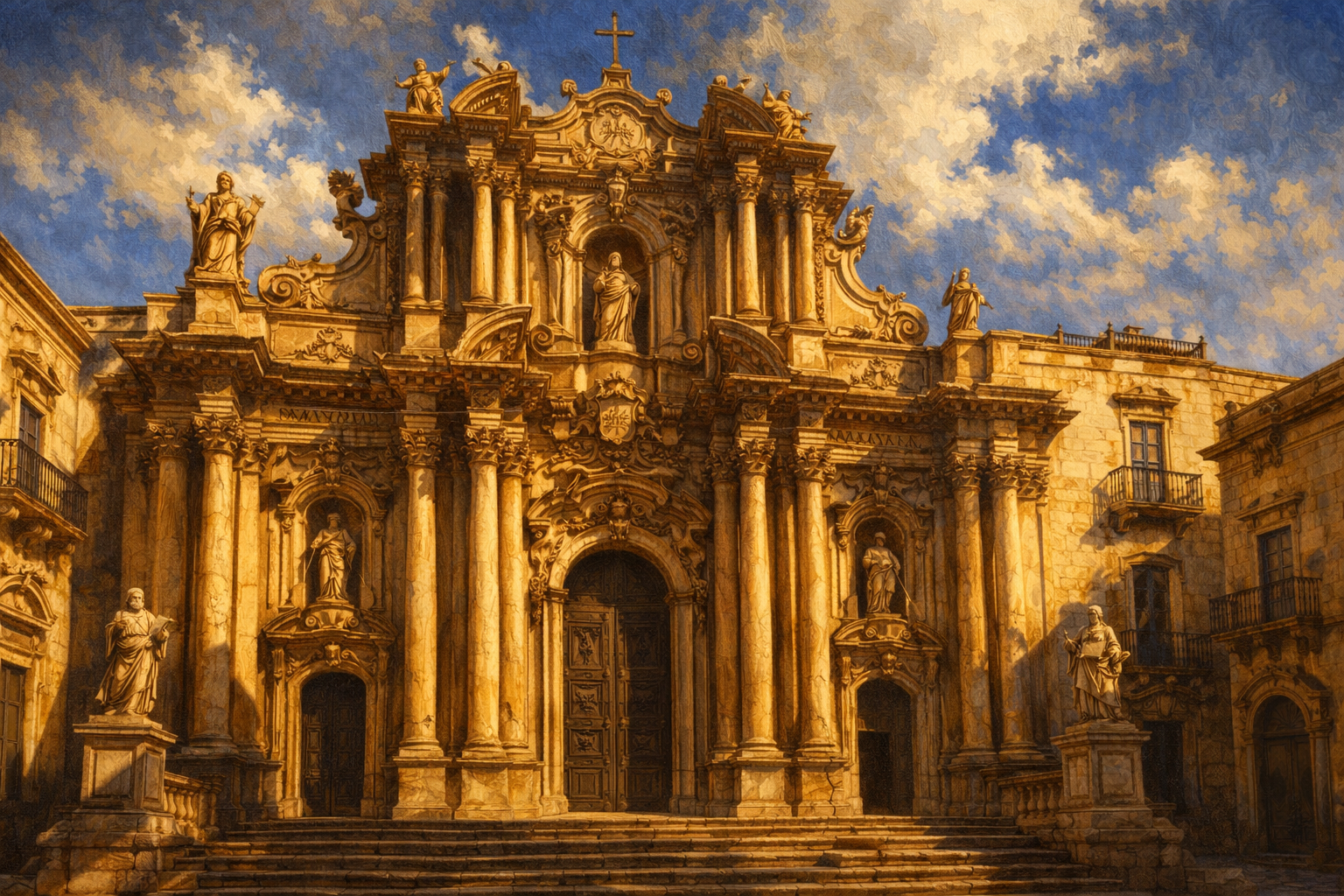
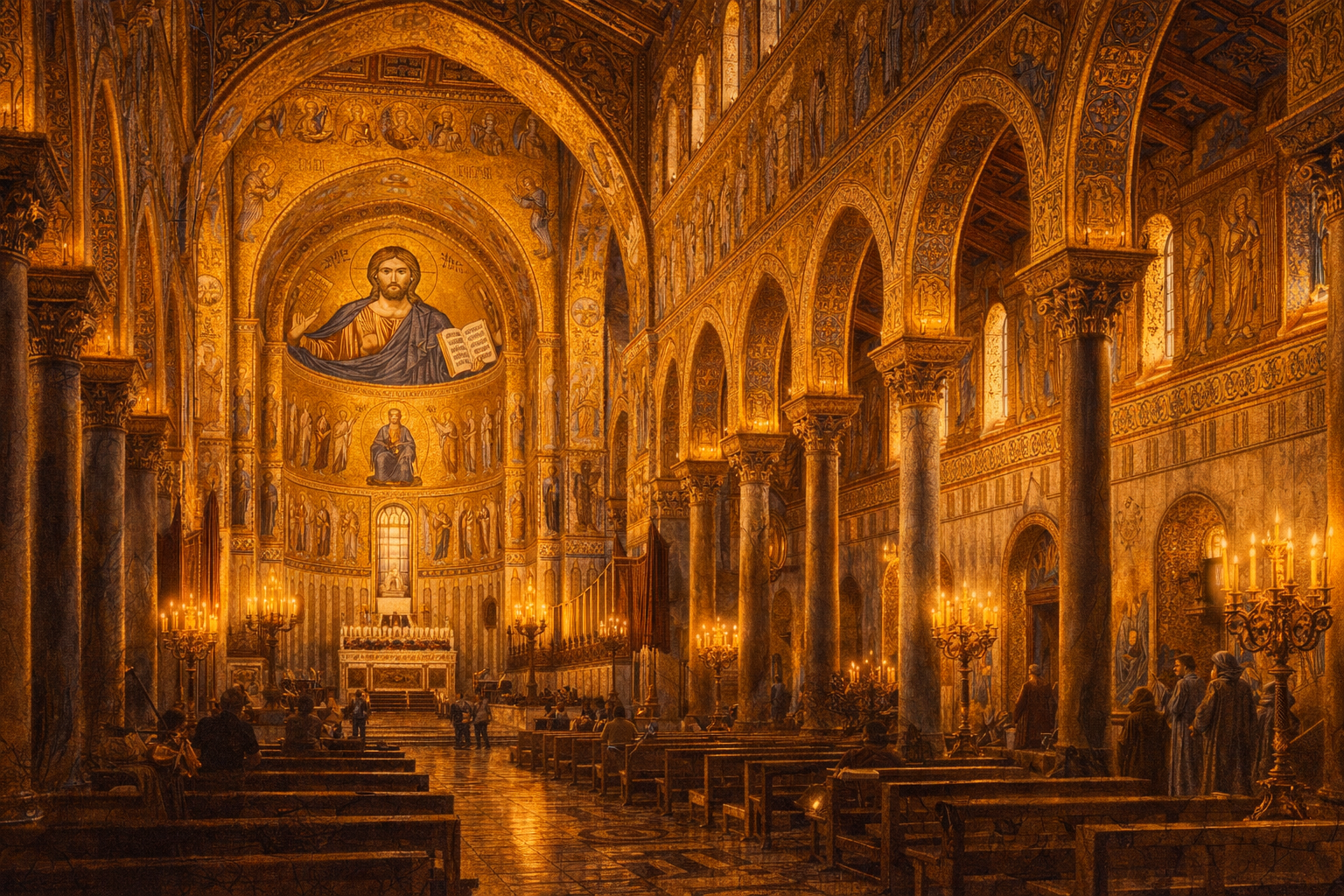
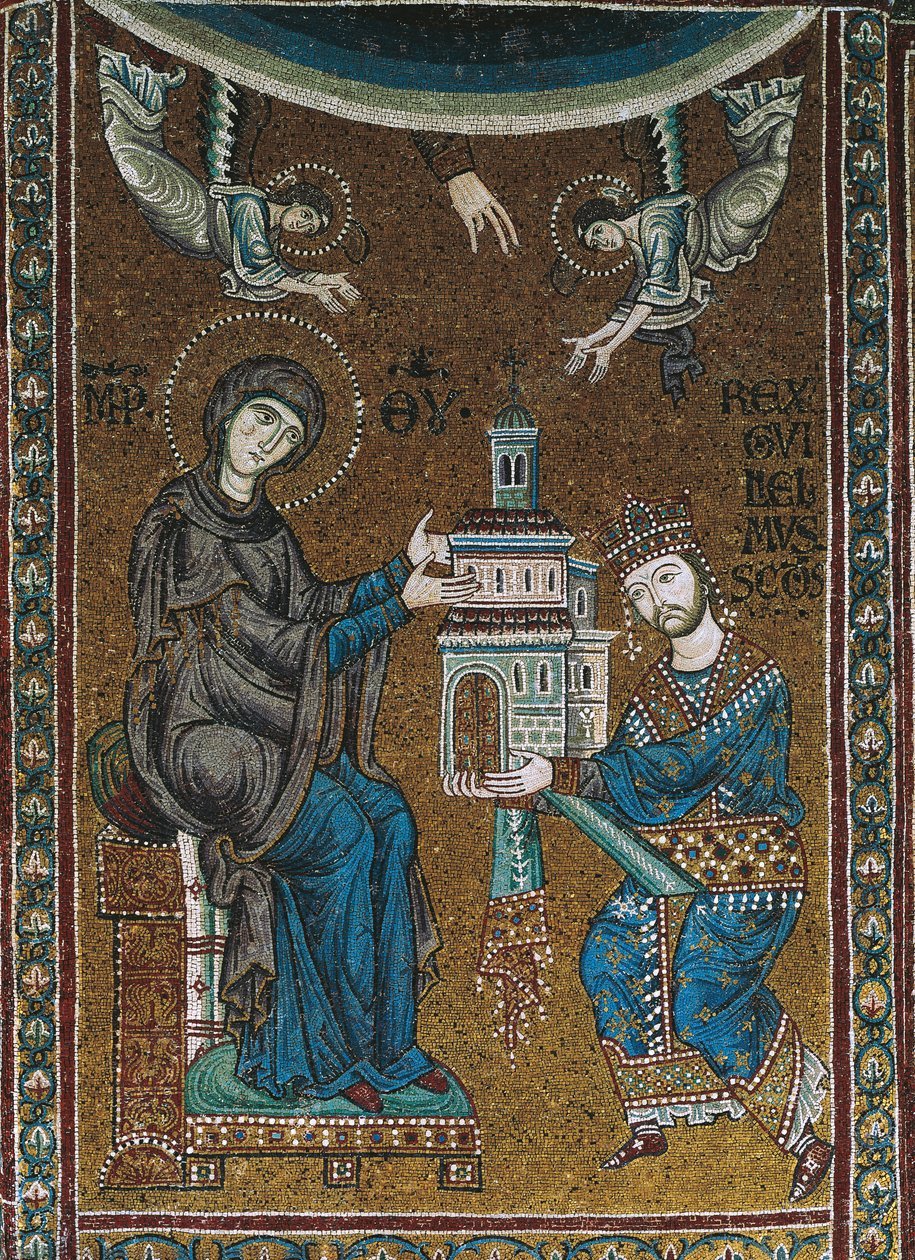
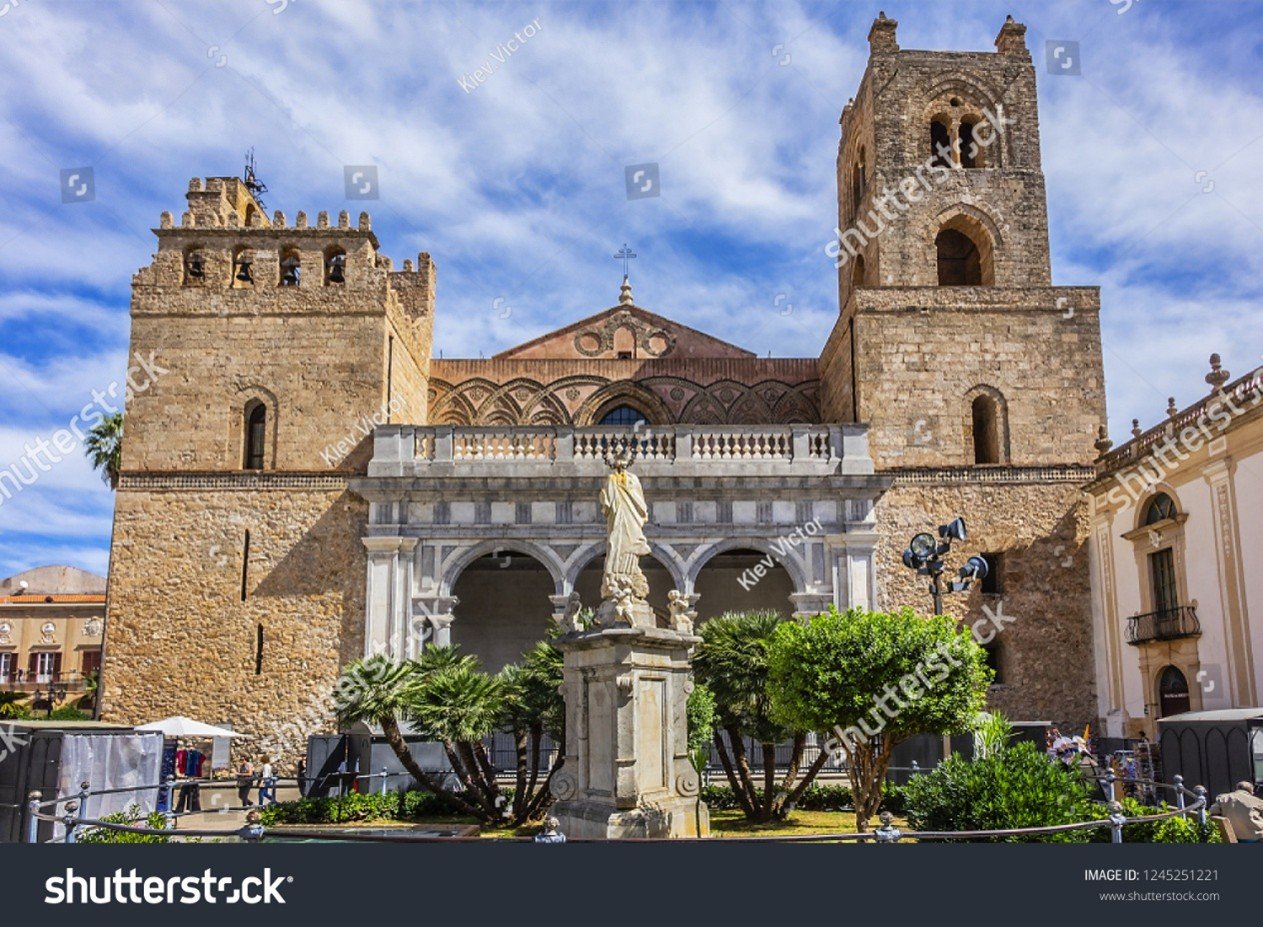
The reign of King Roger II represented Sicily’s golden age, an era of great prosperity, power, and cultural achievement of the Sicilian Kingdom and its people. Under King Roger II and his heirs, the Norman Kingdom of Sicily would create many of the most splendid magnificent cathedrals of the medieval Christian world, such as: Cathedral of Cefalù (1131), Monreale Cathedral (1174),the Cathedral of Palermo (1185), as well as countless other new religious institutions constructed during the 12th century. During this brief period the Norman Kingdom of Sicily evolved into one of the most important commercial, cultural, and scientific learning centers of Europe during the early medieval period. Unfortunately, its greatness was not destined to endure for long.