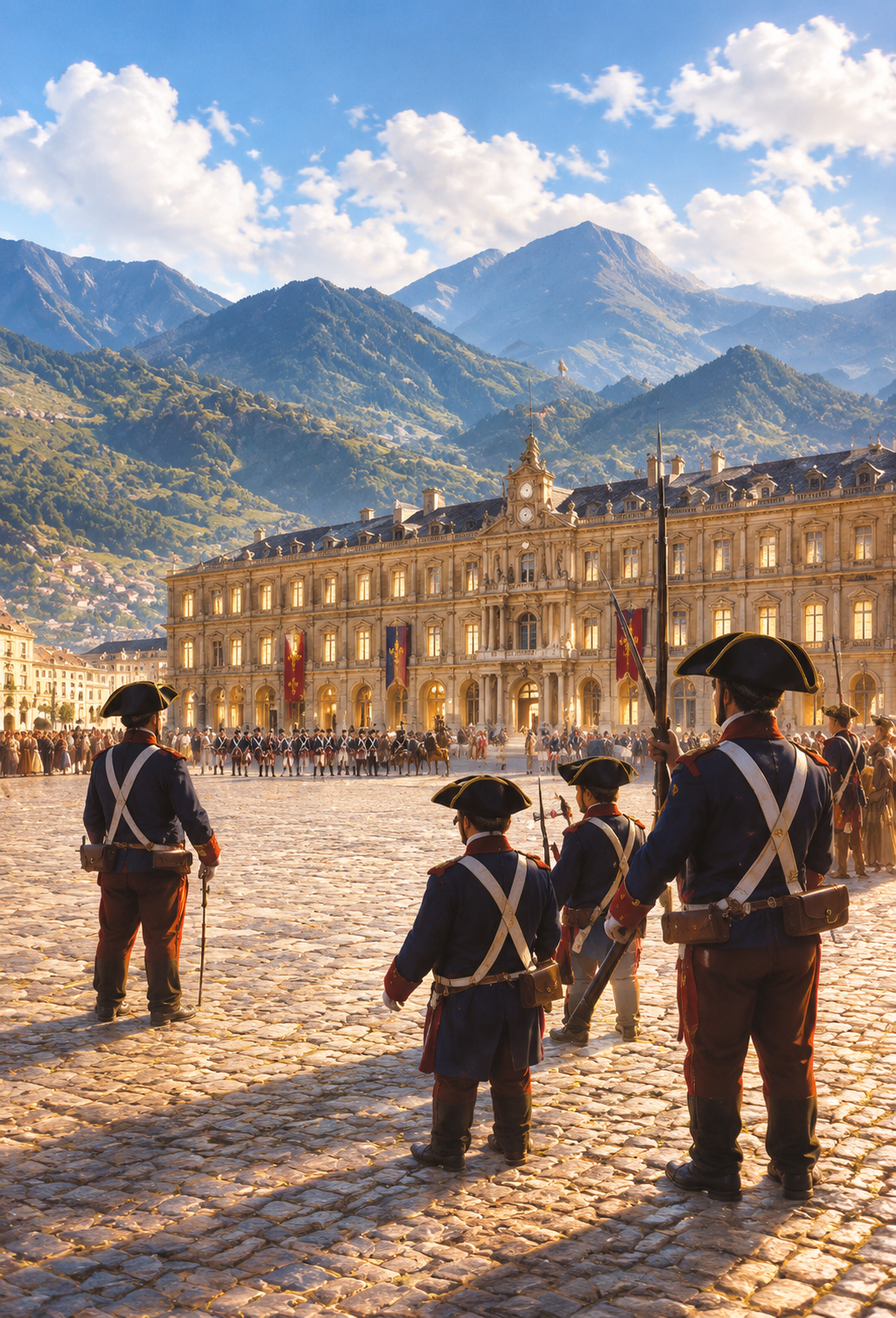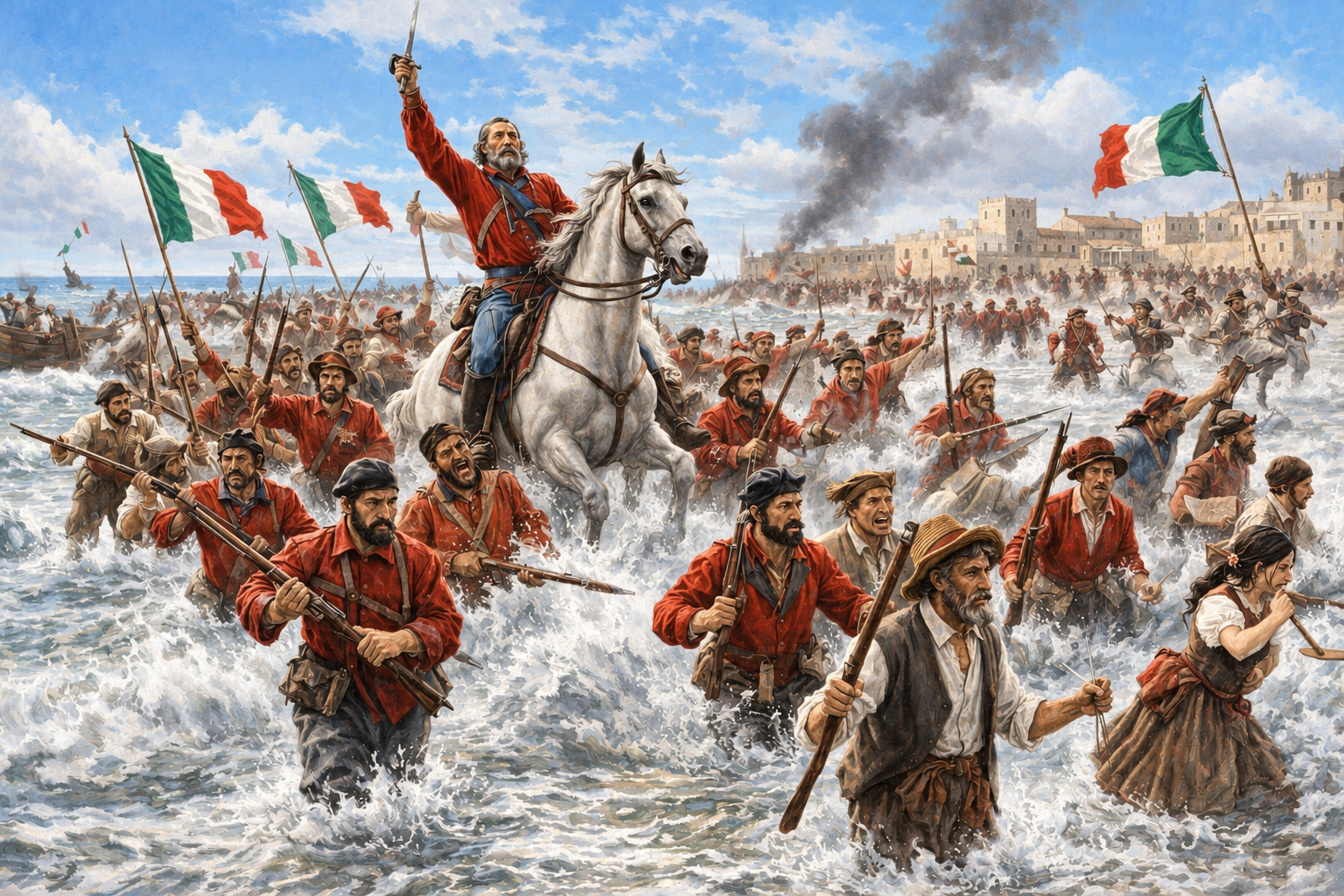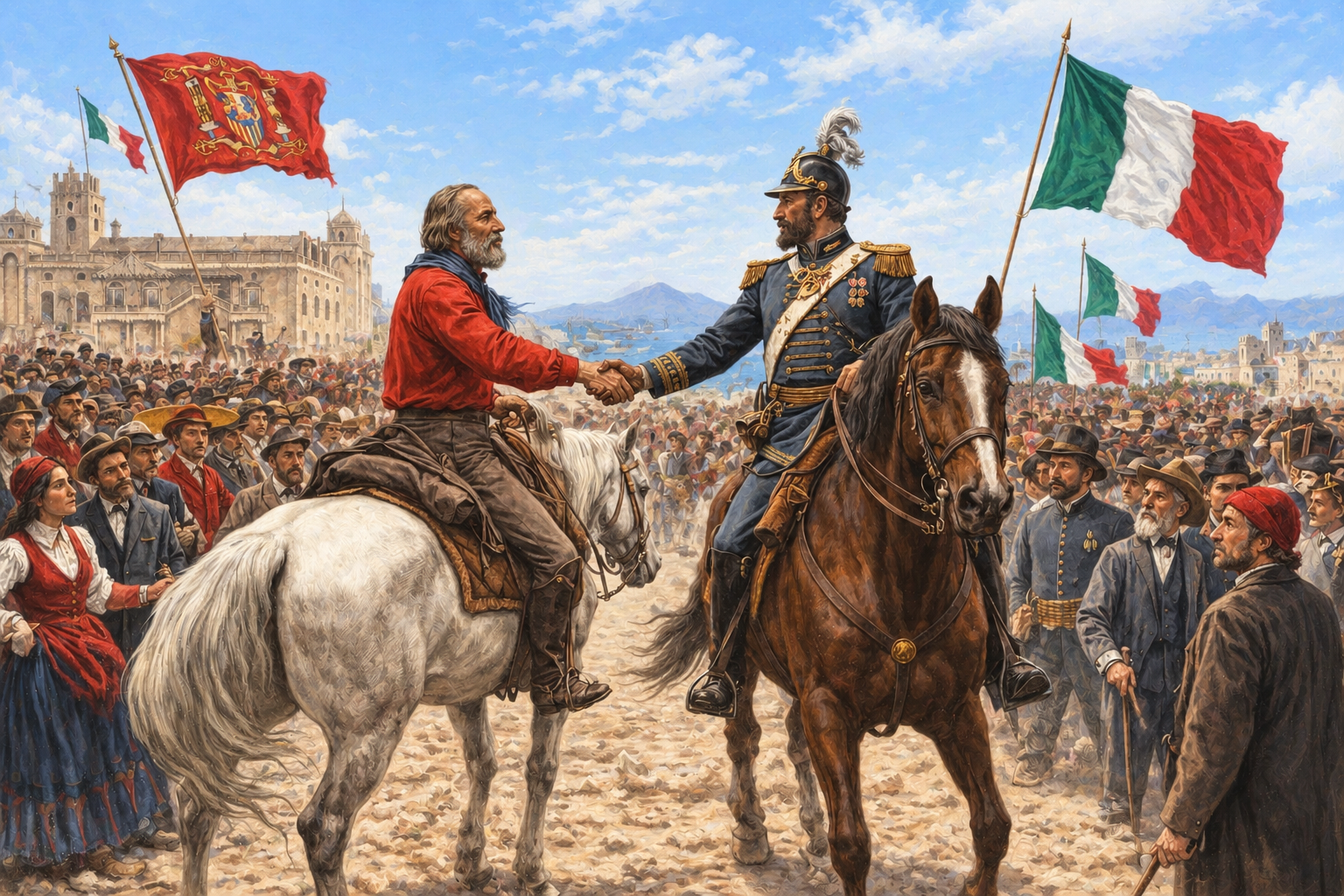


On May 11, 1860, a 53-year-old revolutionary named Giuseppe Garibaldi landed at the Sicilian port of Marsala with approximately one thousand volunteer soldiers. His seemingly impossible mission was to foment a Sicilian rebellion against the Bourbon monarchy with his ultimate goal of supporting the unification of Italy. Within weeks of his landing in Sicily, Garibaldi’s forces had taken Palermo. Within six months, Garibaldi’s revolution had brought down the Kingdom of the Two Sicilies, and all of Sicily and Southern Italy were incorporated into the new Kingdom of Italy
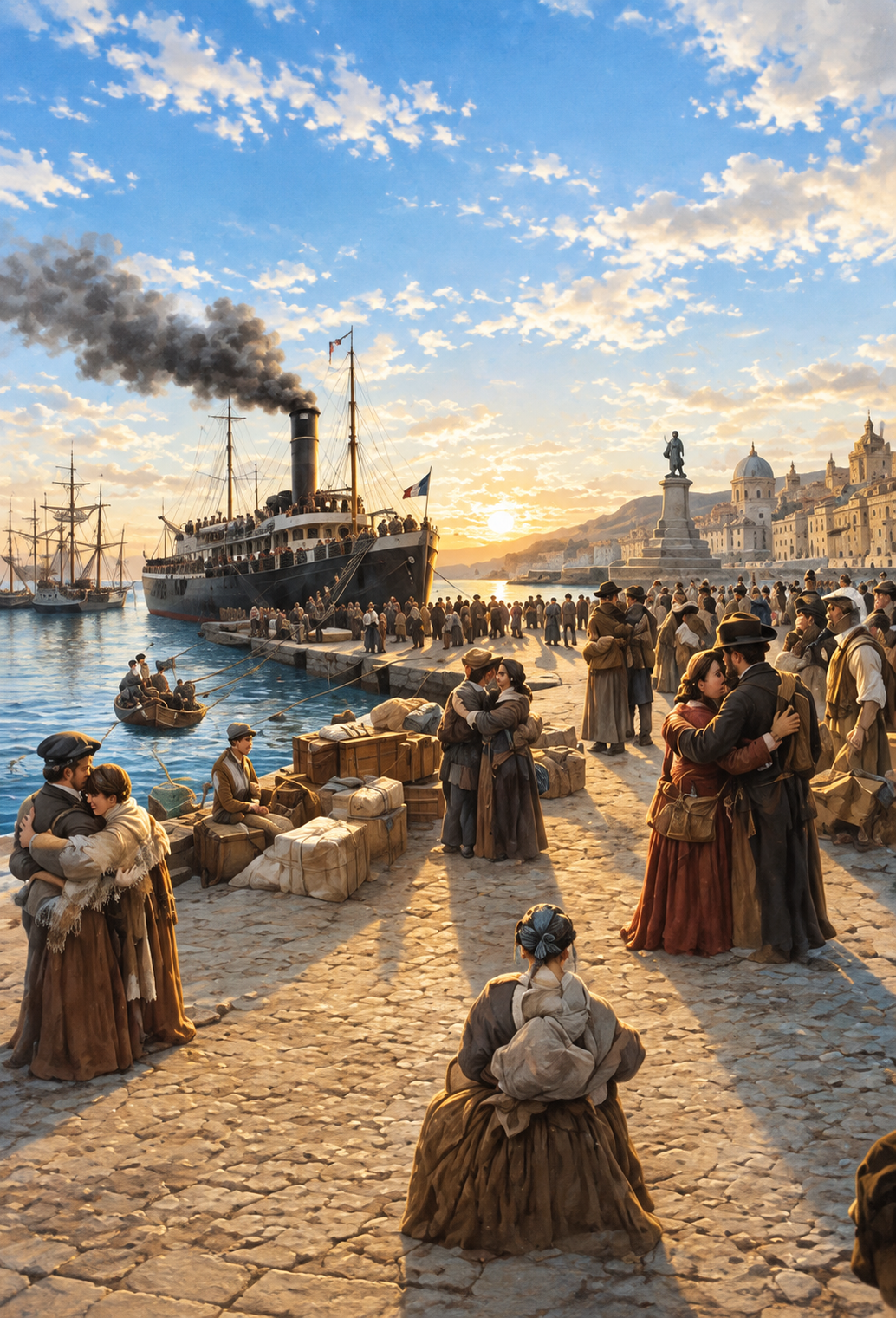
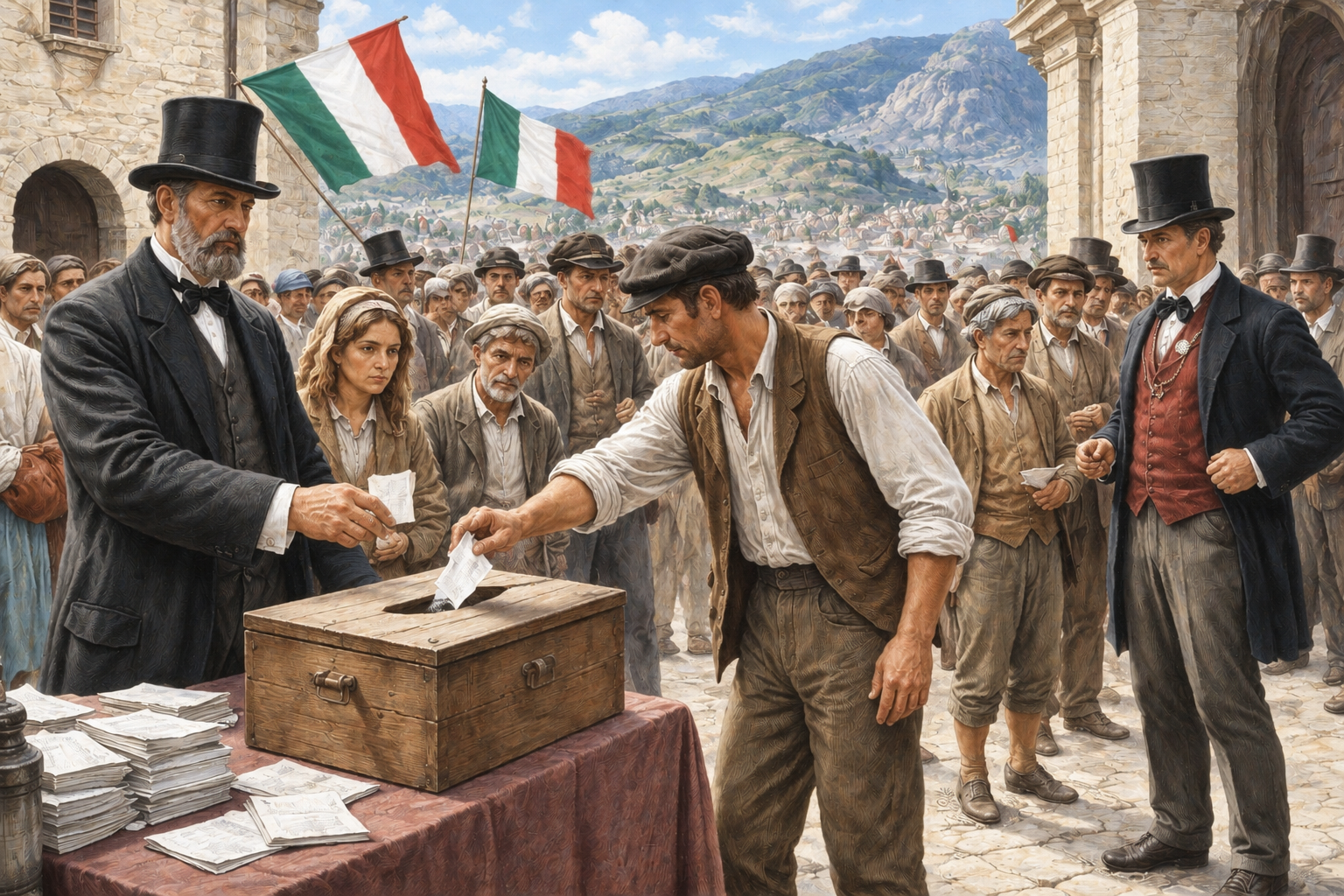
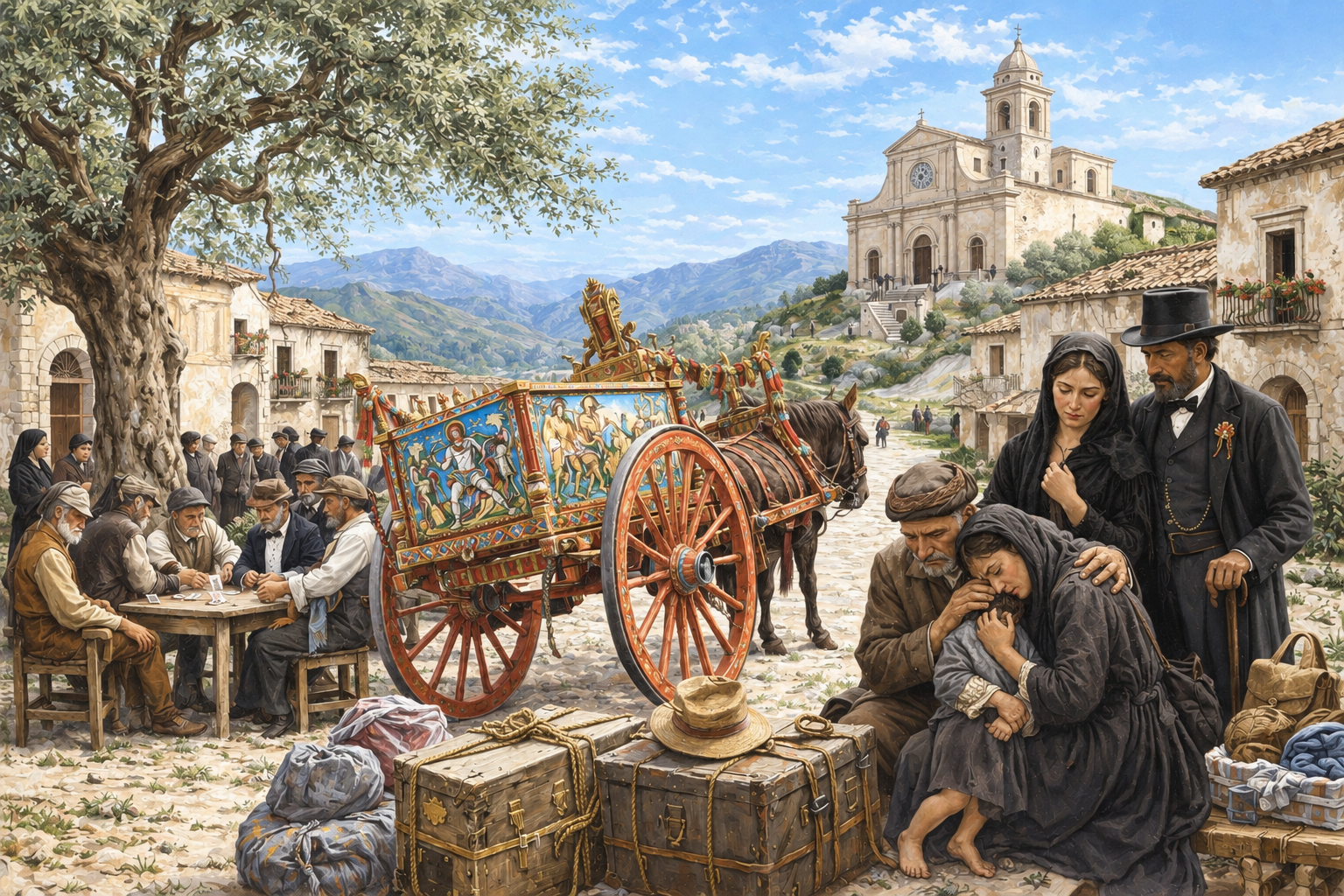
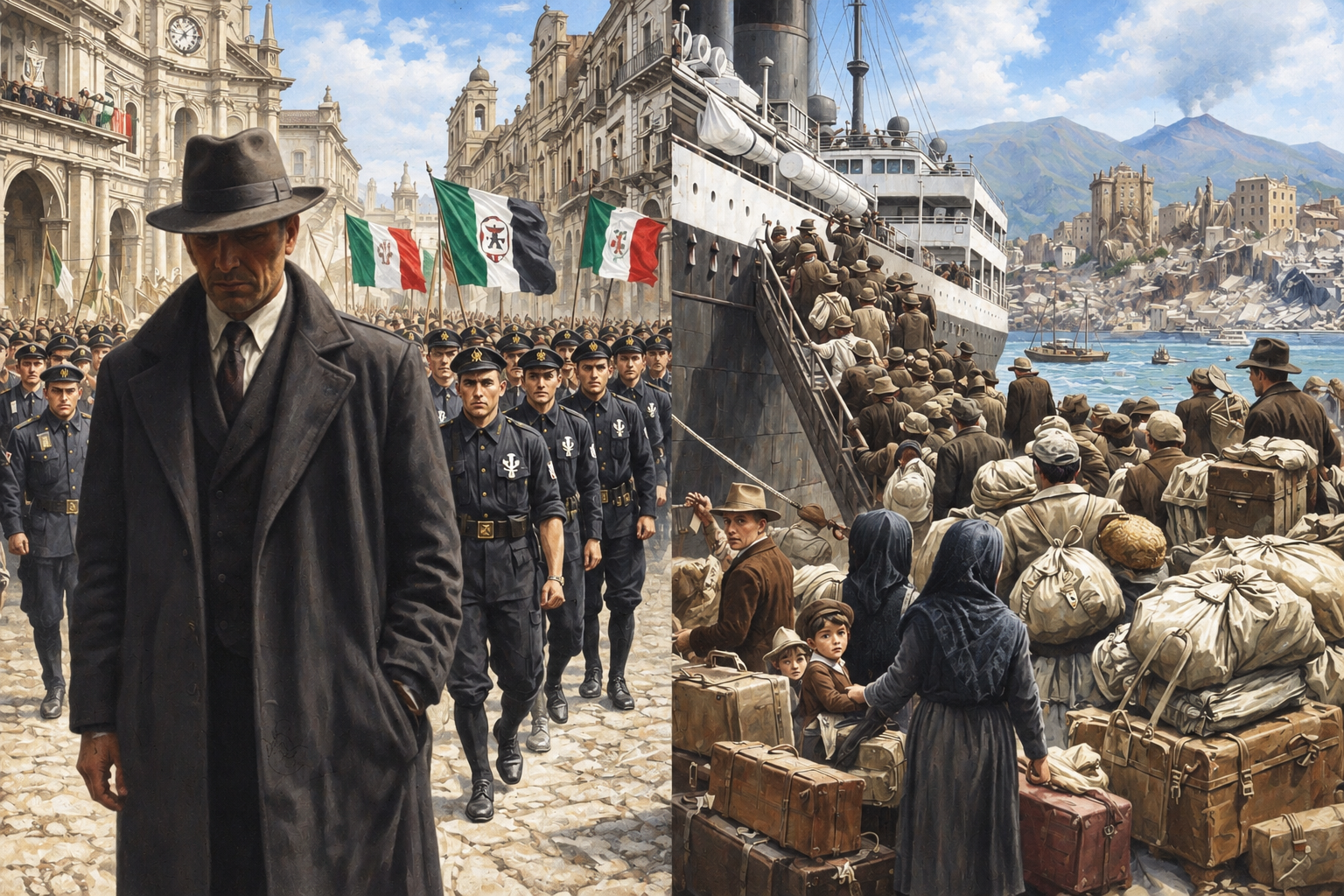
Thus, in 1860 Sicily became a part of the new unified Italian government, whose capital was initially in Turin, and later transferred to Rome. Sicily had voted overwhelmingly to join the new Kingdom of Italy, but was immediately disillusioned as the new Italian government violated all the promised reforms made by Garibaldi to the Sicilian people. The Italian government was dominated by the interests of the wealthier, industrialized Northern Italian regions, who considered their Sicilian and Southern Italian citizens to be uneducated, uncouth peasants to be exploited as a source of taxes, conscripts, and agricultural labor. Within two decades of unification, Sicilians began leaving the island in unprecedented numbers in search of work. Between 1880 and 1920, approximately 1.5 million Sicilians emigrated as part of the Great Italian Migration, the majority headed to the United States, which was experiencing a major labor shortage due to rapid industrialization and the growth of American cities.
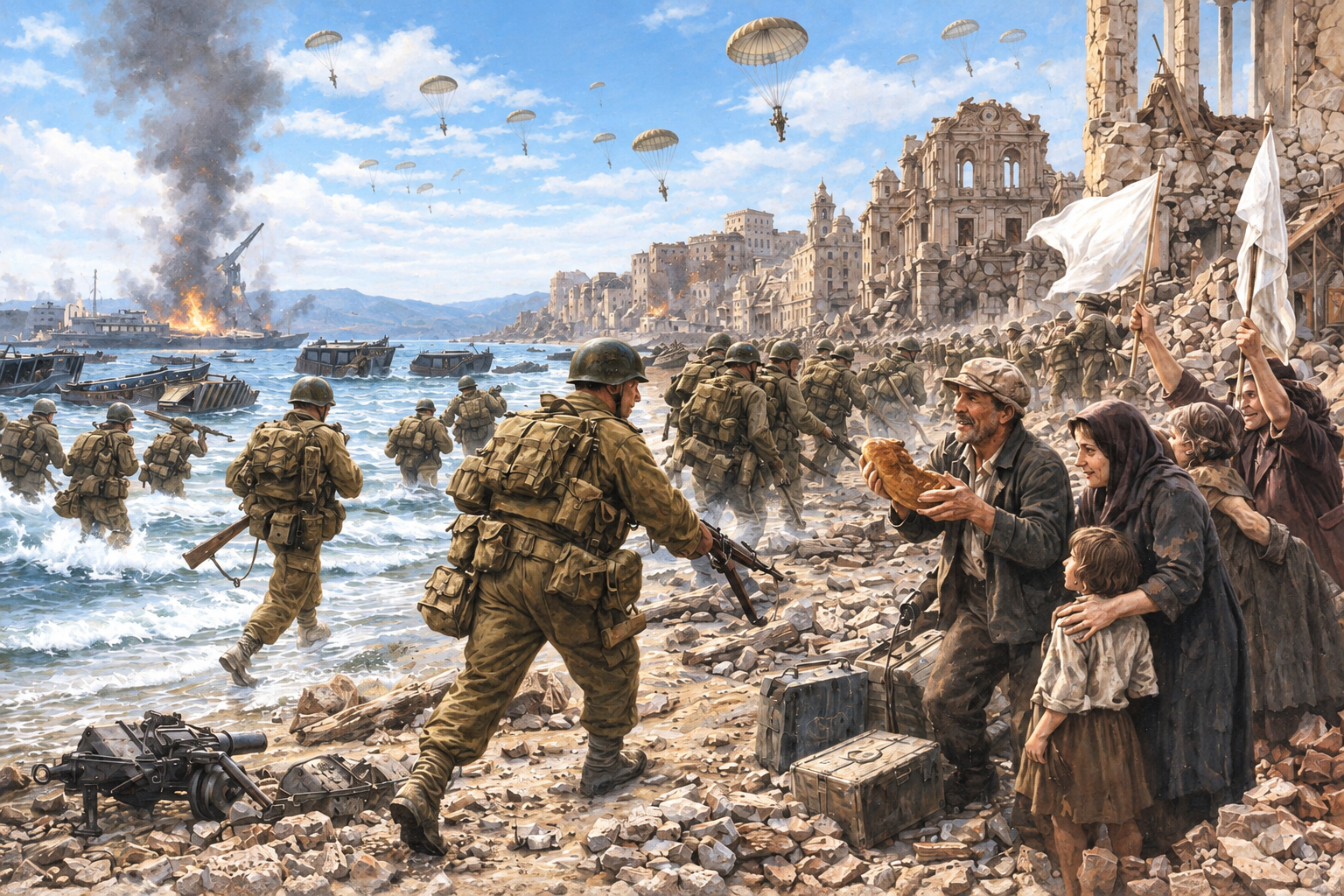
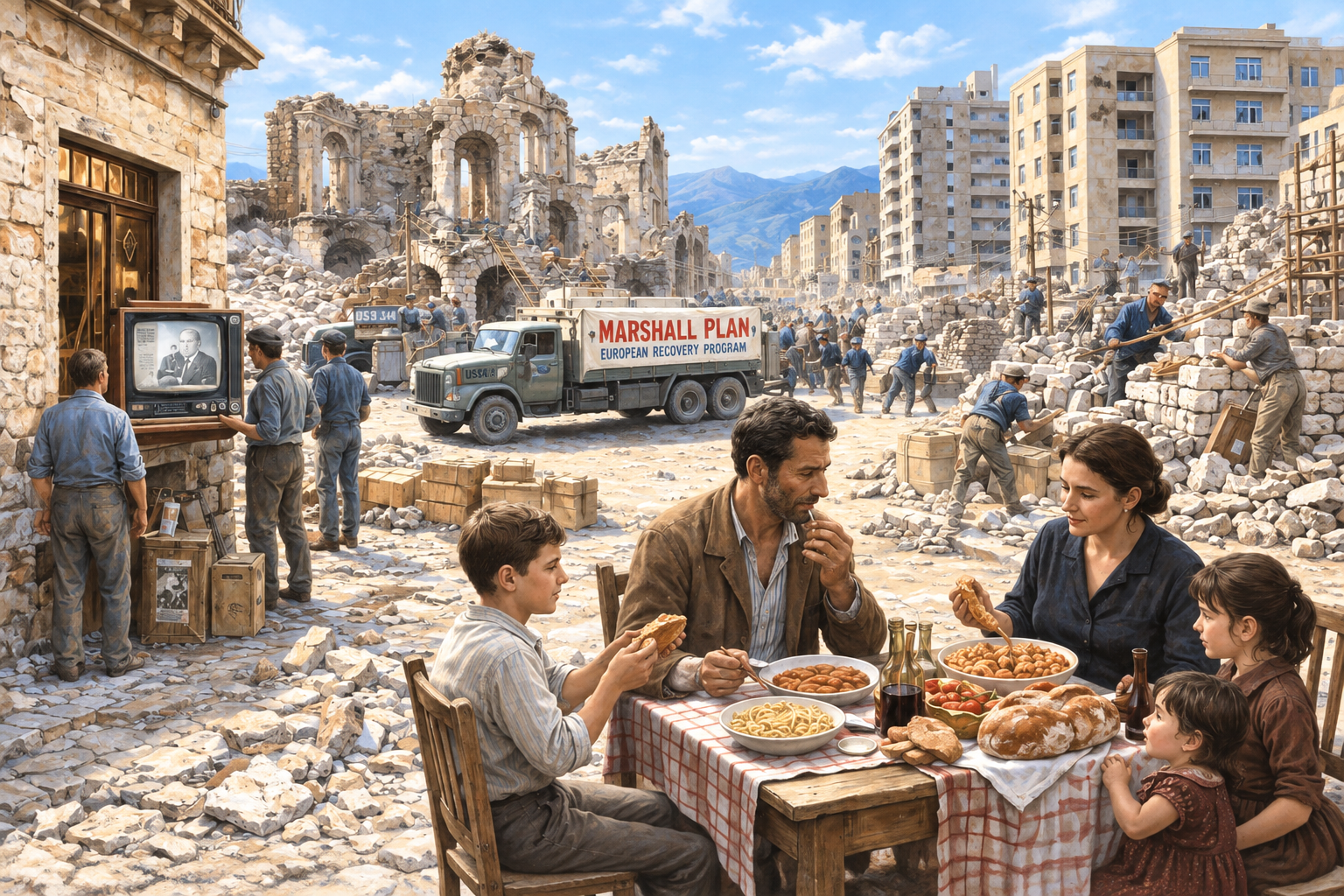
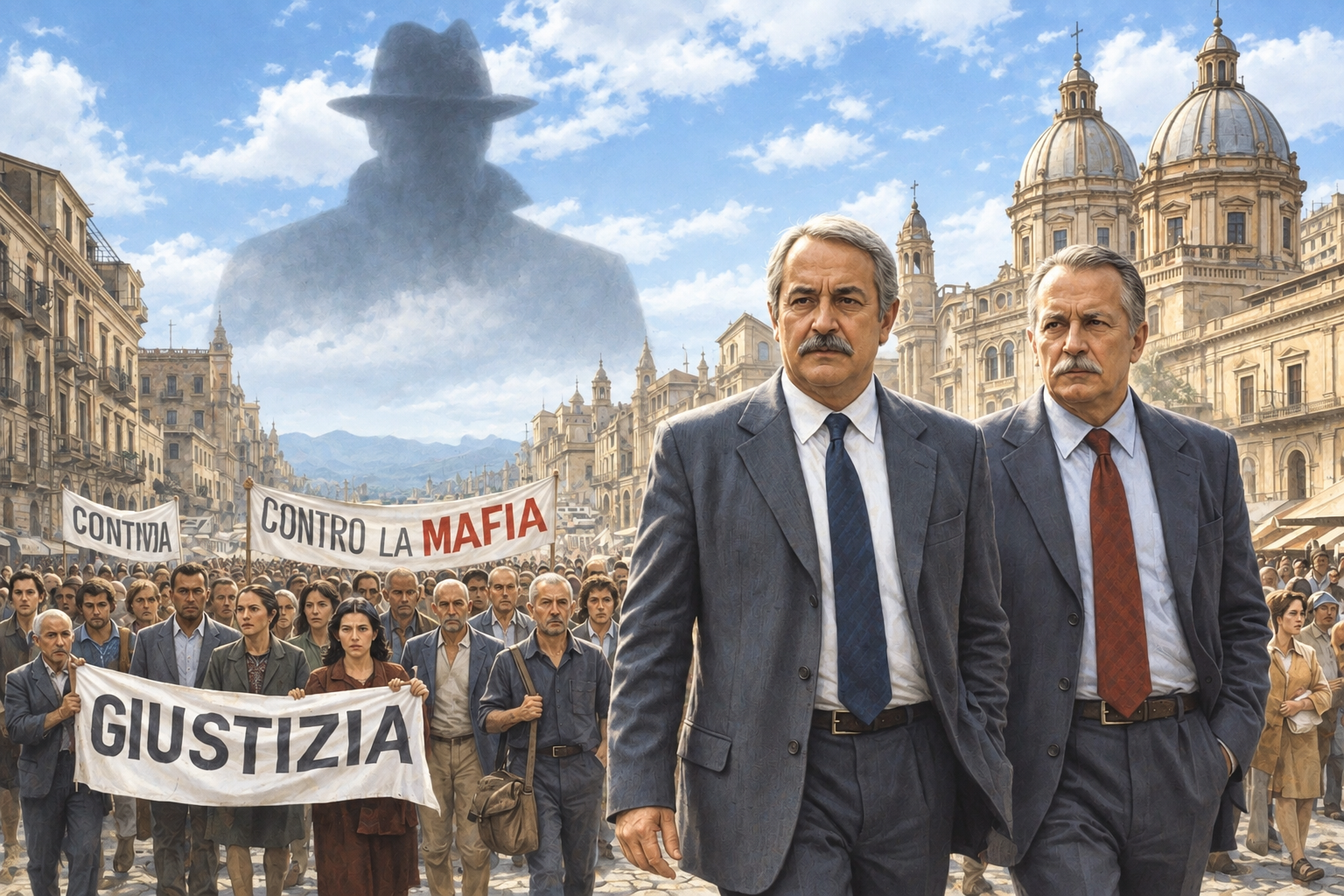
The 20th century brought Sicily fascism, then World War II, then the Allied invasion of 1943 (Operation Husky, at that point the largest amphibious operation in history). Post-war Sicily struggled against entrenched poverty and the growing power of the Mafia, which reached the zenith of its power in the 1980s and early 1990s. The power of the Sicilian Mafia was ultimately broken by Italian law enforcement following the 1992 assassinations of two anti-Mafia magistrates Giovanni Falcone and Paolo Borsellino in spectacular bomb attacks. These murders ignited a popular public backlash that broke the Mafia’s grip on Sicilian society. In the 21st century Sicilians have reclaimed control of the island from the Mafia, whose power has been substantially diminished.