Illustrated History of Sicily

A visual journey through the land, cuisine, people, language, and living traditions of Sicily — the crossroads of civilizations.

Illustrated History of Sicily

A visual journey through the land, cuisine, people, language, and living traditions of Sicily — the crossroads of civilizations.

Syracuse & Necropolis of Pantalica

---Inscribed 2005

Why It Matters

Syracuse was, in the 5th century BC, the largest Greek city in the world — larger than Athens. Today it preserves layers of history stretching from prehistoric burial grounds to medieval cathedrals, all within the bounds of a single inscribed site.

Introduction

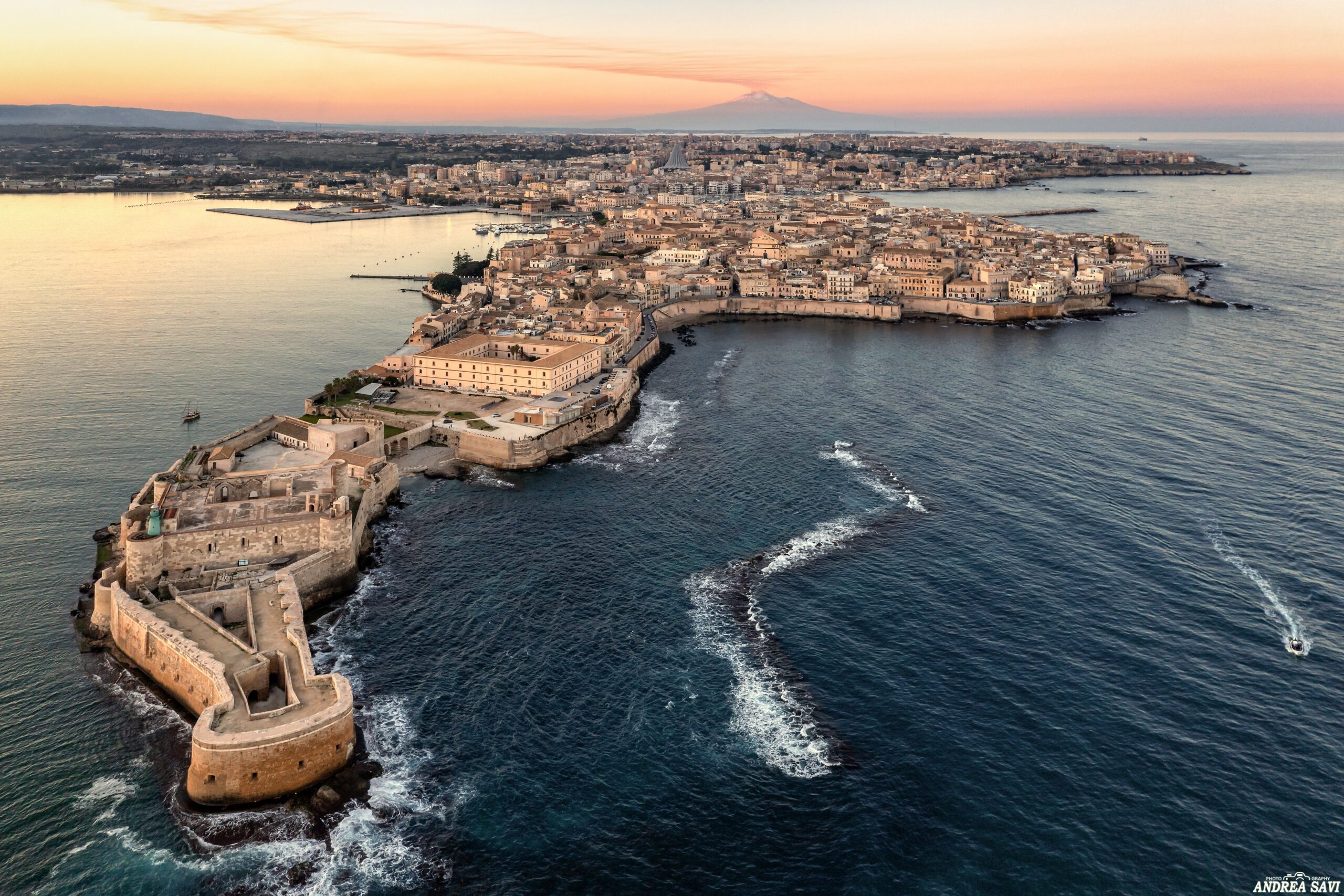
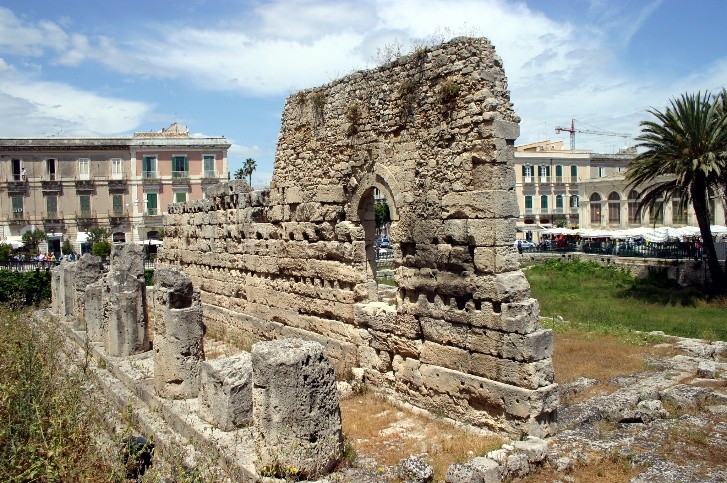
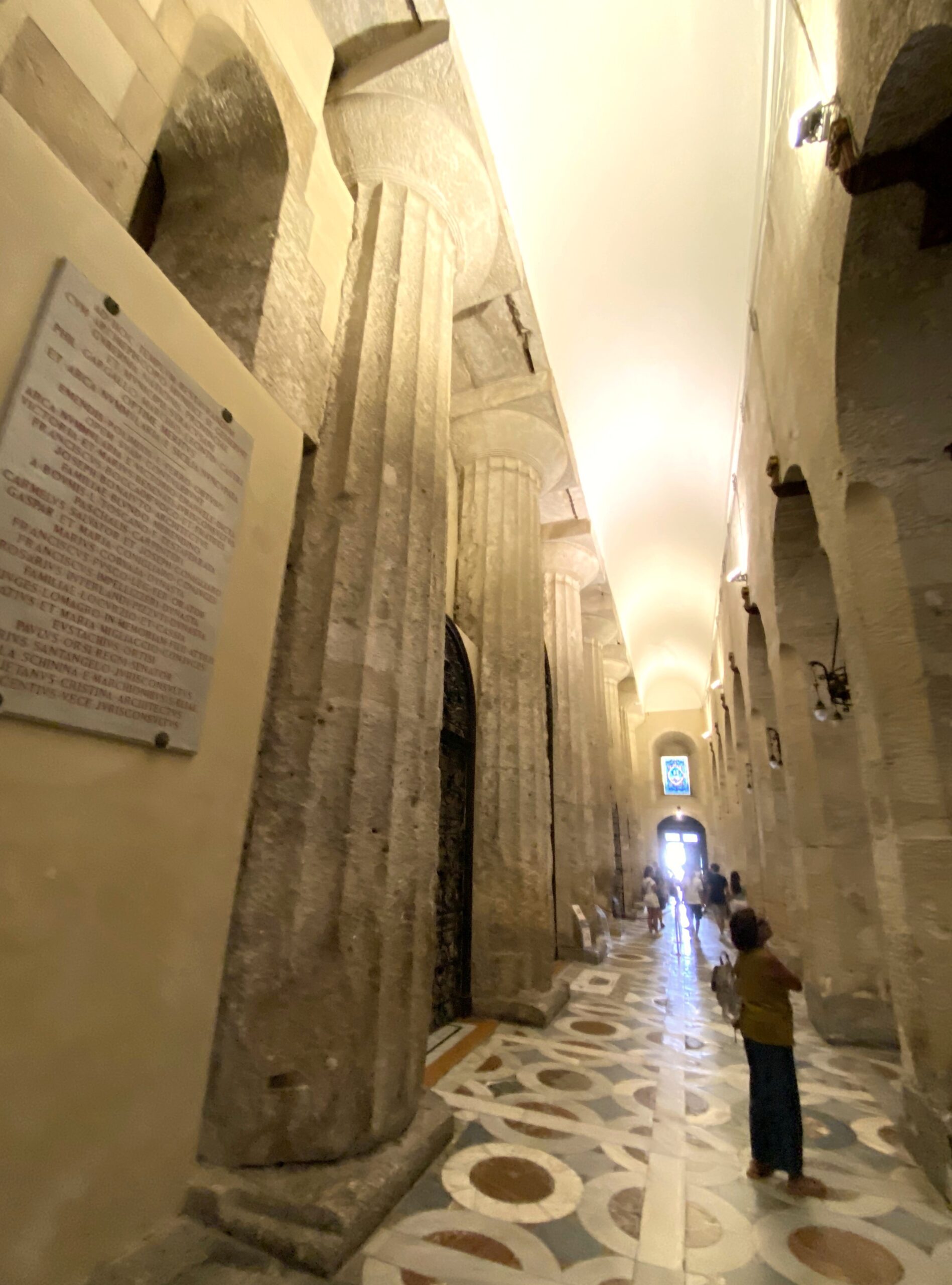
These sites in and around the city of Siracusa contain several of the finest examples of archaeological treasures of ancient Greek civilization outside of mainland Greece. The island of Ortigia Island remains the historical heart of Siracusa, featuring the remains of Greek temples, like the Temple of Apollo, and the baroque Cathedral of Siracusa, constructed around the ancient columns of the Greek Temple of Athena, dating back to the 5th century BC. The archaeological park features the magnificent ancient Greek Theatre carved directly into the hillside, a massive ancient Greek temple, a Roman amphitheater, and a carved-out limestone cave ( the mysterious Ear of Dionysius). The Rocky Necropolis of Pantalica, located 15 miles outside Siracusa, is a necropolis containing around 5,000 stone-aged tombs, cut into the deep mountain gorge, dating from the 13th to 7th centuries BC. These areas have been UNESCO World Heritage Sites since 2005.

ANCIENT SYRACUSE

Neapolis Archaeological Park

[unesco_gallery_images]
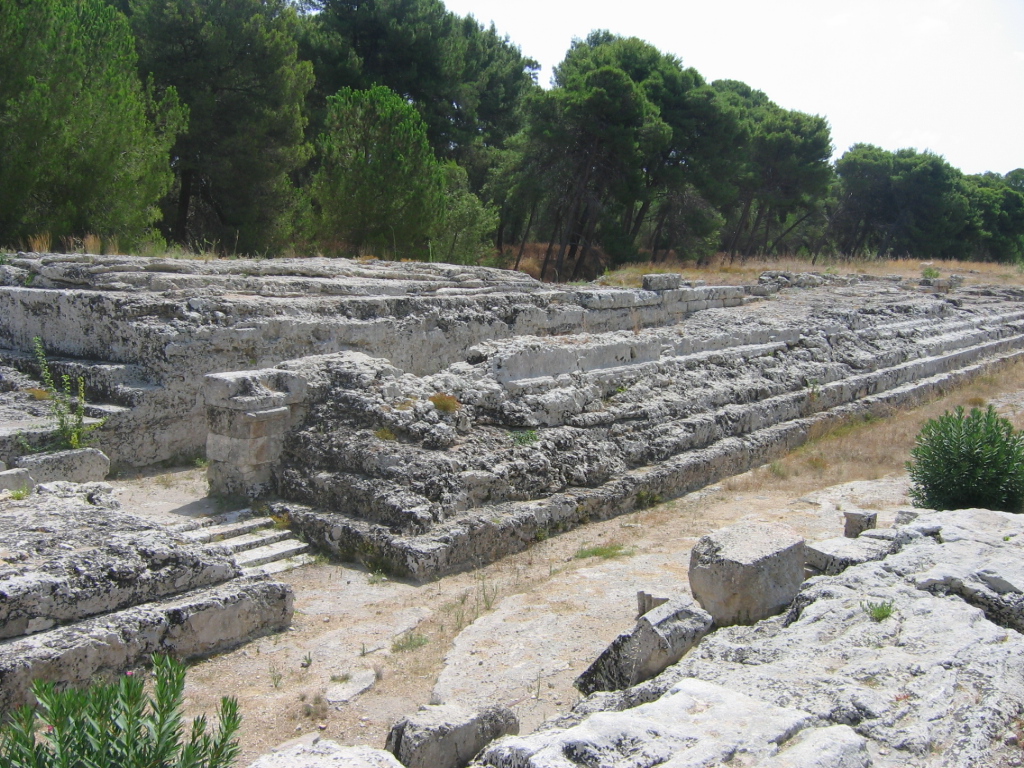
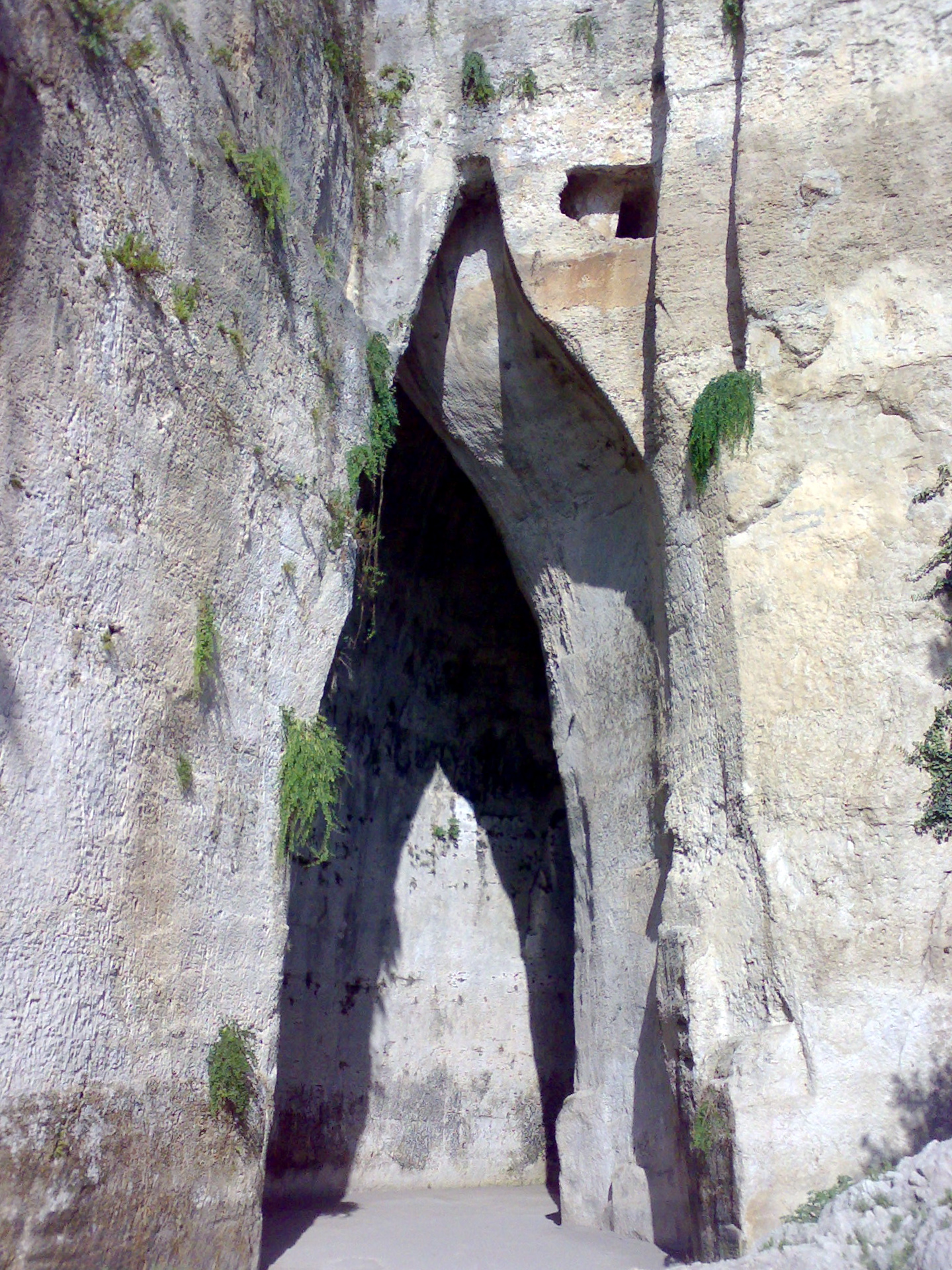
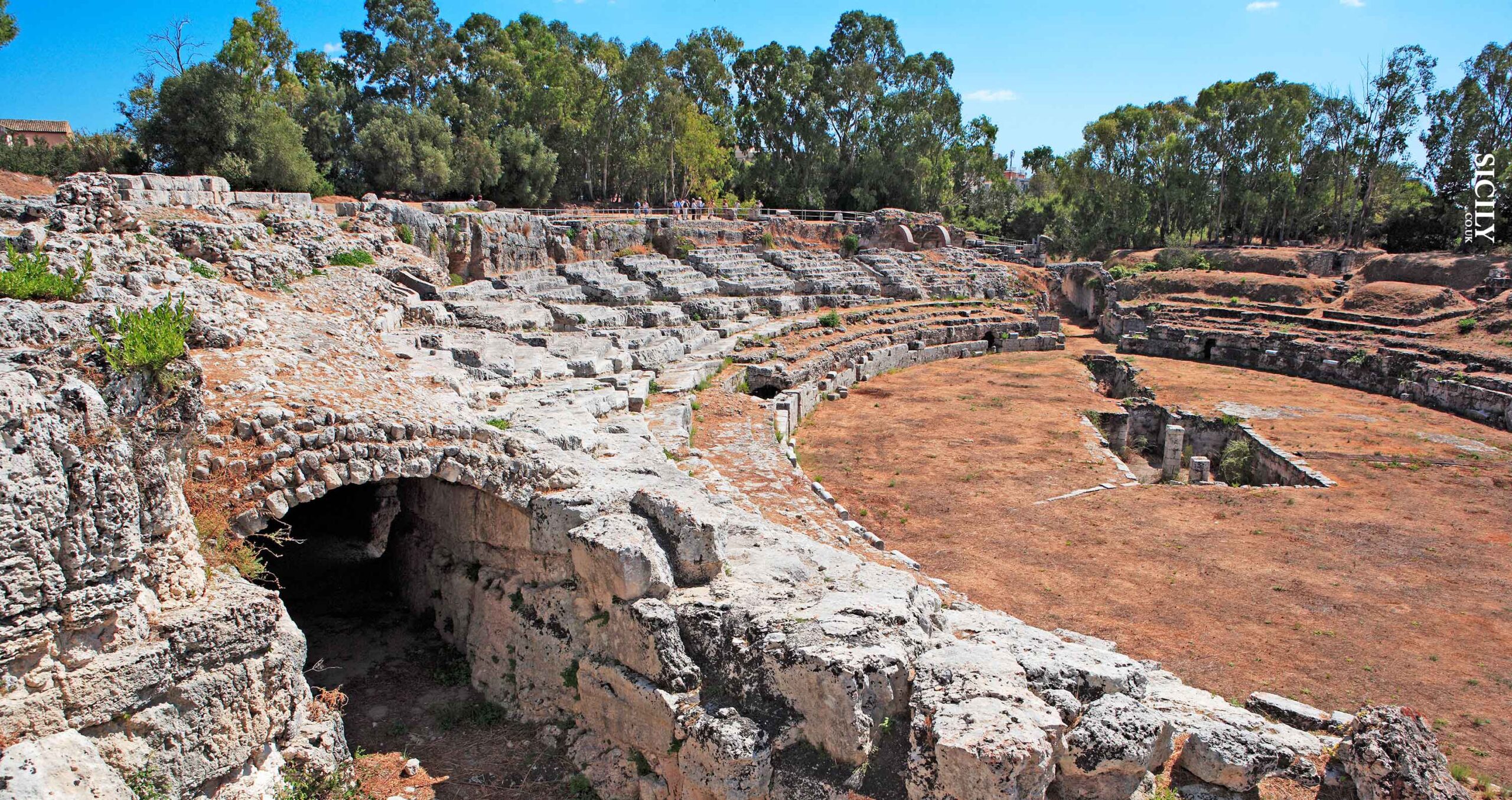
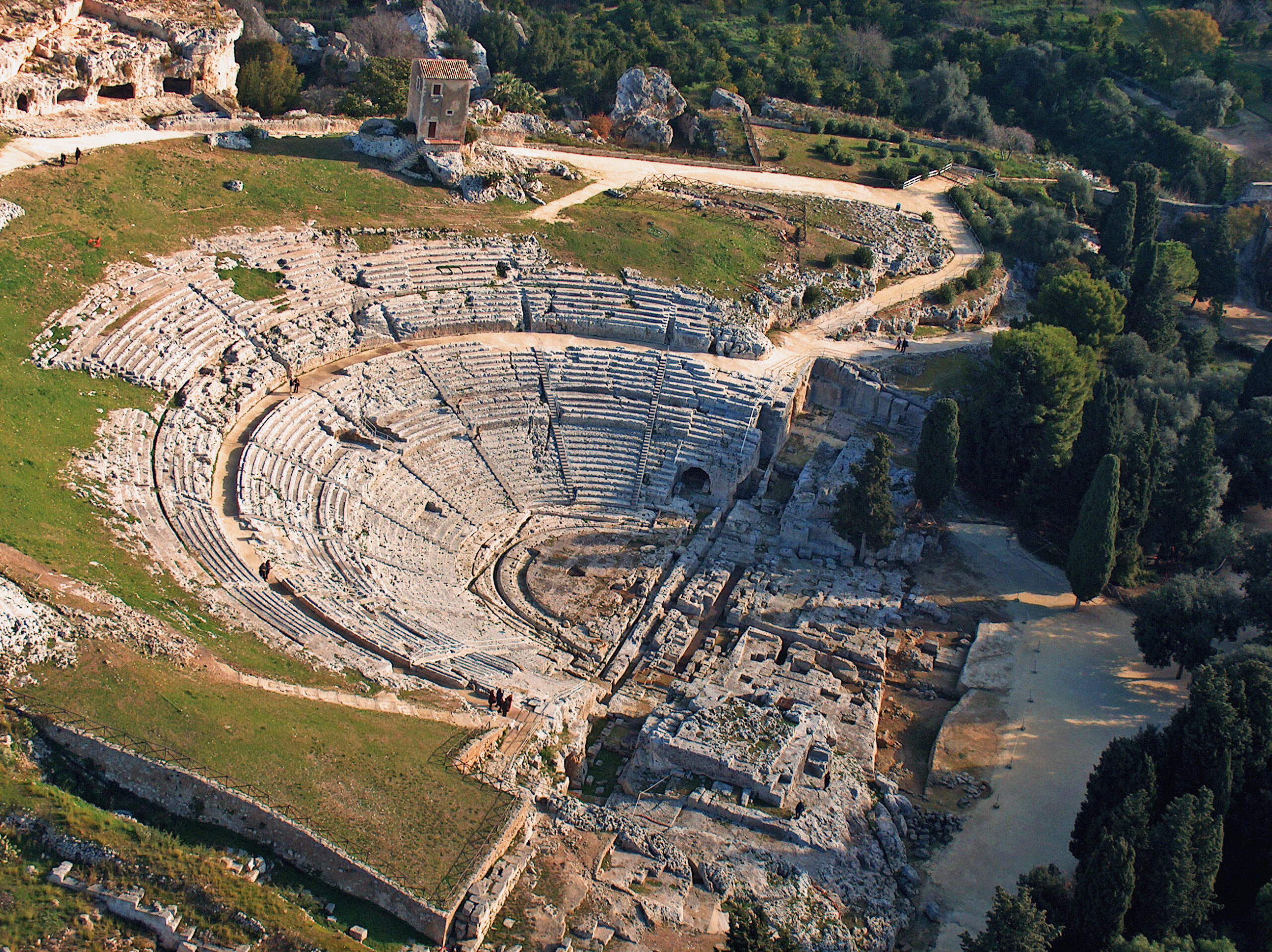
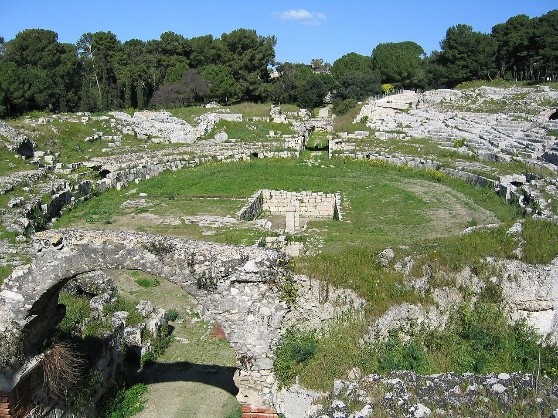
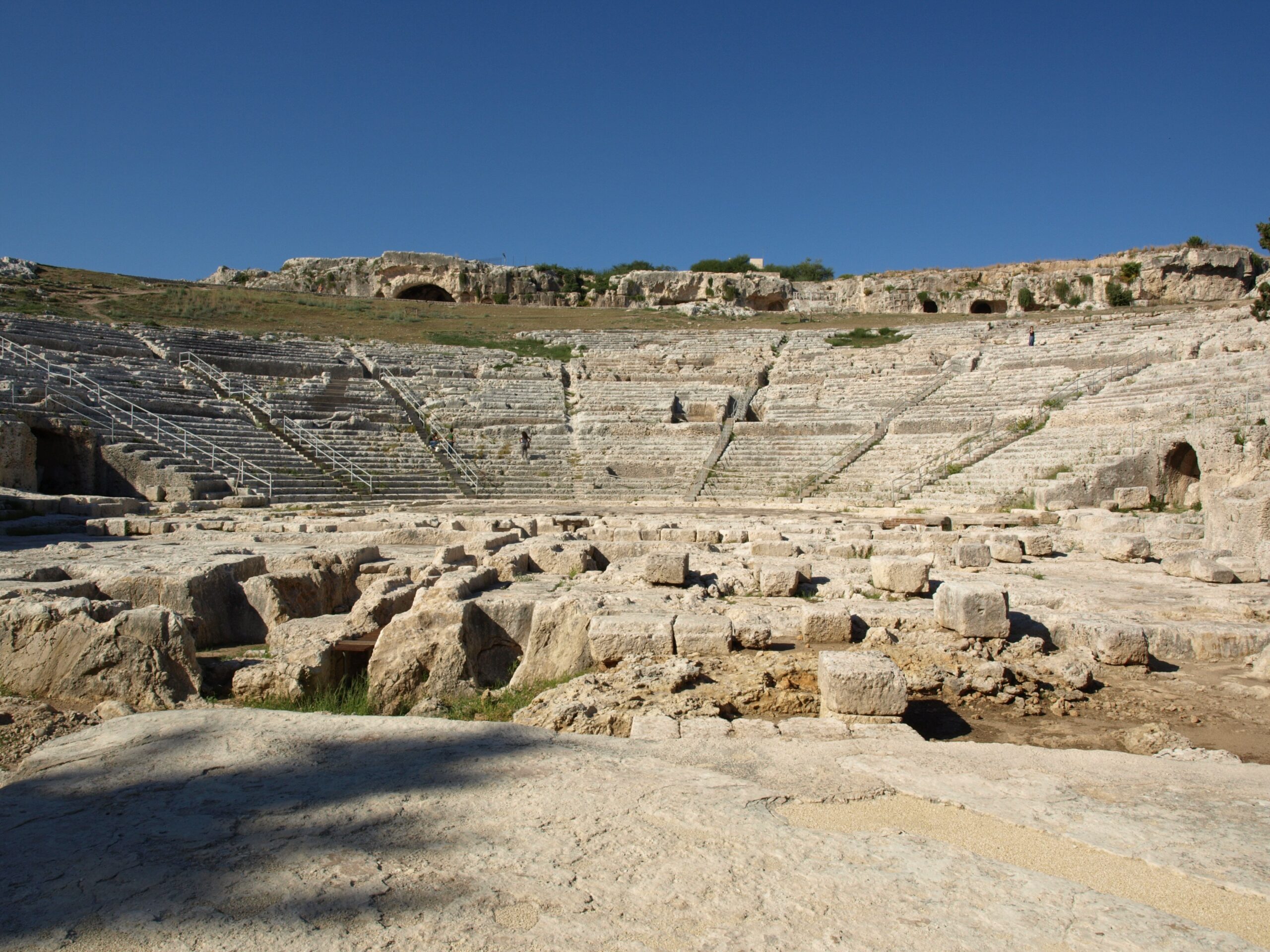
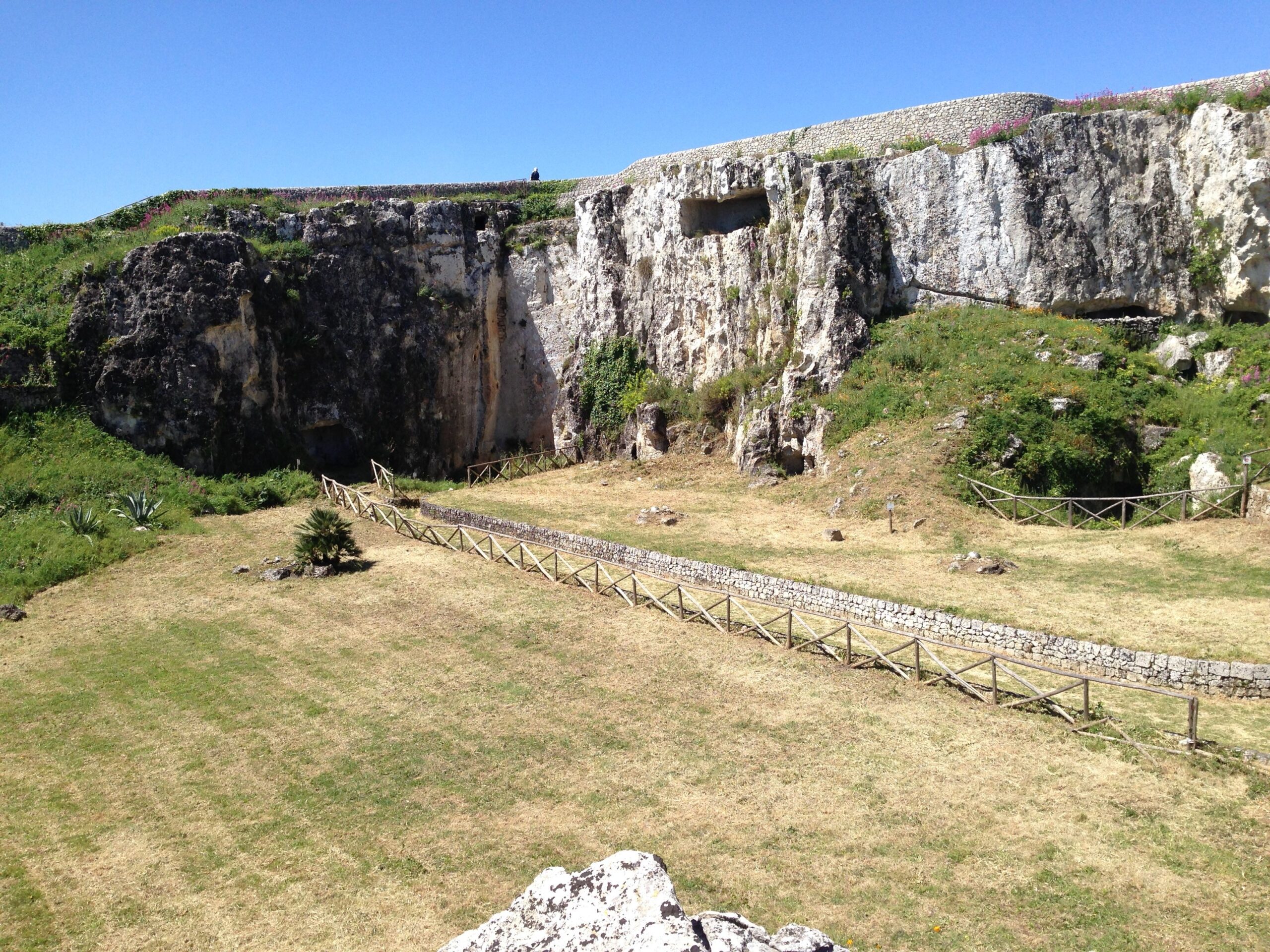
The main archaeological zone of ancient Syracuse. Key monuments include: the Greek Theatre (5th century BC, one of the largest ancient Greek theatres in the world, still used for performances today); the Roman Amphitheatre; the Altar of Hieron II (a massive sacrificial altar); the Ear of Dionysius (a cave with remarkable acoustics, named by Caravaggio); and the Latomie del Paradiso (ancient stone quarries that served as Athenian prison camps after the failed expedition of 415-413 BC).

Ortygia

[unesco_gallery_images]
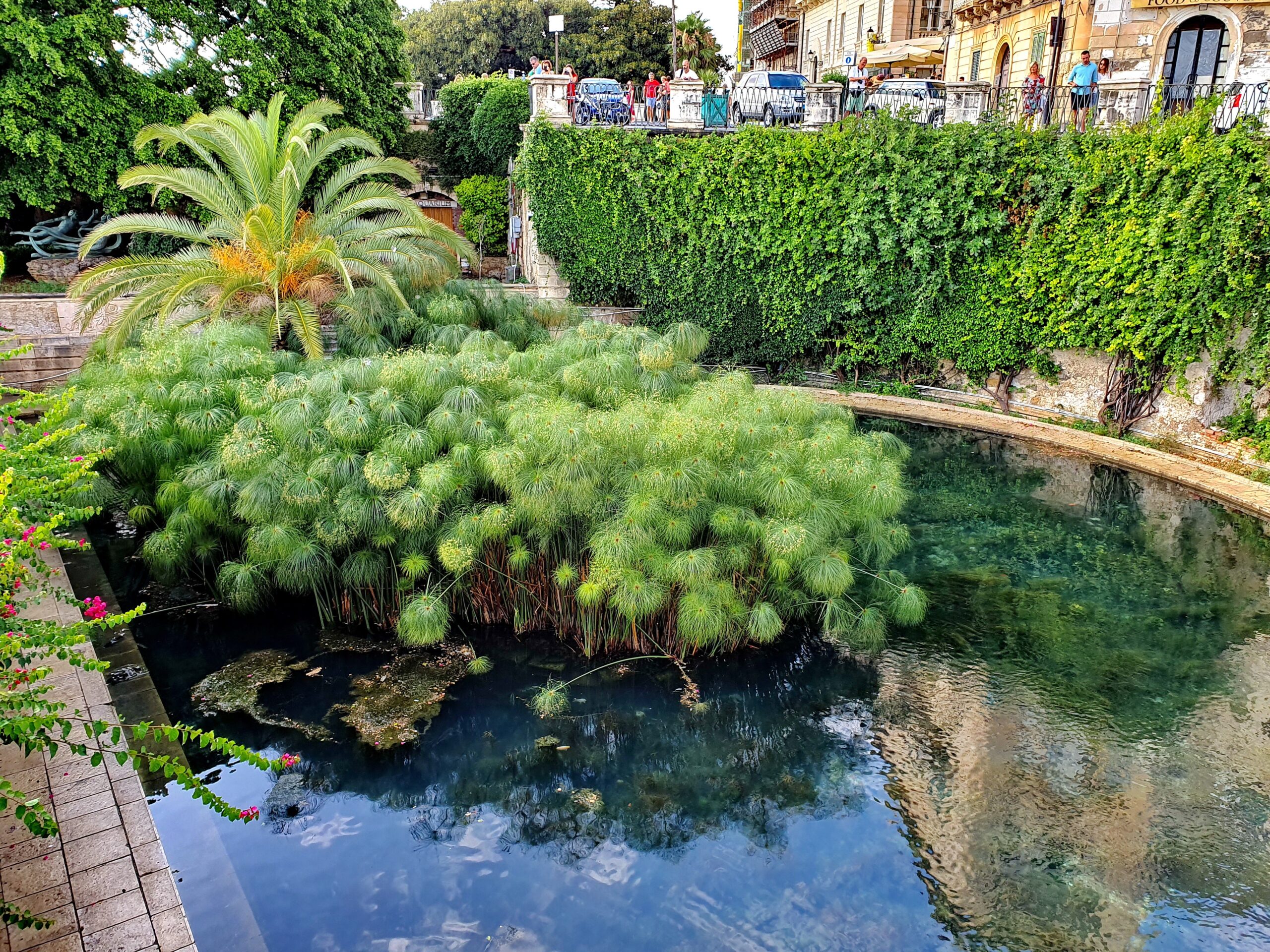
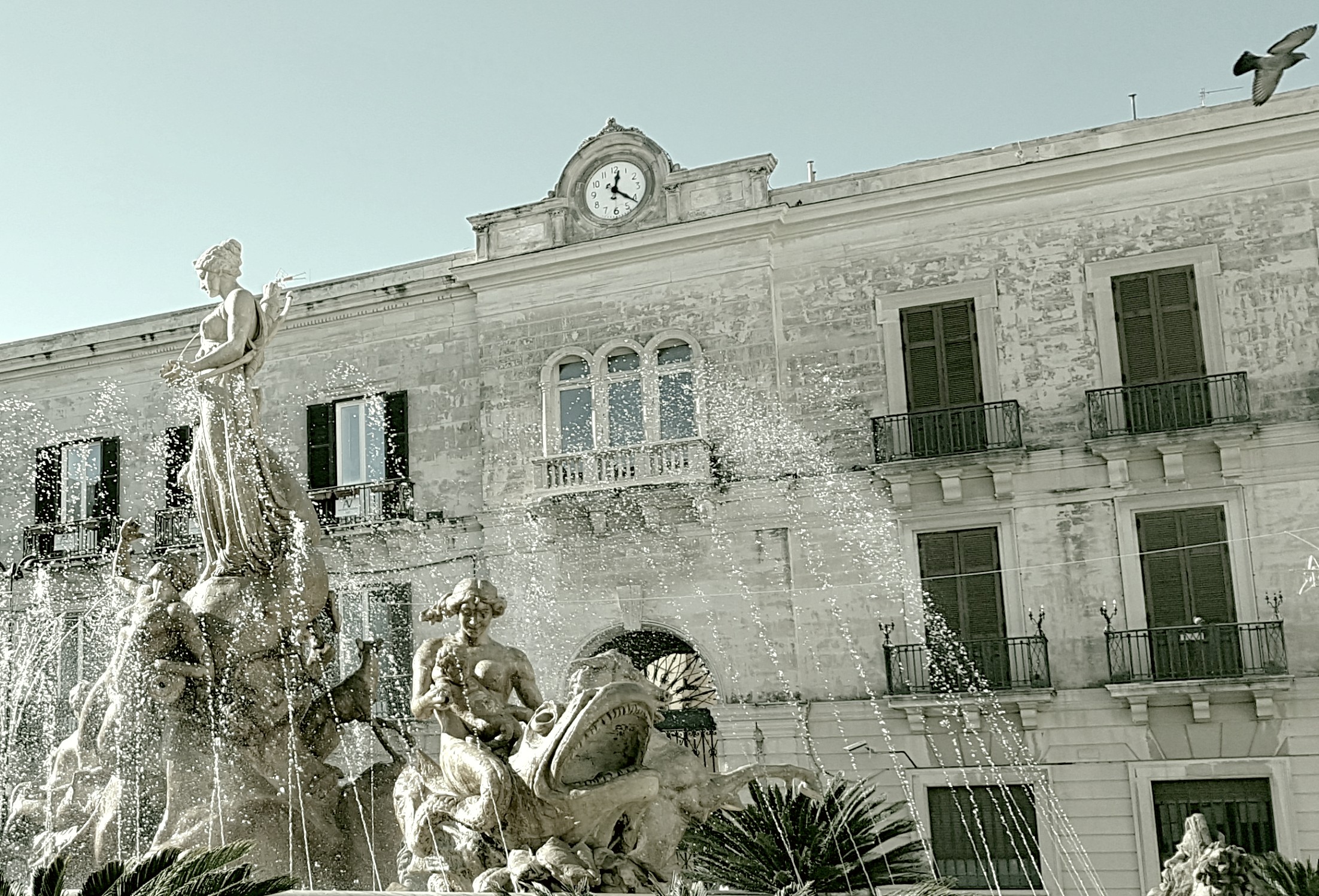
The small island that was the historical core of Syracuse. Connected by bridges to the modern mainland city, Ortygia contains layer upon layer of history: the Temple of Apollo (6th century BC, the oldest Doric temple in Sicily); the Cathedral of Syracuse (built into the standing columns of the 5th century BC Temple of Athena — you can see the ancient Greek columns embedded in the medieval walls); the Fountain of Arethusa (the mythological spring that bubbles up with fresh water yards from the Mediterranean); and a network of medieval streets, Baroque palazzi, and lively piazzas.

PANTALICA

[unesco_gallery_images]
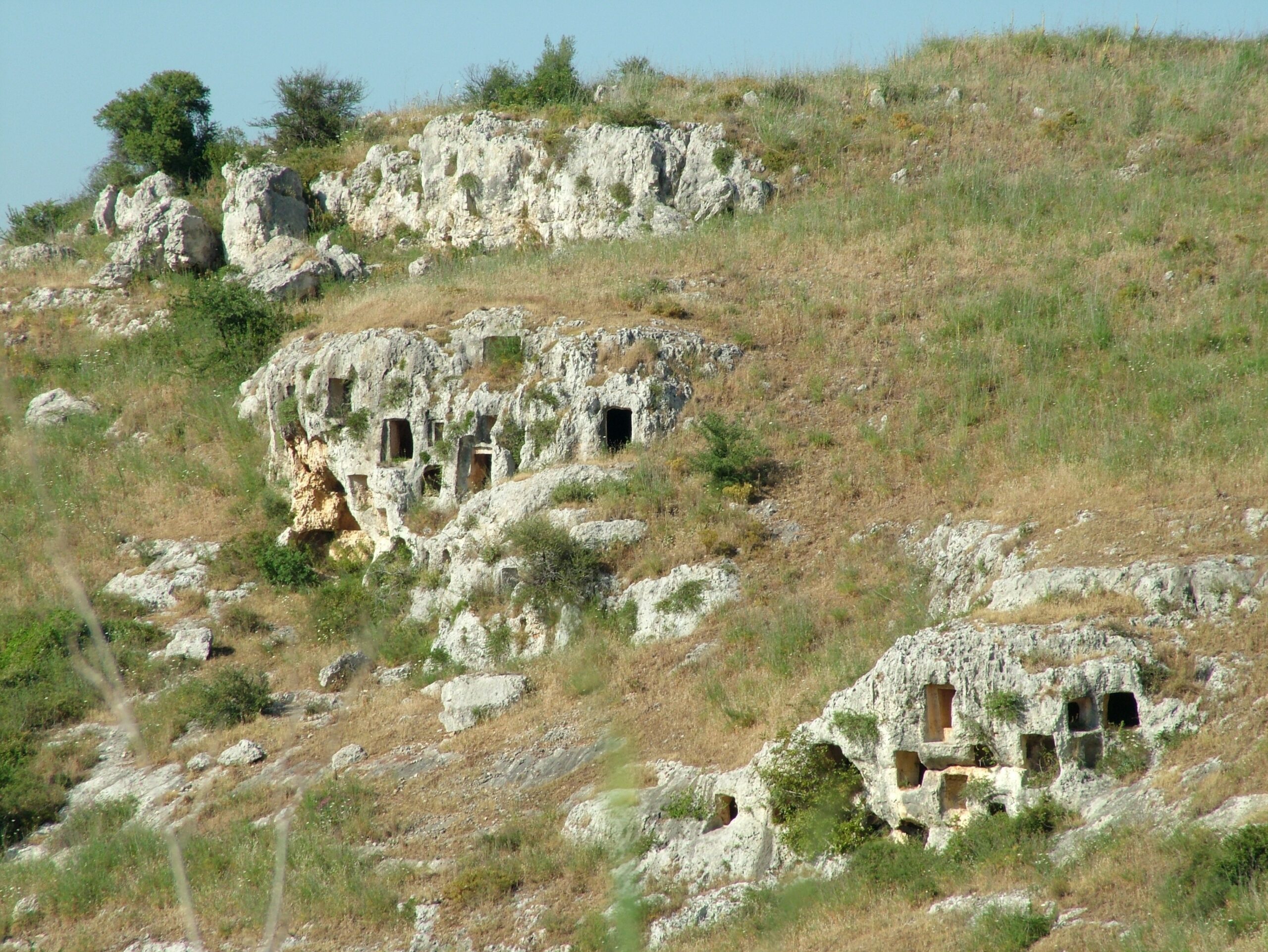
The Rocky Necropolis of Pantalica is one of the largest prehistoric cemeteries in the world — over 5,000 tomb chambers carved into the limestone cliffs of a dramatic canyon system formed by the Anapo and Calcinara rivers. The tombs date from roughly 1200 BC to 650 BC, a period that covers the transition from Bronze Age to Iron Age in Sicily. Pantalica was home to one of the indigenous Siculi peoples, who created a sophisticated civilization in this remote mountainous location before the arrival of the Greeks on the coast. <br /> Today Pantalica is a dramatic natural and archaeological park. Hiking trails lead along the canyon rims and into the valleys, with thousands of tomb openings visible in the cliff faces like honeycomb cells. The setting is breathtaking — remote, quiet, and profoundly ancient.

Neapolis Archaeological Park

The main archaeological zone of ancient Syracuse. Key monuments include: the Greek Theatre (5th century BC, one of the largest ancient Greek theatres in the world, still used for performances today); the Roman Amphitheatre; the Altar of Hieron II (a massive sacrificial altar); the Ear of Dionysius (a cave with remarkable acoustics, named by Caravaggio); and the Latomie del Paradiso (ancient stone quarries that served as Athenian prison camps after the failed expedition of 415-413 BC).

Ortygia

The small island that was the historical core of Syracuse. Connected by bridges to the modern mainland city, Ortygia contains layer upon layer of history: the Temple of Apollo (6th century BC, the oldest Doric temple in Sicily); the Cathedral of Syracuse (built into the standing columns of the 5th century BC Temple of Athena — you can see the ancient Greek columns embedded in the medieval walls); the Fountain of Arethusa (the mythological spring that bubbles up with fresh water yards from the Mediterranean); and a network of medieval streets, Baroque palazzi, and lively piazzas.

PANTALICA

The Rocky Necropolis of Pantalica is one of the largest prehistoric cemeteries in the world — over 5,000 tomb chambers carved into the limestone cliffs of a dramatic canyon system formed by the Anapo and Calcinara rivers. The tombs date from roughly 1200 BC to 650 BC, a period that covers the transition from Bronze Age to Iron Age in Sicily. Pantalica was home to one of the indigenous Siculi peoples, who created a sophisticated civilization in this remote mountainous location before the arrival of the Greeks on the coast.
Today Pantalica is a dramatic natural and archaeological park. Hiking trails lead along the canyon rims and into the valleys, with thousands of tomb openings visible in the cliff faces like honeycomb cells. The setting is breathtaking — remote, quiet, and profoundly ancient.

Planning Your Visit

Syracuse and Ortygia deserve at least two days. Base yourself in Ortygia for the authentic experience — the island is packed with excellent hotels in restored historic buildings, and at night when the day trippers leave, the streets return to Syracusan residents and visitors willing to stay. Pantalica is a half-day excursion by car from Syracuse. Bring good walking shoes and water — the trails can be rough and there is no food available on site.

Practical visitor information

Interactive Location

Related Chapters

It is a long established fact that a reader will be distracted by the readable content.. 

Greek Tyrants of Sicily

It is a long established fact that a reader will be distracted by the readable content.. 

Arrival of the Romans

It is a long established fact that a reader will be distracted by the readable content.. 

0
0
Your Cart
Empty CartYour cart is emptyReturn to Shop
Secure Checkout
Fast Shipping
Easy Returns