Seven UNESCO World Heritage Sites. One Island.
Sicily contains more UNESCO World Heritage Sites than most countries. Here is what the world has recognized — and why.
Introduction
The United Nations Educational, Scientific and Cultural Organization (UNESCO) World Heritage Sites are cultural or natural places of great importance to world heritage, as described in the UNESCO World Heritage Convention, established in 1972. Since its creation the organization has identified more than 1,270 important cultural and natural sites around the world. Italy contains 61 UNESCO World Hertitage Sites, more than any single nation in the world. The island of Sicily possesses seven UNESCO sites, the second highest number within all the regions of Italy, behind only Tuscany which contains eight designated sites.
Why Visit All Seven
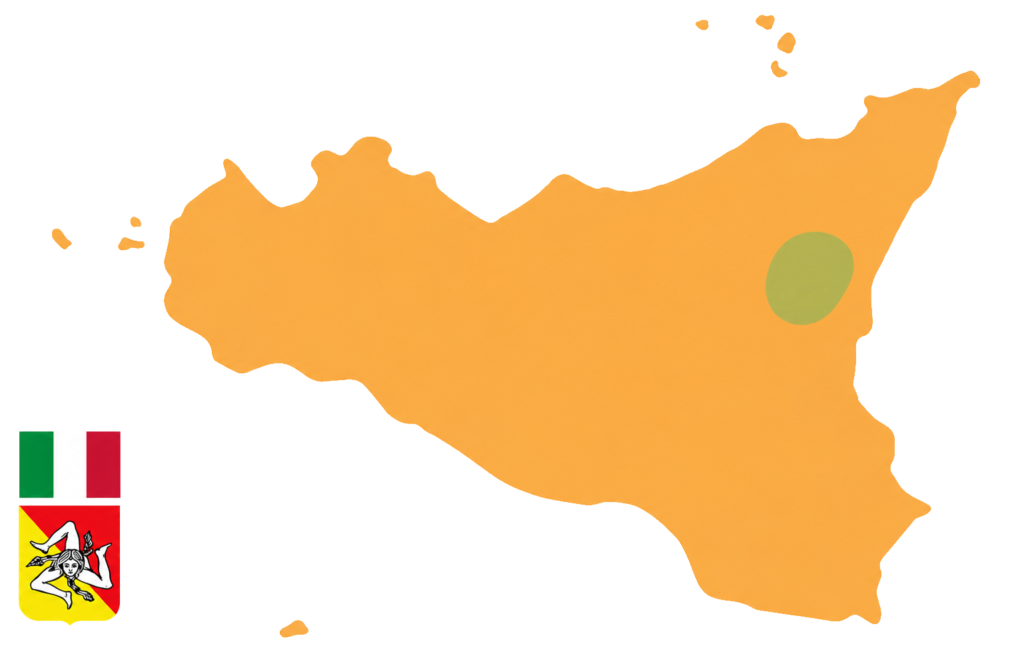
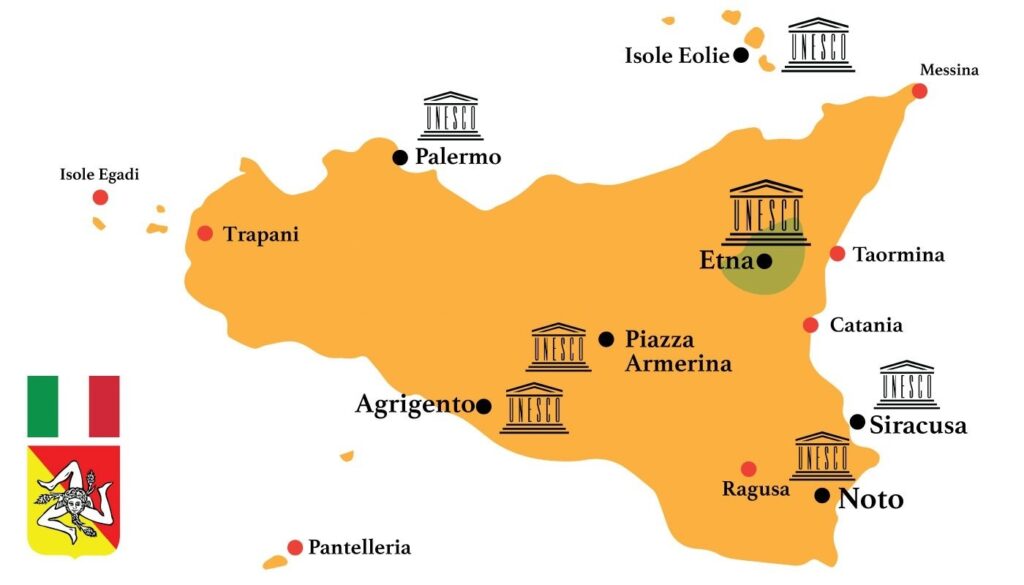
A focused traveler can visit all seven UNESCO sites in a well-planned 10-14 day tour of Sicily. Doing so will take you across the island — from Palermo in the northwest to Syracuse in the southeast, from Agrigento on the south coast to the Aeolian Islands off the north coast, from the Baroque cities of the south to Mount Etna rising above the east. You will drive through ancient landscapes. You will eat in towns whose foundations predate Rome. You will stand before art that has survived earthquakes, invasions, and the slow erosion of centuries. By the end of the journey, you will understand Sicily in a way that no book, including this one, can fully convey.
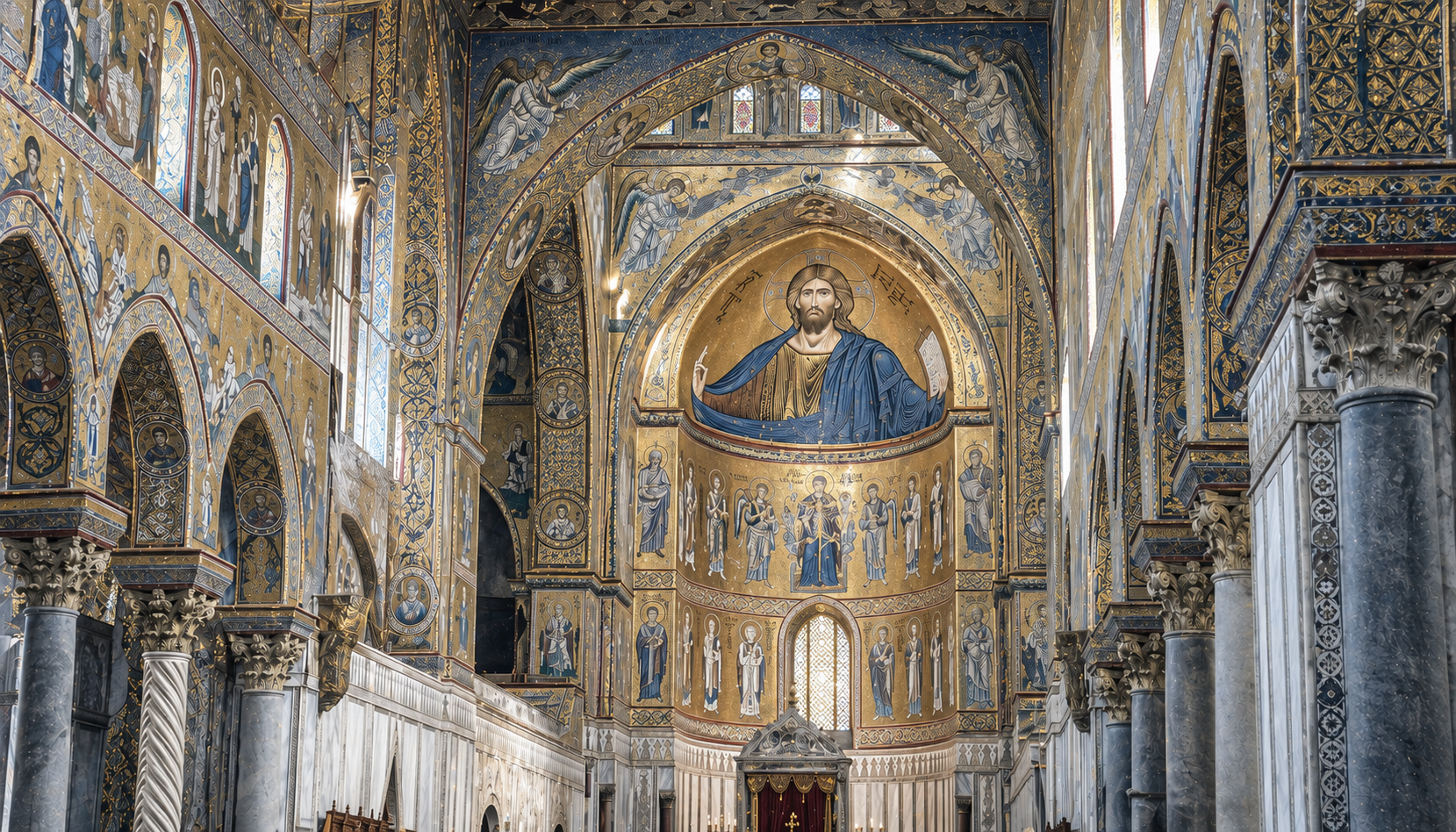
The physical embodiment of Sicily’s Norman golden age — Arab craftsmanship, Byzantine
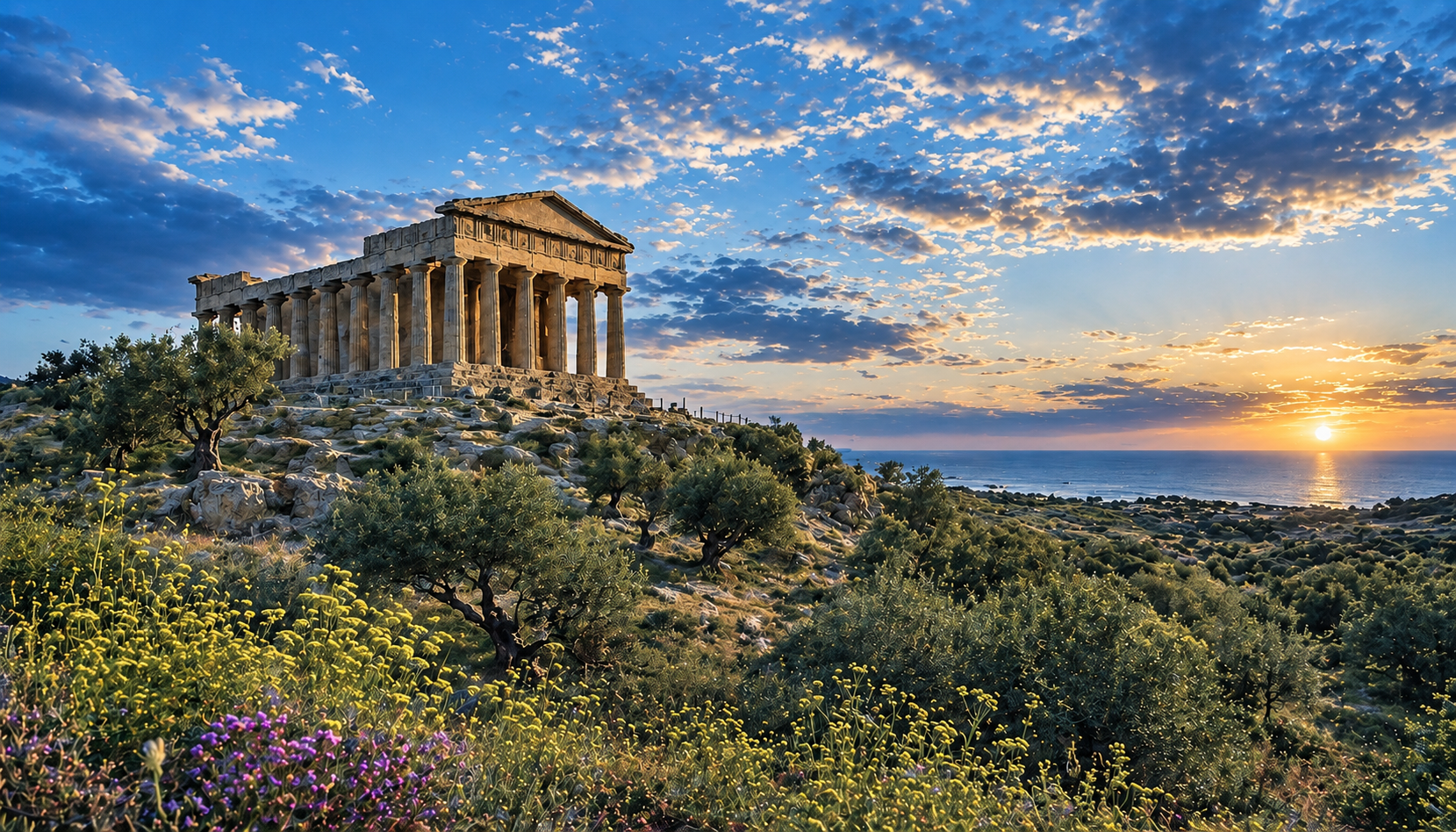
The most magnificent ensemble of Greek temples outside of Greece itself —
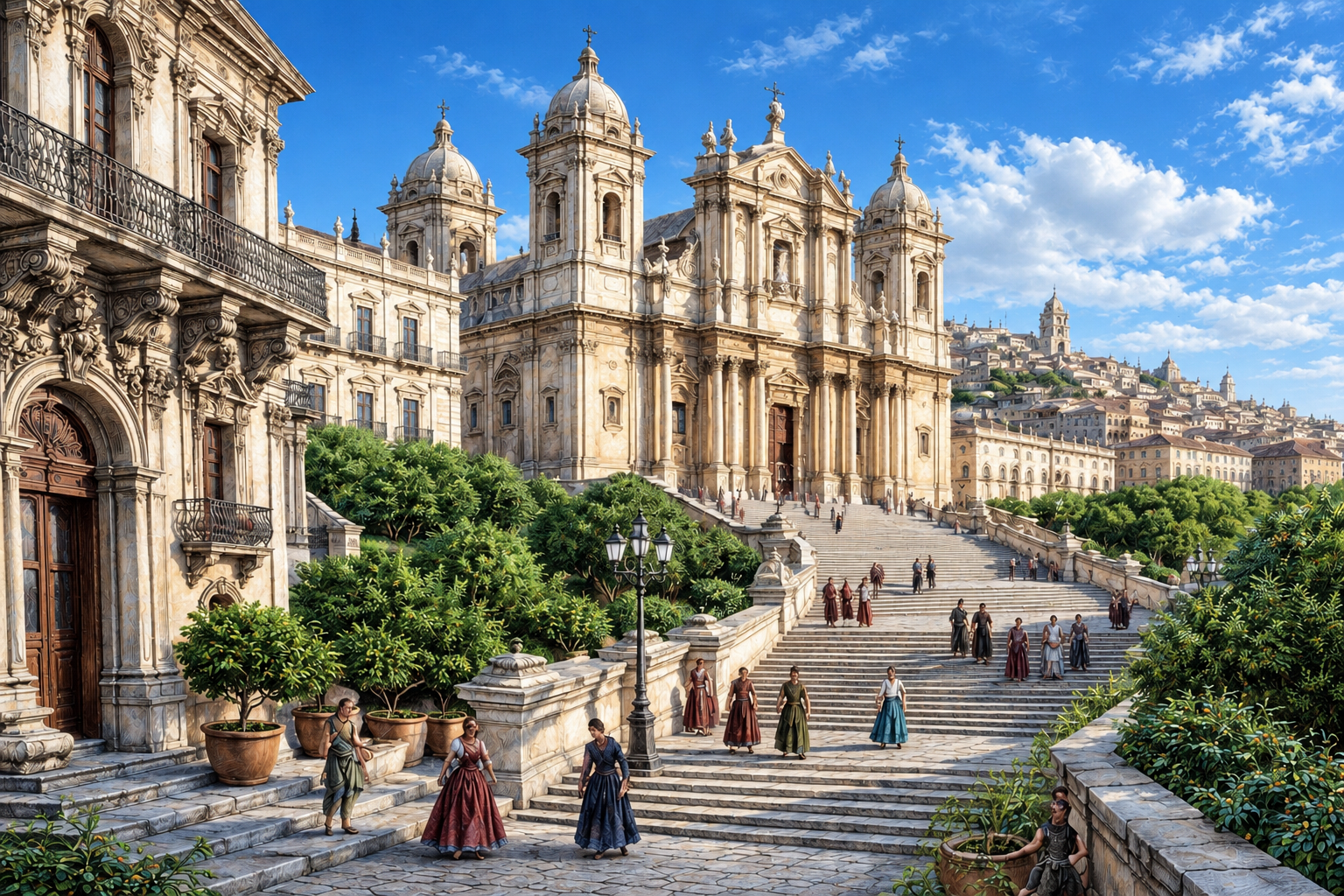
Eight cities in southeastern Sicily, all rebuilt after the catastrophic earthquake of
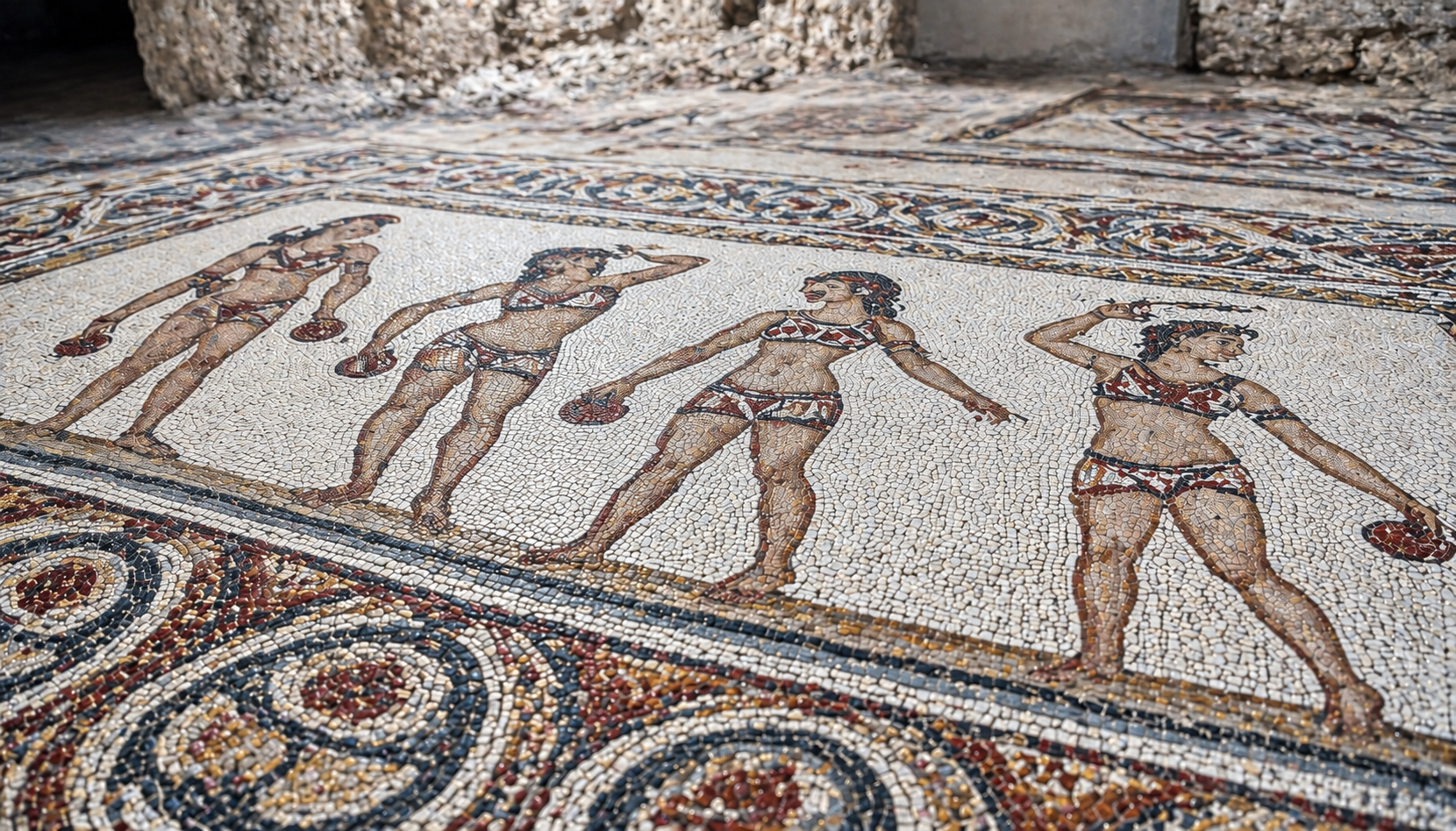
The single most important collection of Roman mosaics anywhere in the world
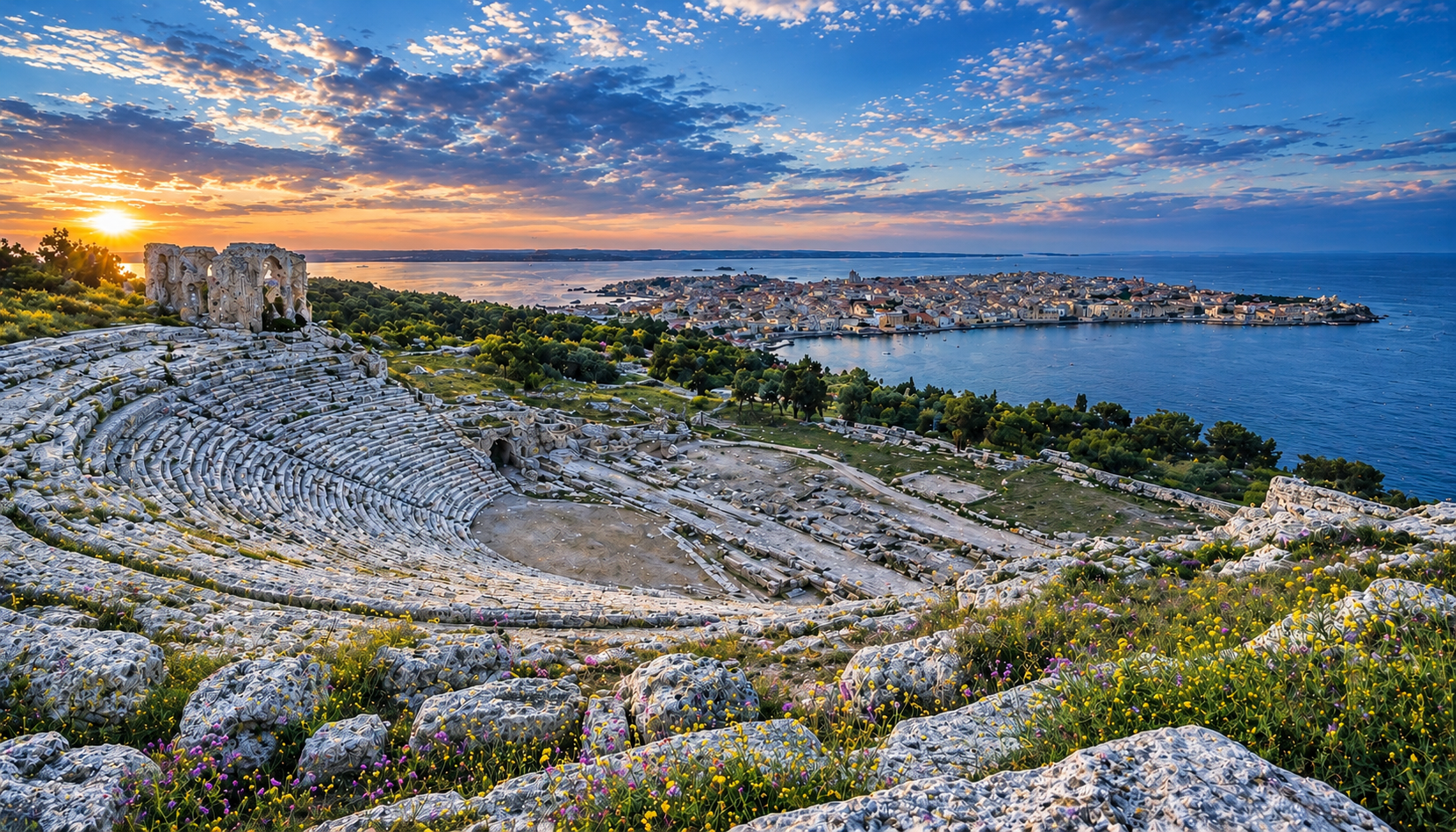
Syracuse was, in the 5th century BC, the largest Greek city in
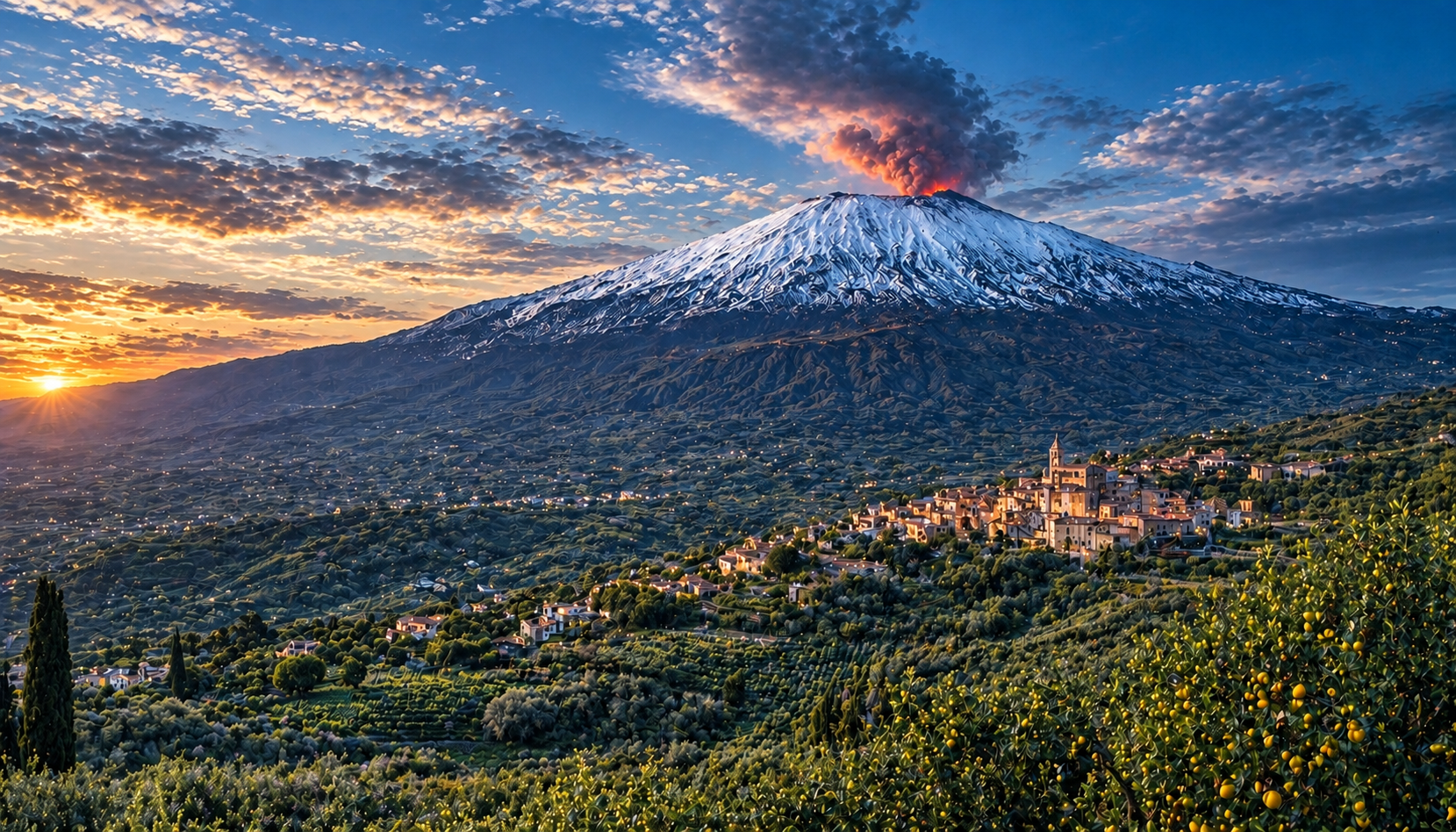
Europe’s most active volcano, with the longest documented record of volcanic eruption
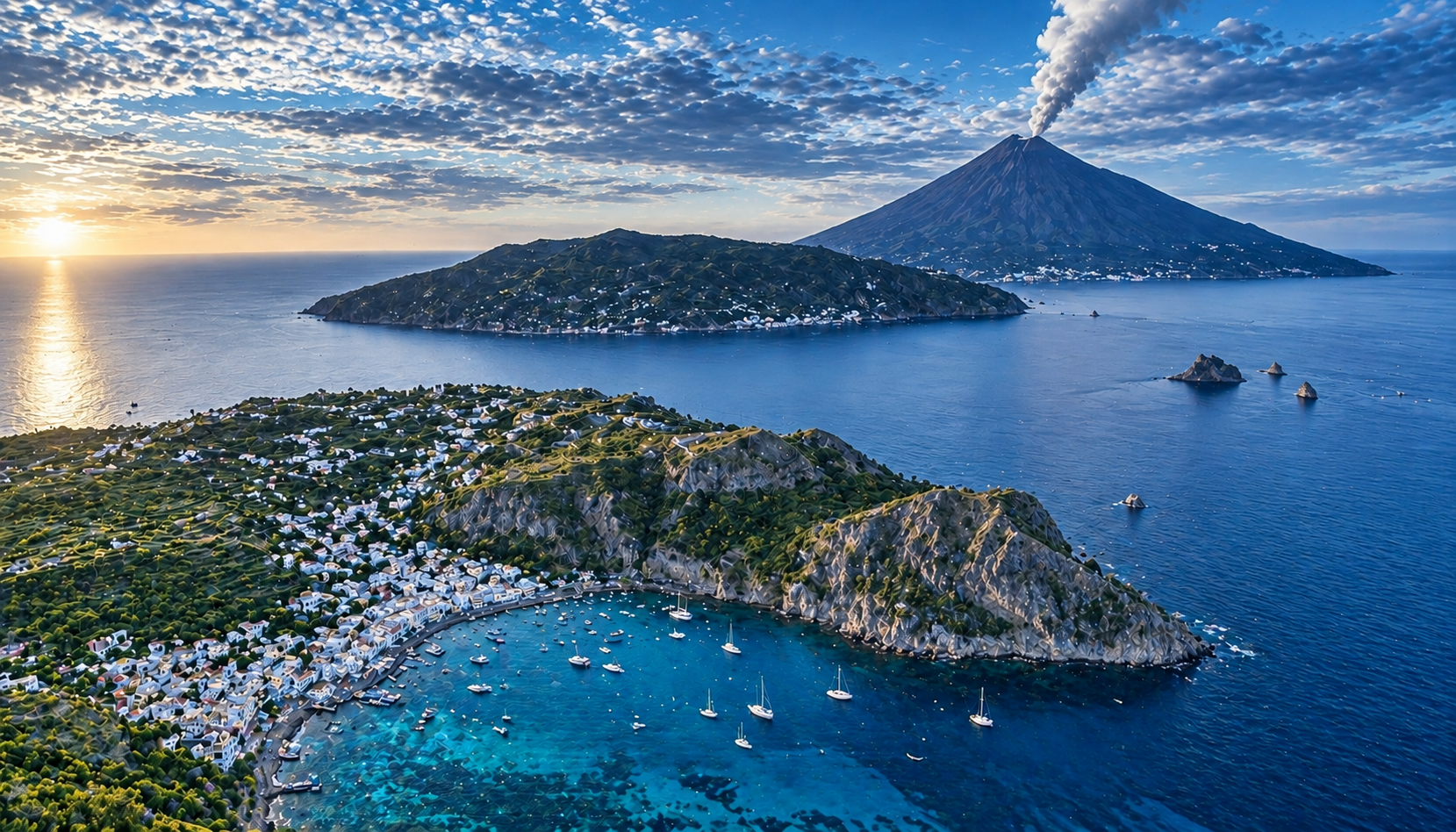
Seven volcanic islands off Sicily’s northern coast, each a geological and cultural