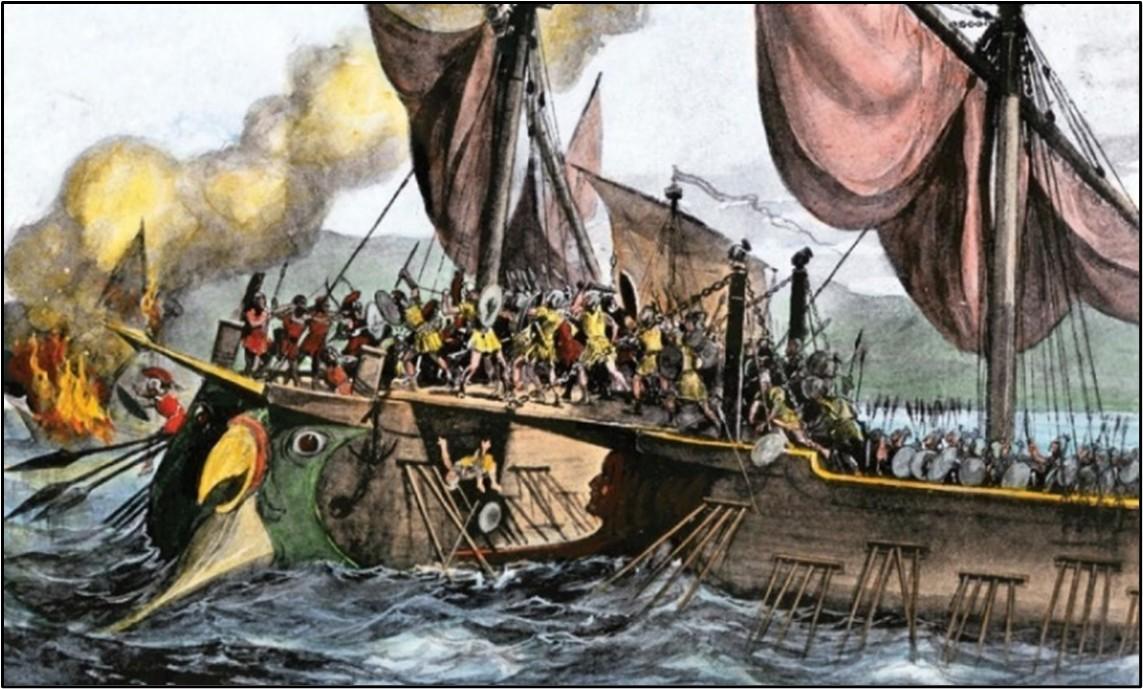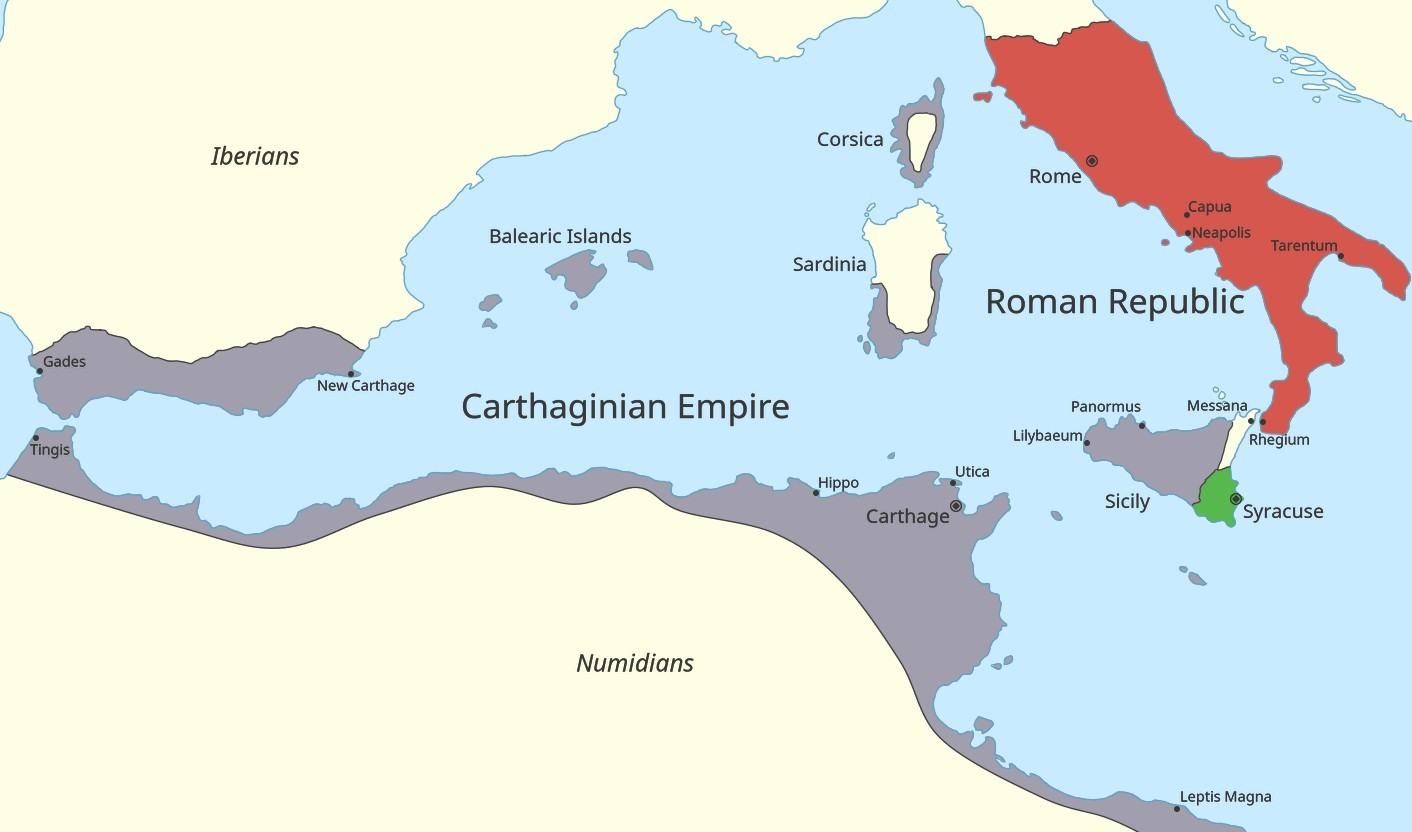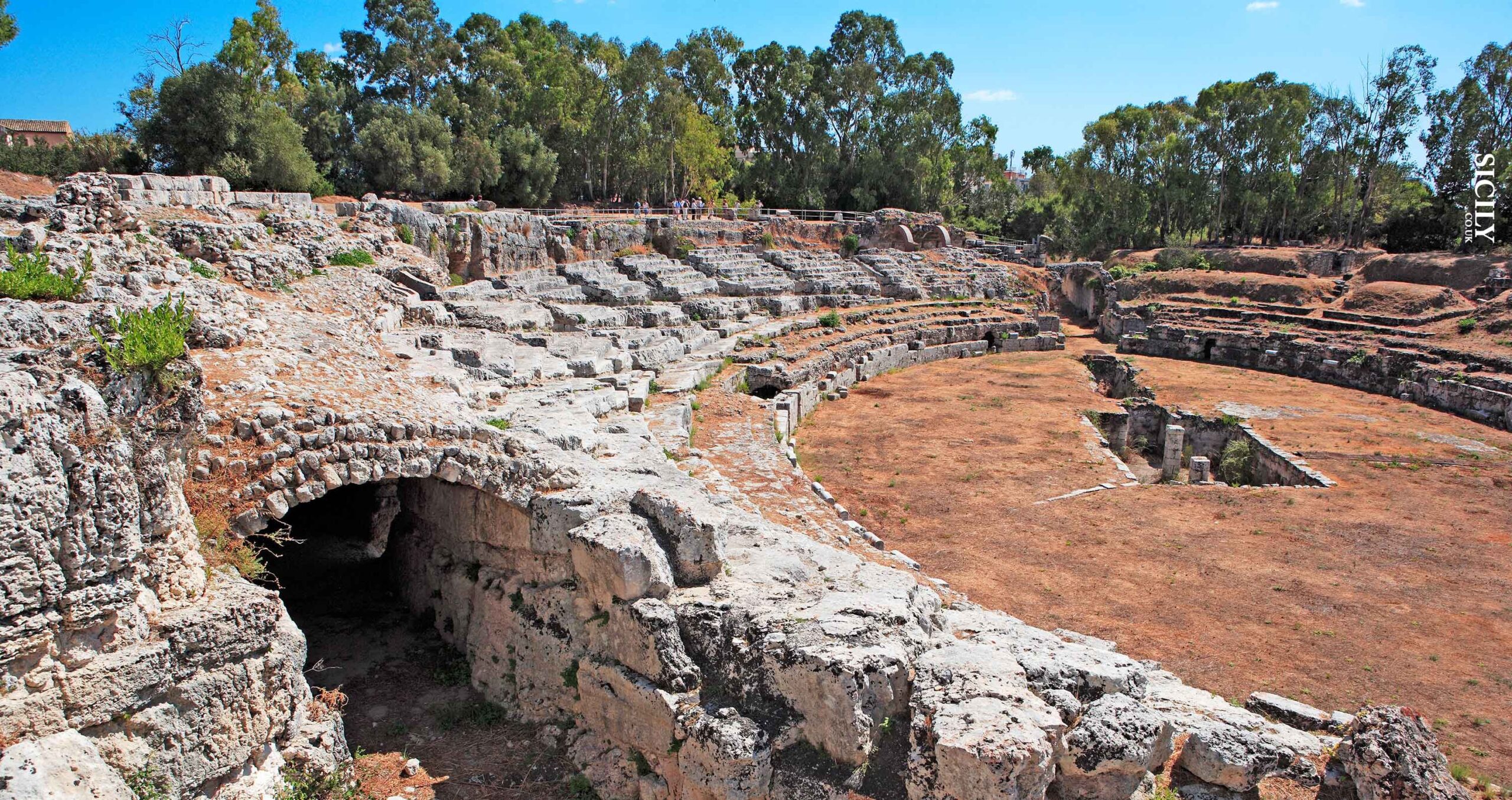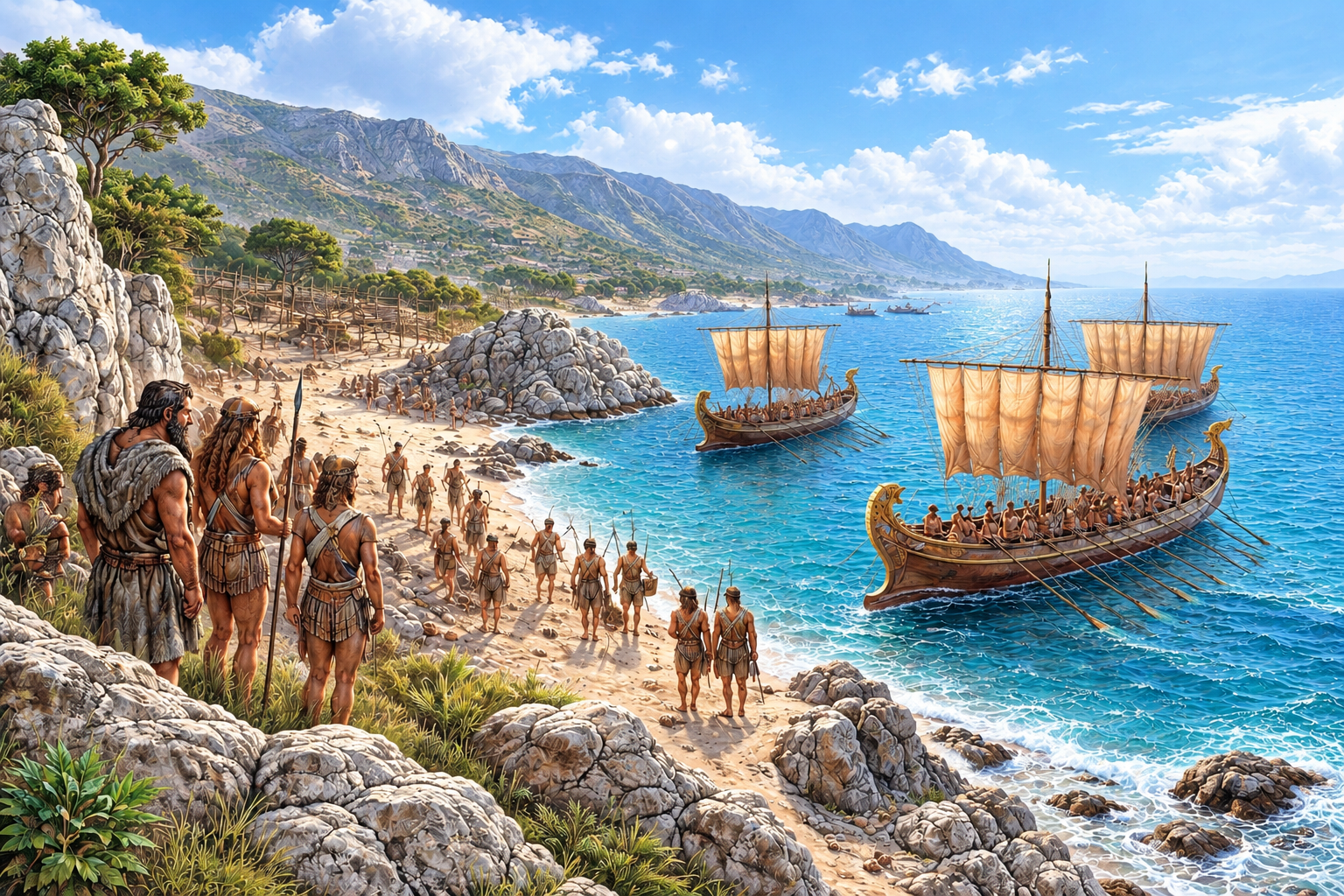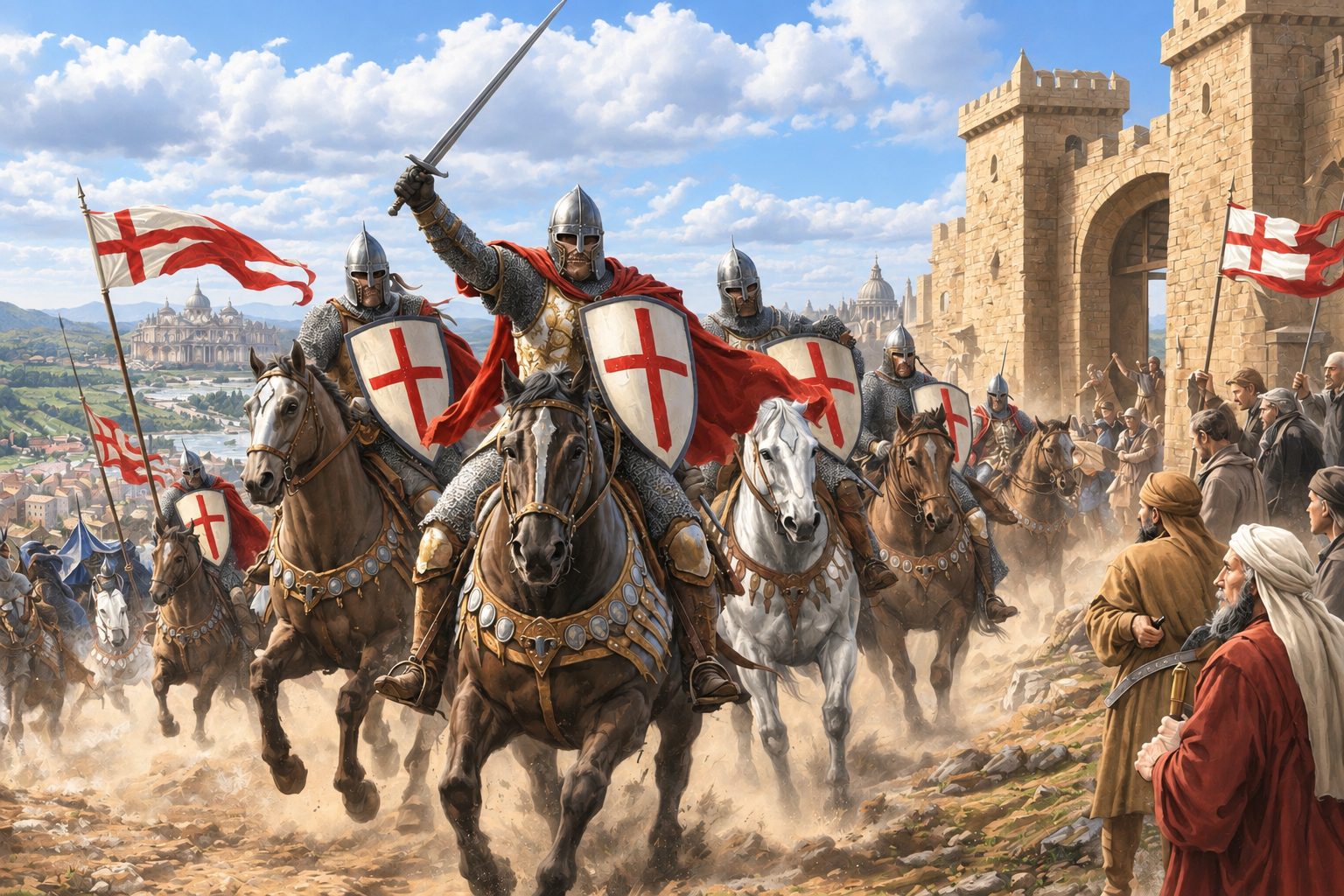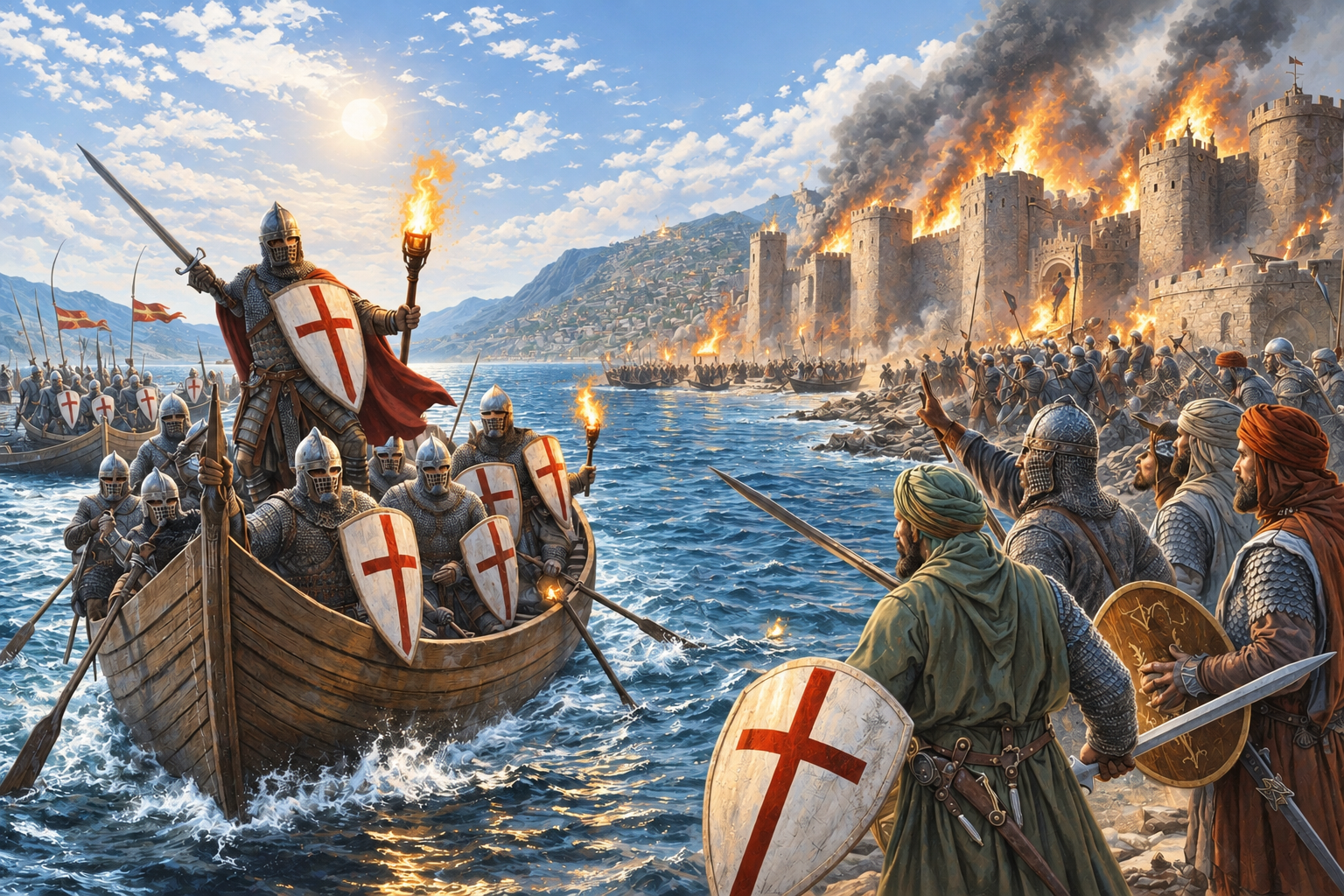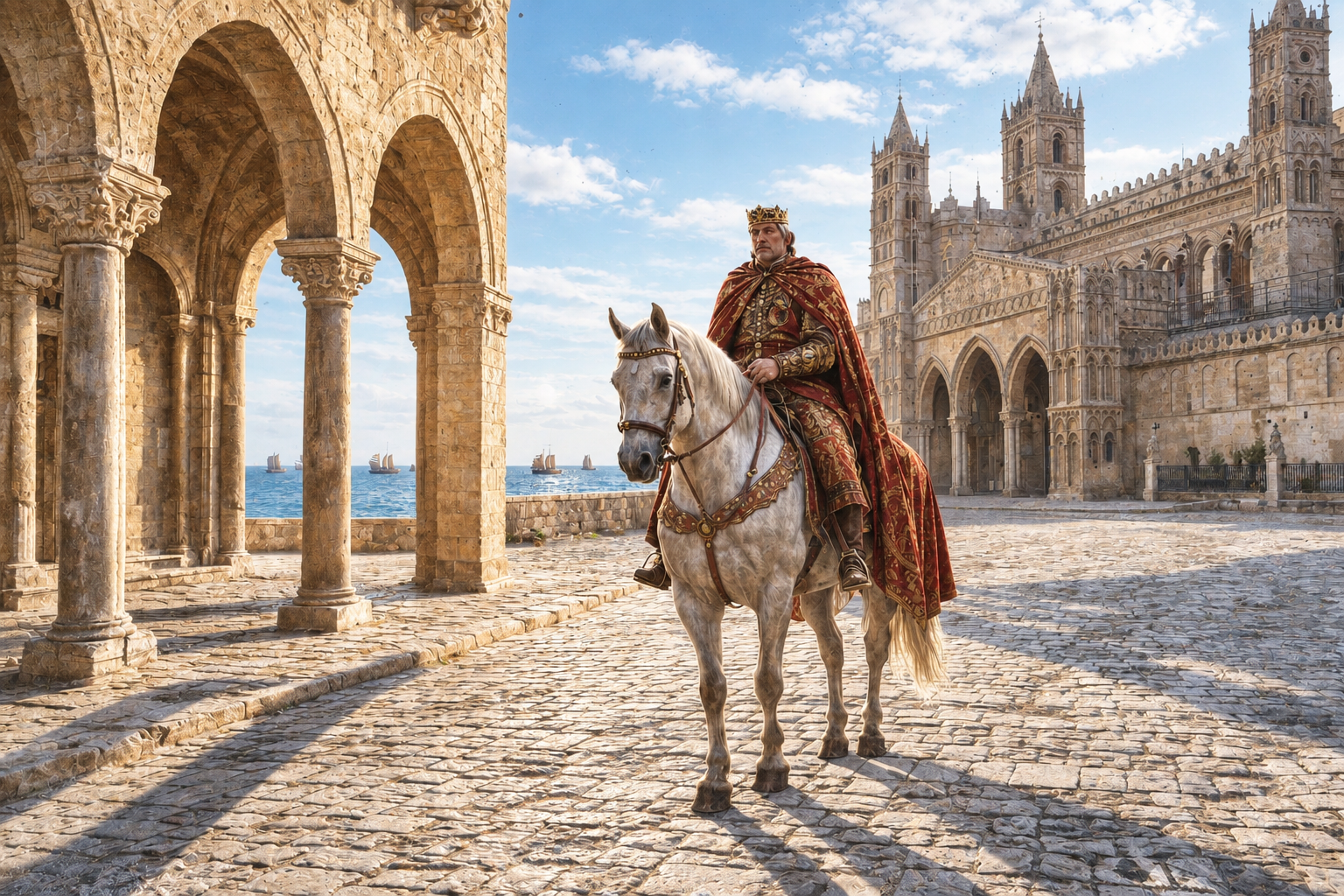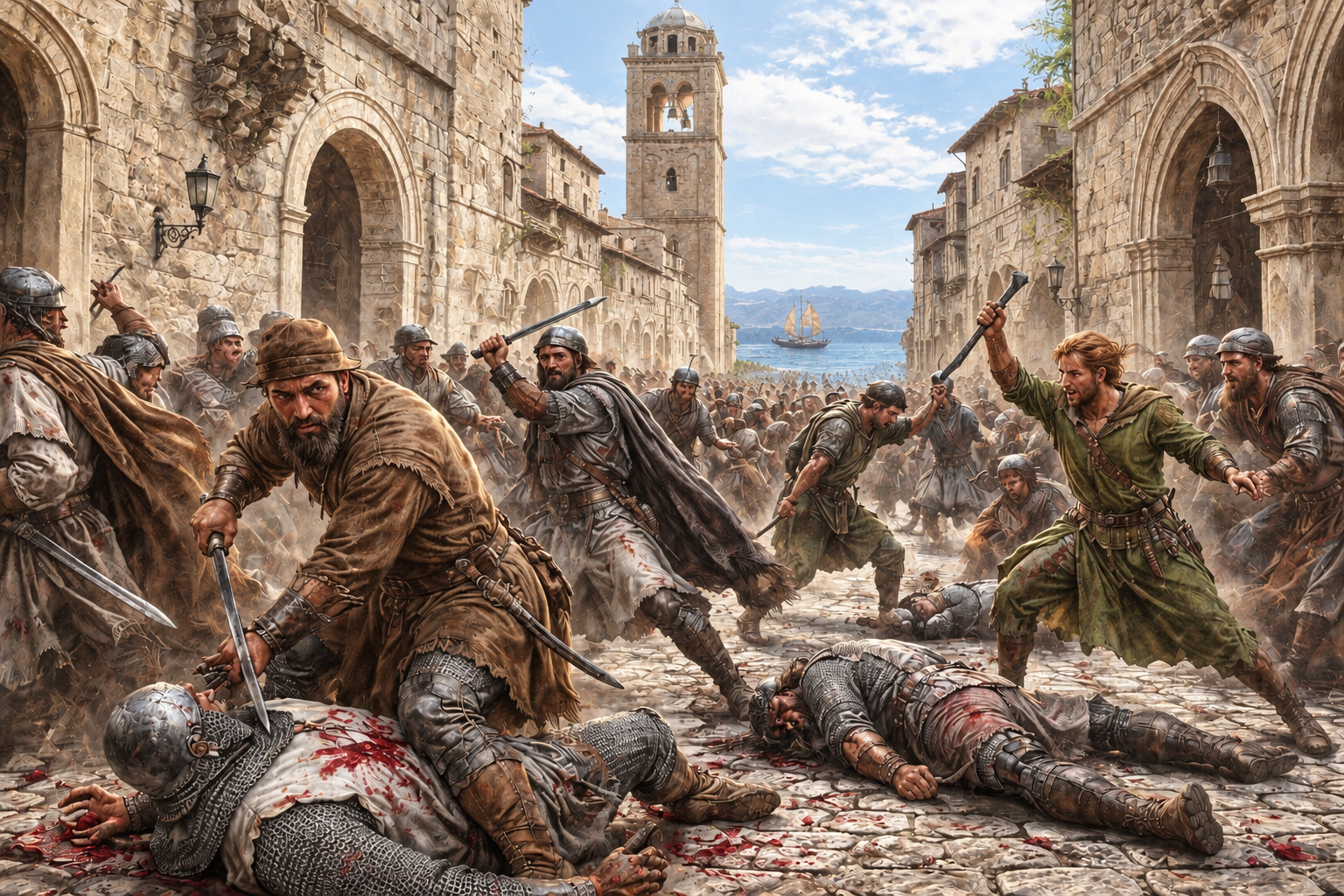


The Roman conquest of Sicily was the product of the First Punic War (264–241 BC), the first and longest of three titanic conflicts between Rome and Carthage. Sicily was both the cause and the prize. When the war ended with Roman victory, Sicily became Rome’s first overseas province — the prototype for the Roman imperial system that would eventually stretch from Britain to Mesopotamia. The island’s fate was sealed: for the next 700 years, Sicily would be ruled as a territorial possession of Rome.
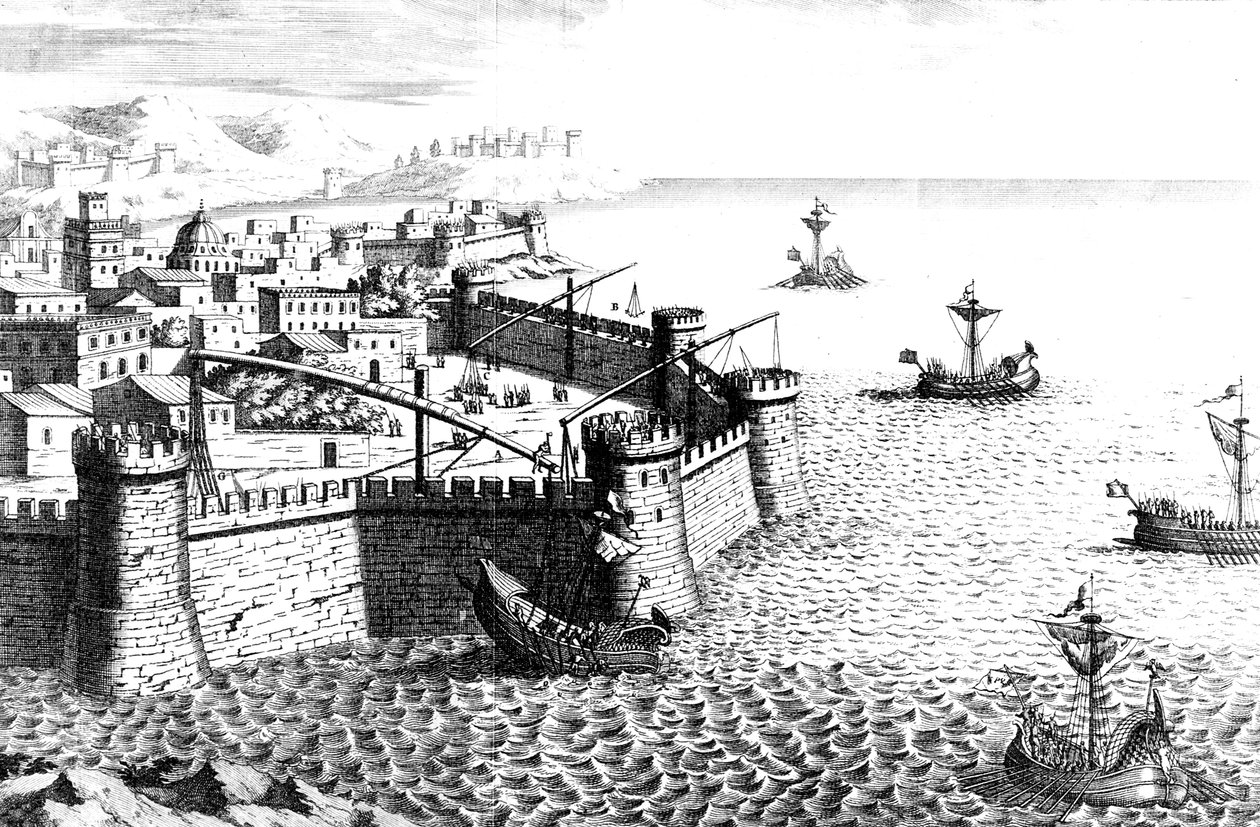
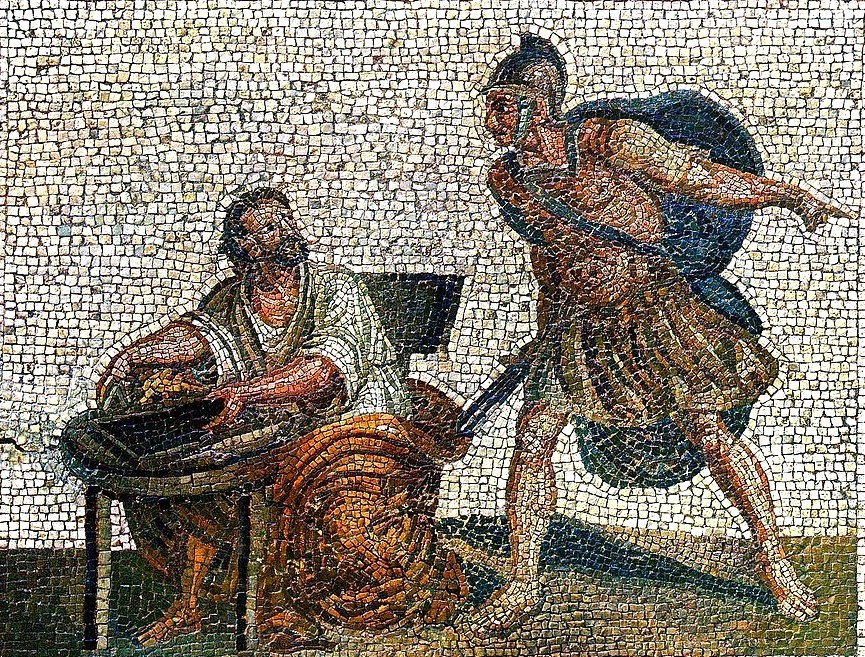
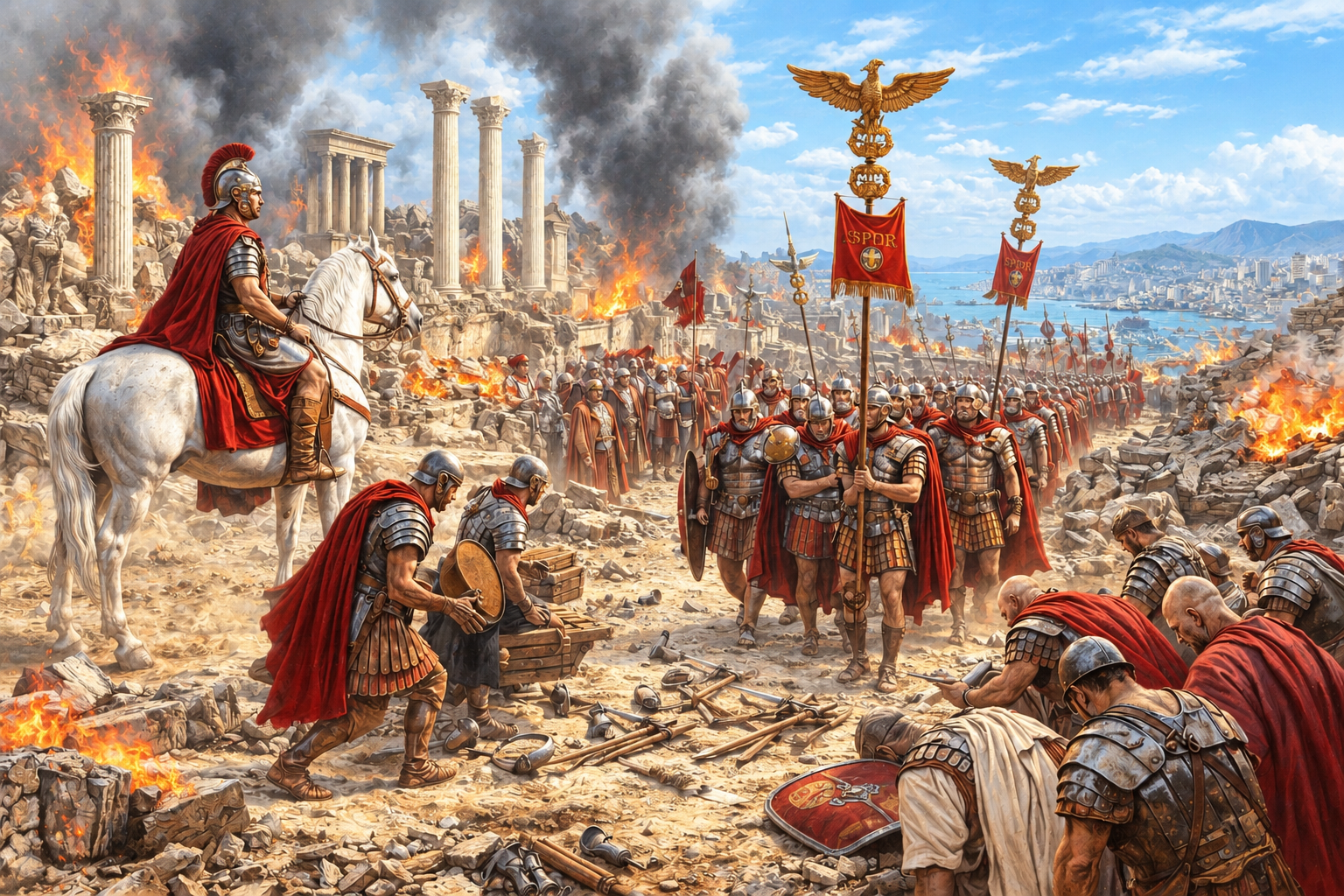
The Second Punic War (218–201 BC) saw Hannibal’s famous invasion of Italy over the Alps, and during this war Syracuse sided briefly with Carthage, leading to the devastating Roman siege of the city and the death of Archimedes in 212 BC. The Third Punic War (149–146 BC) ended with the total destruction of Carthage and the establishment of Roman supremacy across the western Mediterranean.
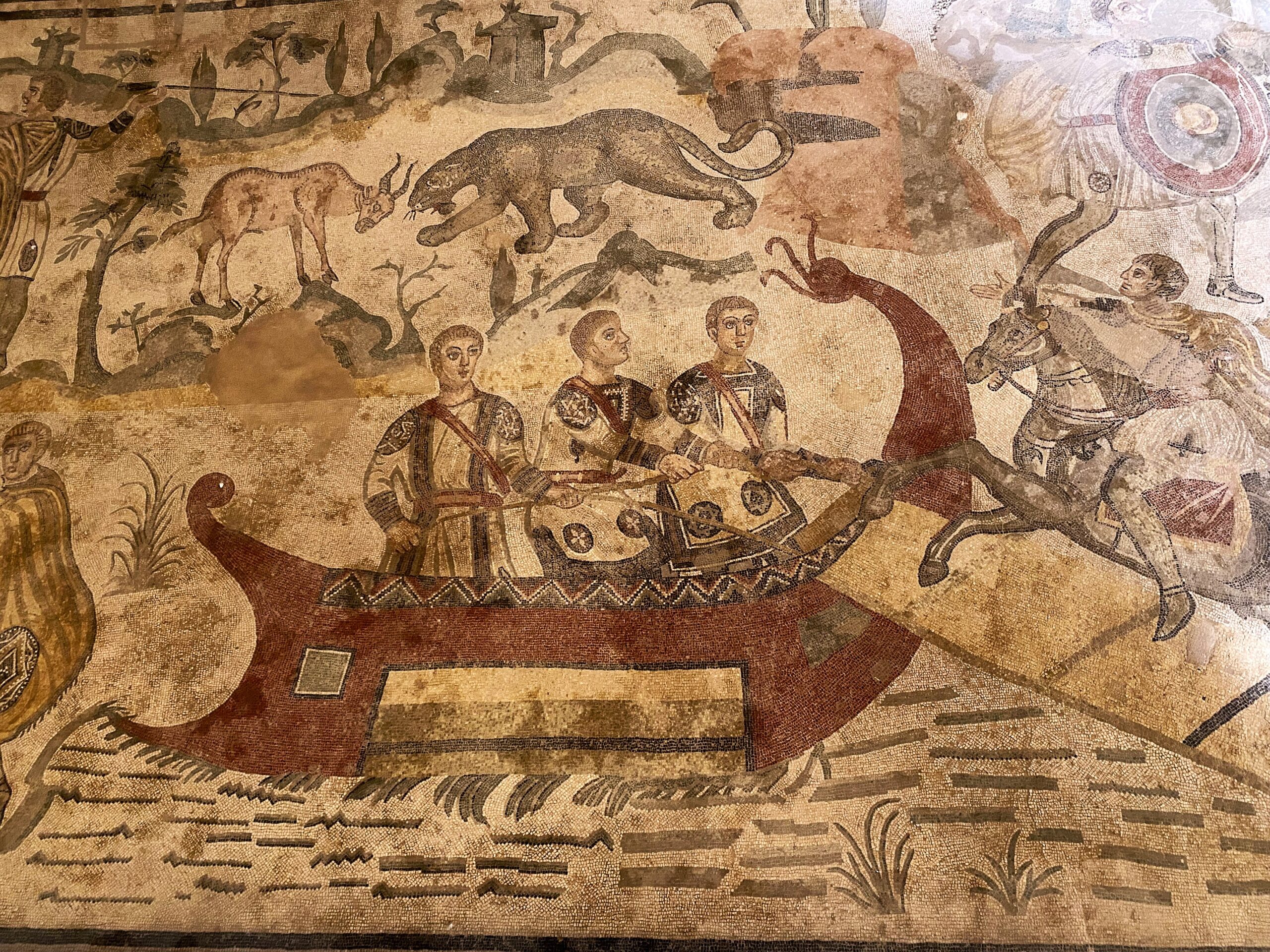
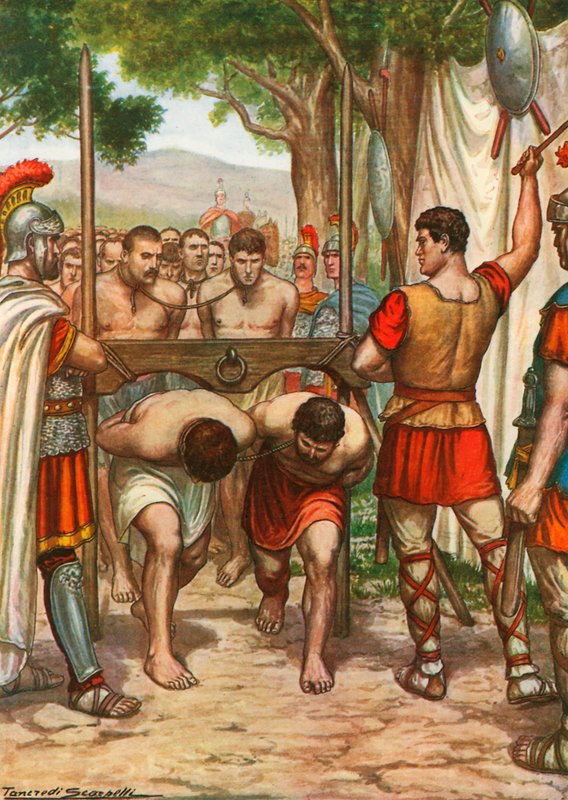
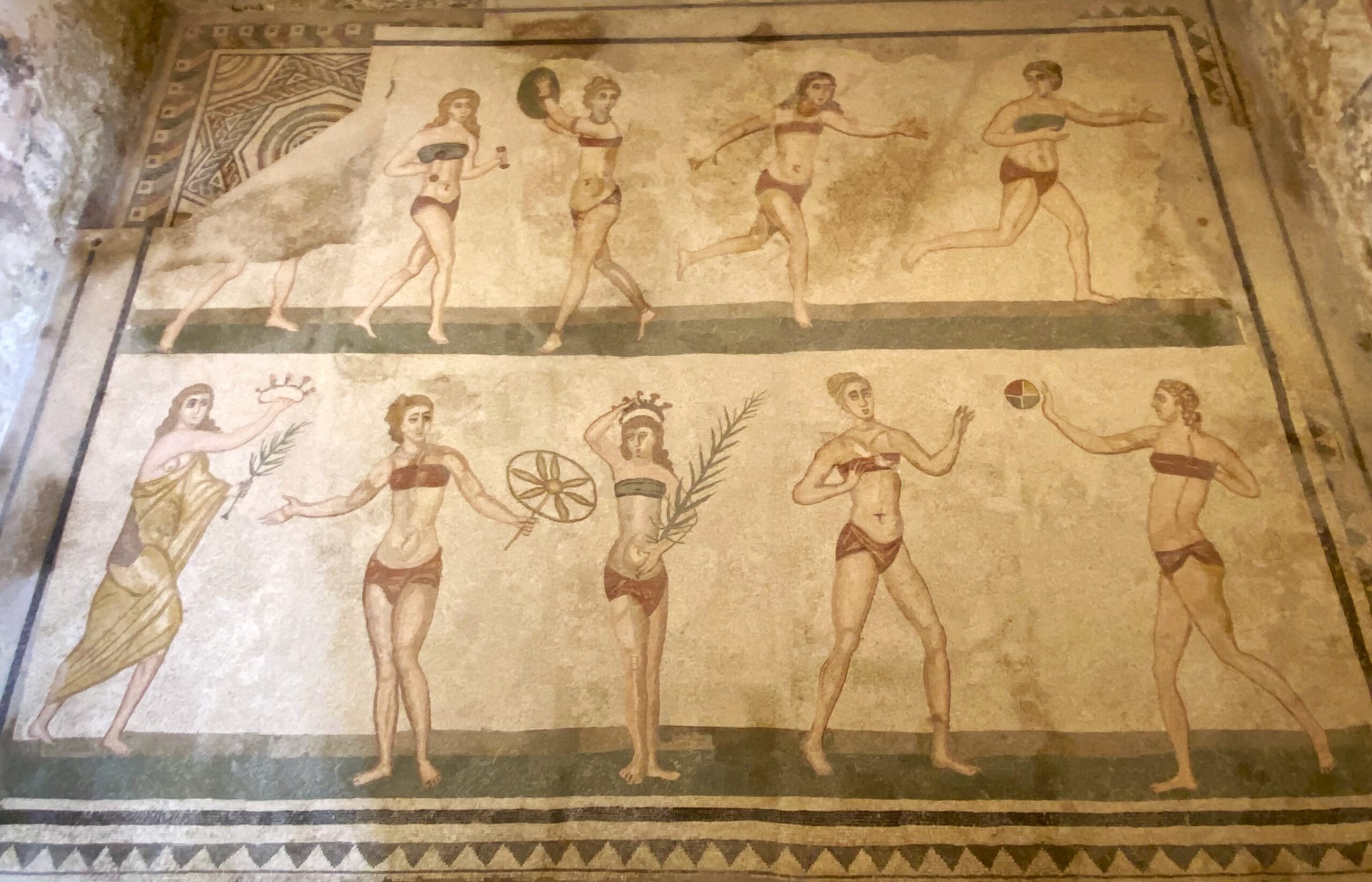
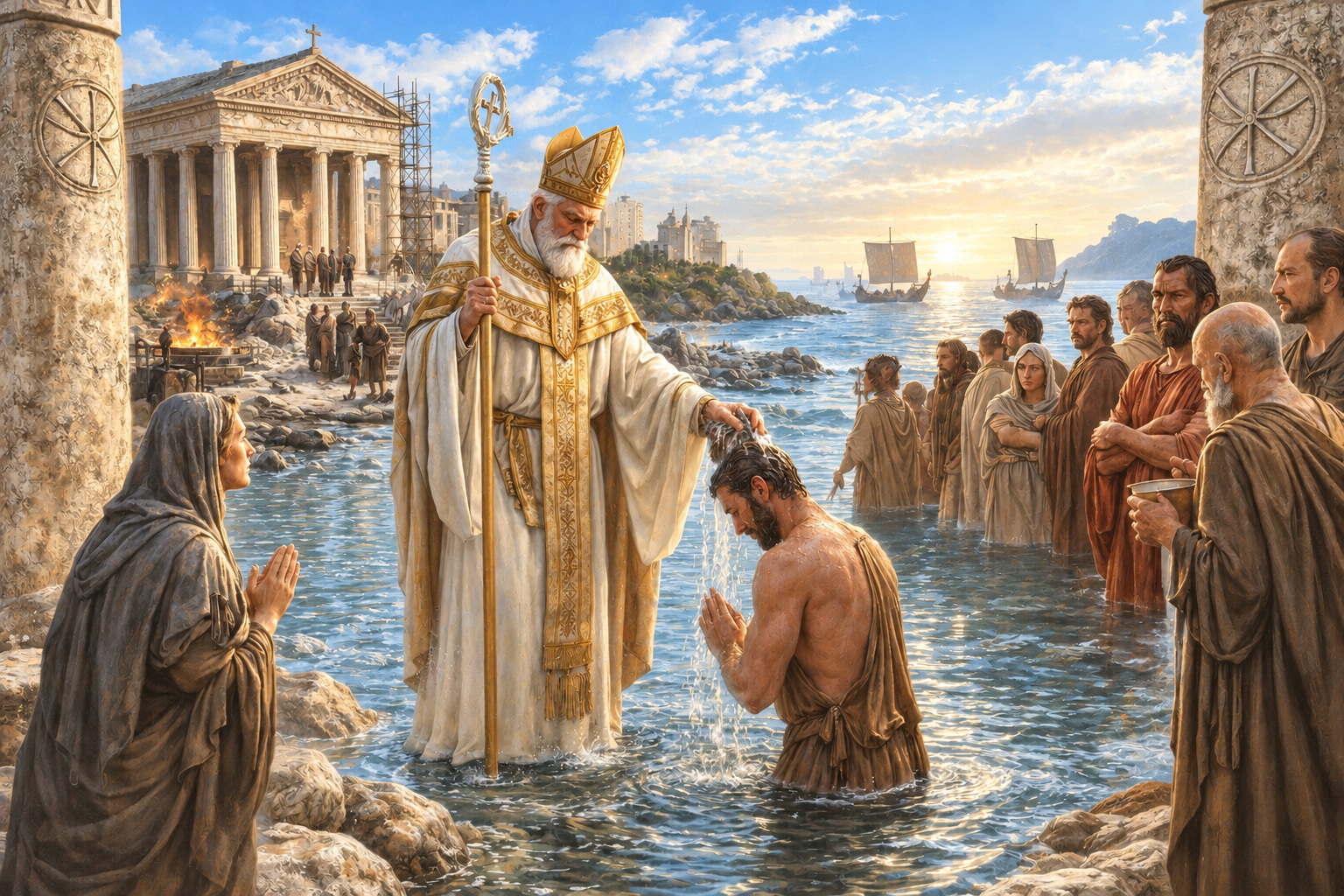
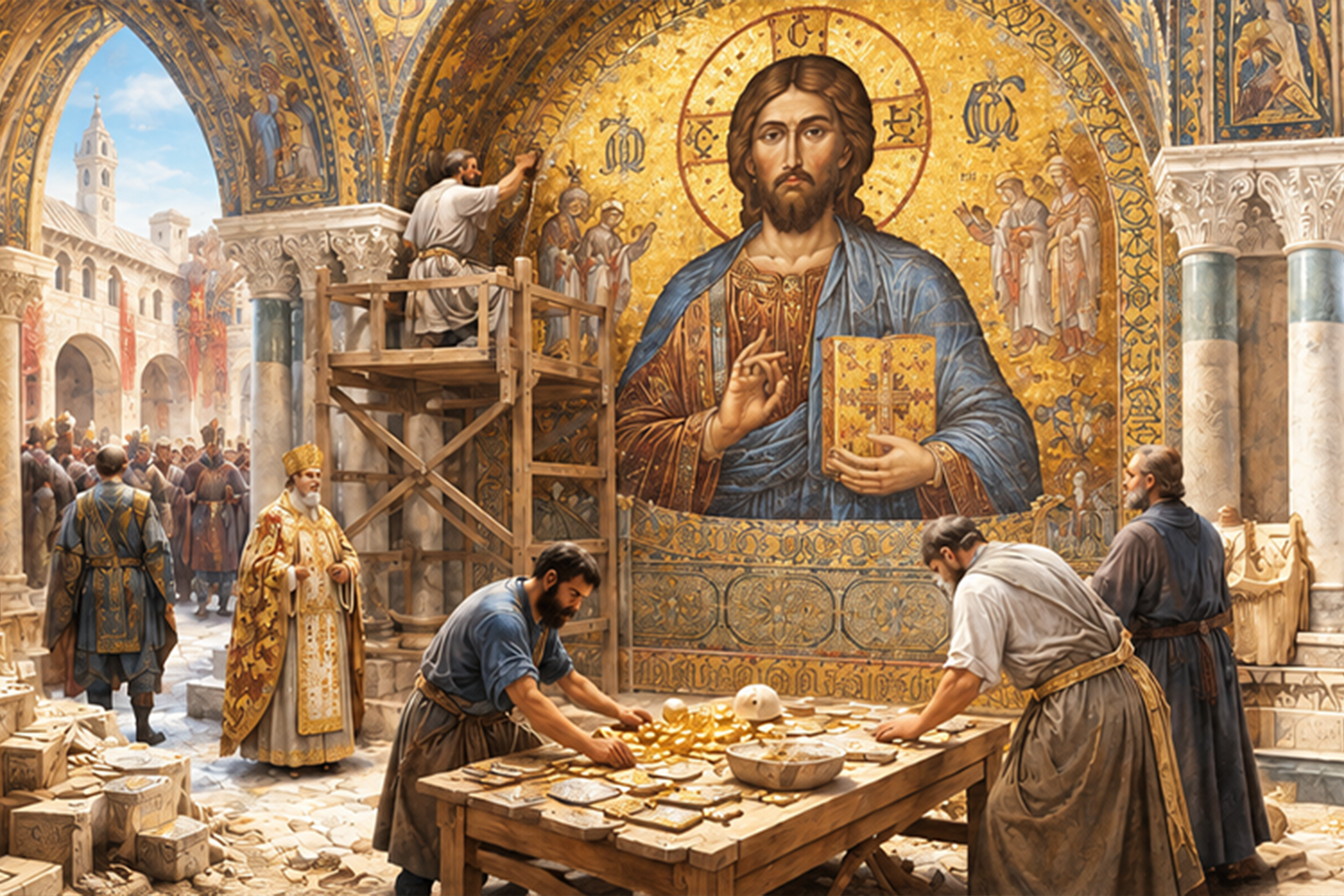
The chapter also examines what Roman rule actually meant for Sicilians. It covers the Servile Wars, two massive slave revolts in Sicily that required full Roman armies to suppress. Next the chapter presents the story of the infamous Roman governorship of Sicily by the criminal Gaius Verres (73–71 BC) and Cicero’s prosecution of him — one of the most famous legal proceedings in Roman history. Lastly, it presents the cultural integration of Sicily into the Roman world, which left behind such magnificent monuments as the Villa Romana del Casale, today a UNESCO World Heritage Site.