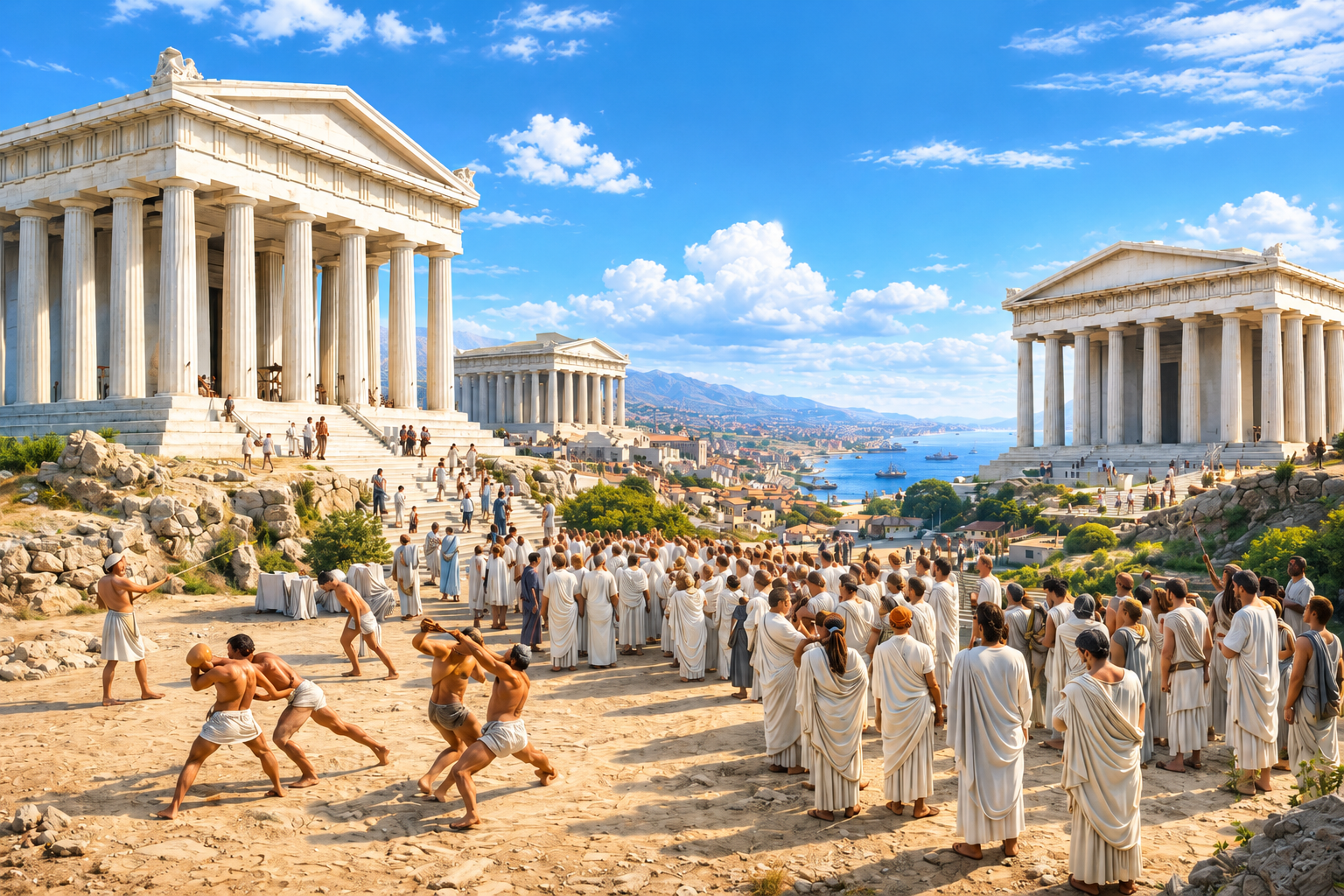


In 734 BC, Greek colonists from Chalkis established the settlement of Naxos on Sicily’s eastern coast, beginning one of the most transformative chapters in the island’s history. Over the next two centuries, Greek city-states poured colonists into Sicily, founded the cities of Syracuse, Gela, Selinunte, Akragas (Agrigento), Himera, Messina, and dozens of smaller settlements. By the 5th century BC, Sicily was so densely Hellenized that the Greeks themselves called it Magna Graecia — Greater Greece.
After several centuries the Sicilian Greek cities became cultural and economic centers in their own right, often eclipsing the wealth and power of their original mother cities on the Greek mainland. Syracuse, founded by Corinthian settlers in 733 BC, grew into the largest city of the ancient Greek world, surpassing even the mighty Athens at its height. Akragas produced philosophers and athletes whose fame spread across the Mediterranean. Temples were built on a scale that still astonishes visitors to the Valley of the Temples at Agrigento today.
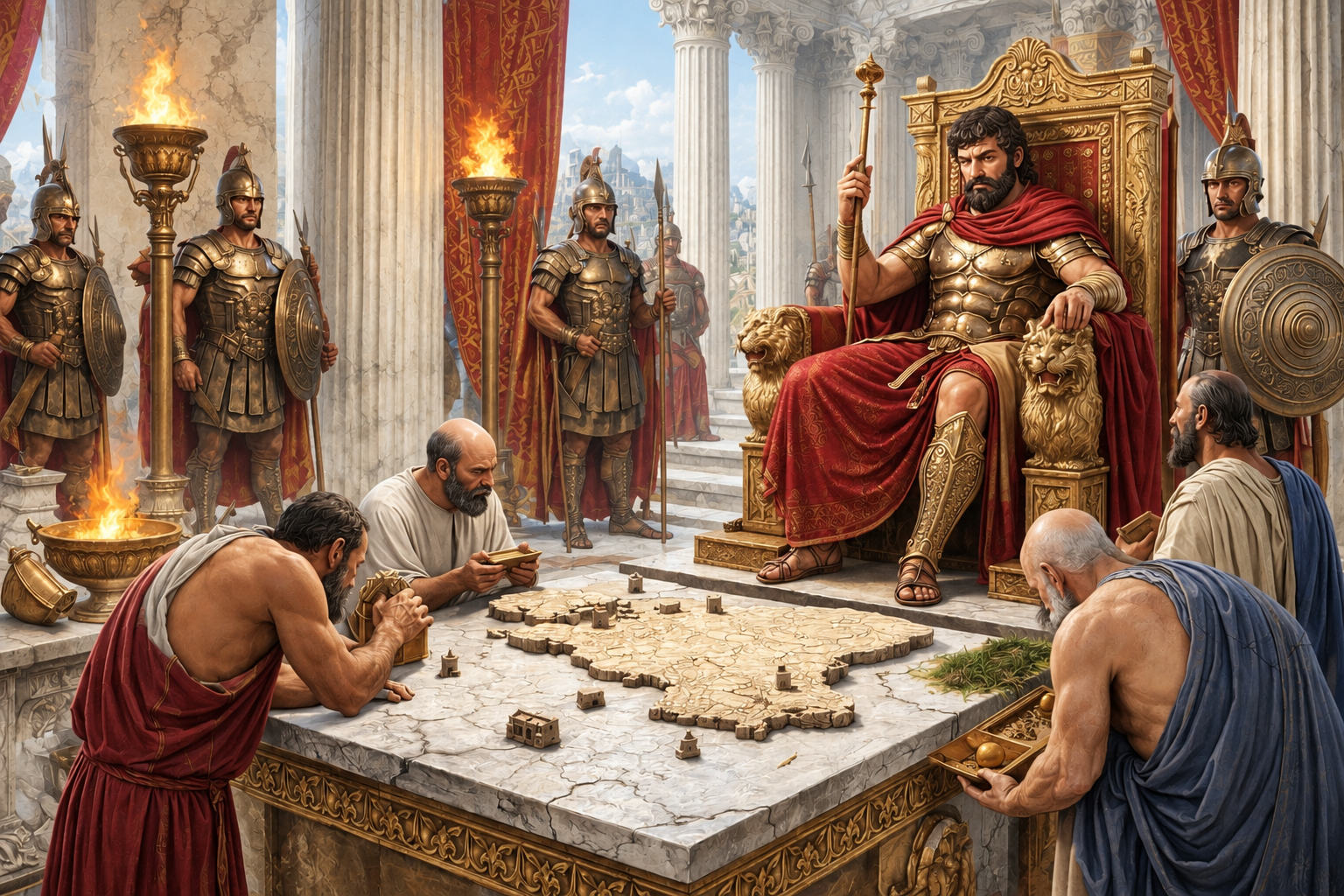
Sicily was also Greece’s western battleground. In 480 BC — on the very same day of the Battle of Salamis the Greek fleet defeated the Persian King Xerxes, the Sicilian Greeks under Gelon of Syracuse crushed a massive Carthaginian invasion at Himera. This single extraordinary day may have saved Greek civilization from extinction in both the east and the west. Decades later, in 413 BC, Syracuse would destroy an Athenian invasion force of nearly 40,000 men, a disaster that contributed directly to downfall of Athenian power and its eventual defeat in the Peloponnesian War against Sparta. The island also produced some of antiquity’s most brilliant minds, including the brilliant ancient mathematician and inventor, Archimedes of Syracuse.