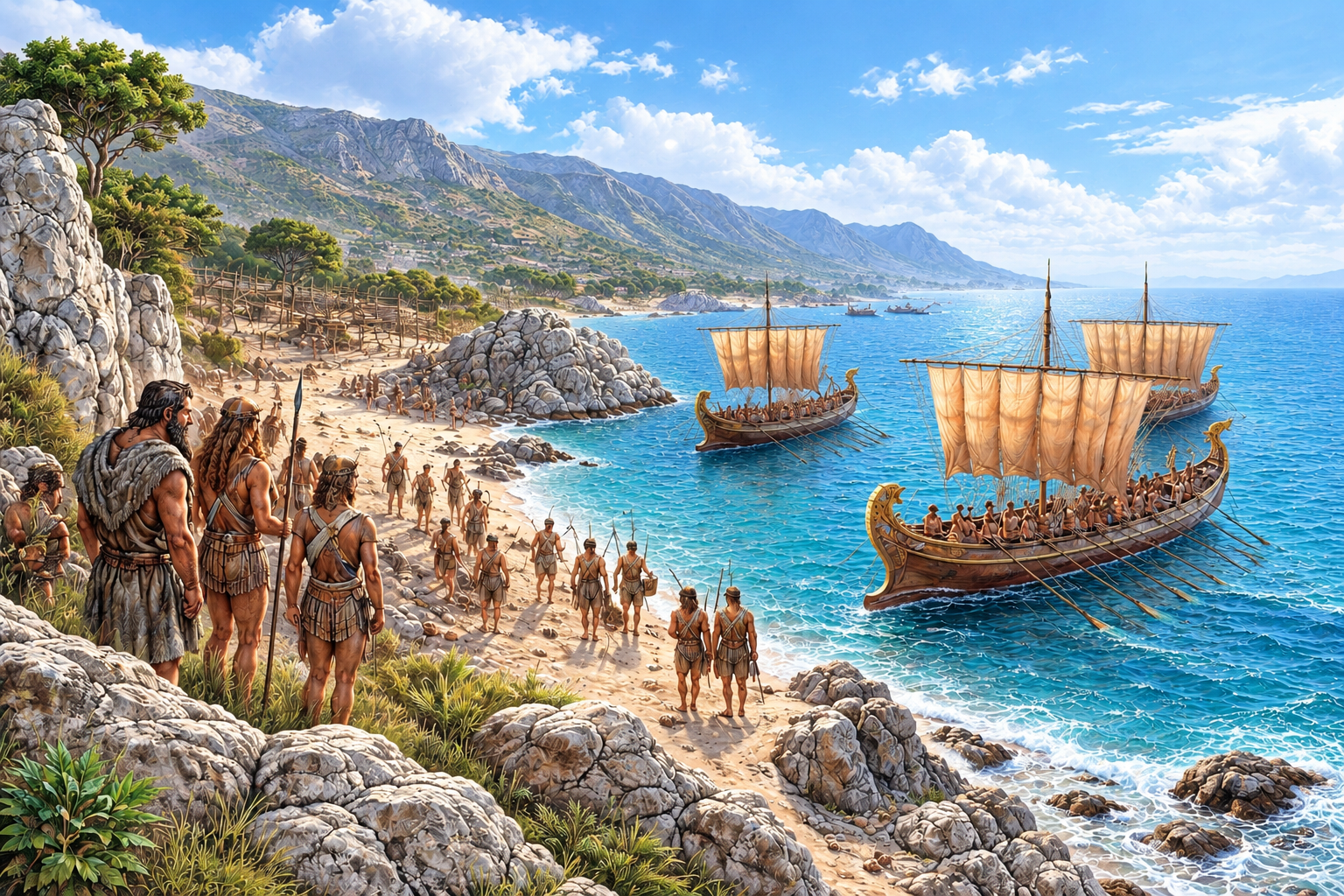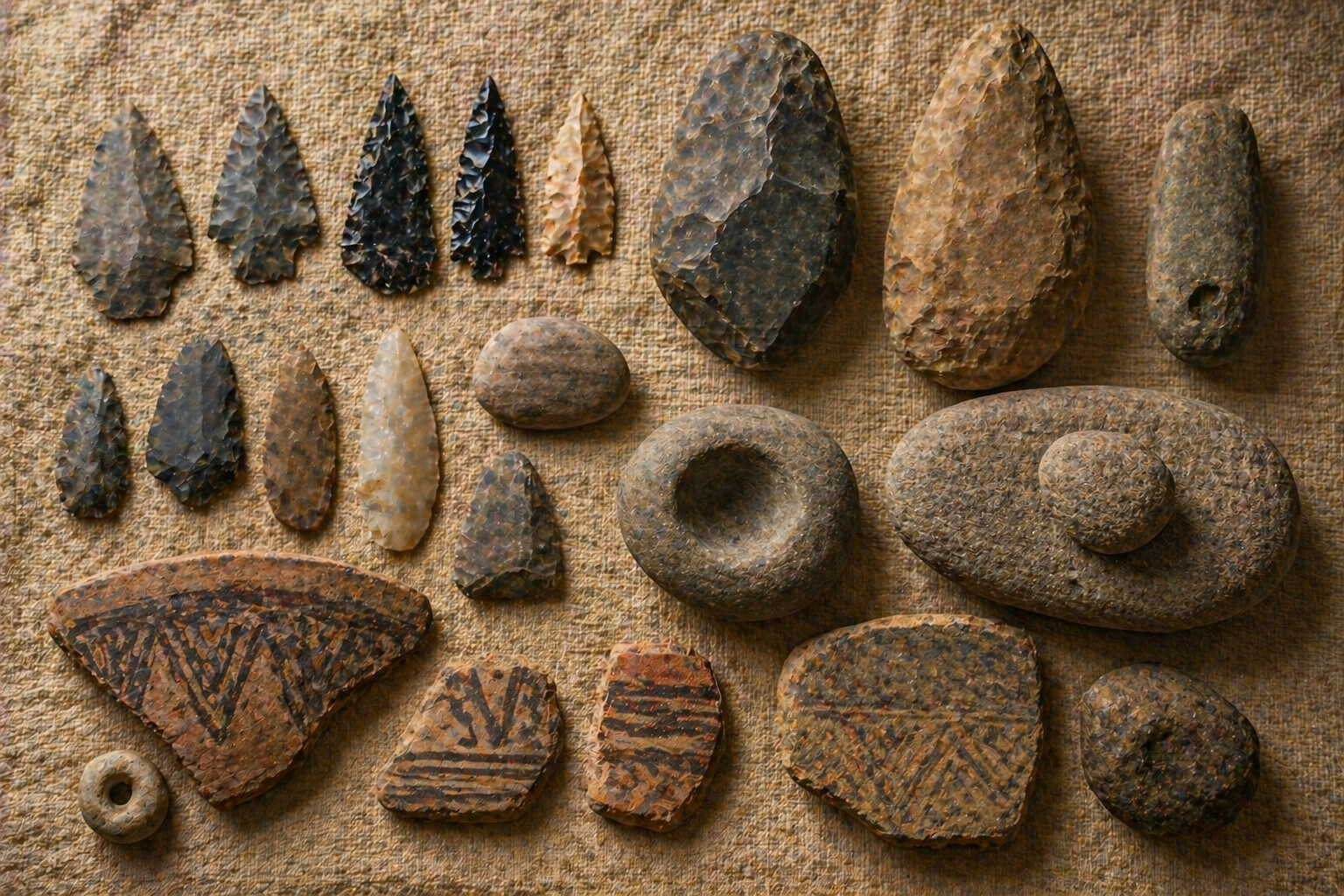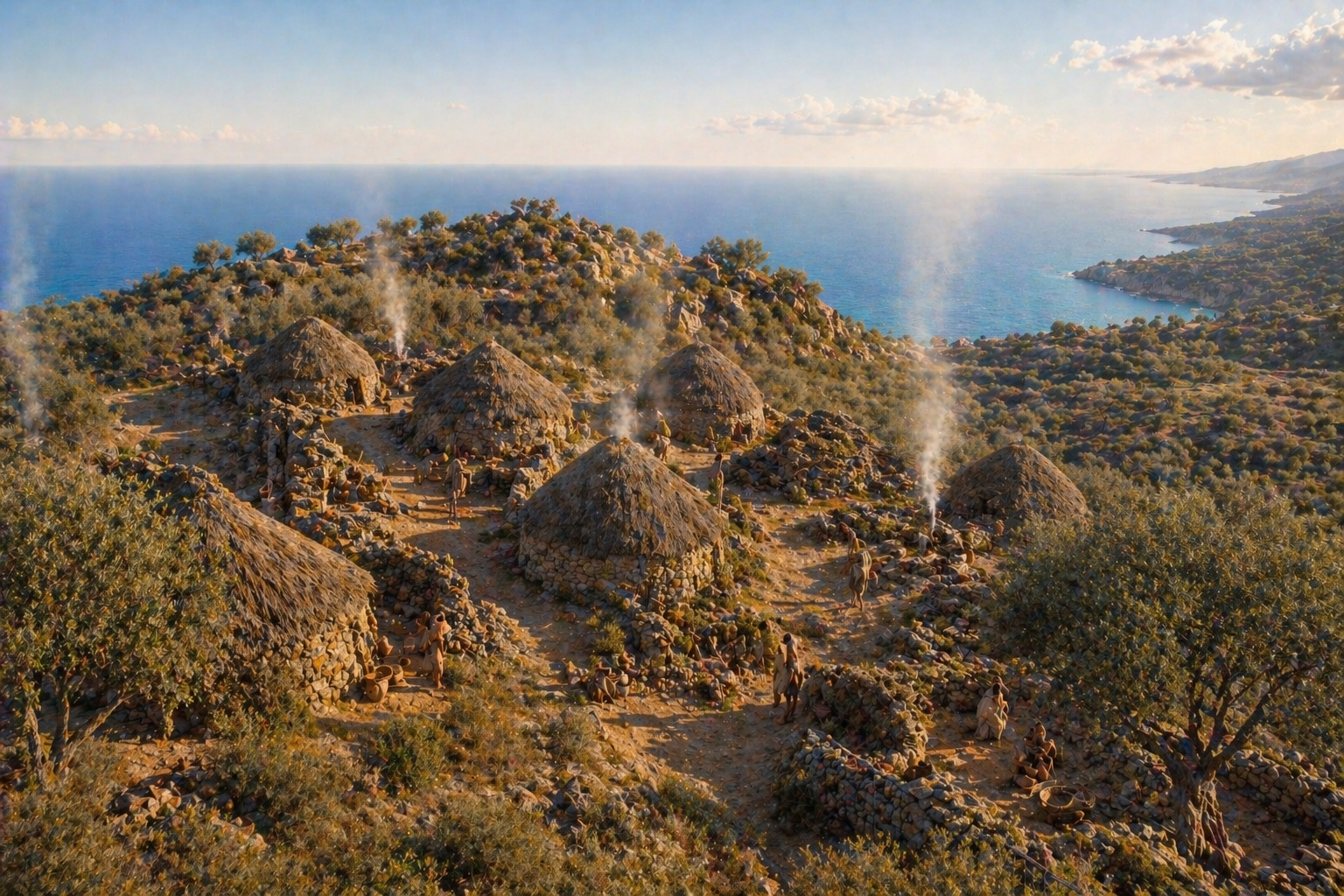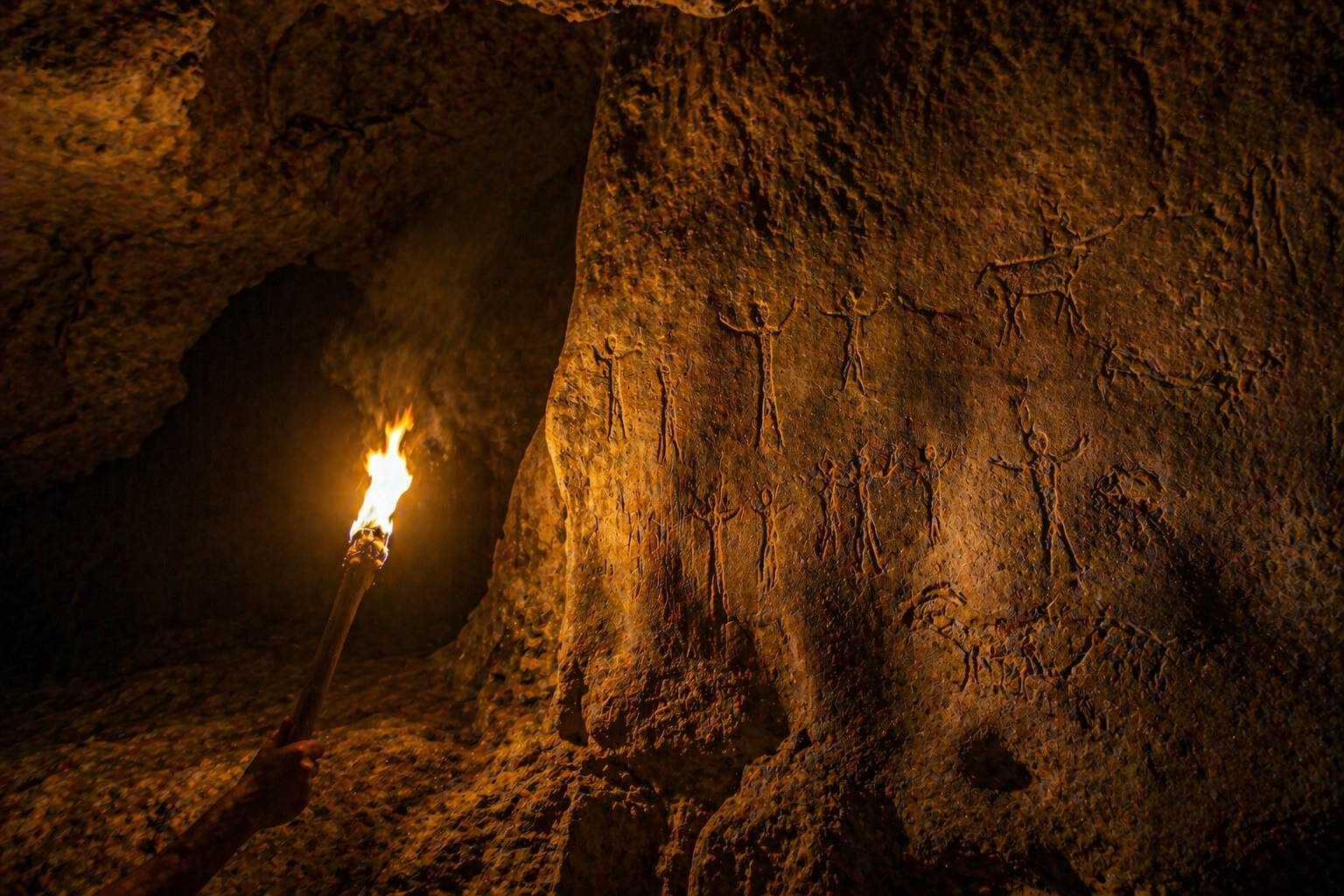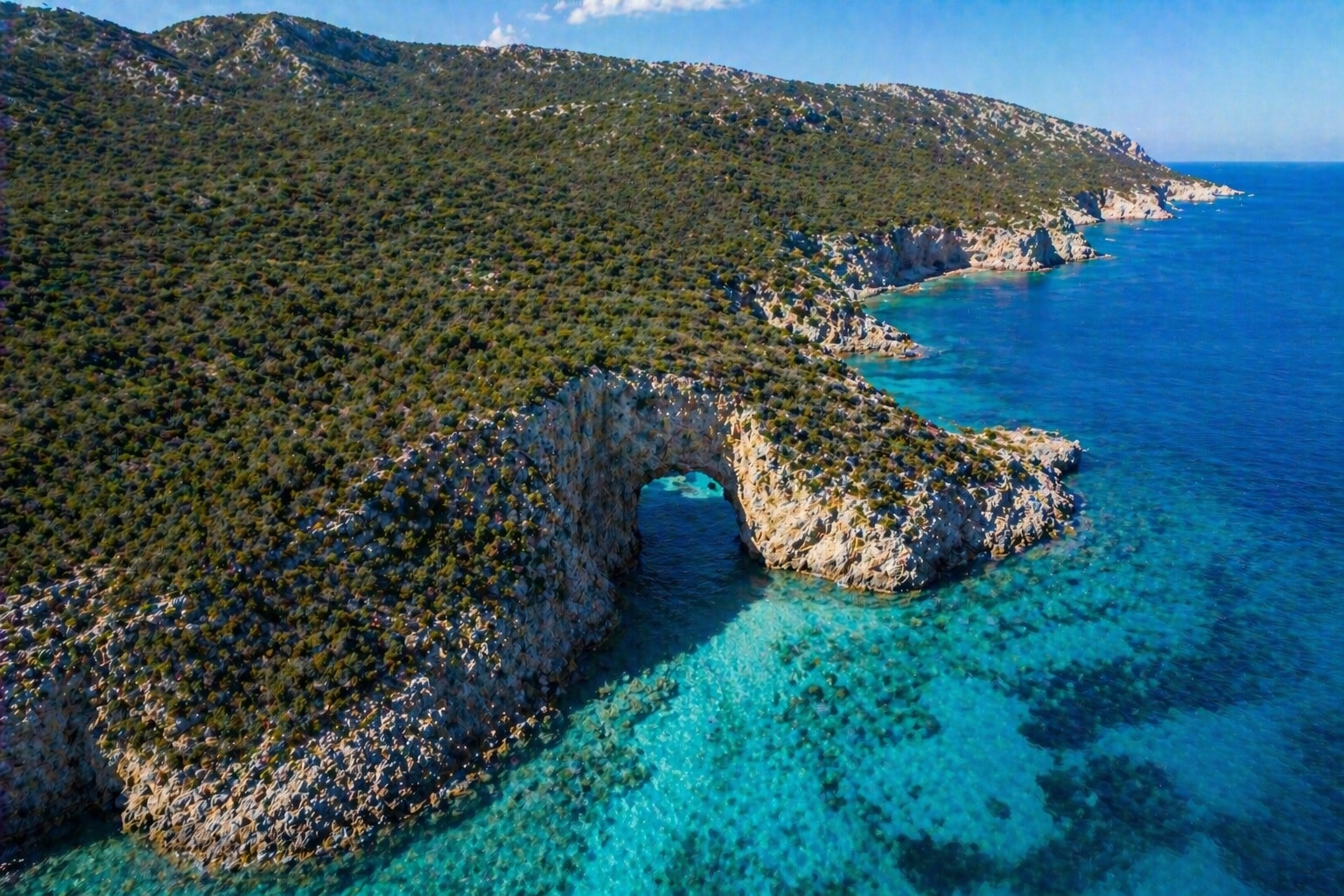


Long before Greek colonists arrived on Sicilian shores in the 8th century BC, the island had been inhabited for tens of thousands of years. Archaeological evidence shows human activity in Sicily stretching back to the Upper Paleolithic period, more than 12,000 years ago. These earliest Sicilians left their mark in stone and bone — carved figures, tools, and cave paintings that still survive today.
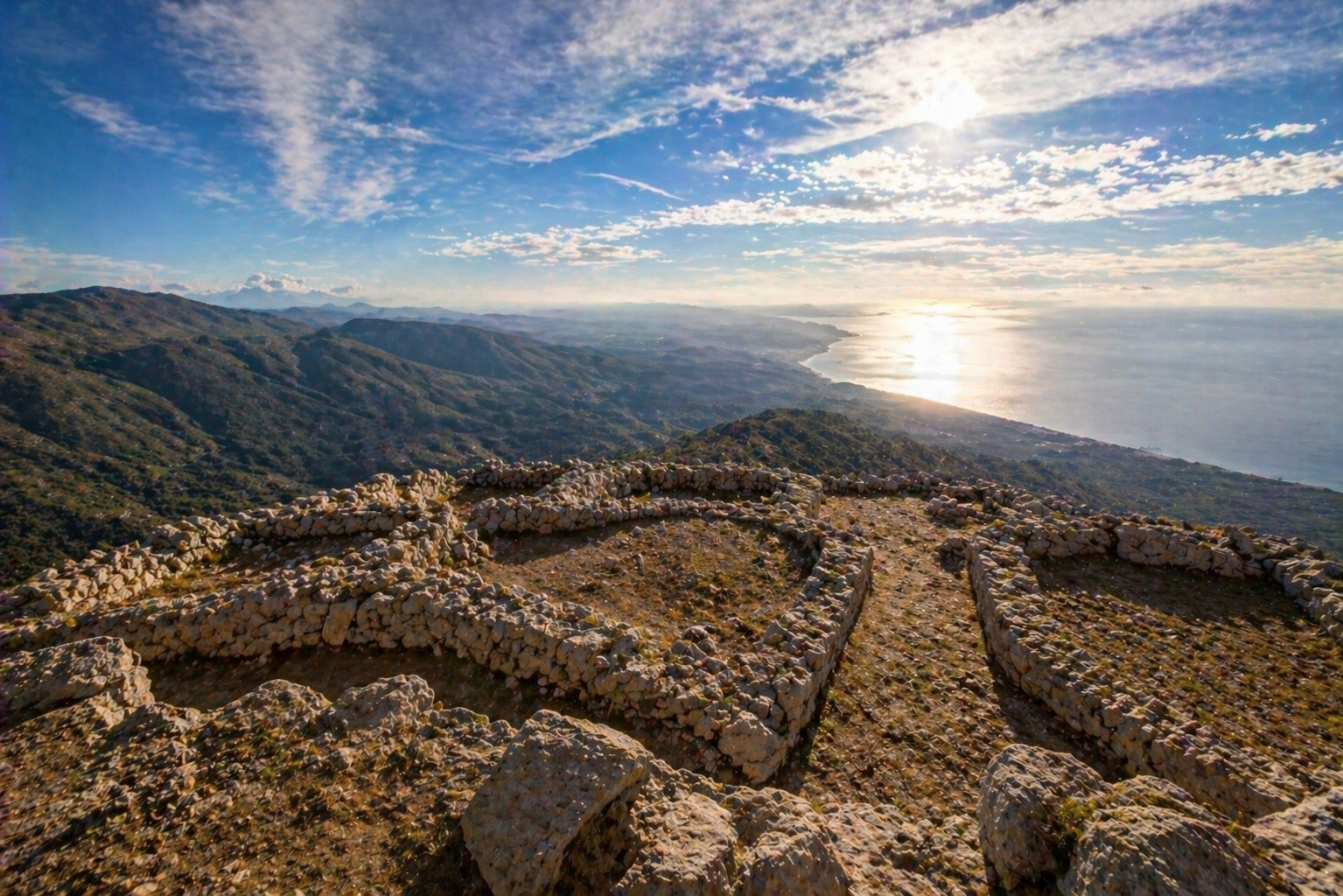
By the time recorded history begins, three distinct peoples inhabited Sicily: the Sicani in the west and center, believed by some ancient sources to be of Iberian origin; the Sicels in the east, who are thought to have crossed from the Italian peninsula around 1200 BC and gave the island its modern name; and the Elymians in the northwest, whose mysterious origins were tied in ancient legend to refugees from the fall of Troy. Each of these peoples built fortified settlements, developed agriculture, and established trade networks with the wider Mediterranean world long before the Greeks ever arrived.
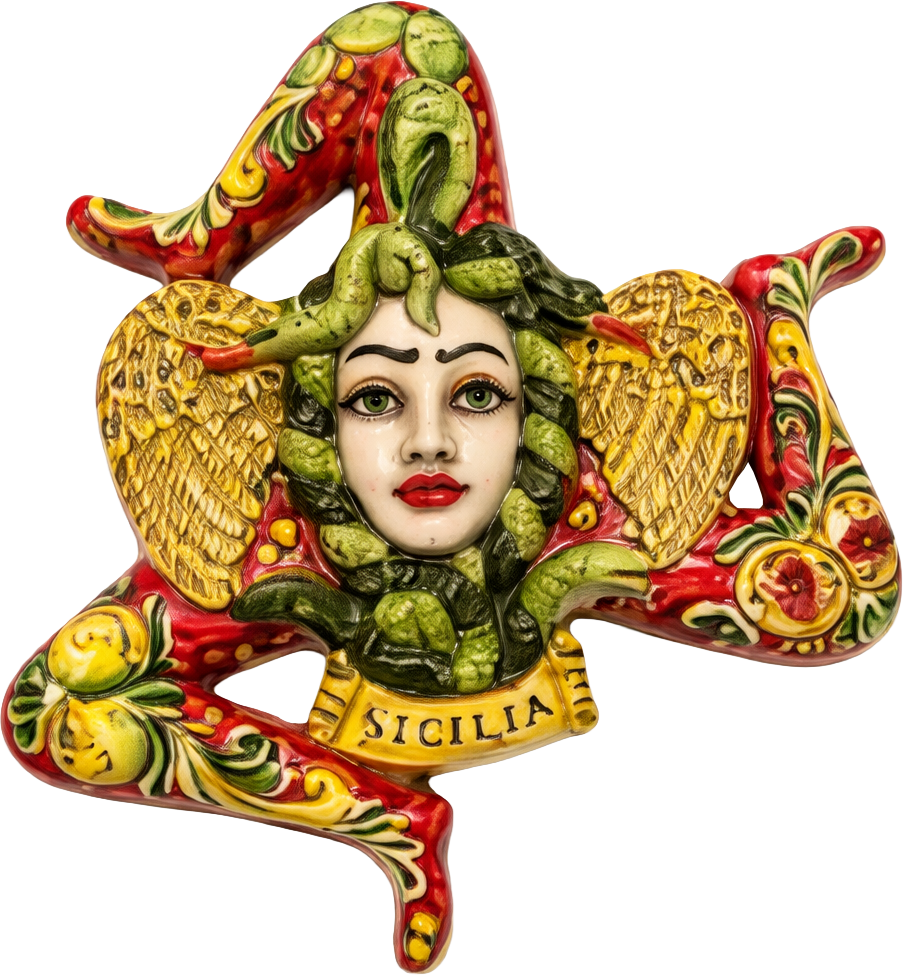
This era also contains various stories from Greek mythology, which were inspired by ancient Sicily in the centuries that predated Greek colonization. In the ancient Greek imagination, Sicily was the edge of the known world — a mysterious land of the gods filled with monsters, giants, and other wonders. The real Sicily of this era was somewhat less mythological, but no less remarkable: a vibrant pre-Greek civilization that set the stage for everything that would follow.