
Illustrated History of Sicily

A visual journey through the land, cuisine, people, language, and living traditions of Sicily — the crossroads of civilizations.

Illustrated History of Sicily

A visual journey through the land, cuisine, people, language, and living traditions of Sicily — the crossroads of civilizations.
Villa Romana del Casale

---Inscribed 1997

Why It Matters

The single most important collection of Roman mosaics anywhere in the world — over 3,500 square meters of spectacular 4th-century mosaics preserved under volcanic mud for over a thousand years.

Introduction

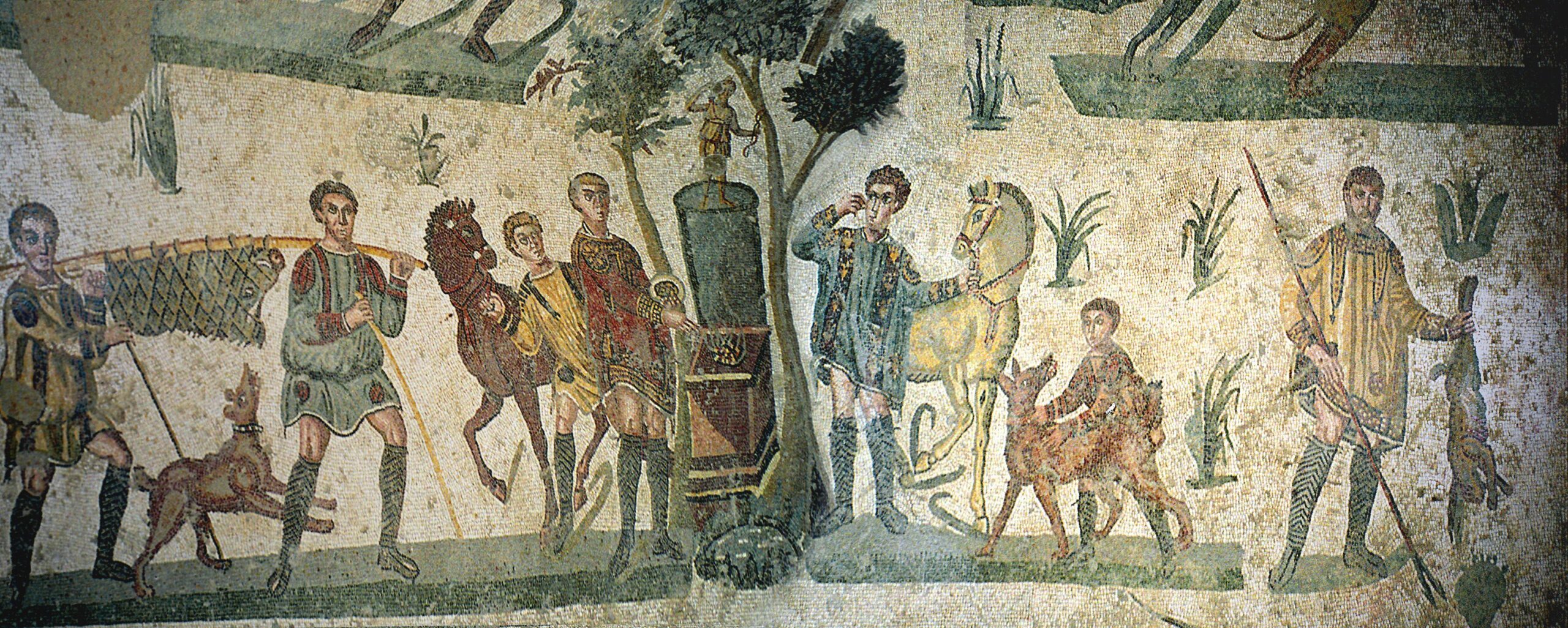
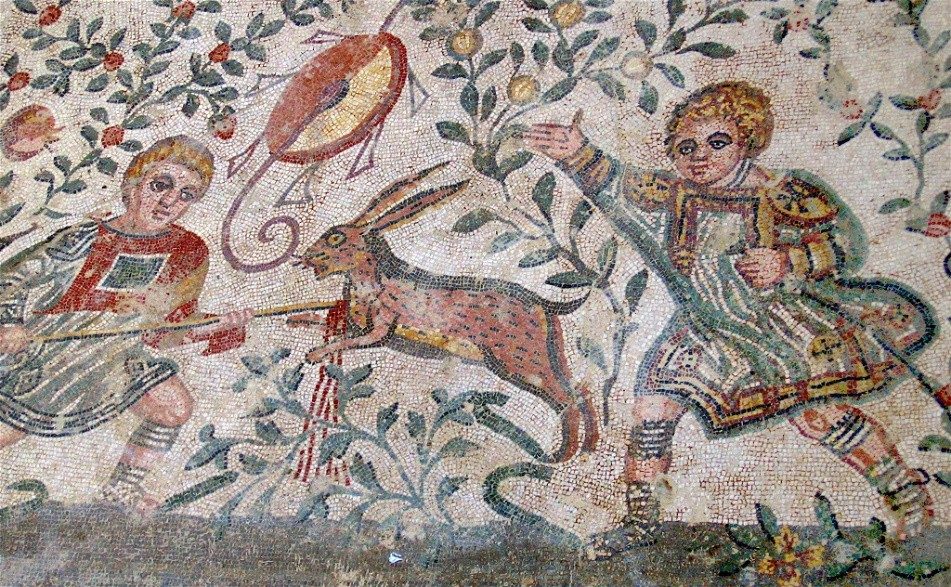
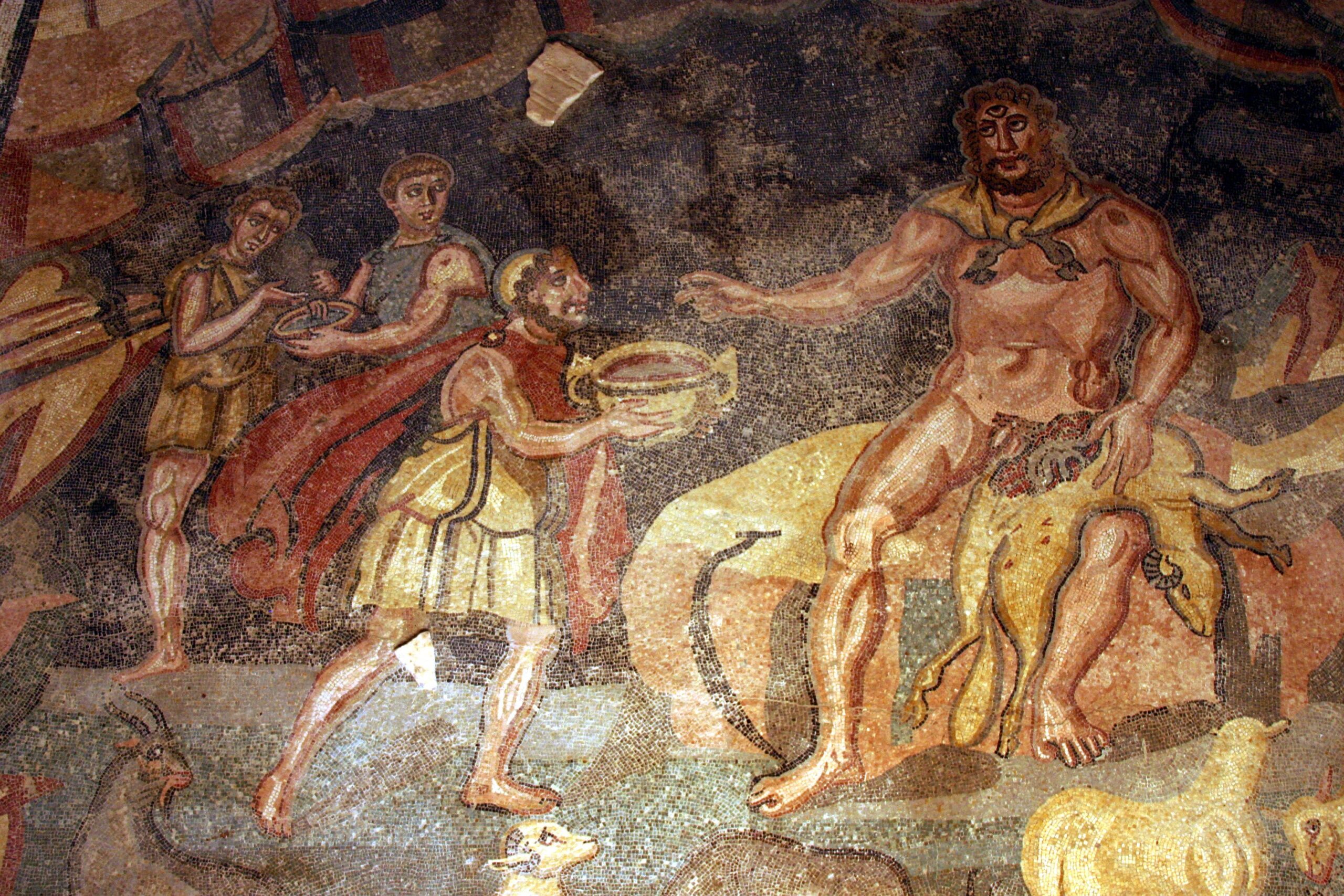
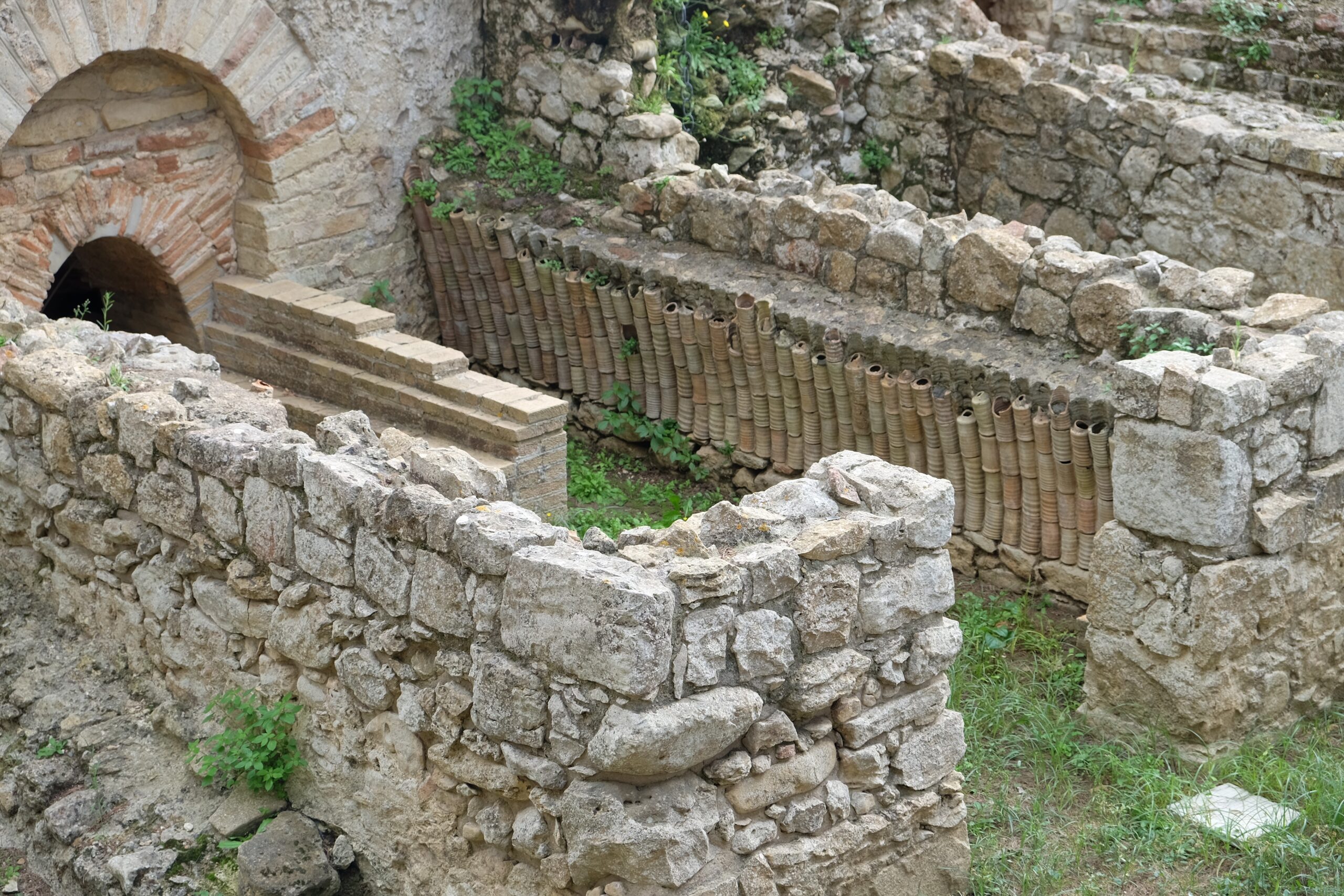
The Villa Romana del Casale, located near Piazza Armerina, represents the supreme example of Roman luxury villa architecture, containing the world’s largest, most well-preserved collection of Roman mosaics in situ. This vast luxurious villa was the rural palace for an elite Roman citizen, and showcases the stunning, detailed mosaics covering over 3,500 square meters of floor area. The vast floor mosaics feature many vibrant, detailed scenes of mythology, hunting scenes, and daily life. The Great Hunt Corridor presents a spectacular 200-foot-long mosaic scene, depicting the capture of many different exotic animals for the Roman games. The mosaic scene in another room depicts young women engaging in sports, including lifting weights, running, and tossing a ball, providing a rare glimpse of female athletics in the time of antiquity.The large villa complex was built on multiple levels, and includes a grand entrance, a thermal bath room, a large courtyard, and a banquet hall. Constructed between 320 to 350 AD, the villa was believed to have been inhabited for eight centuries before being buried by a massive mudslide in the 12th century. This deep layer of earth buried the ruins of the villa, which covered and preserved the mosaic floors, undisturbed for another seven centuries. The villa complex was rediscovered by Italian archeologists in the late 19th century. Excavations of the site commence in the 1920s and continues today. Villa Romana del Casale has been a UNESCO World Heritage Site since 1997.

WHAT YOU WILL SEE

Bar Vitelli

[unesco_gallery_images]

The most famous location in Savoca — the place where Michael Corleone asks about Apollonia, where her father sits at a table, where Michael is told in carefully measured Sicilian dialect that Apollonia’s father has a daughter. Bar Vitelli is still a working café. It still serves the granita di limone that was on the original menu. The family that runs it is descended from the same Vitelli family that owned the bar when Coppola filmed there. Framed photographs of the film production, signed memorabilia, and Godfather ephemera fill the walls. Order a granita. Sit at one of the outdoor tables. Watch the light move across the stone piazza as it has for centuries.

The Great Hunt Corridor

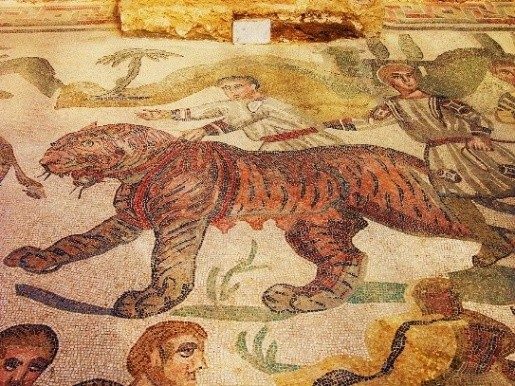
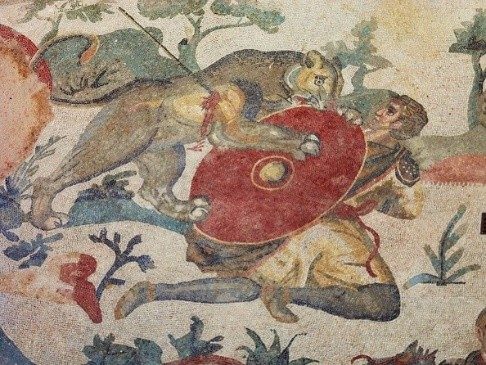
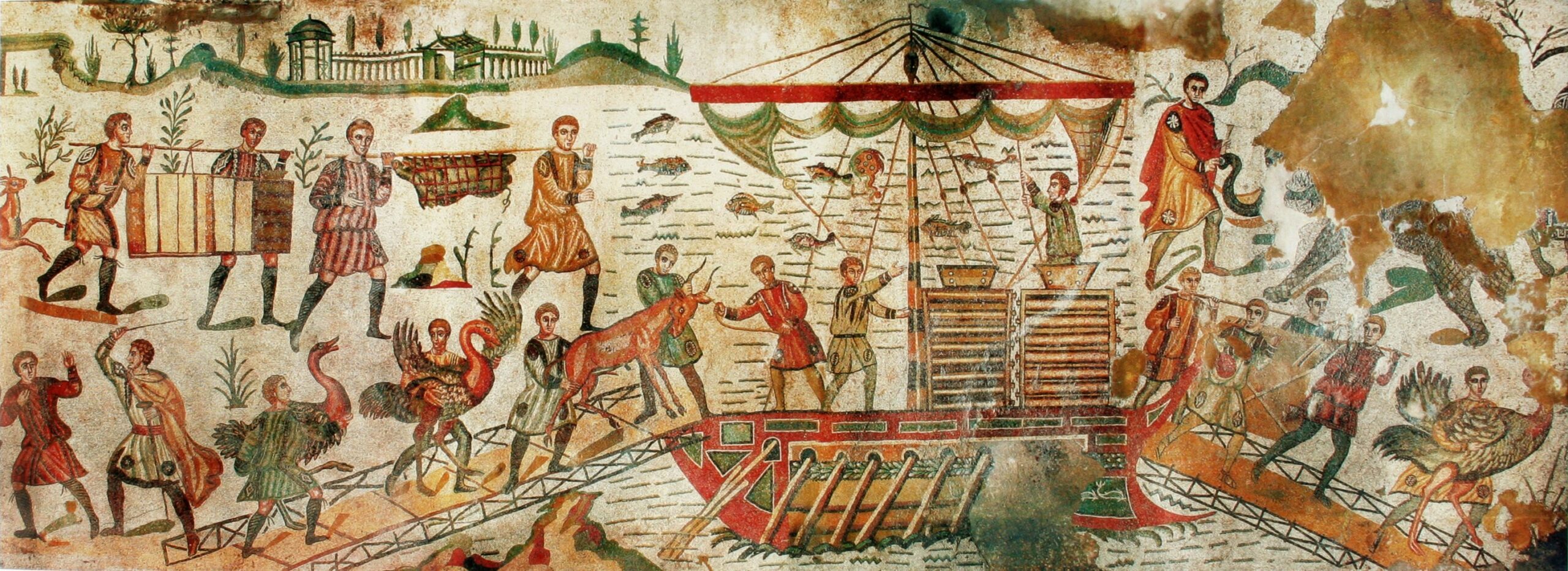
Sixty meters long, this single corridor contains one of the largest and most detailed Roman mosaics ever produced. It depicts the capture of wild animals — tigers, elephants, rhinoceros, ostriches, leopards — from across the Roman Empire to be shipped to Rome for gladiatorial games and circuses. The scenes are extraordinarily detailed, showing specific techniques used to capture each species, the ships that transported them, the handlers who managed them.

Room of the Bikini Athletes

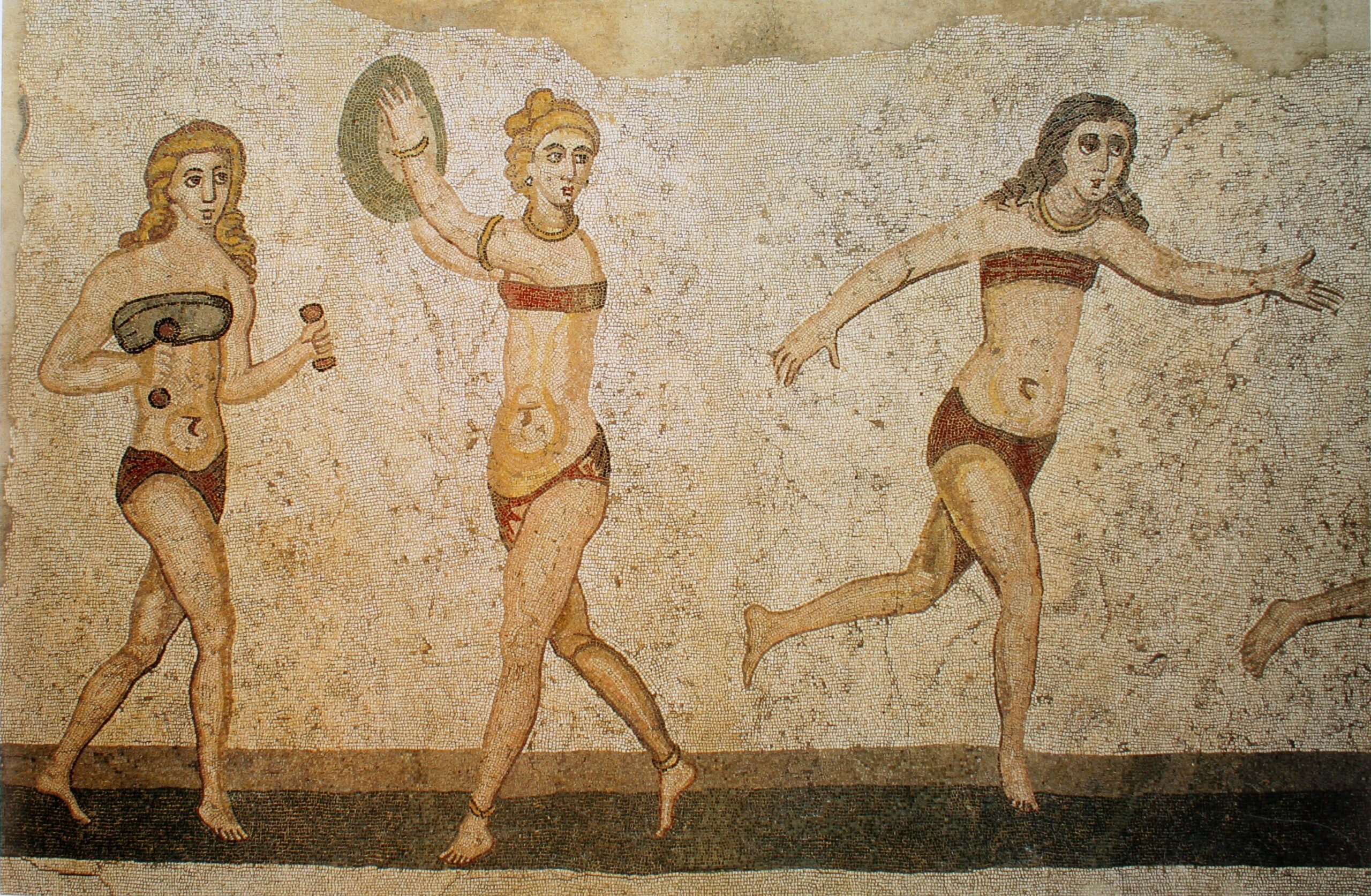
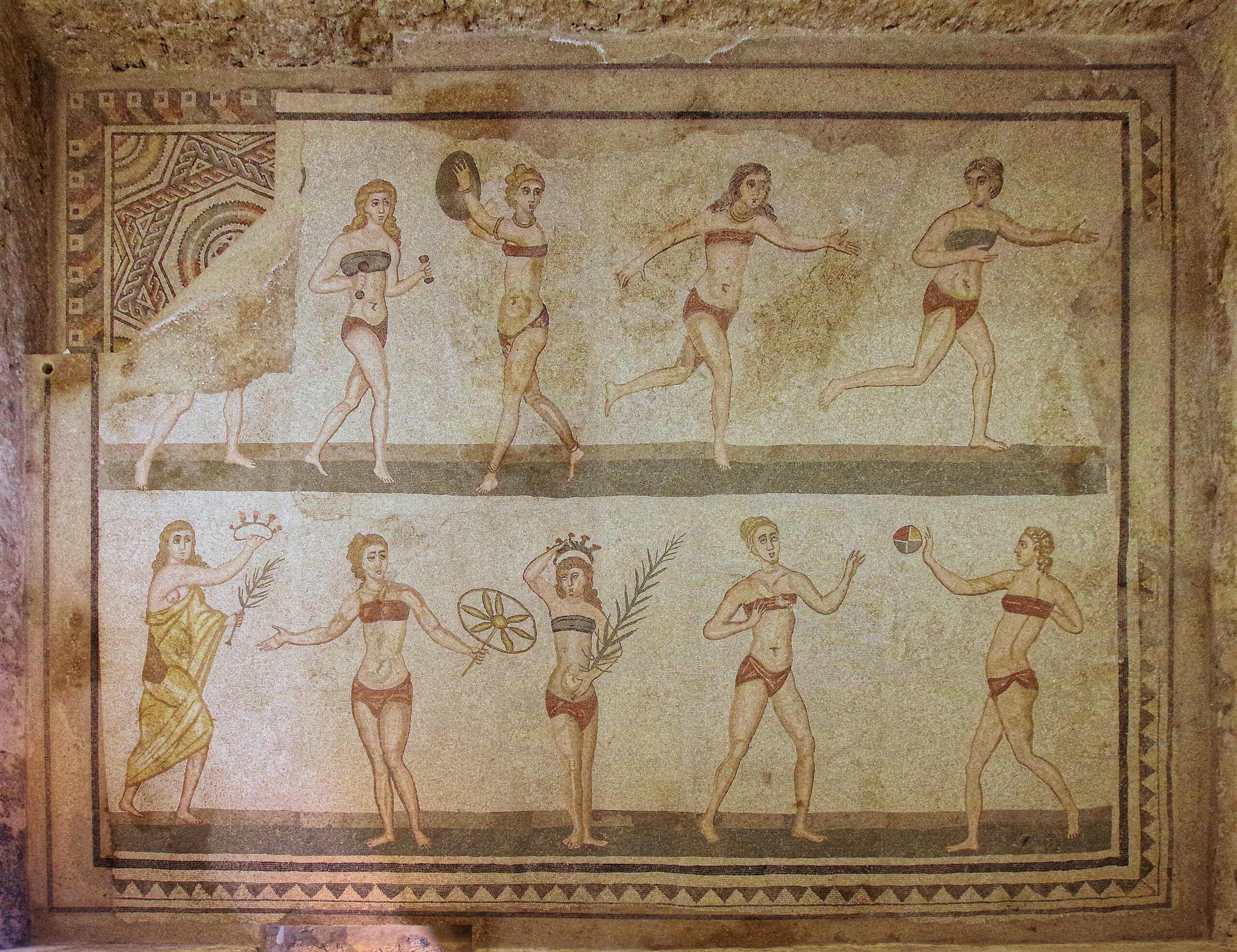
The most famous mosaic at the site. Ten young women in leather briefs and breastband tops exercise with weights, a discus, and a ball. The mosaic appears to show an athletic competition, possibly a women’s version of the Roman circus games.In 1959–60, archeologists excavated a mosaic floor, which has held different names at various times, such as "Room of the Gymnasts" and the "Chamber of the Ten Maidens". It is frequently referred to as the Room of the Bikini Athletes.

Small Hunt and Other Rooms

A hunting scene set in Sicilian landscape, depicting Roman aristocrats hunting stags, wild boar, hares, and birds. It is one of the most beautifully composed Roman figurative mosaics in existence.

Planning Your Visit

The villa is located in the center of Sicily, about 90 minutes by car from Catania or 2 hours from Palermo. Allow 2-3 hours for a thorough visit. The entire site is now covered by a modern protective structure with elevated walkways that allow visitors to view the mosaics from above without damaging them. Combine with a visit to the charming hill town of Piazza Armerina itself for a full day outing.

Practical visitor information

Interactive Location

Related Chapters

Arrival of the Romans

Arrival of the Romans

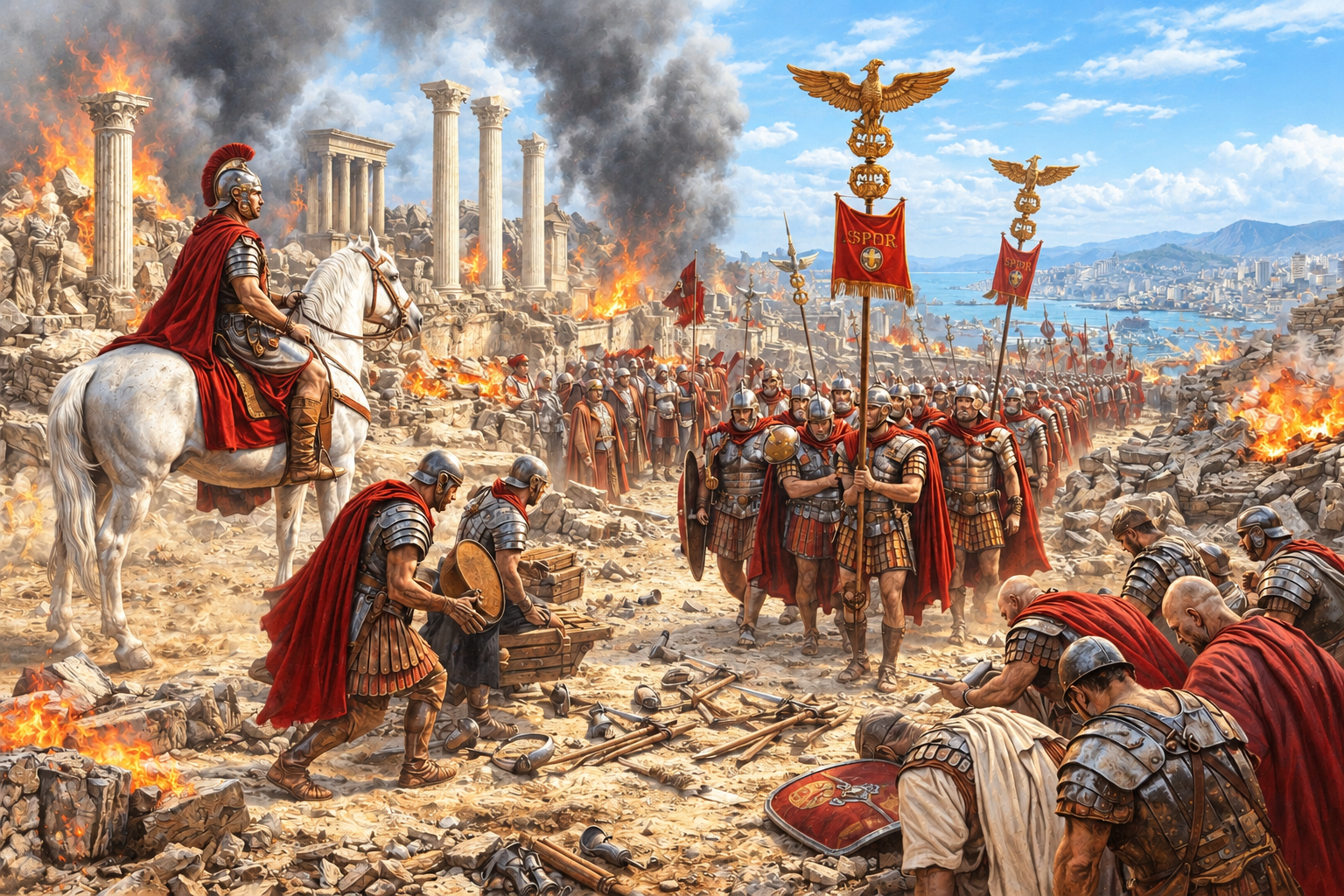
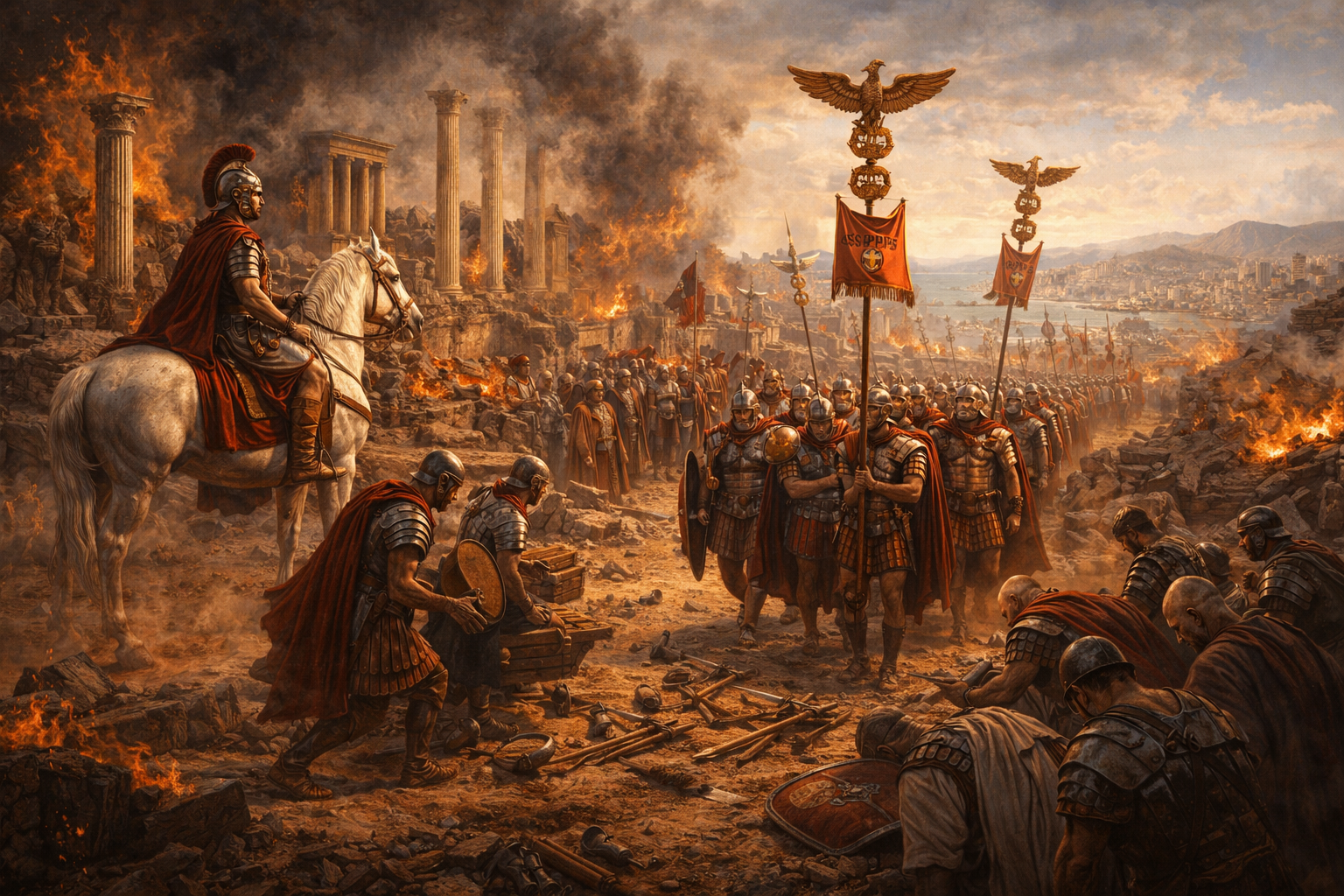
The Roman conquest of Sicily was the product of the First Punic War (264–241 BC), the first and longest of three titanic conflicts between Rome and Carthage. Sicily was both the cause and the prize. When the war ended with Roman victory, Sicily became Rome’s first overseas province — the prototype for the Roman imperial […]

Read More
Christianization & Fall of Rome

Christianization & Fall of Rome

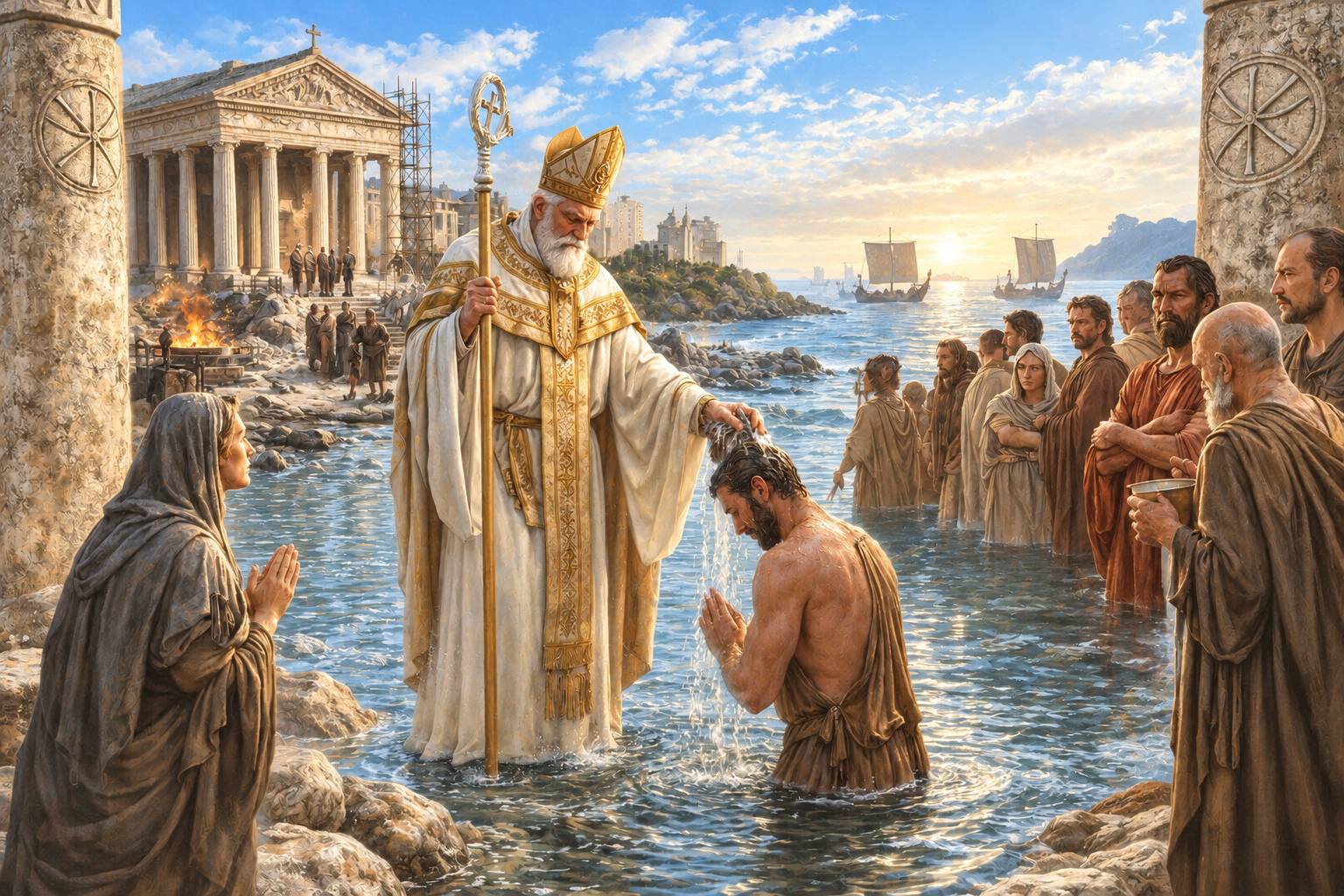
Christianity came early to Sicily. Tradition holds that Saint Paul himself visited the island at Syracuse during his journey to Rome, as recorded in the Book of Acts. By the early centuries AD, Sicily had become one of the most thoroughly Christianized regions of the Roman Empire, with large Christian communities in Syracuse, Catania, and […]

Read More

It is a long established fact that a reader will be distracted by the readable content.. 

Greek Tyrants of Sicily

It is a long established fact that a reader will be distracted by the readable content.. 

Arrival of the Romans

It is a long established fact that a reader will be distracted by the readable content..