

Illustrated History of Sicily

A visual journey through the land, cuisine, people, language, and living traditions of Sicily — the crossroads of civilizations.

Illustrated History of Sicily

A visual journey through the land, cuisine, people, language, and living traditions of Sicily — the crossroads of civilizations.

Valley of the Temples, Agrigento

---Inscribed 1997

Why It Matters

The most magnificent ensemble of Greek temples outside of Greece itself — and in some ways, more complete than any site in Greece.

Introduction

Valley of the Temples is an archaeological site in Agrigento, which contains one of the most outstanding examples of ancient Greek art and architecture of Magna Graecia, and is one of the principal attractions of Sicily. This archeological park was declared a UNESCO World Heritage Site in 1997. The ruins of these seven ancient Doric temples, some in a remarkable state of preservation, are a testament to the greatness and historical importance of the ancient city of Akragas. The term “valley” is a misnomer, as the site is actually located on a high ridge outside the town of Agrigento.

THE TEMPLES

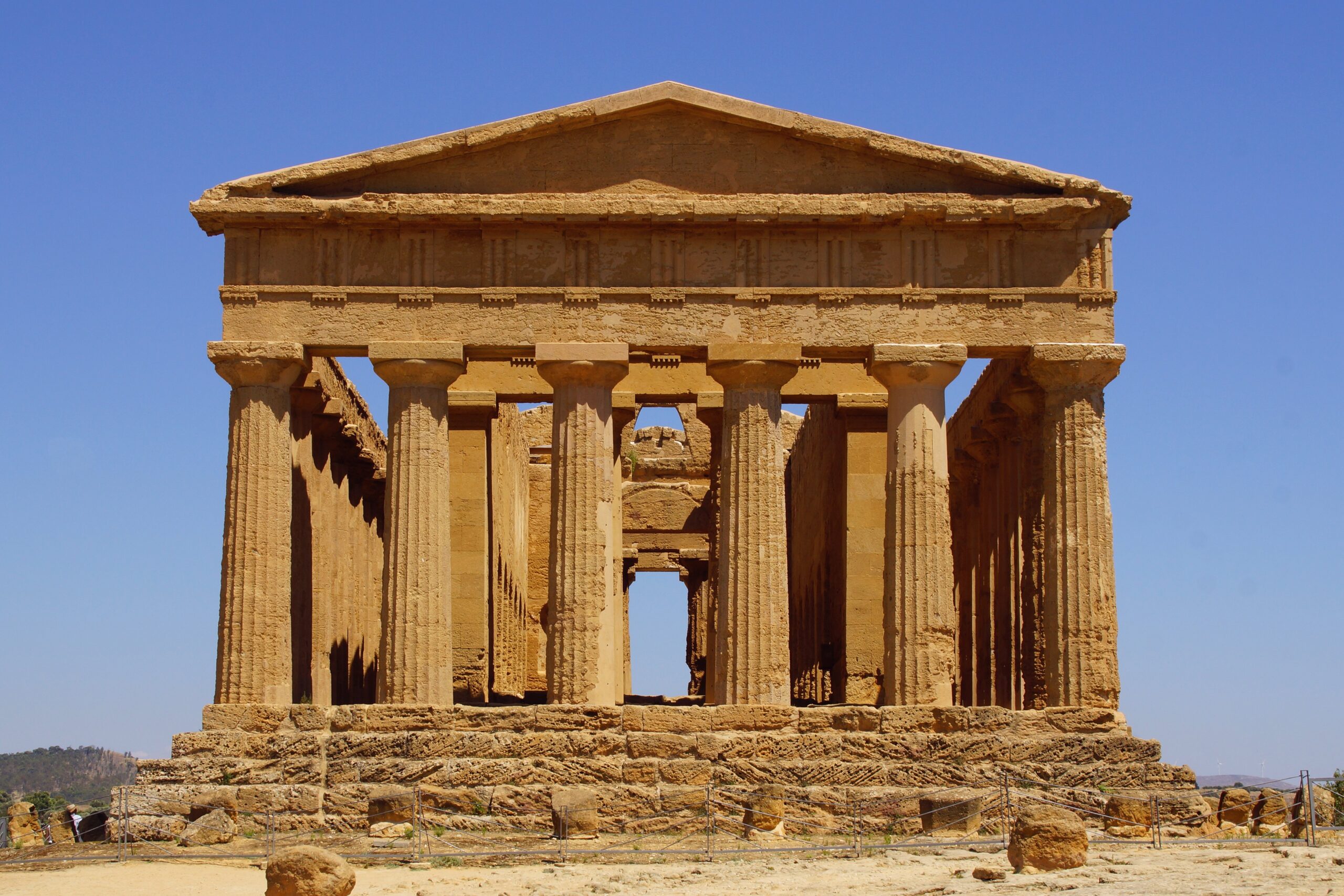
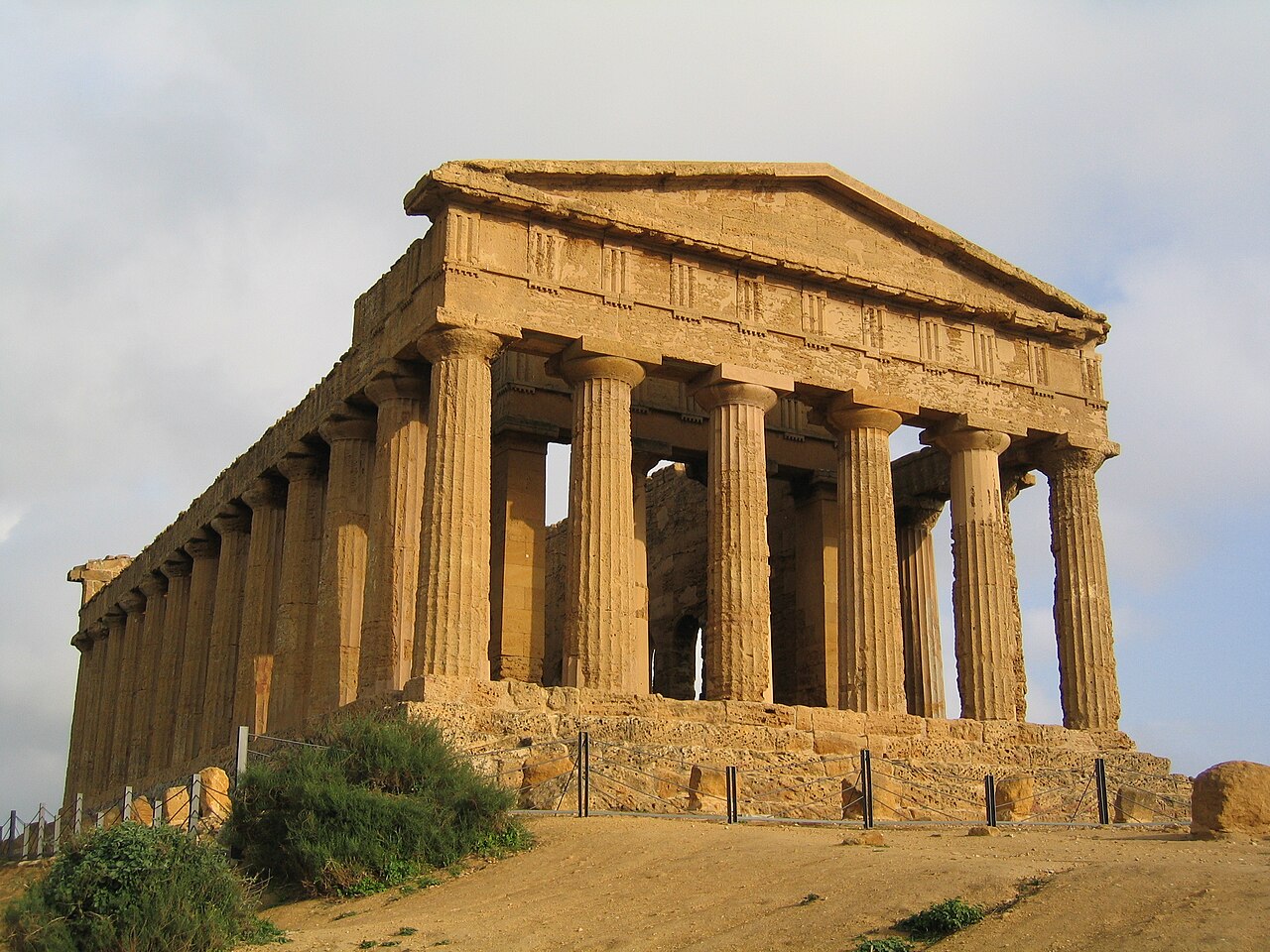
Temple of Concordia

[unesco_gallery_images]
Temple of Concordia built by Sicilian Greeks in the 5th century BC, and converted into a Christian church in the 6th century AD by the Byzantine Greeks; it is now one of the best-preserved monuments in the Valley.

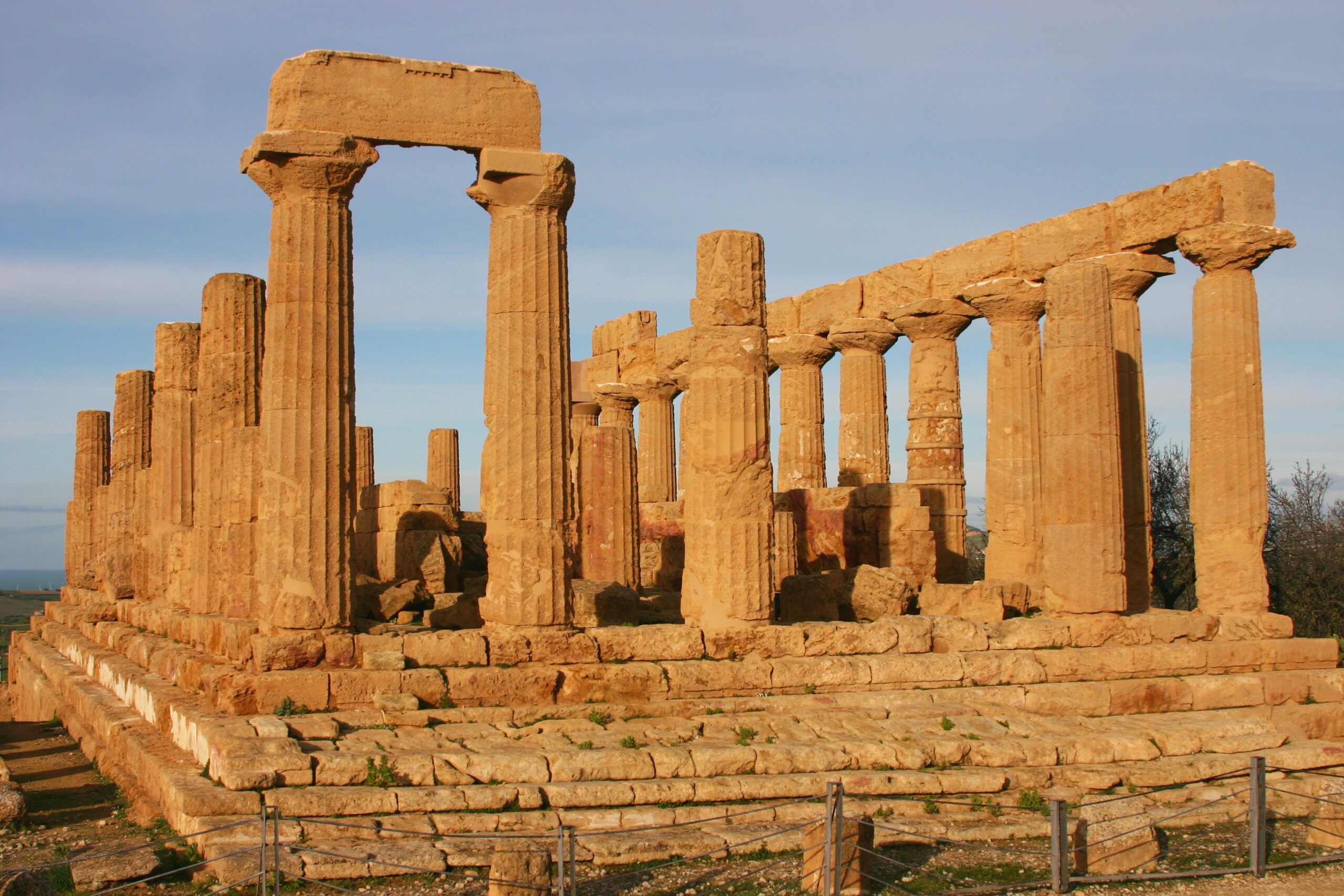
Temple of Juno (Hera Lacinia)

[unesco_gallery_images]
Temple of "Hera" also built in the 5th century BC; it was destroyed in 406 BC by the Carthaginians.

Temple of Heracles

[unesco_gallery_images]
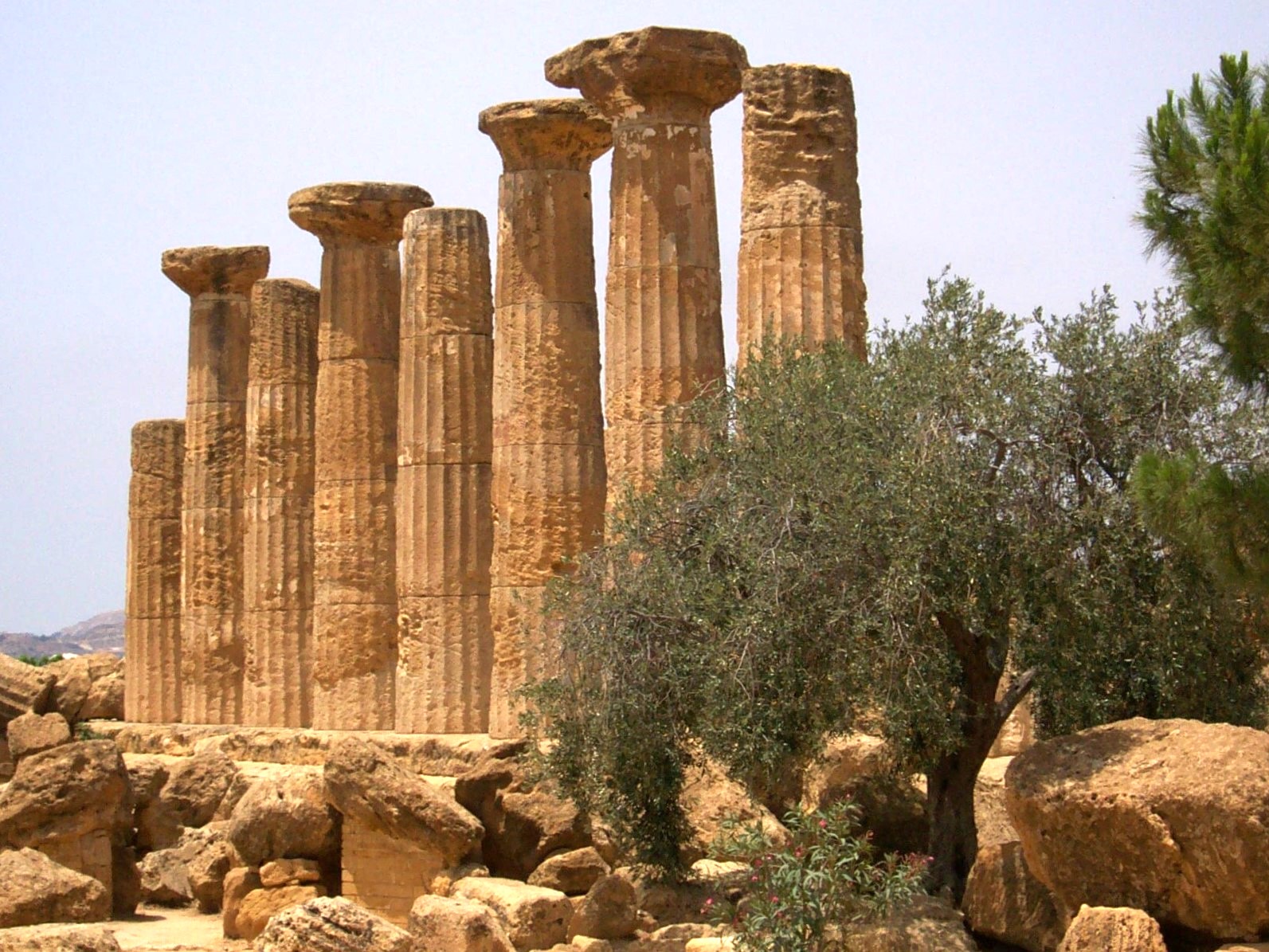
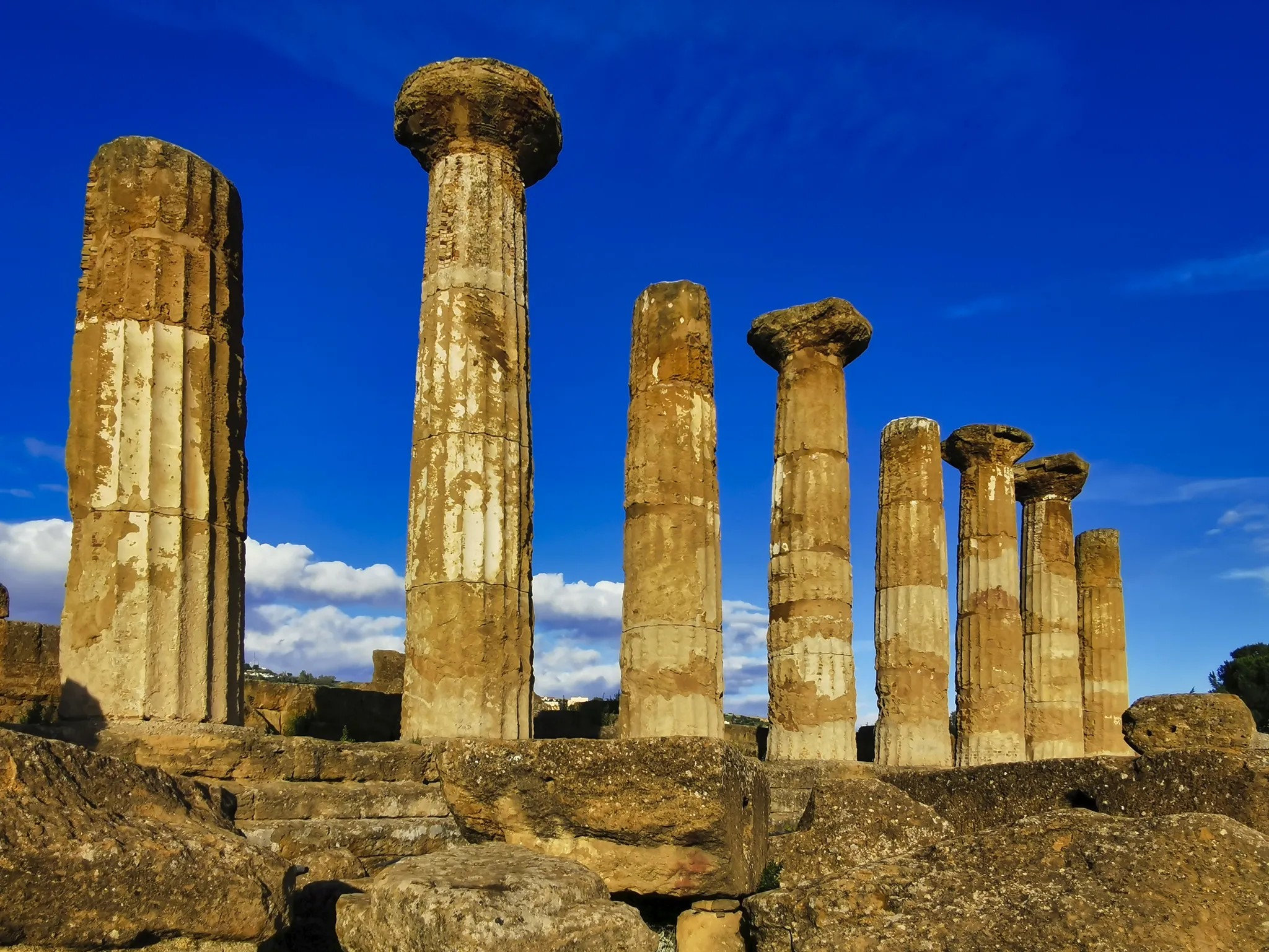
Temple of Heracles named for one of the most venerated deities in the ancient city of Akragas. It is the most ancient monument in the Valley, which was destroyed by an earthquake. Its current remains consist of eight standing columns.

Temple of Olympian Zeus

[unesco_gallery_images]
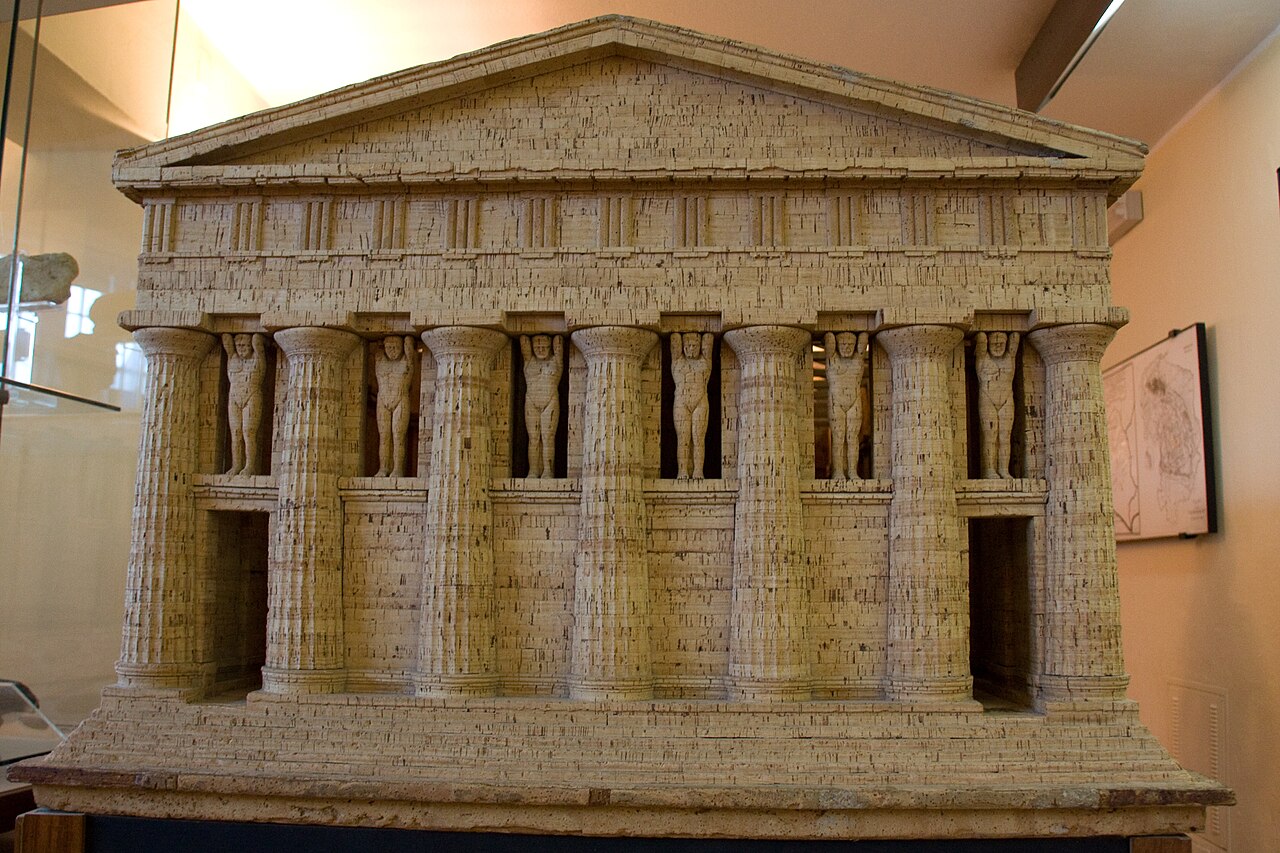
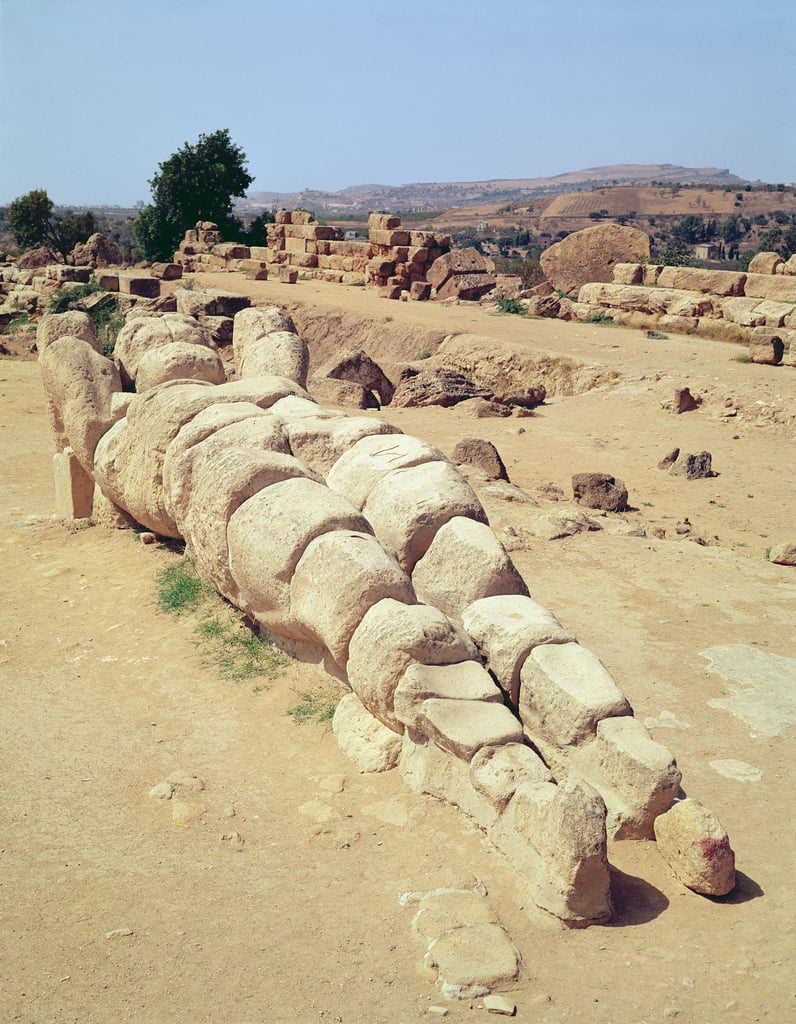
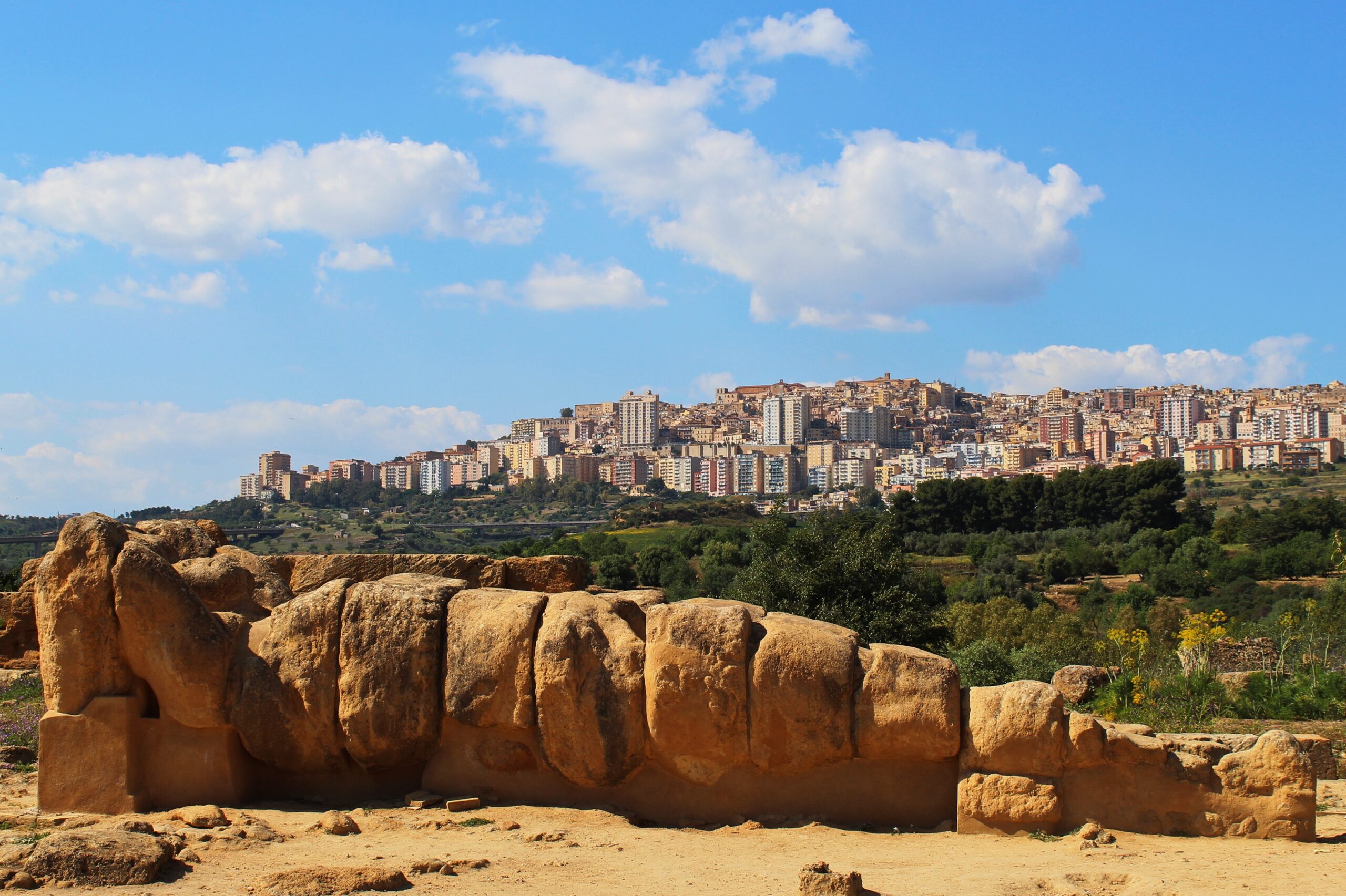
Temple of Olympian Zeus built after 480 BC to celebrate the Greek military victory over Carthage at the Battle of Himera.

Temple of Castor and Pollux

[unesco_gallery_images]
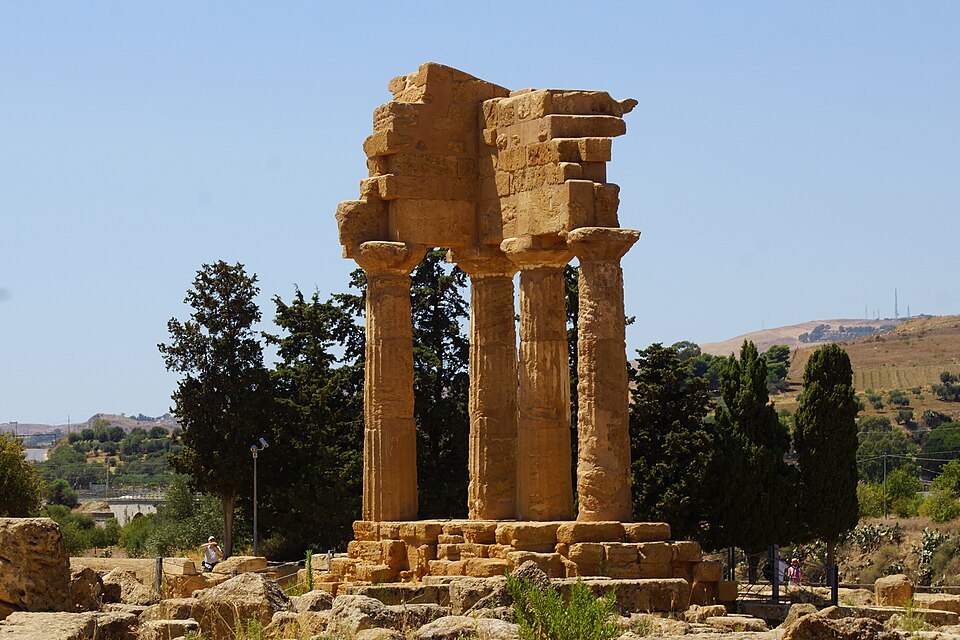
Temple of Castor and Pollux consists today only as four remaining columns, and is the symbol of modern Agrigento.

Temple of Hephaestus (Vulcan)

[unesco_gallery_images]
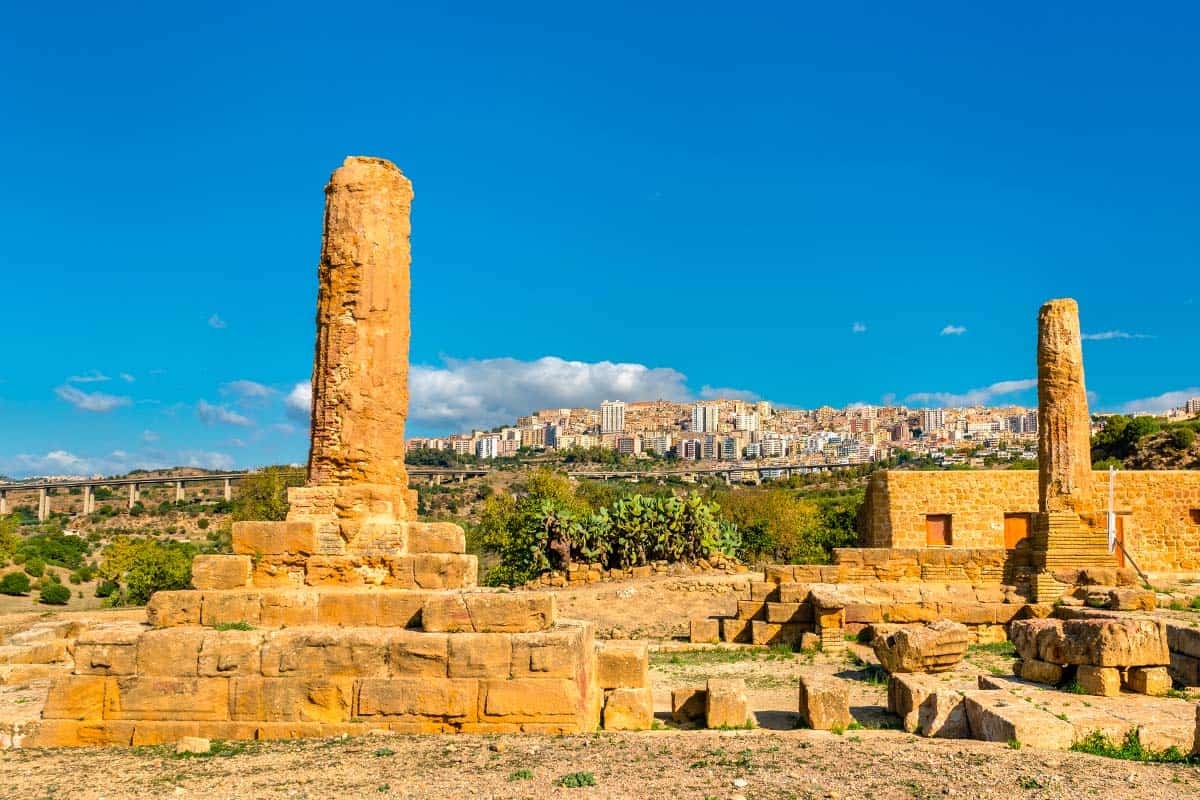
Temple of Hephaestus (Vulcan) dating from the 5th century BC. It is believed to have once been one of the most imposing structures in the valley, but is now one of the most eroded.

Temple of Asclepius

[unesco_gallery_images]
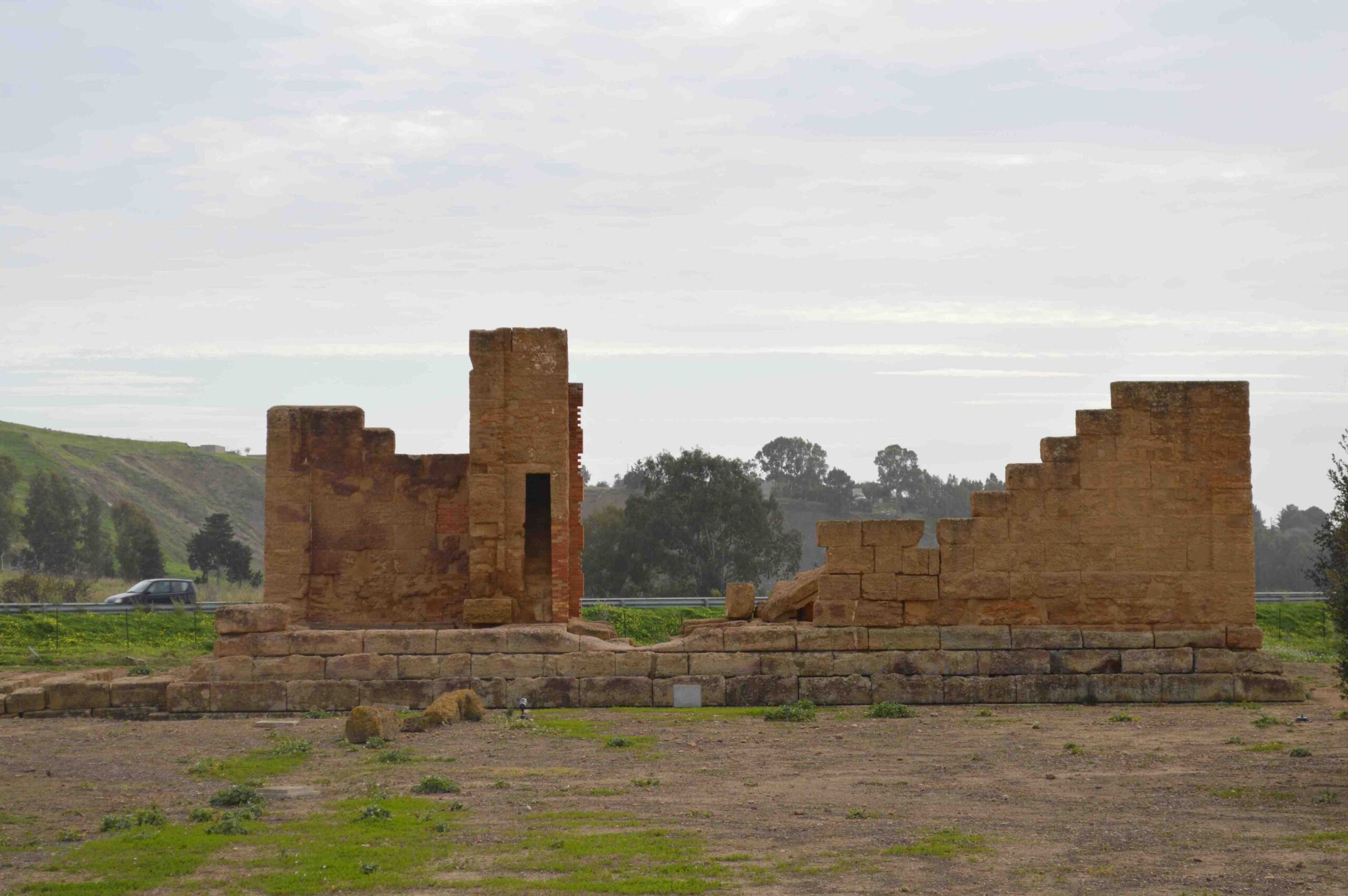
Temple of Asclepius located farthest from the walls of the ancient town, it was once the destination of pilgrims seeking cures for illness.

Temple of Concordia

Temple of Concordia built by Sicilian Greeks in the 5th century BC, and converted into a Christian church in the 6th century AD by the Byzantine Greeks; it is now one of the best-preserved monuments in the Valley.

Temple of Juno (Hera Lacinia)

Temple of "Hera" also built in the 5th century BC; it was destroyed in 406 BC by the Carthaginians.

Temple of Heracles

Temple of Heracles named for one of the most venerated deities in the ancient city of Akragas. It is the most ancient monument in the Valley, which was destroyed by an earthquake. Its current remains consist of eight standing columns.

Temple of Olympian Zeus

Temple of Olympian Zeus built after 480 BC to celebrate the Greek military victory over Carthage at the Battle of Himera.

Temple of Castor and Pollux

Temple of Castor and Pollux consists today only as four remaining columns, and is the symbol of modern Agrigento.

Temple of Hephaestus (Vulcan)

Temple of Hephaestus (Vulcan) dating from the 5th century BC. It is believed to have once been one of the most imposing structures in the valley, but is now one of the most eroded.

Temple of Asclepius

Temple of Asclepius located farthest from the walls of the ancient town, it was once the destination of pilgrims seeking cures for illness.

Planning Your Visit

Plan at least a half-day for the Valley of the Temples; a full day is not excessive. Wear good walking shoes — the site is large, the ground is uneven, and Sicilian summer sun is punishing. Visit early morning or late afternoon to avoid the heat. Evening visits (the site is open until 10pm in summer) offer dramatic lighting and smaller crowds. Combine your visit with the Regional Archaeological Museum, which houses many of the artifacts recovered from the site.

Practical visitor information

Interactive Location

Related Chapters

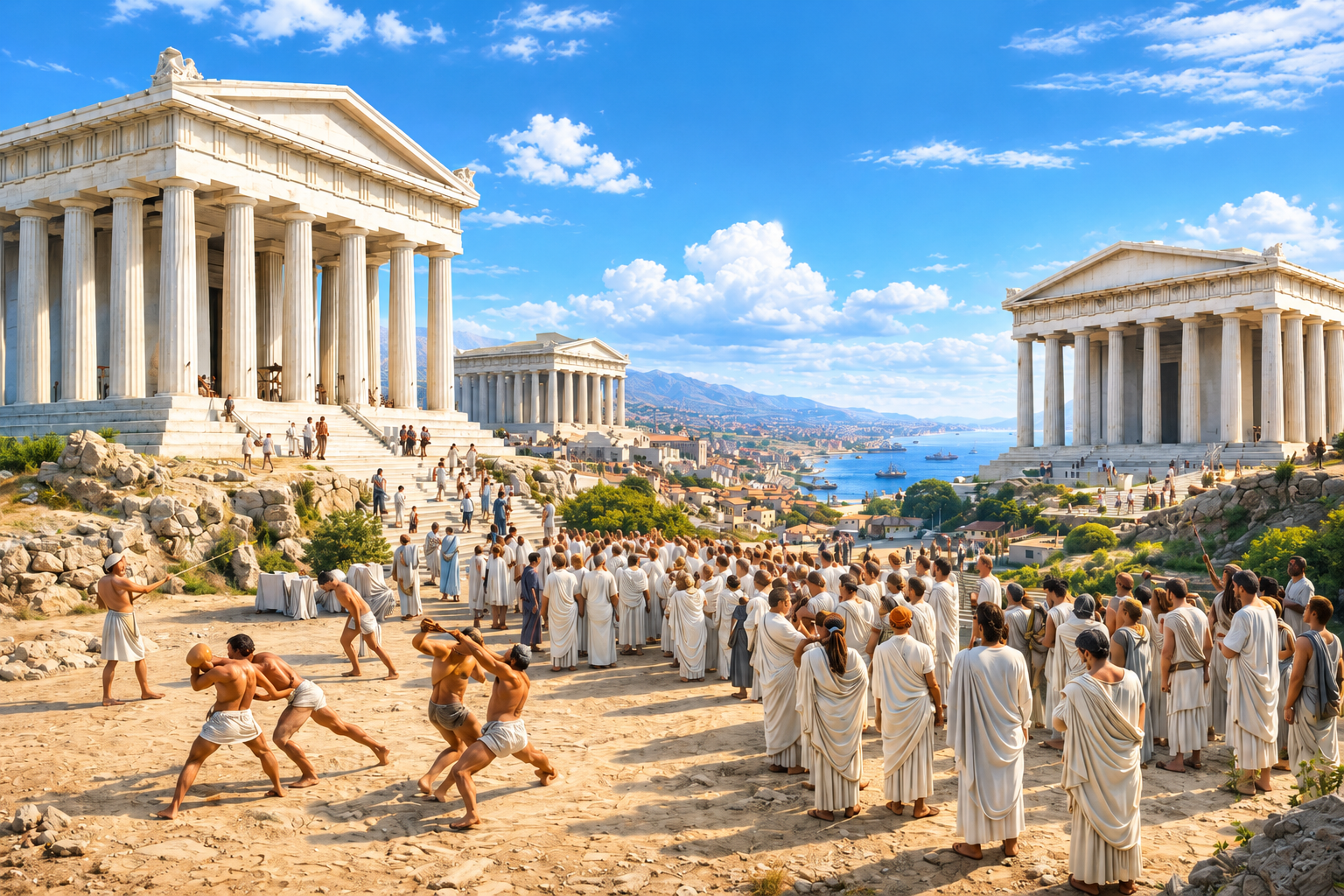
Golden Age of the Greek World

Golden Age of the Greek World

This chapter sets the stage to gain greater understanding of  Sicilian historical events of the 5th century BC, by exploring the parallel events occurring on the Greek Mainland, during the same period.  Known as the Golden Age of Greek civilization, the 5th century BC witnessed the Persian Wars, the construction of the Parthenon in Athens, […]

Read More
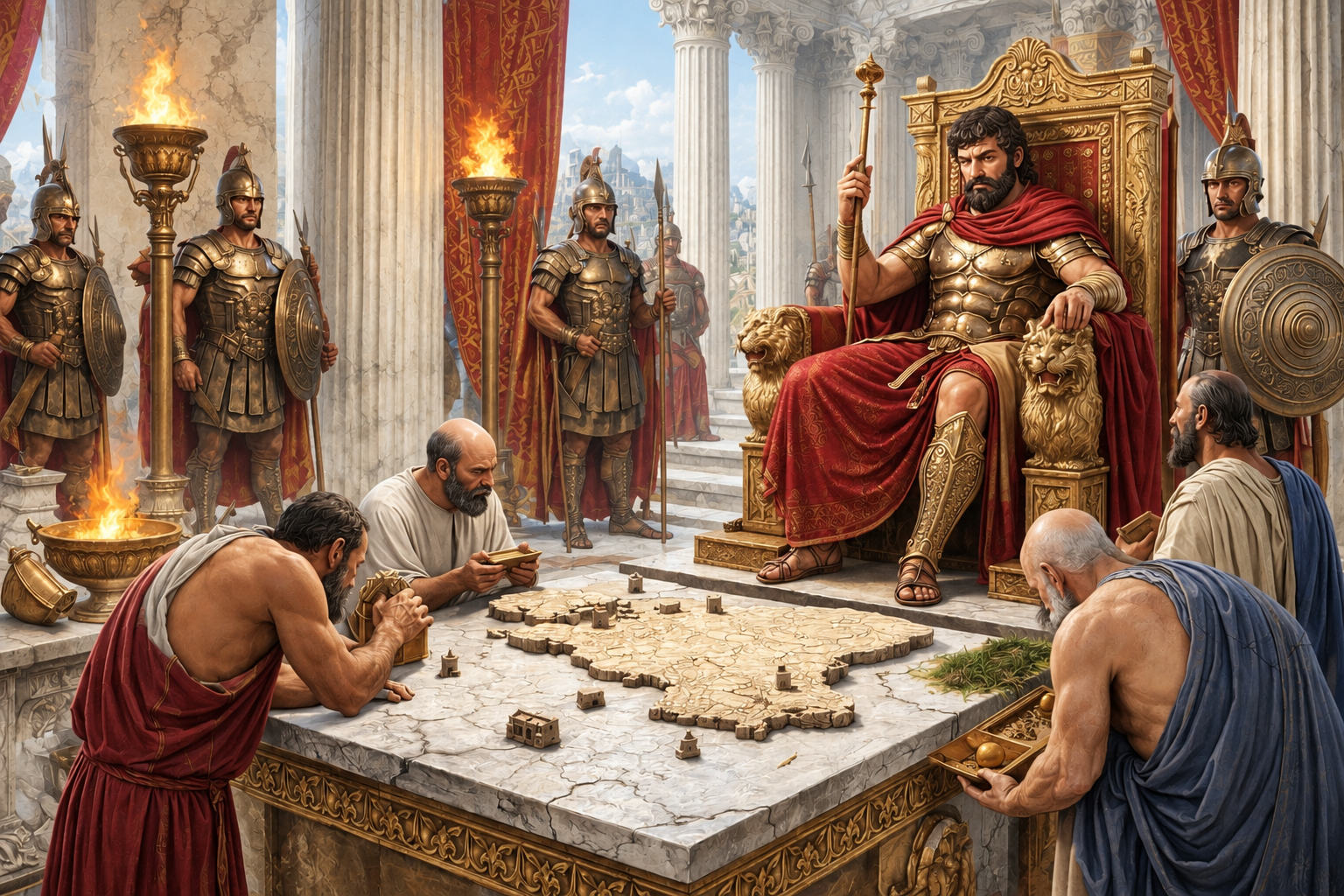
Greek Tyrants of Sicily

Greek Tyrants of Sicily

Sicilian Greek history is dominated by a succession of powerful rulers called tyrants. The word “tyrant” in this context did not carry its modern pejorative meaning of cruelty, but rather  simply meant a ruler who had seized power outside the legal  structures of a Greek city. Many of the  great Sicilian tyrants were brilliant statesmen, […]

Read More
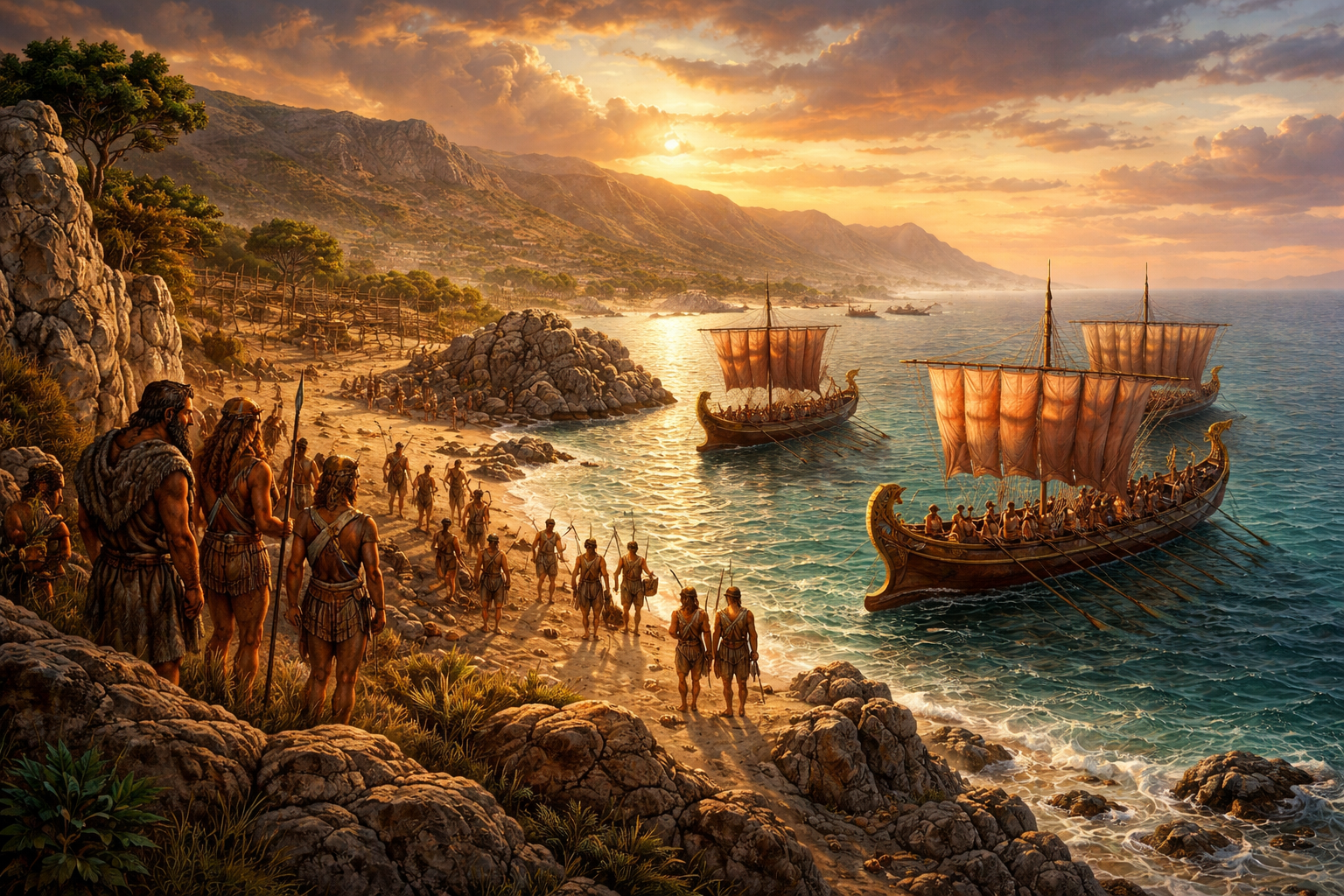
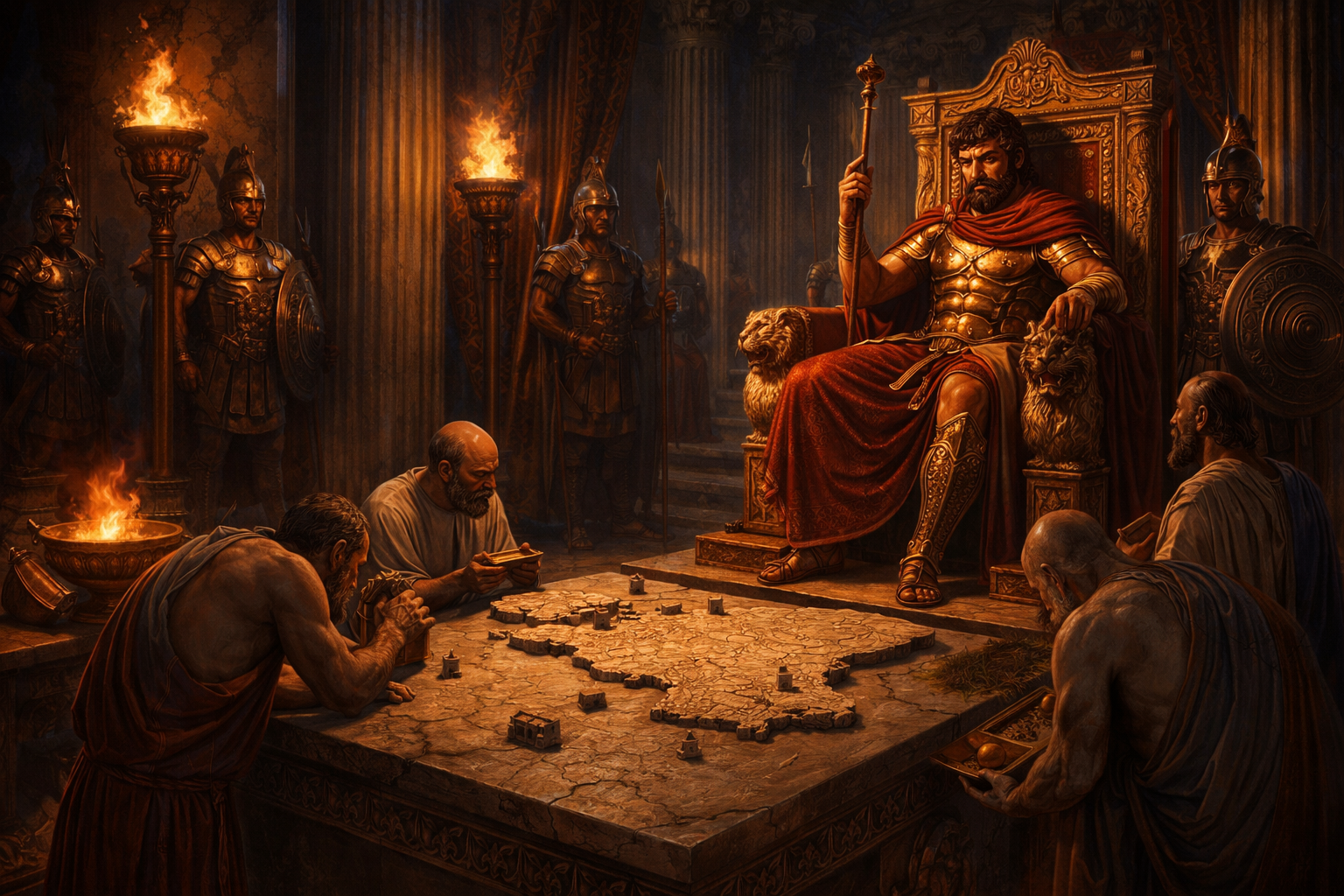
It is a long established fact that a reader will be distracted by the readable content.. 

Greek Tyrants of Sicily

It is a long established fact that a reader will be distracted by the readable content.. 

Arrival of the Romans

It is a long established fact that a reader will be distracted by the readable content.. 

0
0
Your Cart
Empty CartYour cart is emptyReturn to Shop
Secure Checkout
Fast Shipping
Easy Returns