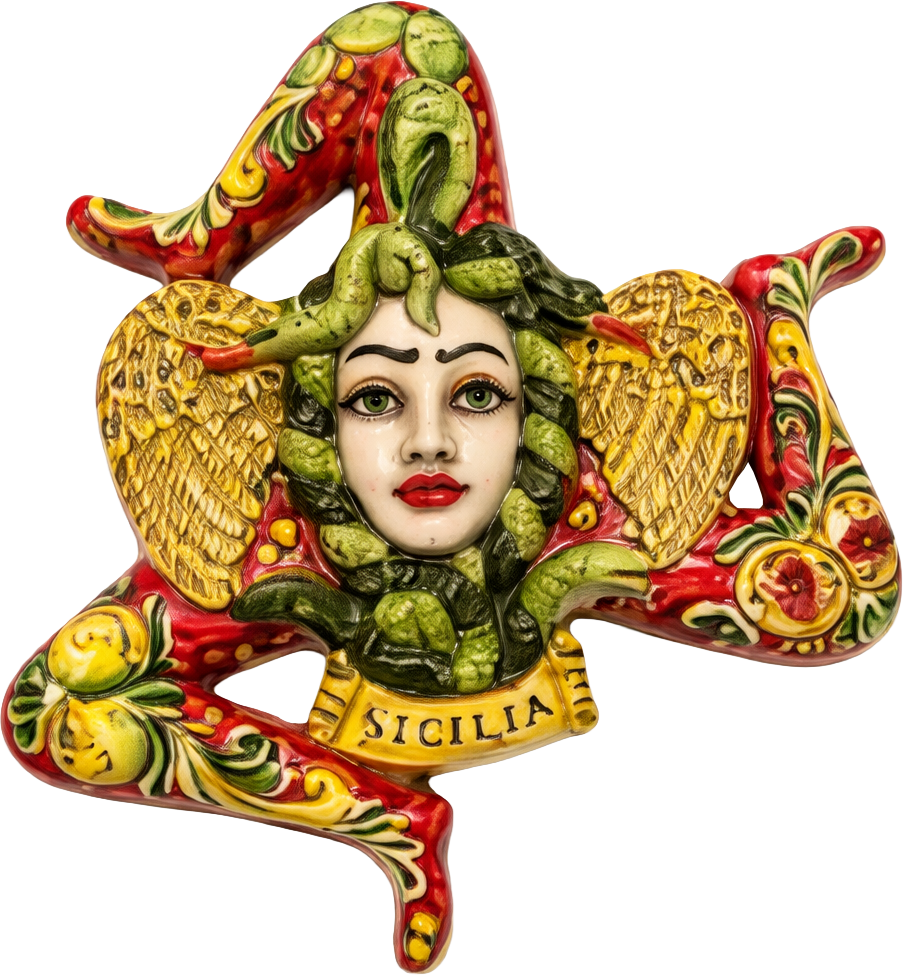


Illustrated History of Sicily

A visual journey through the land, cuisine, people, language, and living traditions of Sicily — the crossroads of civilizations.

Illustrated History of Sicily

A visual journey through the land, cuisine, people, language, and living traditions of Sicily — the crossroads of civilizations.

Age of Arab Rule

827–1091 AD

Palermo became one of the most magnificent cities on earth. Agriculture was revolutionized. Science and learning flourished. Religious tolerance was enacted. And for two centuries, Sicily was one of the brightest lights of the medieval world.

overview

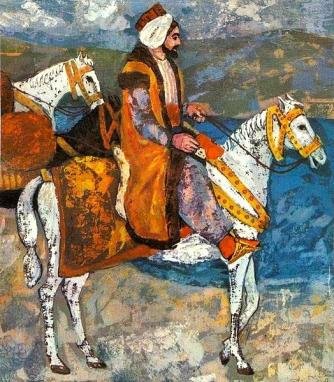
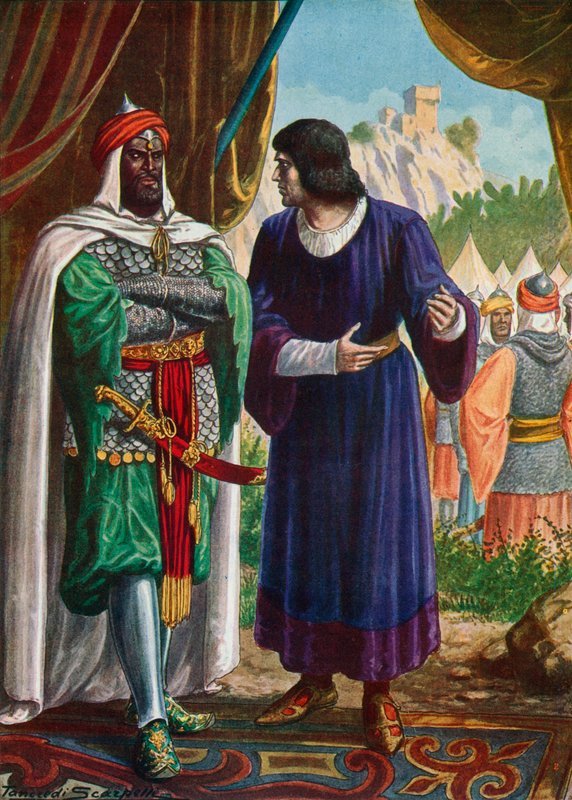
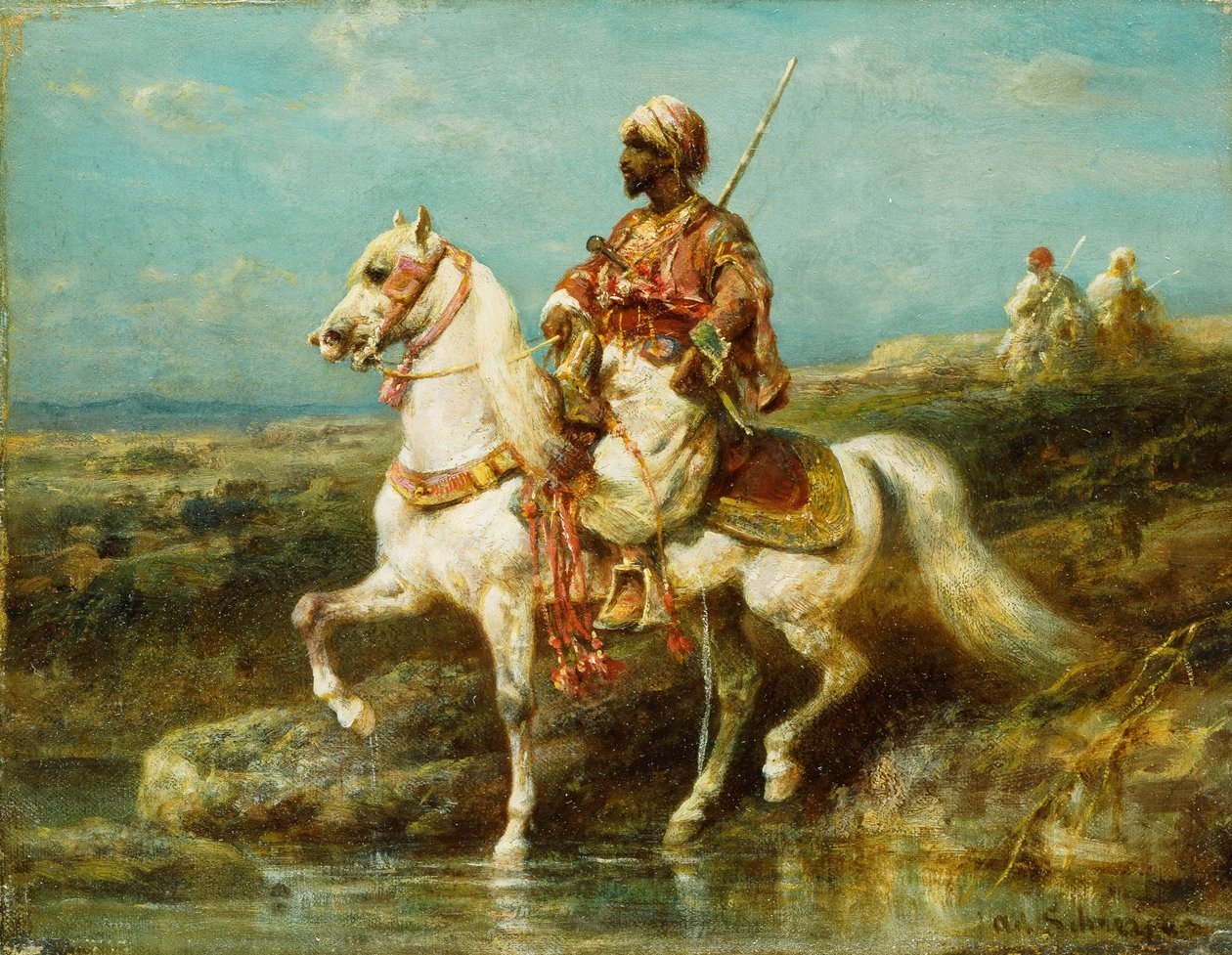
The Arab conquest of Sicily began in 827 AD and took nearly 75 years to complete, culminating with the fall of Syracuse in 878 and Taormina in 902. What emerged was not just occupation but a grand transformation. Under the Aghlabid, Fatimid, and later Kalbid dynasties, Sicily experienced the most comprehensive cultural and economic renewal in its history to that point. The ancient Greek city of Panormus (Palermo), renamed Bal’harm, grew into one of the largest and most sophisticated cities in the world — a metropolis of more than 200,000 people, with hundreds of mosques, palaces, and vast botanical gardens, and developed a reputation for greatness that rivaled the principal Islamic centers of that era, Cordoba and Cairo.

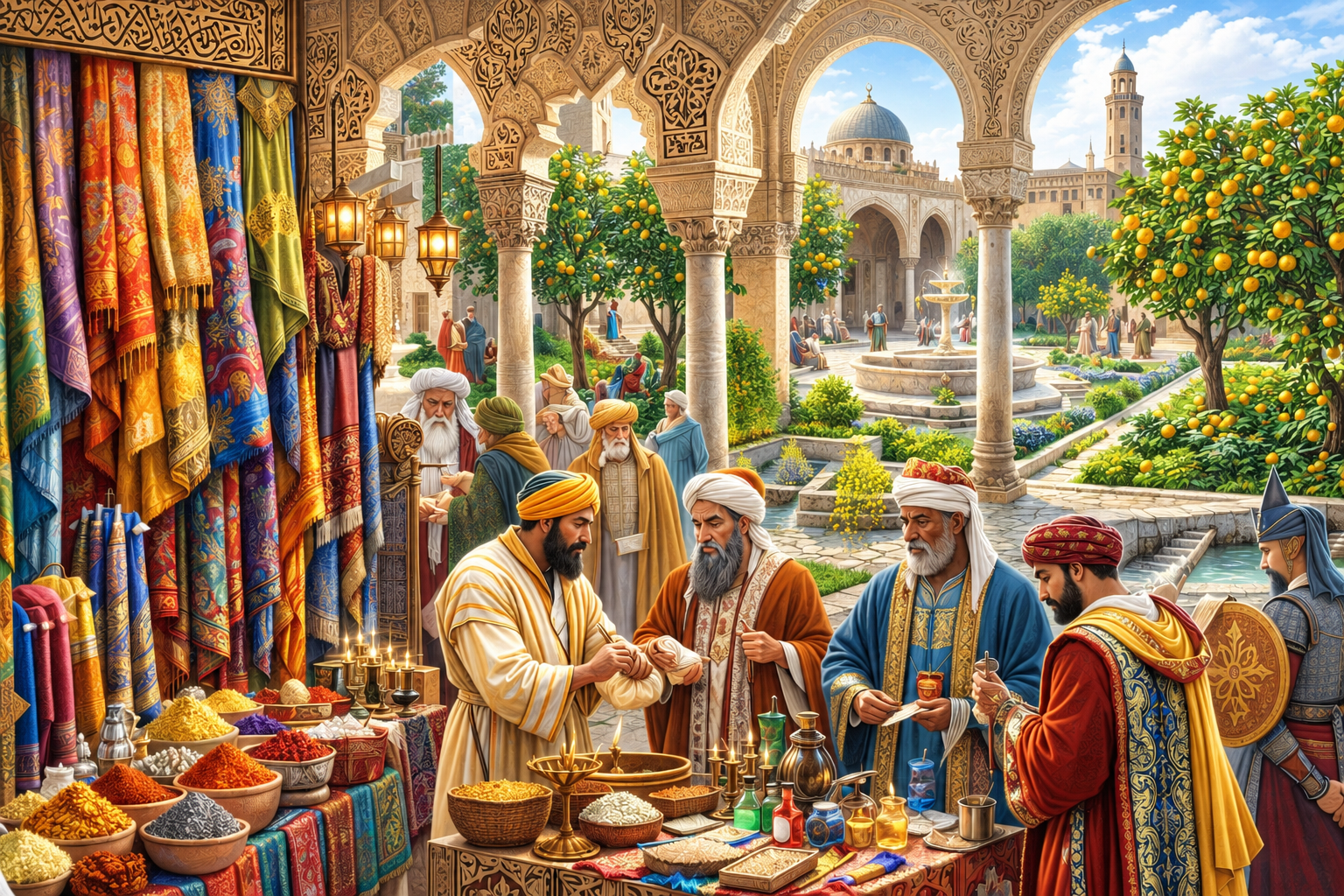
The Arab agricultural revolution in Sicily is perhaps the most lasting legacy of this era. Arab settlers introduced sugar cane, citrus fruits (oranges, lemons, bitter oranges), rice, cotton, date palms, pistachios, sumac, and a sophisticated irrigation system that transformed the productivity of Sicilian land. Many of these crops — along with their Arabic names — are still central to Sicilian agriculture and cuisine today.

Culturally, Arab Sicily was a society of remarkable tolerance. Christians and Jews continued to freely practice their faiths under Muslim rule, with protections codified under Islamic law. Greeks, Latins , Muslims, and Jews peacefully coexisted in Palermo’s streets. Scientific and scholarly exchange flourished within Sicily as works of Arab geography, astronomy, and medicine were translated and transmitted across the Mediterranean. The later Norman kings would preserve and expand  this brilliant multicultural foundation of Sicily, created during Arab rule.
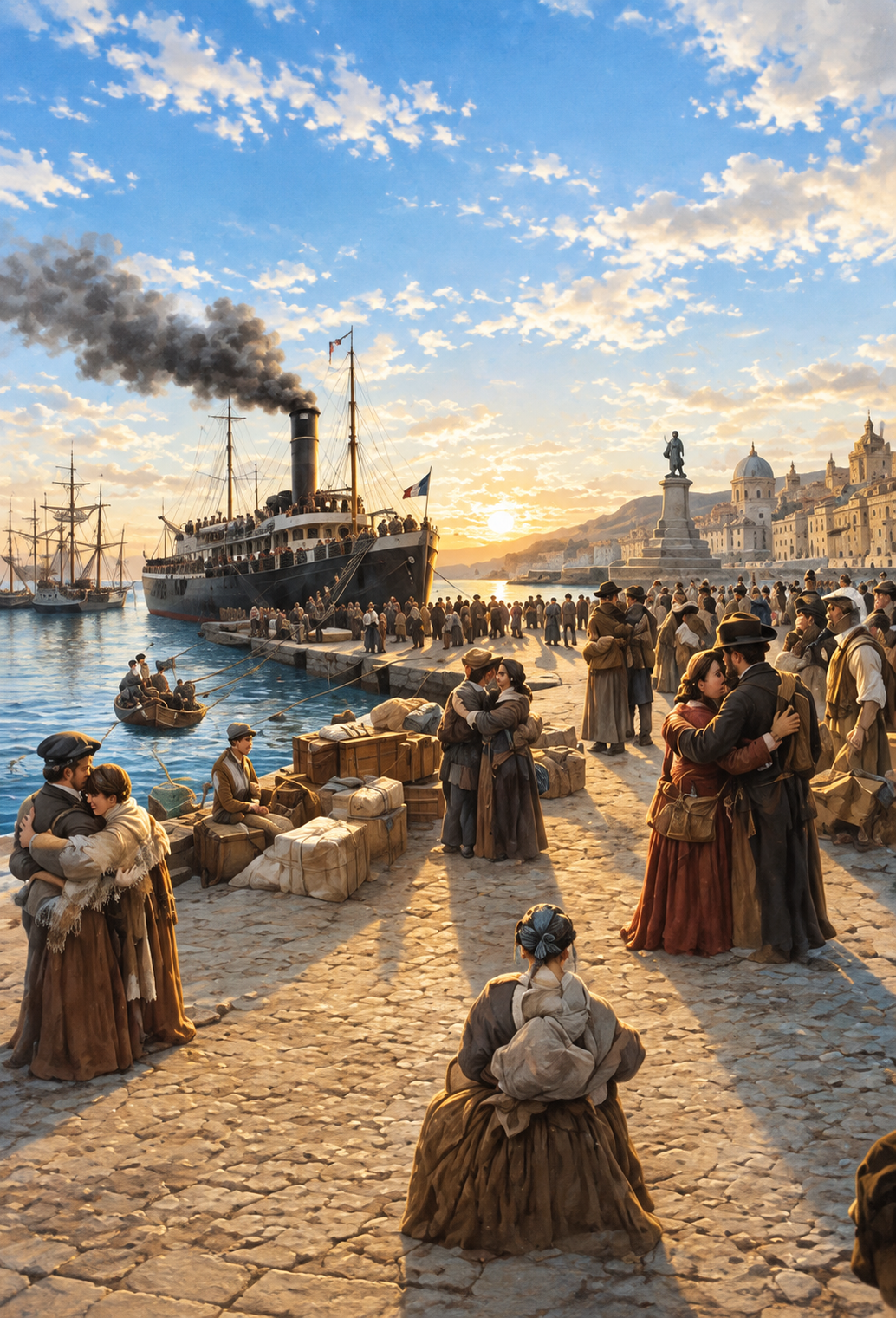
On May 11, 1860, a 53-year-old revolutionary named Giuseppe Garibaldi

At the conclusion of the War of Spanish Succession in

After the Revolt of the Sicilian Vespers drove the French

When the last Norman king died in 1189 without a

The Norman conquest of Sicily was one of the most

KEY CHAPTERS IN THE BOOK

Rebirth Under Arab Rule

Rebirth Under Arab Rule

The Arab conquest of Sicily began in 827 AD when an Aghlabid army from Ifriqiya (modern Tunisia) landed at Mazara in the southwestern part of the island. What followed was a 75-year campaign of conquest that ended with the fall of Taormina in 902 AD. During these decades, Arab rule gradually replaced Byzantine rule across […]

Read More
827 AD
924 AD
947 AD
1020 AD
1091 AD

ENDURING LEGACY

The Arab imprint on Sicily is everywhere once you know how to look. In the curved domes and honeycomb wooden muqarnas ceilings of Norman-era buildings (built by Arab craftsmen for Christian kings). In the hundreds of Arabic-origin place names across the island. In the Sicilian language itself, which contains hundreds of Arabic words. In the cuisine. In the citrus groves of Palermo and the rice paddies of the south. Even the word “mafia” itself likely derives from a Sicilian Arabic root. While Muslim rule was relatively short, less than 200 years, Arab Sicily was a formative and foundational era in the development of the Sicilian identity and culture.