

Illustrated History of Sicily

A visual journey through the land, cuisine, people, language, and living traditions of Sicily — the crossroads of civilizations.

Illustrated History of Sicily

A visual journey through the land, cuisine, people, language, and living traditions of Sicily — the crossroads of civilizations.

Late Baroque Towns of Val di Noto

---Inscribed 2002

Why It Matters

Eight cities in southeastern Sicily, all rebuilt after the catastrophic earthquake of 1693, forming the greatest coordinated Baroque architectural ensemble in Europe.

Introduction

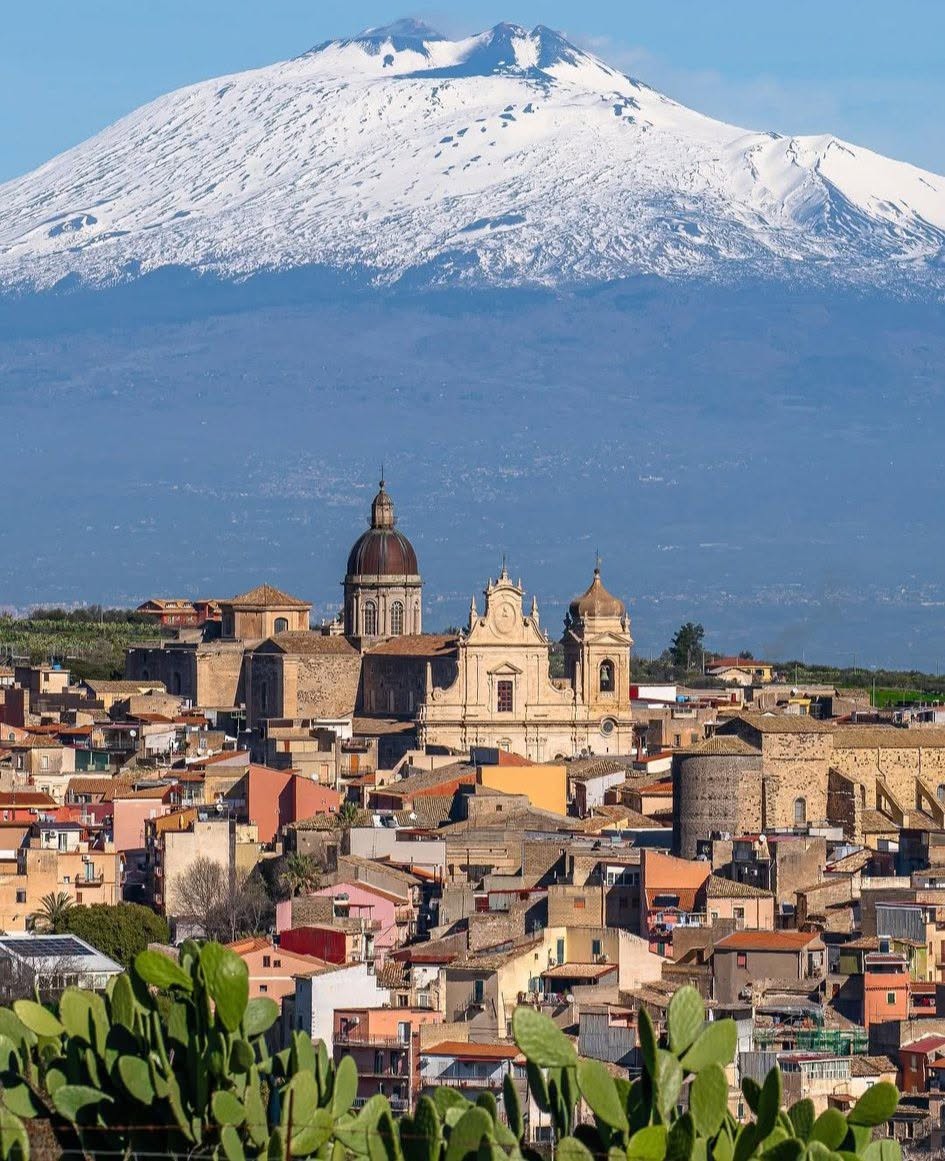
Following the catastrophic earthquake of 1693, the entire southeast region of Sicily was largely destroyed. Over the following decades the principal cities and towns of the region were completely redesigned and rebuilt in the opulent architectural style of the Late Baroque movement, so prevalent in early 18th century Europe. The grand scale of the architecture, urban planning and decoration of the palaces and churches of this region constitute one of the last major development periods of the flourishing Baroque movement within Europe. As a result, this region of southeast Sicily was declared a UNESCO World Heritage Site in 2002 in recognition of the extensive concentration of well-preserved historical Baroque art and architecture in the reconstructed towns of Caltagirone, Militello in Val di Catania, Catania, Modica, Noto, Palazzolo Acreide, Ragusa, and Scicli.

Towns of Val di Noto

Noto

[unesco_gallery_images]
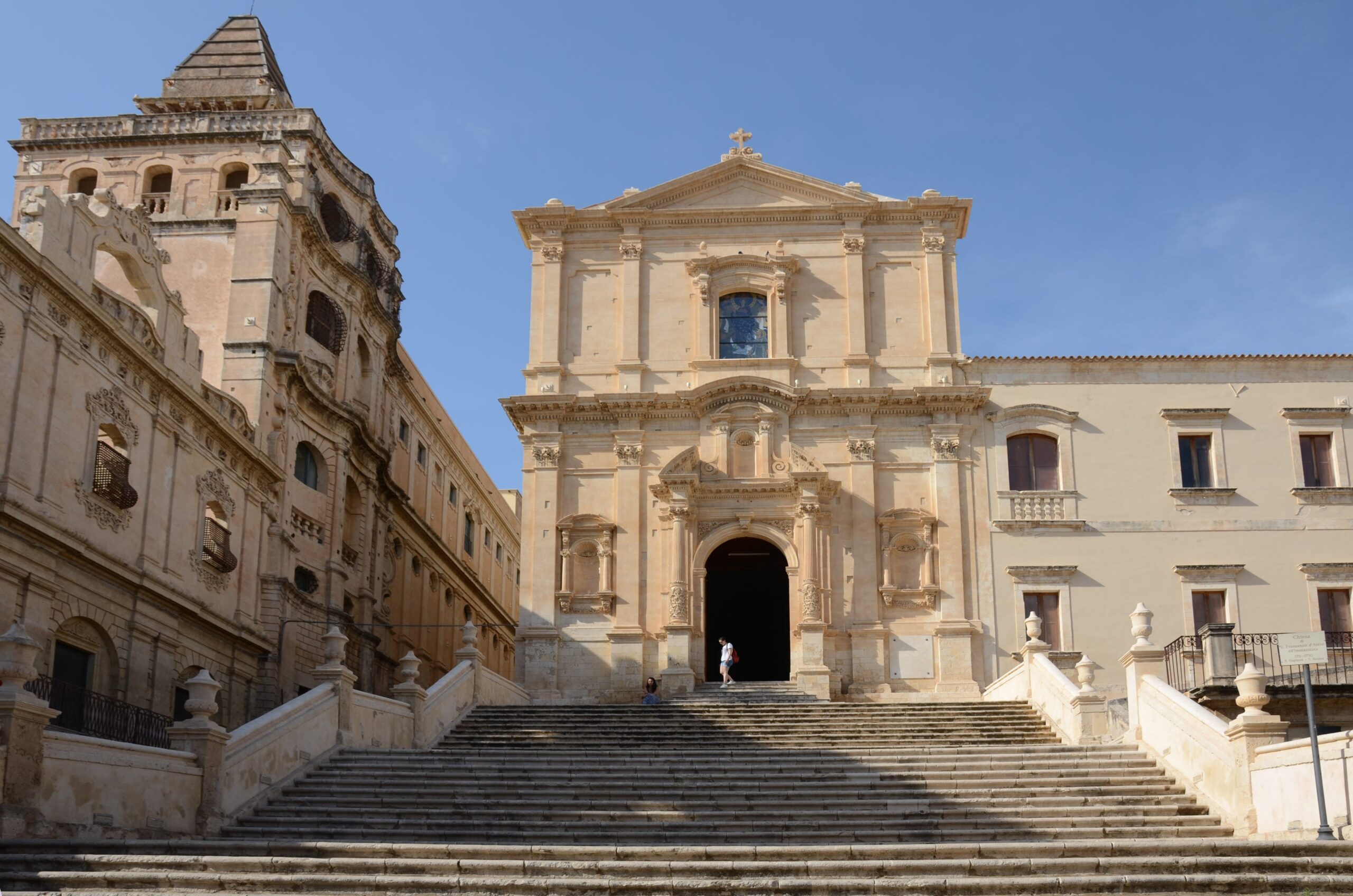
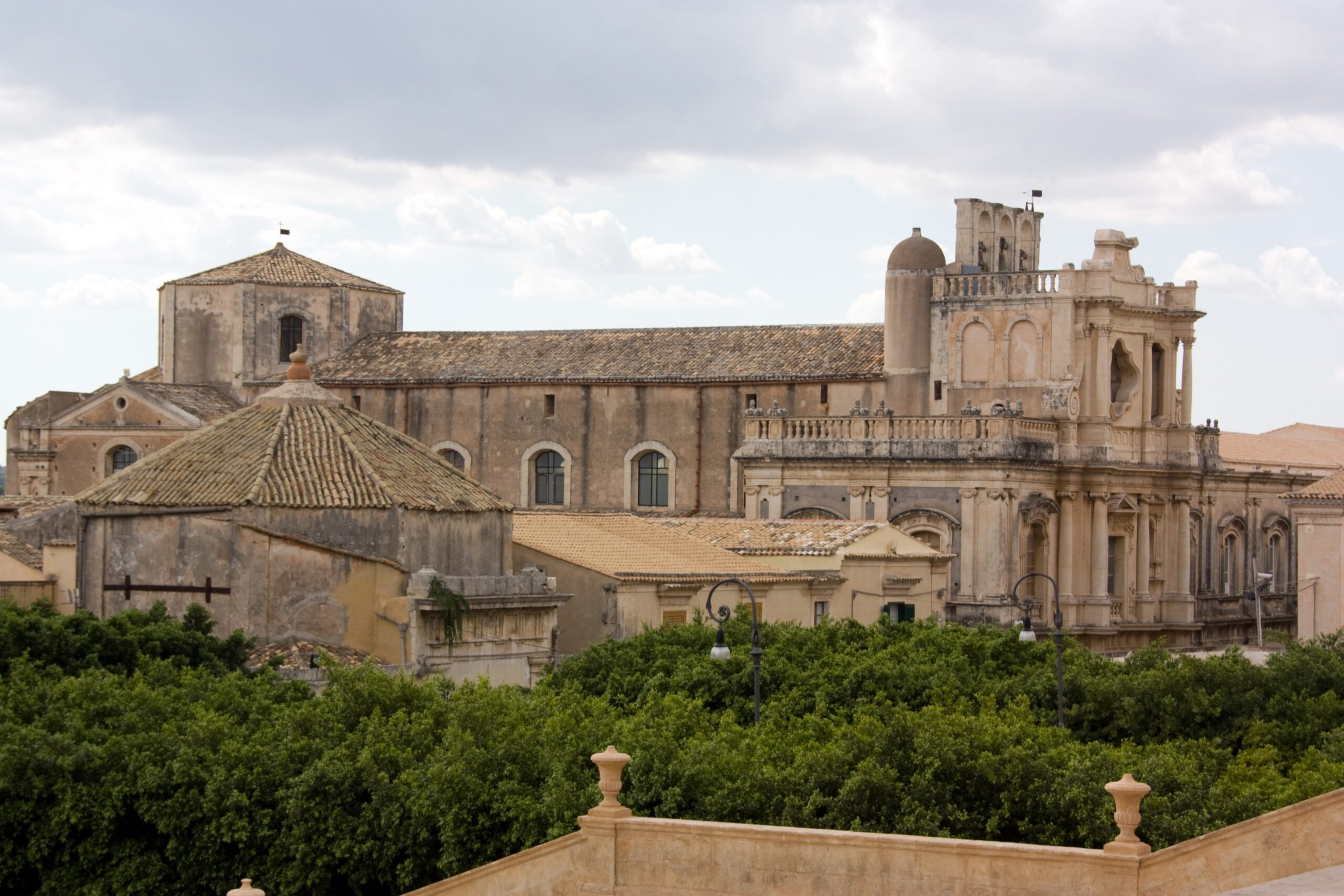
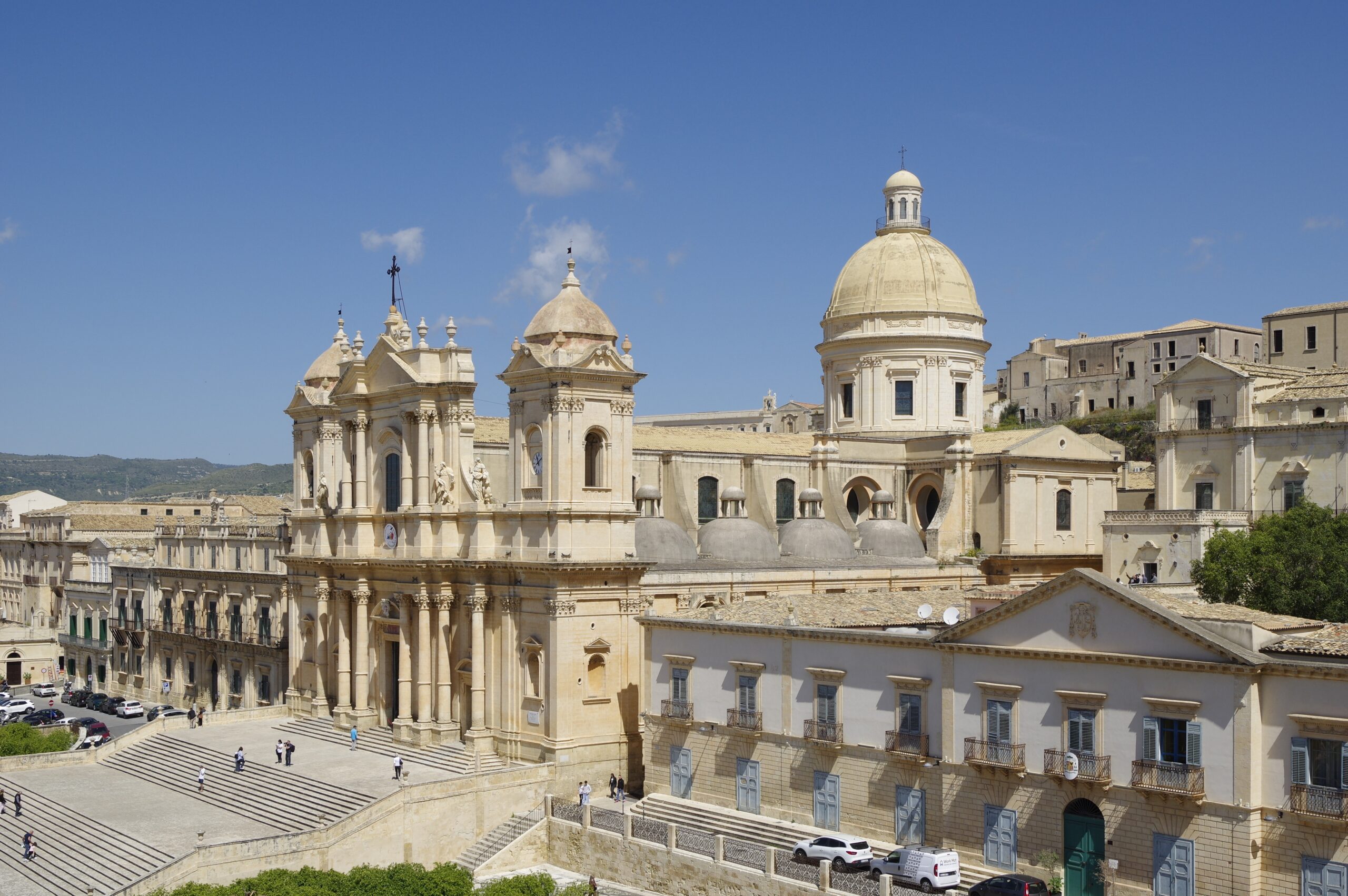
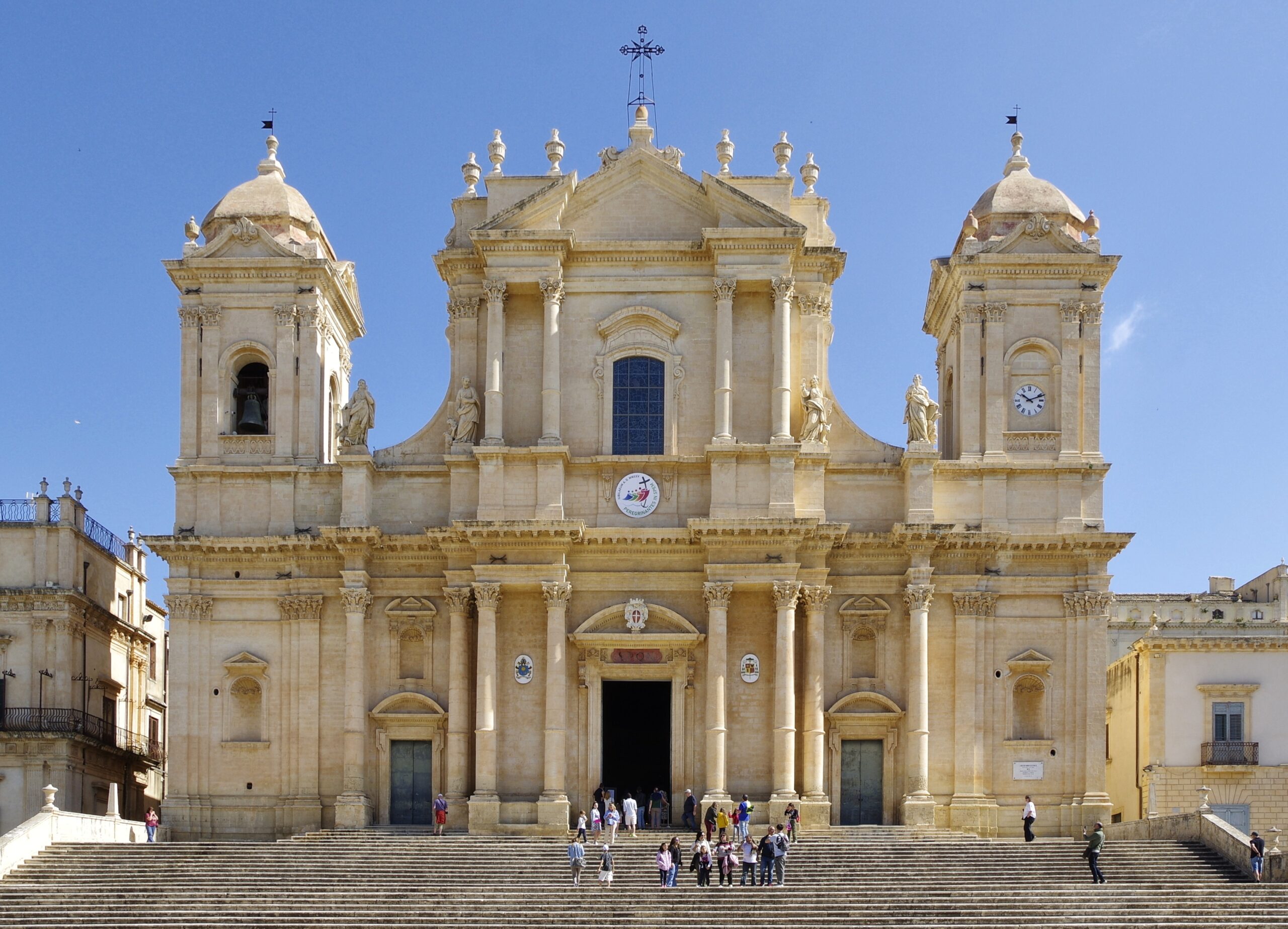
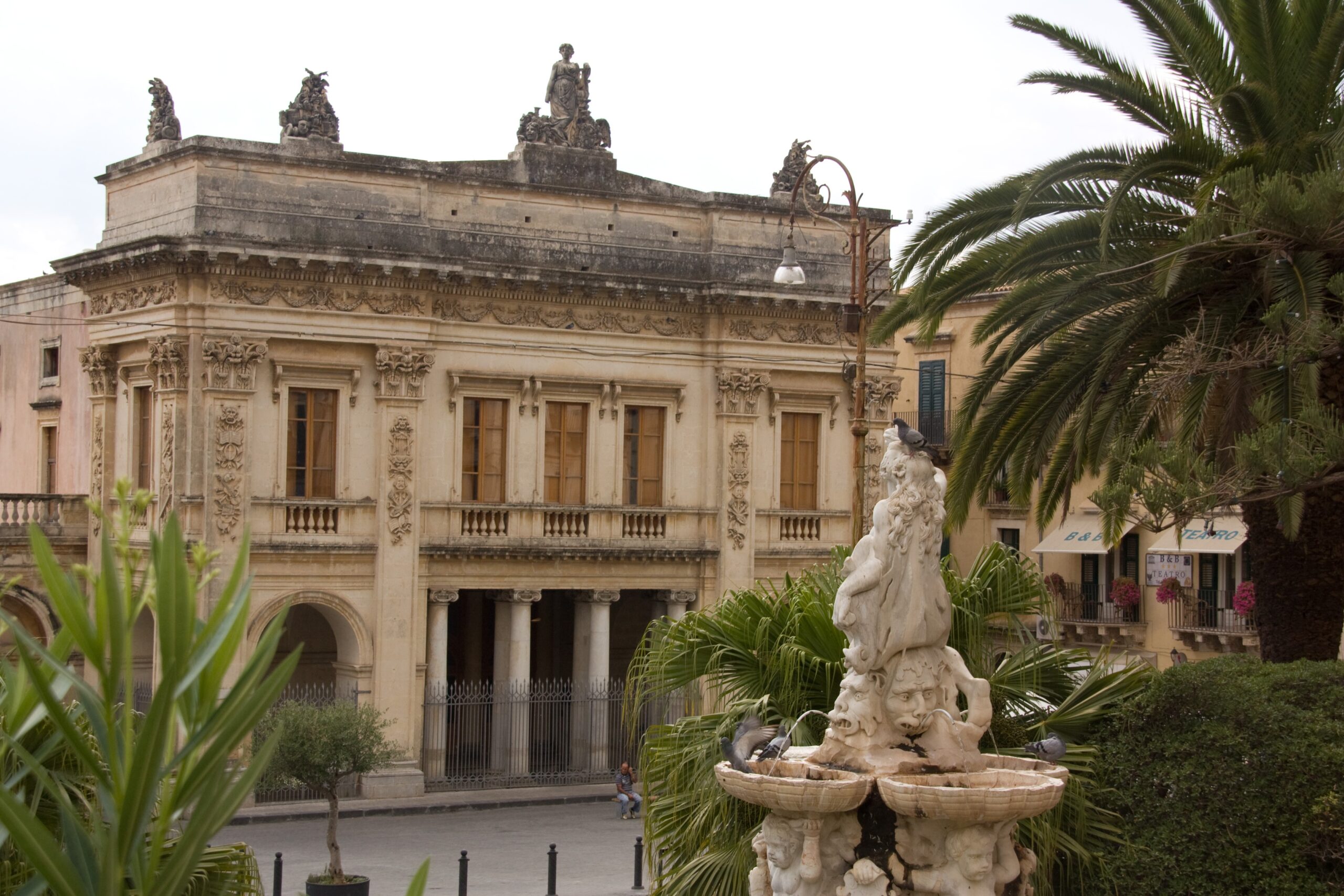
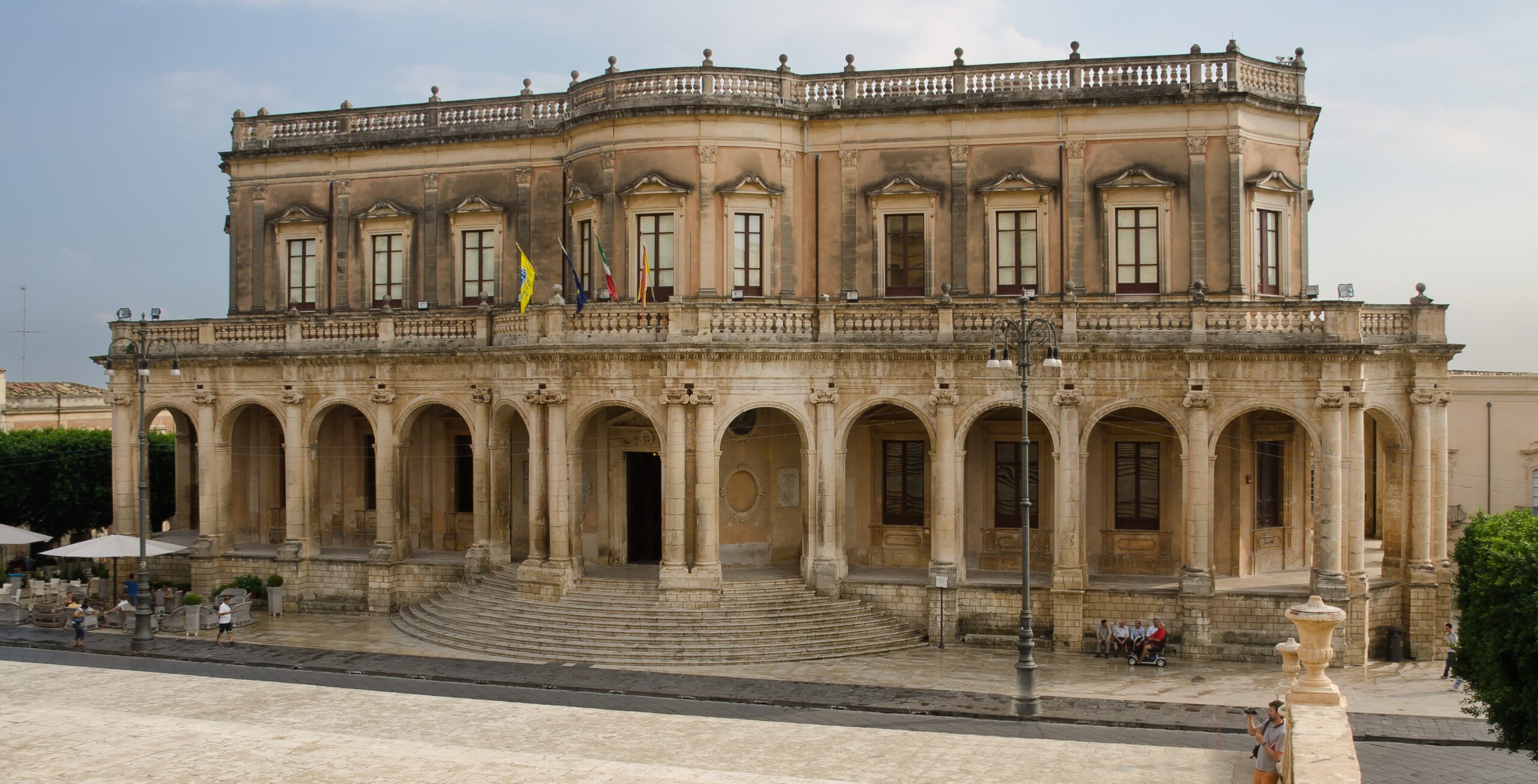
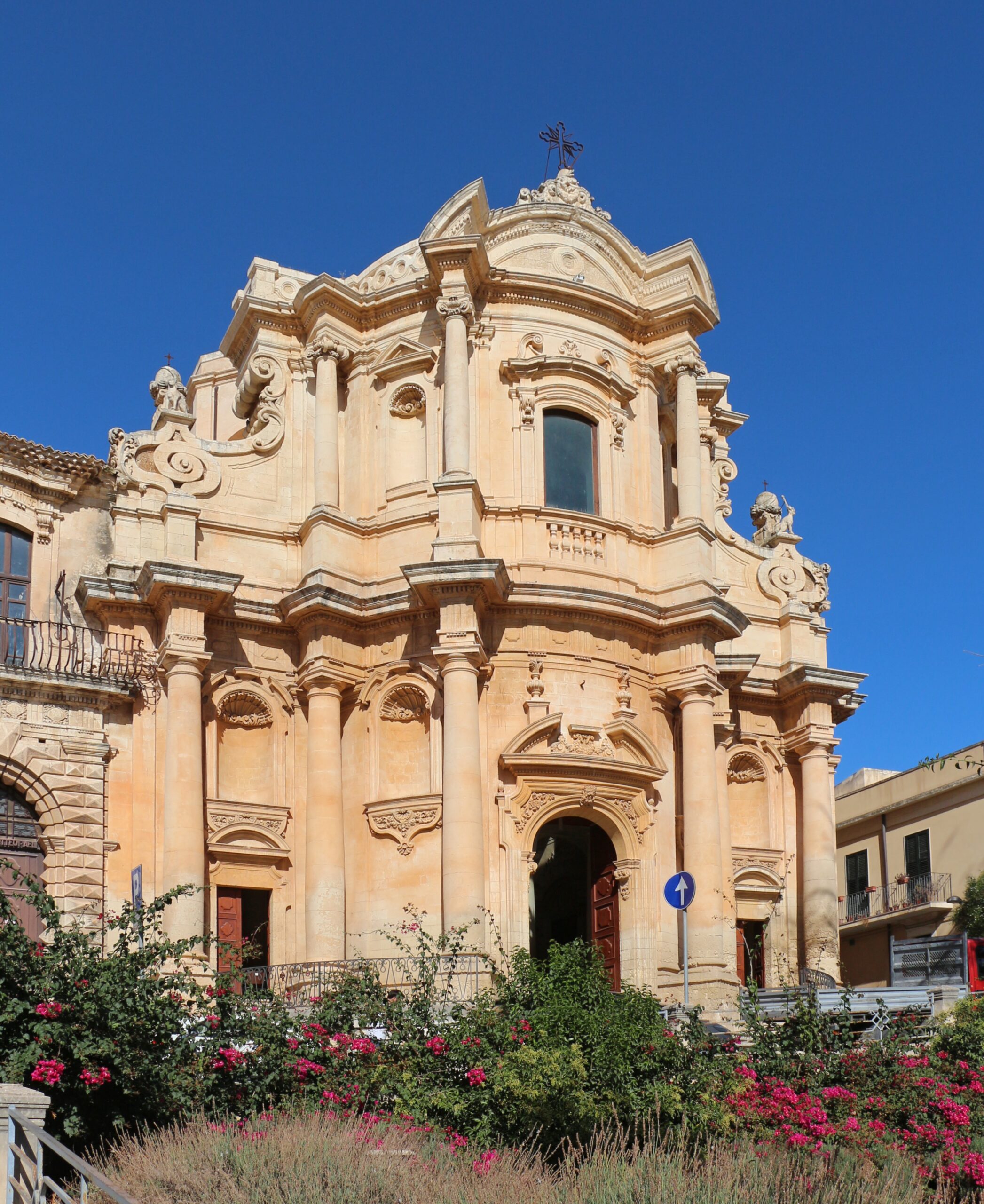
The capital of the Baroque. Noto was completely destroyed in 1693 and rebuilt on a new site several kilometers from the old location. Its Via Vittorio Emanuele III runs through the town like a sculptural gallery — the Church of San Domenico, the Cathedral of San Nicolò, the Town Hall (Palazzo Ducezio), the Church of San Francesco all'Immacolata, and countless Baroque palaces with exuberantly carved balconies. In late May, the Infiorata di Noto covers Via Nicolaci with elaborate flower petal mosaics — one of the most beautiful festivals in Sicily.

Ragusa (Ragusa Ibla)

[unesco_gallery_images]
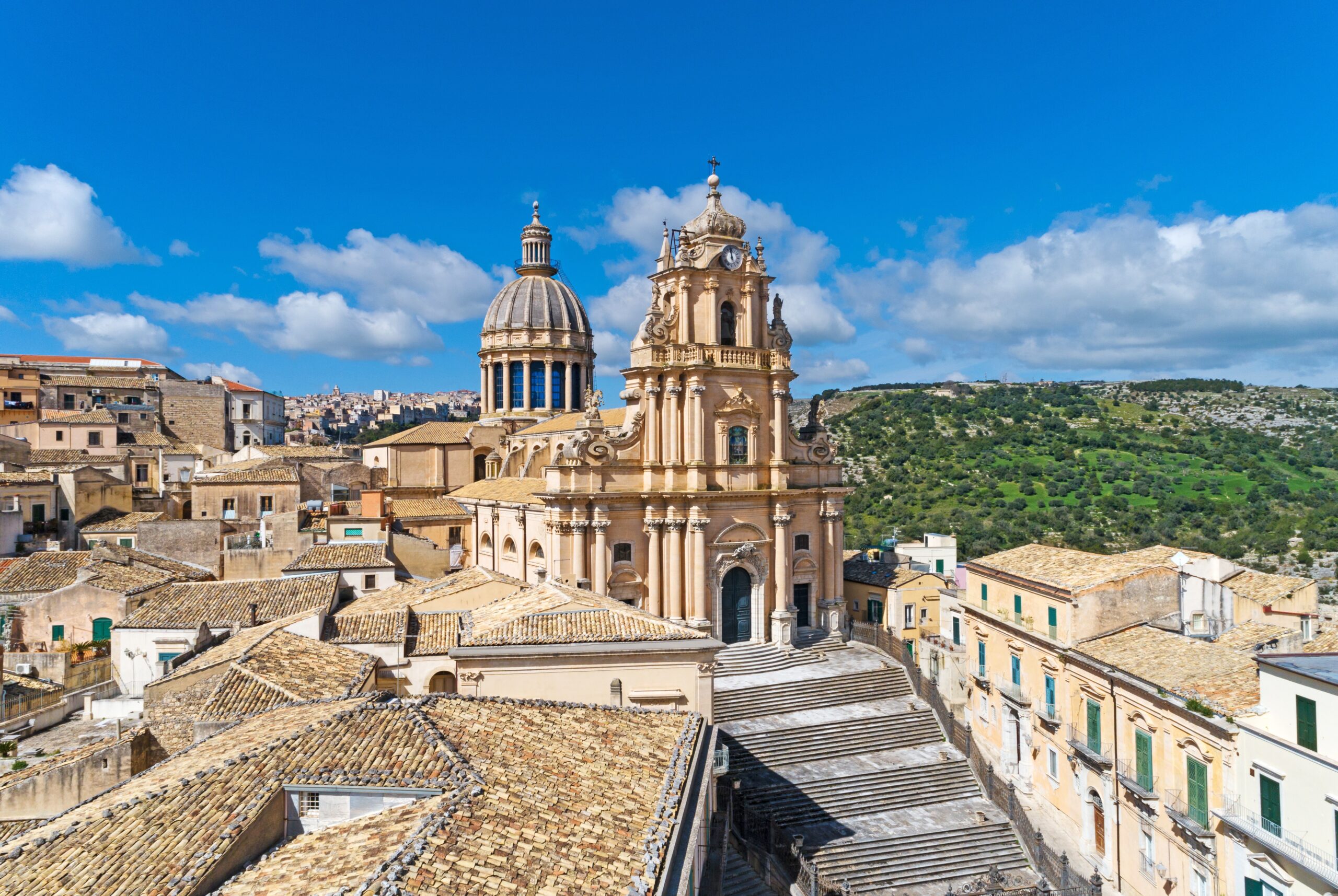
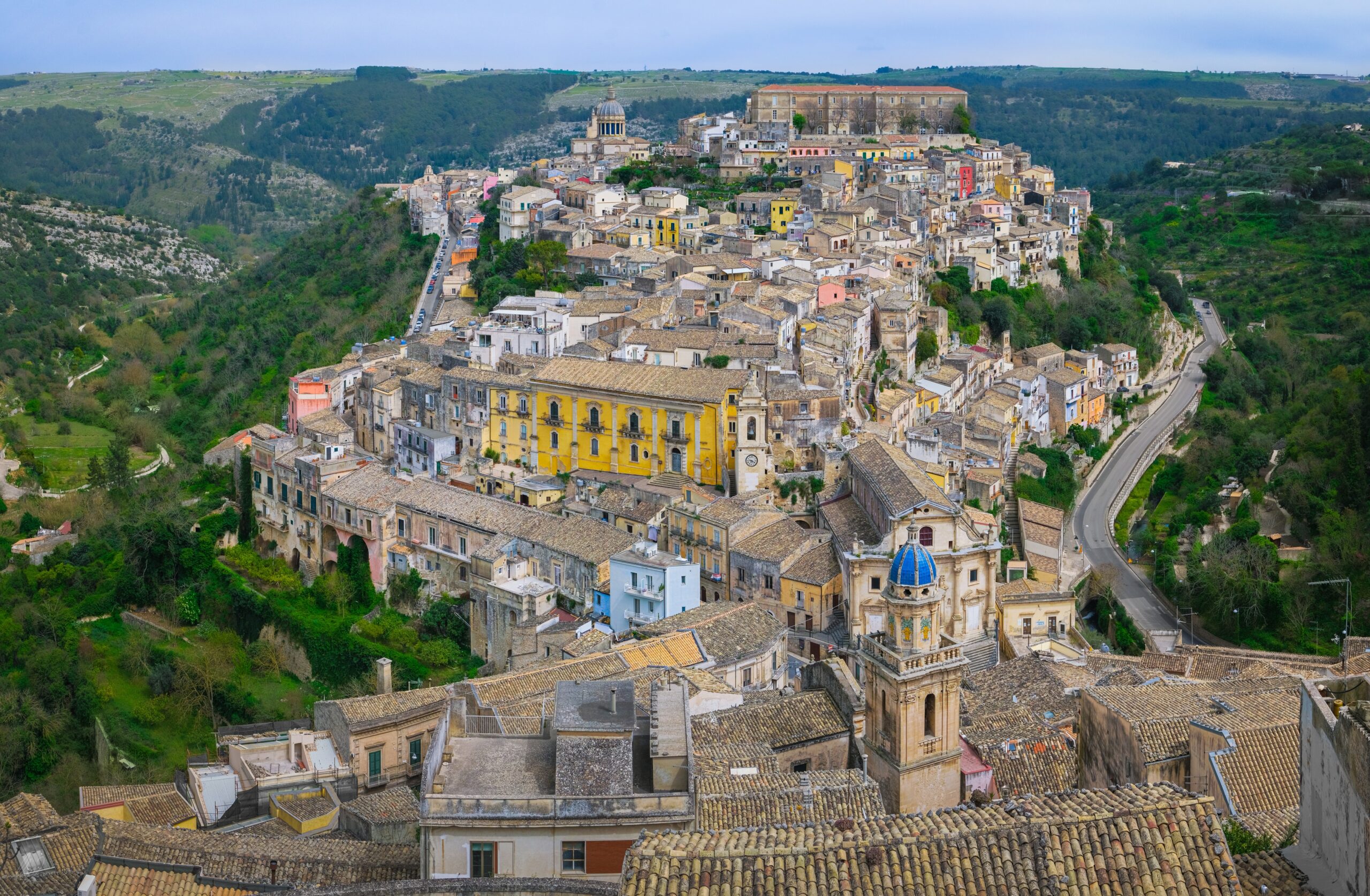
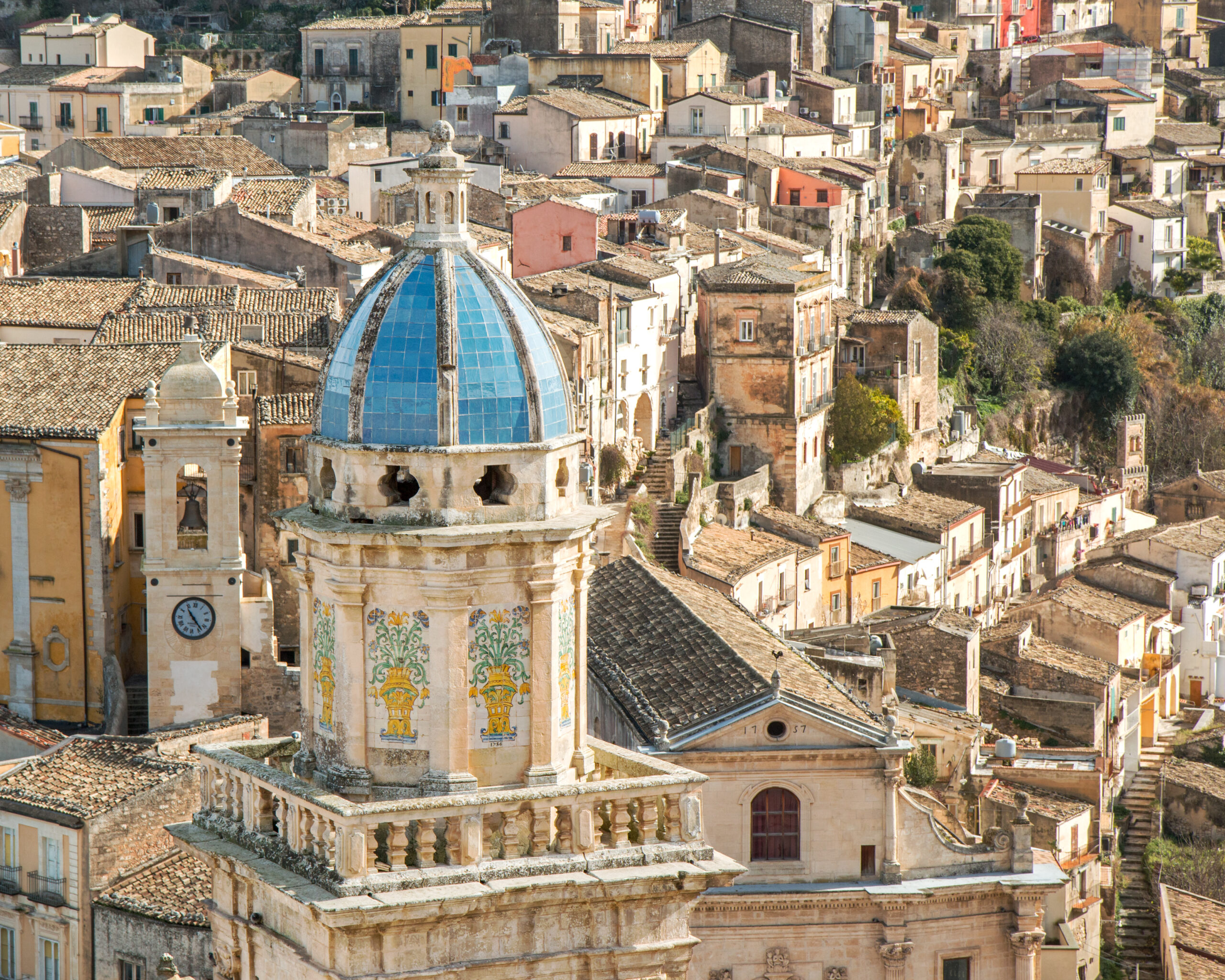
Ragusa is actually two cities in one: upper Ragusa (rebuilt on a grid plan on high ground after 1693) and the older Ragusa Ibla (rebuilt on its original site, preserving the medieval street layout under new Baroque facades). Ragusa Ibla, in particular, is one of the most photographed towns in Sicily — a maze of narrow streets spilling down a hillside, crowned by the Duomo di San Giorgio with its spectacular Baroque facade.

Modica

[unesco_gallery_images]
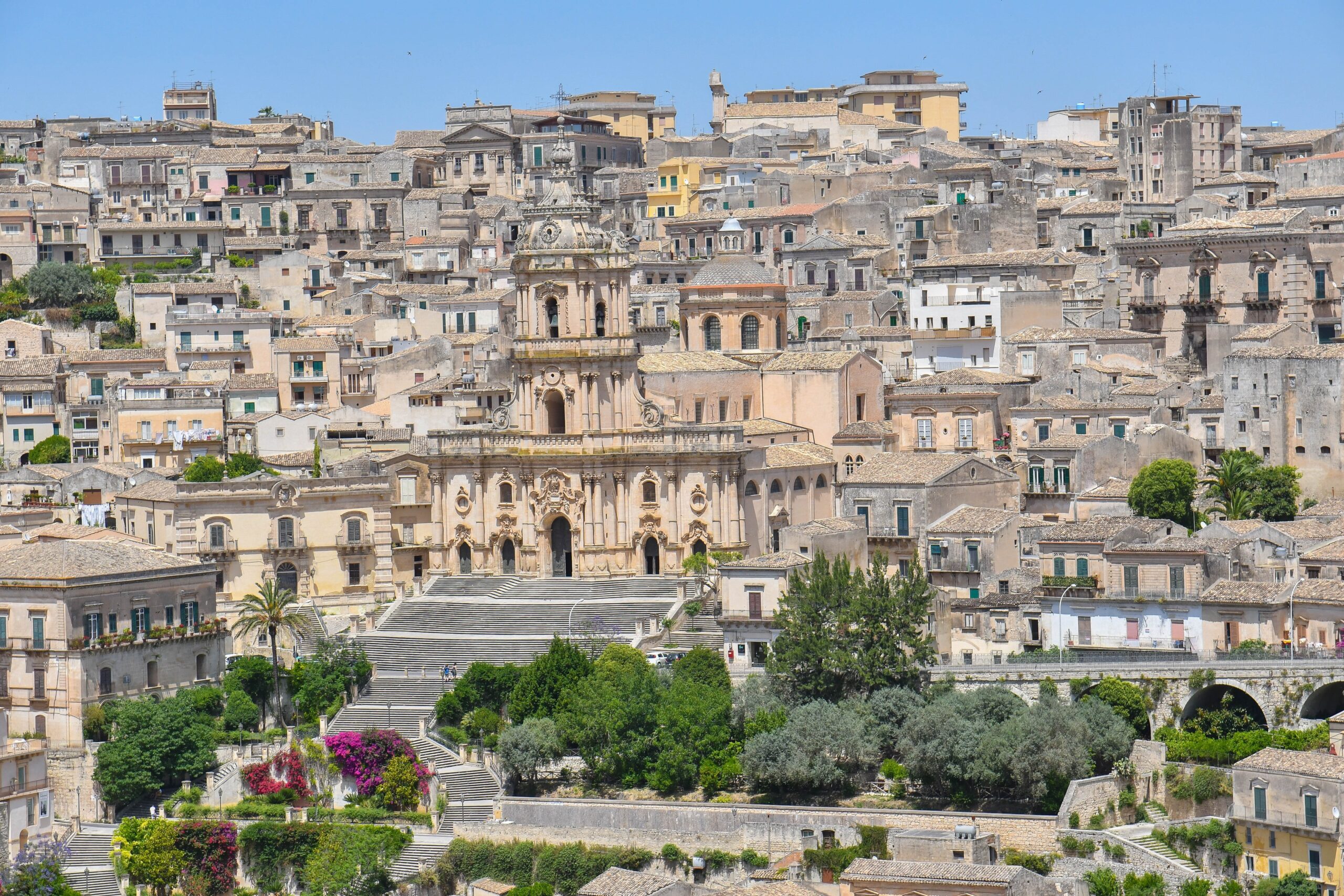
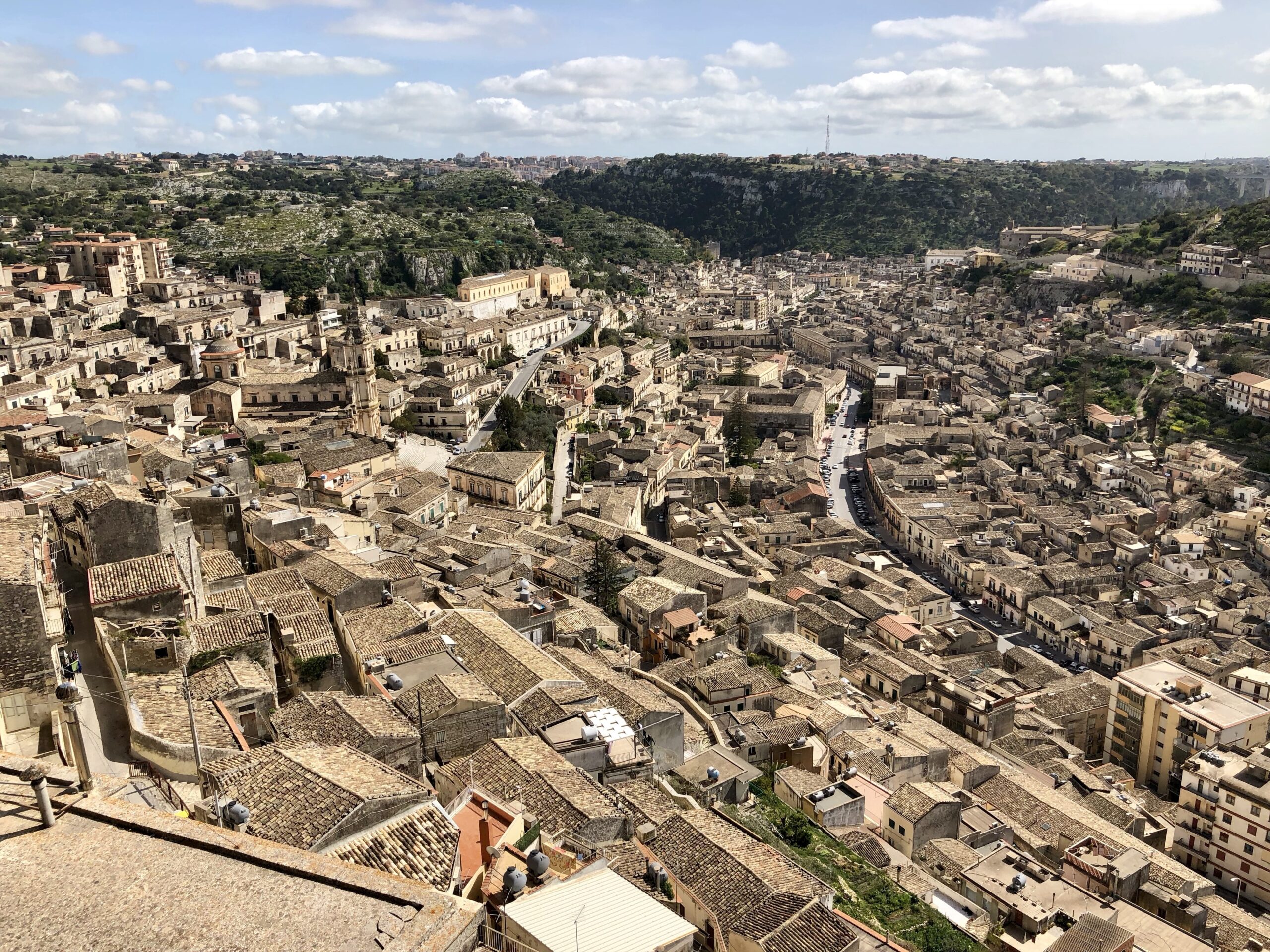
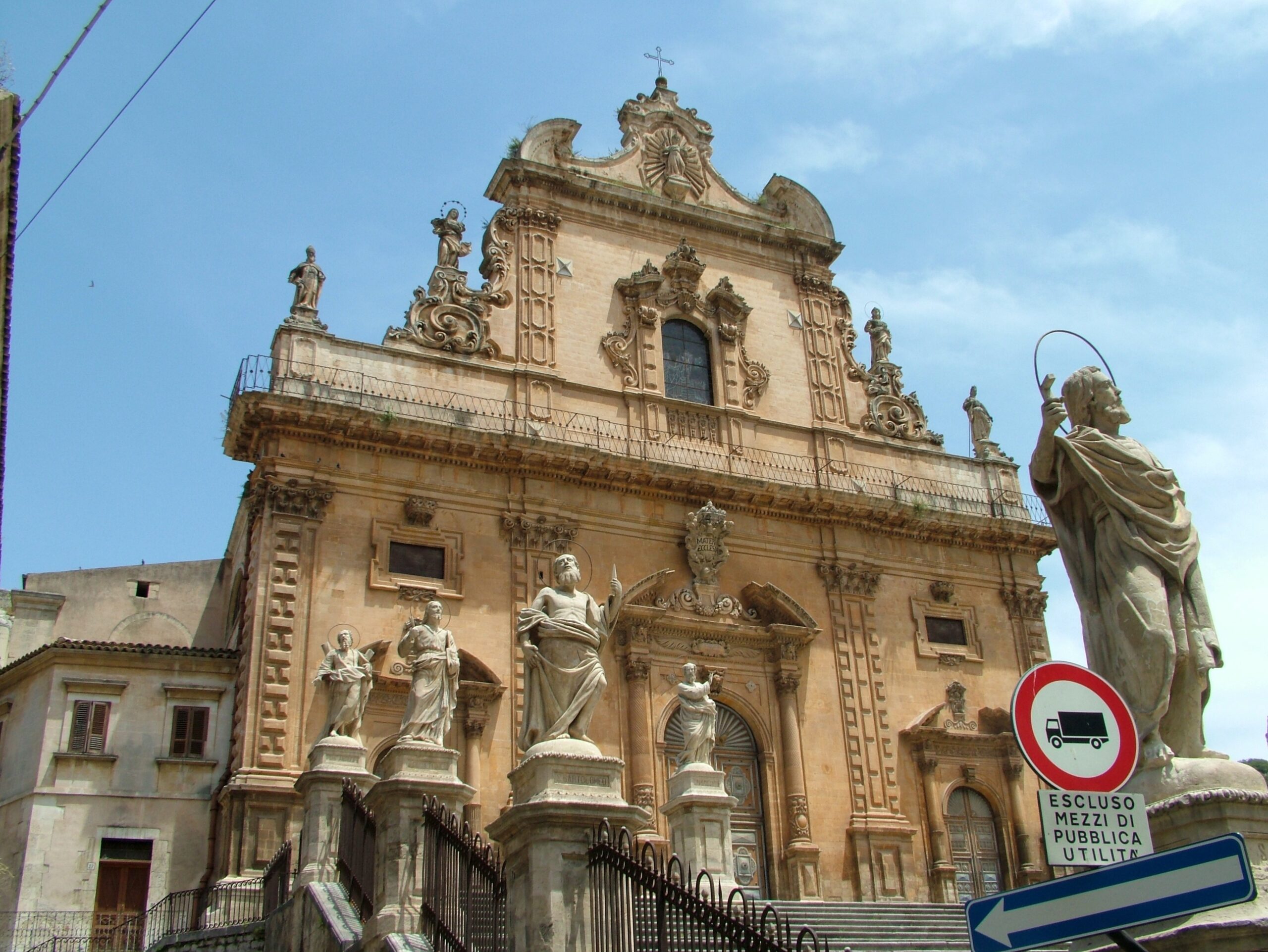
Modica spills down two deep ravines that meet at the town center. Its signature monument is the Church of San Giorgio, whose monumental staircase of 250 steps is the theatrical culmination of the town. Modica is also famous for its chocolate, which is made using a cold Aztec method that produces a distinctively grainy texture — a tradition brought to Modica by its Spanish rulers in the 16th century.

Scicli

[unesco_gallery_images]
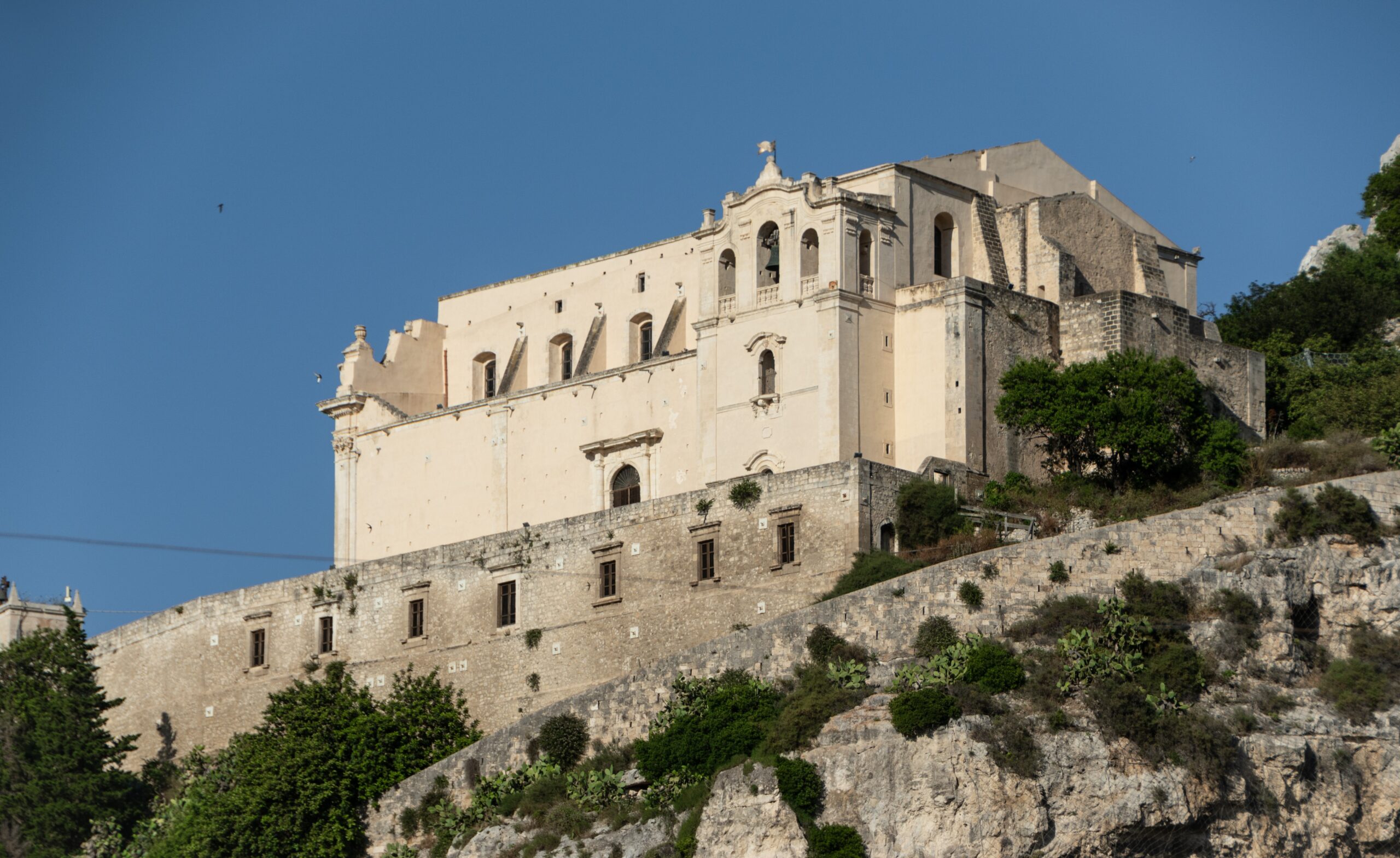
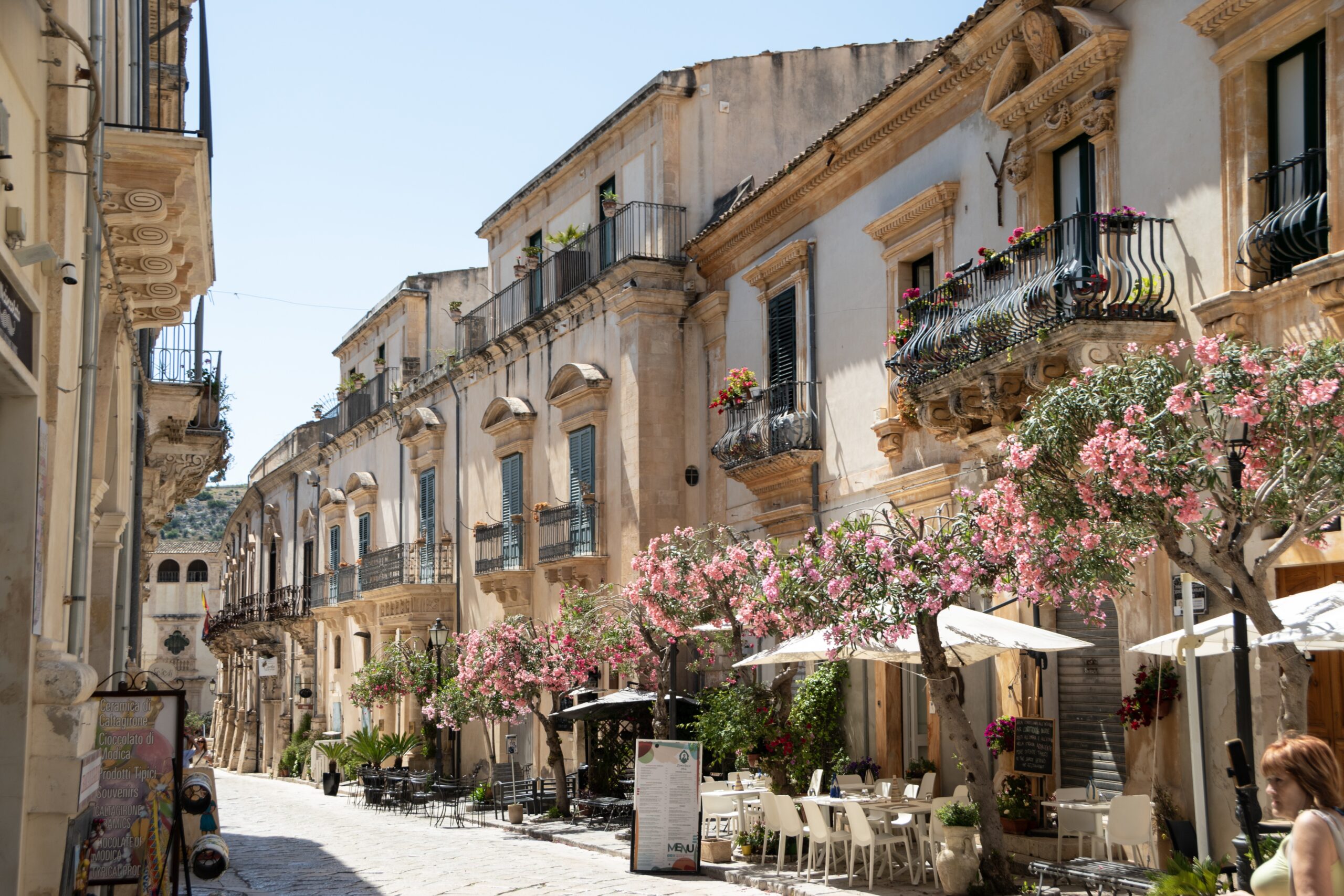
Smaller and less visited than its neighbors, Scicli may be the most intact Baroque town of all. Its three connecting piazzas form one of the most perfect civic spaces in Italy. The town appears frequently in the Italian television adaptation of the Inspector Montalbano novels.

Other Val di Noto Towns

[unesco_gallery_images]
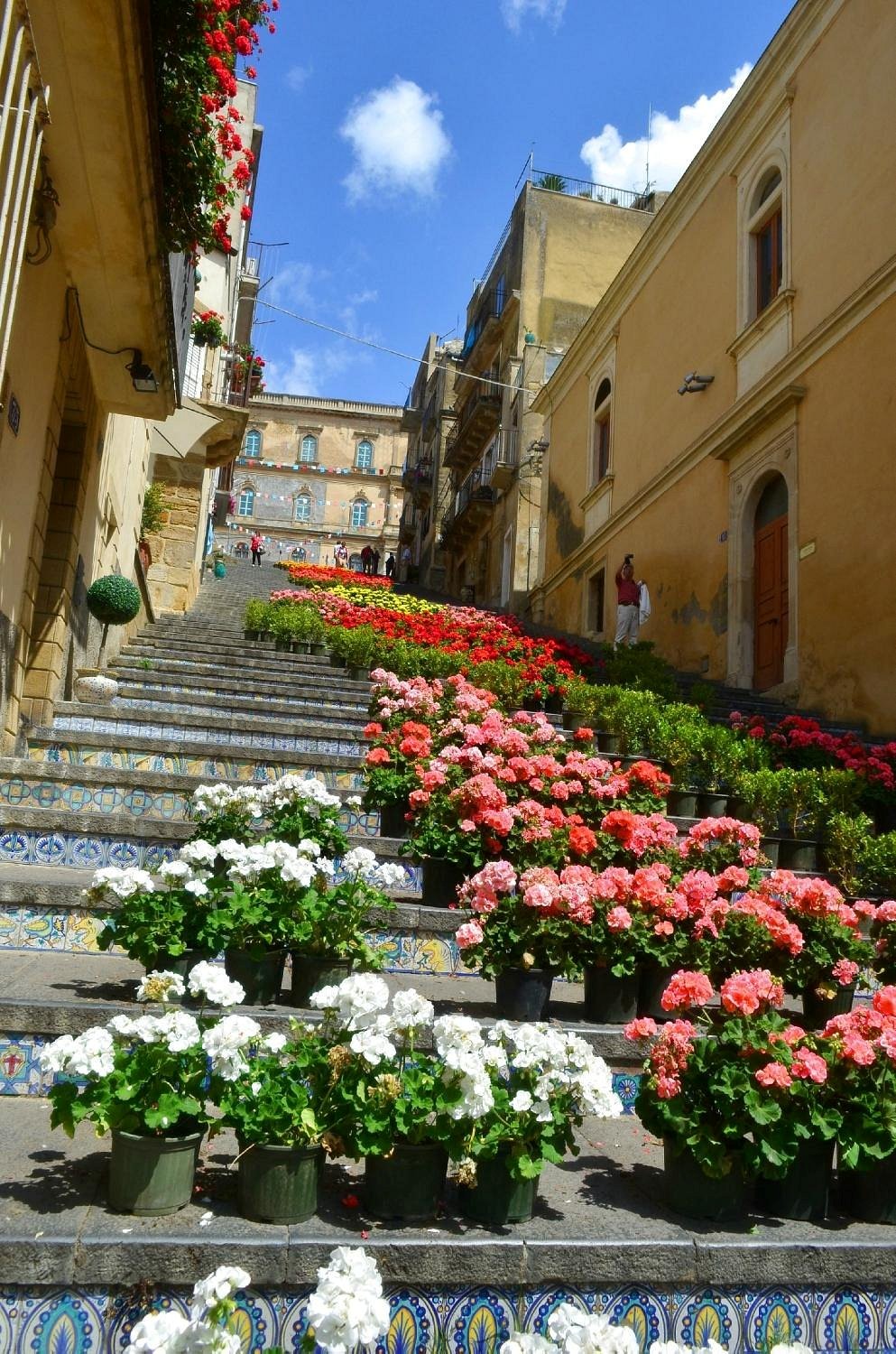
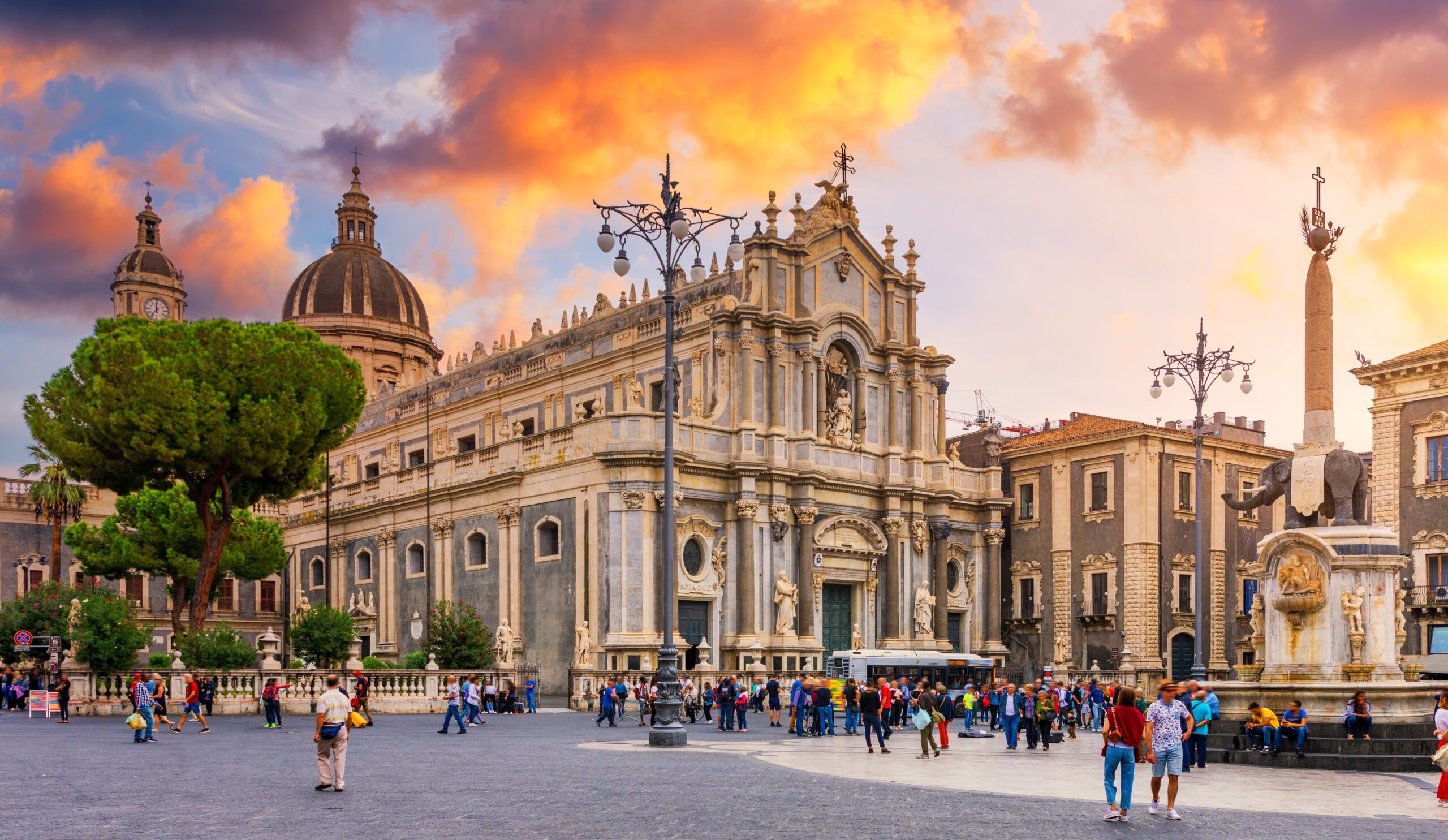
Catania (city rebuilt in Baroque style after eruption of Mount Etna in 1669 and the 1693 earthquake) Caltagirone (famous for its ceramics and the Scalinata di Santa Maria del Monte, a 142-step staircase with majolica-tiled risers) Militello in Val di Catania Palazzolo Acreide (built on the site of the ancient Greek city of Akrai)

Noto

The capital of the Baroque. Noto was completely destroyed in 1693 and rebuilt on a new site several kilometers from the old location. Its Via Vittorio Emanuele III runs through the town like a sculptural gallery — the Church of San Domenico, the Cathedral of San Nicolò, the Town Hall (Palazzo Ducezio), the Church of San Francesco all'Immacolata, and countless Baroque palaces with exuberantly carved balconies. In late May, the Infiorata di Noto covers Via Nicolaci with elaborate flower petal mosaics — one of the most beautiful festivals in Sicily.

Ragusa (Ragusa Ibla)

Ragusa is actually two cities in one: upper Ragusa (rebuilt on a grid plan on high ground after 1693) and the older Ragusa Ibla (rebuilt on its original site, preserving the medieval street layout under new Baroque facades). Ragusa Ibla, in particular, is one of the most photographed towns in Sicily — a maze of narrow streets spilling down a hillside, crowned by the Duomo di San Giorgio with its spectacular Baroque facade.

Modica

Modica spills down two deep ravines that meet at the town center. Its signature monument is the Church of San Giorgio, whose monumental staircase of 250 steps is the theatrical culmination of the town. Modica is also famous for its chocolate, which is made using a cold Aztec method that produces a distinctively grainy texture — a tradition brought to Modica by its Spanish rulers in the 16th century.

Scicli

Smaller and less visited than its neighbors, Scicli may be the most intact Baroque town of all. Its three connecting piazzas form one of the most perfect civic spaces in Italy. The town appears frequently in the Italian television adaptation of the Inspector Montalbano novels.

Other Val di Noto Towns

Catania (city rebuilt in Baroque style after eruption of Mount Etna in 1669 and the 1693 earthquake) Caltagirone (famous for its ceramics and the Scalinata di Santa Maria del Monte, a 142-step staircase with majolica-tiled risers) Militello in Val di Catania Palazzolo Acreide (built on the site of the ancient Greek city of Akrai)

Planning Your Visit

Plan at least three days to visit the Val di Noto properly. A week is better. The towns are clustered in southeastern Sicily, mostly within an hour’s drive of each other, but each deserves substantial time. Base yourself in one of the main towns (Noto, Modica, or Ragusa Ibla all have excellent small hotels in beautifully restored Baroque palazzi) and make day trips to the others. Combine with visits to Syracuse (the seventh UNESCO site, nearby) for a complete southeast Sicily experience.

Practical visitor information

Interactive Location

Related Chapters

Submission to Spanish Rule

Submission to Spanish Rule

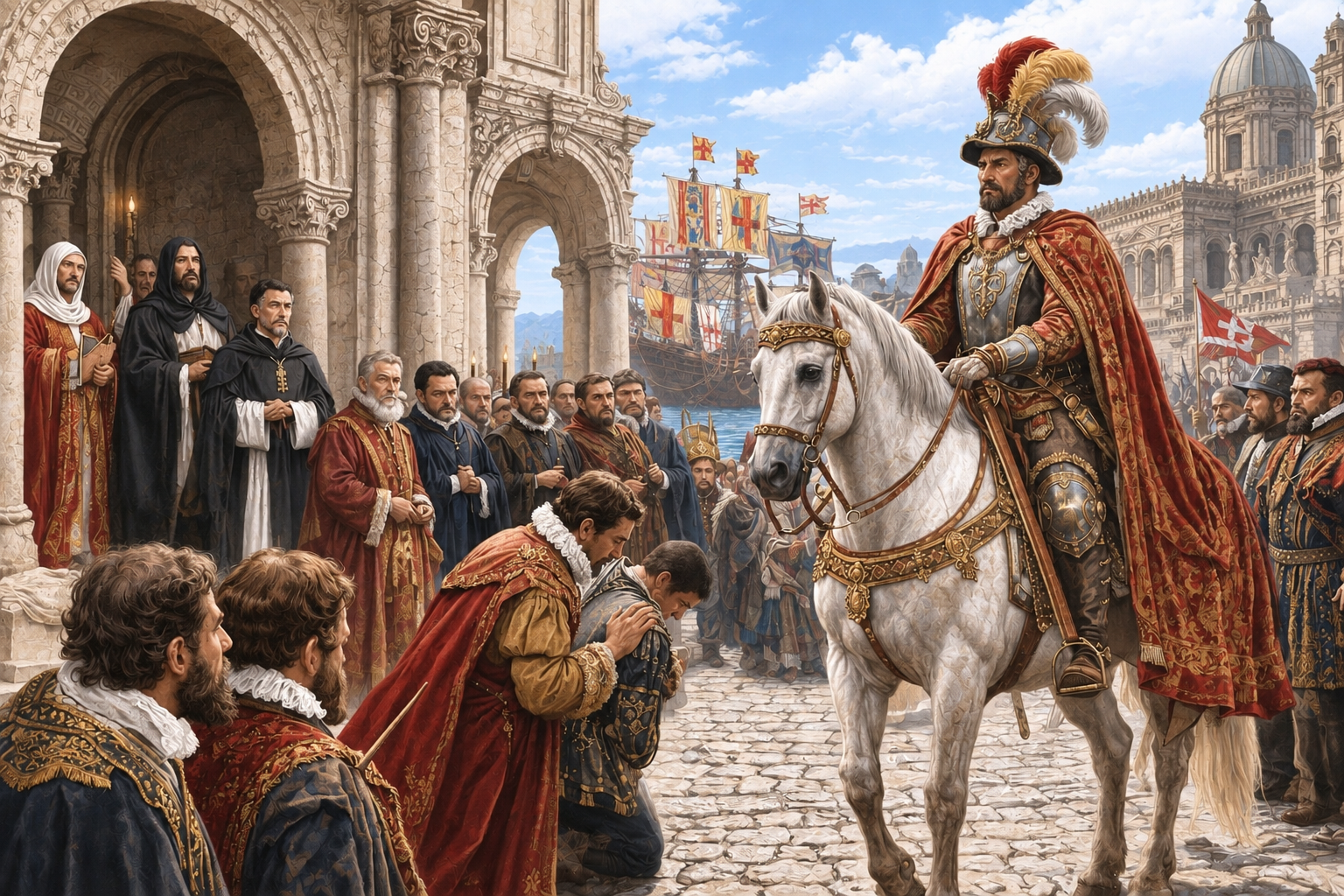
This chapter begins with the consolidation of the kingdoms of Castille and Aragon into the kingdom of Spain in the late-15th century. After the marriage of Ferdinand of Aragon and Isabella of Castile in 1469, Sicily became part of what would become the unified Kingdom of Spain. From the mid-15th century  onward, Sicily was ruled […]

Read More
Sicily in Transition

Sicily in Transition

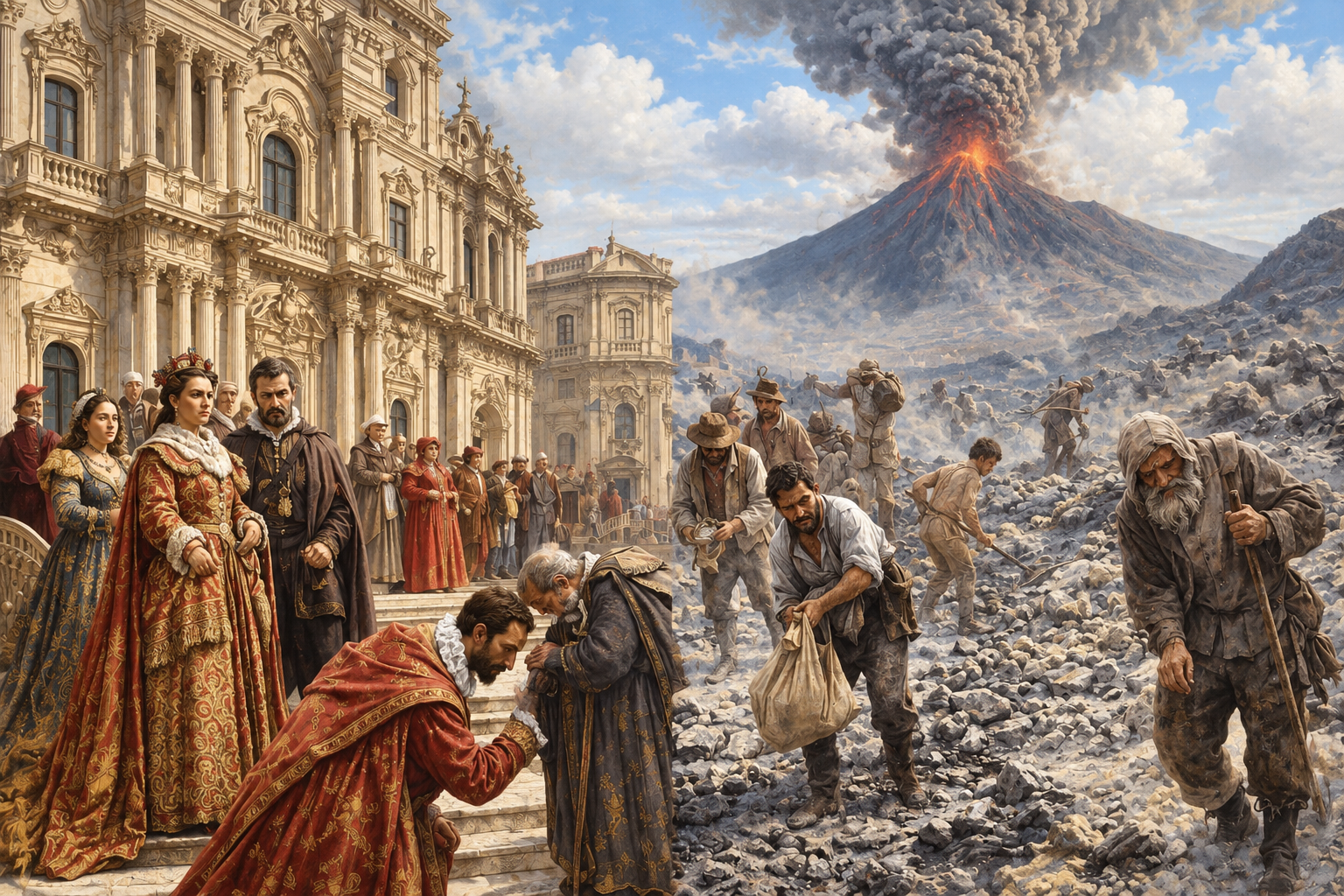
At the end of the long Spanish decline, rule of the island of Sicily passed through a complex series of transitions. The War of Spanish Succession (1701–1714) ended with the Treaty of Utrecht, which awarded Sicily to the House of Savoy in 1713, ending the Spanish era. But Savoyard rule lasted only a few years. […]

Read More
Bourbon Kingdom of Two Sicilies

Bourbon Kingdom of Two Sicilies

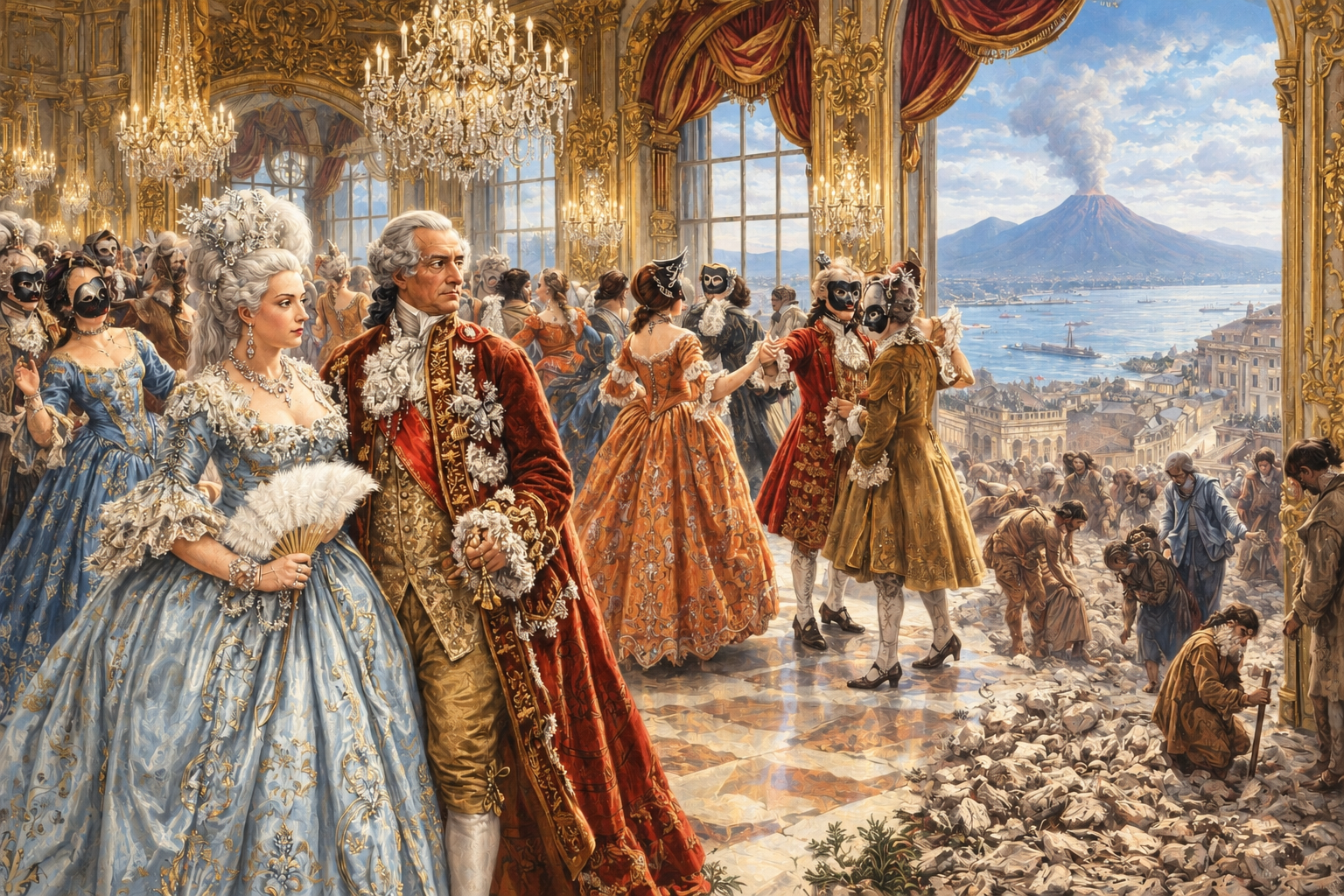
From 1735 until the Italian unification of 1860, Sicily was ruled by the Spanish Bourbon dynasty as part of the combined Kingdoms of Naples and Sicily — eventually formally united in 1816 as the Kingdom of the Two Sicilies. This was a 125-year span during which Sicily remained politically subordinate to Naples, economically underdeveloped, and […]

Read More
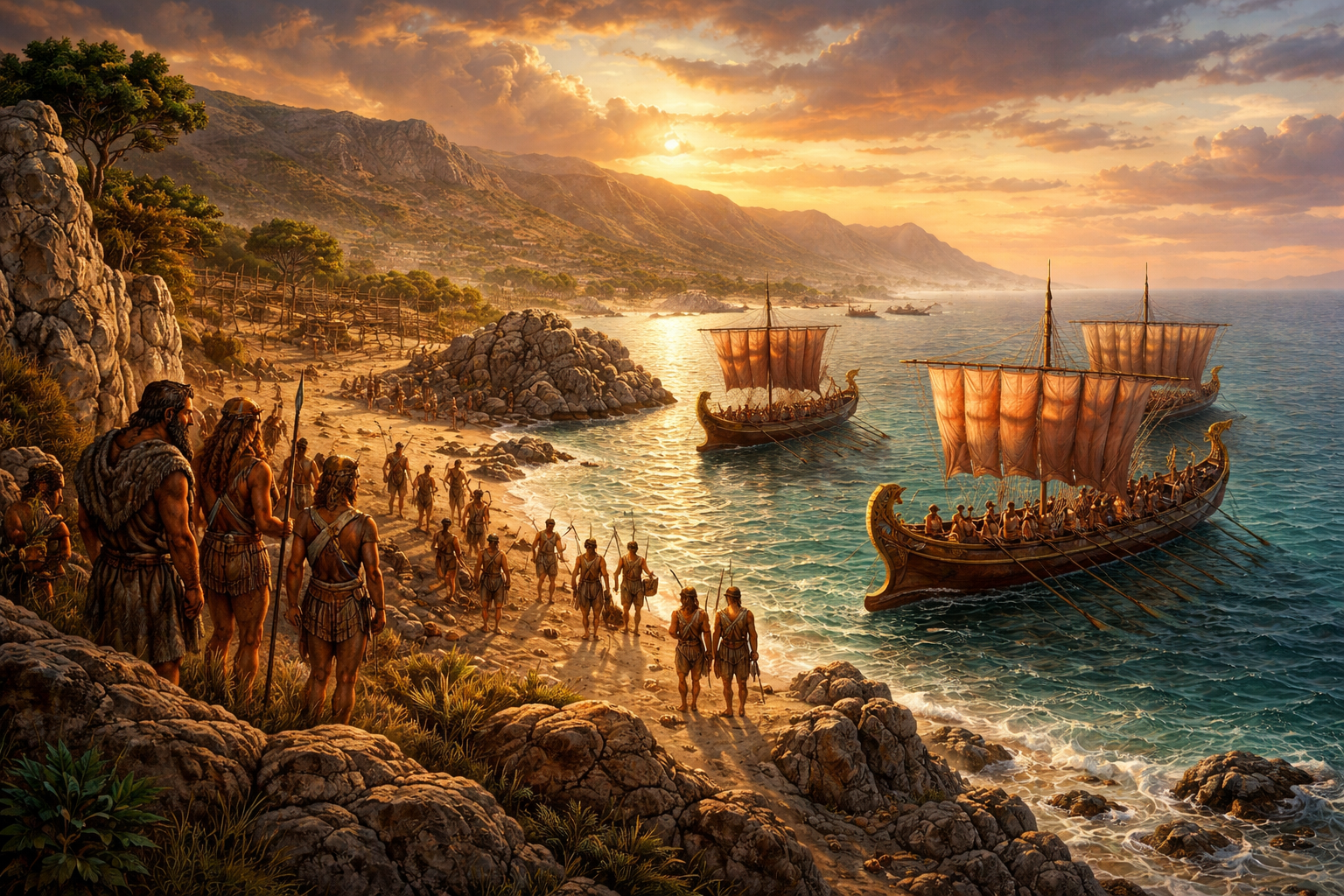
It is a long established fact that a reader will be distracted by the readable content.. 

Greek Tyrants of Sicily

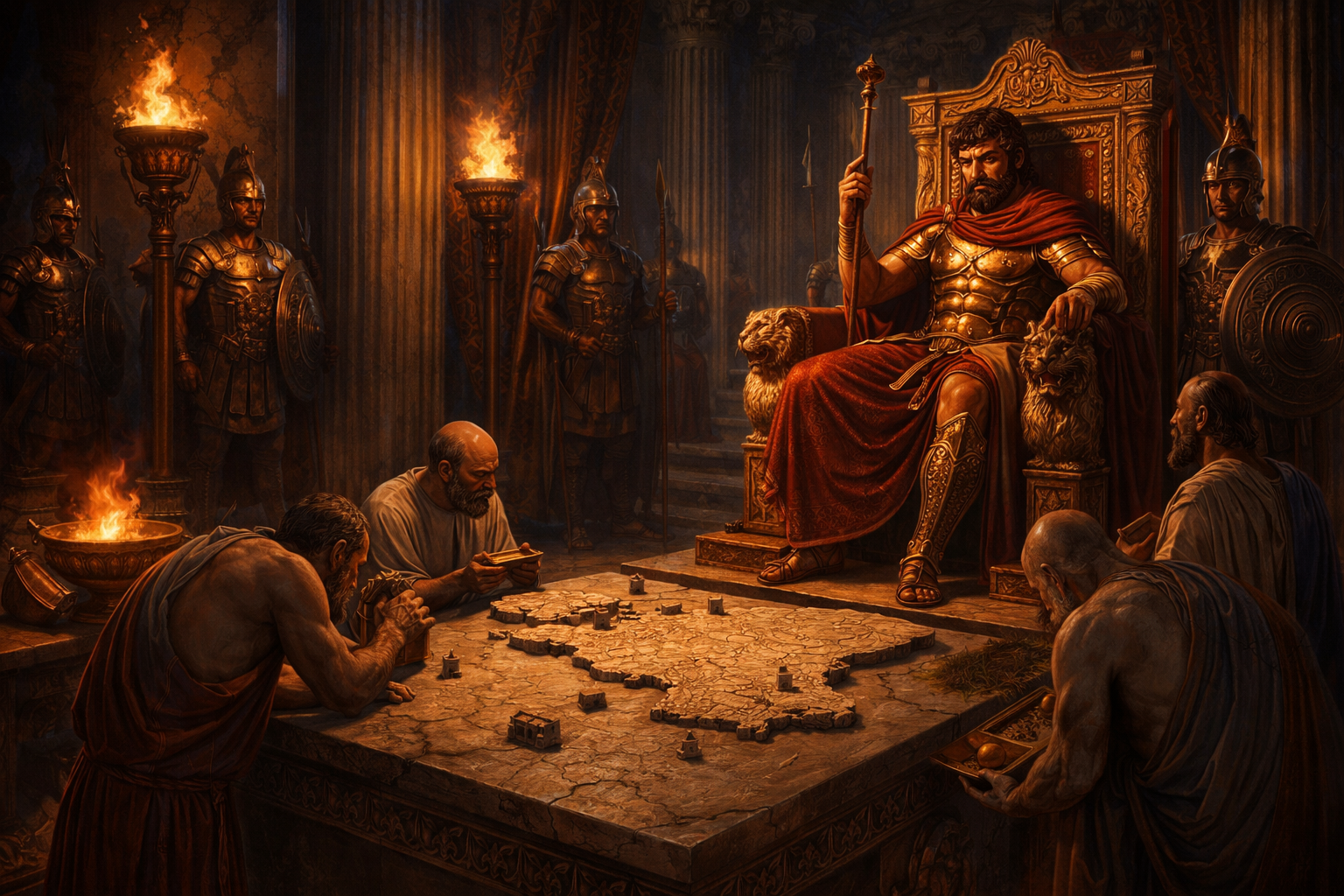
It is a long established fact that a reader will be distracted by the readable content.. 

Arrival of the Romans

It is a long established fact that a reader will be distracted by the readable content.. 

0
0
Your Cart
Empty CartYour cart is emptyReturn to Shop
Secure Checkout
Fast Shipping
Easy Returns