

Illustrated History of Sicily

A visual journey through the land, cuisine, people, language, and living traditions of Sicily — the crossroads of civilizations.

Illustrated History of Sicily

A visual journey through the land, cuisine, people, language, and living traditions of Sicily — the crossroads of civilizations.

Chapter 15

Submission to Spanish Rule

Aragonese & Spanish Rule — 1282–1713 AD

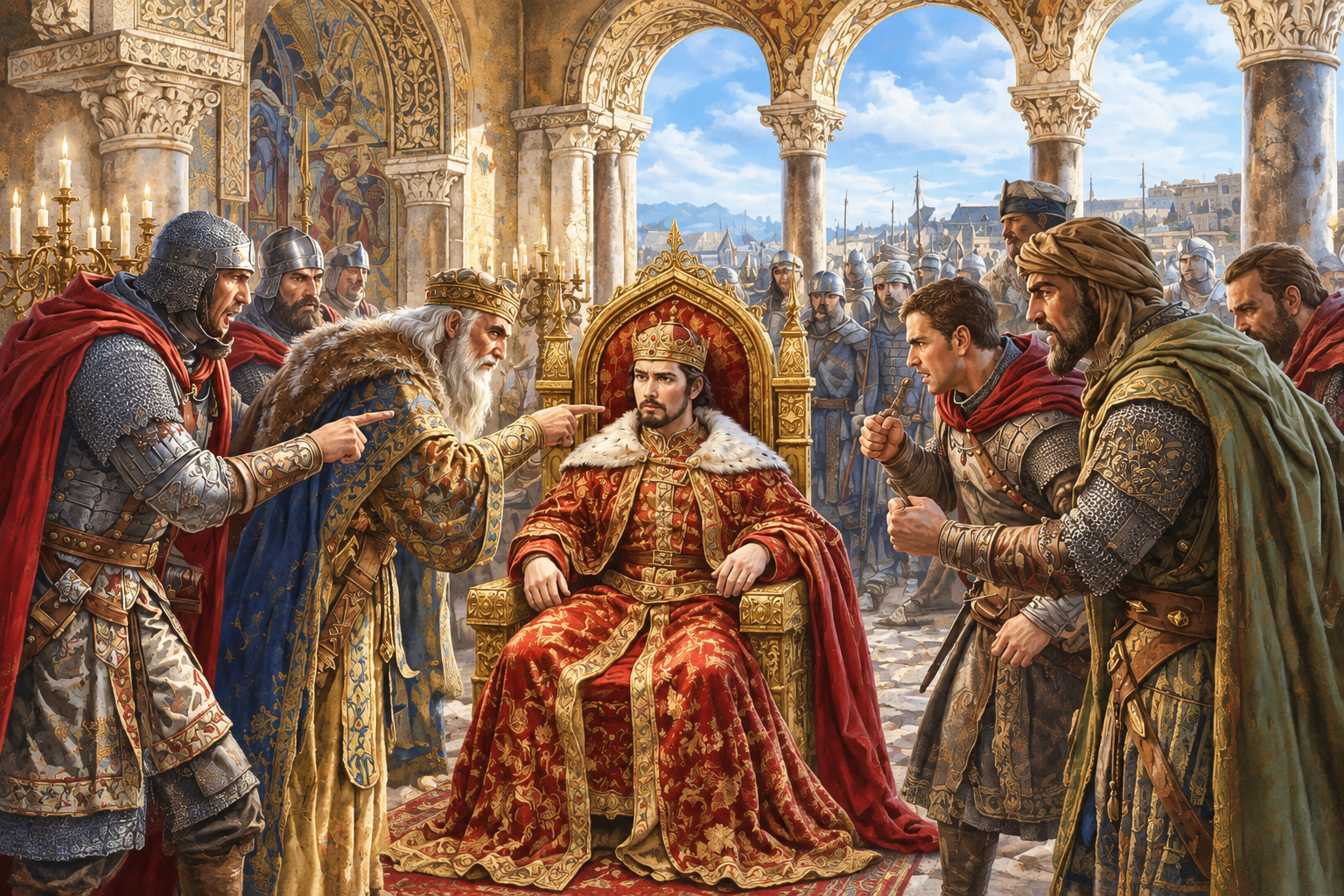
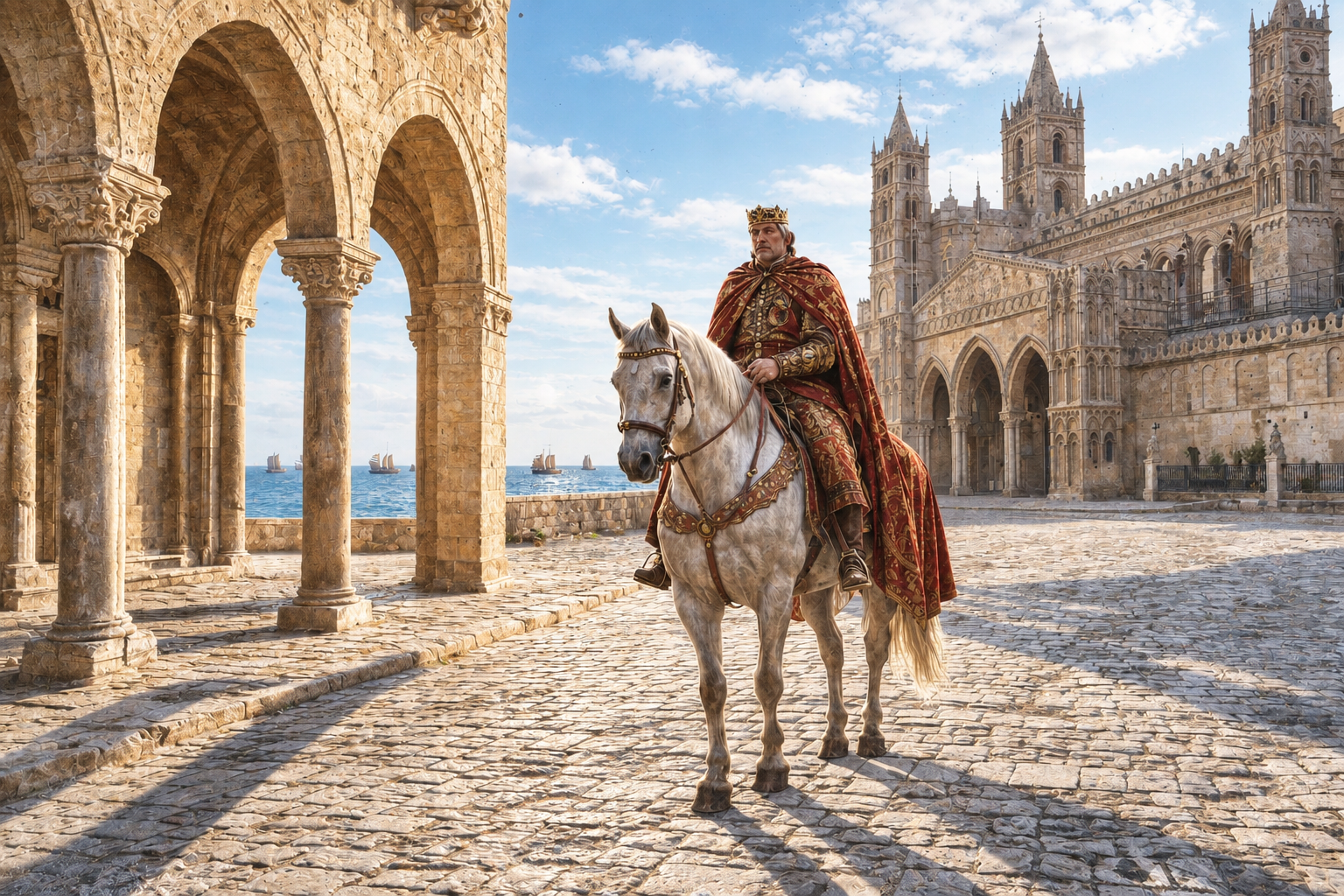
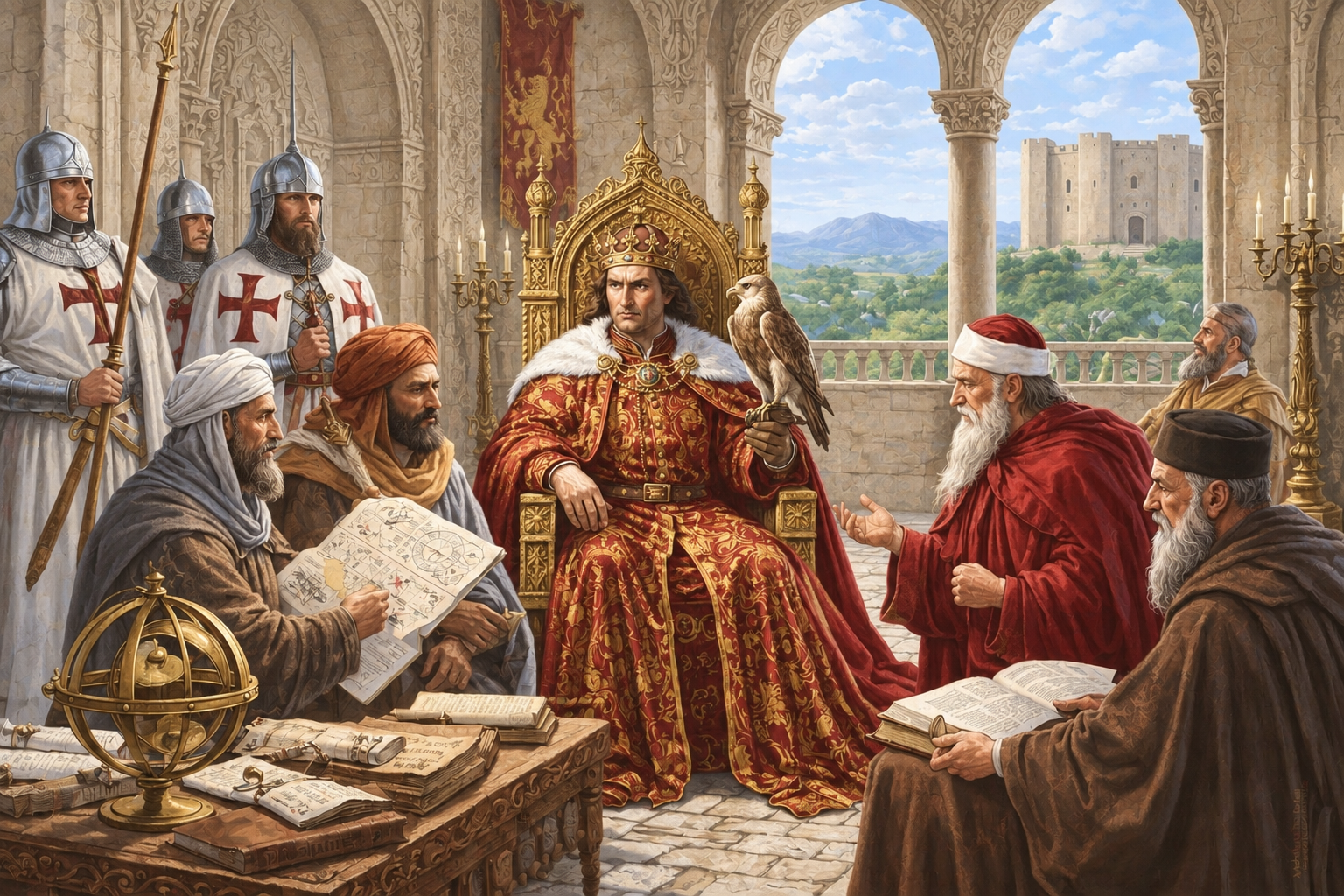
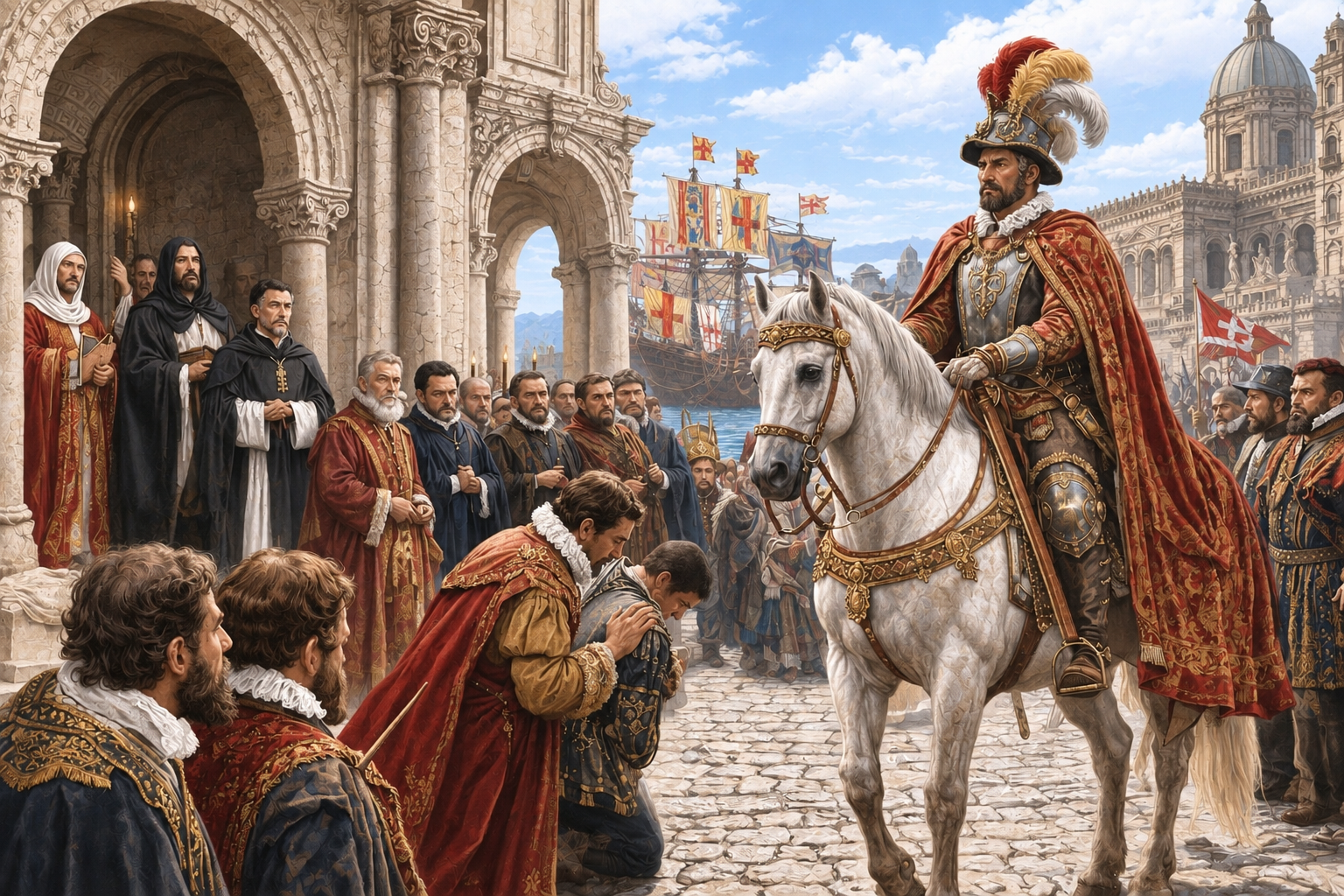
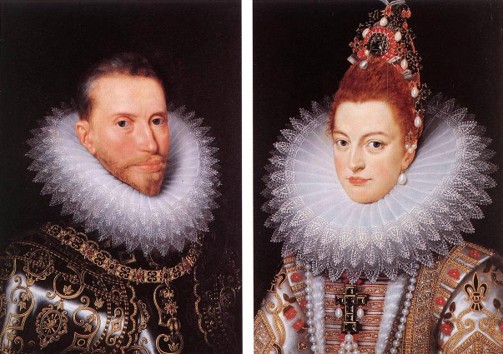
This chapter begins with the consolidation of the kingdoms of Castille and Aragon into the kingdom of Spain in the late-15th century. After the marriage of Ferdinand of Aragon and Isabella of Castile in 1469, Sicily became part of what would become the unified Kingdom of Spain. From the mid-15th century  onward, Sicily was ruled not by resident kings but by Spanish viceroys appointed from Madrid.

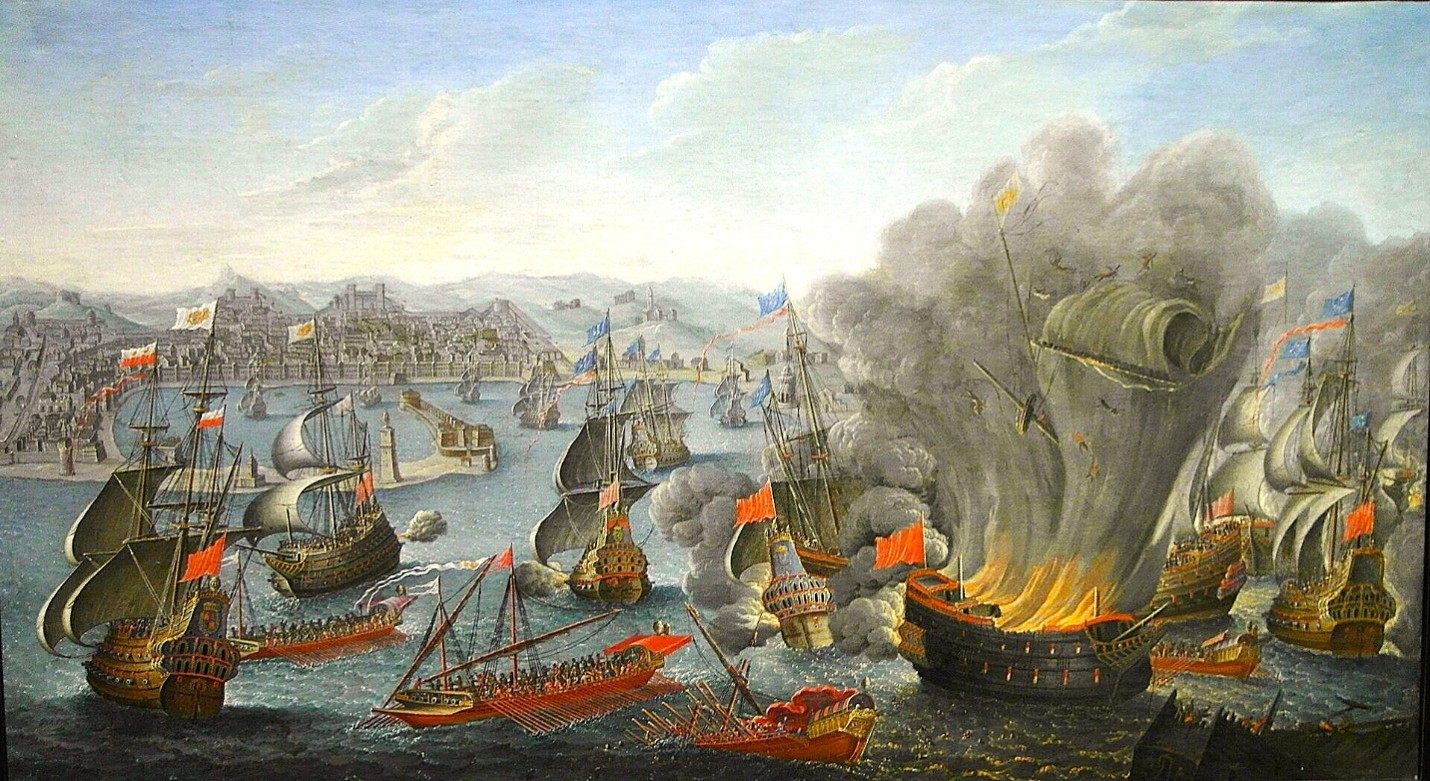
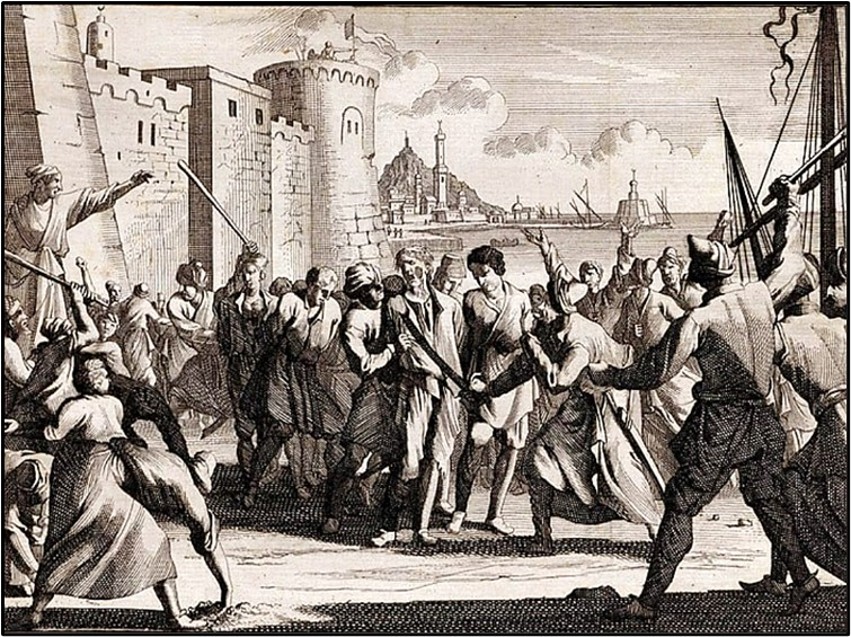
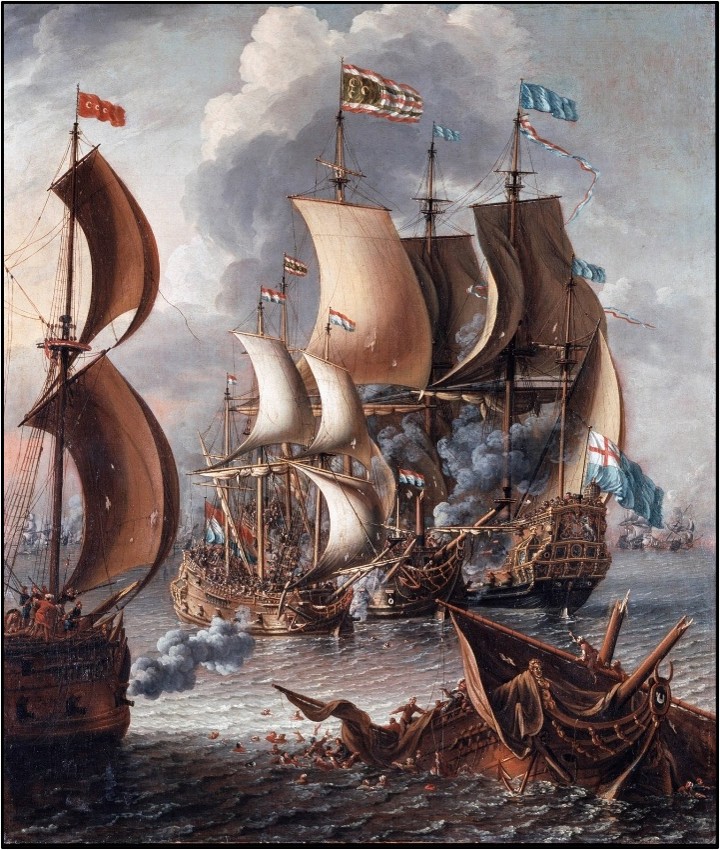
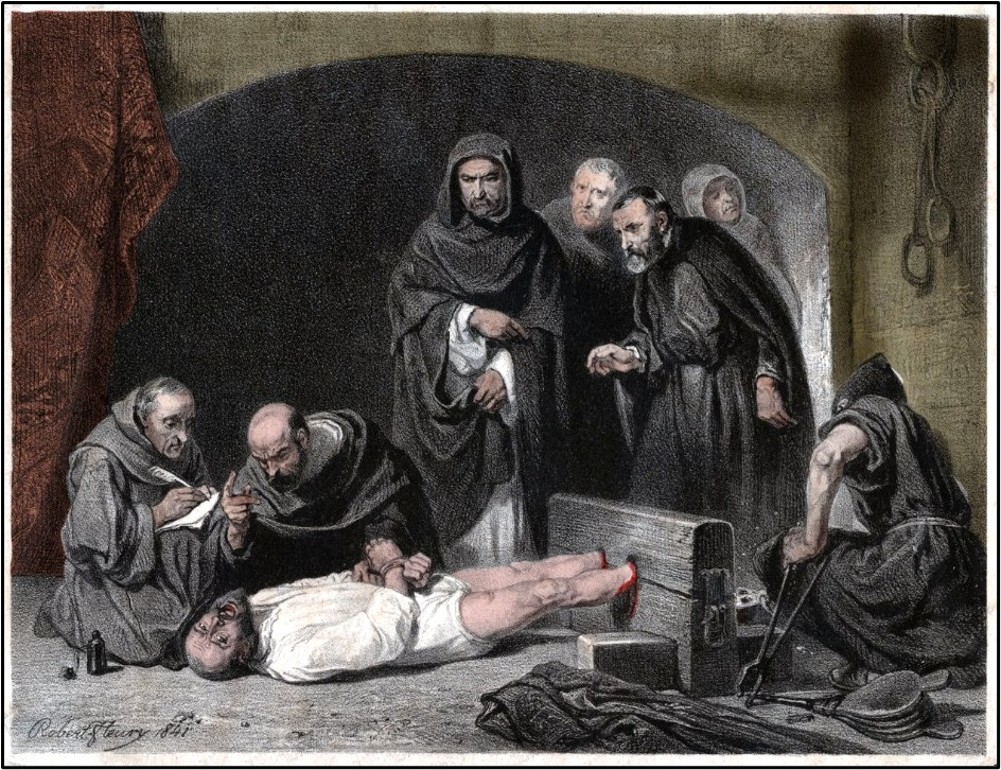
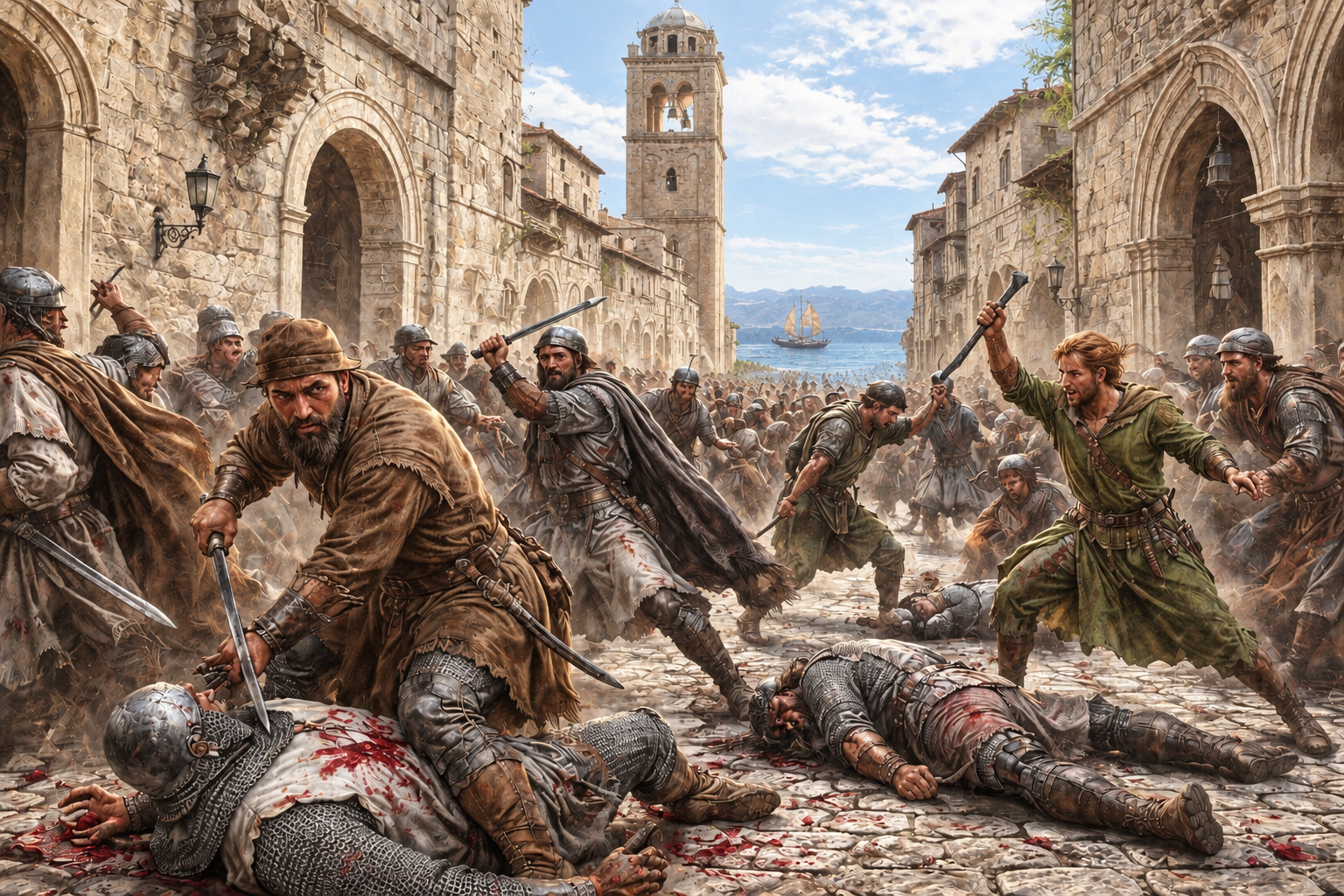
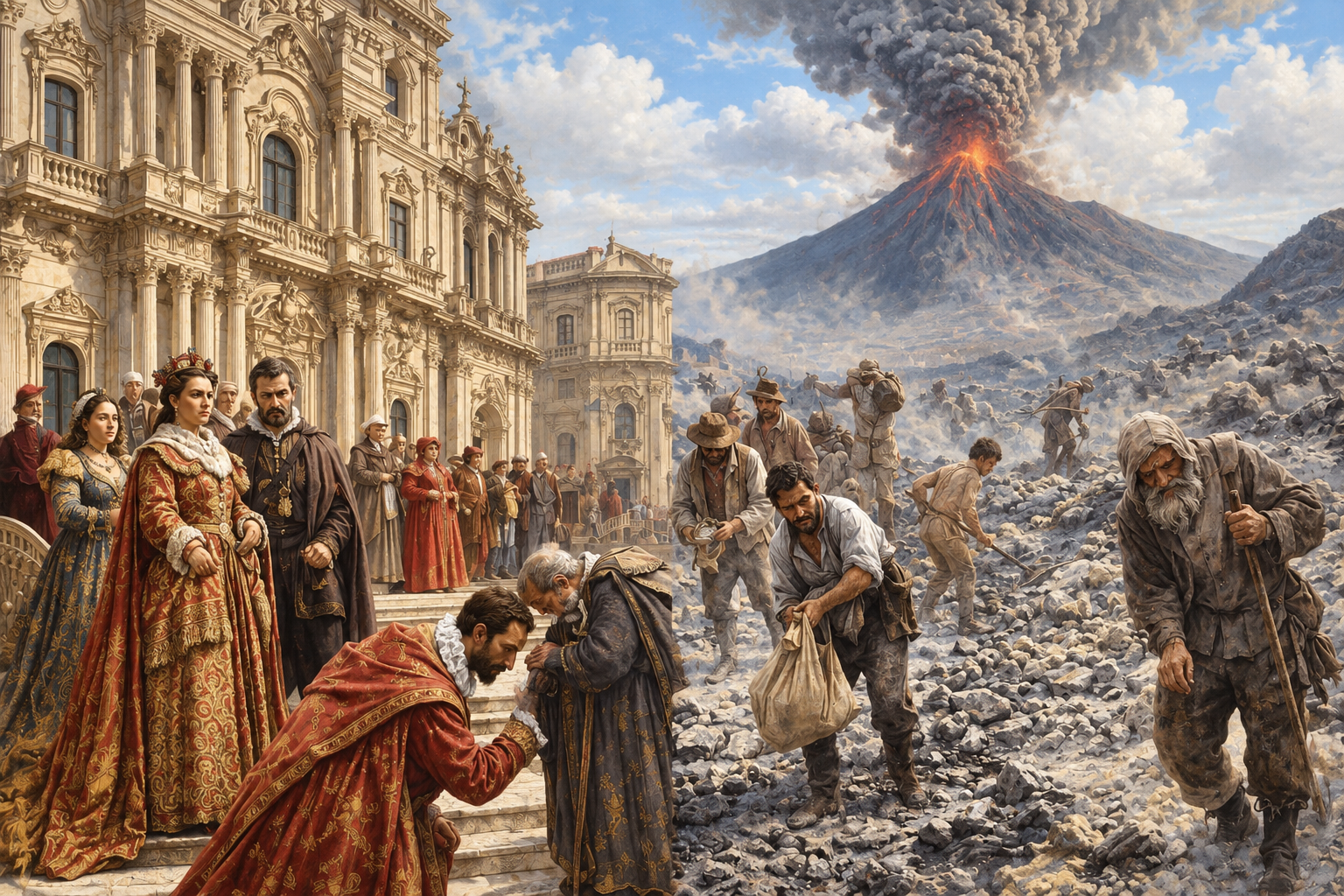
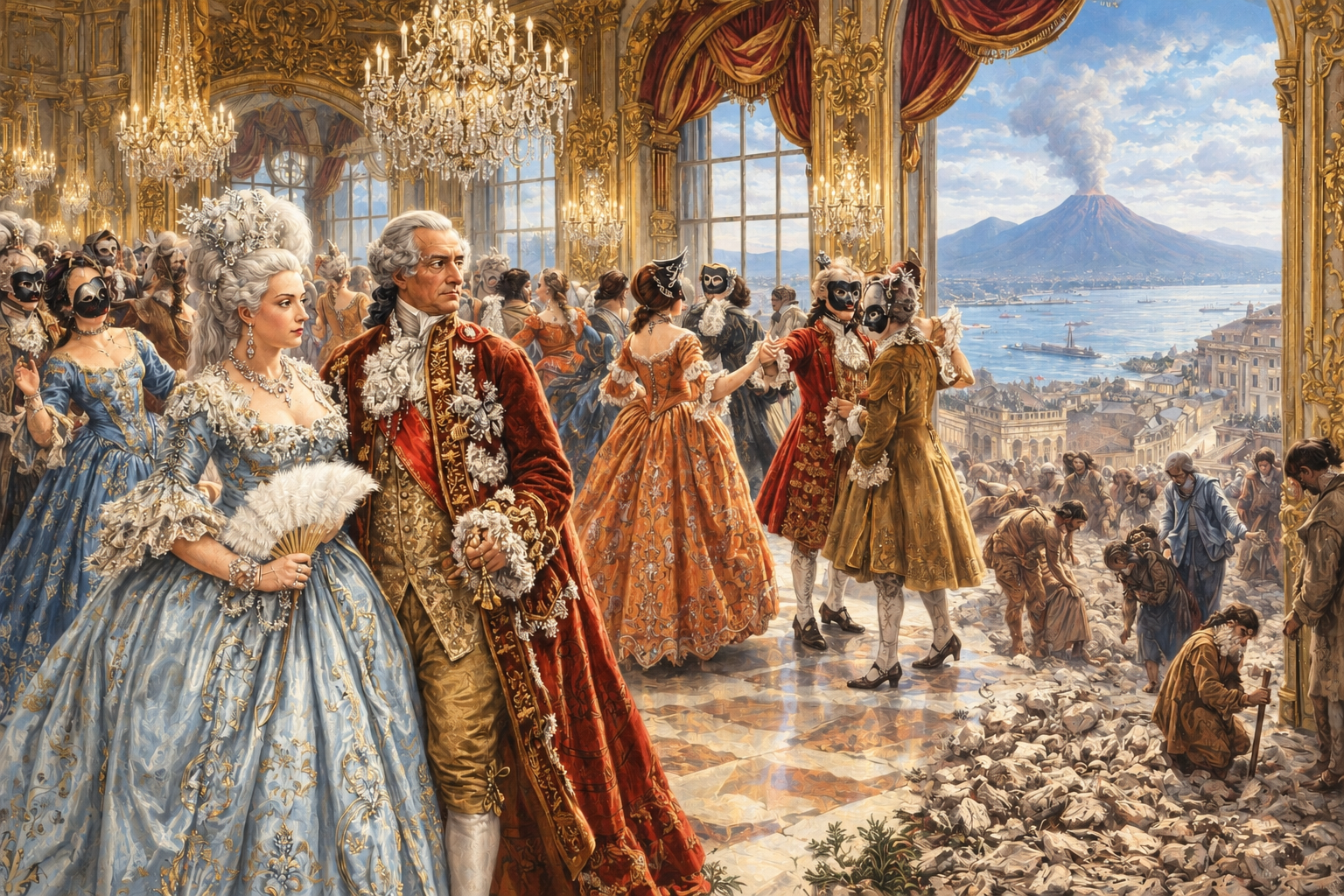
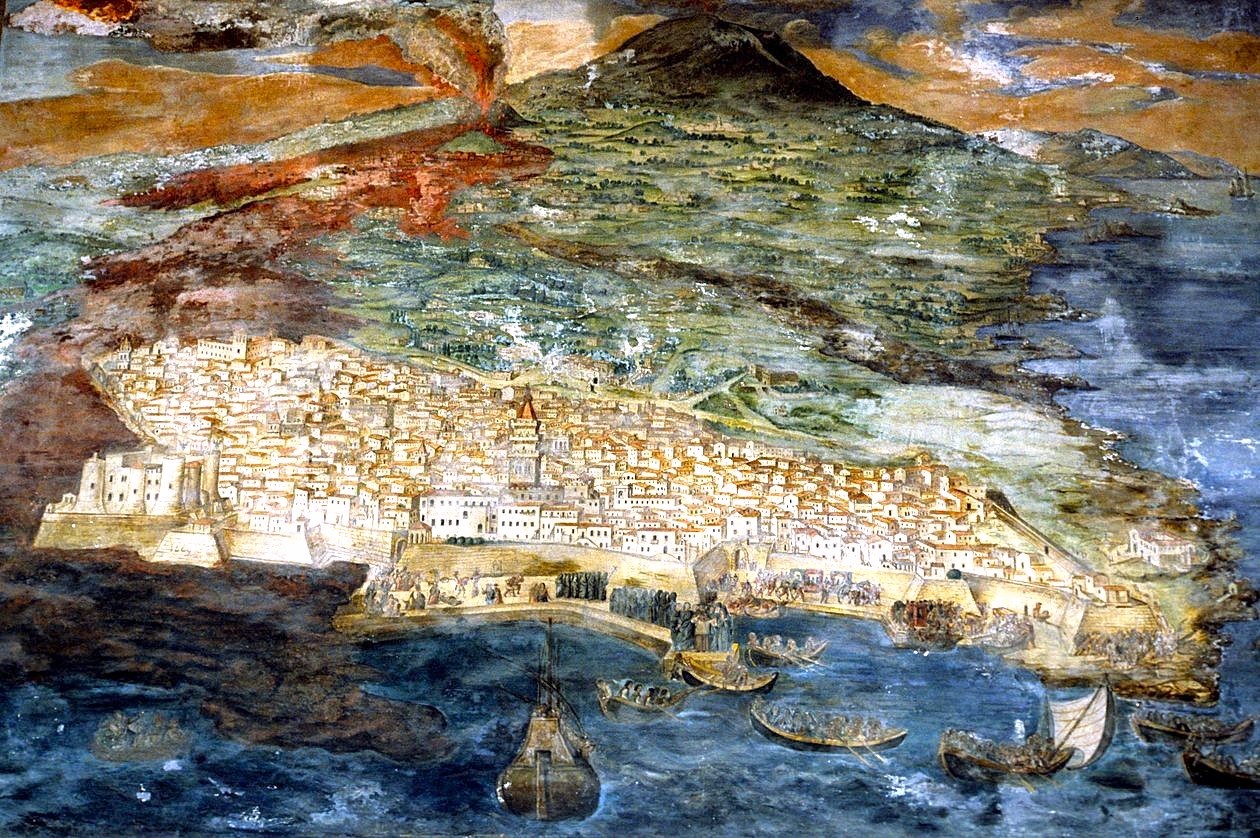
The Spanish viceregal period was the longest winter of Sicilian history. Once again Sicily became a source of financial exploitation as grain, taxes, flowing outward to feed the needs of a distant Spanish empire. The island’s Jewish population, which had survived every previous regime, was expelled in 1492 by royal all across the Spanish Empire, including Sicily.  The Spanish Inquisition established itself in Sicily in 1487 and continued to persecute both religious dissidents and innocent Sicilians for the next three centuries. The feudal landholding system became entrenched, creating enormous wealth inequality between a small landowning aristocracy and a vast impoverished peasantry. As Europeans were entering the Age of Enlightenment in the late Middle Ages,  Sicilian society would remain frozen in an archaic feudal system, where the great masses Sicilian serfs remained virtual economic slaves to a tiny class of Spanish aristocrats that controlled the island’s government and owned virtually all the land.
Archeological evidence dates the earliest settlements within Sicily back to

This chapter sets the stage to gain greater understanding of

Sicilian Greek history is dominated by a succession of powerful

The Roman conquest of Sicily was the product of the

Christianity came early to Sicily. Tradition holds that Saint Paul

The Byzantine reconquest of Sicily was led by Belisarius, Emperor

The Arab conquest of Sicily began in 827 AD when

To understand the Norman Kingdom of Sicily, one must first

The Norman invasion of Sicily was a 30-year campaign of

On Christmas Day 1130, Roger II, the son of the

Upon the death of King Roger II of Sicily in

Every golden age must end. For Norman Sicily, the end

The chapter traces the regency period following the death of

The chapter begins with the establishment of a brutal and

This chapter begins with the consolidation of the kingdoms of

At the end of the long Spanish decline, rule of

From 1735 until the Italian unification of 1860, Sicily was

The year 1848 is known in European history as the

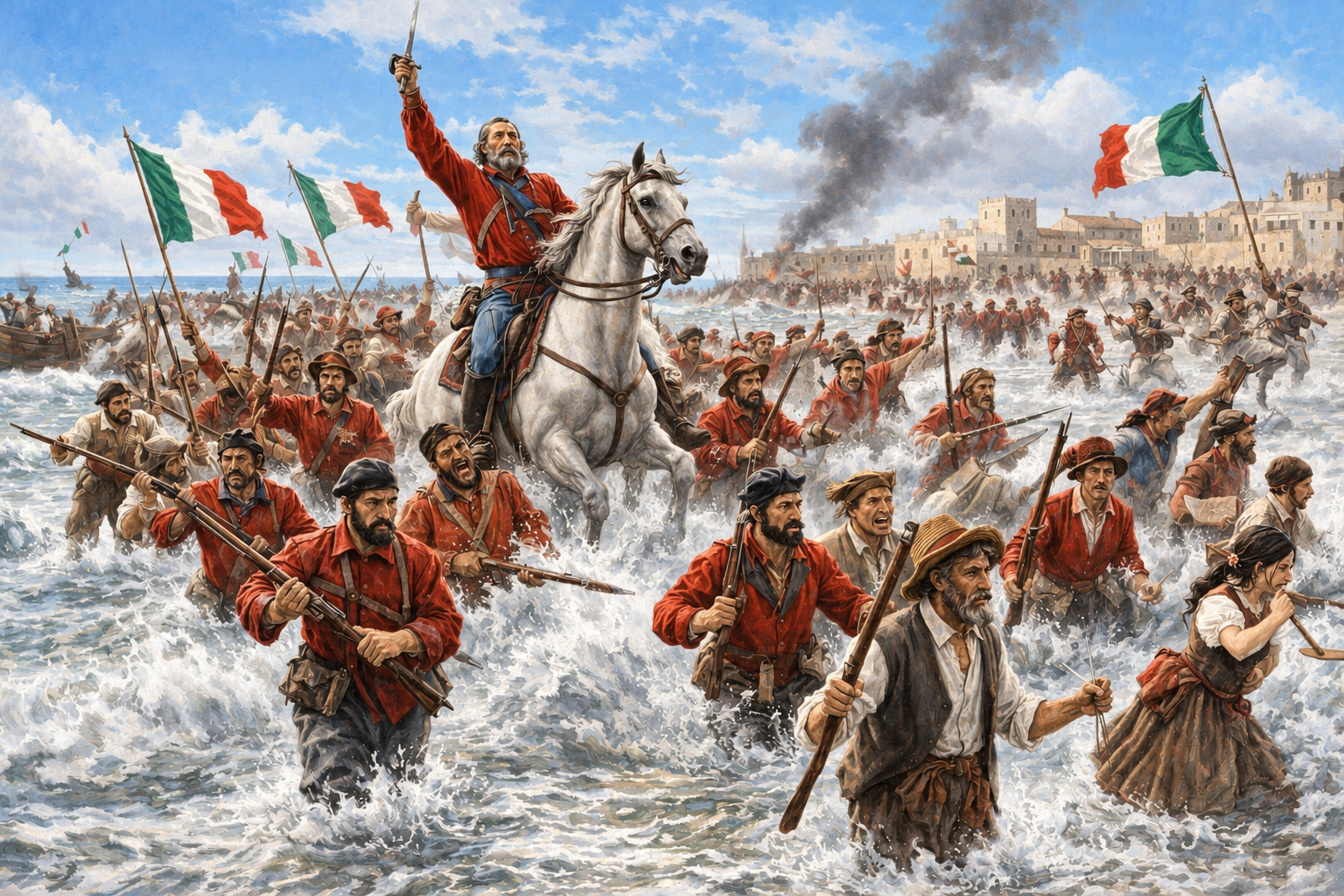
On May 11, 1860, Giuseppe Garibaldi landed at the port

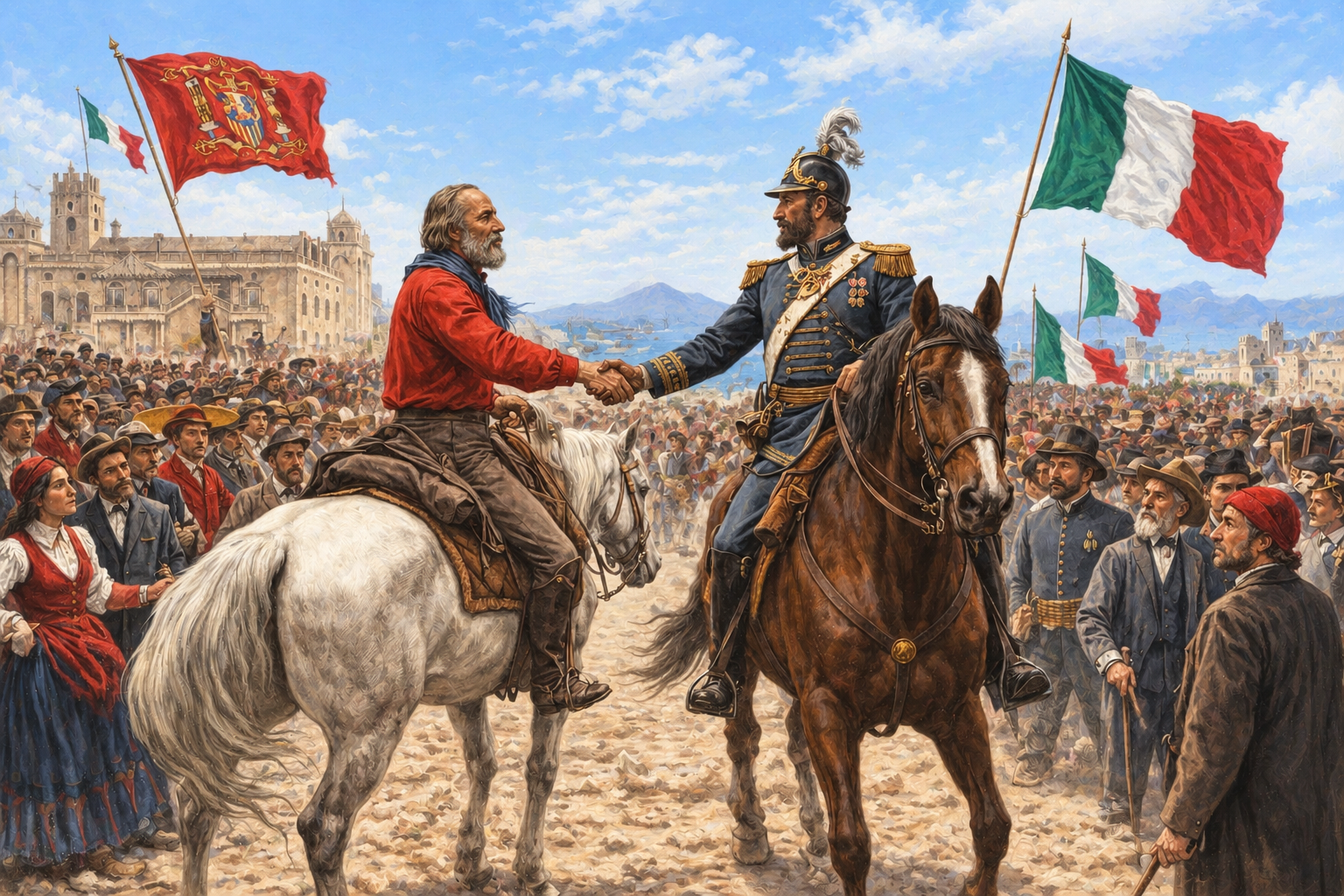
The fall of the Bourbons in 1860 completed one of

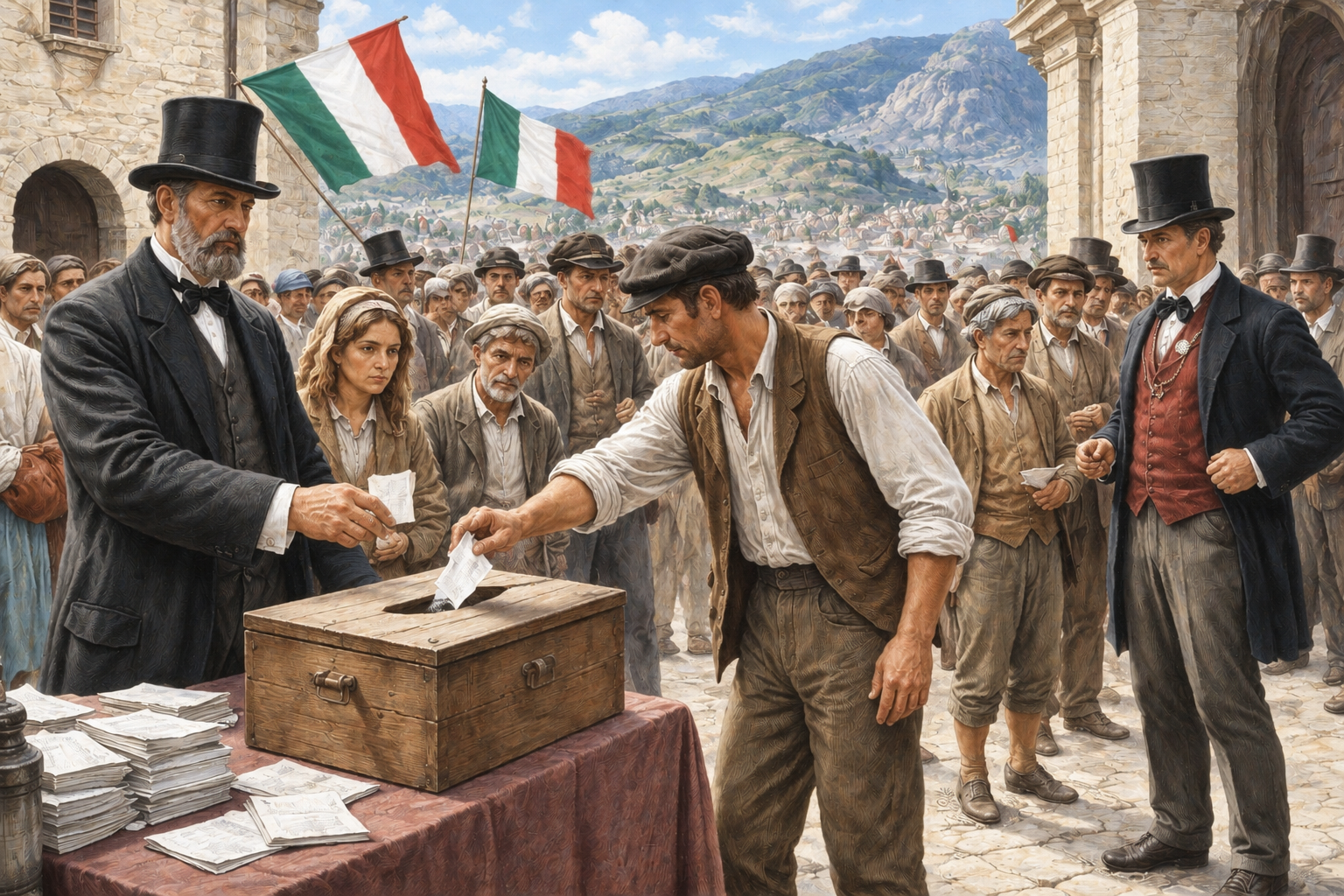
Far from romanticizing this early period of Italian unification, the

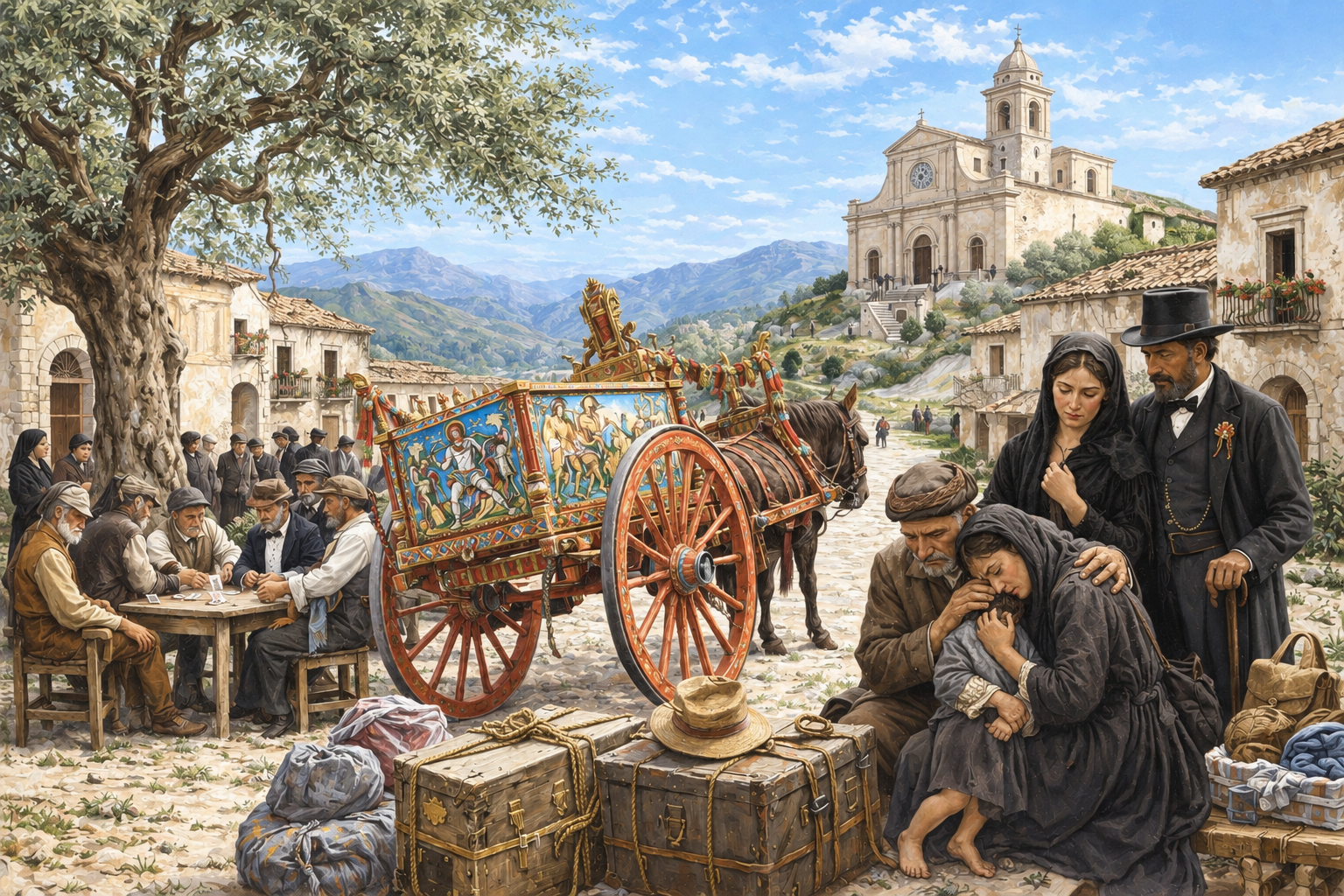
This chapter describes the daily life for the great masses

This chapter covers the period from roughly 1890 to 1940

On July10, 1943, the Allied forces launched Operation Husky, the

Post-war Sicily faced enormous challenges: rebuilding shattered cities, multiple humanitarian

By the late 1970s the despair of the Sicilian people

The final chapter of Sicilian Odyssey is an epilogue on

Related Chapters

The final chapter of Sicilian Odyssey is an epilogue on

By the late 1970s the despair of the Sicilian people

Post-war Sicily faced enormous challenges: rebuilding shattered cities, multiple humanitarian

Era Cards

Aragonese & Spanish Rule

Four centuries under Spain. Centuries of neglect, exploitation, and inquisition — followed by its Baroque rebirth after the great Sicilian earthquake of 1693.
Learn More

Read the complete chapter, including all maps, images, and the full narrative, in Sicilian Odyssey.