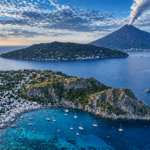



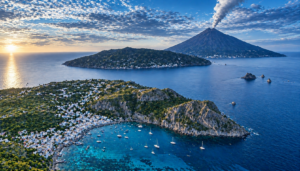
Seven volcanic islands off Sicily’s northern coast, each a geological and cultural world of its own. Two — Stromboli and Vulcano — are still actively volcanic.
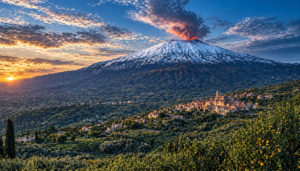
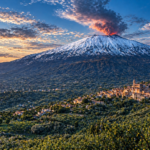
Europe’s most active volcano, with the longest documented record of volcanic eruption in the world — stretching back more than 2,700 years.
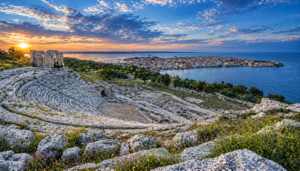
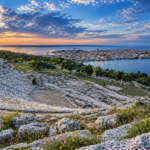
Syracuse was, in the 5th century BC, the largest Greek city in the world — larger than Athens. Today it preserves layers of history stretching from prehistoric burial grounds to medieval cathedrals, all within the bounds of a single inscribed site.
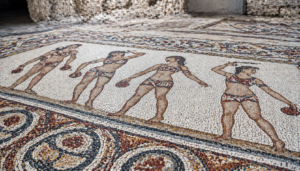
The single most important collection of Roman mosaics anywhere in the world — over 3,500 square meters of spectacular 4th-century mosaics preserved under volcanic mud for over a thousand years.
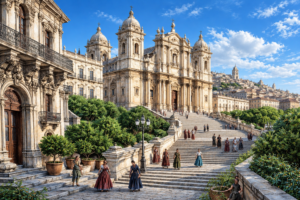
Eight cities in southeastern Sicily, all rebuilt after the catastrophic earthquake of 1693, forming the greatest coordinated Baroque architectural ensemble in Europe.
Please wait...