

Illustrated History of Sicily

A visual journey through the land, cuisine, people, language, and living traditions of Sicily — the crossroads of civilizations.

Illustrated History of Sicily

A visual journey through the land, cuisine, people, language, and living traditions of Sicily — the crossroads of civilizations.

Aragonese & Spanish Rule

1282–1713 AD

Four centuries under Spain. Centuries of neglect, exploitation, and inquisition — followed by its Baroque rebirth after the great Sicilian earthquake of 1693.

overview

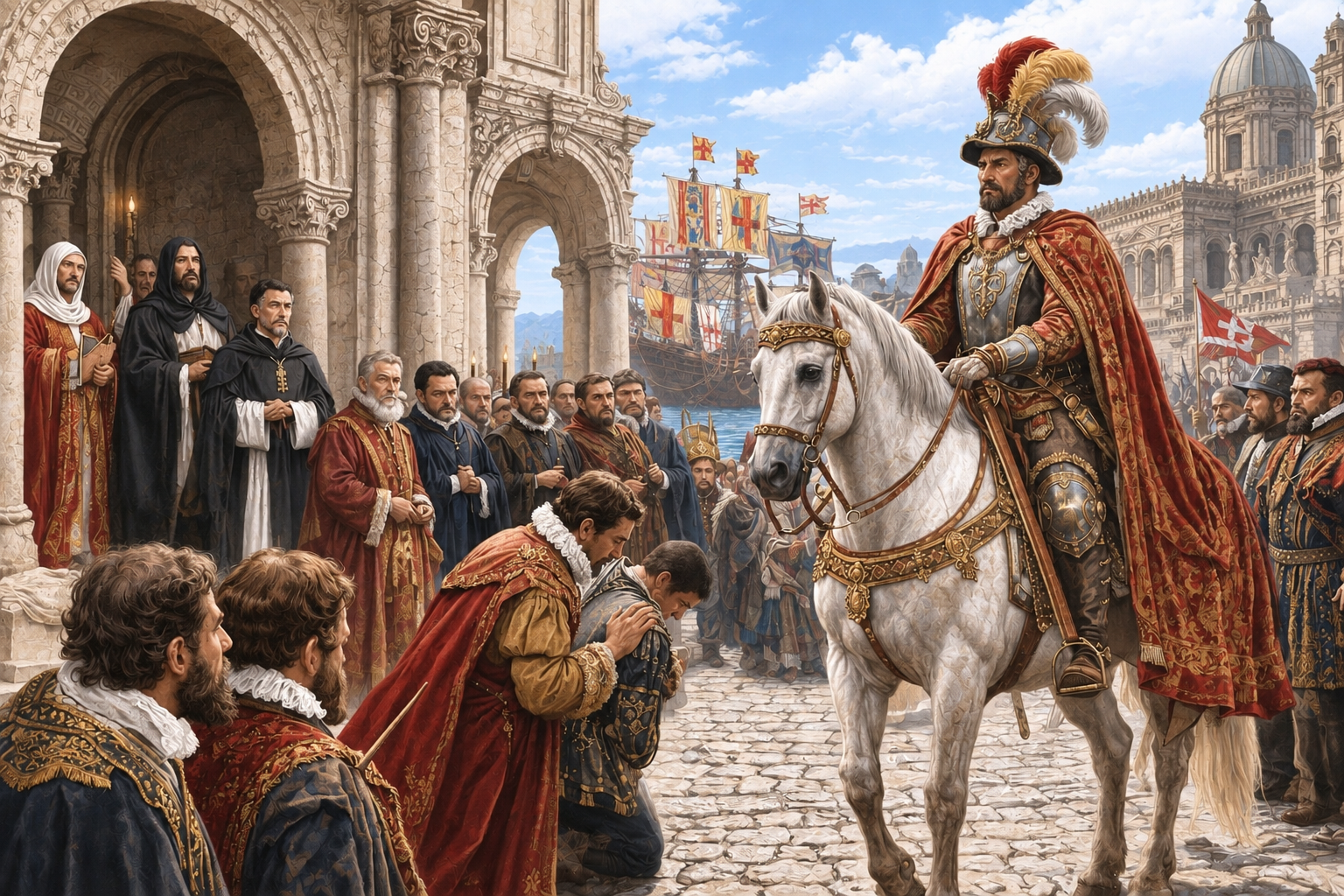
After the Revolt of the Sicilian Vespers drove the French from the island, Sicily came under the rule of the Crown of Aragon in 1282. What began as a century of Aragonese rule became, after the unification of Aragon with Castile in 1479, Spanish rule, that would last more than four centuries. For most of this period, Sicily was governed not by resident kings but by appointed viceroys representing distant Spanish monarchs, who never once visited the island they ruled. The result was the longest, most consistent, and one of the most damaging periods of foreign neglect, exploitation and economic decline in Sicilian history.

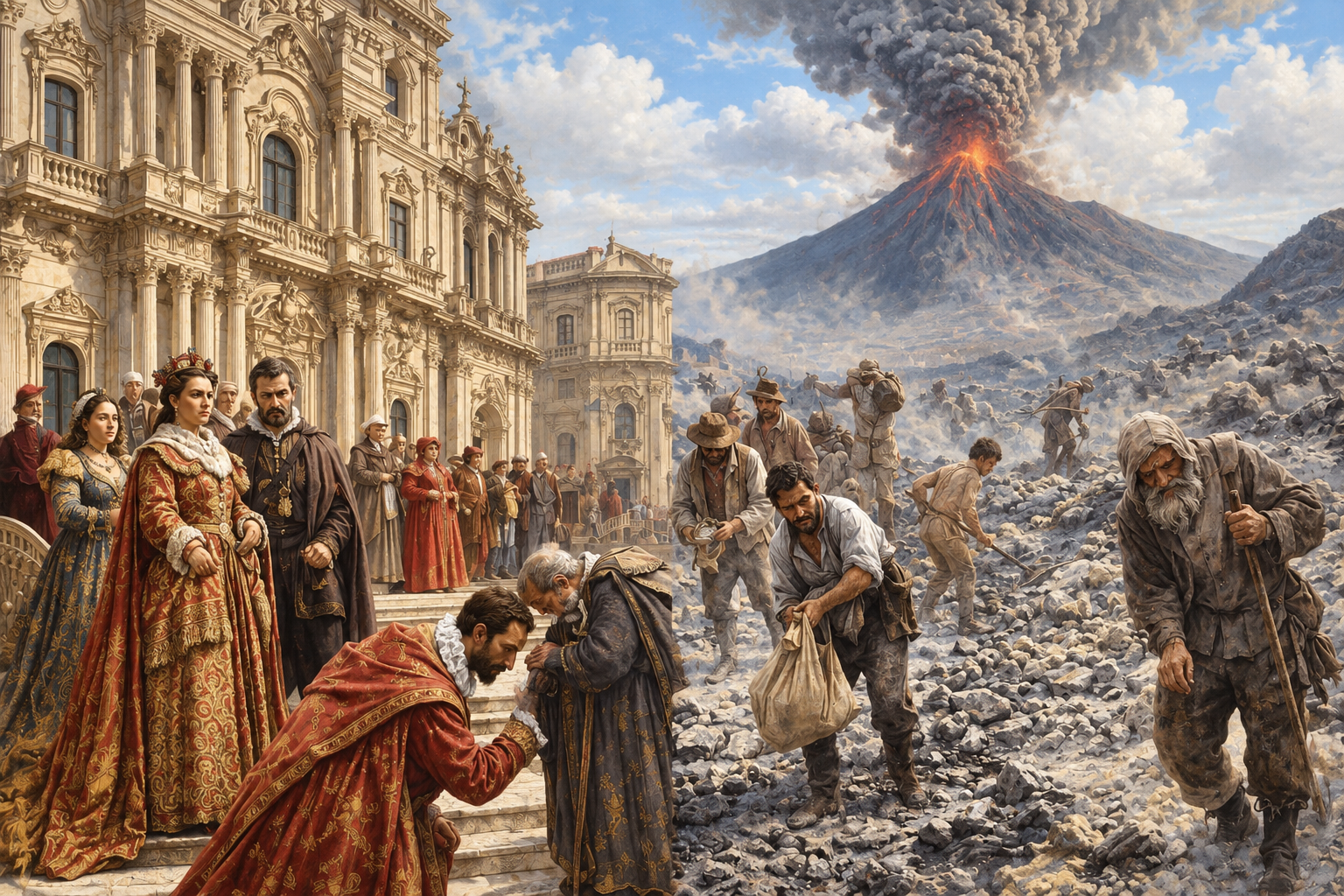
Spanish rule resulted in the steady erosion of any effective centralized government in Sicily. The island came increasingly under the control of the greedy and repressive Spanish aristocracy on the island, which  impoverished the Sicilian people and stripped them of all rights.  Excessive taxes, collected principally from its poorest residents, flowed off the island to Madrid to fund the expansion of the Spanish empire. The principal legacy of the Spanish monarchy to Sicilian history was its introduction of the Spanish Inquisition to the island in the late-15th century. The first actions of the order were to violently expel all remaining Jews and Muslims from Sicily. The horrors of torture and murder of alleged heretics unleased by this insidious religious order would plague the population of Sicily for the next three centuries. 

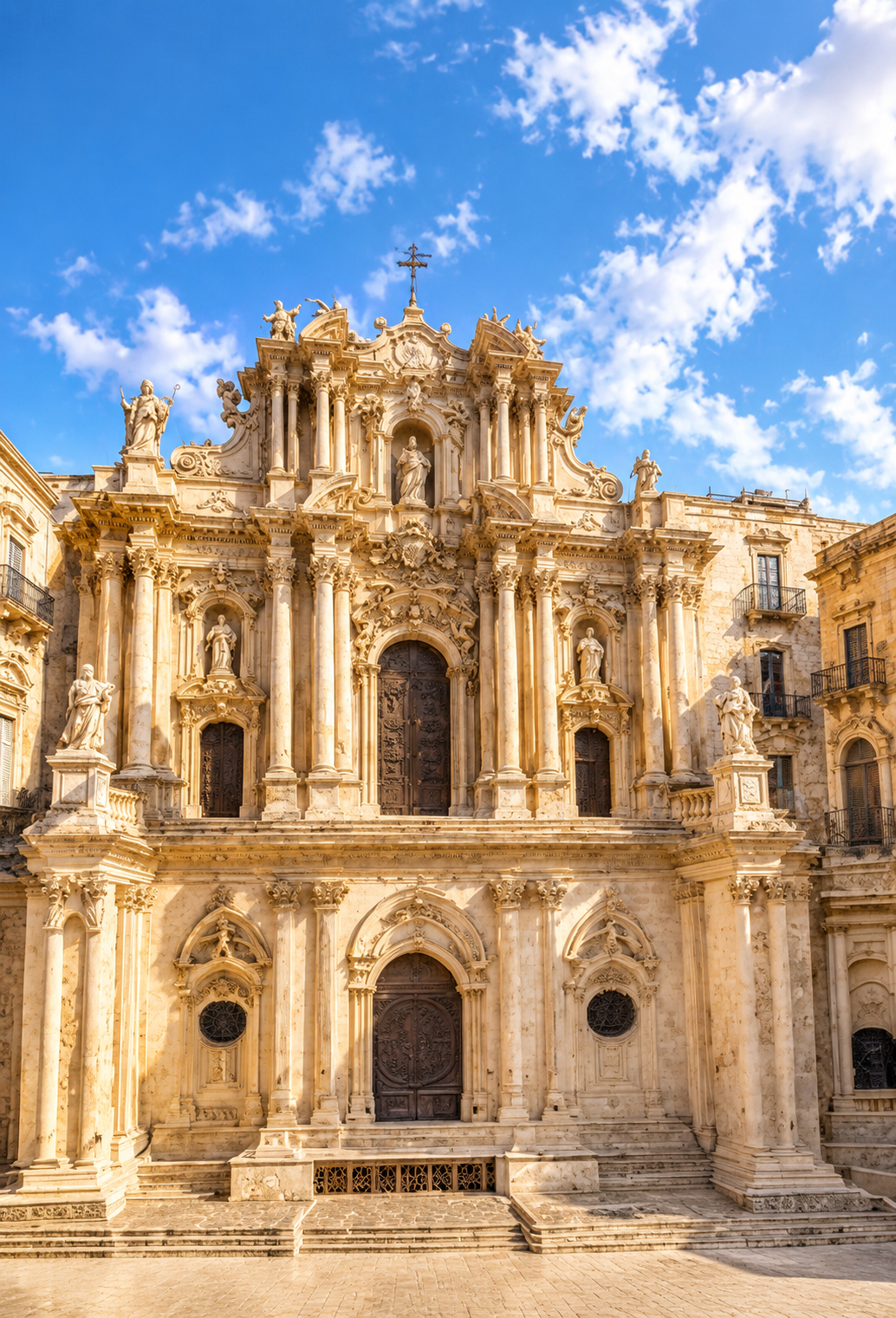
The end of Spanish rule in the early 18th century marked the beginning of a new and distinctive architectural movement, known as  Sicilian Baroque, which would remake entire Sicilian cities after  the Great Earthquake of 1693, which devastated nearly all of southeastern Sicily. Entire cities like Noto, Ragusa, Modica, Scicli, and Catania were rebuilt from the ground up in a coordinated Baroque style so beautiful that UNESCO would eventually designate these multiple “Late Baroque Towns of Val di Noto” as a World Heritage Site.
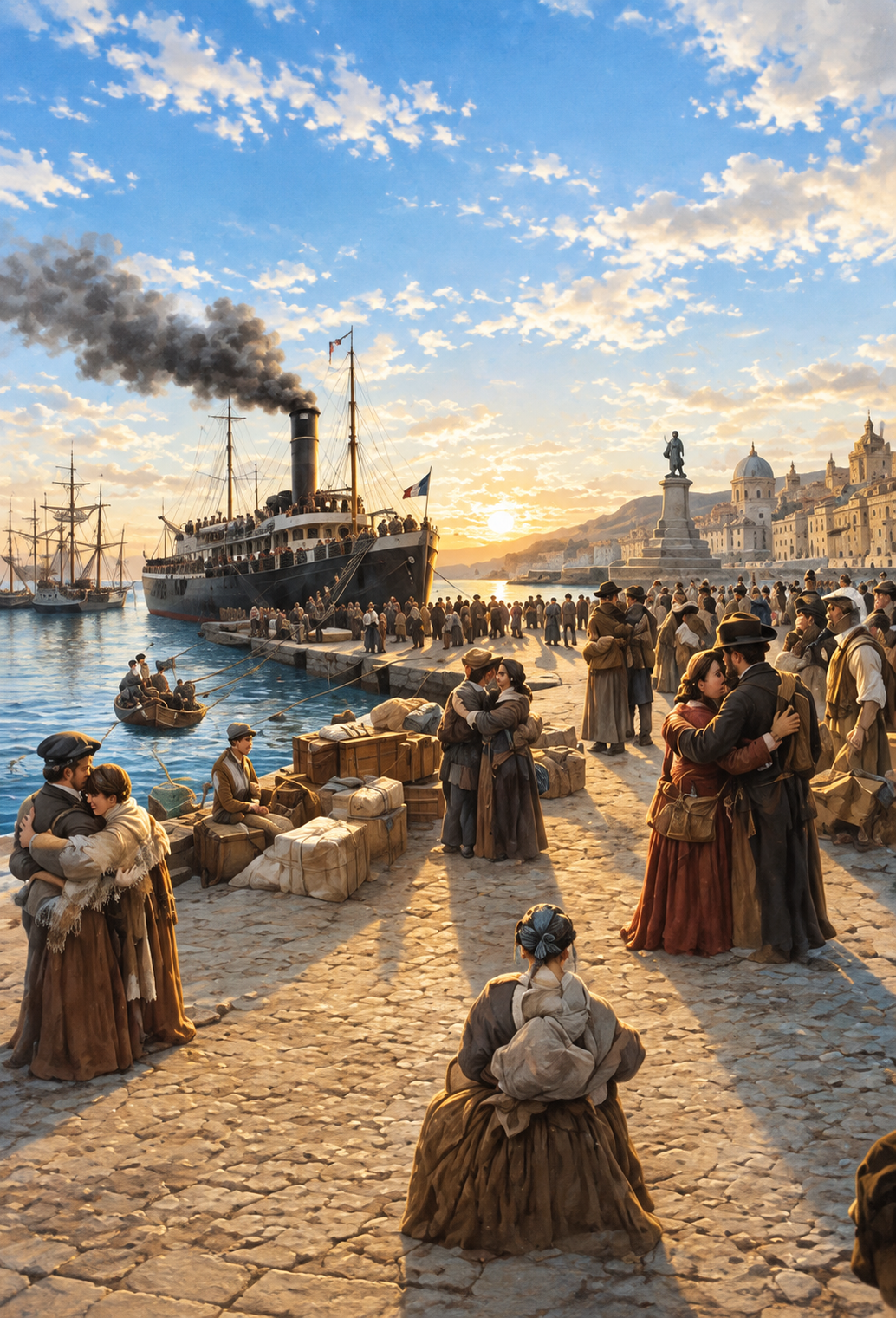
On May 11, 1860, a 53-year-old revolutionary named Giuseppe Garibaldi

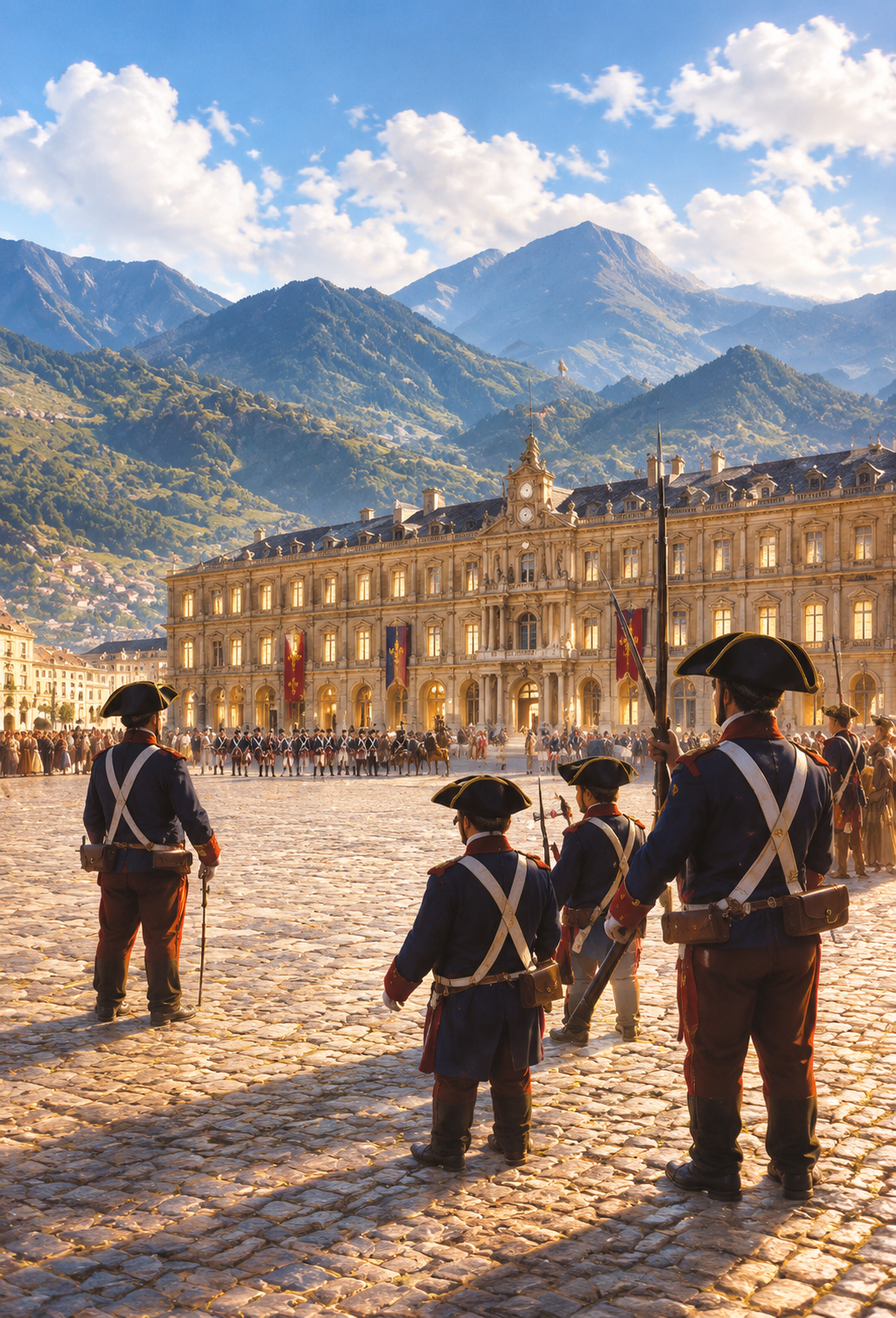
At the conclusion of the War of Spanish Succession in

After the Revolt of the Sicilian Vespers drove the French

When the last Norman king died in 1189 without a

The Norman conquest of Sicily was one of the most

KEY CHAPTERS IN THE BOOK

Submission to Spanish Rule

Submission to Spanish Rule

This chapter begins with the consolidation of the kingdoms of Castille and Aragon into the kingdom of Spain in the late-15th century. After the marriage of Ferdinand of Aragon and Isabella of Castile in 1469, Sicily became part of what would become the unified Kingdom of Spain. From the mid-15th century  onward, Sicily was ruled […]

Read More
Sicily in Transition

Sicily in Transition

At the end of the long Spanish decline, rule of the island of Sicily passed through a complex series of transitions. The War of Spanish Succession (1701–1714) ended with the Treaty of Utrecht, which awarded Sicily to the House of Savoy in 1713, ending the Spanish era. But Savoyard rule lasted only a few years. […]

Read More
1282 AD
1350 AD
1466 AD
1588 AD
1713 AD

THE 1693 EARTHQUAKE

On the morning of January 11, 1693, southeastern Sicily was struck by one of the most catastrophic earthquakes in European history. Entire cities were leveled. An estimated 60,000 people died. But from the rubble rose one of the most remarkable Sicilian architectural achievements of the early modern period: the coordinated Baroque reconstruction of eastern towns like Noto, Modica, Ragusa, and Scicli. Today these towns form a UNESCO World Heritage Site and are among the most visually magnificent urban ensembles of that period in Europe.