

Archeological evidence dates the earliest settlements within Sicily back to the Paleolithic era more than 12,000 years ago. These original settlers of the island became known as the Sicians, later joined in the 12 century BC by two other prehistoric peoples, the Sicels and the Elymians.
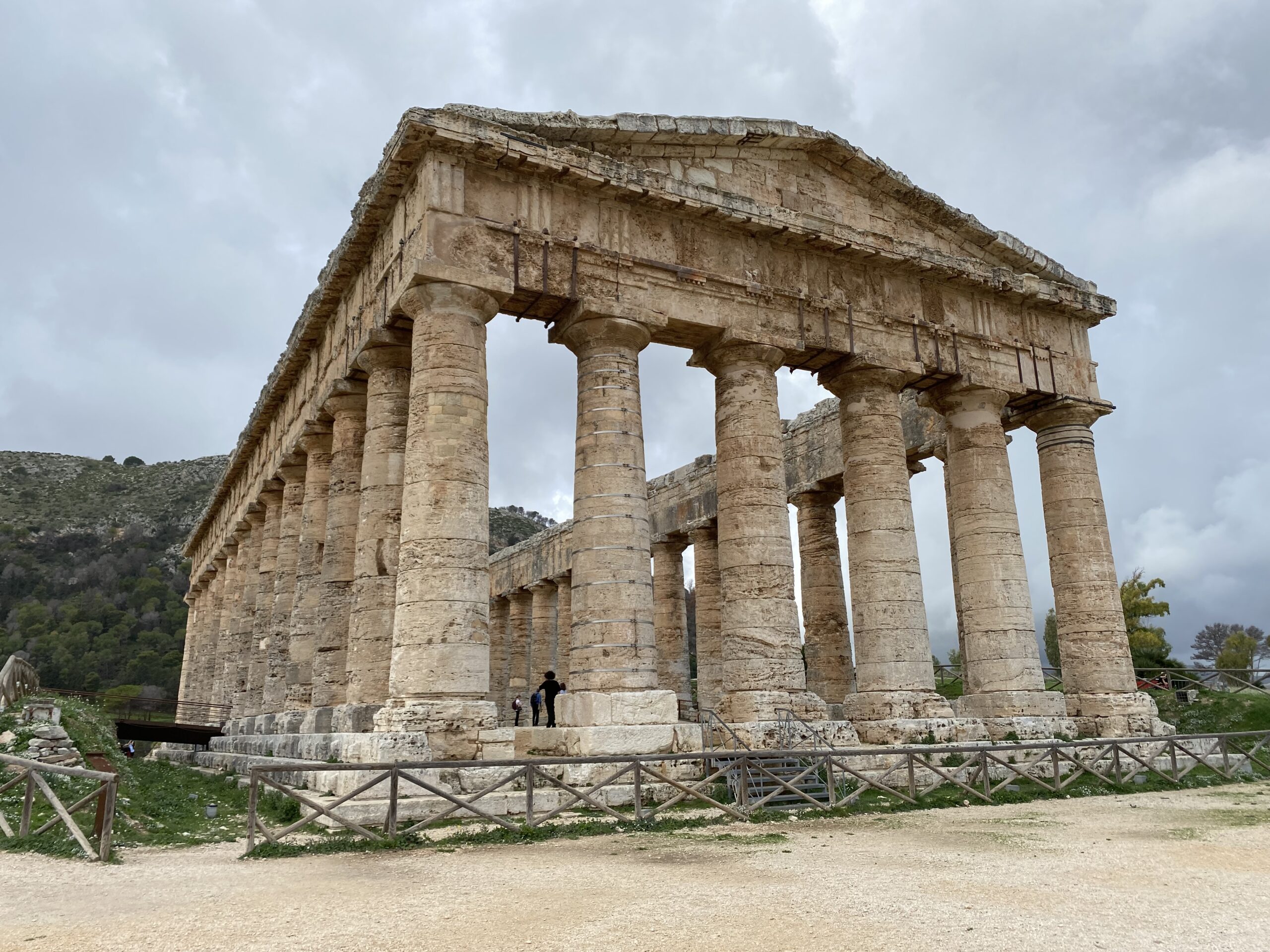
By the time Greek colonists first reached Sicilian shores in the 8th century BC, the island had been inhabited by these three distinct native peoples: (i) the Sicani lived in the western and central parts of the island. Ancient sources disagreed about their origins — but archeological ruins trace their presence of the island back to at least 12,000 BC. The Sicani were the oldest known ancient populations on the island. — but they clearly represented one of the oldest continuous populations on the island. The Sicels, from whom Sicily takes its modern name, arrived from the Italian peninsula around 1200 BC and settled in the eastern half of the island. And the Elymians, a smaller and more mysterious people, controlled the northwest — with their cities of Segesta, Erice, and Entella. Ancient Greek historians held that the Elymians were descendants of Trojan refugees who fled after the fall of Troy.
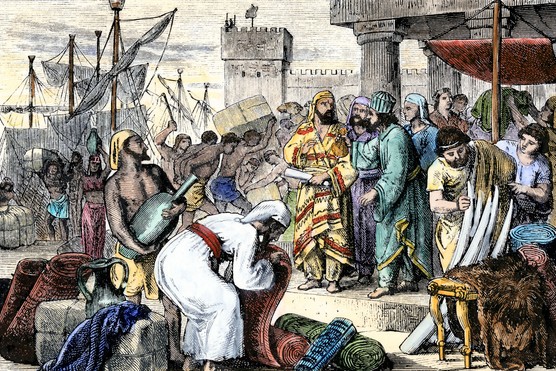
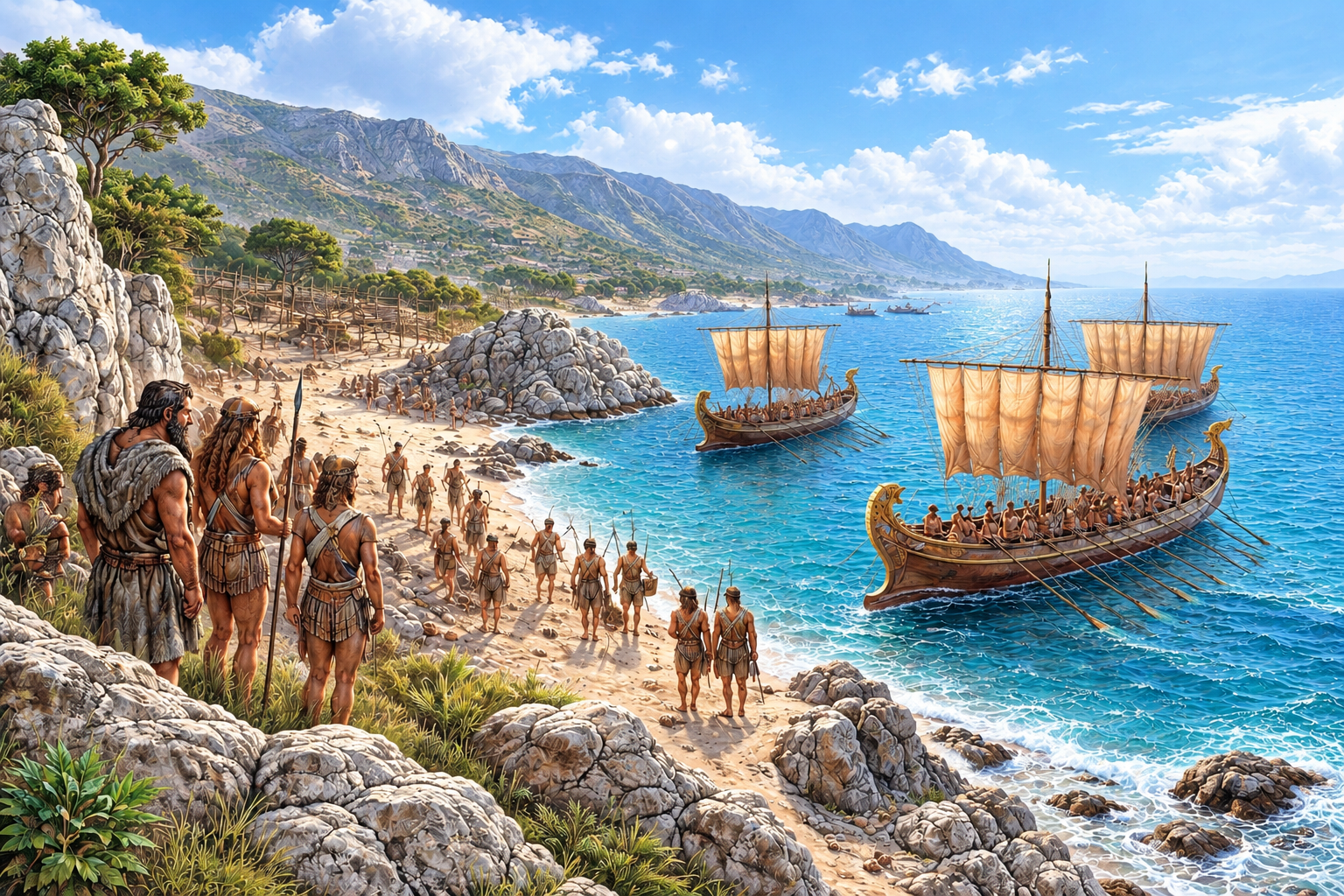
This chapter explores the colonization of Sicily by two major sea-faring groups in the Eastern Mediterranean, the Greeks and the Phoenicians in the mid-8th century BC. Within 150 years of the start of Sicilian colonization, the entire coastal regions around Sicily had been occupied by various Greek and Phoenician settlements, and the original prehistoric peoples had been pushed into the interior of the island, or else gradually absorbed into the more advanced Greek, Phoenician, and Carthaginian populations.