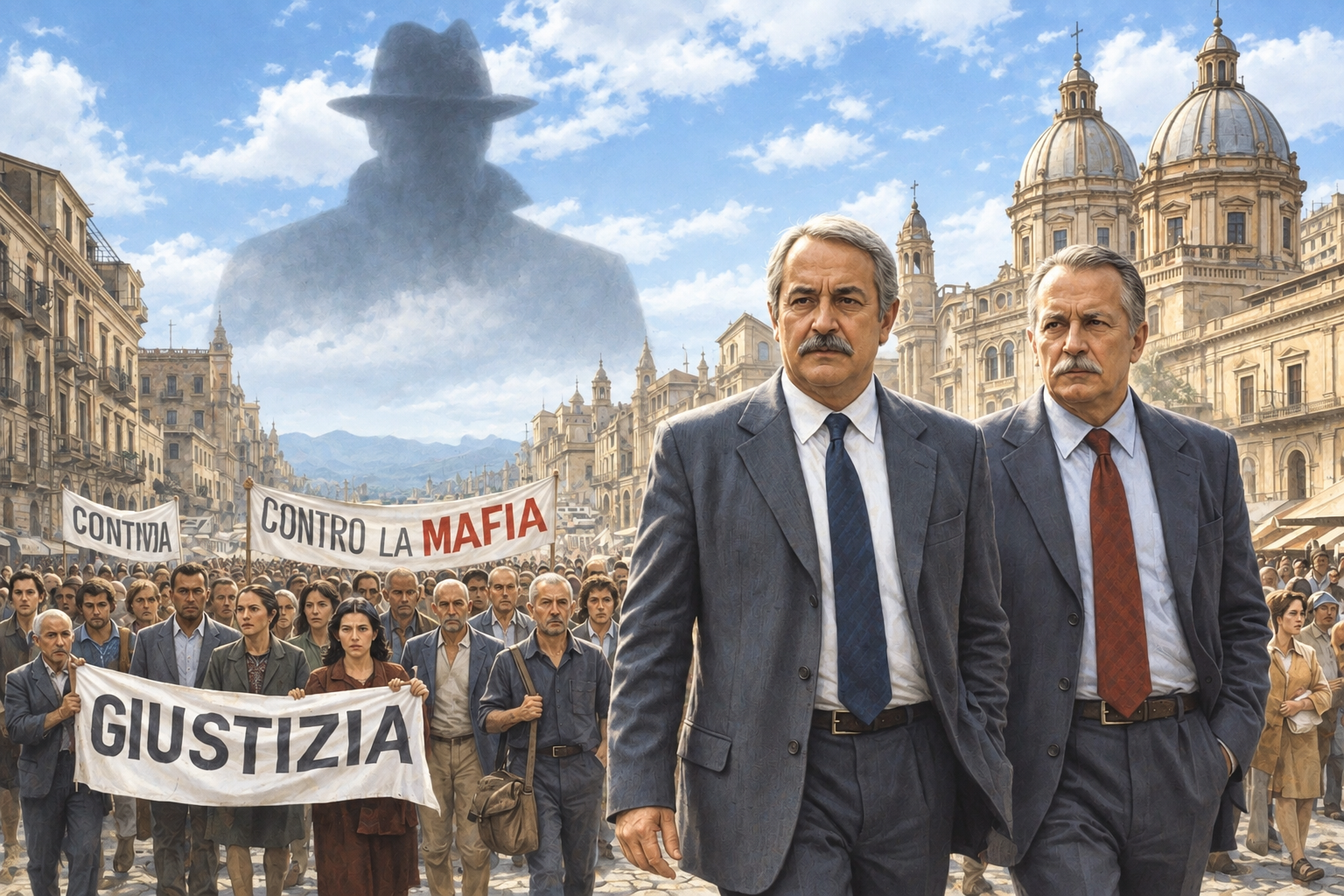


By the late 1970s the despair of the Sicilian people had reached new lows. The Mafia’s vast wealth and their threats of terrible violence were used to dominate the Sicilian government and maintain an unbreakable stranglehold on the economy. Senior government leaders in Rome had for decades turned a blind eye to Mafia corruption in Sicily in exchange for their political support. The power of the Mafia was at its zenith and seemed to be unstoppable. Abandoned by their national government, the great masses of the Sicilian people remained largely bereft of any hope for a better life, some believing it to be their destiny to remain forever at the mercy of Mafia criminals.
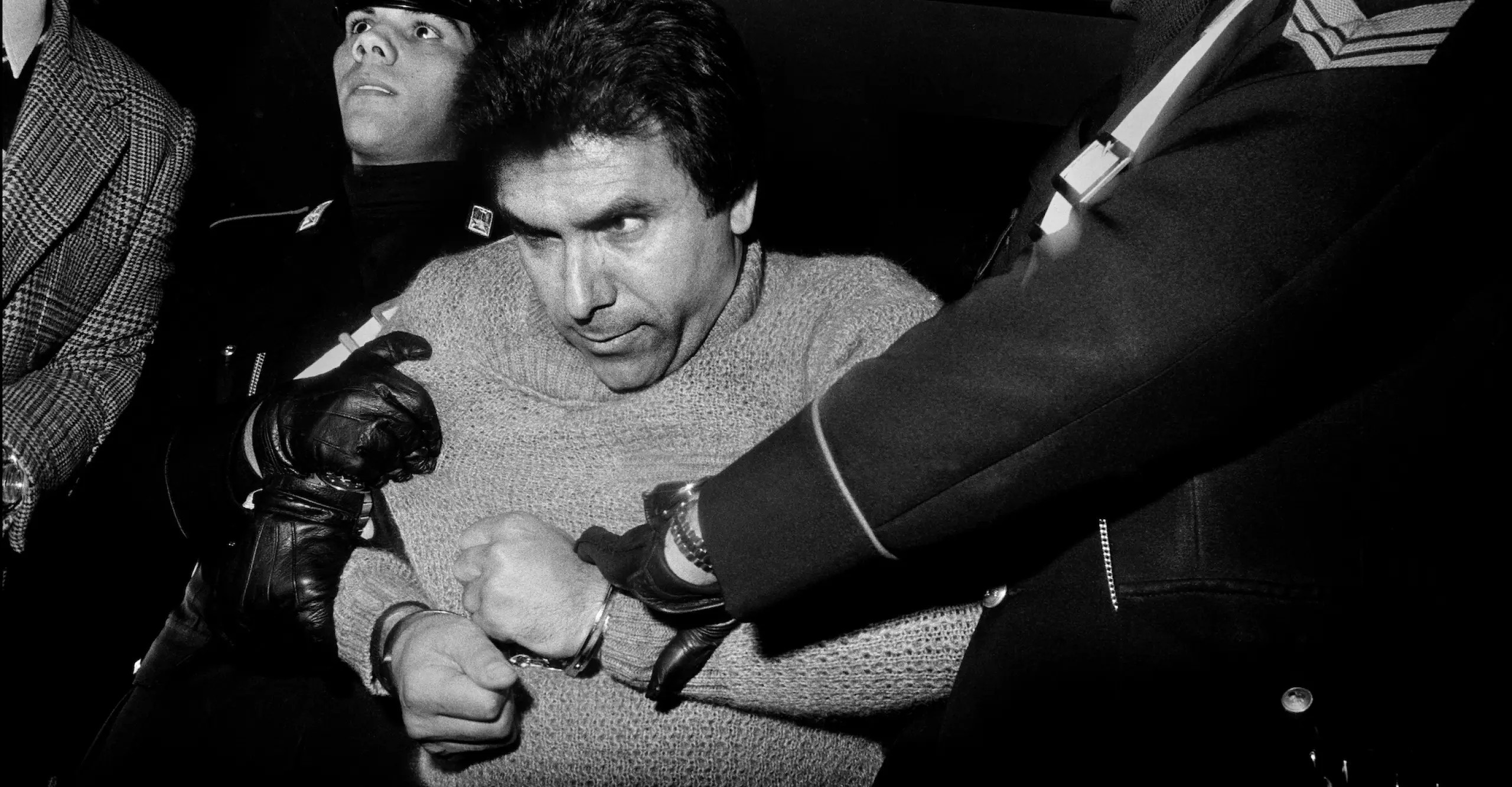
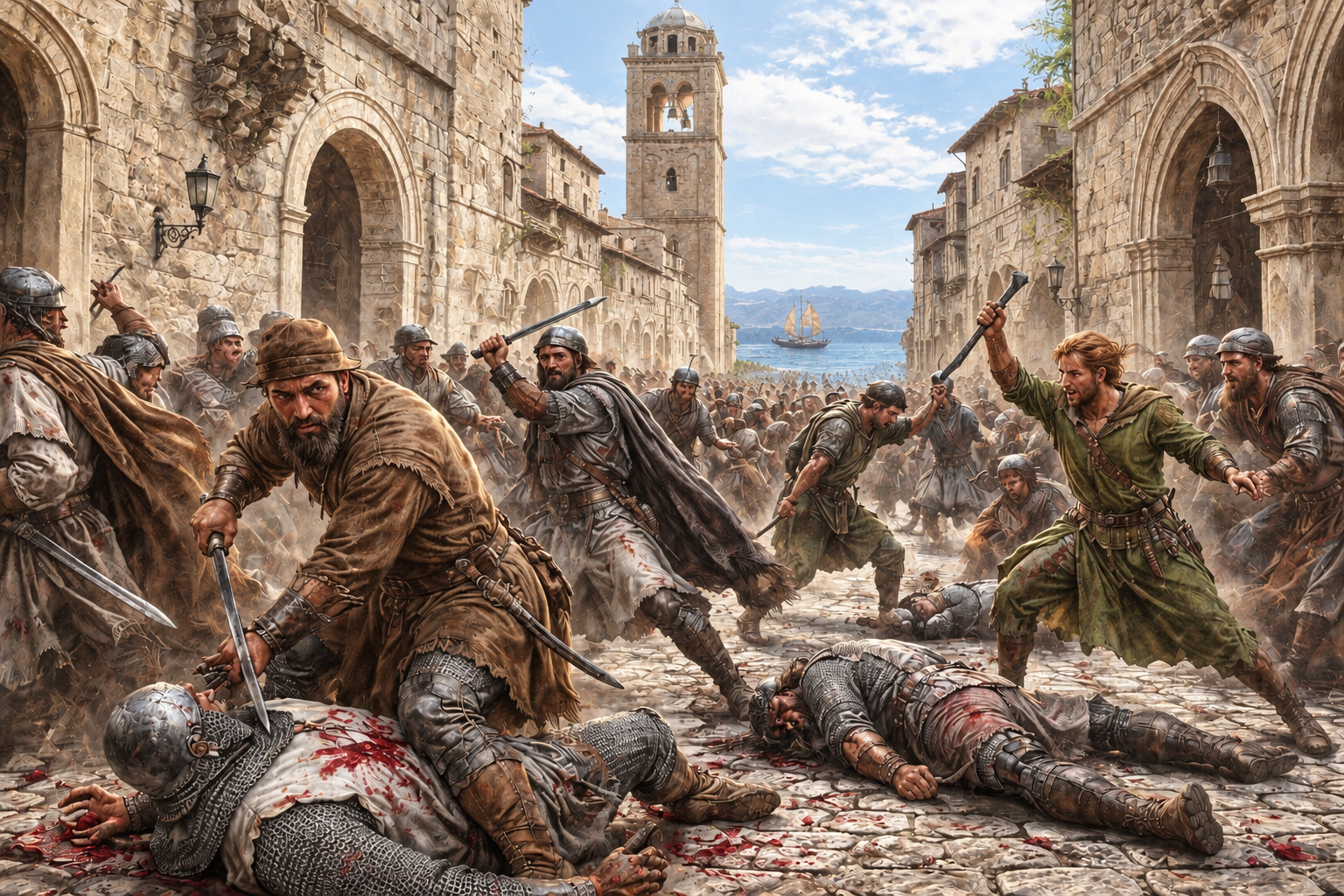
Despite this seemingly hopeless environment, a number of courageous Sicilians from all professions and walks of life refused to be cowed, and began to speak and act up against Mafia abuses. Mafia leaders responded with a brutal military-style campaign to murder journalists, police officers, prosecutors, judges, politicians, witnesses to their crimes, along with other innocents who dared to speak out against Mafia abuses. During the 1980s and 1990s much of Sicily, particularly the city of Palermo, was a war zone. whose streets ran red with the blood of the hundreds of Mafia victims. The Italian government publicly spoke out against Mafia violence, but behind closed doors continued their decades long policy of non-interference with the criminal activities of their political Mafia partners.
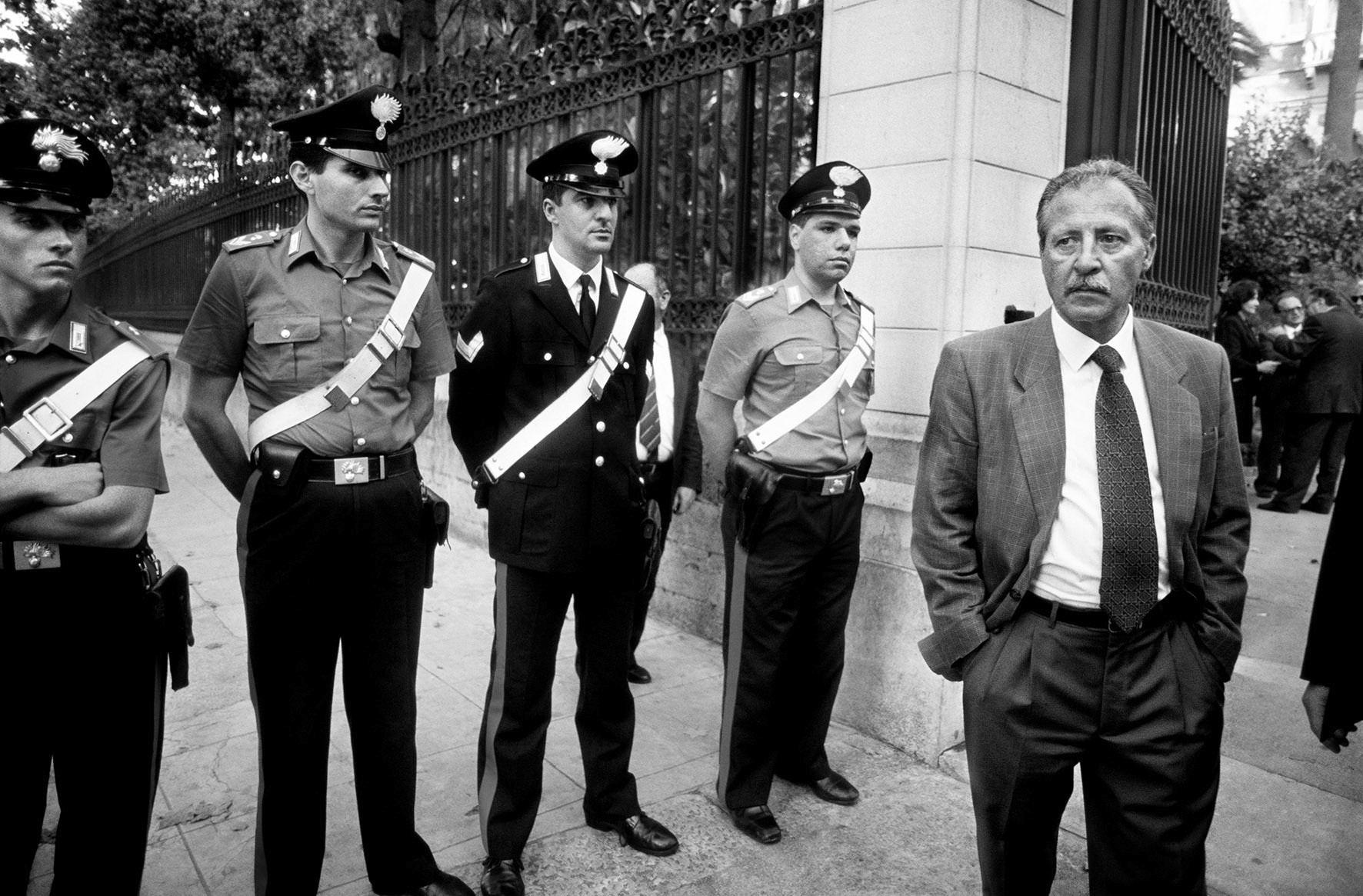
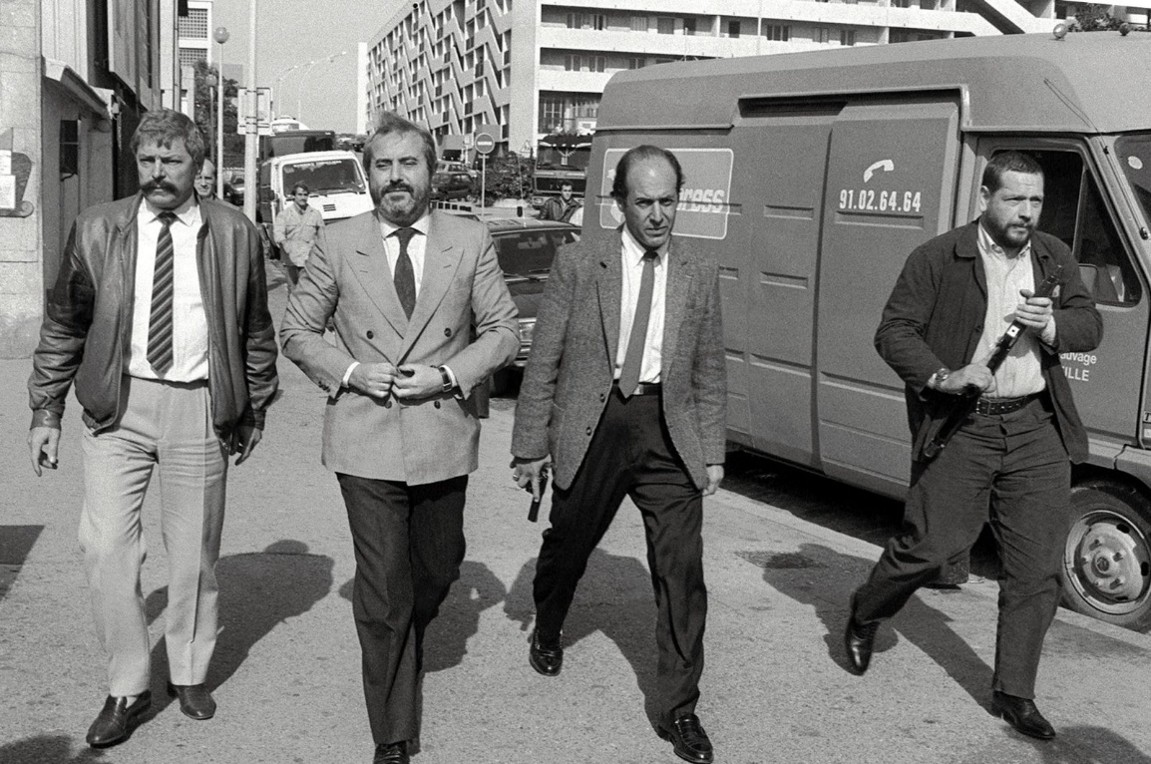
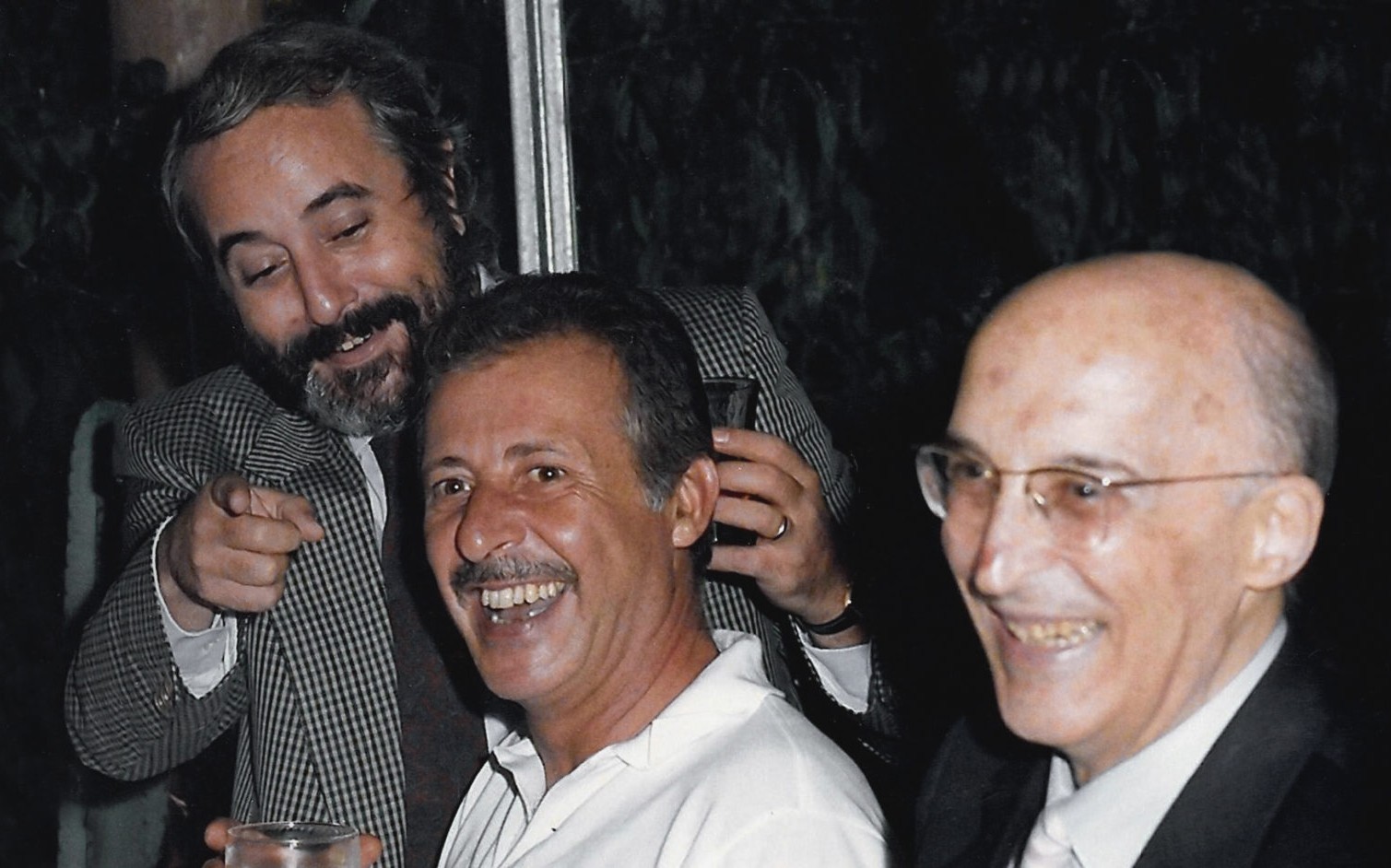
In the midst of this hopeless environment a core of dedicated and incorruptible Sicilian law enforcement officials, largely abandoned by their government in Rome, would steadfastly continue the fight against the seemingly invincible Mafia. The chapter details the highly successful actions of two incorruptible Palermo magistrates and anti-Mafia champions, judges Giovanni Falcone and Paolo Borsellino, which would lead to the largest Mafia prosecution in history. Their law enforcement success would come at a terrible cost. Although marked for death by the Mafia, both men refused to abandon the fight for justice and the rule of law.
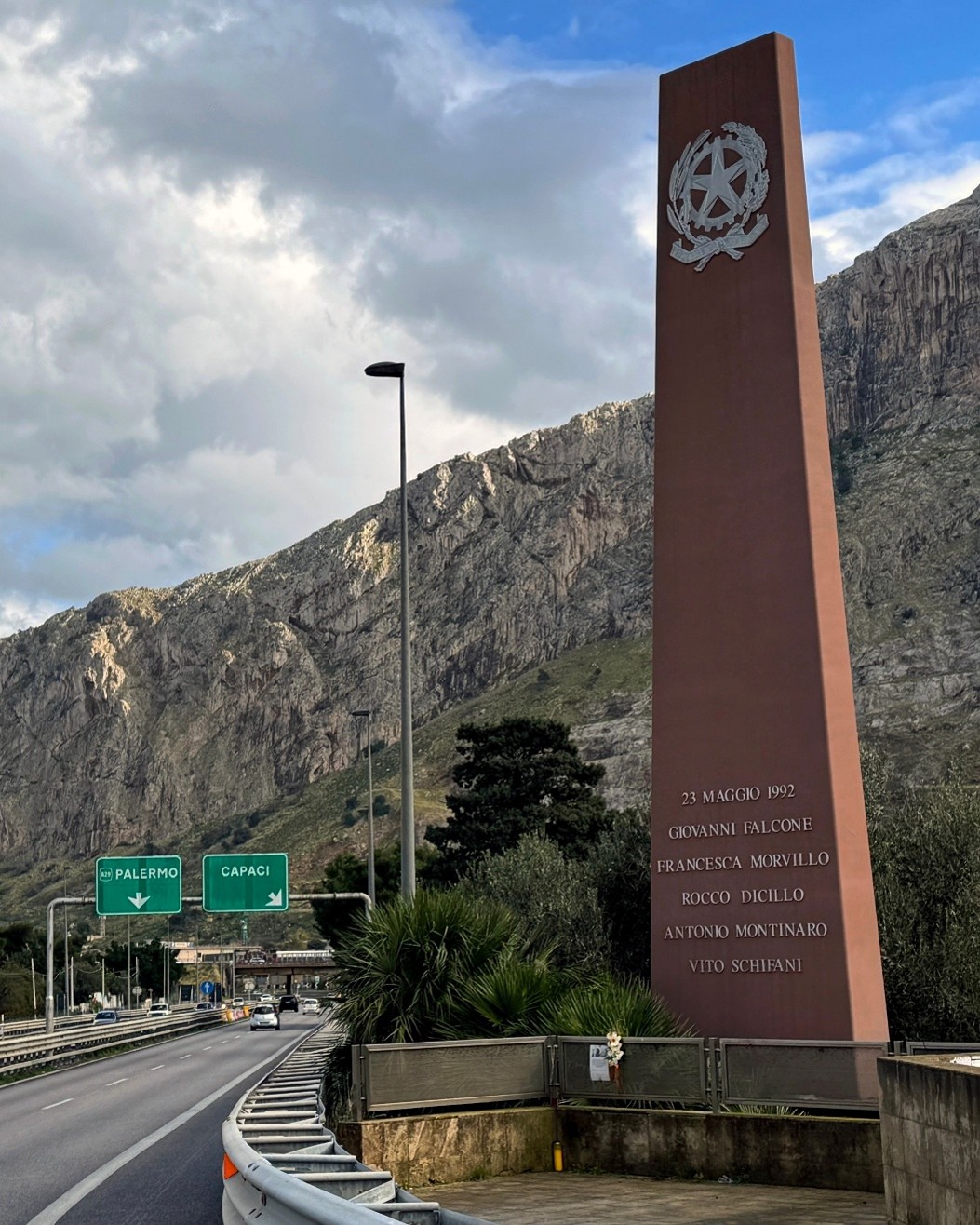
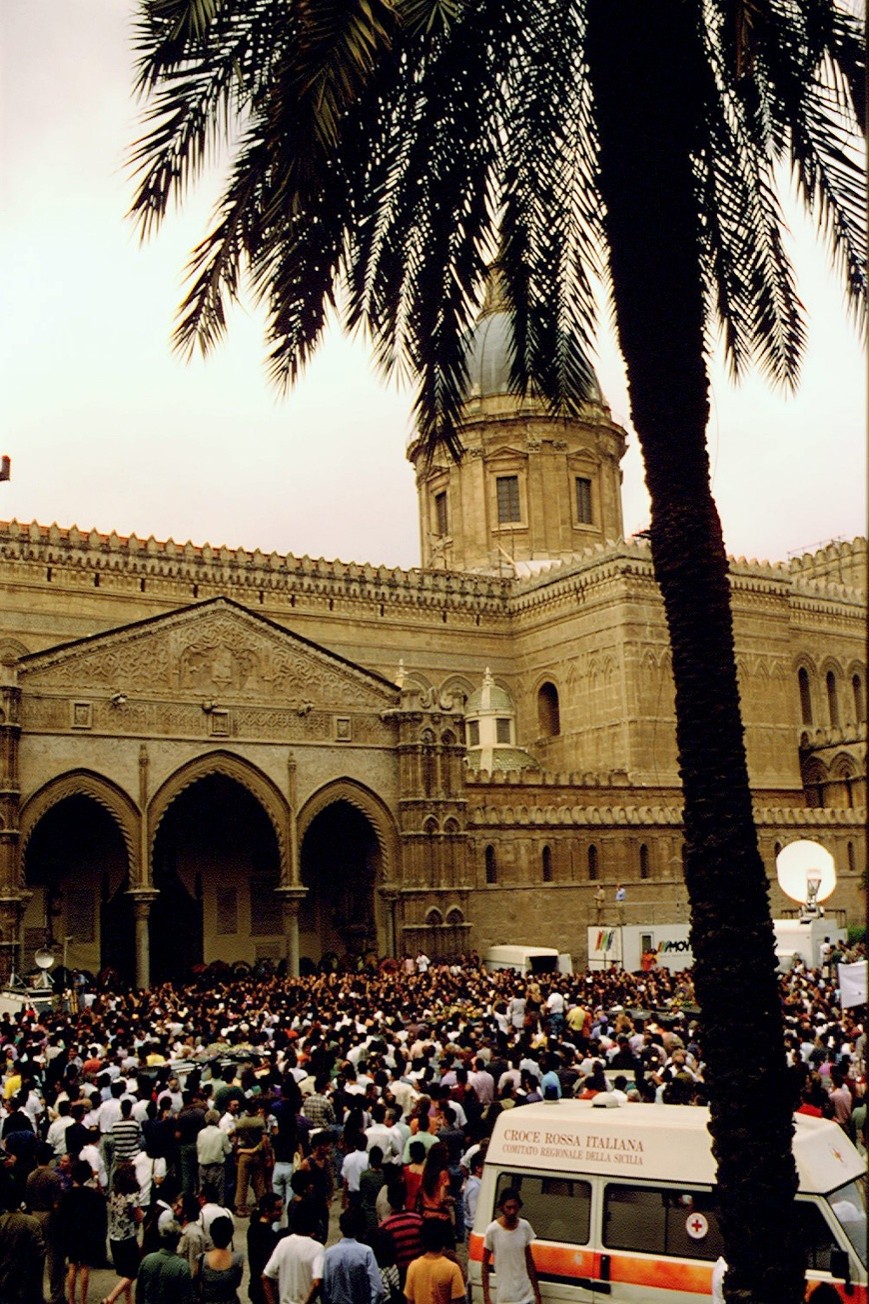
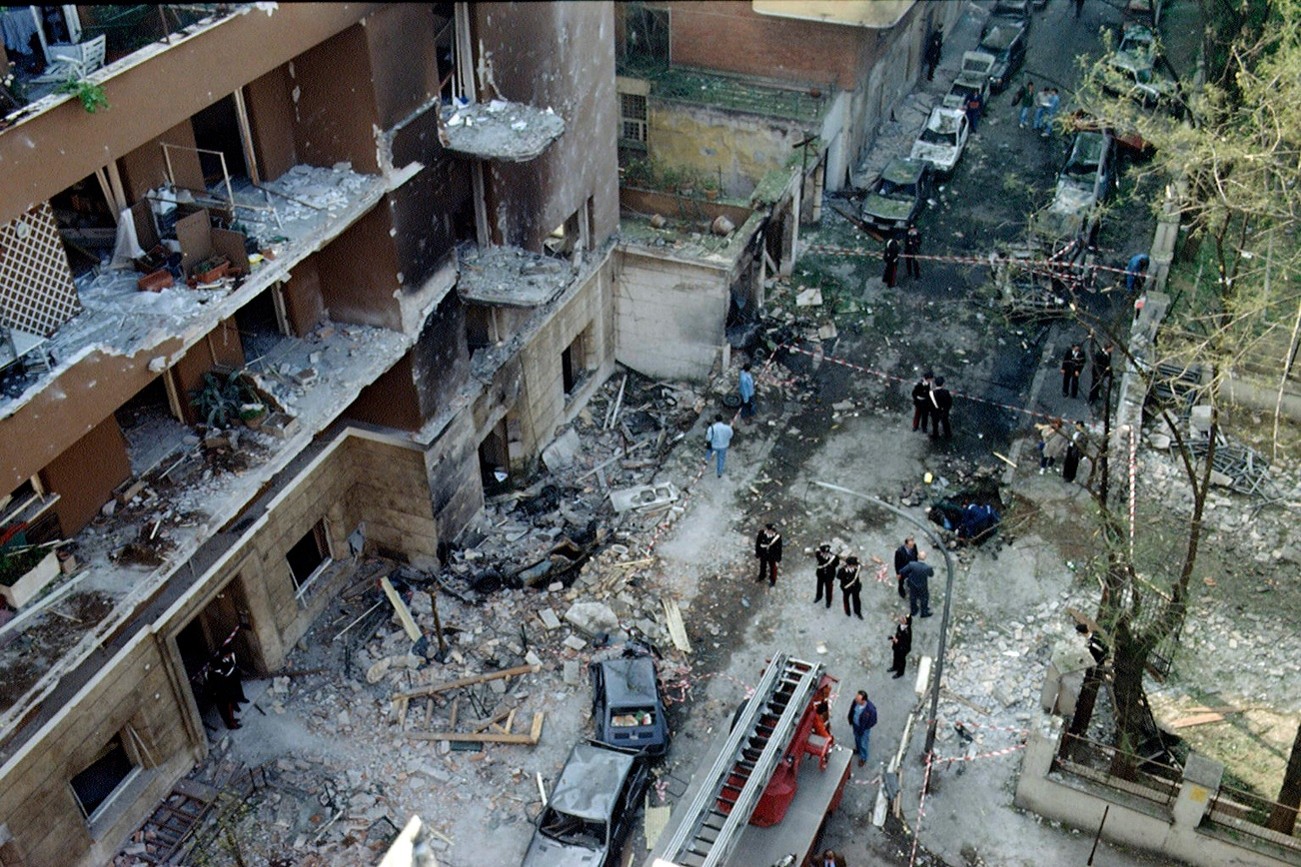
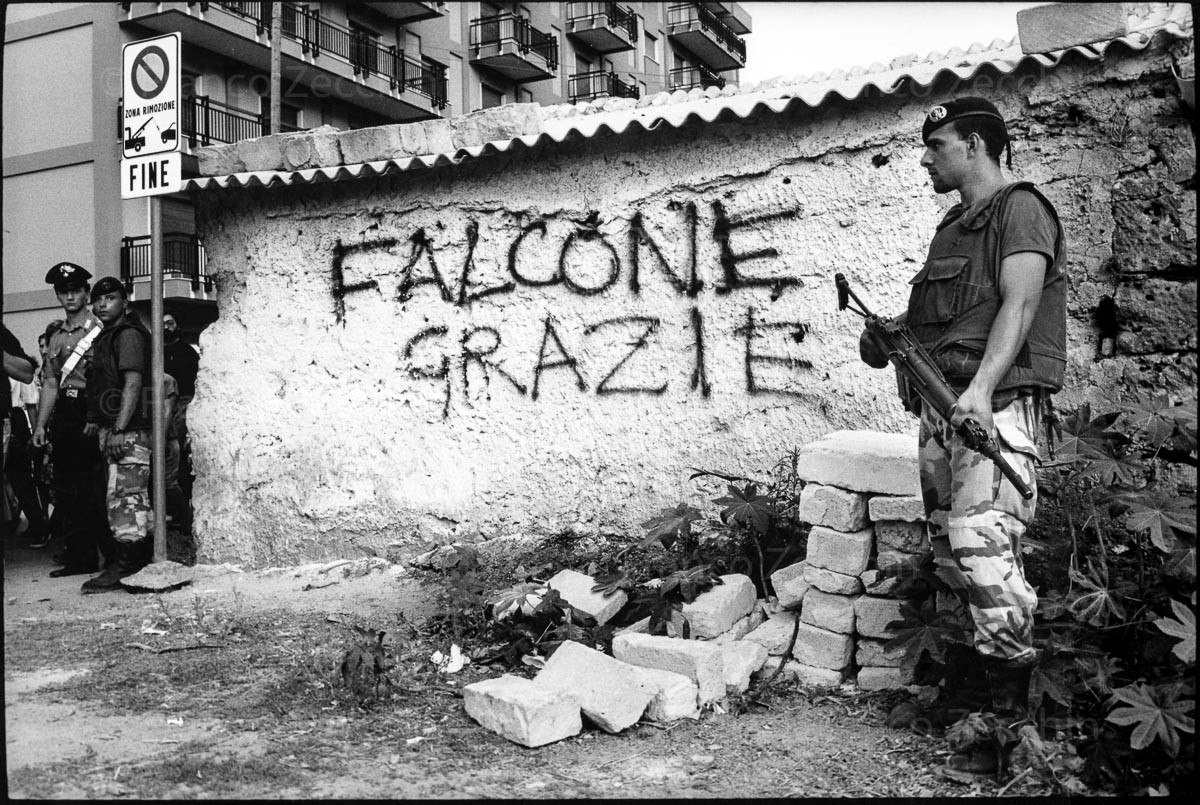
Their brutal murders in 1992 at the hands of Mafia assassins proved to be the turning point in the decades long fight war against the Mafia. The enraged and determined Sicilian people would endure the evils of the Mafia no longer. The assassinations of judges Falcone and Borsellino ignited a furious popular revolt within Sicily, so massive and powerful, that it quickly spread throughout all of Italy, and shook the confidence of the nation in the legitimacy of the entire Italian state. Fighting for its own political survival the Italian government in Rome was forced, for the first time ever, to commit all resources of the state necessary to defeat the Mafia in Sicily.