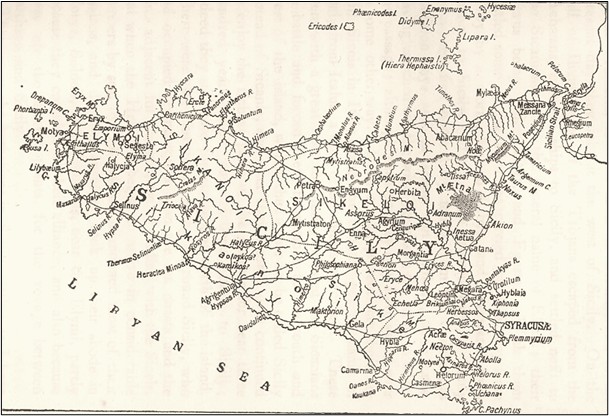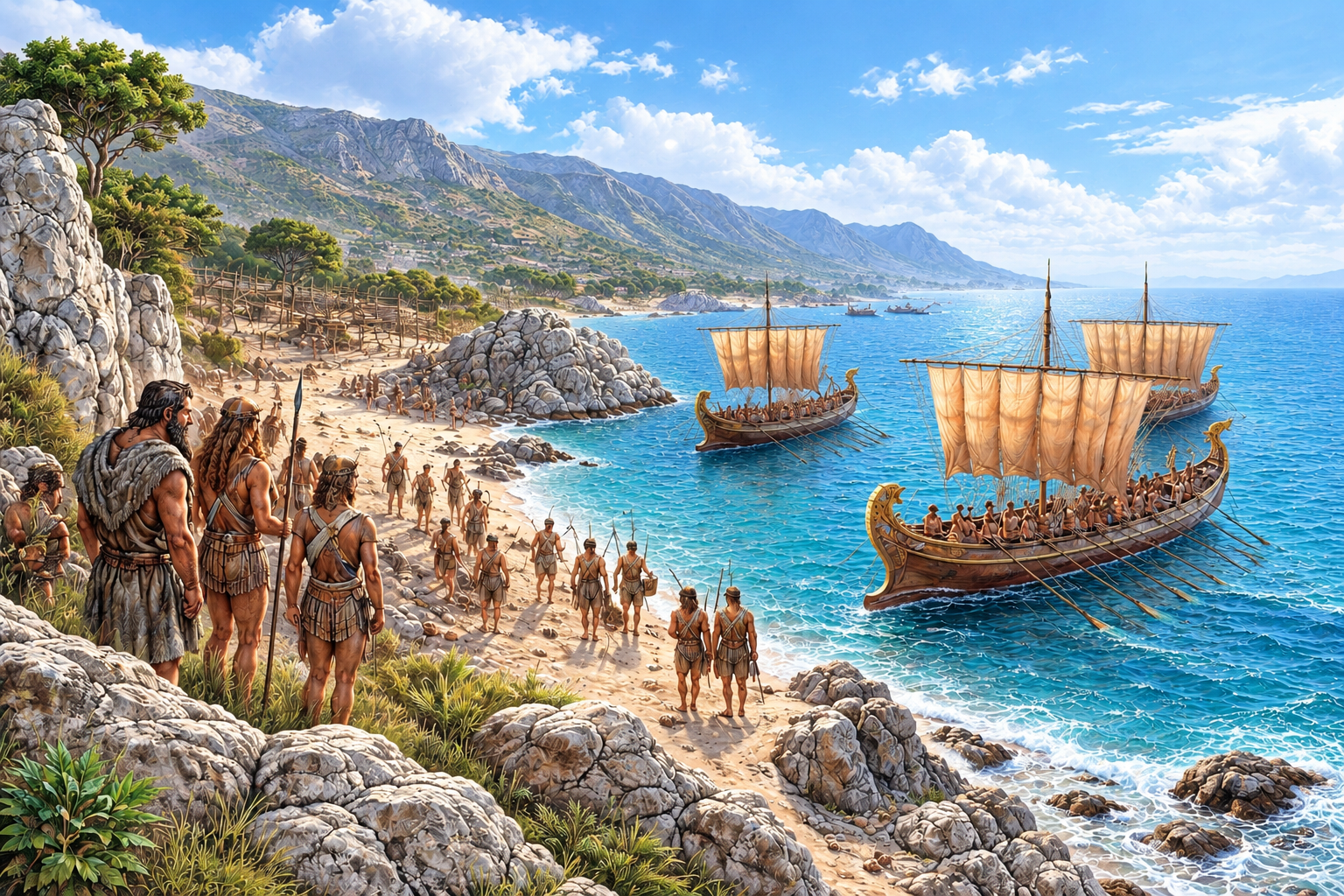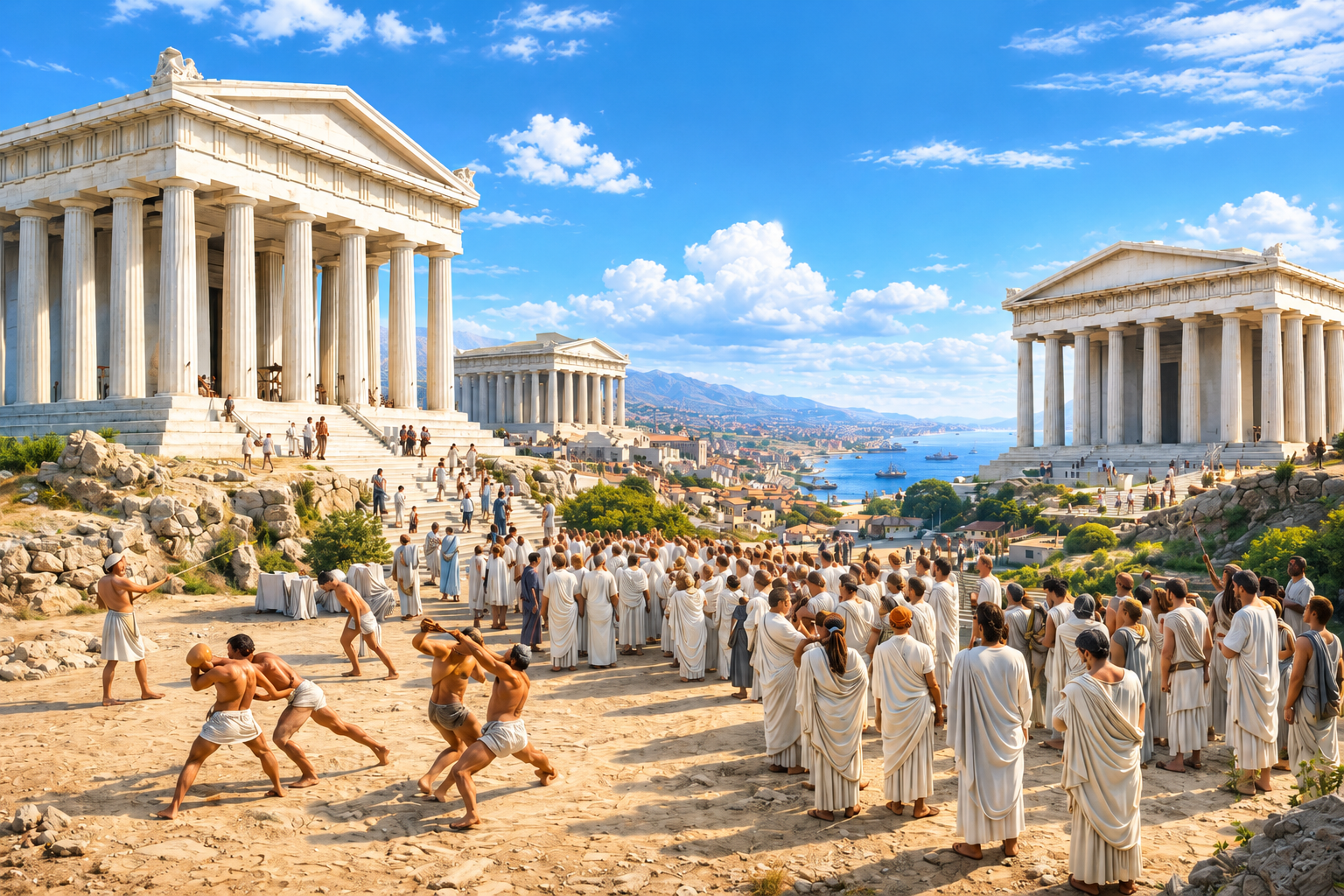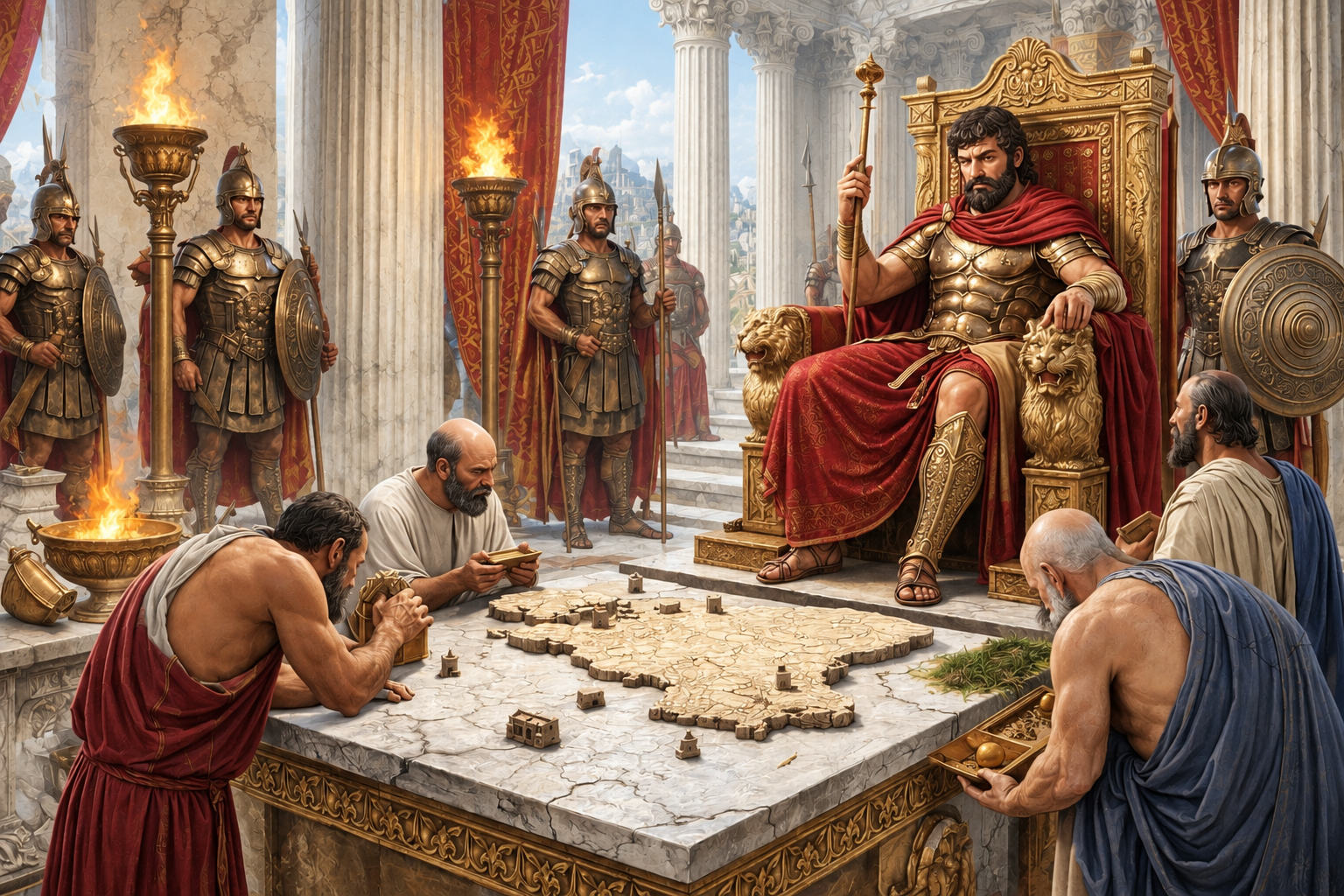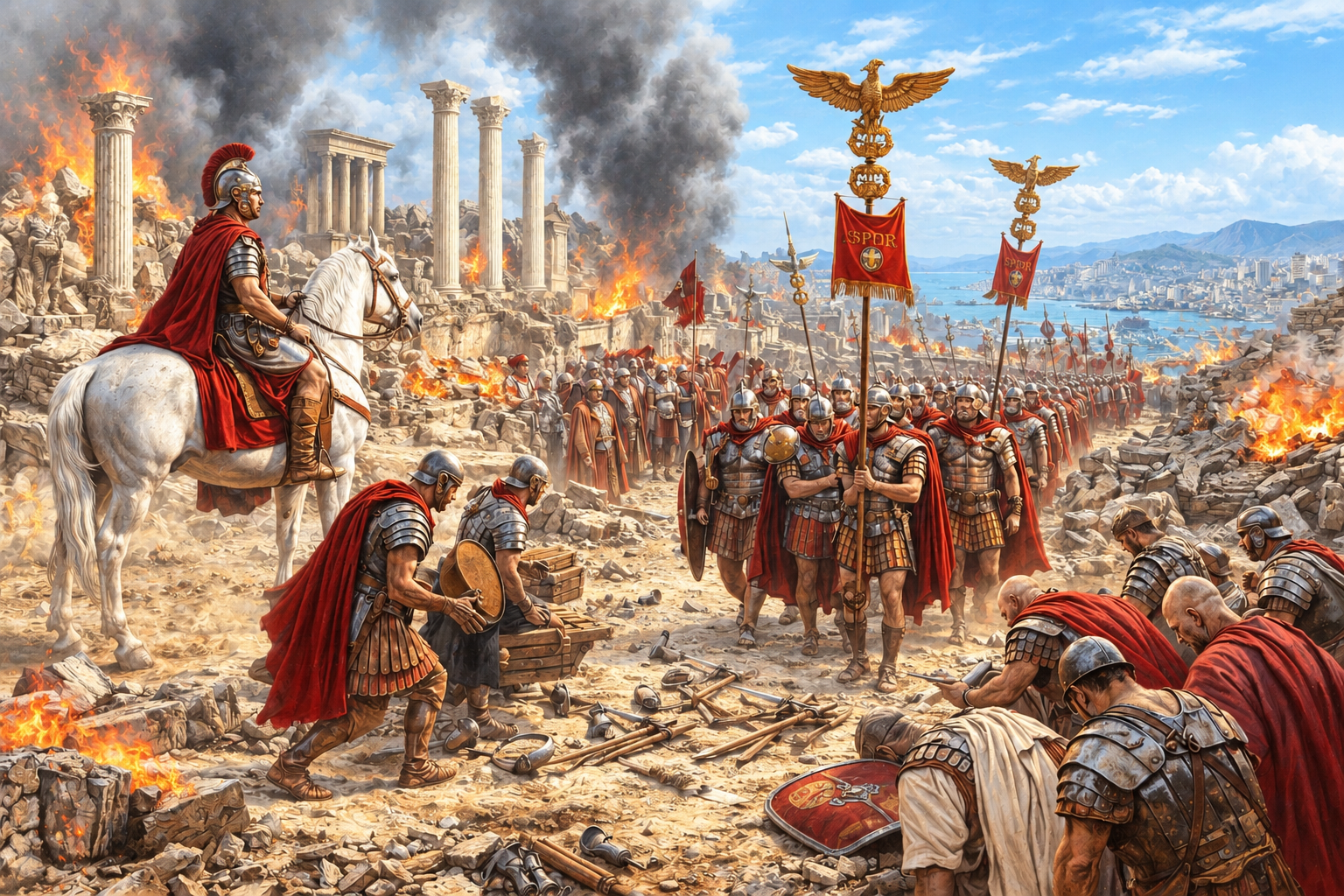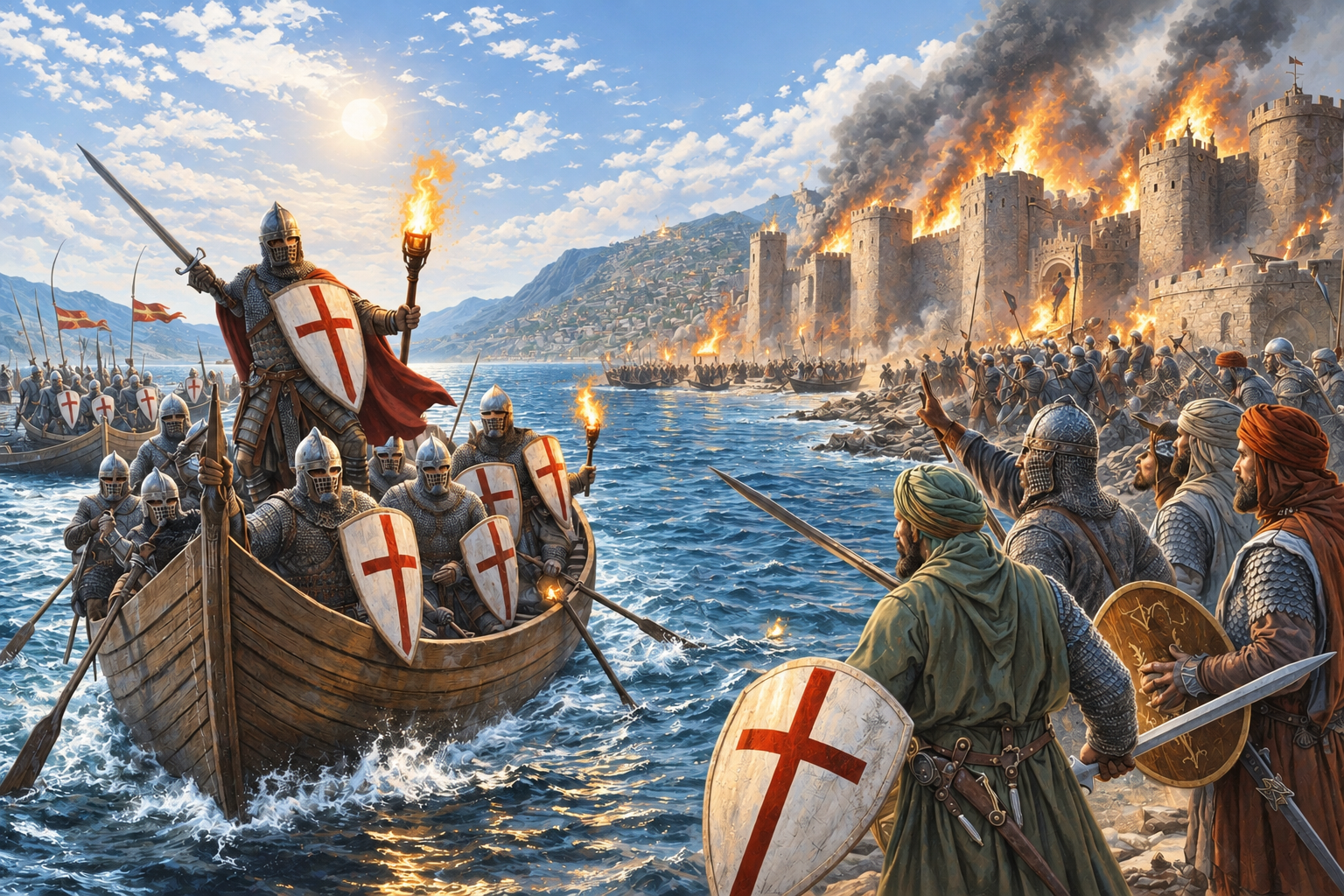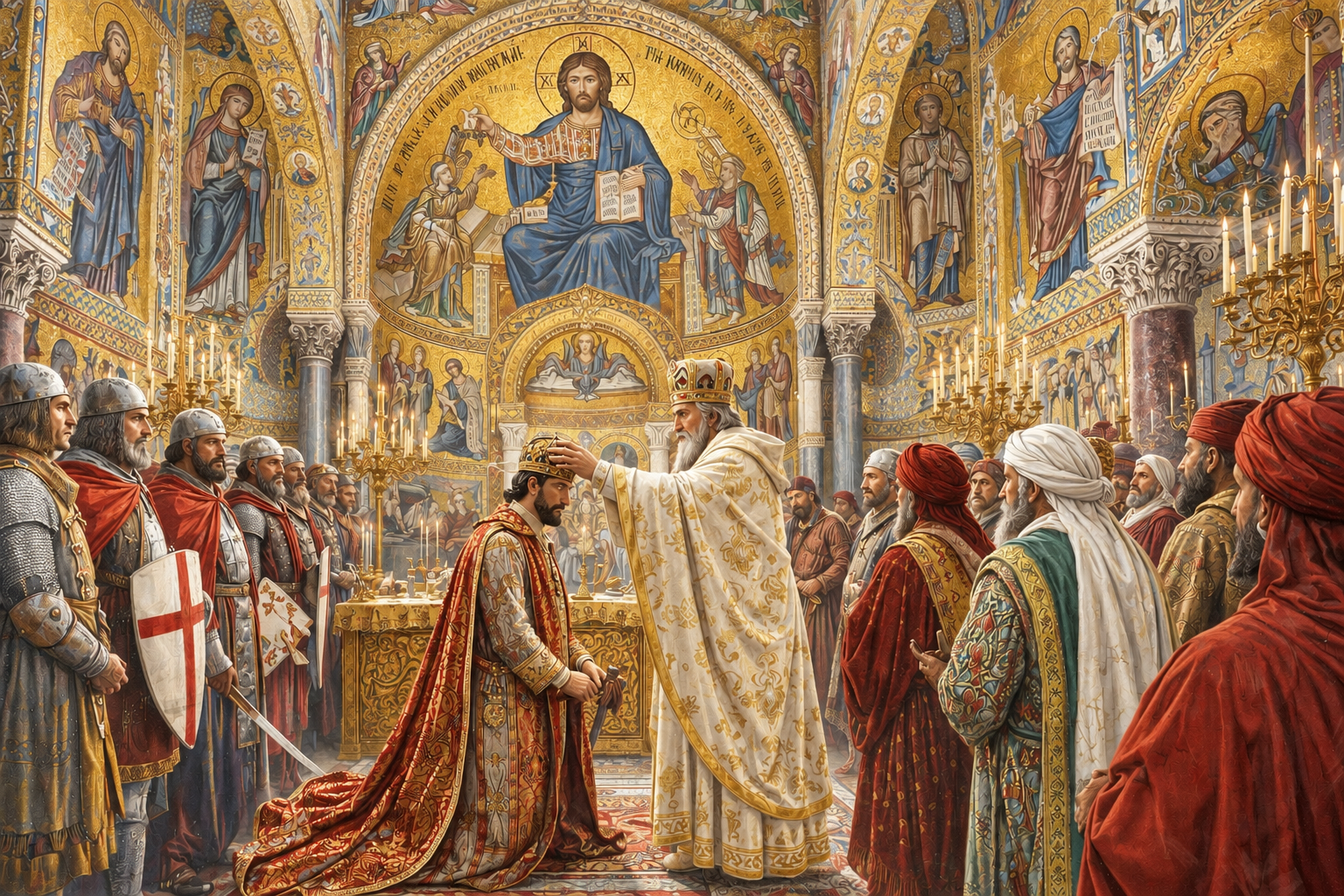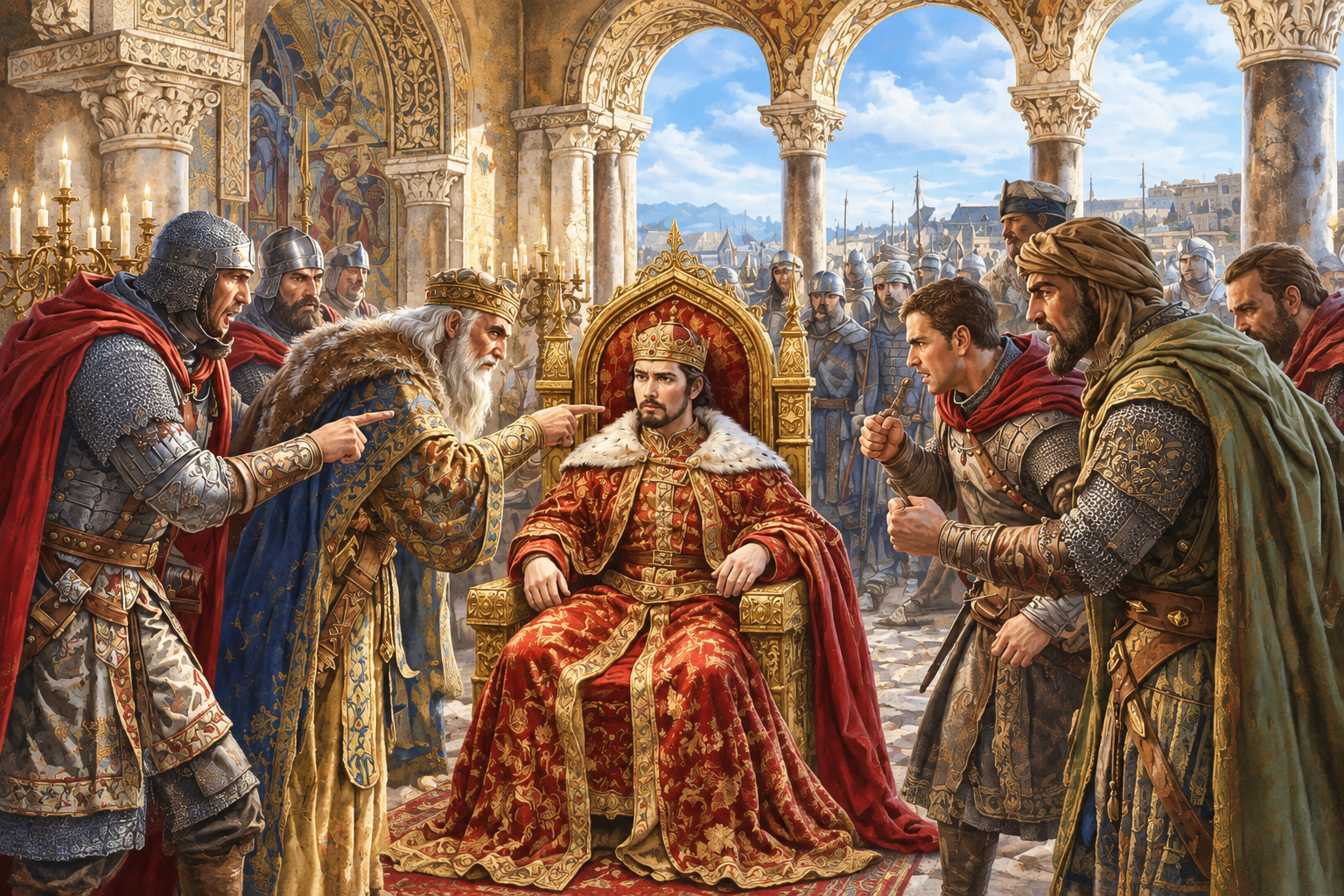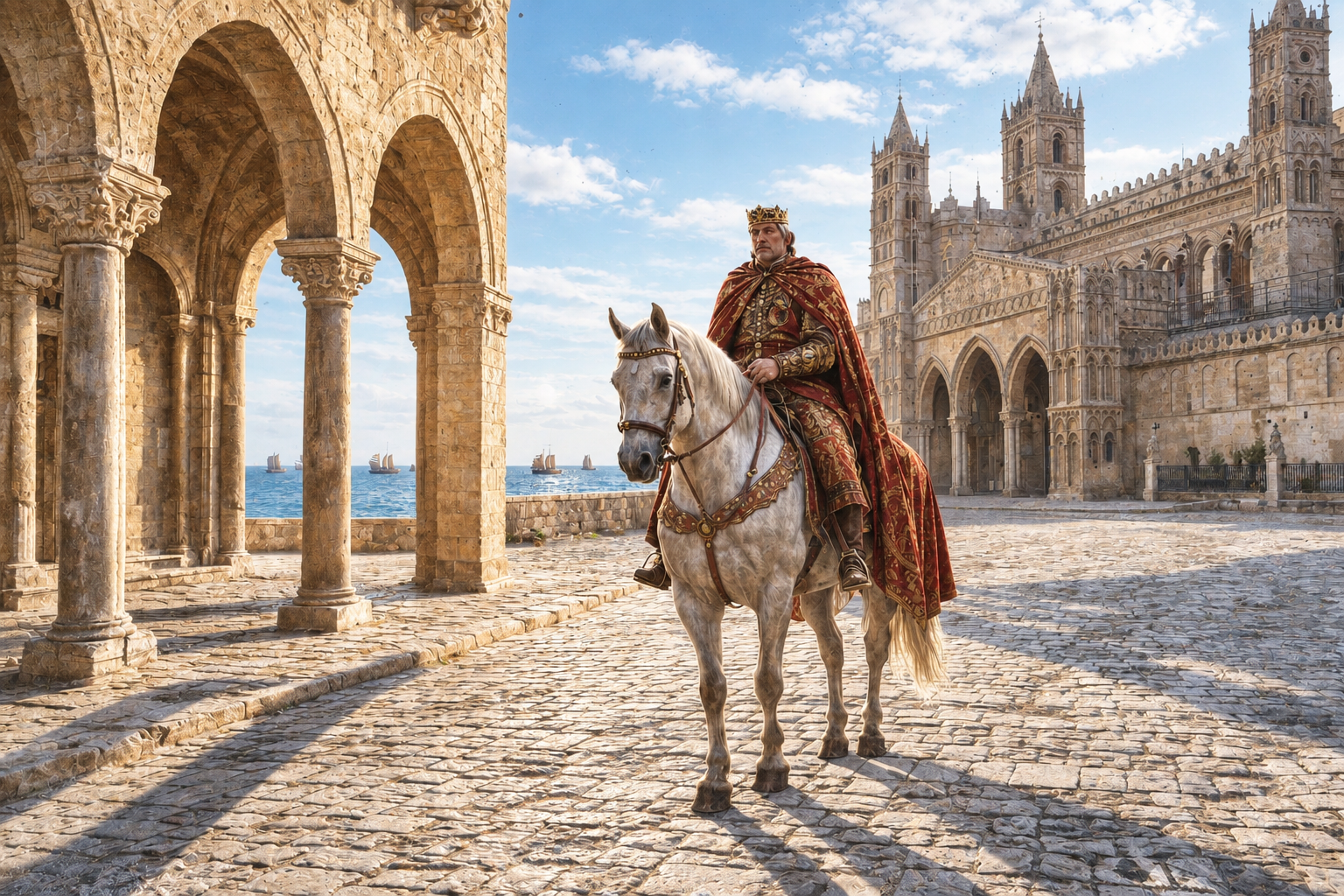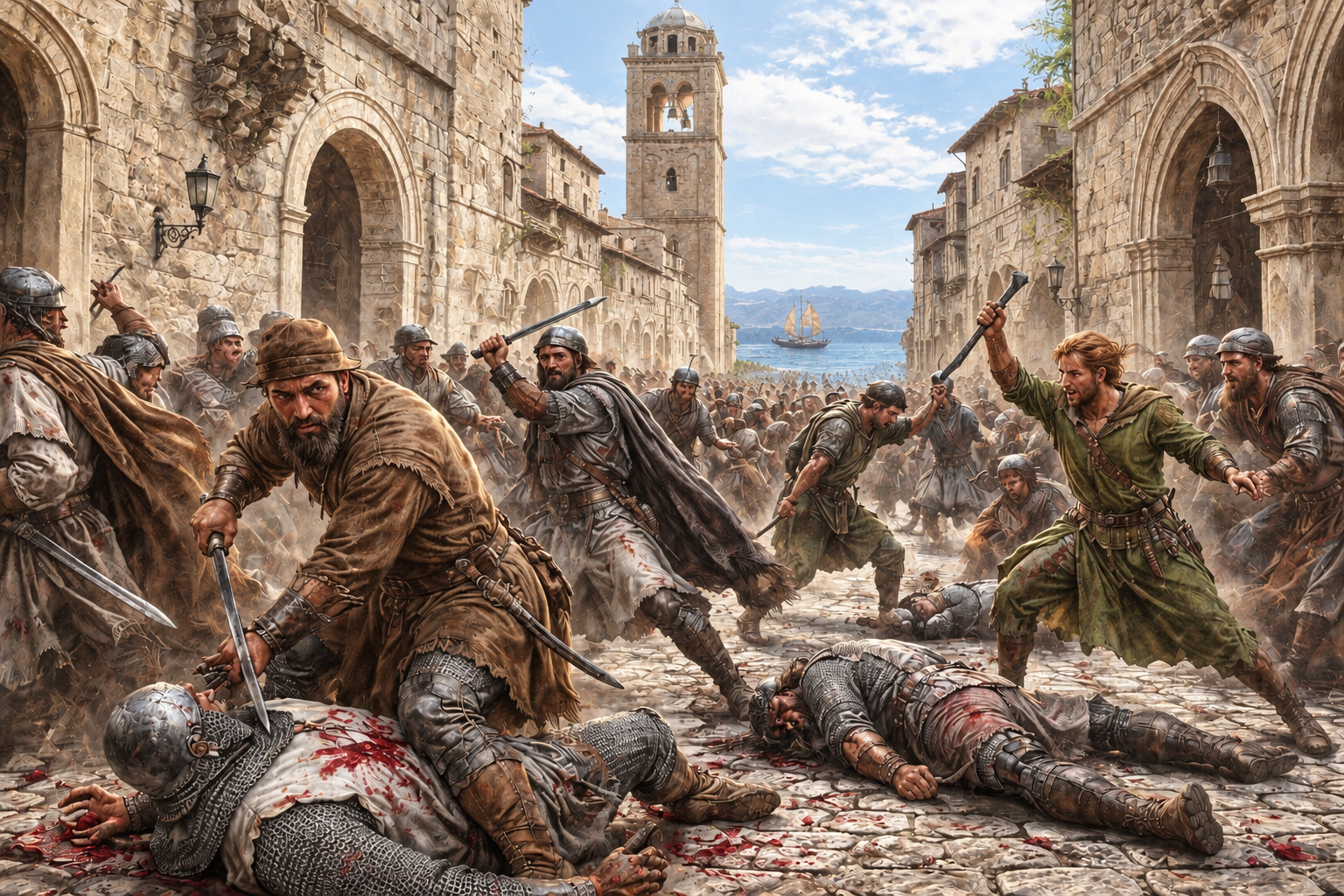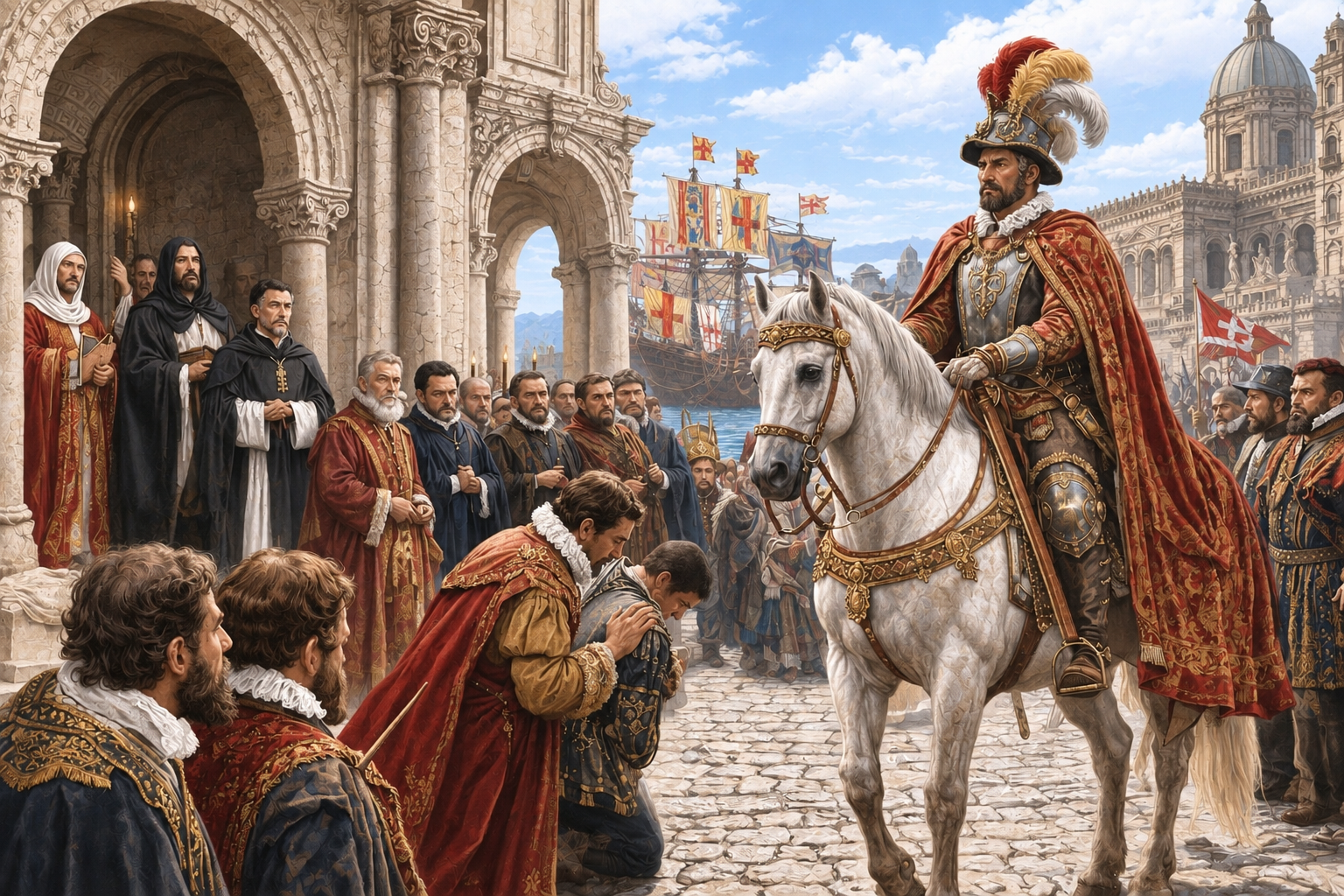


Sicilian Greek history is dominated by a succession of powerful rulers called tyrants. The word “tyrant” in this context did not carry its modern pejorative meaning of cruelty, but rather simply meant a ruler who had seized power outside the legal structures of a Greek city. Many of the great Sicilian tyrants were brilliant statesmen, generals, and patrons of the arts who led their cities to extraordinary heights, while other were cruel, abusive despots.
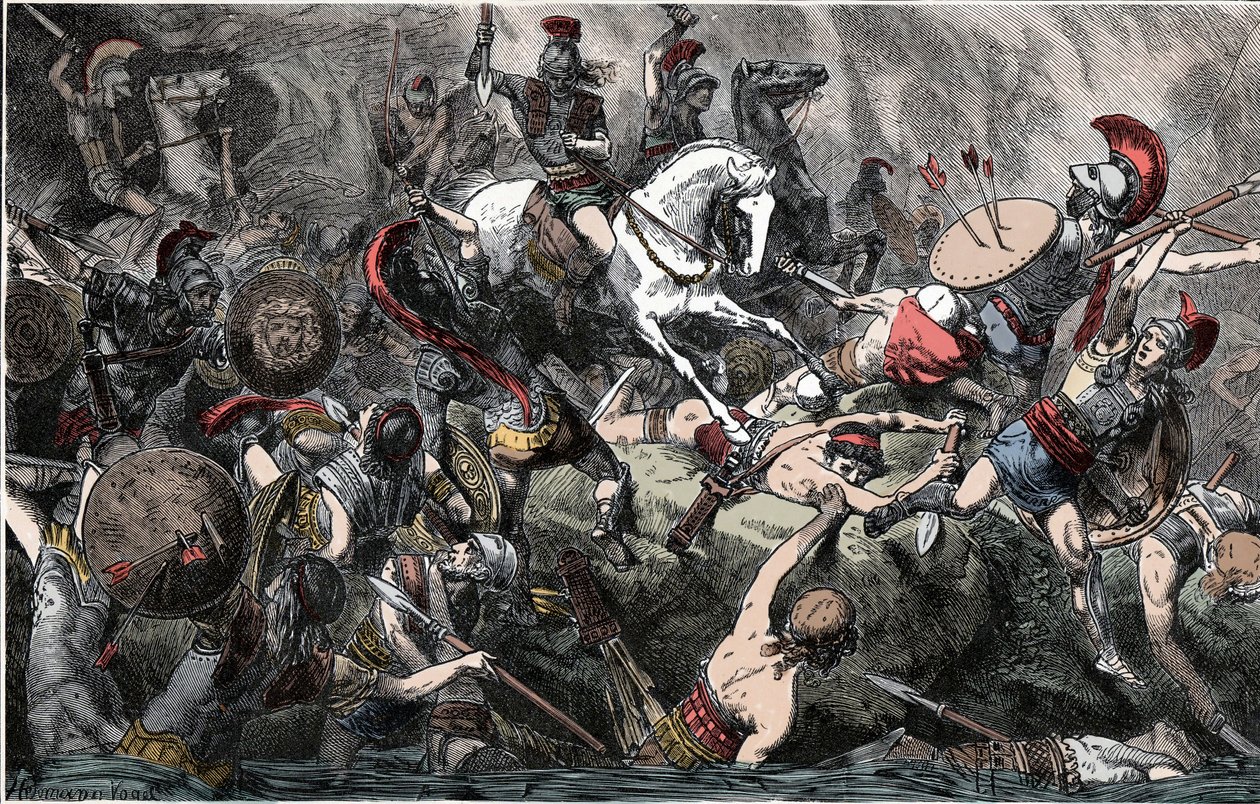
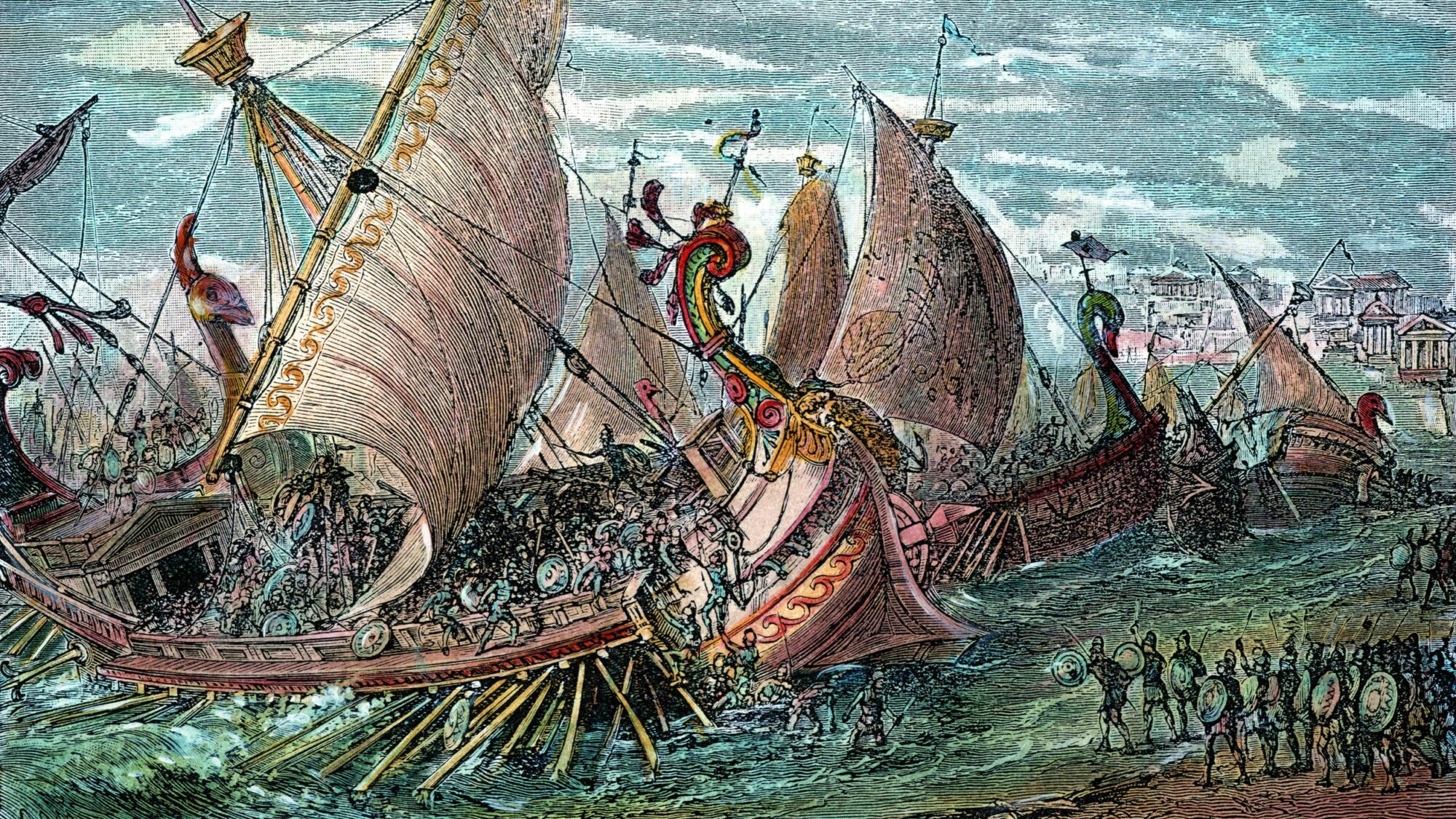
The chapter covers the great rulers of Syracuse in detail during the 300-year period from the 5th to the 3rd centuries BC. Beginning with Gelon (r. 485–478 BC), who defeated Carthage at the Battle of Himera in 480 BC, continuing with the failed military invasion of Siracusae by the Athens (415–413 BC), where nearly 40,000 Athenian soldiers perished or were taken prisoner and enslaved in one of the most tragic military disasters of the ancient world. The complex story then moves to the great Sicilian warlord Dionysius I (r. 405–367 BC), who successfully battled the Carthaginian Empire for decades and carved out an empire stretching across most of Sicily and southern Italy.
Following the death of the mighty tyrant Dionysius, Siracusae descends into chaos as the city is captured by foreign mercenaries in the mid-4th century. The residents of Siracusae are then rescued by one of the greatest heroes of the ancient Greek world, Timoleon of Corinth. After expelling the mercenaries from Syracuse and then repelling a massive Carthaginian invasion in western Sicily, the hero Timoleon voluntarily surrenders his power to restore Democratic rule to much of the island. Within several decades of just rule by Sicily’s greatest hero, power is once again usurped by the cruelest, most notorious of the Sicilian tyrants, Agathocles (r. 317–289 BC), whose reign of terror lasted for 28-years, most of them warring against Carthage and neighboring Sicilian Greek neighbors.
The chapter concludes with the rise to power of the last of the mighty Greek tyrants of Sicily, Hiero II, whose reign coincided with the start of the First Punic War in 264 BC, between the Roman Republic and the Carthaginian Empire. This long, destructive war would be fought largely in Sicily or in its surrounding waters.