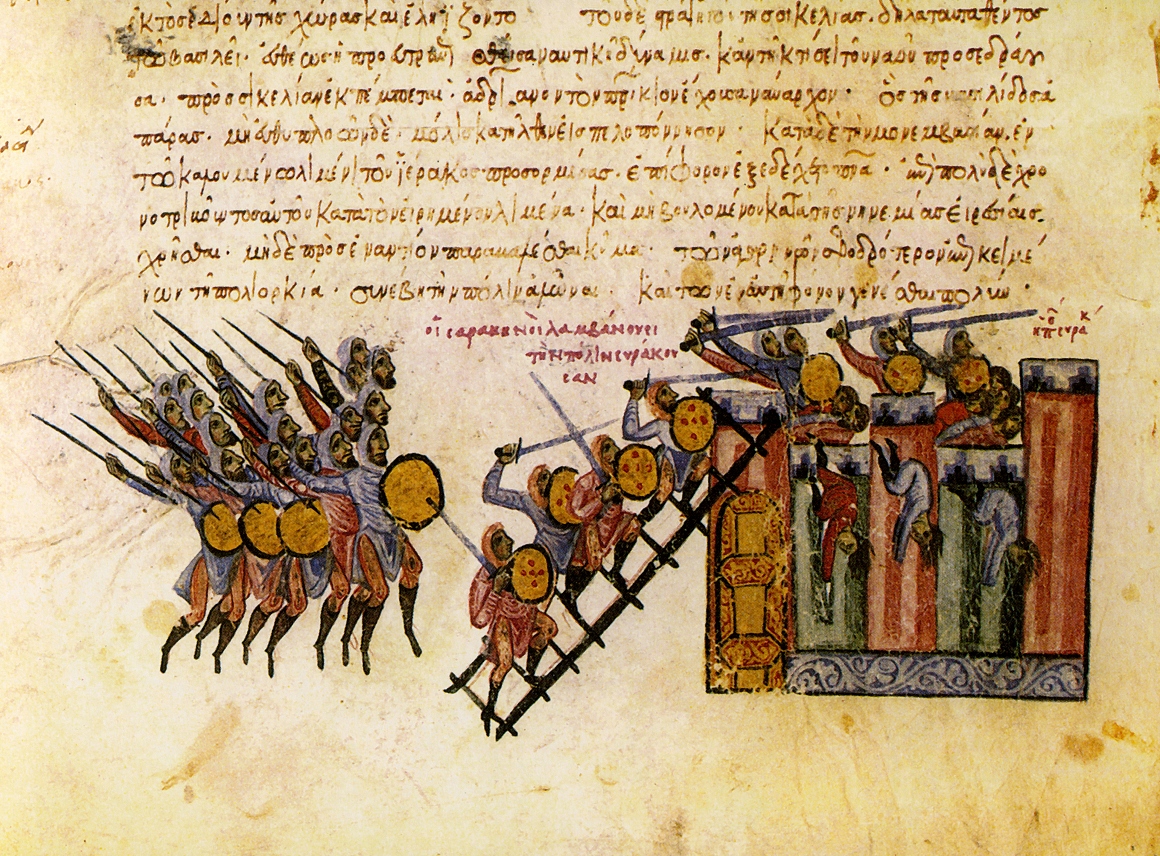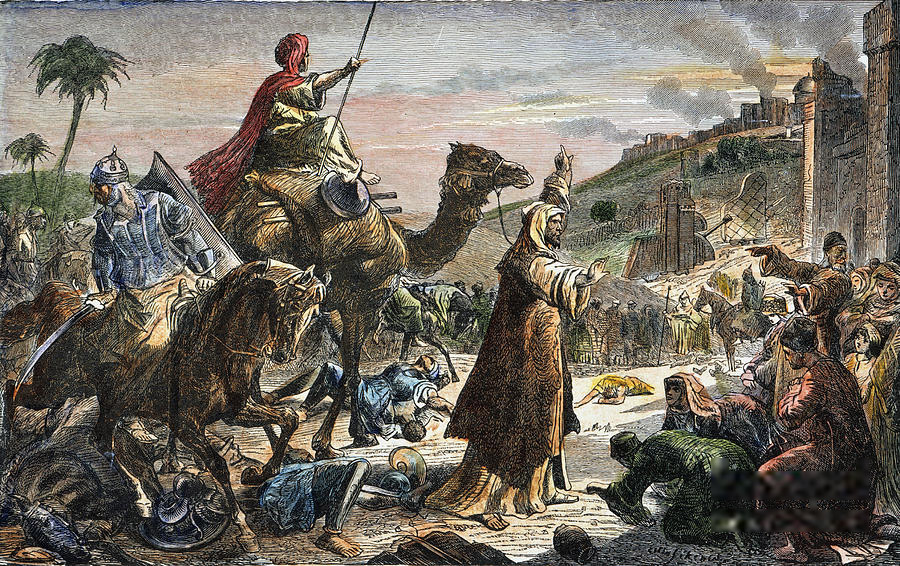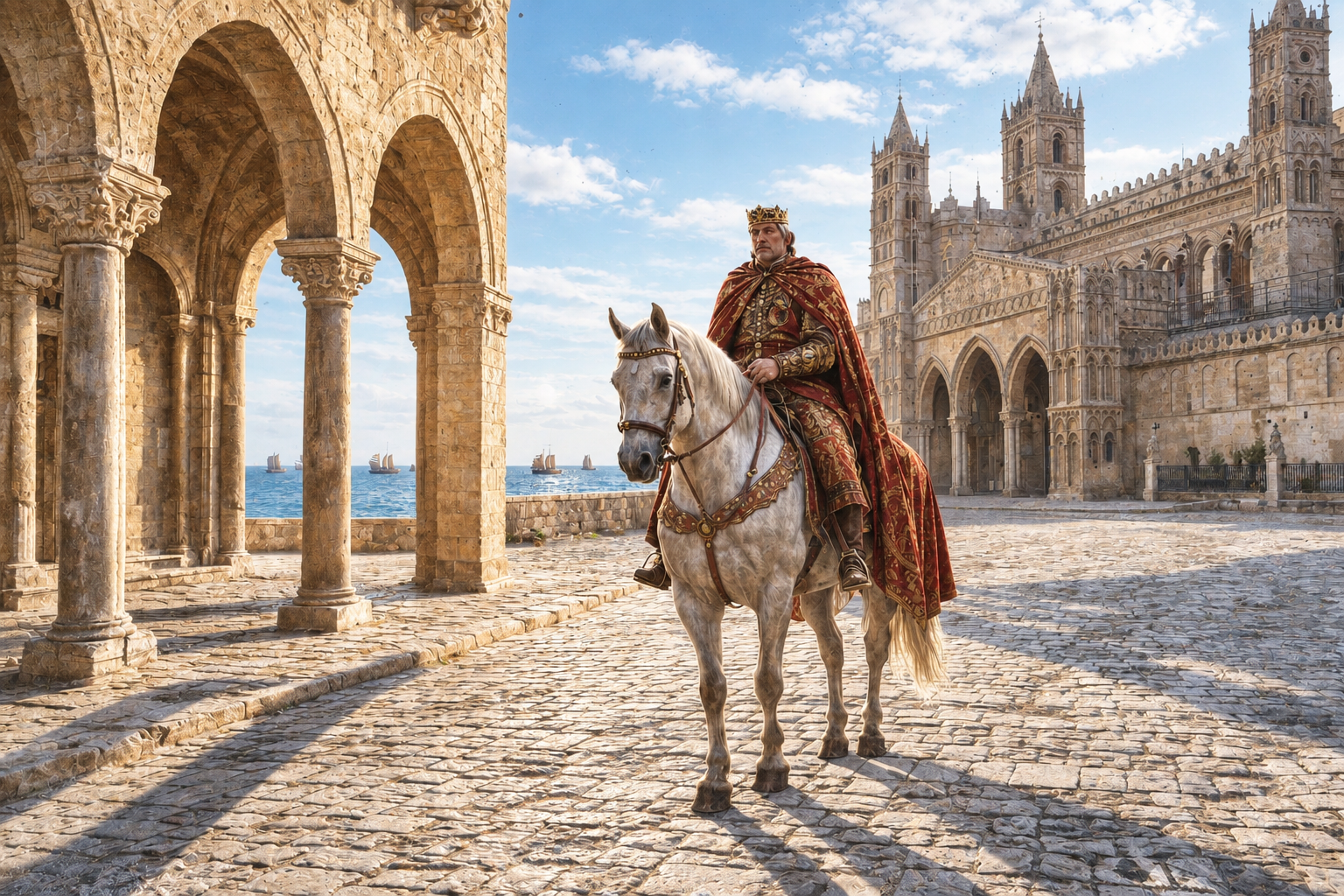


The Arab conquest of Sicily began in 827 AD when an Aghlabid army from Ifriqiya (modern Tunisia) landed at Mazara in the southwestern part of the island. What followed was a 75-year campaign of conquest that ended with the fall of Taormina in 902 AD. During these decades, Arab rule gradually replaced Byzantine rule across the island. While the long war of Arab conquest was destructive, Muslim rule of Sicily was transformative..
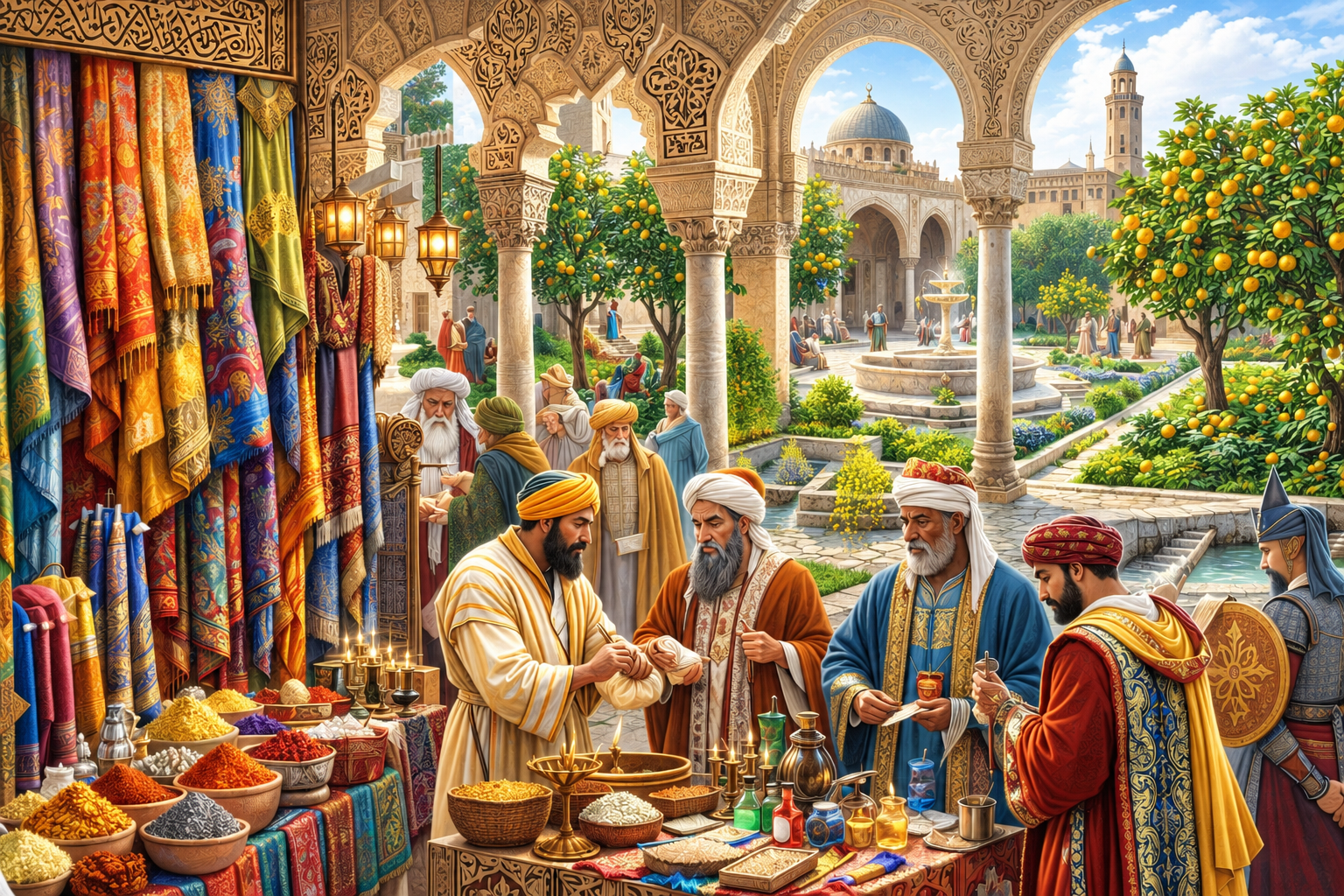
Under the Aghlabid, Fatimid, and especially the Kalbid dynasties, Sicily experienced the most comprehensive cultural and economic revival in its history. Palermo, renamed Bal’harm, grew into one of the largest cities in the world. Some contemporary estimates put its population at 200,000, making it one of the greatest Islamic urban centers of the medieval world, comparable to Cairo, Baghdad, and Cordoba. Arab travelers described the city as having over 300 mosques, vast markets, botanical gardens, palaces, and a vibrant multicultural society in which Muslims, Christians, and Jews all had protected status.
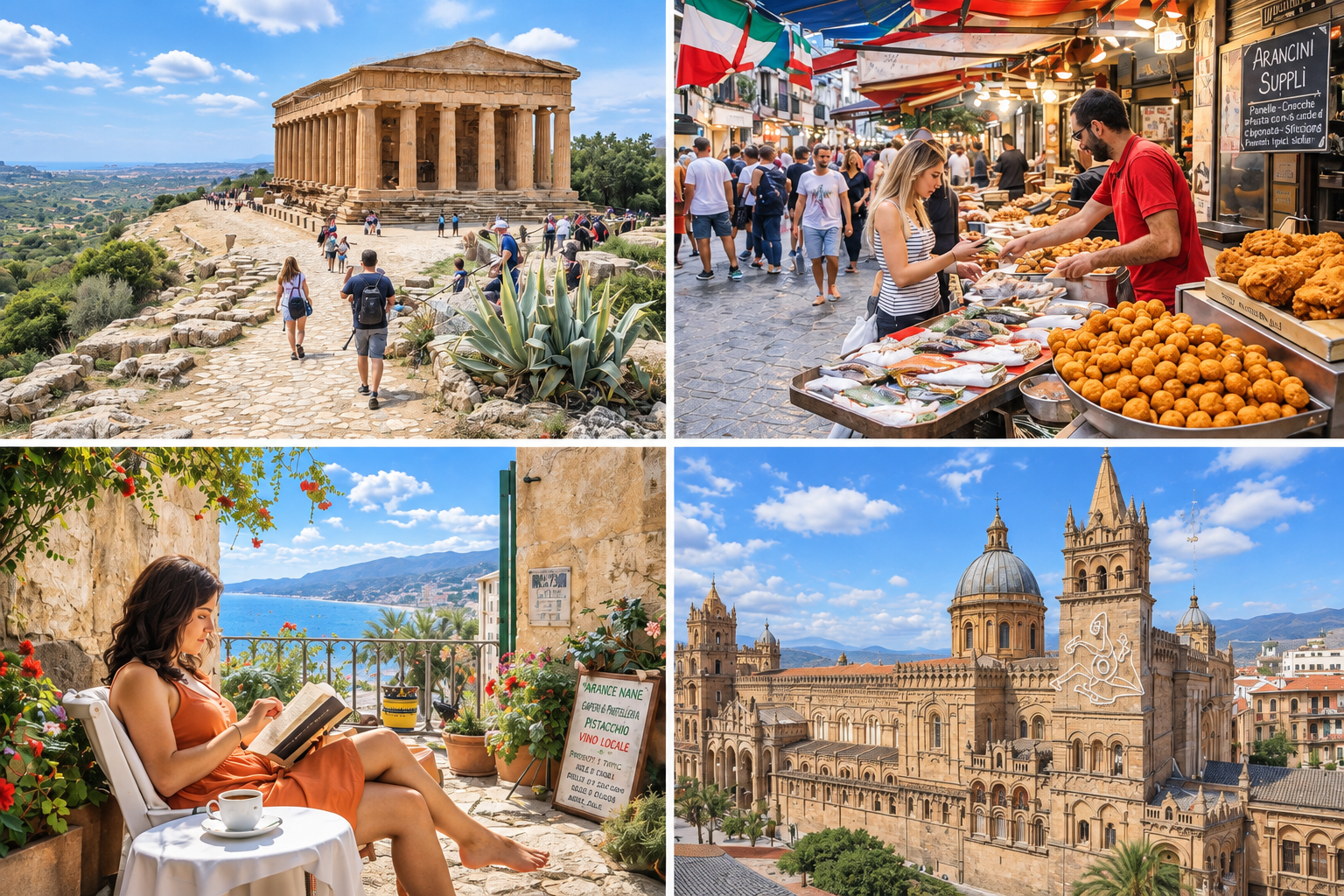
The Arab agricultural revolution transformed the Sicilian countryside. Arab settlers introduced sugar cane, citrus fruits (oranges, lemons), rice, cotton, date palms, pistachios, and a sophisticated irrigation system. These crops, introduced more than a thousand years ago, remain staples of Sicilian agriculture today. Sicilian cuisine itself was transformed during this period: pasta, cassata, granita, caponata, and countless other iconic Sicilian dishes have Arab origins. In has been more than a millenia since the end of Arab rule, but its influence on Sicilian culture, language, cuisine, agriculture, and architecture remain to present day.