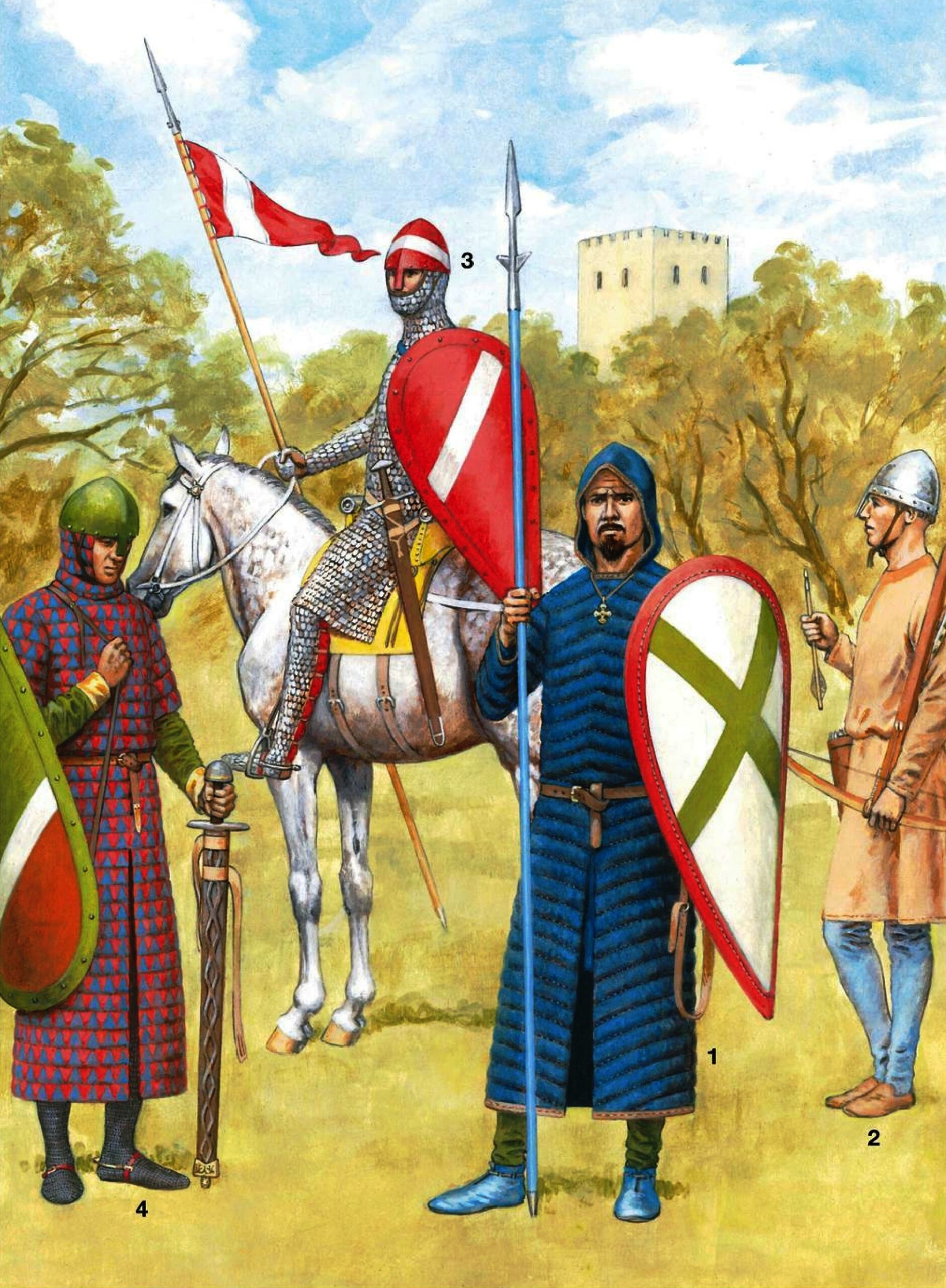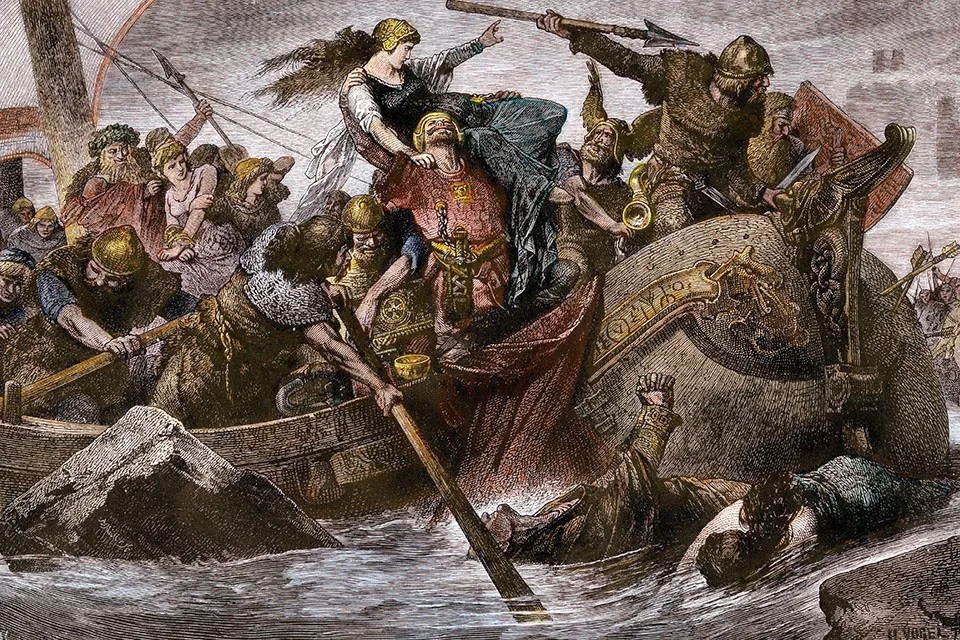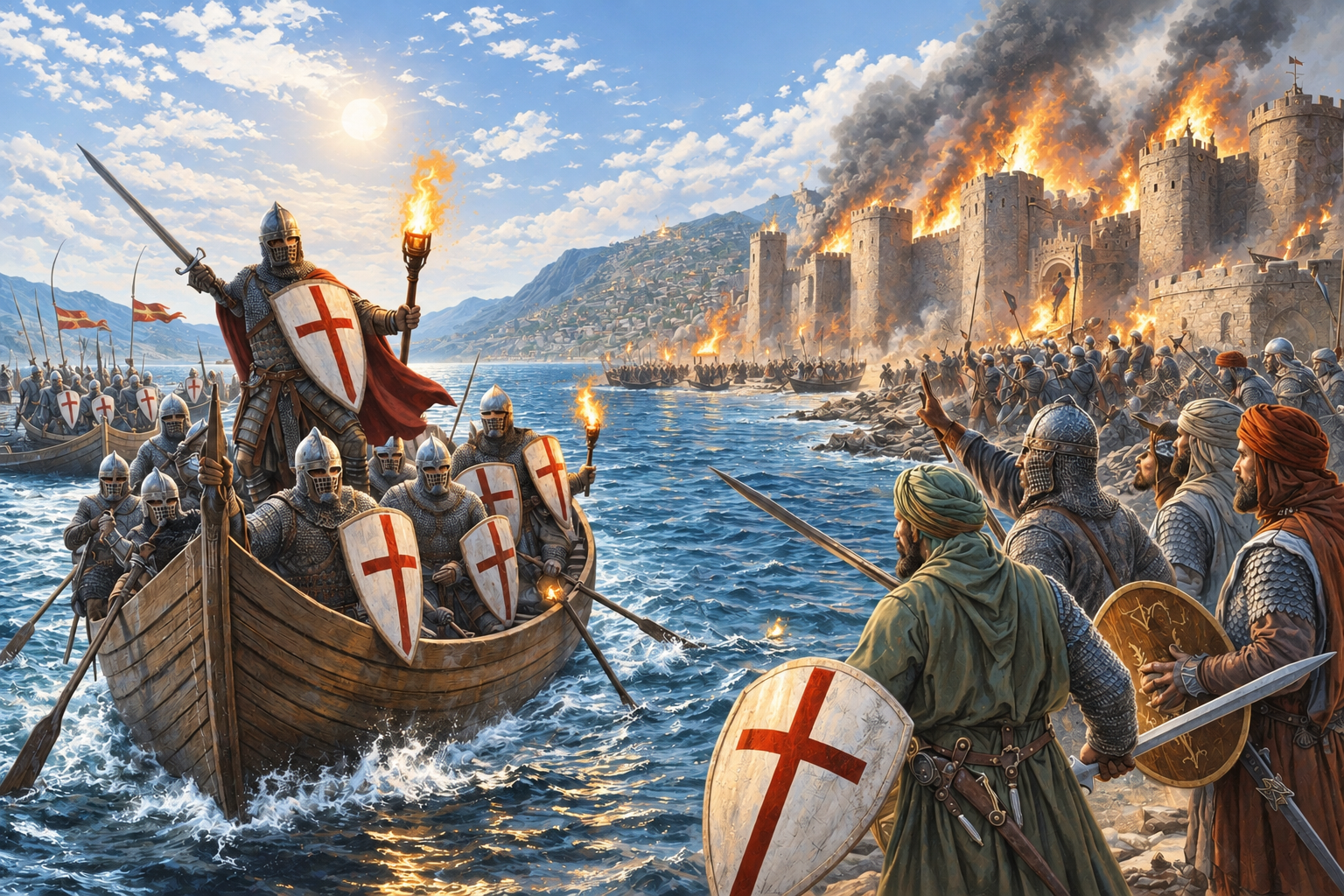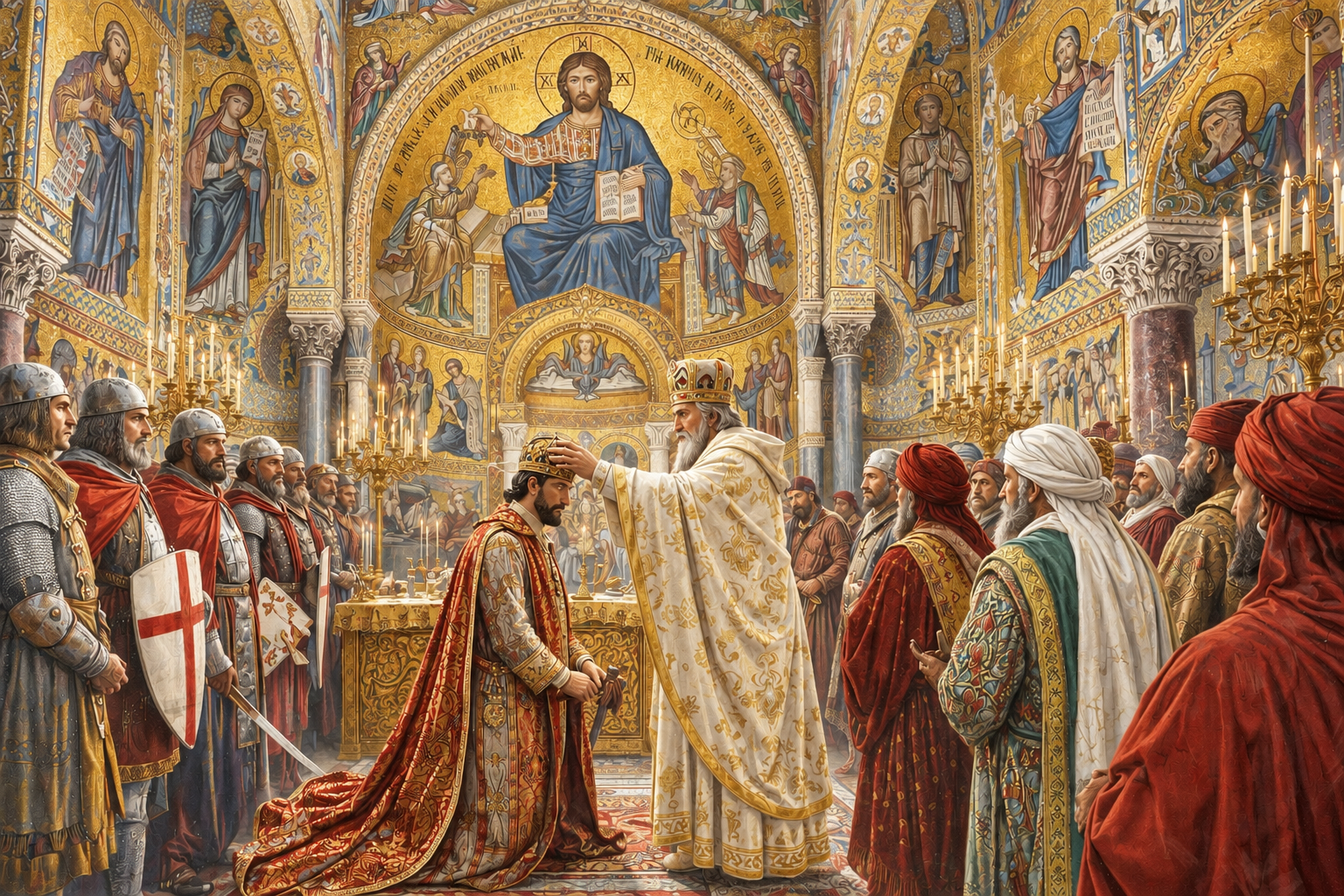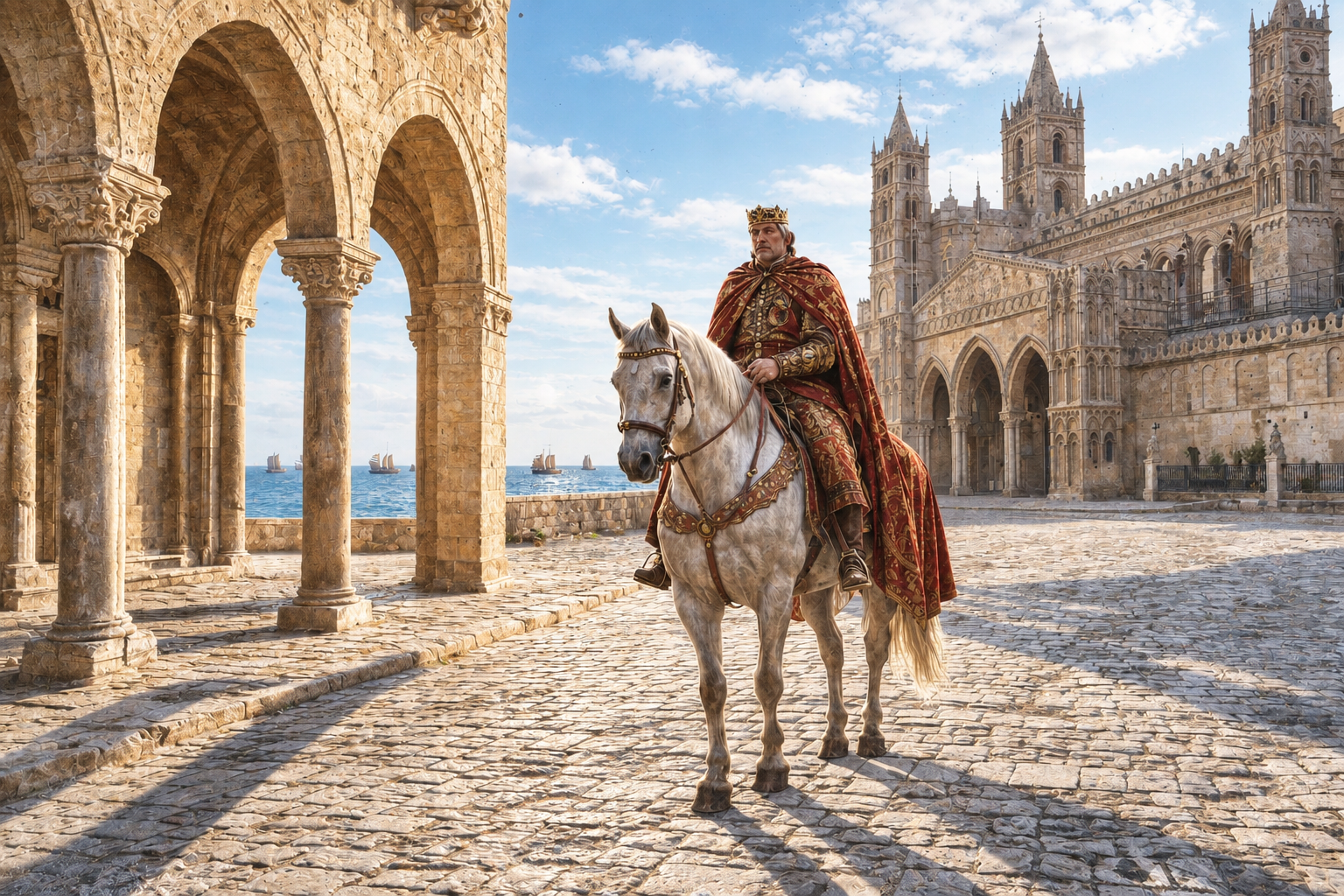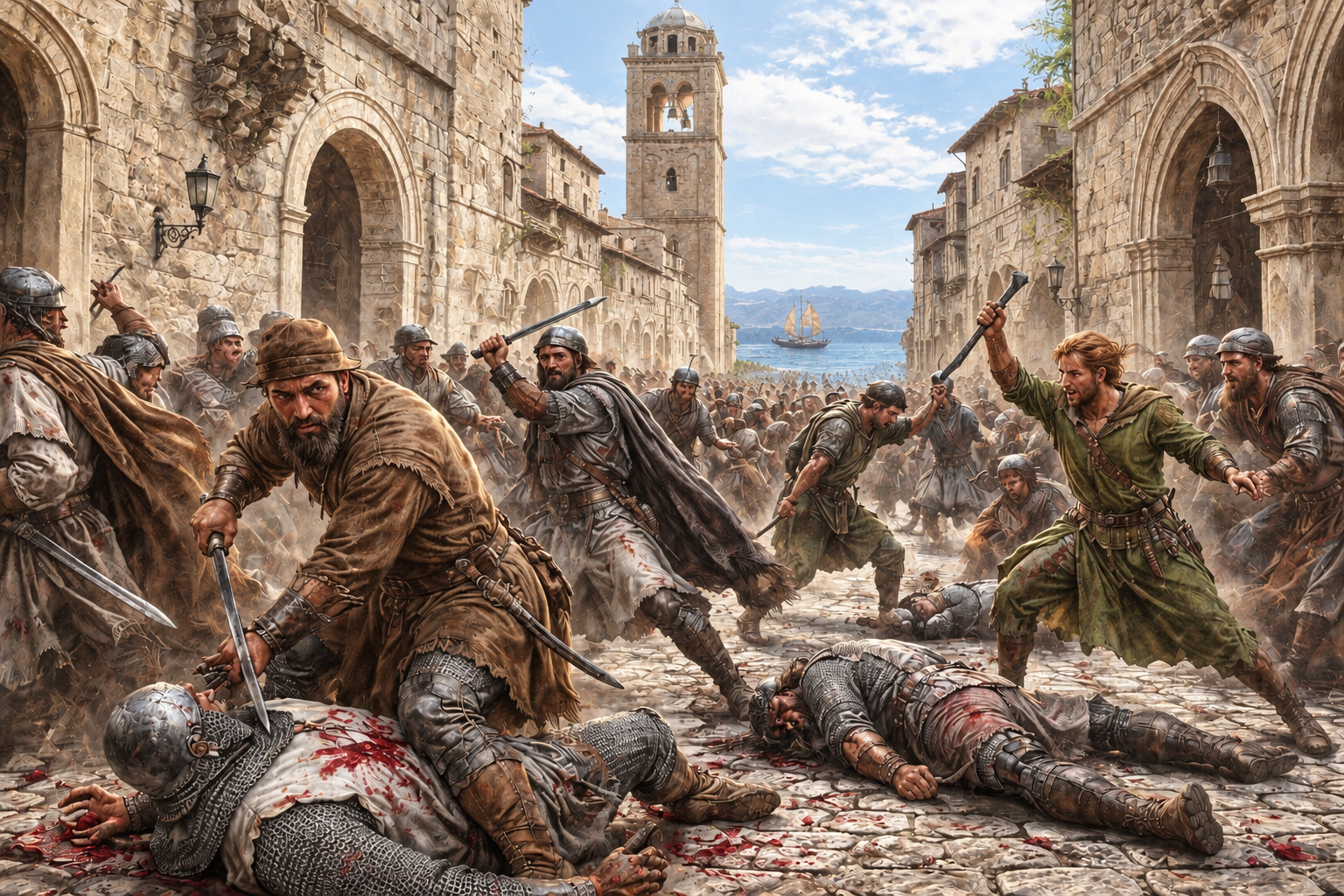


To understand the Norman Kingdom of Sicily, one must first understand how Normans came to southern Italy at all. This chapter tells the extraordinary story of Norman expansion in the Mediterranean — one of the most improbable chapters in medieval history. In the early 11th century, small groups of Norman warriors (descendants of Viking settlers in northern France) began arriving in southern Italy as mercenaries and pilgrims. Within a few generations, they had transformed themselves from mercenaries into rulers.
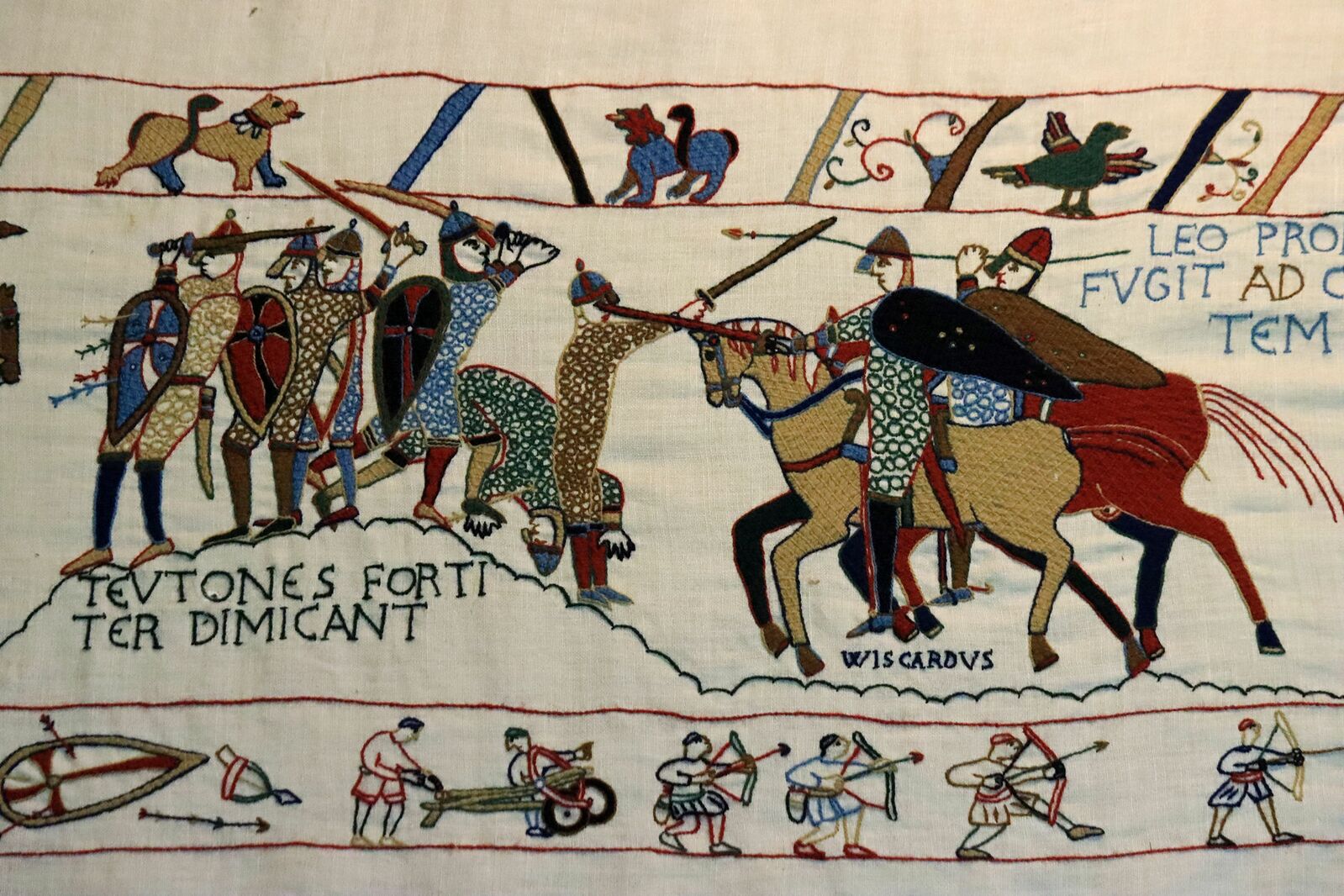
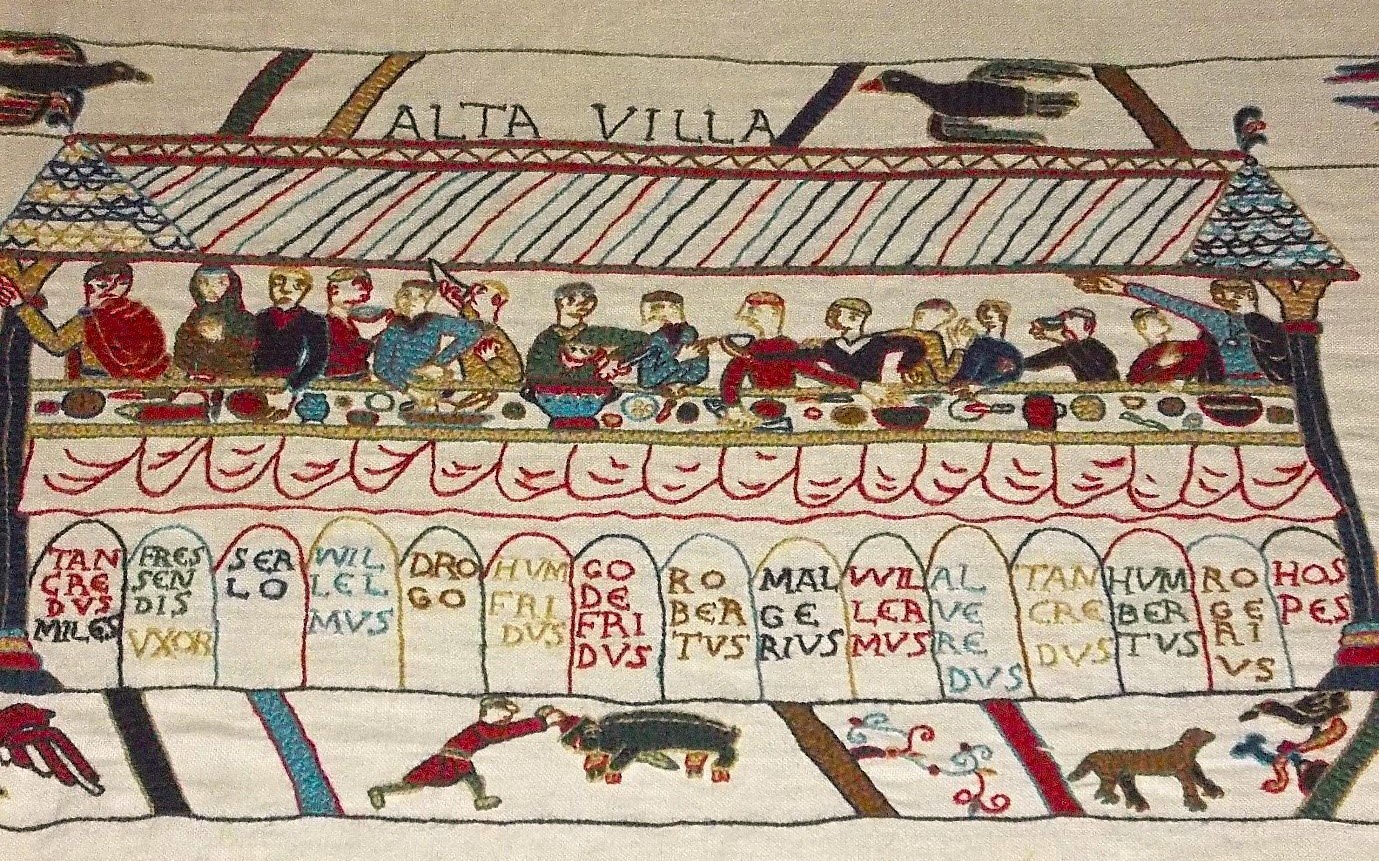
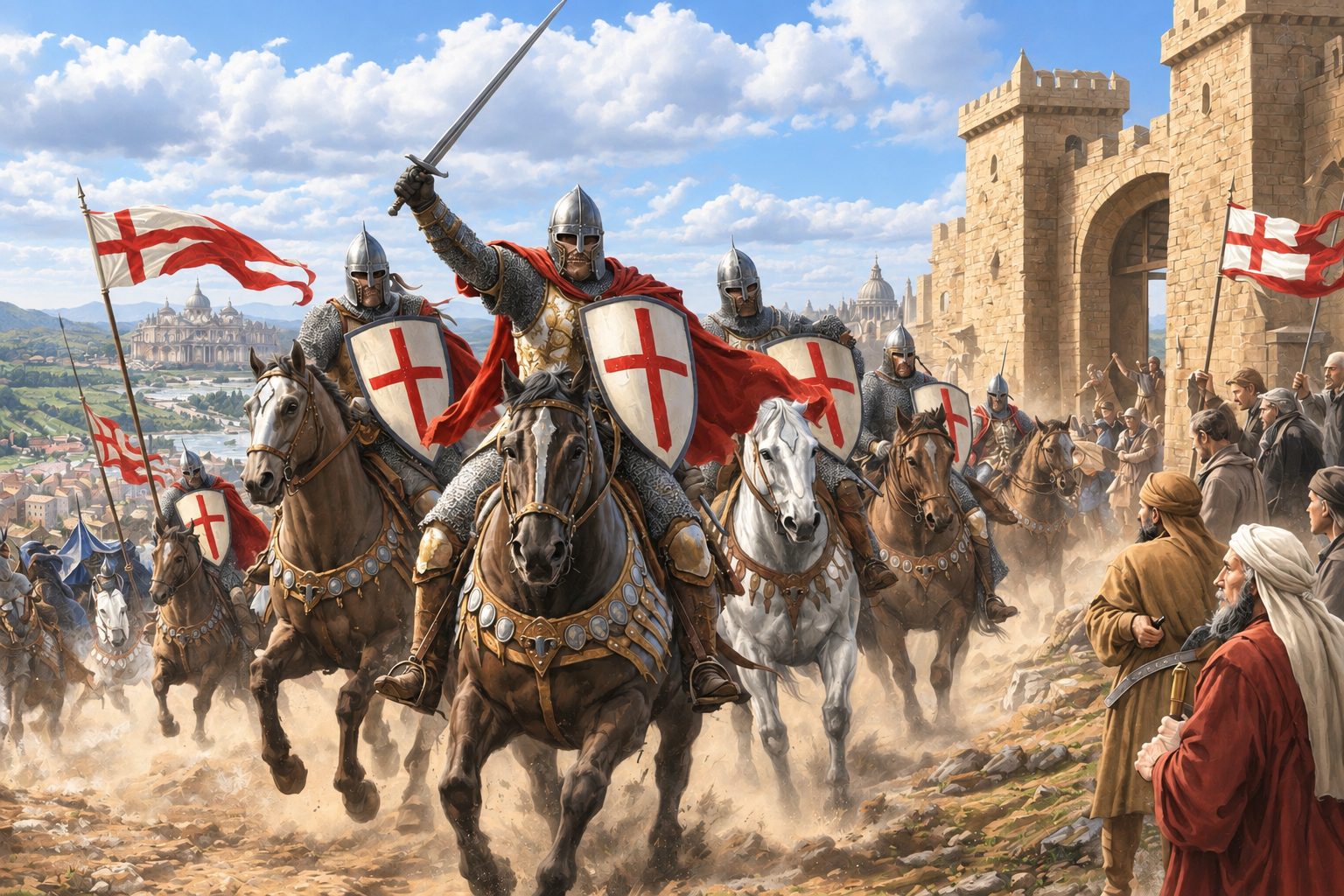
The chapter covers the extraordinary Hauteville family, a minor noble family from Normandy whose twelve sons — including Robert Guiscard and Roger the Great Count — conquered enormous territories in southern Italy and Sicily. It covers the Battle of Civitate in 1053, when a Norman force decisively defeated a papal army led by Pope Leo IX himself — a battle that forced the Papacy to recognize Norman rule in southern Italy and eventually to bless the Norman conquest of Sicily from Muslim ruler as the first ever holy crusade.
The chapter traces the career of Robert Guiscard, one of nine Hauteville brothers who came to Sicily as mercenaries, but who rose to become the Duke of Apulia and Calabria and nearly conquered the Byzantine Empire. This chapter also introduces his younger brother Roger, “The Great Count,” who would lead the conquest of Sicily from the Arabs — a 30-year campaign that began in 1060 and ended with the fall of the last Arab stronghold in 1091. Roger’s son, Roger II, would then unite all these Norman conquests into a single kingdom and become the first King of Sicily.