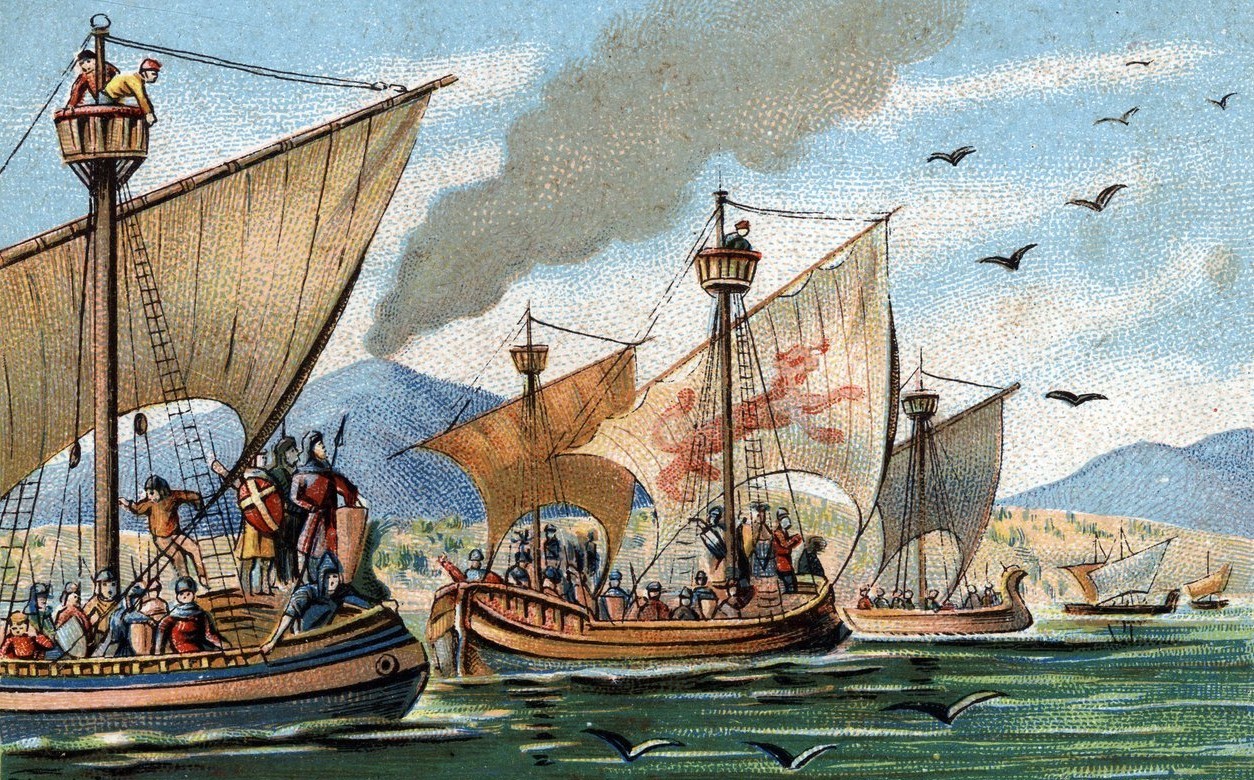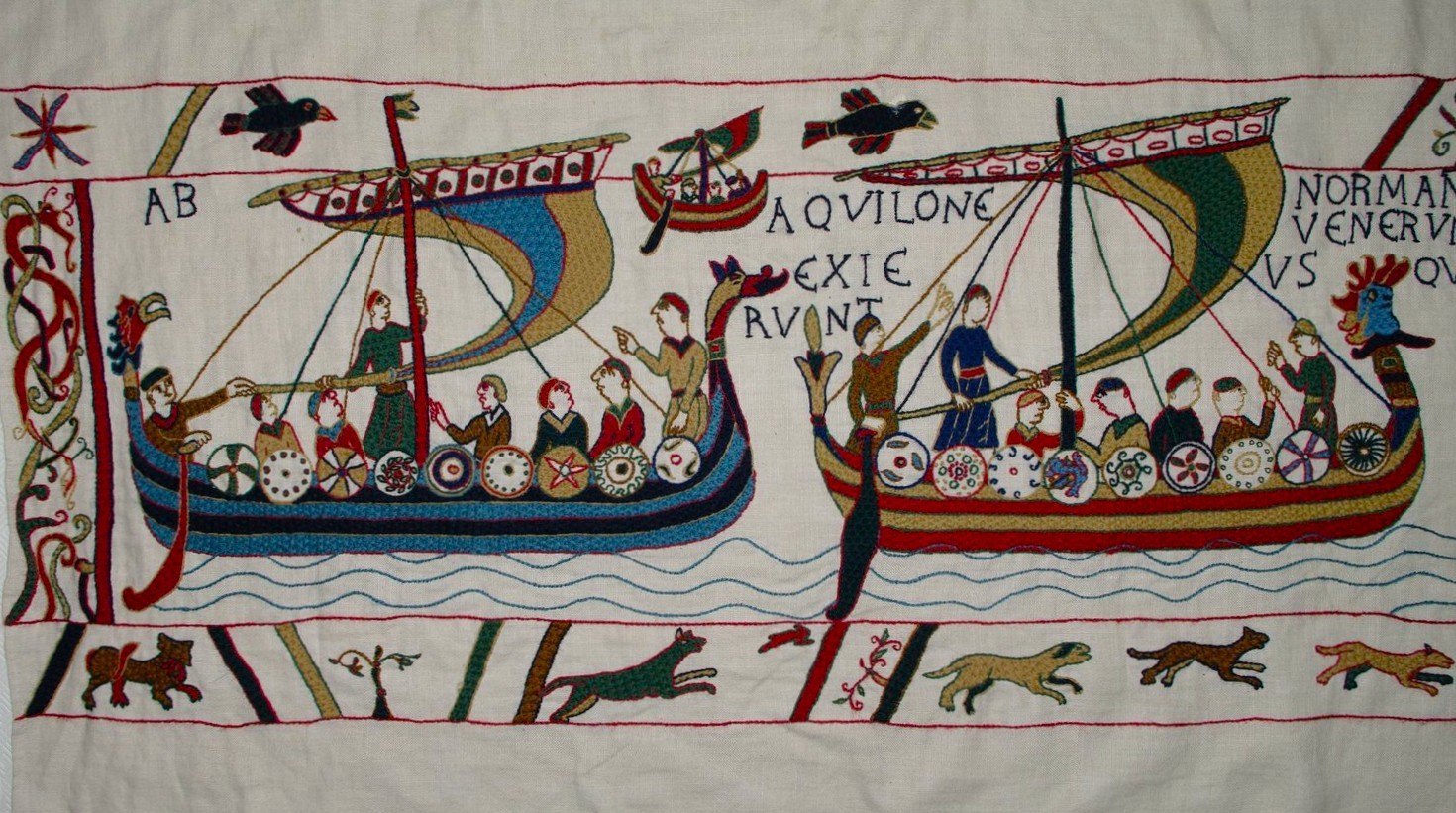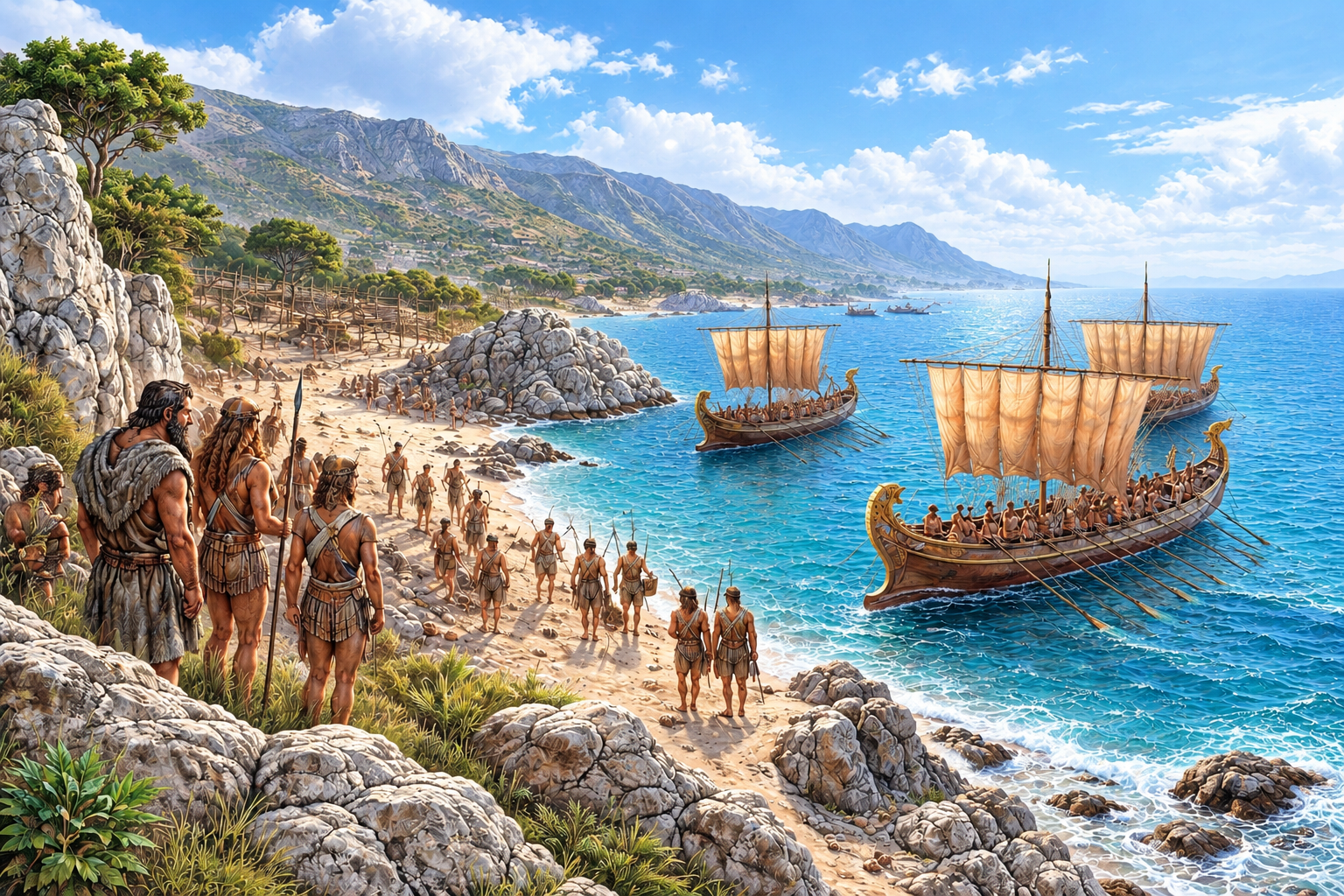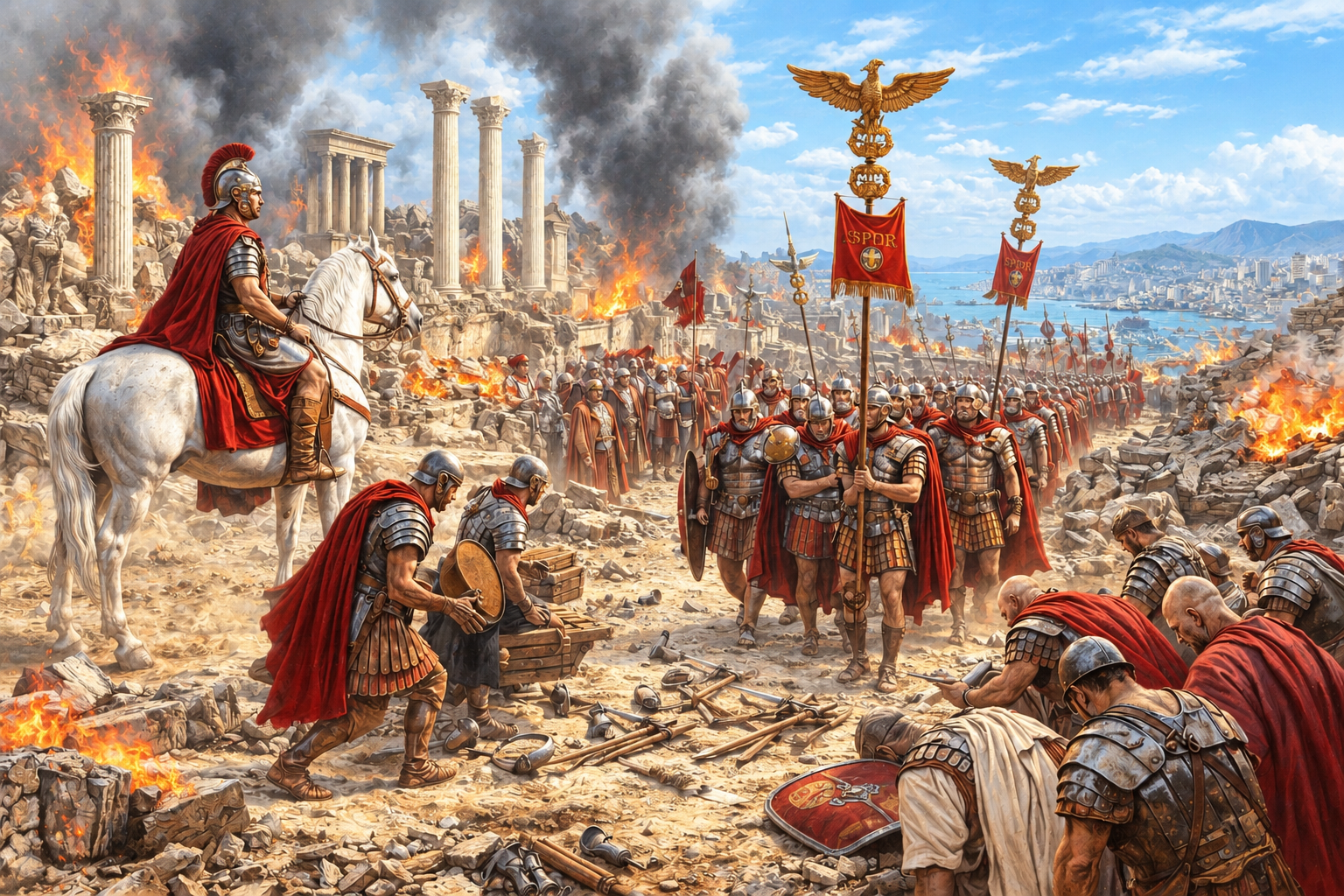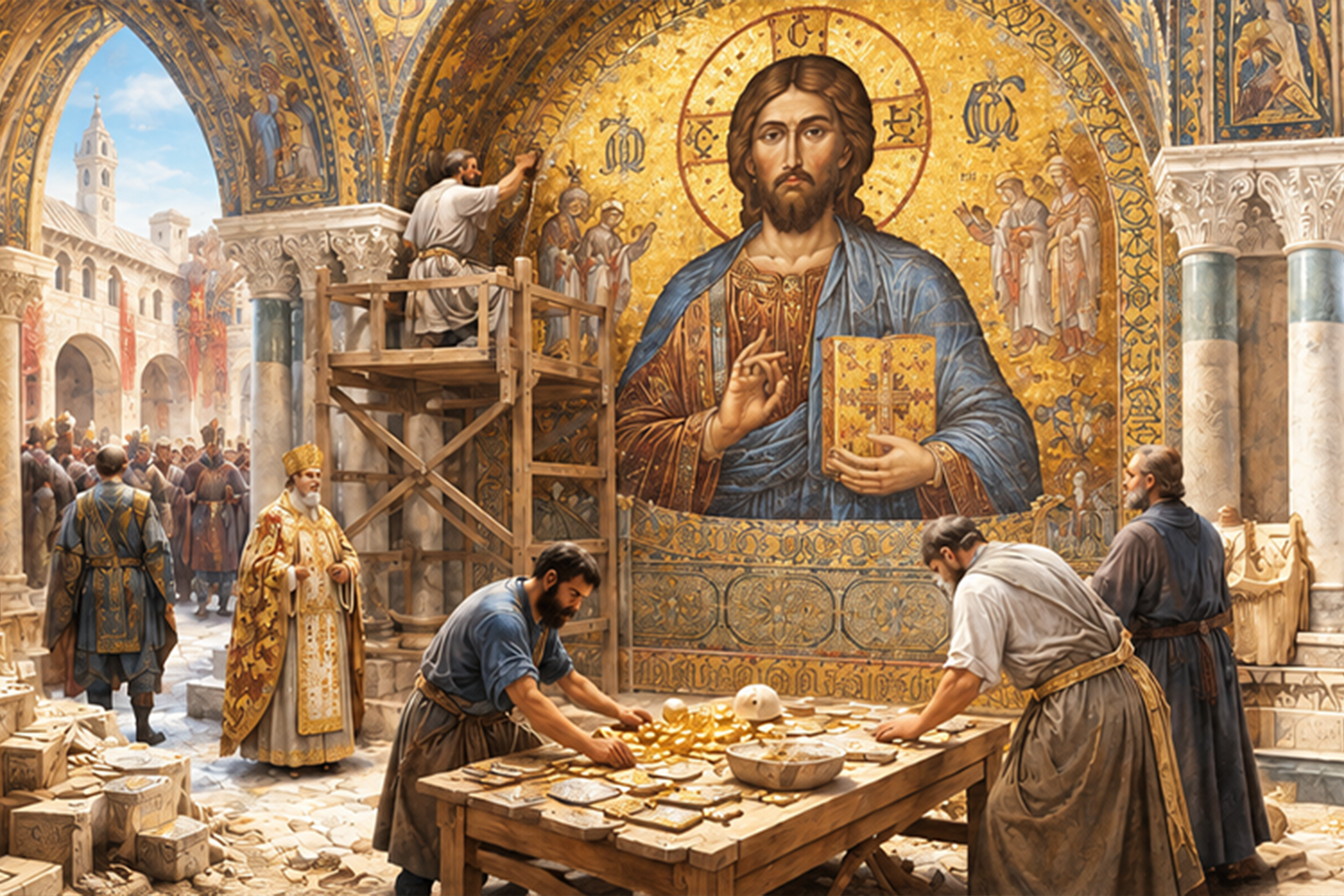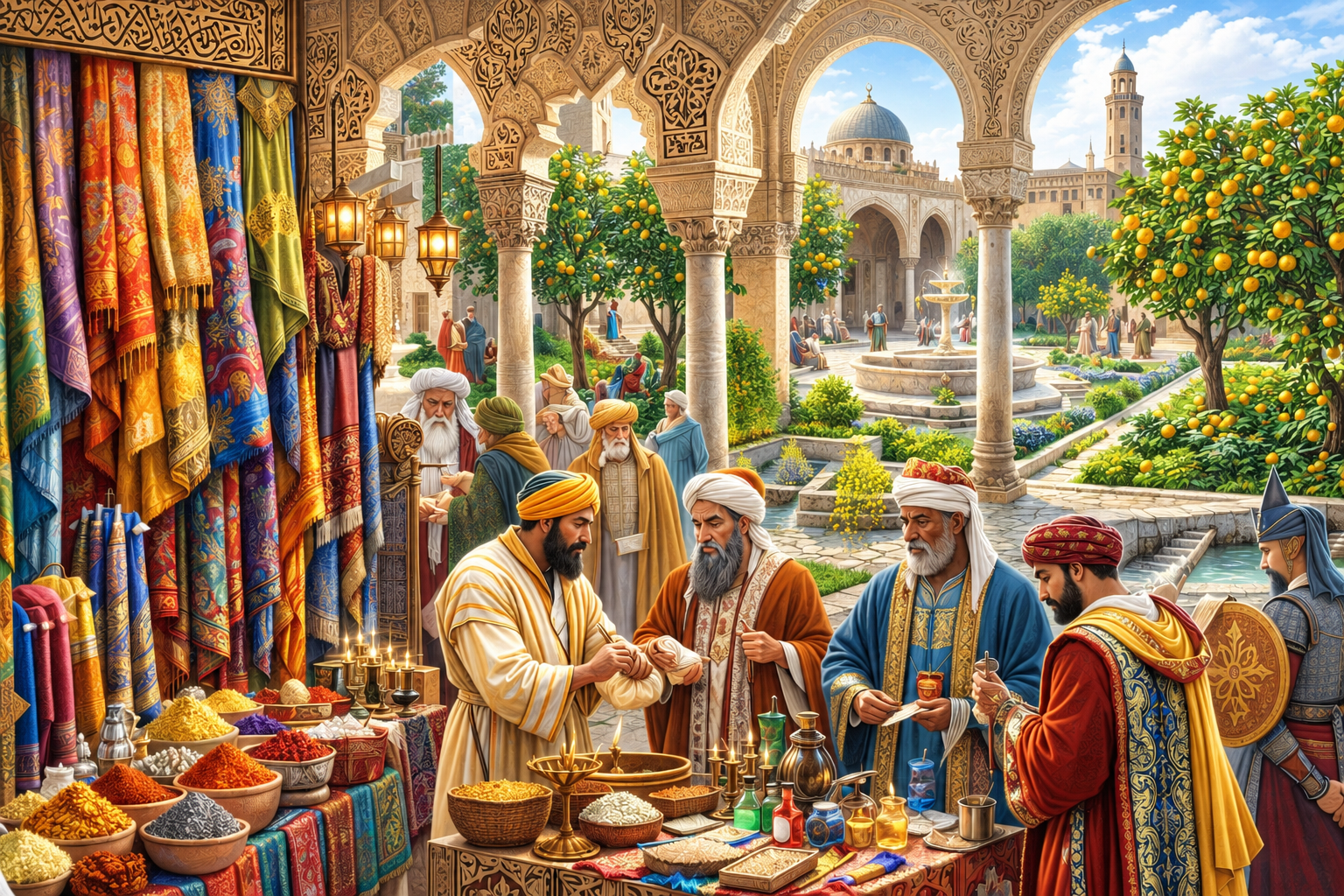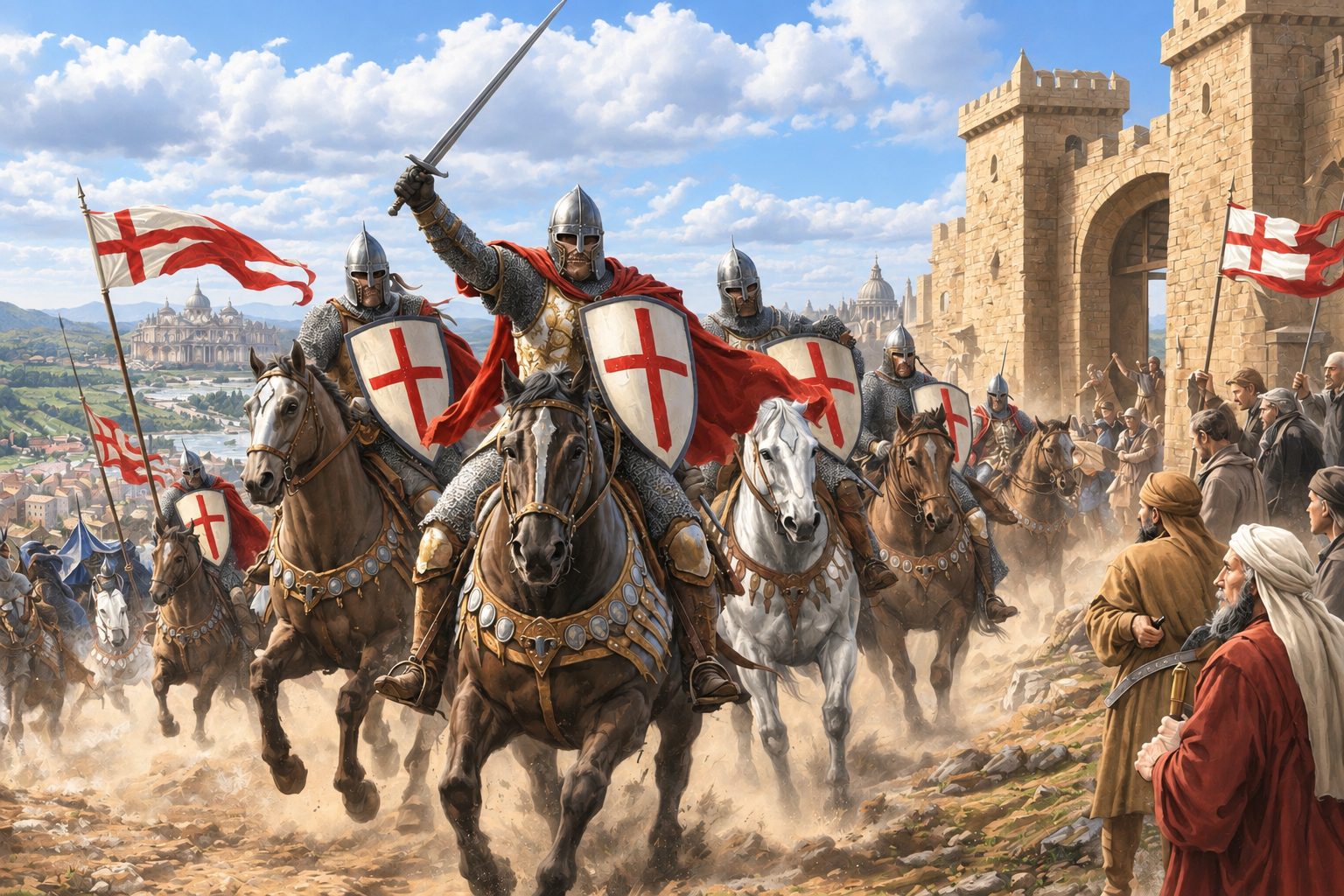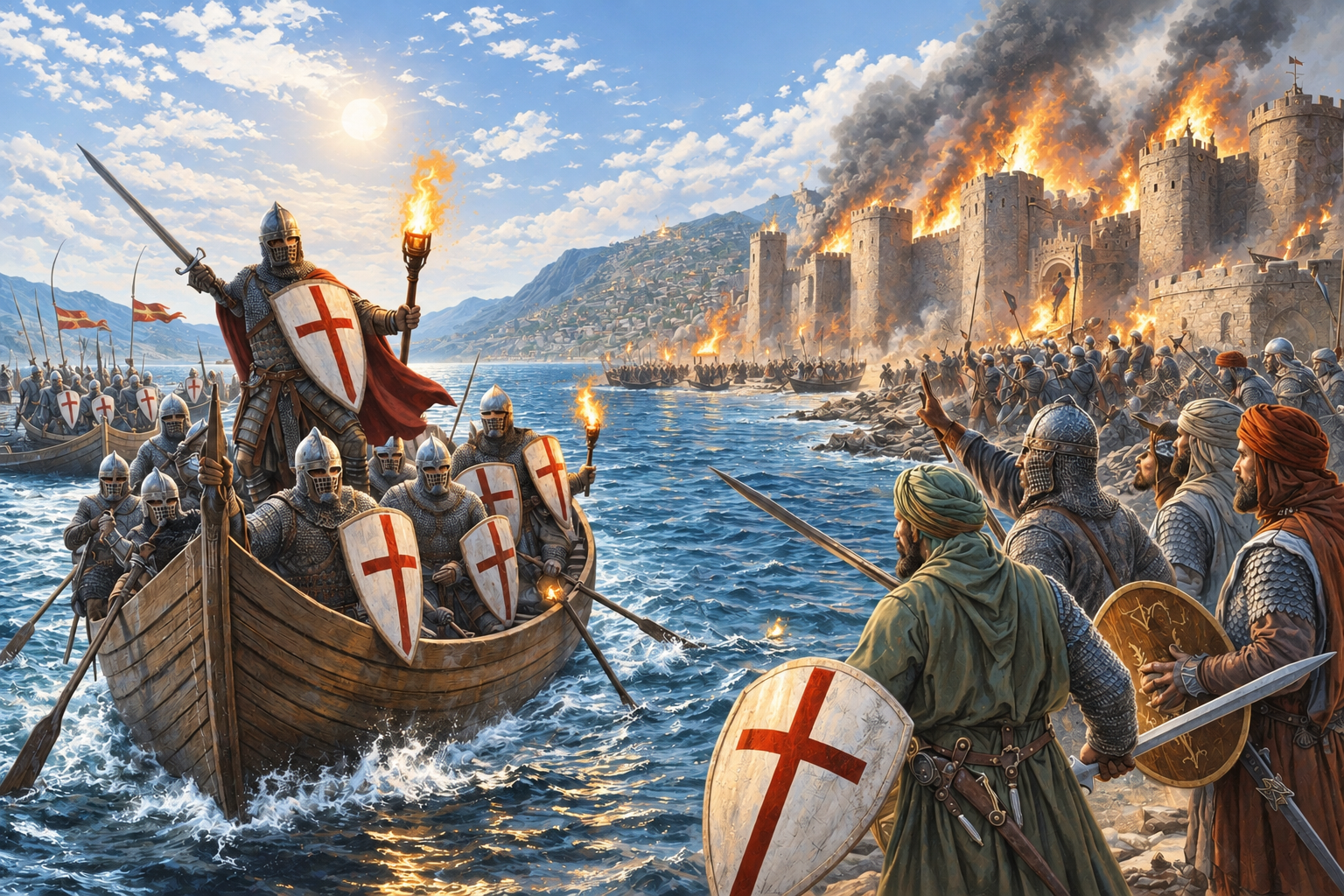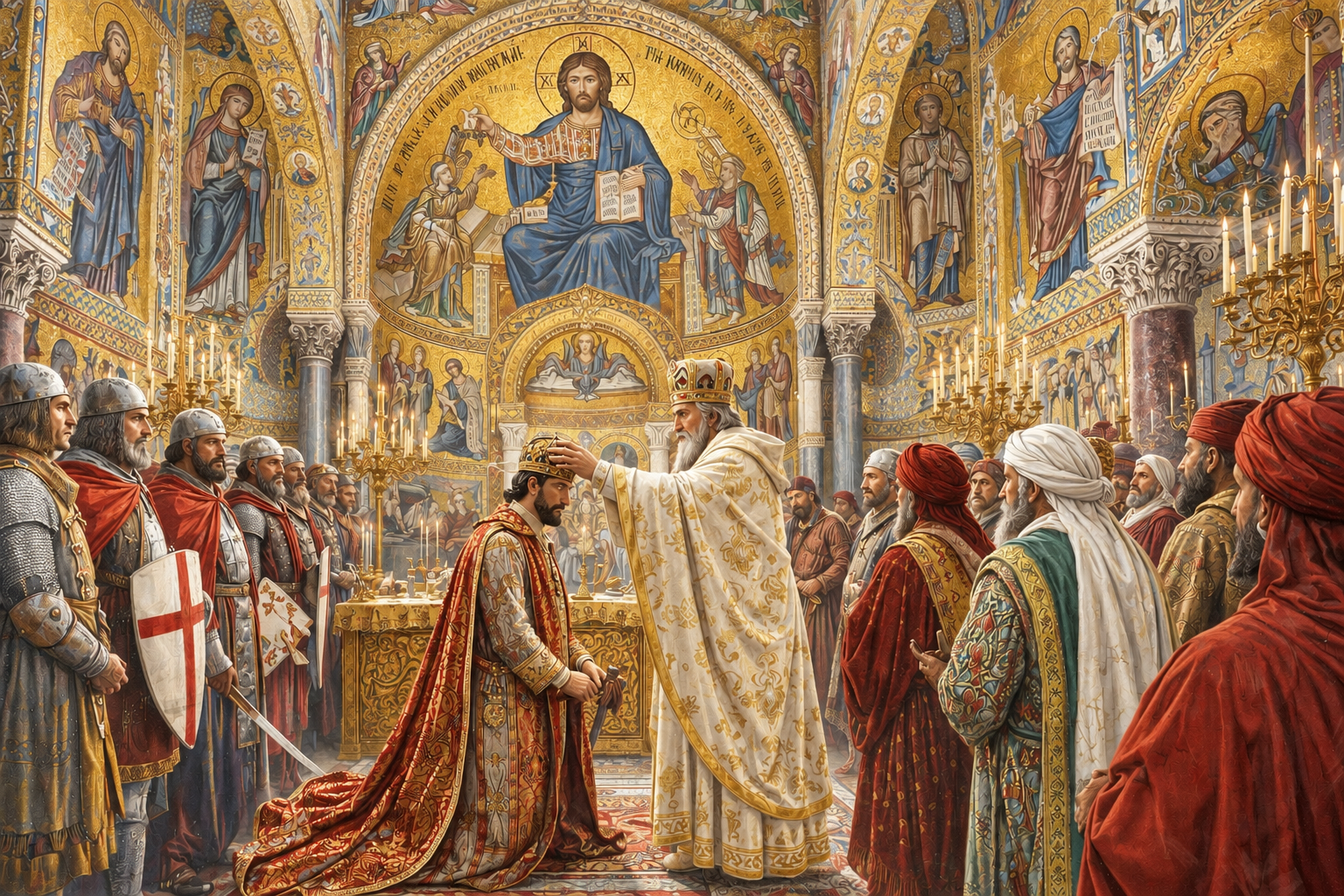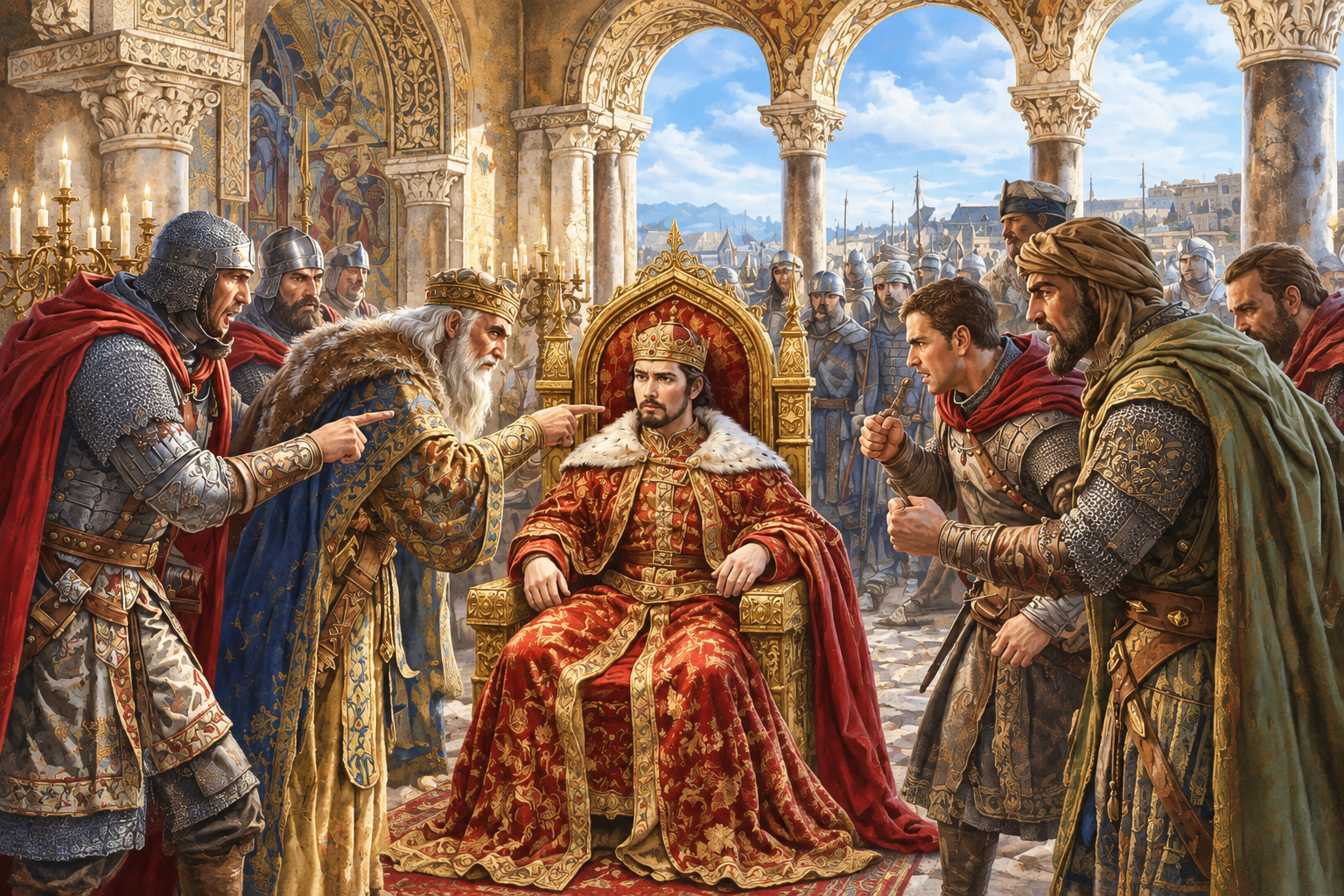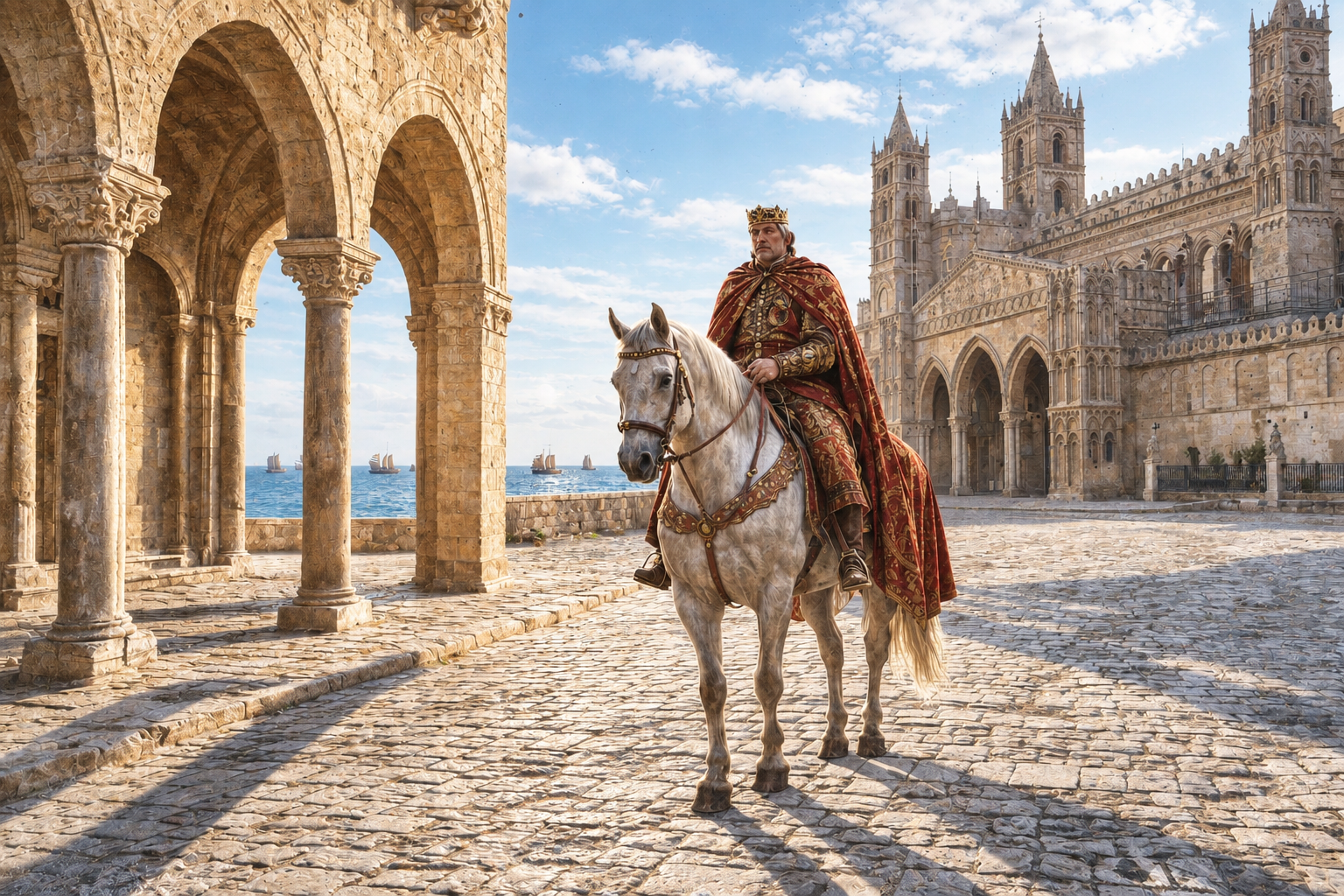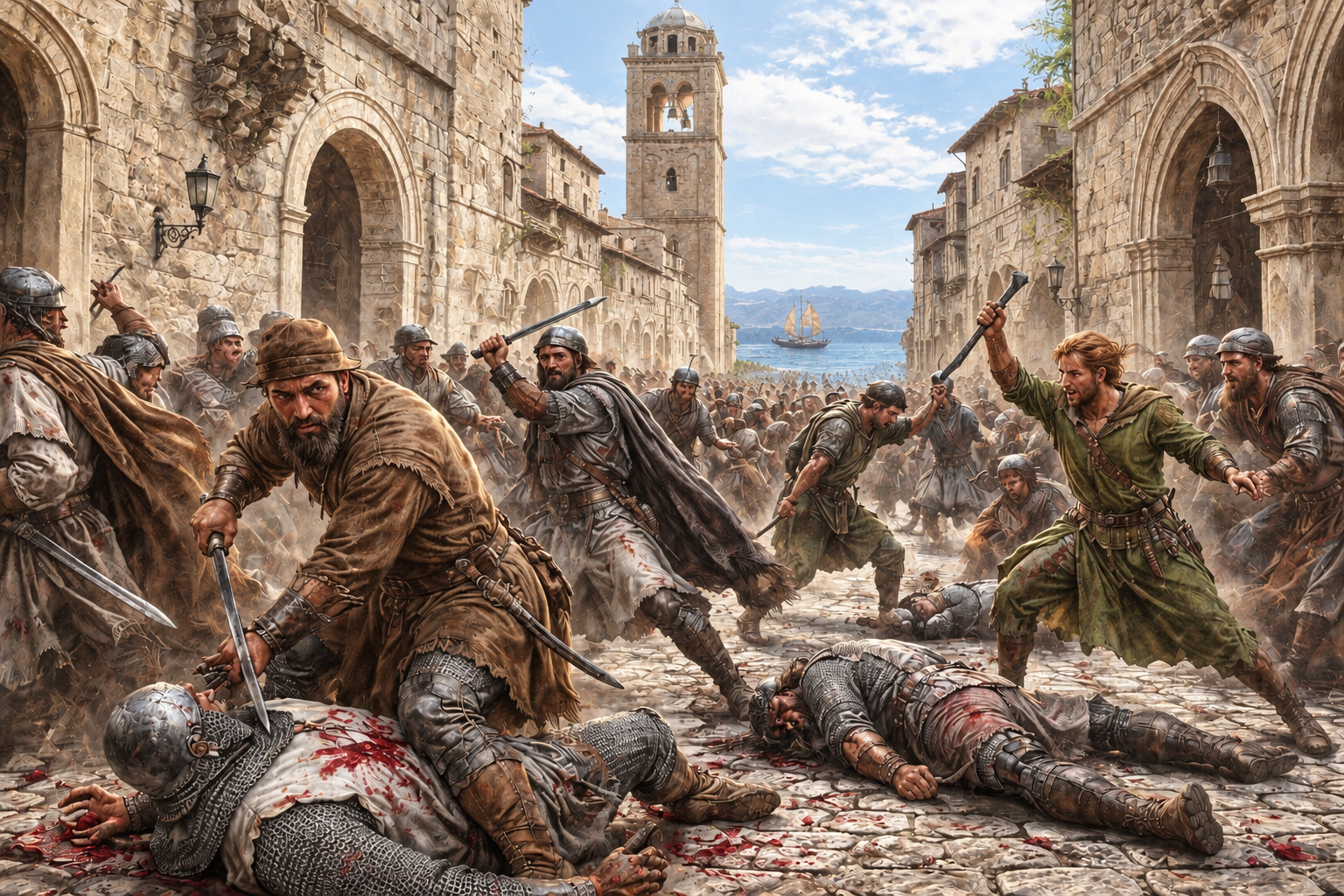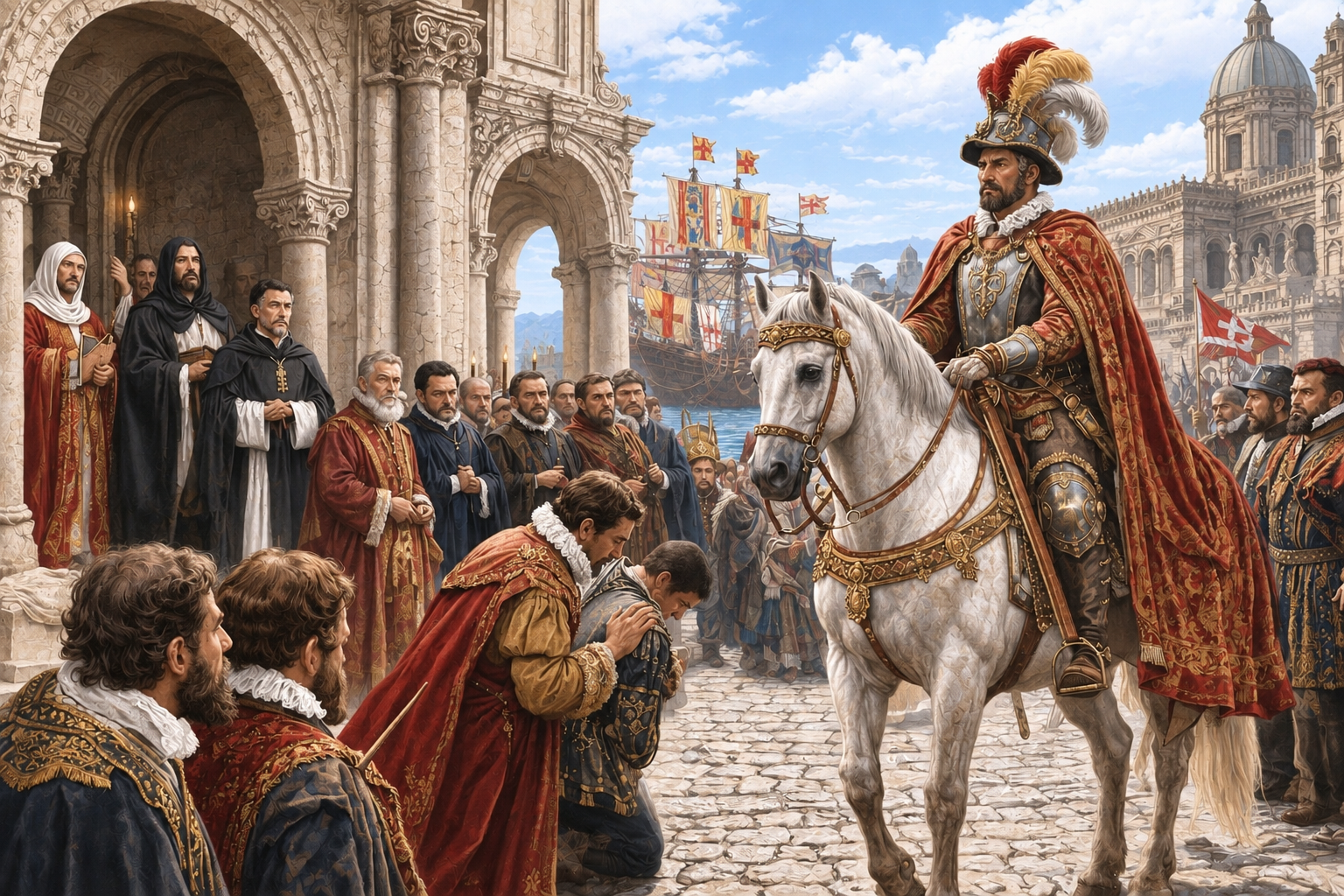


The Norman invasion of Sicily was a 30-year campaign of conquest, from the first landing in 1060 to the fall of the last Arab stronghold in 1091. This chapter details the military campaigns, key battles, and remarkable leadership that transformed the island from a Muslim emirate into a Norman Christian kingdom — while preserving the magnificent Arab cultural foundations of the island created over the previous two centuries.
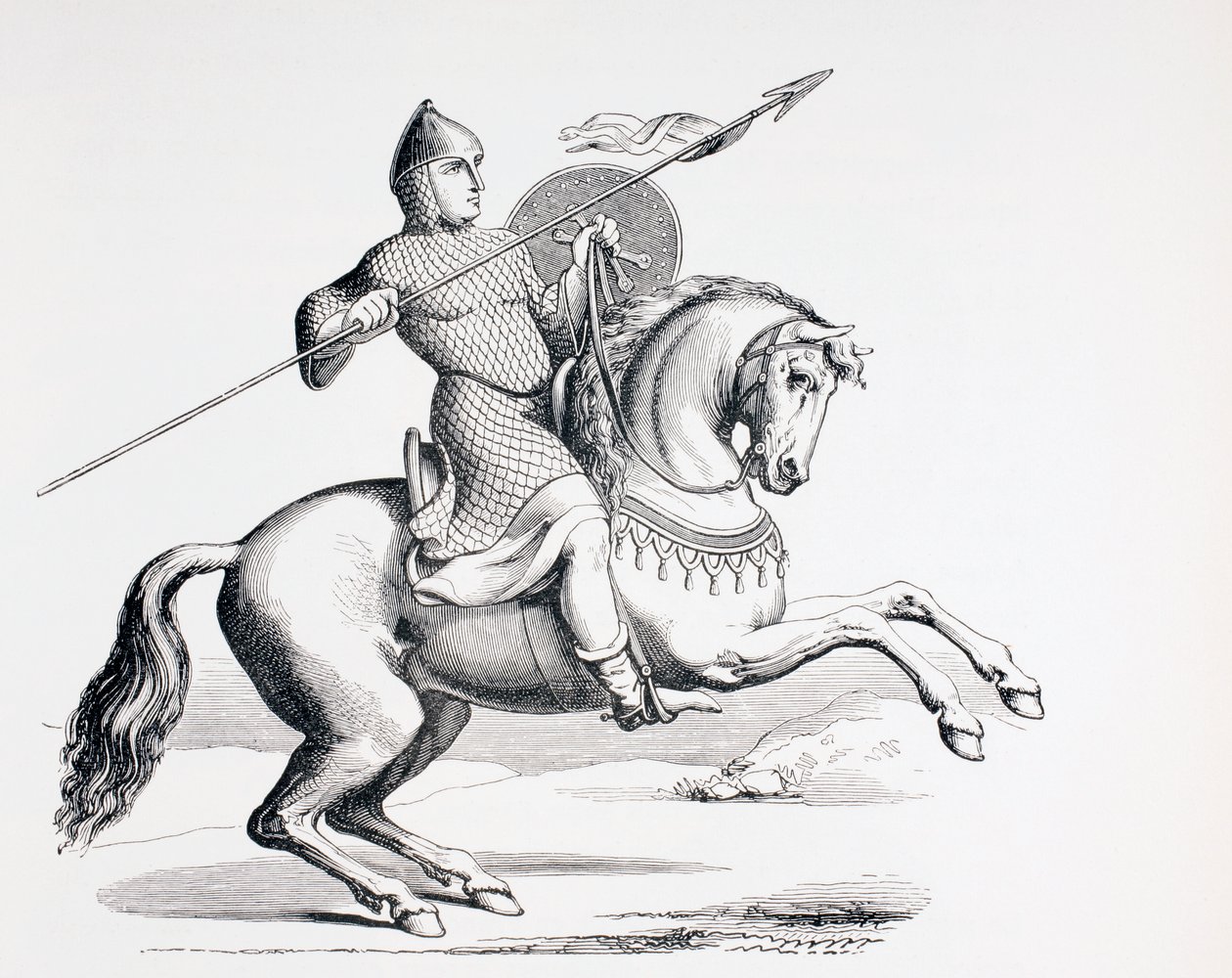
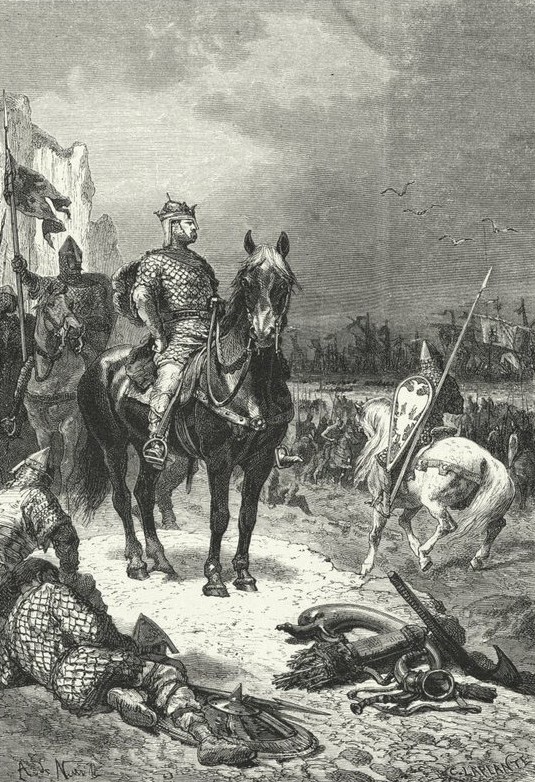
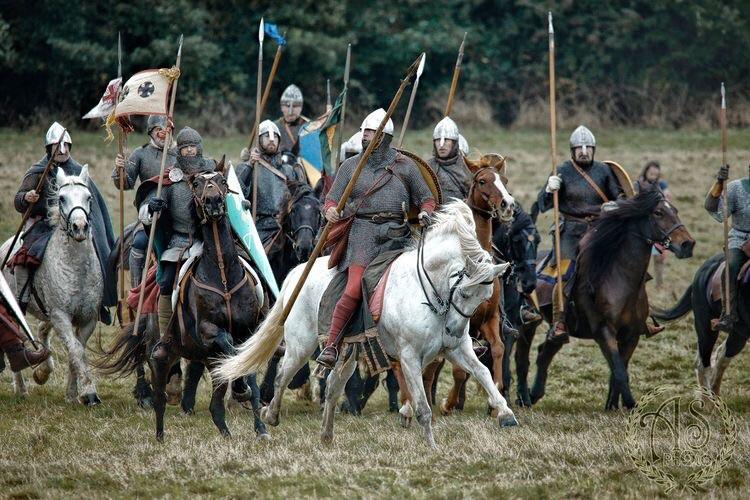
The campaign was led by Roger de Hauteville, the youngest of the famous Hauteville brothers, later known as Roger I or “Great Count.” With relatively small forces, often only a few hundred knights supplemented by local levies, Roger conducted a brilliant campaign of mobile warfare, siege operations, and political alliance-building. He exploited divisions between rival Arab emirs, cultivated the support of the island’s Orthodox Christian Greek-speaking population, and gradually expanded Norman control.
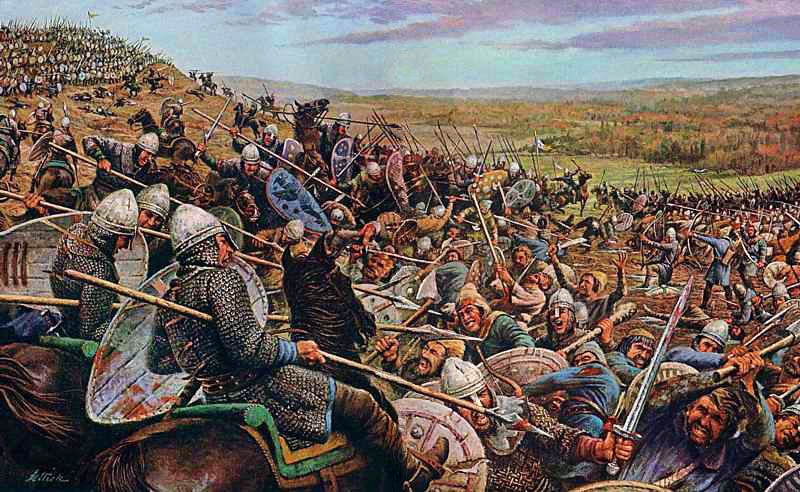
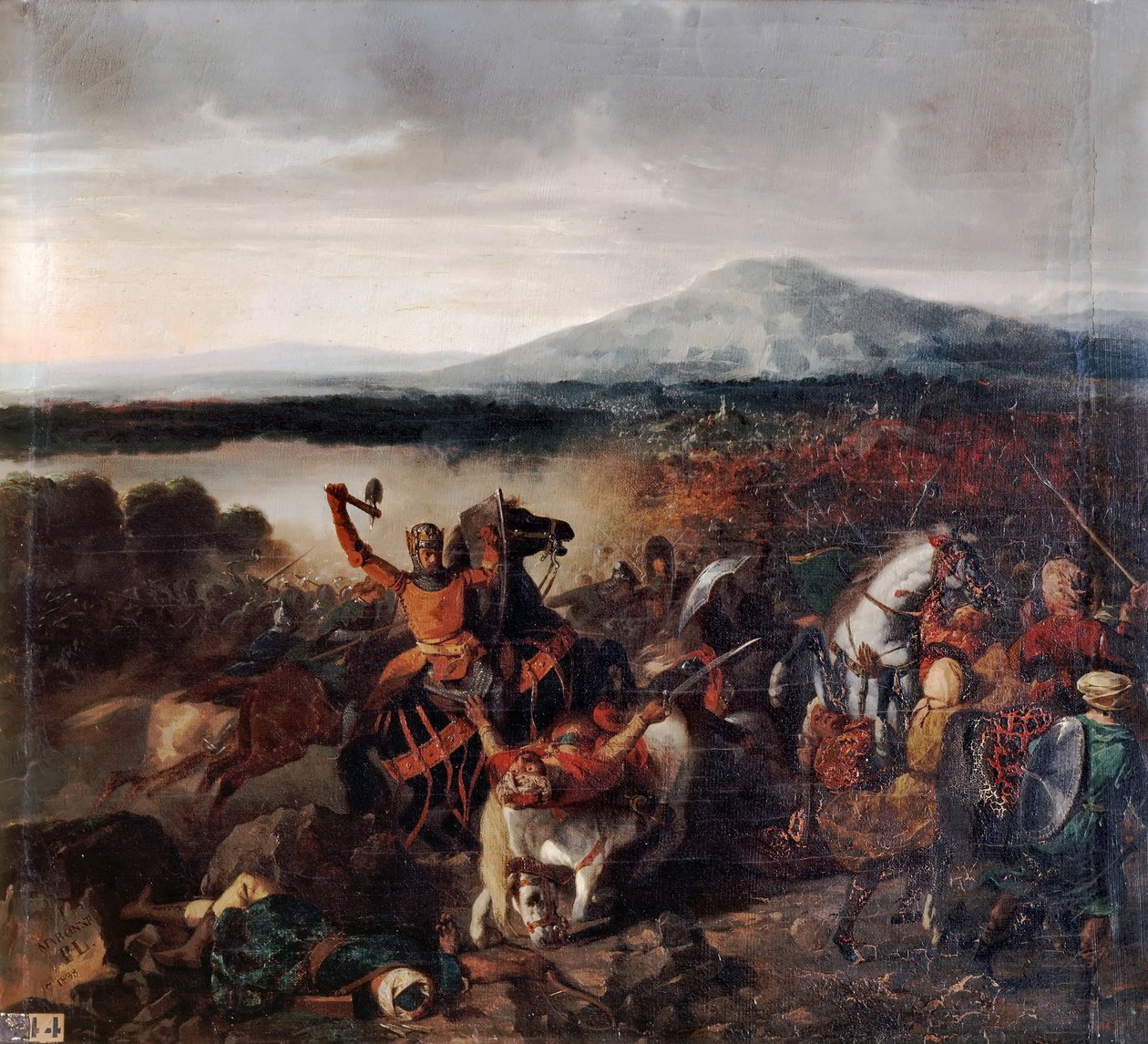
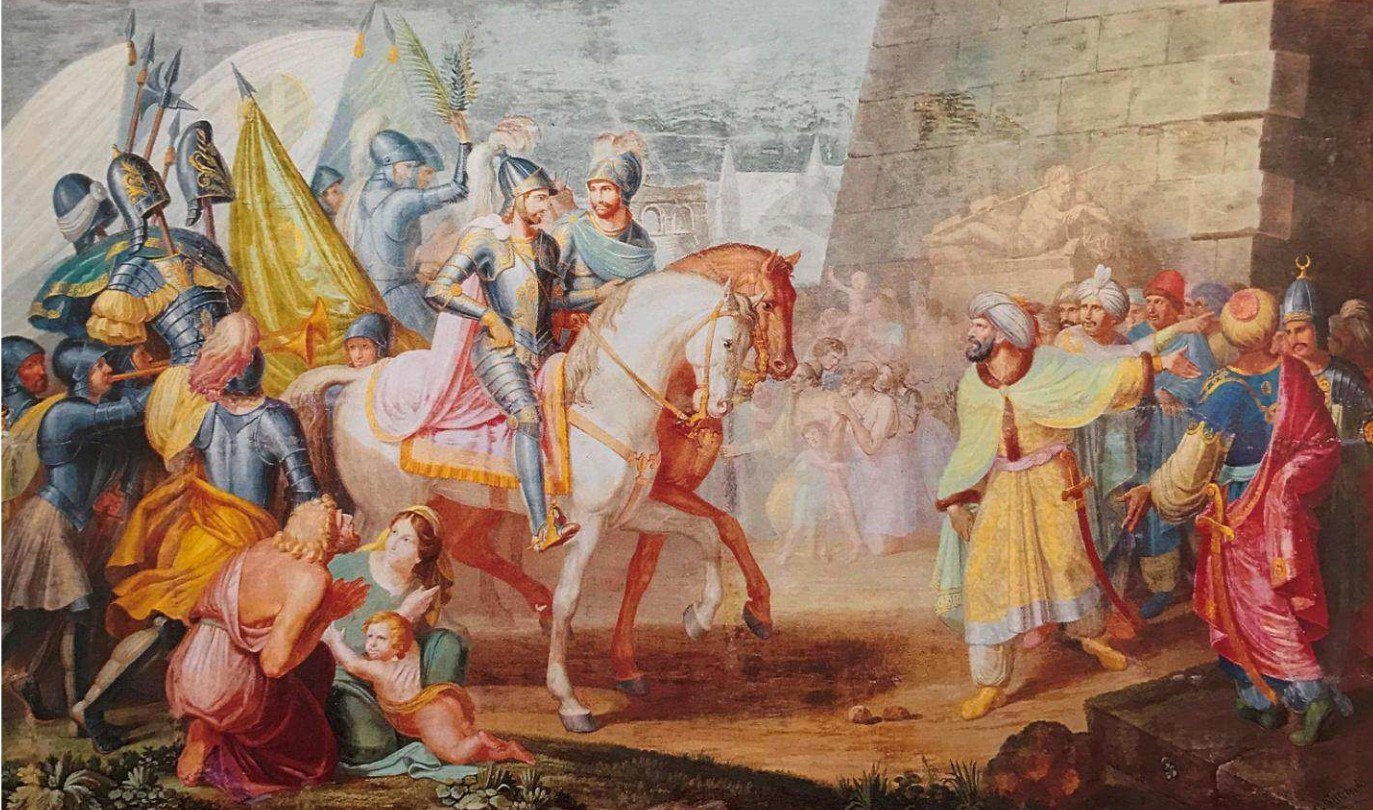
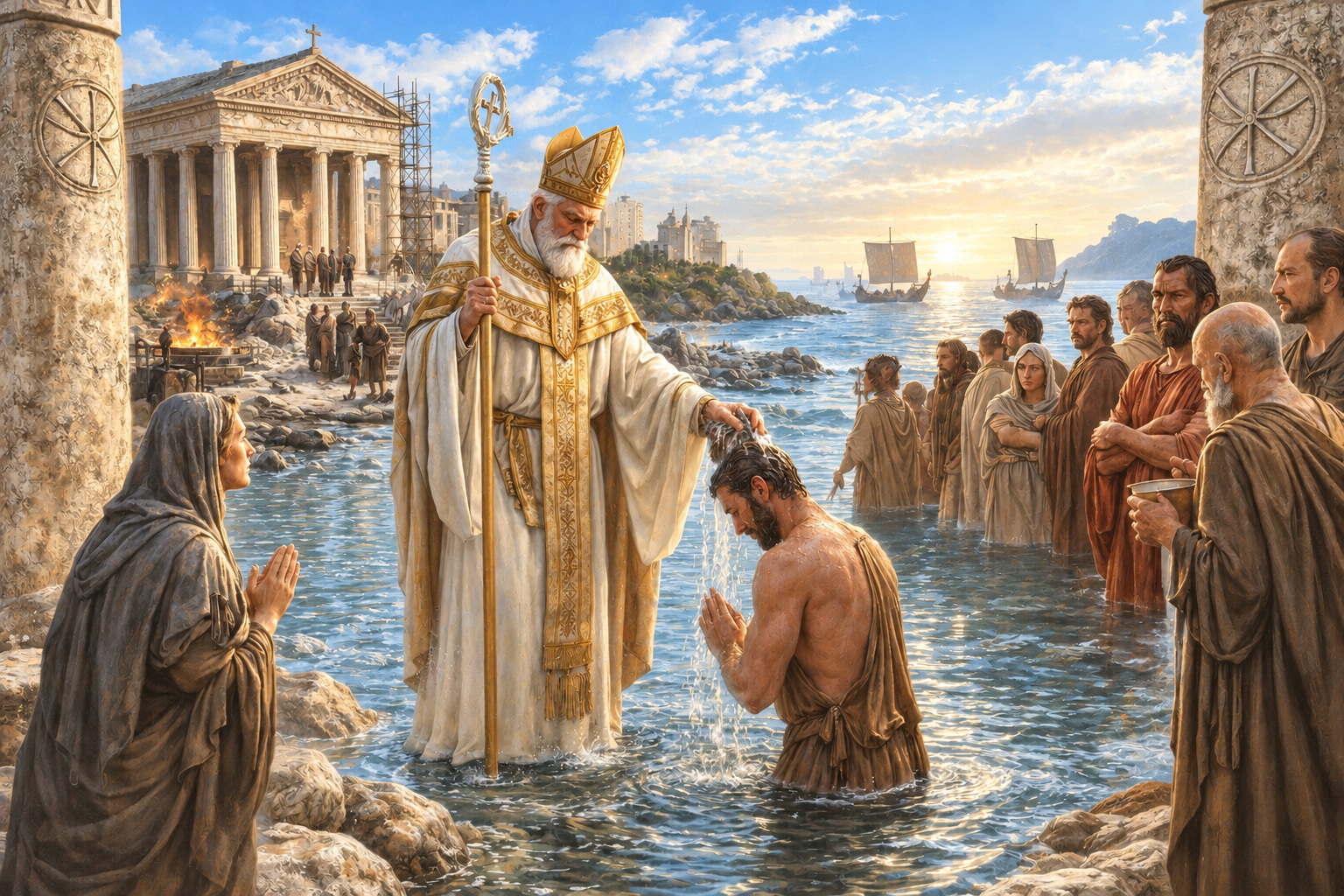
Key moments covered in the chapter include the capture of Messina in 1061, the decisive victory at the Battle of Cerami in 1063, the Battle of Misilmeri in 1068, the siege and capture of Palermo in 1072, and the fall of the last Arab stronghold of Noto in 1091. Following the the conquest of the island, Roger pursued a remarkable policy of religious tolerance, retaining Muslim and Greek administrators in senior positions within the new government, fostering a policy of religious tolerance, preserving and protecting Arab, Latin Christian, Greek Christian and Jewish communities, allowing all three faiths to peacefully coexist under Norman rule. This spirit of religious tolerance produced a rare and marvelous, multi-cultural society, which would become one of the wealthiest, most advanced and progressive nations of the medieval world.