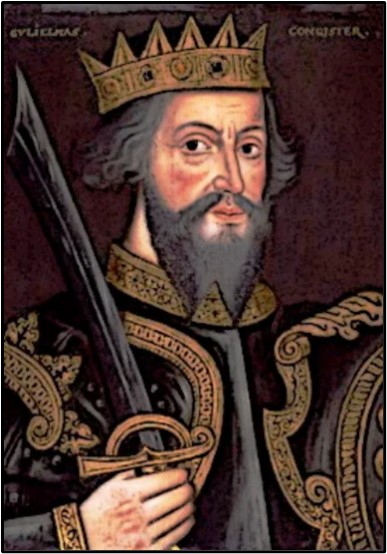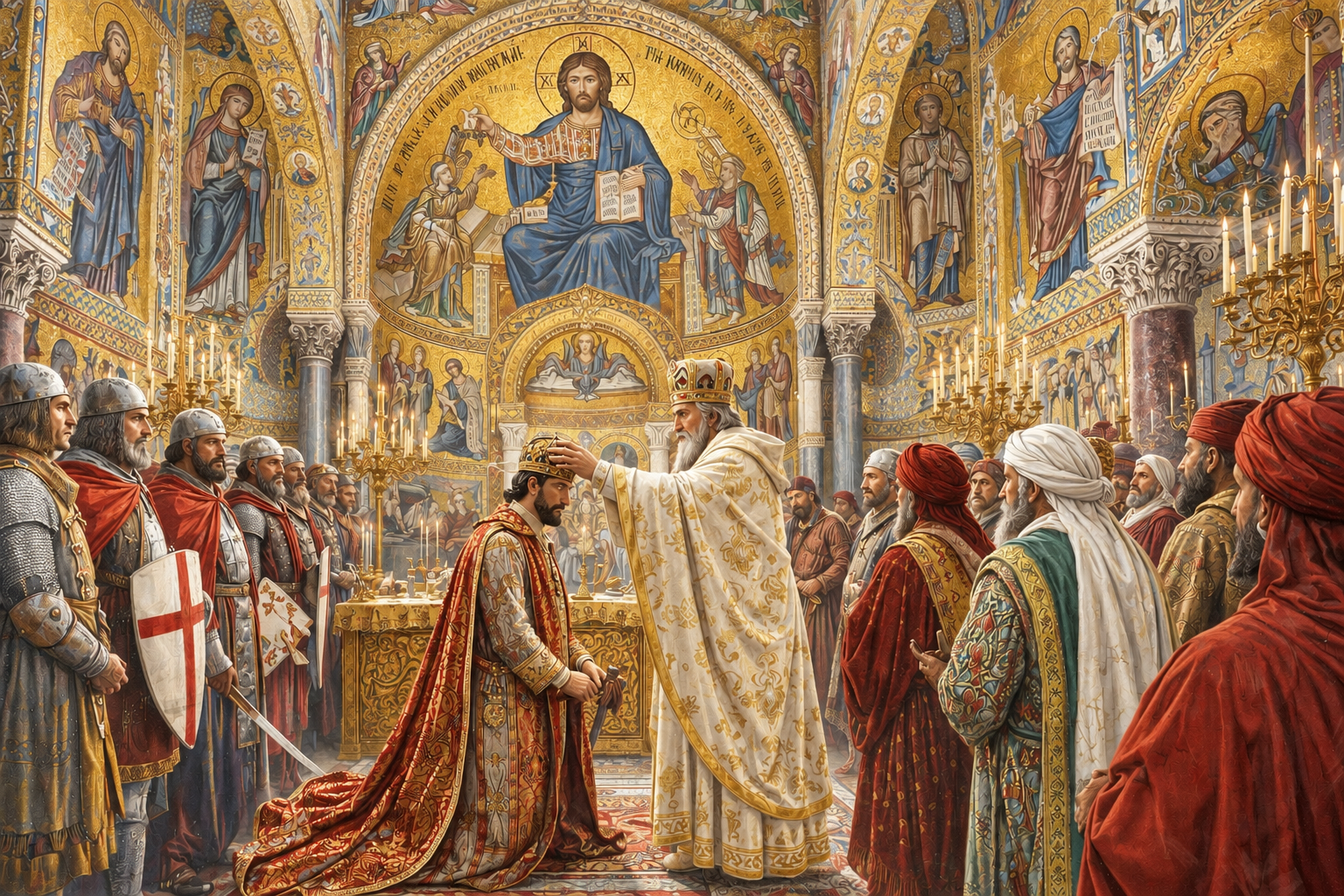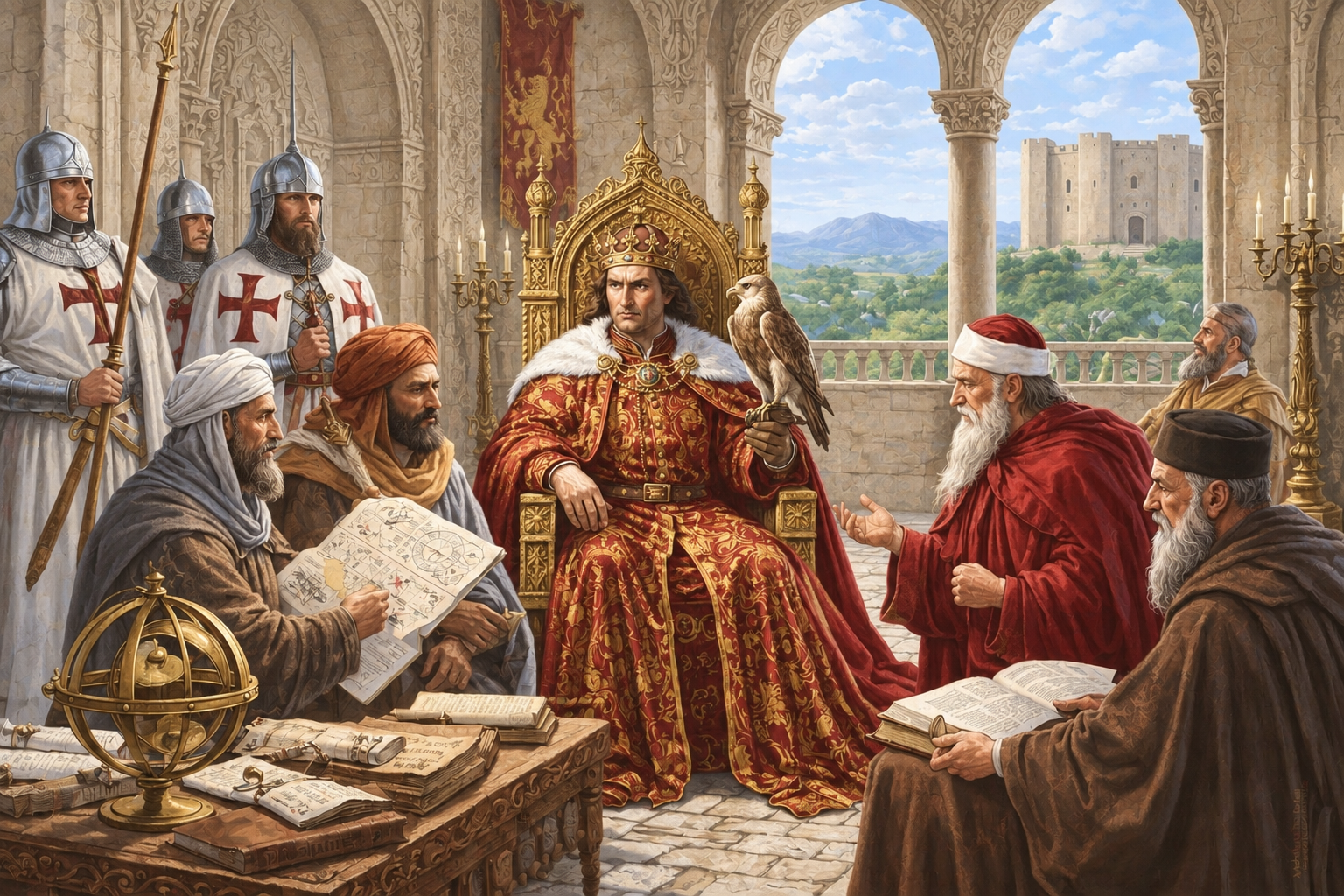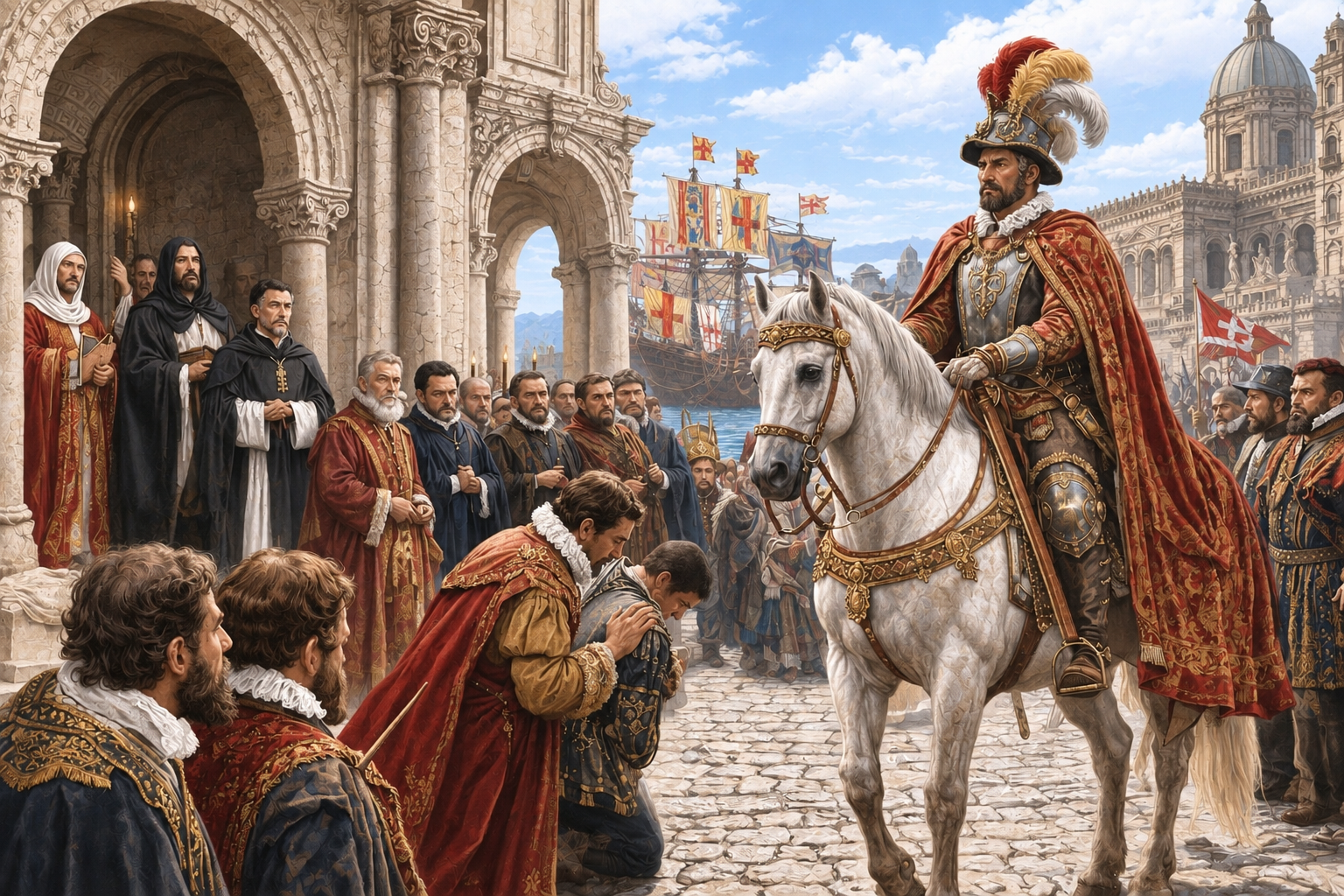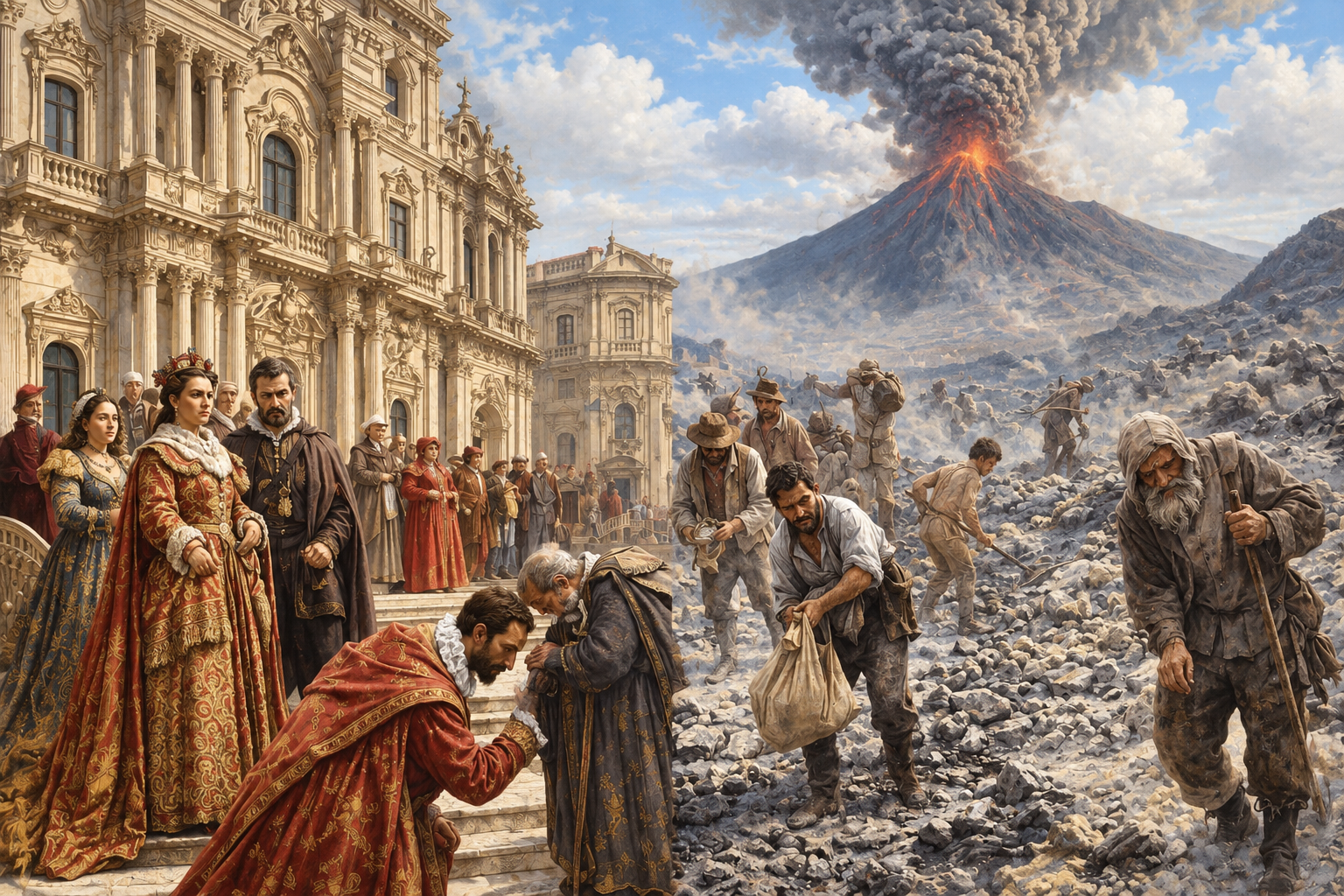


Upon the death of King Roger II of Sicily in 1154, the Sicilian Kingdom passed to his fourth son William. Roger’s three older sons had been trained for kingship from an early age and held key governing positions within the Sicilian kingdom, but they all died young. This left Roger’s forth son, William, as the heir to the Sicilian throne. William was never expected to govern, thus had received no training or preparation for his future duties as king.
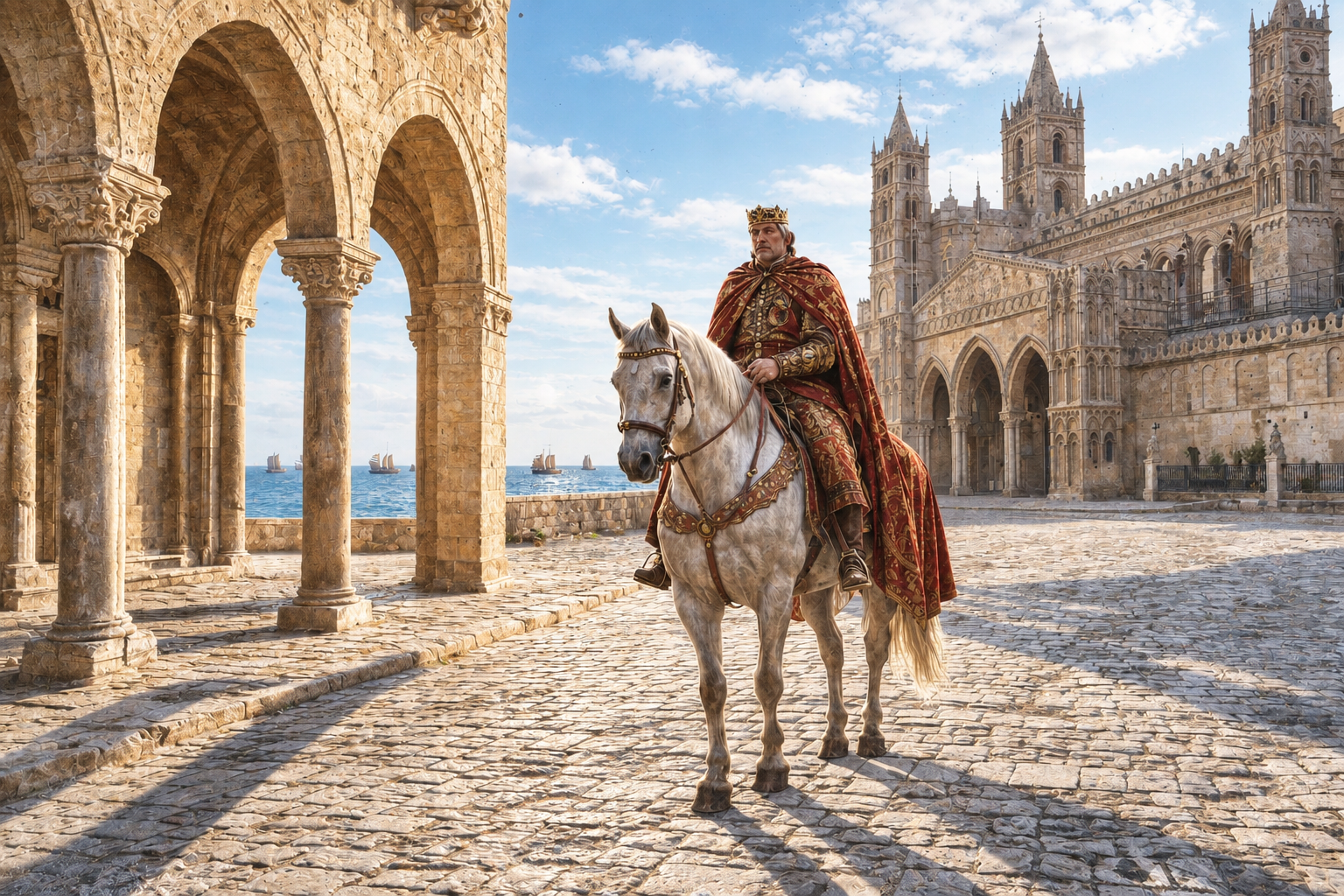
Roger II had been an active diligent monarch, who possessed an insatiable work ethic, but his William had a reputation of being lazy and pleasure-loving. During most of his twelve-year reign, William delegated the day-to-day administrative operations of his kingdom to his competent government ministers, rarely leaving the capital tour his kingdom. Instead, he chose to spend his time pursuing his many recreational activities, including hunting and frequenting his many pleasure palaces around Palermo. In those rare stressful periods when the kingdom was threatened, William could be a fierce and effective king. But once the crisis had passed, he readily slipped back into his lazy, pleasure-loving ways, losing all interest in the governance of his kingdom.
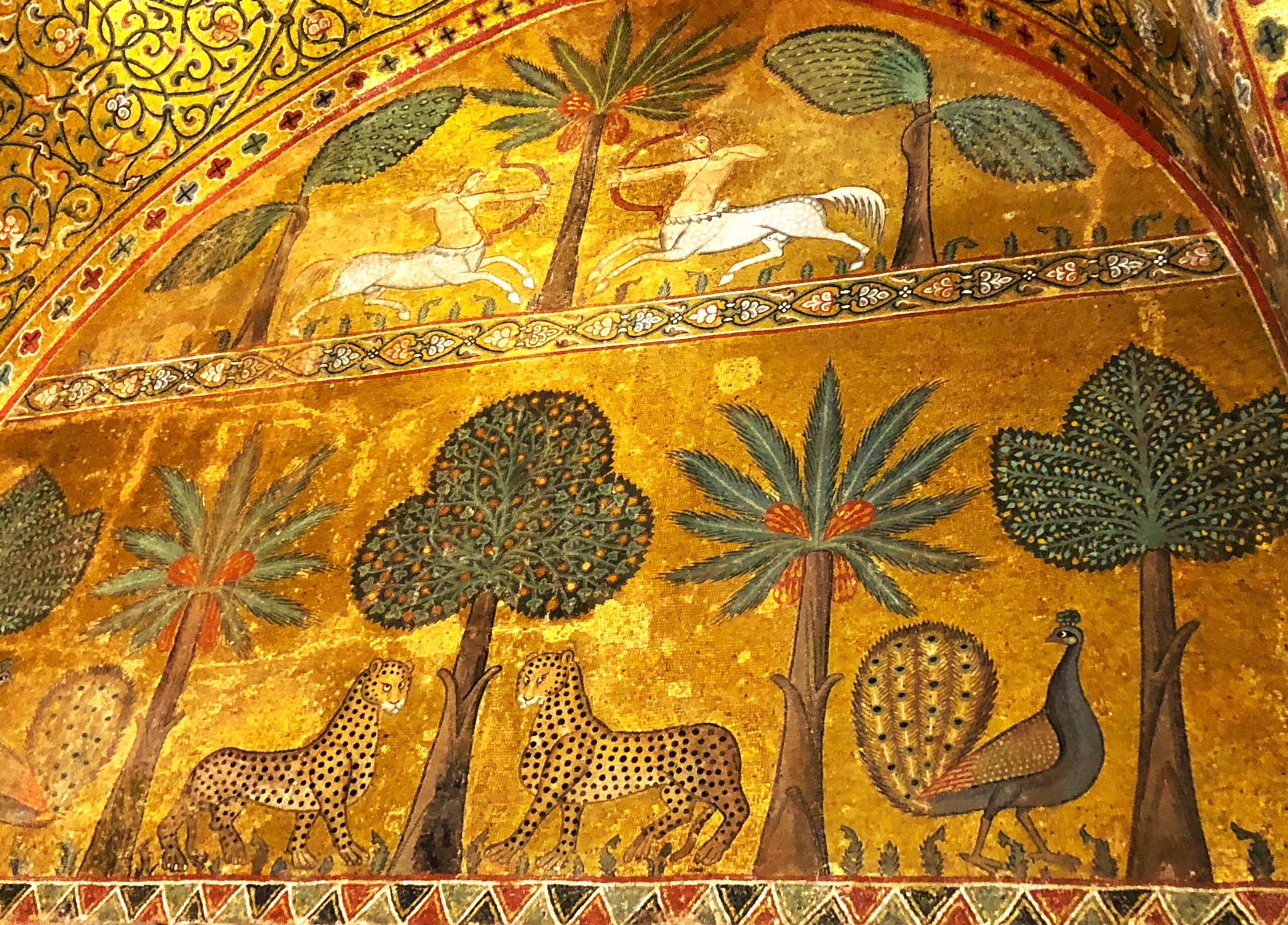
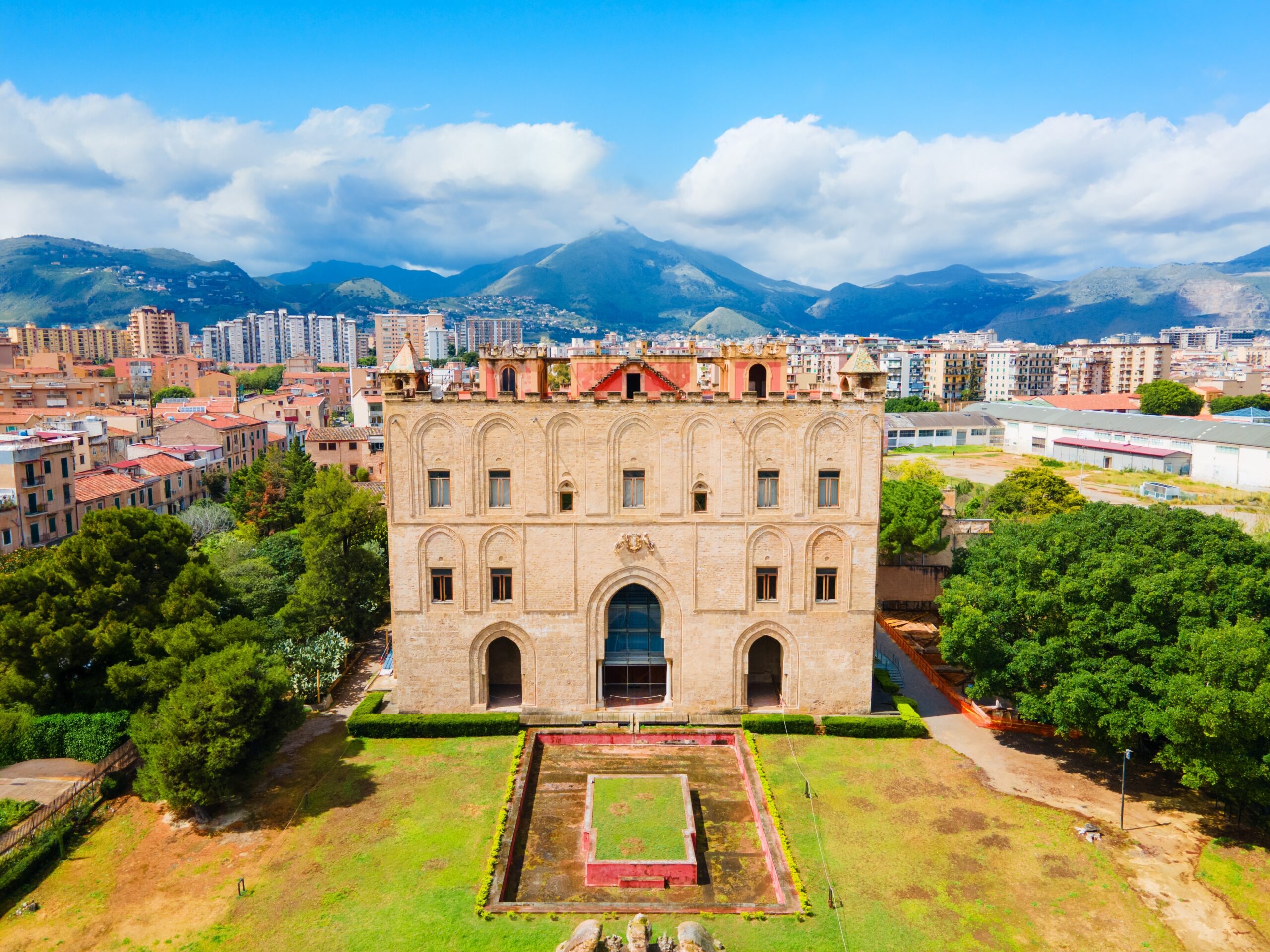
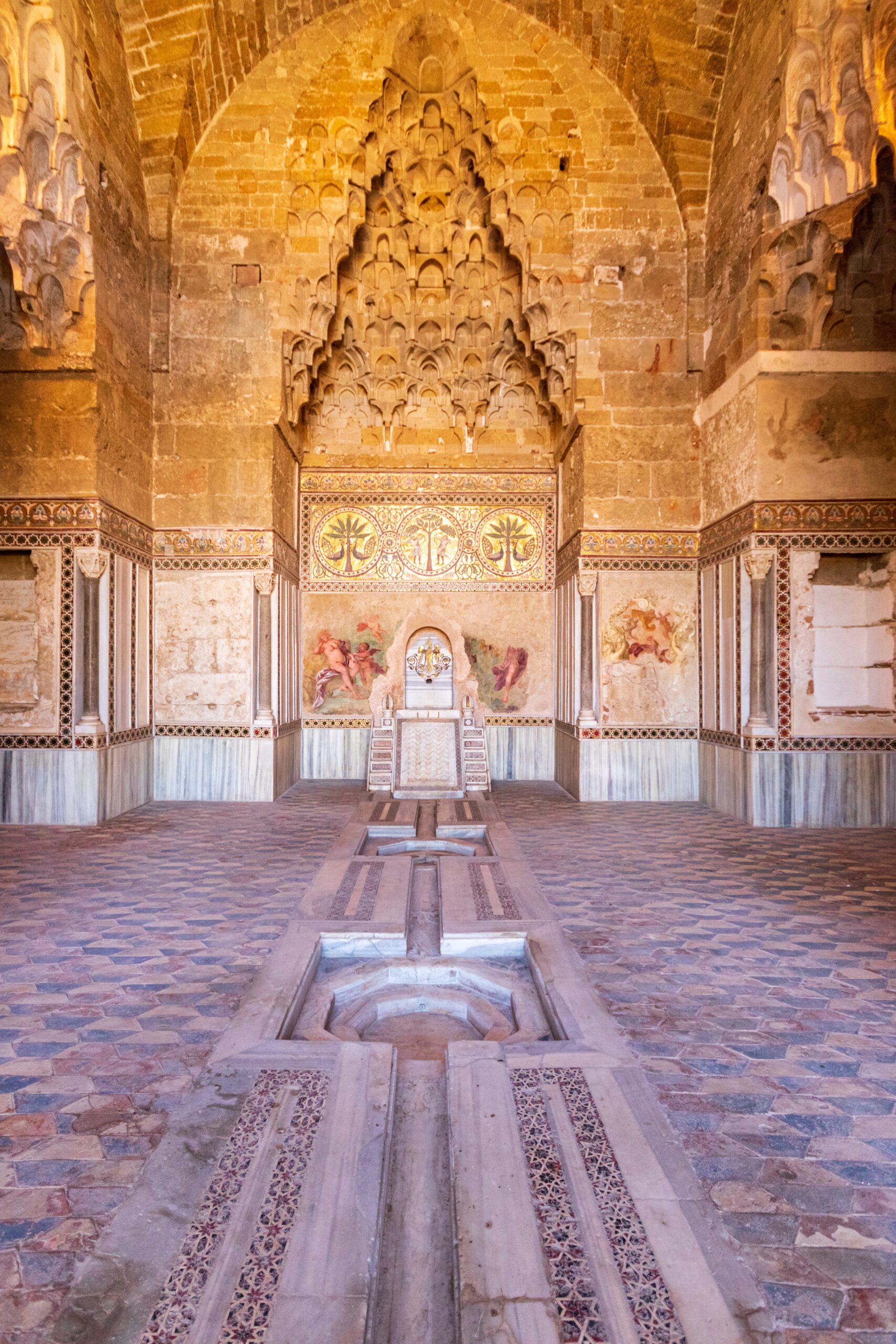
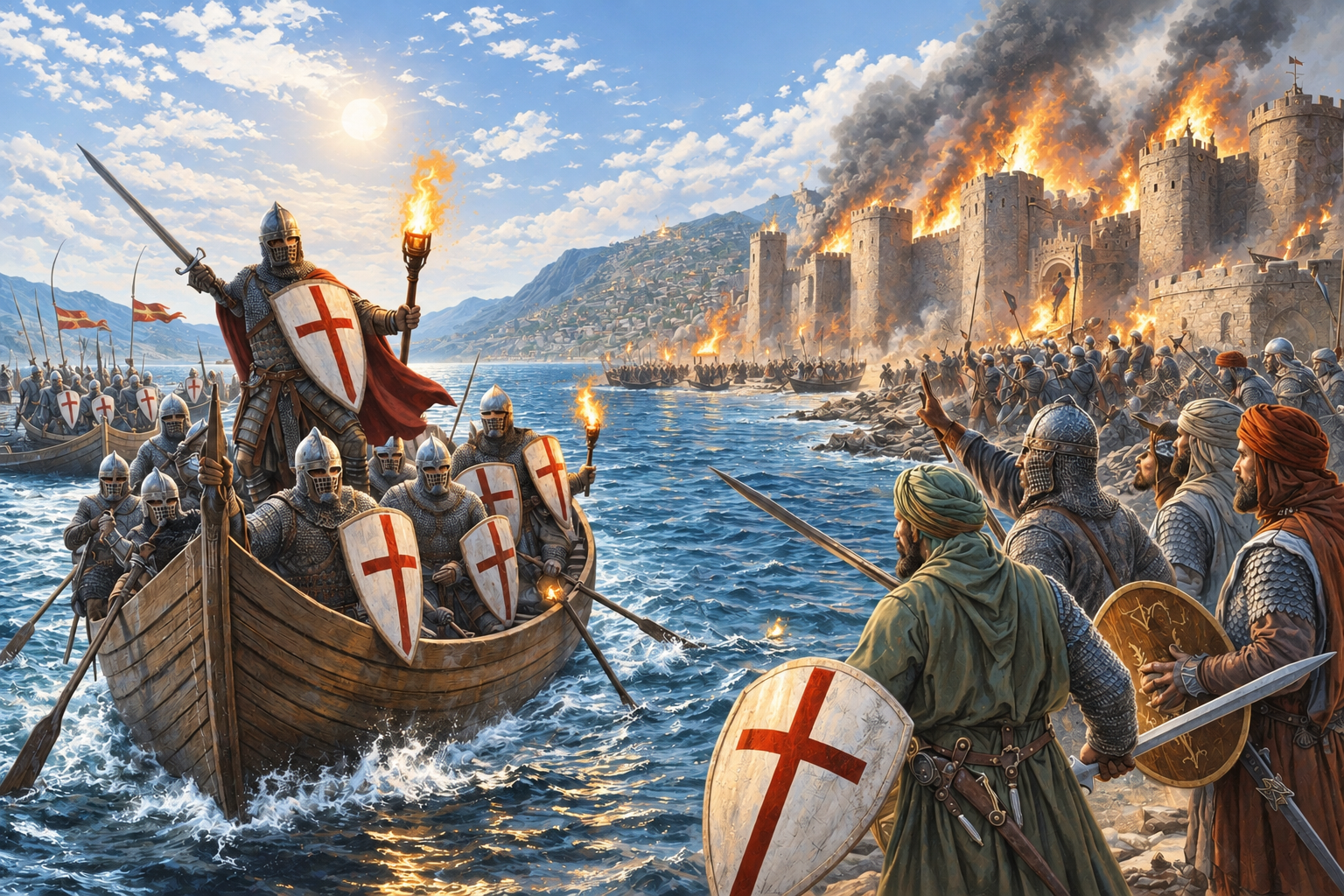
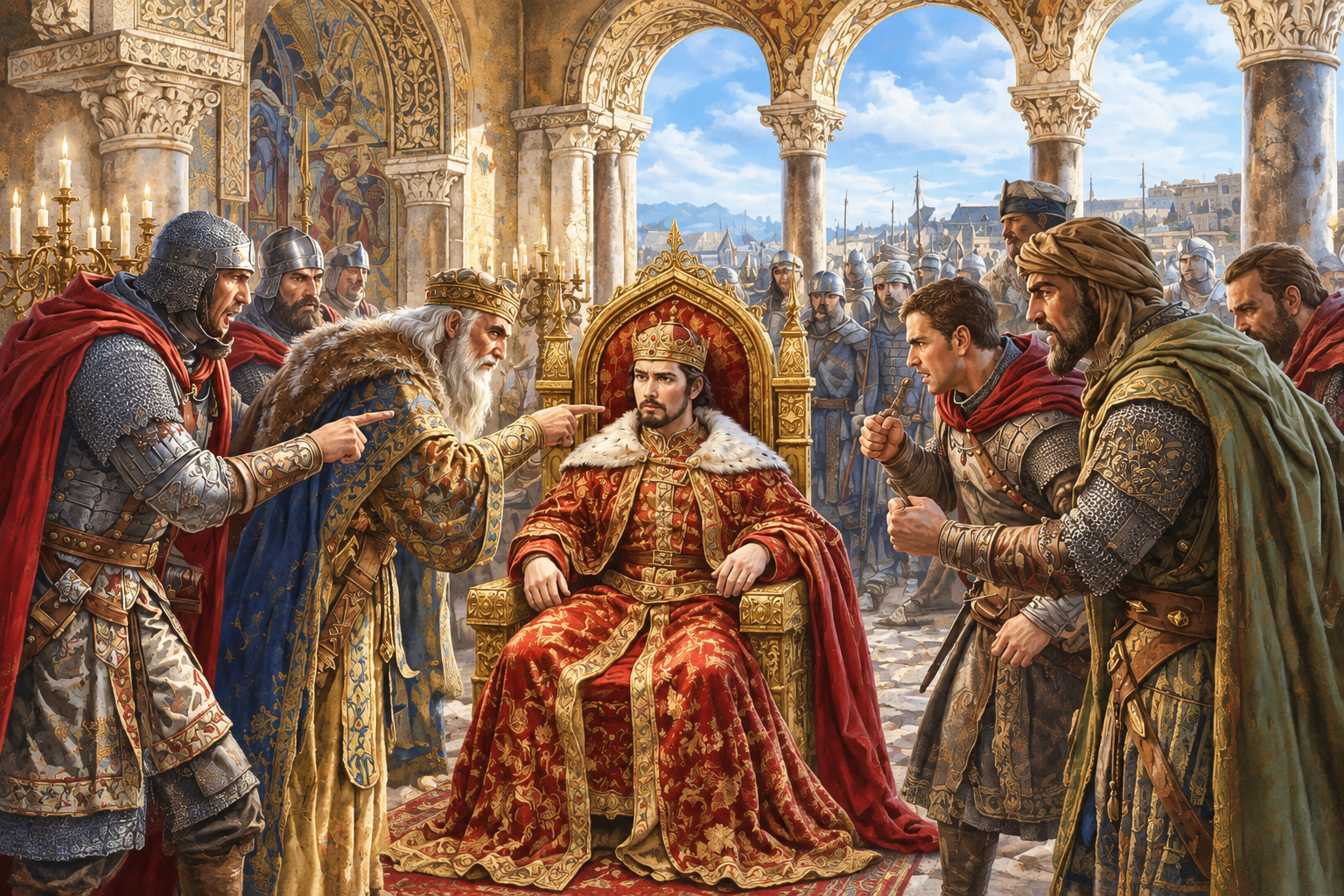
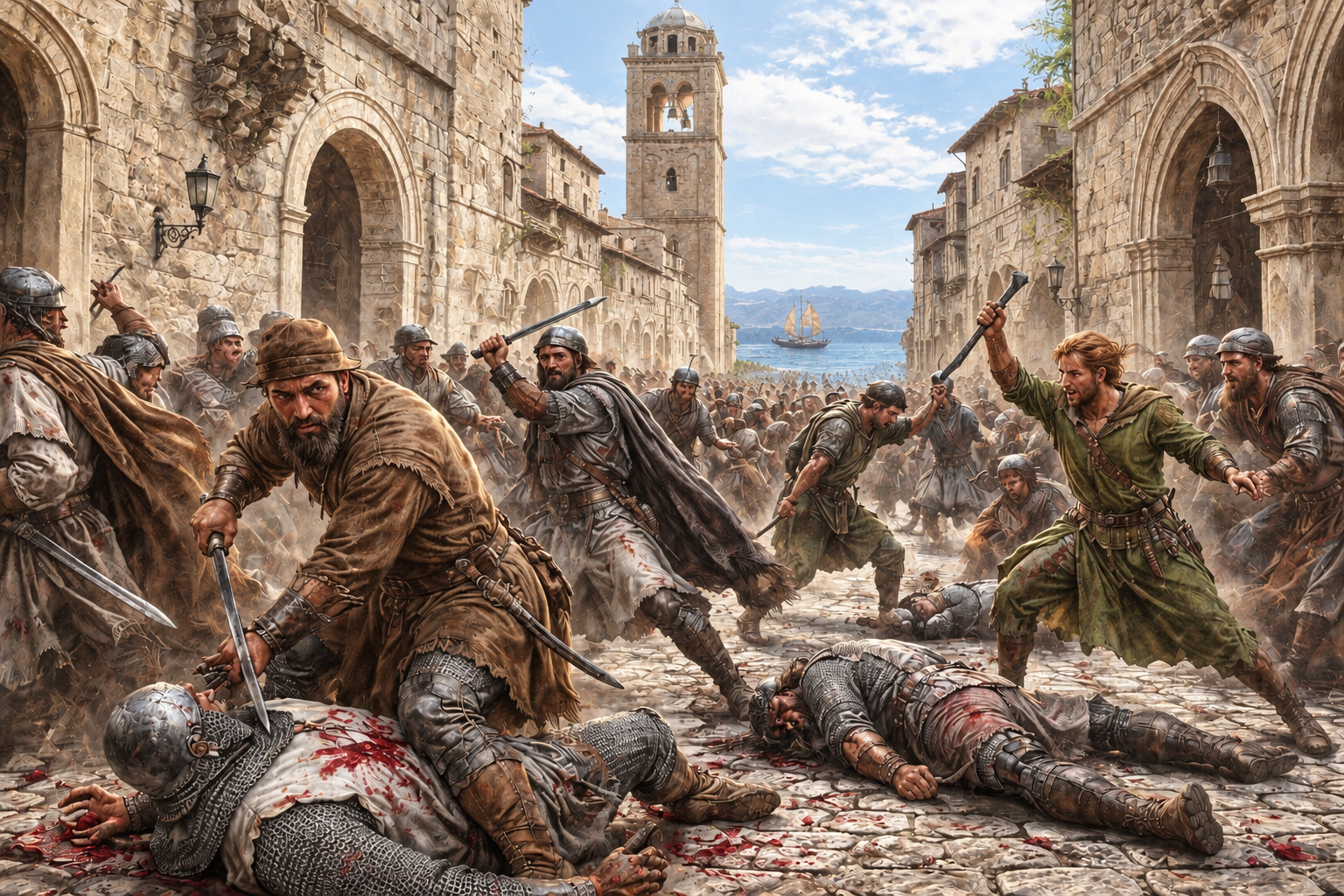
During William’s brief reign the Sicilian Kingdom faced several existential threats, including a serious rebellion from the Norman barons within his Southern Italian domains and from a deadly riot within Palermo, which stormed the royal palace. This chapter tells the story of these grave threats to the kingdom and the effective actions taken by King William to combat them. During his reign, William was also responsible for commissioning several important Norman monuments within Palermo, the Zisa Palace, and the royal suite within Norman Palace, which would confusingly be known as “Roger’s Room”.
The chapter concludes with the death of King William in 1166, followed by the story of the dangerous and turbulent five-year regency period after his death, when his wife Queen Margaret ruled the Kingdom as regent for their twelve-year-old son, William II. During his period the Kingdom faced its greatest existential threat to date from invasion by the Western Roman Empire, led by the famous Emperor Frederick I Barbarossa, who led a sizable, and seemingly invincible, army of conquest into Italy. At the very moment of Frederick’s grand triumph and glory, his fortunes were to be decisively shattered. The Sicilian Kingdom was saved…for a time.