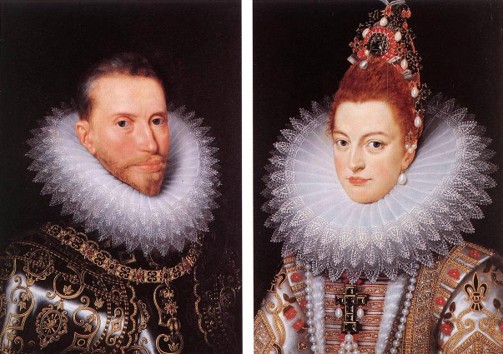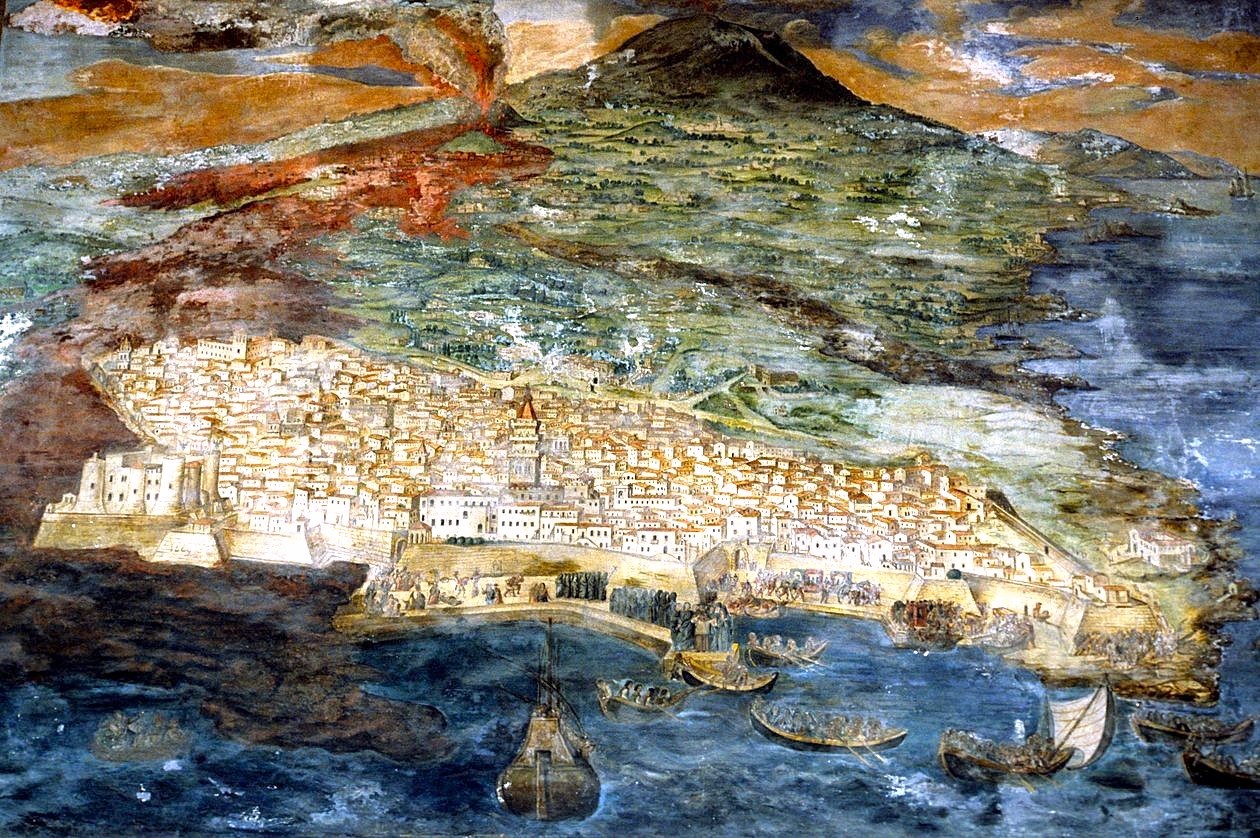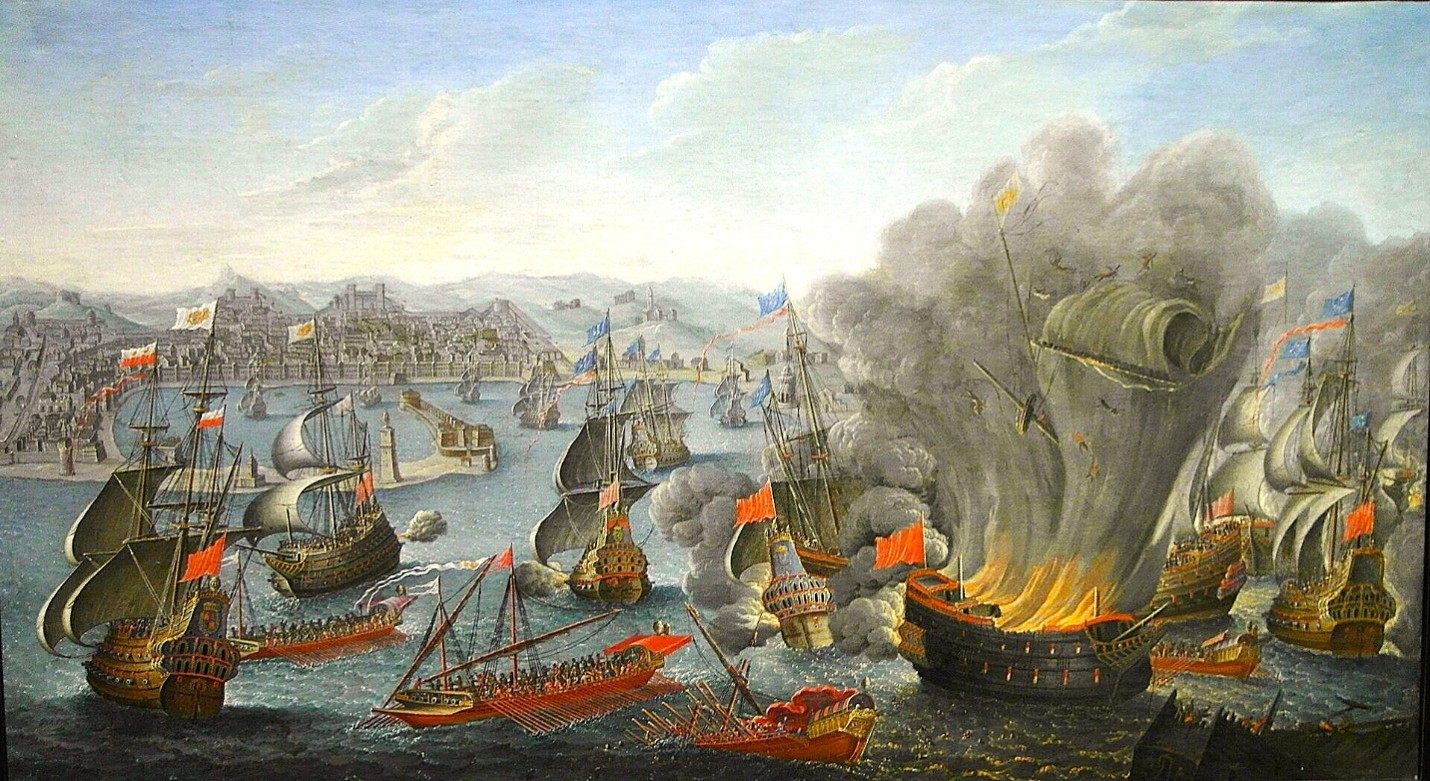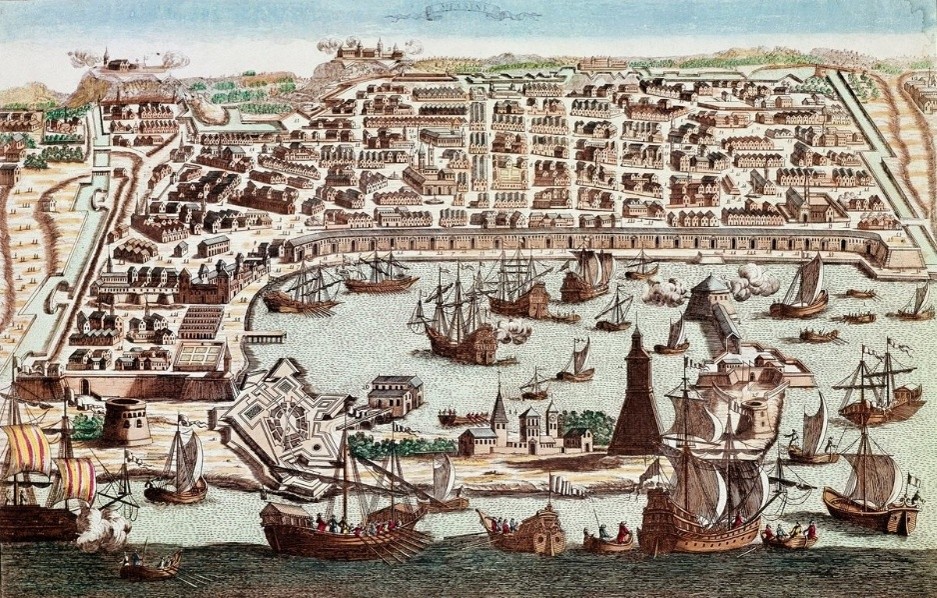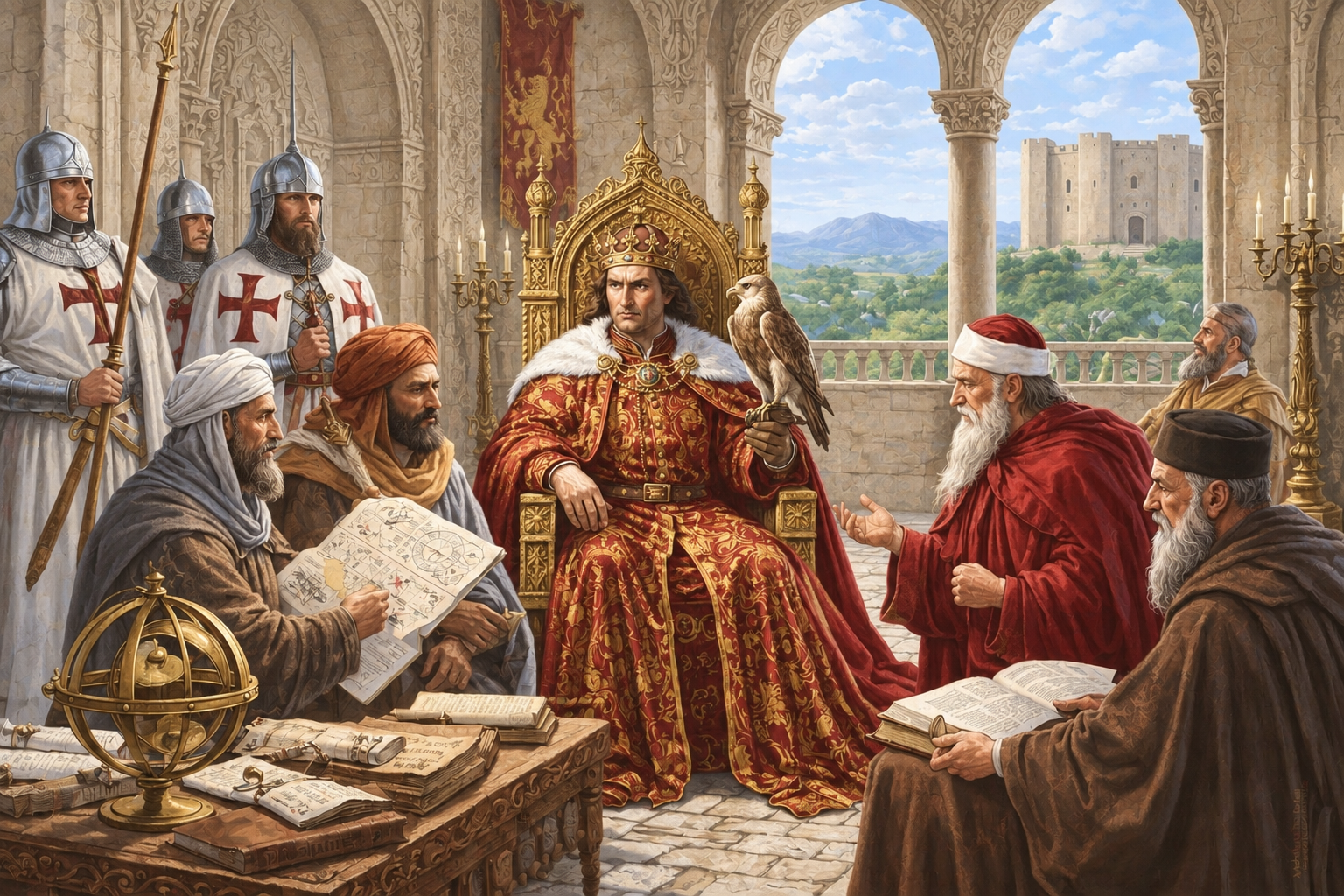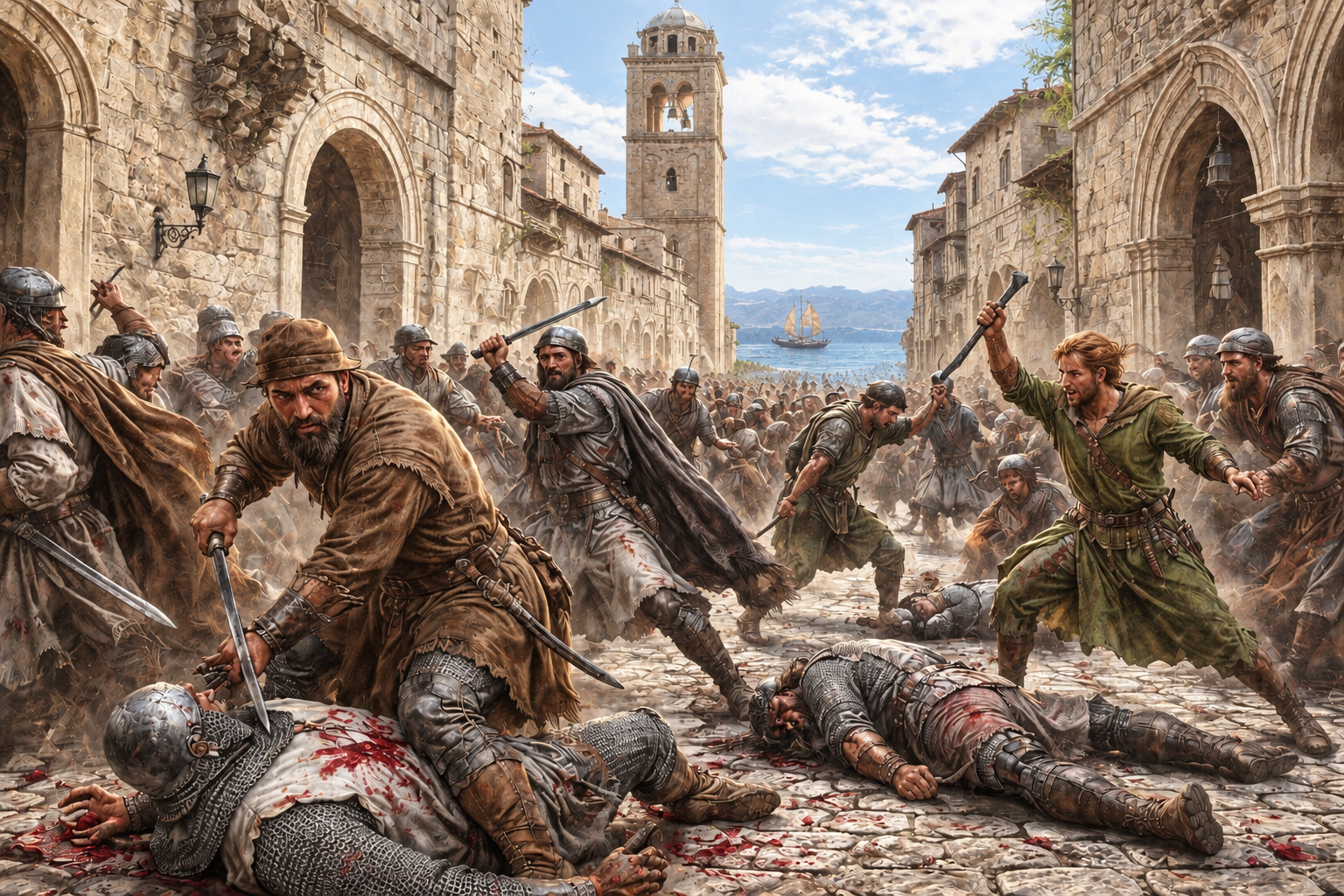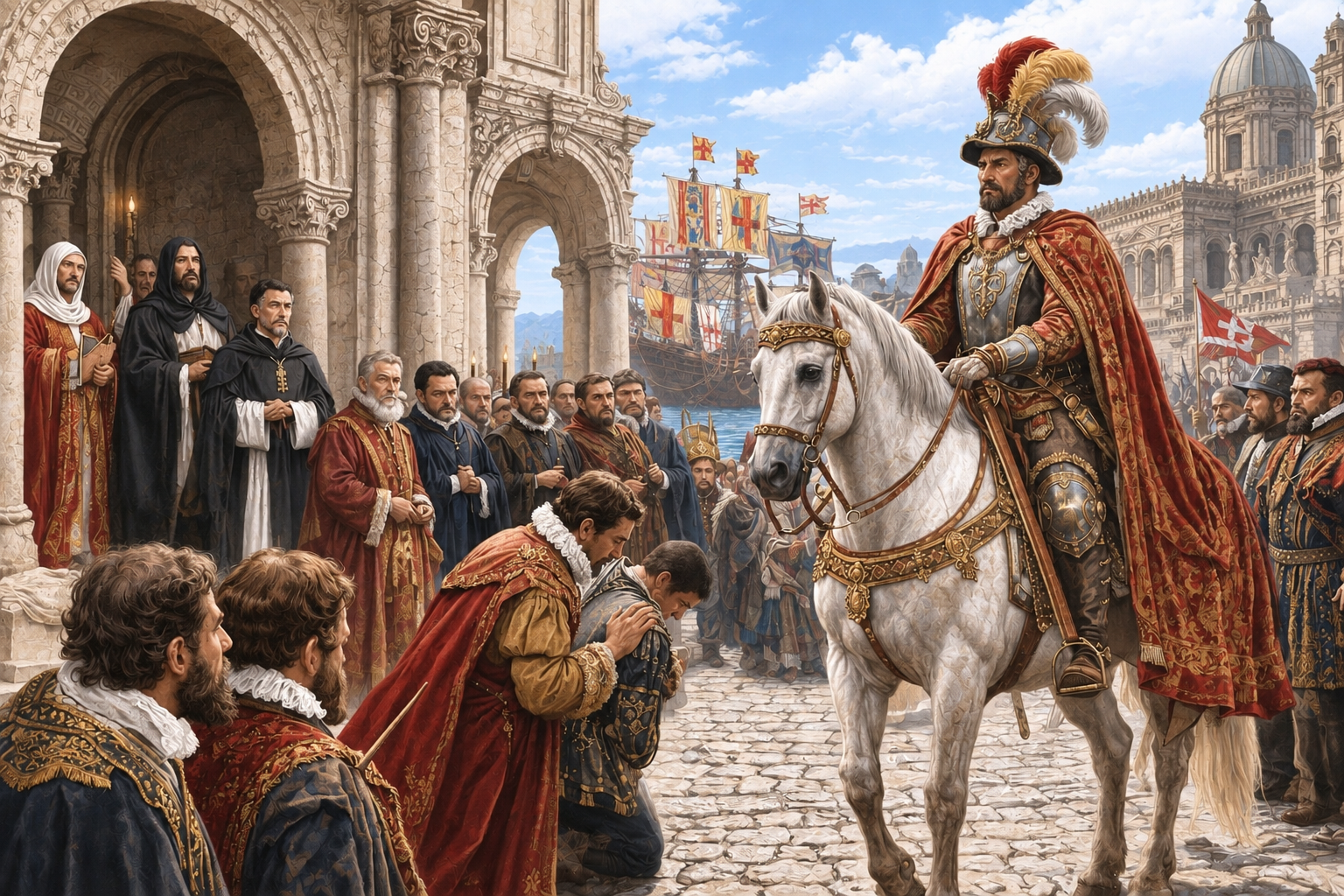


This chapter begins with the consolidation of the kingdoms of Castille and Aragon into the kingdom of Spain in the late-15th century. After the marriage of Ferdinand of Aragon and Isabella of Castile in 1469, Sicily became part of what would become the unified Kingdom of Spain. From the mid-15th century onward, Sicily was ruled not by resident kings but by Spanish viceroys appointed from Madrid.
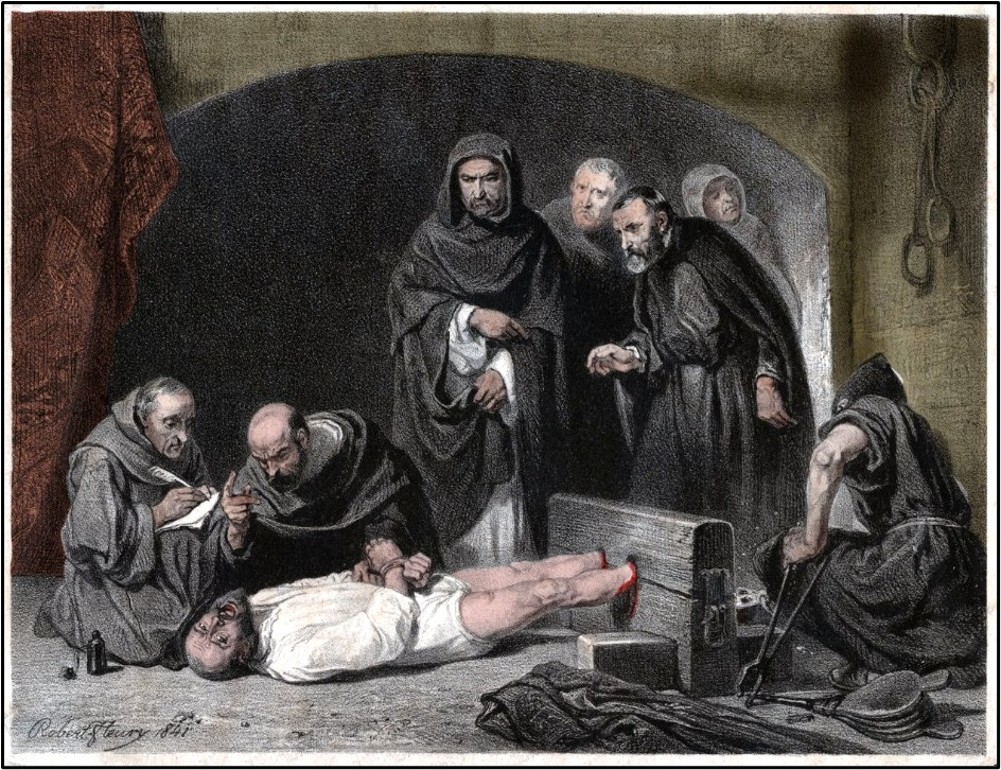
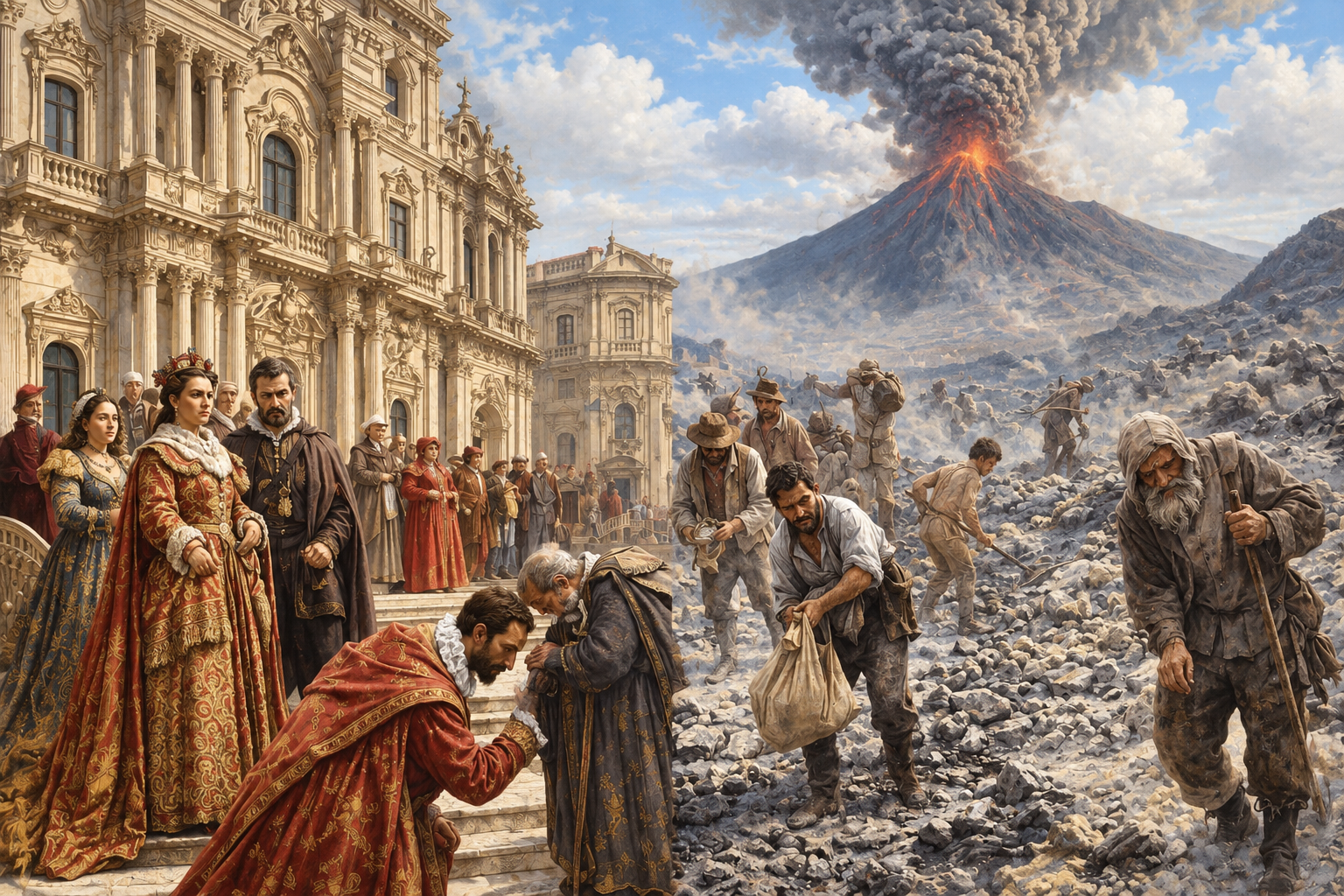
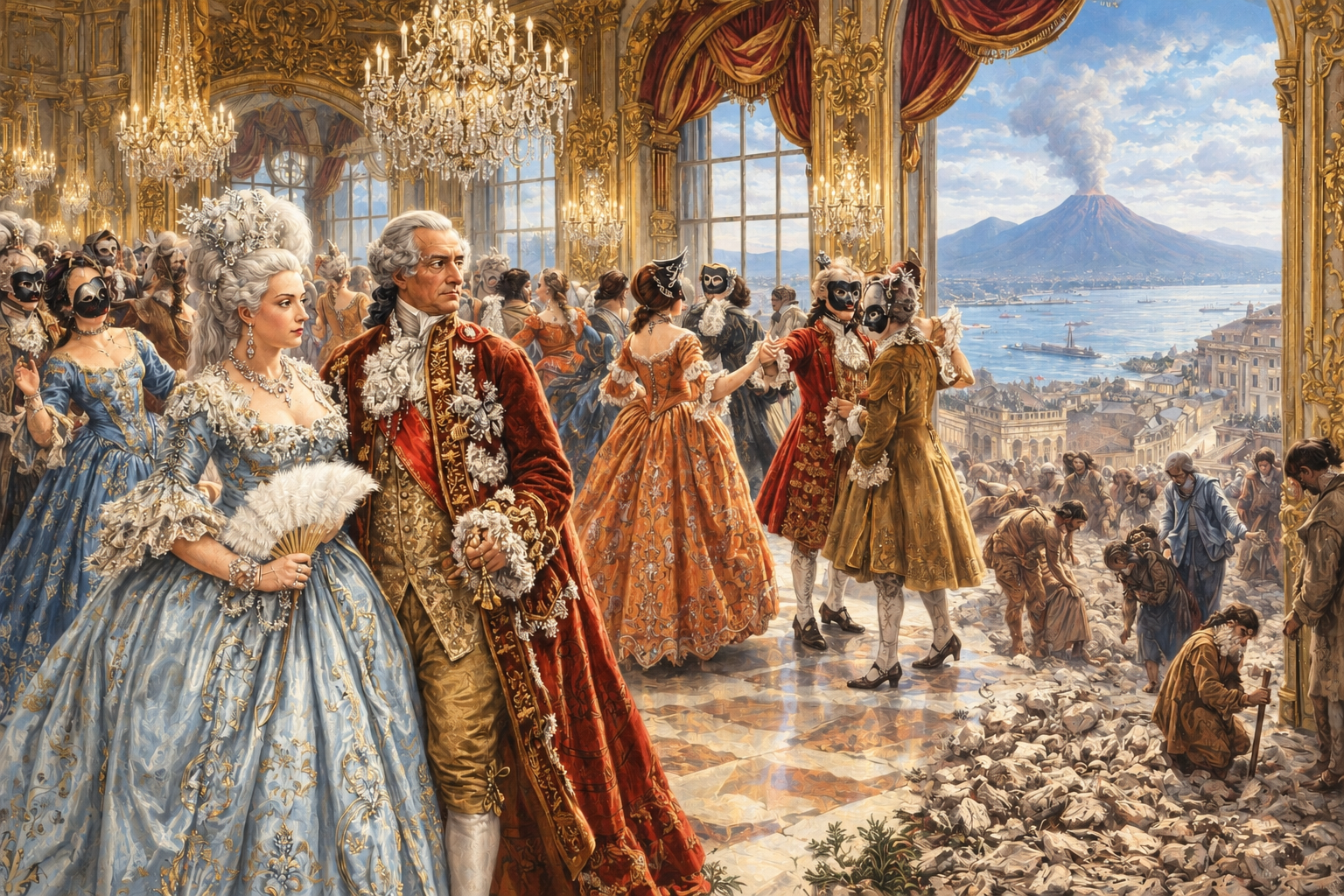
The Spanish viceregal period was the longest winter of Sicilian history. Once again Sicily became a source of financial exploitation as grain, taxes, flowing outward to feed the needs of a distant Spanish empire. The island’s Jewish population, which had survived every previous regime, was expelled in 1492 by royal all across the Spanish Empire, including Sicily. The Spanish Inquisition established itself in Sicily in 1487 and continued to persecute both religious dissidents and innocent Sicilians for the next three centuries. The feudal landholding system became entrenched, creating enormous wealth inequality between a small landowning aristocracy and a vast impoverished peasantry. As Europeans were entering the Age of Enlightenment in the late Middle Ages, Sicilian society would remain frozen in an archaic feudal system, where the great masses Sicilian serfs remained virtual economic slaves to a tiny class of Spanish aristocrats that controlled the island’s government and owned virtually all the land.