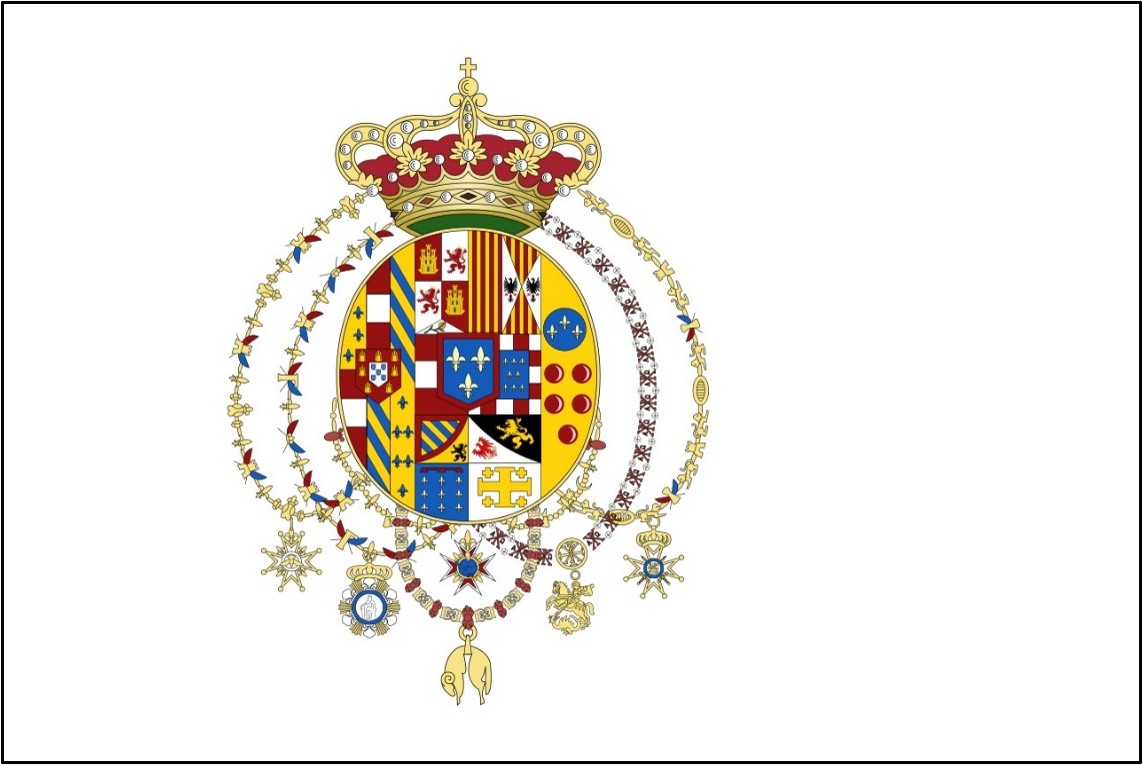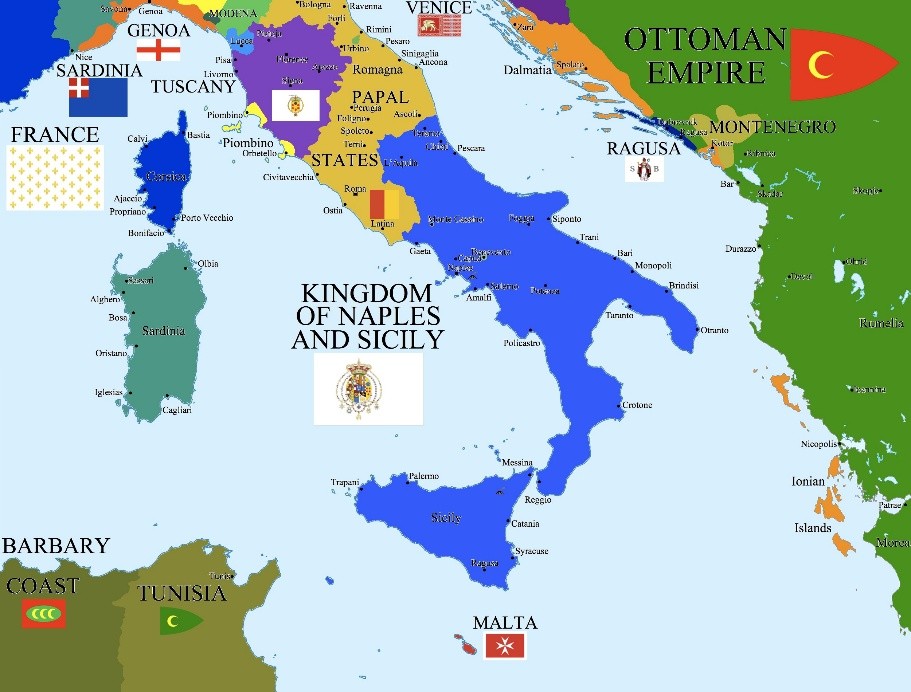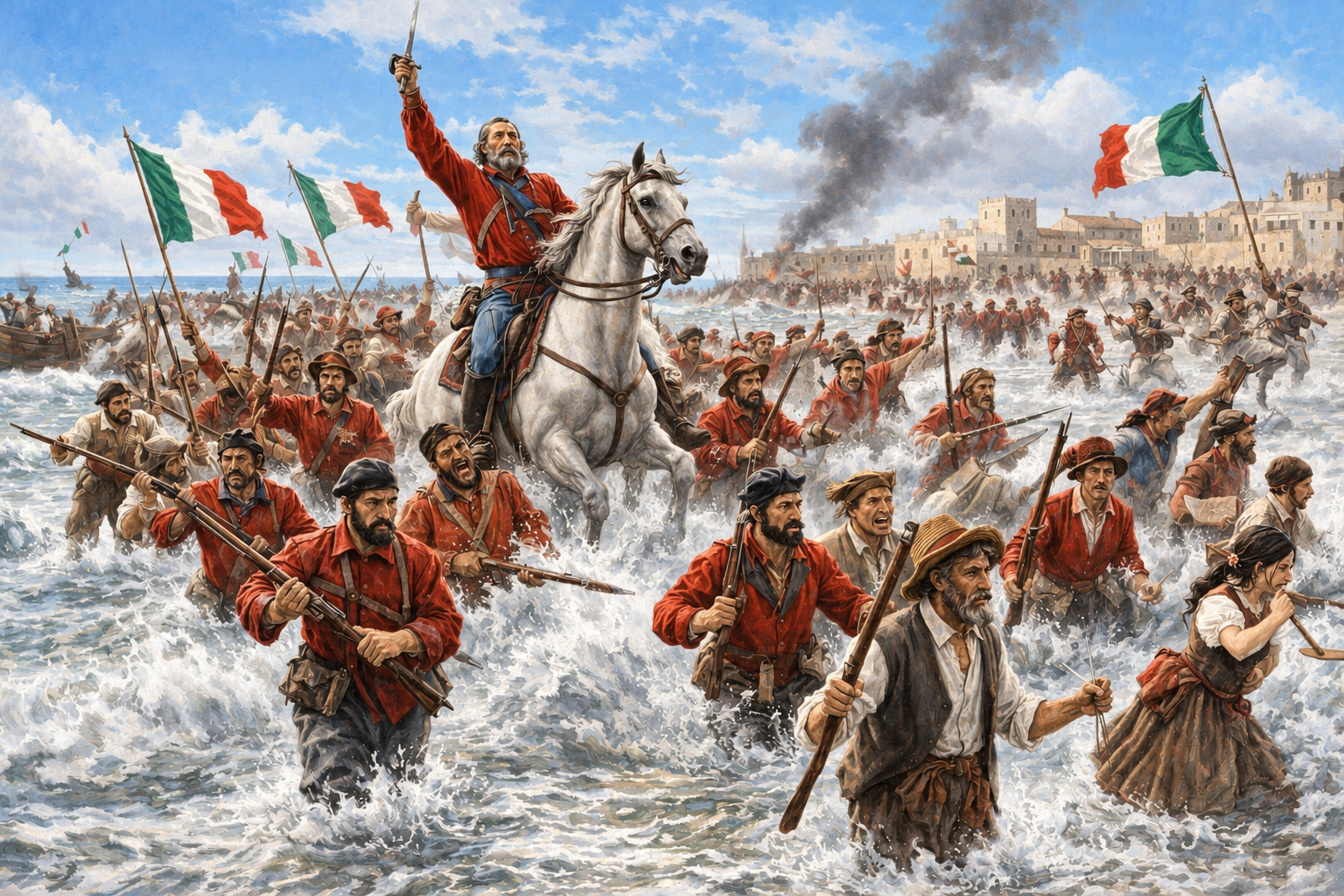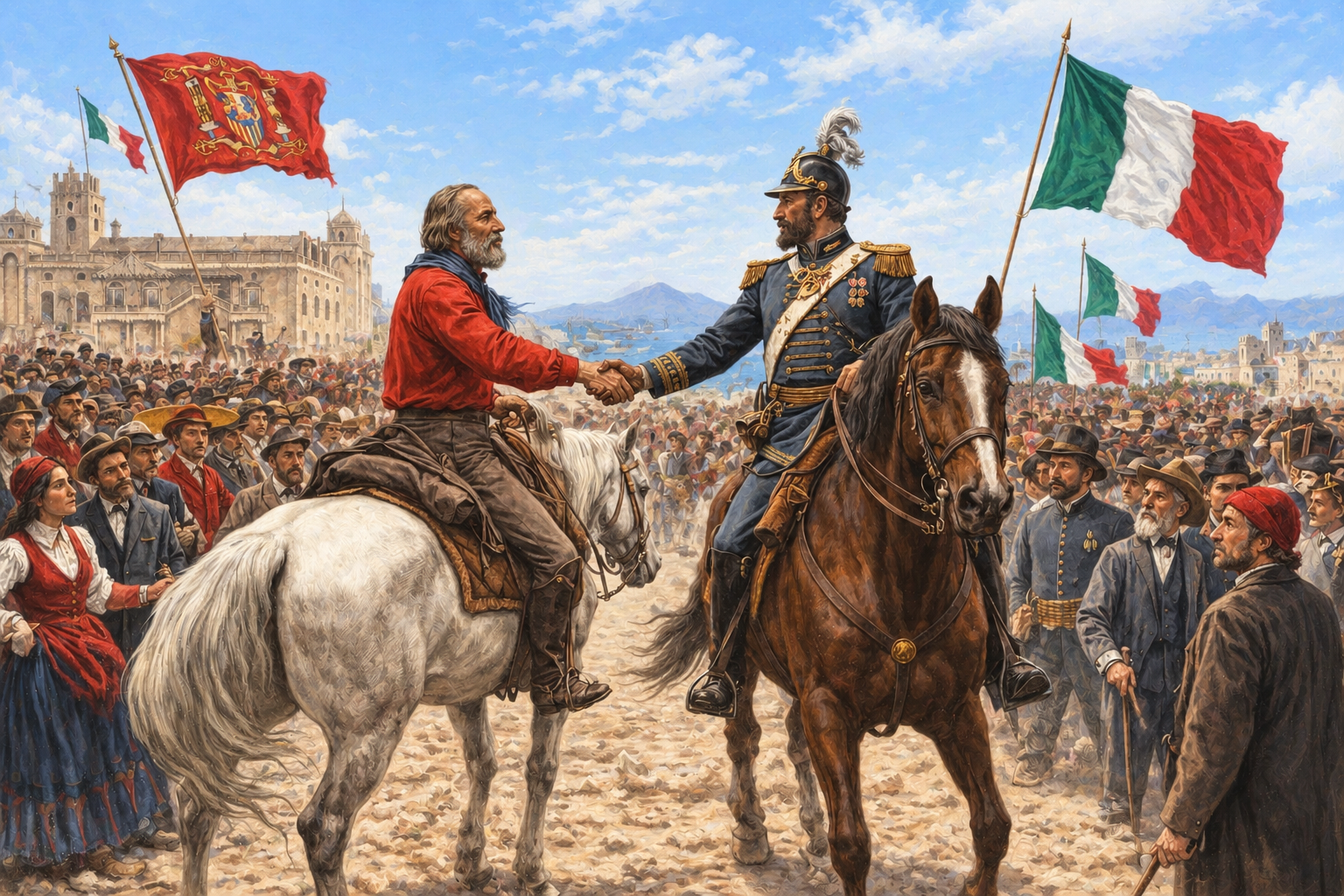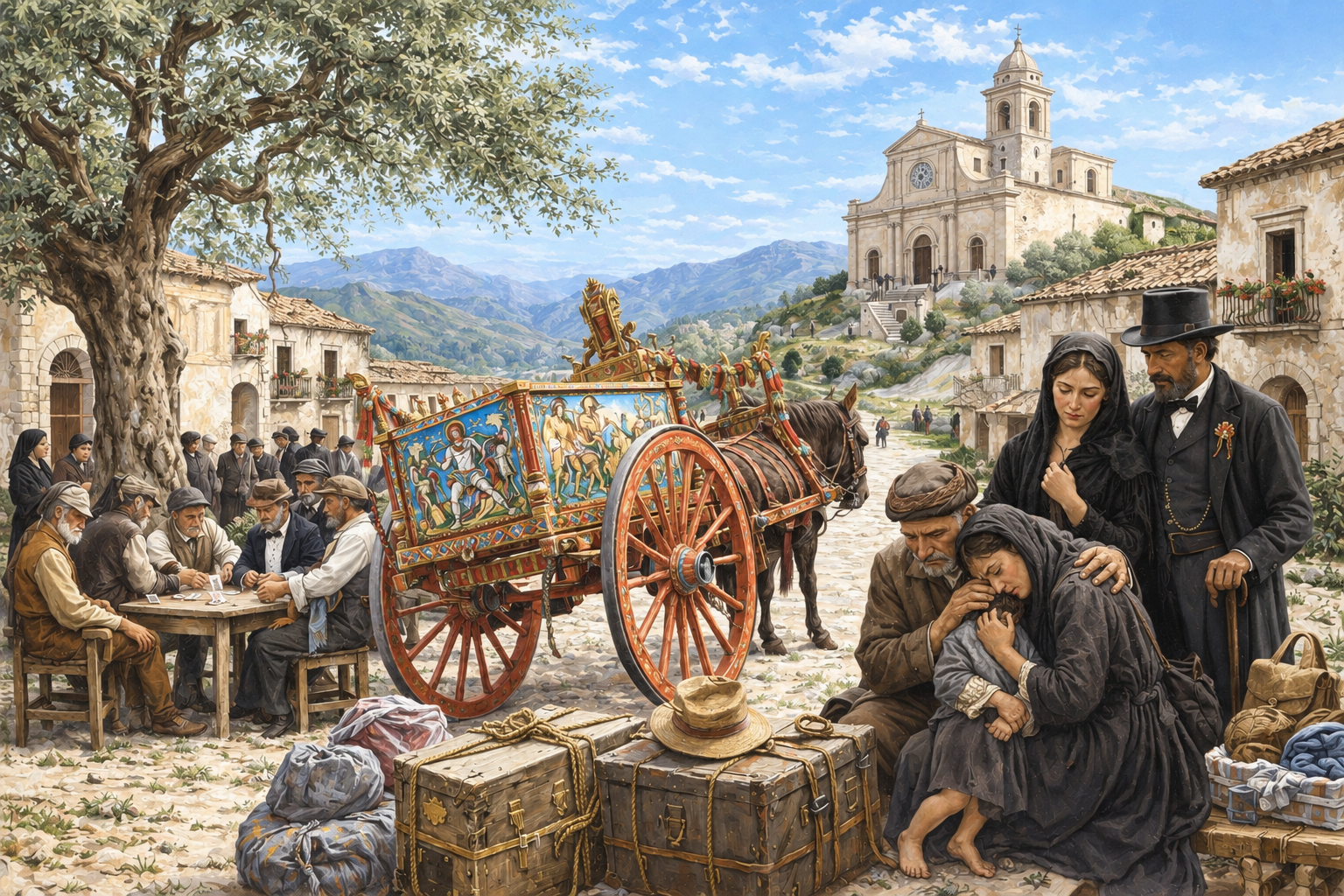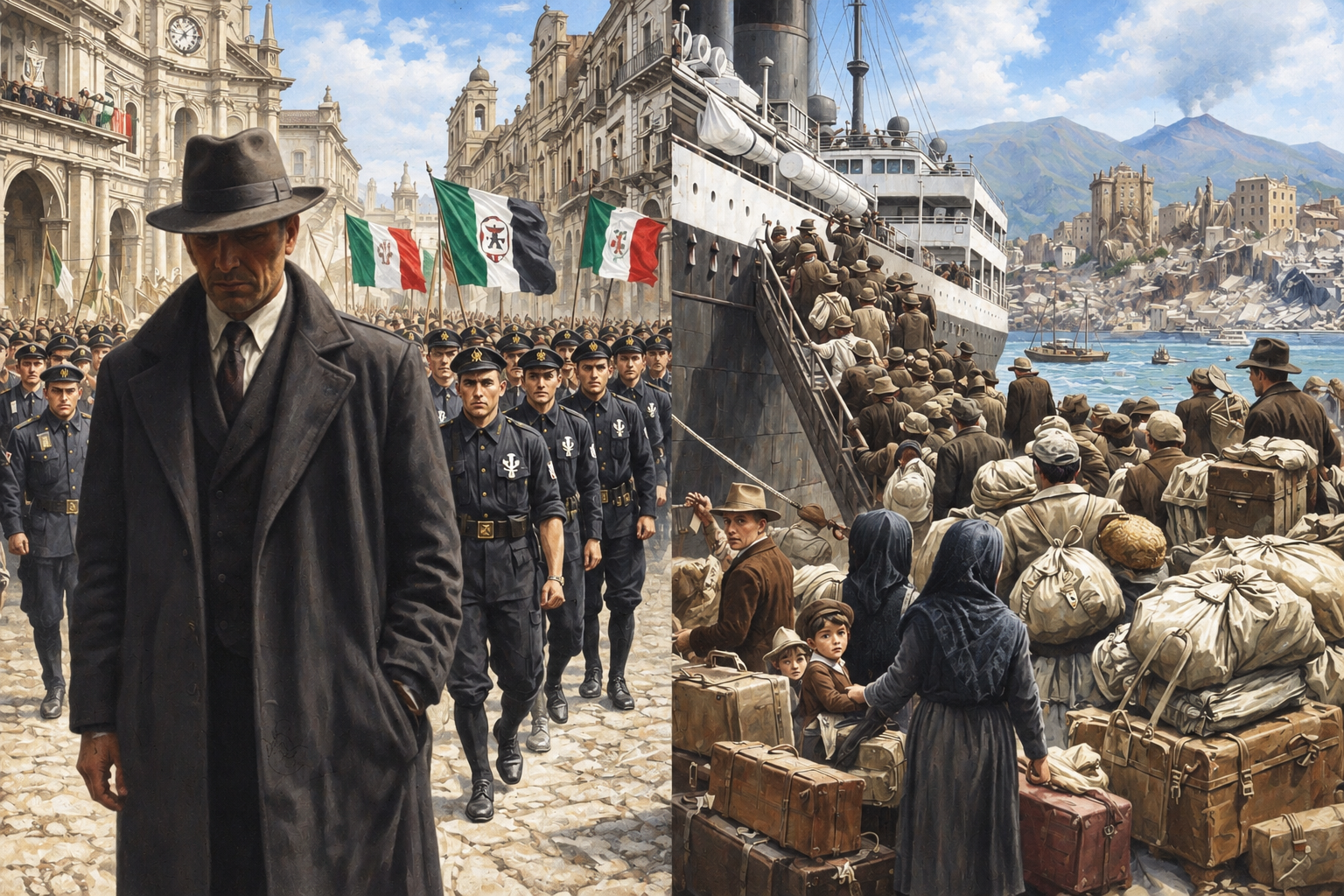


From 1735 until the Italian unification of 1860, Sicily was ruled by the Spanish Bourbon dynasty as part of the combined Kingdoms of Naples and Sicily — eventually formally united in 1816 as the Kingdom of the Two Sicilies. This was a 125-year span during which Sicily remained politically subordinate to Naples, economically underdeveloped, and socially locked in a quasi-feudal structure that had changed little since Spanish rule.
In 1735 Charles, the Bourbon Duke of Parma, was declared by treaty as the new ruler of the separate Kingdom of Naples and Kingdom of Sicily, which governed from his capital in Naples. Early in his reign King Charles attempted to improve the government of Sicily, as well as try to enact economic and land reforms to reduce the poverty of the island. However, all efforts at reform where fiercely resisted by the Sicilian aristocracy, who profited from the repression and exploitation of the peasant classes.
In 1759, the throne of Spain became vacant and passed to Charles. Prior treaties dictated that the King of Spain could not rule the Kingdoms of Naples and Sicily, so those crowns were passed to Charles’s young son Ferdinand, who ruled both kingdoms until his death in 1825. The nearly 65-year reign of Ferdinand was a turbulent period of European history marked by many major events. In July 1789 the people of Paris stormed the infamous French prison, the Bastille, freeing the prisoners, which launched the French Revolution against the monarchy of King Louis XVI and Queen Marie Antoinette. The French monarchy was overthrown and replaced by a Revolutionary Council, triggering a civil war against the royalist forces. As several European monarchies were drawn into war against France, the conflict evolved into the great Napoleonic War lasting from 1794 to 1815, which consumed all of Europe.
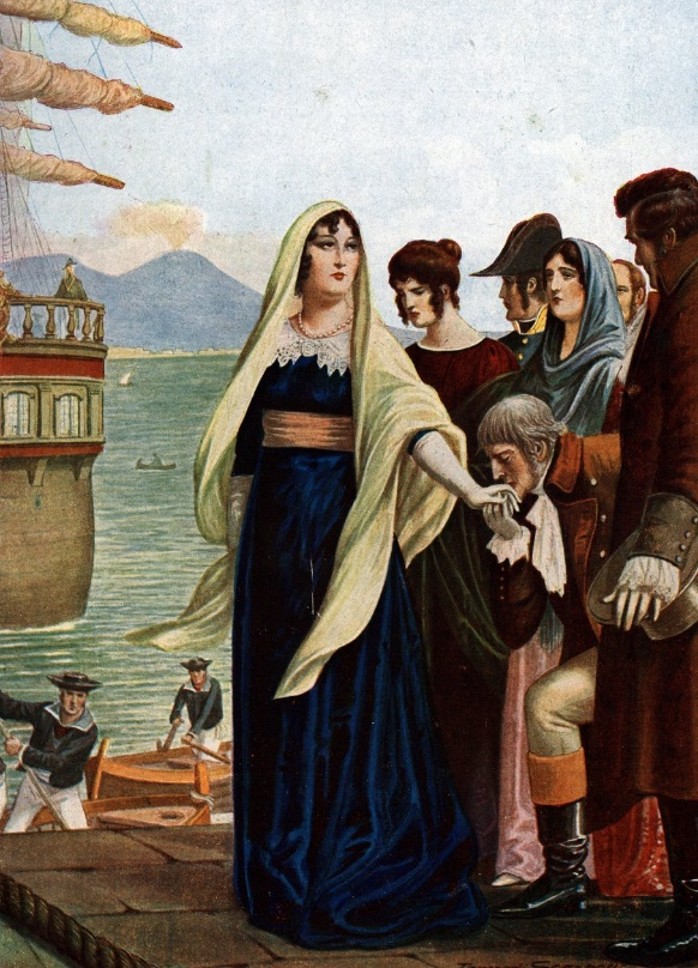
This chapter presents the major events of of the Napoleonic War, particularly the French conquest of Italy, forcing King Ferdinand to flee Naples with the entire royal court and take refuge in Sicily under the protection of British forces on the island for several years.
Following the end of the Napoleonic Wars and with the growing liberalization of political thought from the Enlightenment, Sicily was entering a new era. The seeds of Sicilian nationalism were beginning to take root and the population began demanding better economic and living conditions on the island.
The social and economic realities of Bourbon Sicily: extreme wealth inequality, a rural peasantry living in conditions of desperate poverty, declining agricultural productivity all placed a great strain on the Sicilian people that would drive the first serious revolutionary movements of the 1820s, 1837, and an especially dramatic revolution of 1848, covered in the next chapter.