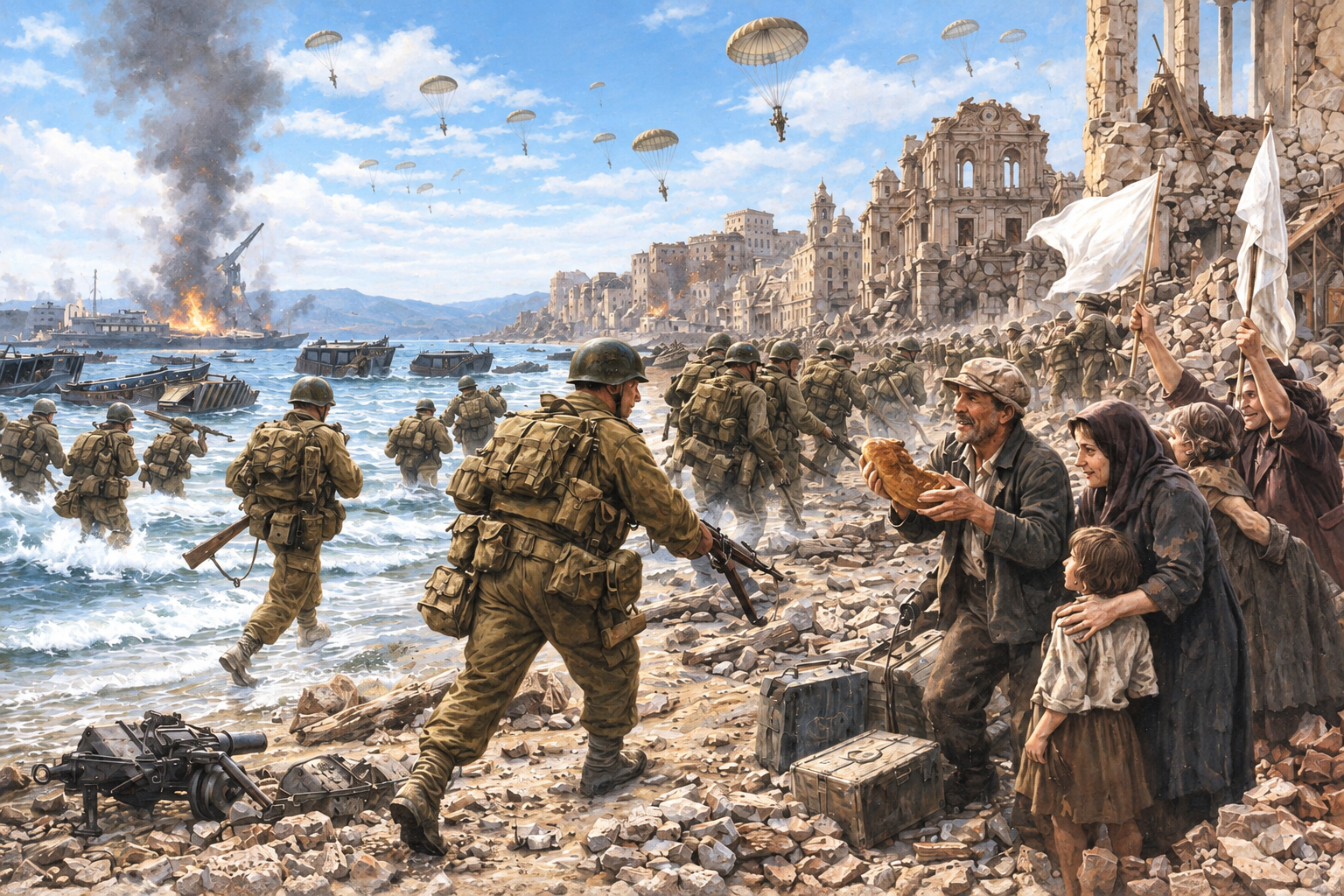


On July10, 1943, the Allied forces launched Operation Husky, the invasion of Sicily. It was the largest amphibious assault in military history up to that point, involving approximately 160,000 Allied troops, 3,000 ships, and more than 4,000 aircraft. American forces under General George Patton landed on the southern coast. British and Canadian forces under General Bernard Montgomery landed further east. Within 38 days, Sicily was fully in Allied hands, setting the stage for the Allied invasion of mainland Italy and the eventual collapse of the Fascist regime in Rome.
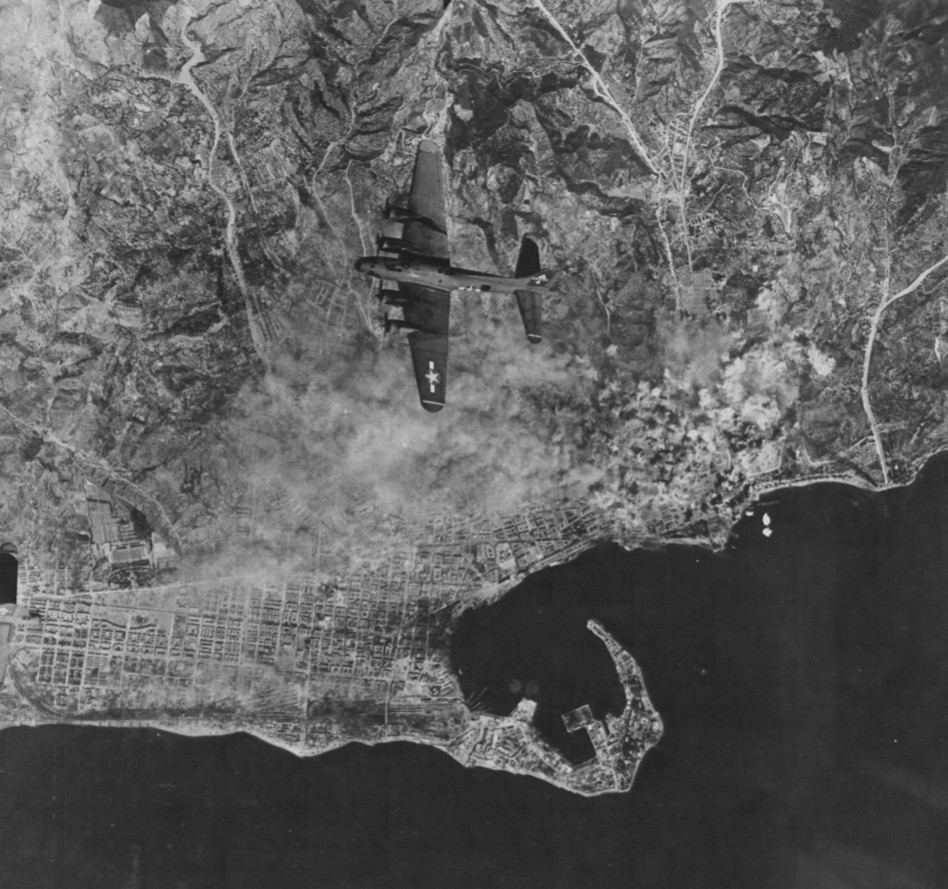
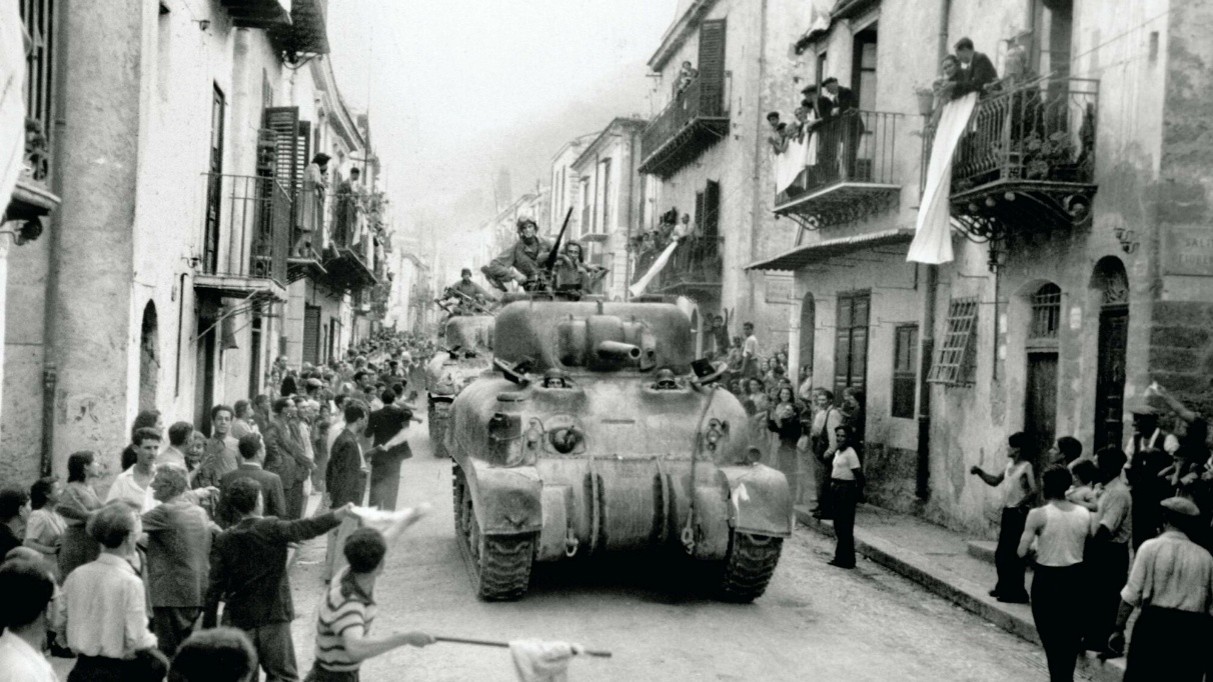
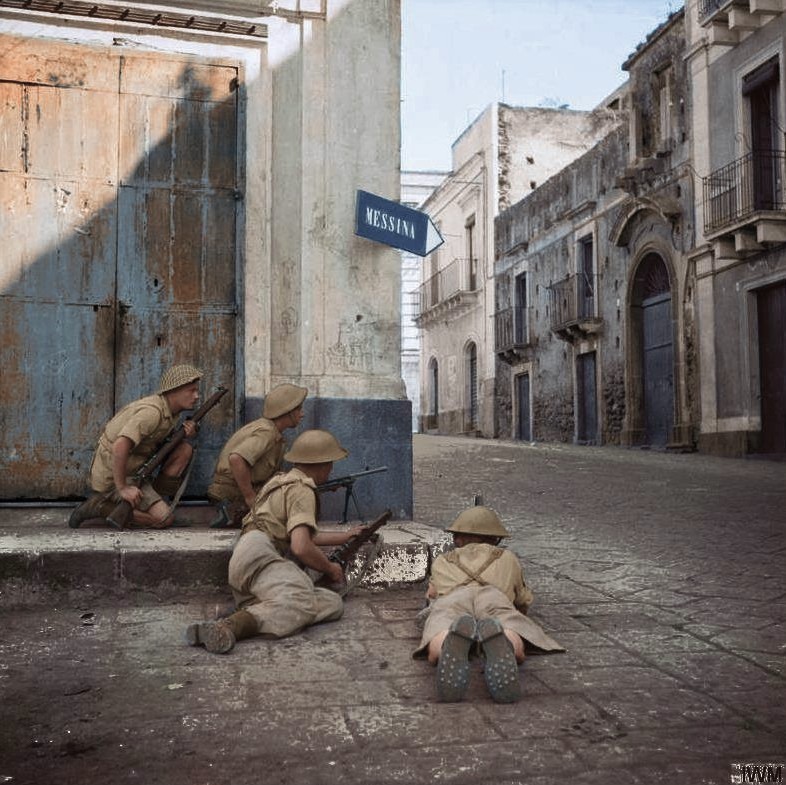
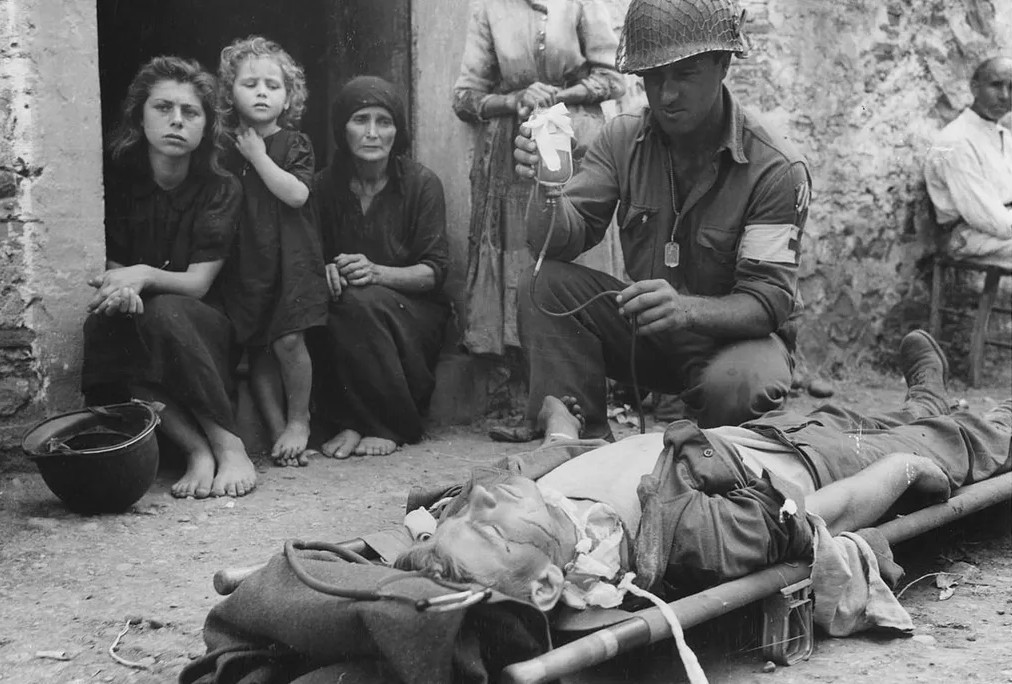
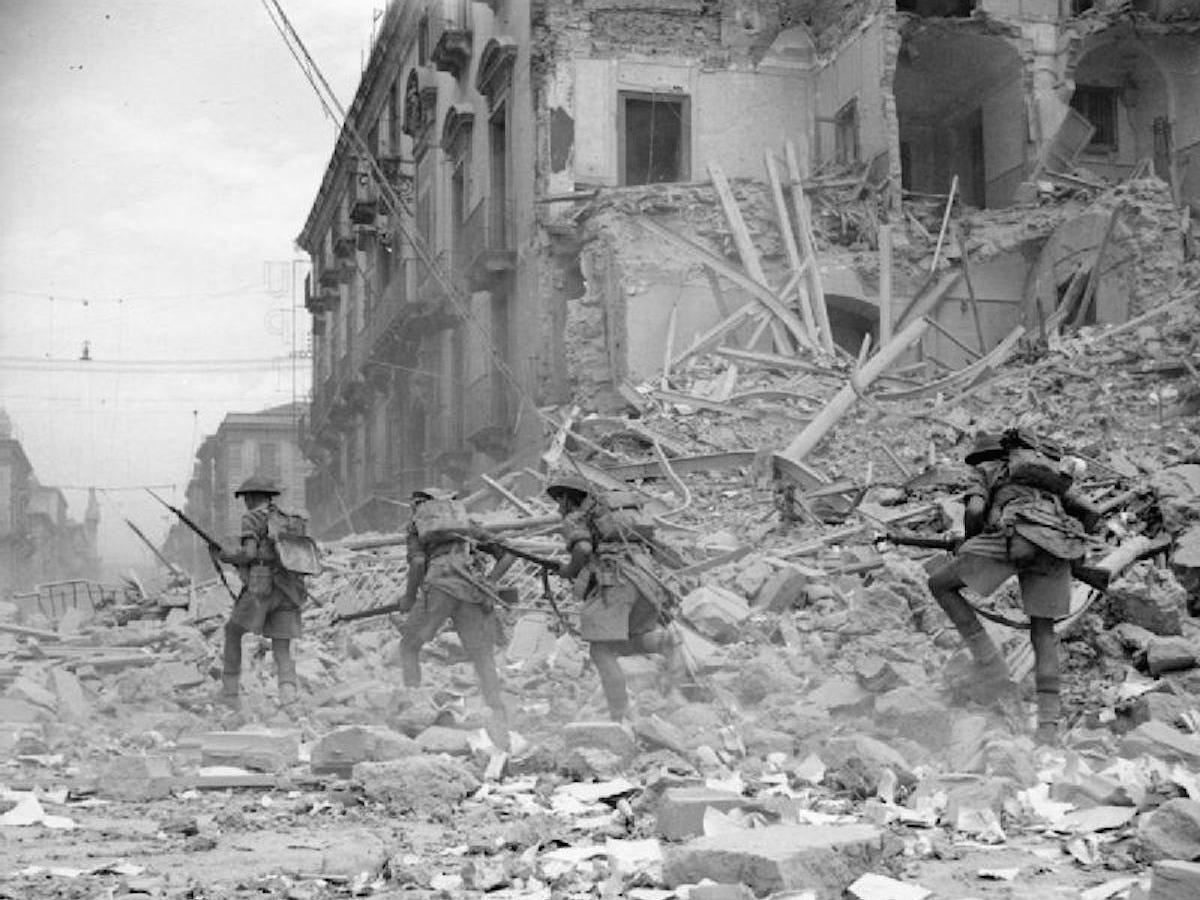
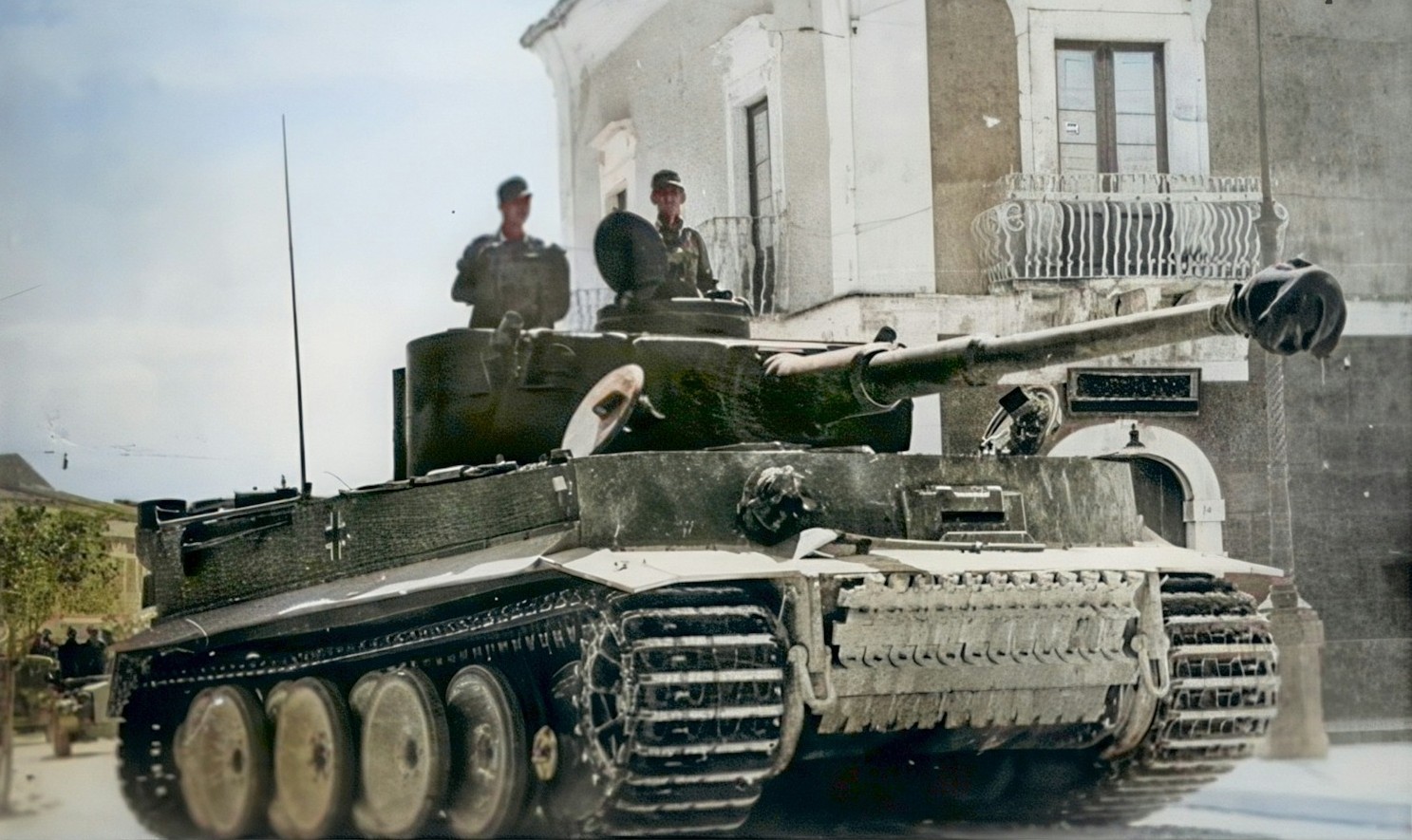
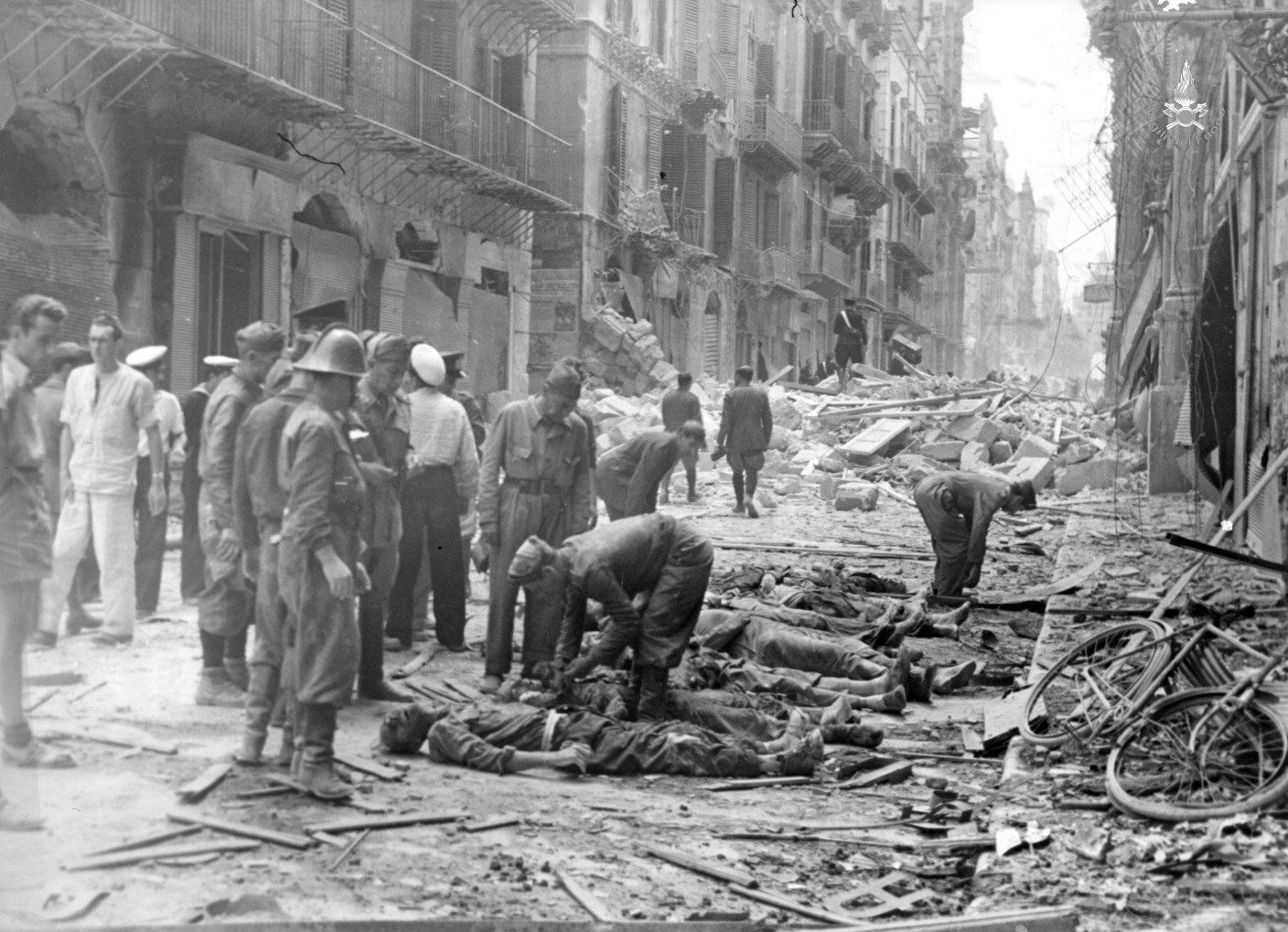
This chapter describes some of the key elements of the brief, but intense, battle for Sicily — the planning, the landings, the early battles, the rapid Allied advance across the island, and the highly effective retreat and evacuation of Axis forces from the island. It covers the horrible toll these battles took on the Sicilian civilians during the invasion, the devastation inflicted on their cities by Allied bombing, and the complex political situation that developed as the Allies occupied the island and began dismantling the administrative structure of the prior Fascist regime.
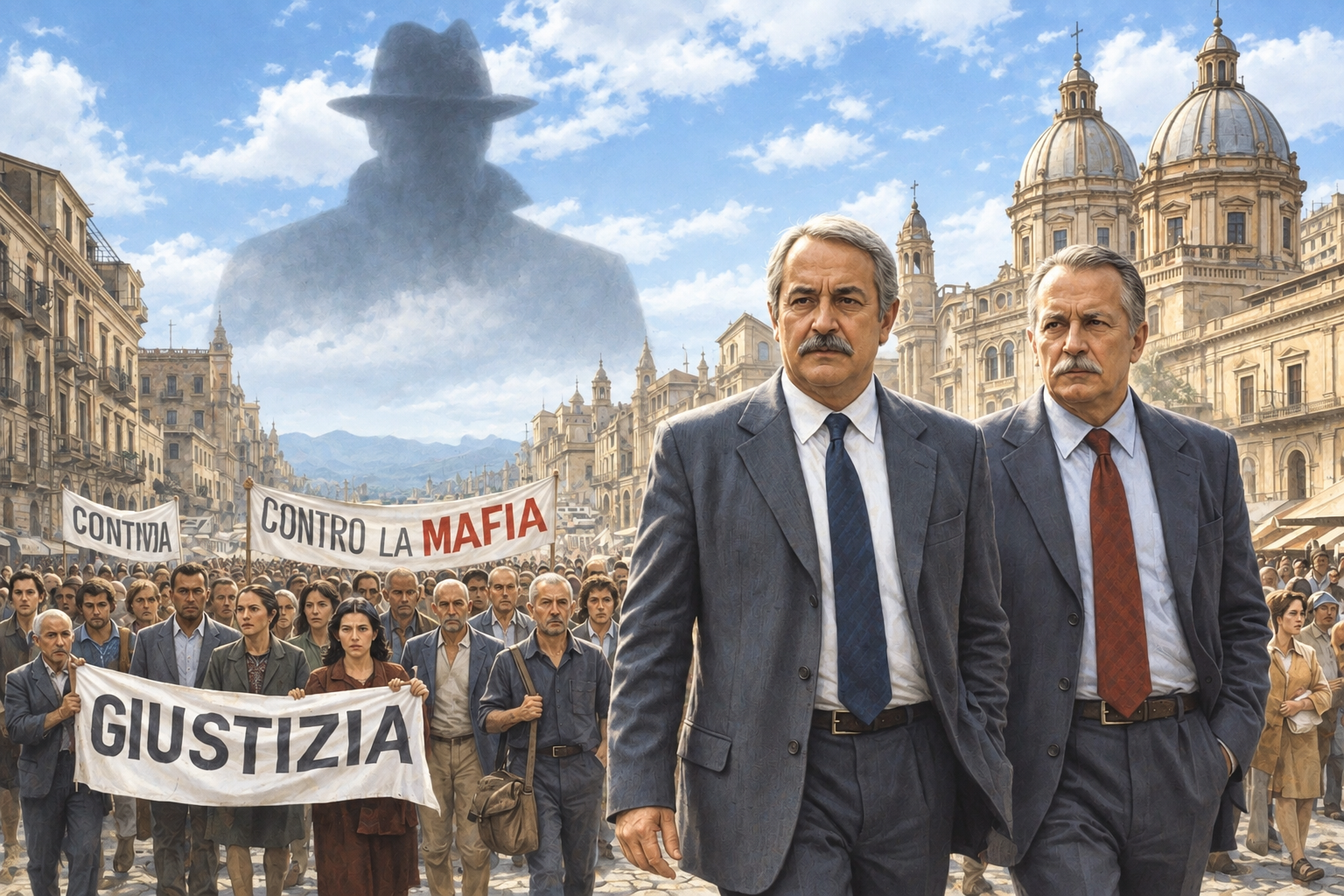
The chapter also addresses one of the most controversial aspects of the invasion: the American collaboration with Sicilian-American Mafia figures in supporting the landings, and the subsequent appointment by the senior American military authorities of known Mafia-connected criminals to positions of senior government authority after the island was secured. This sad episode — sometimes called the “Liberation of the Mafia” — contributed to an immediate resurgence of Mafia power in postwar Sicily to its greatest levels ever. This tragic American policy error would plague Sicilians for the next fifty years.