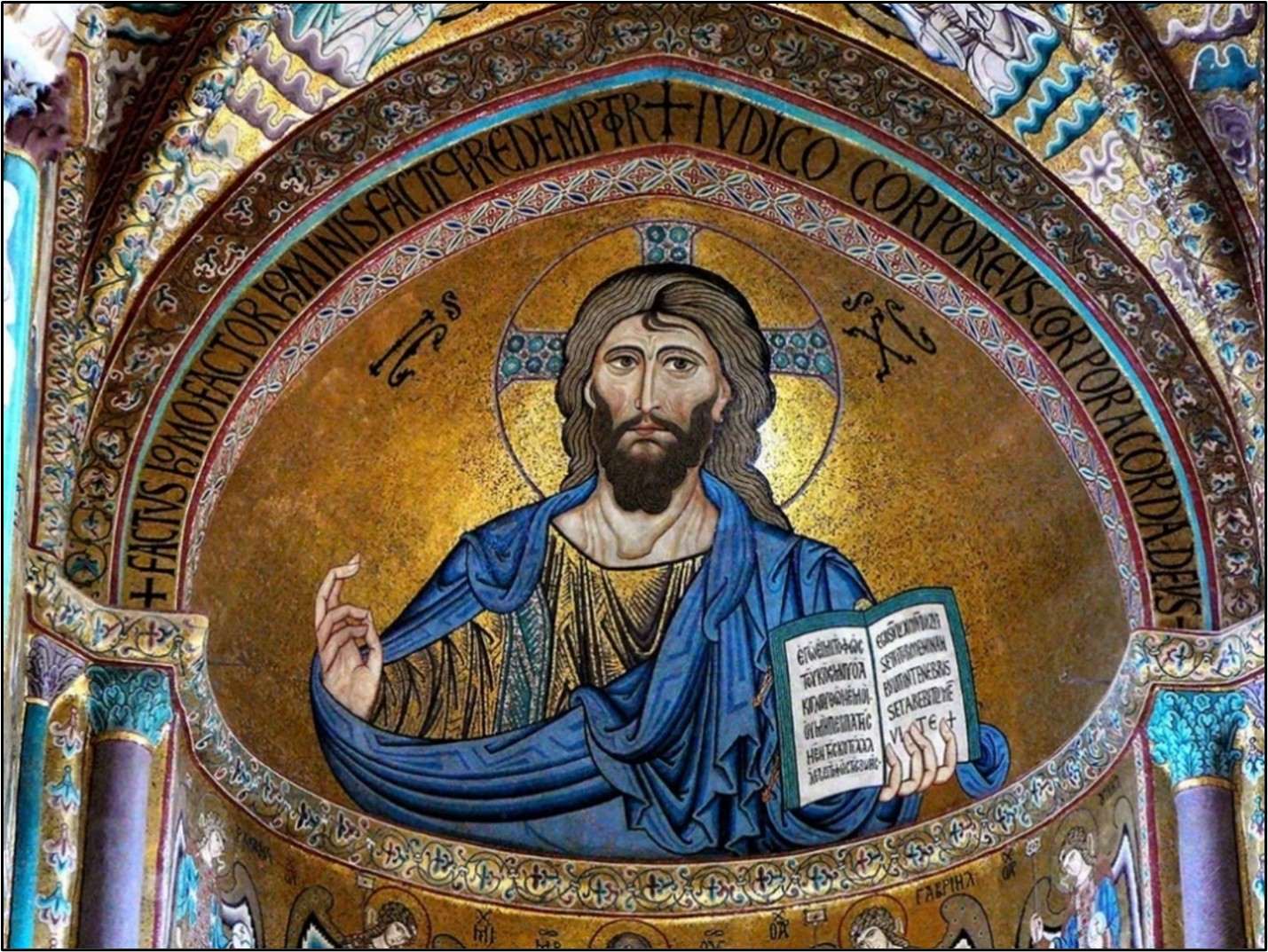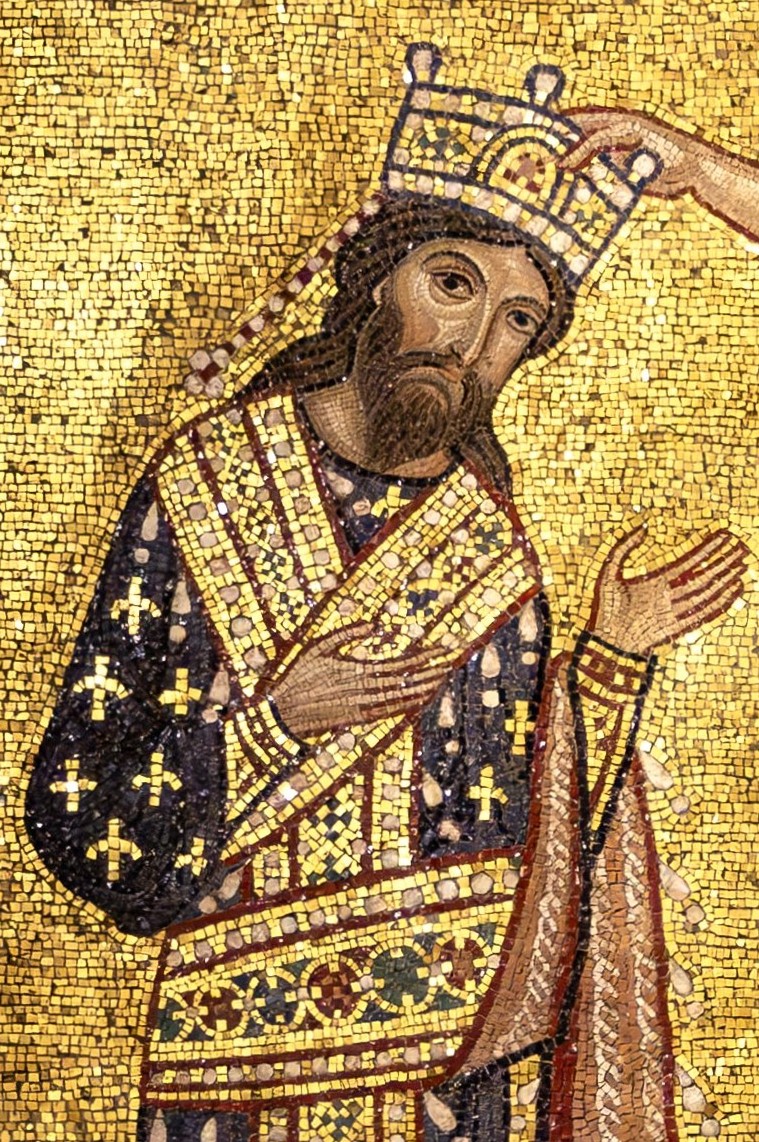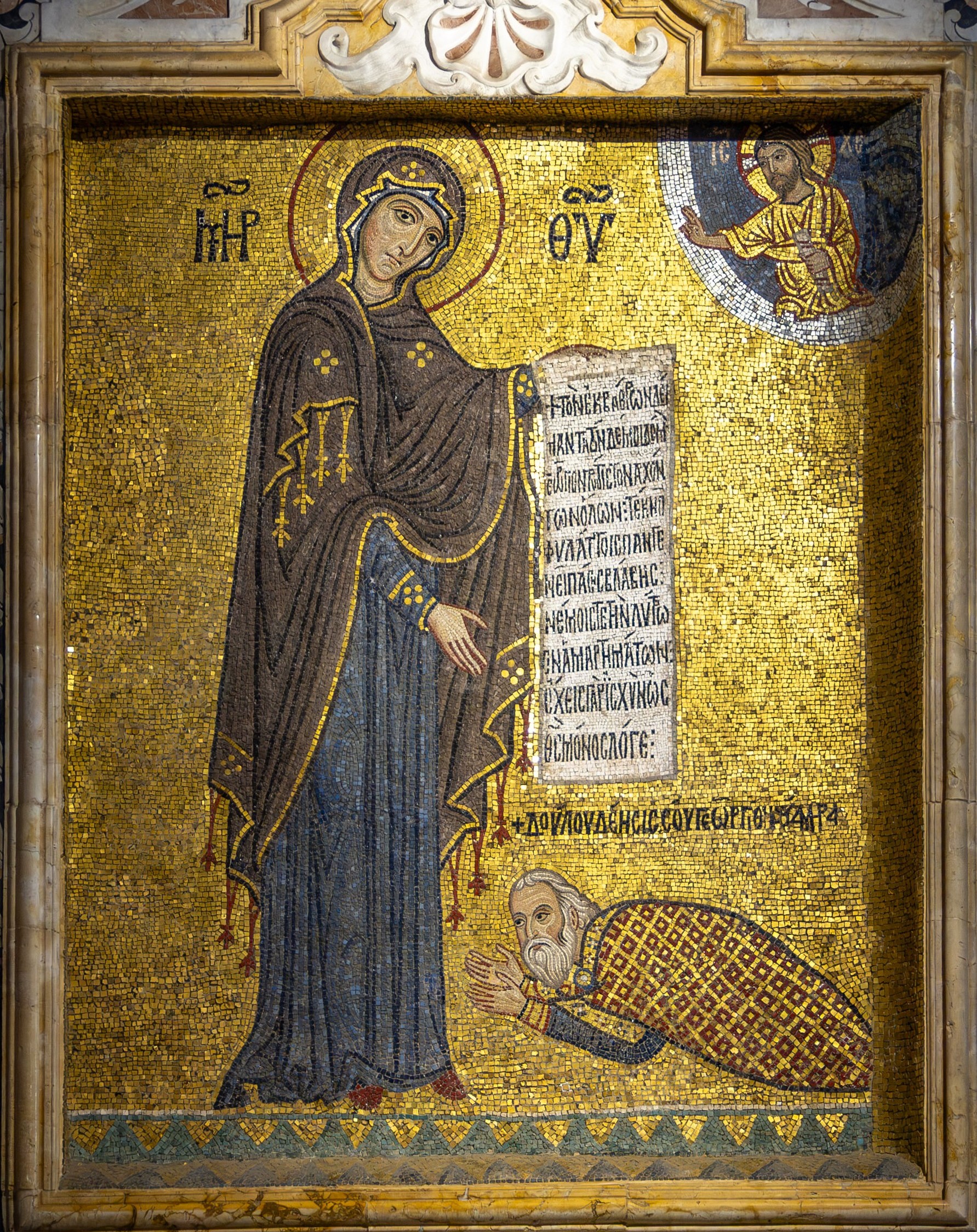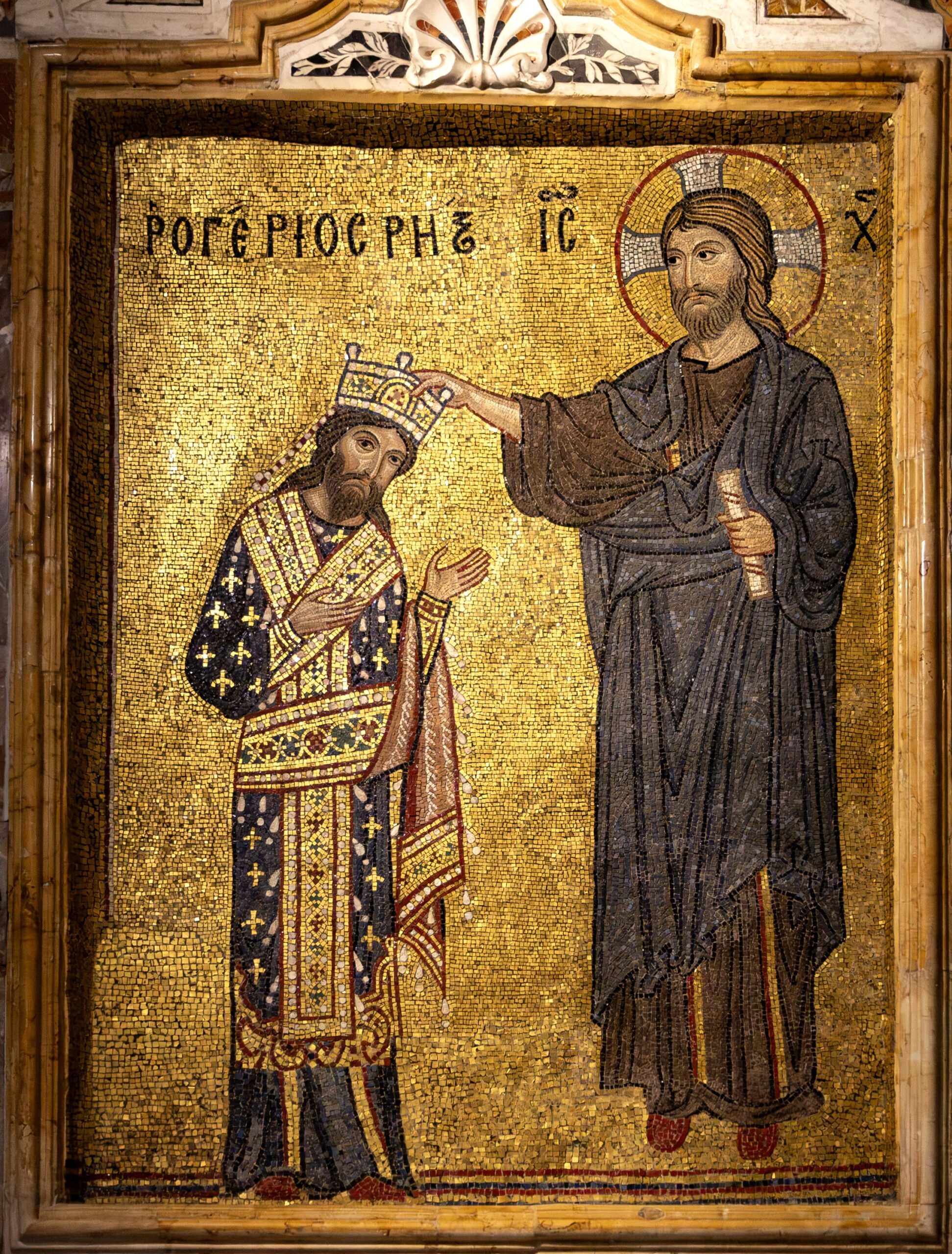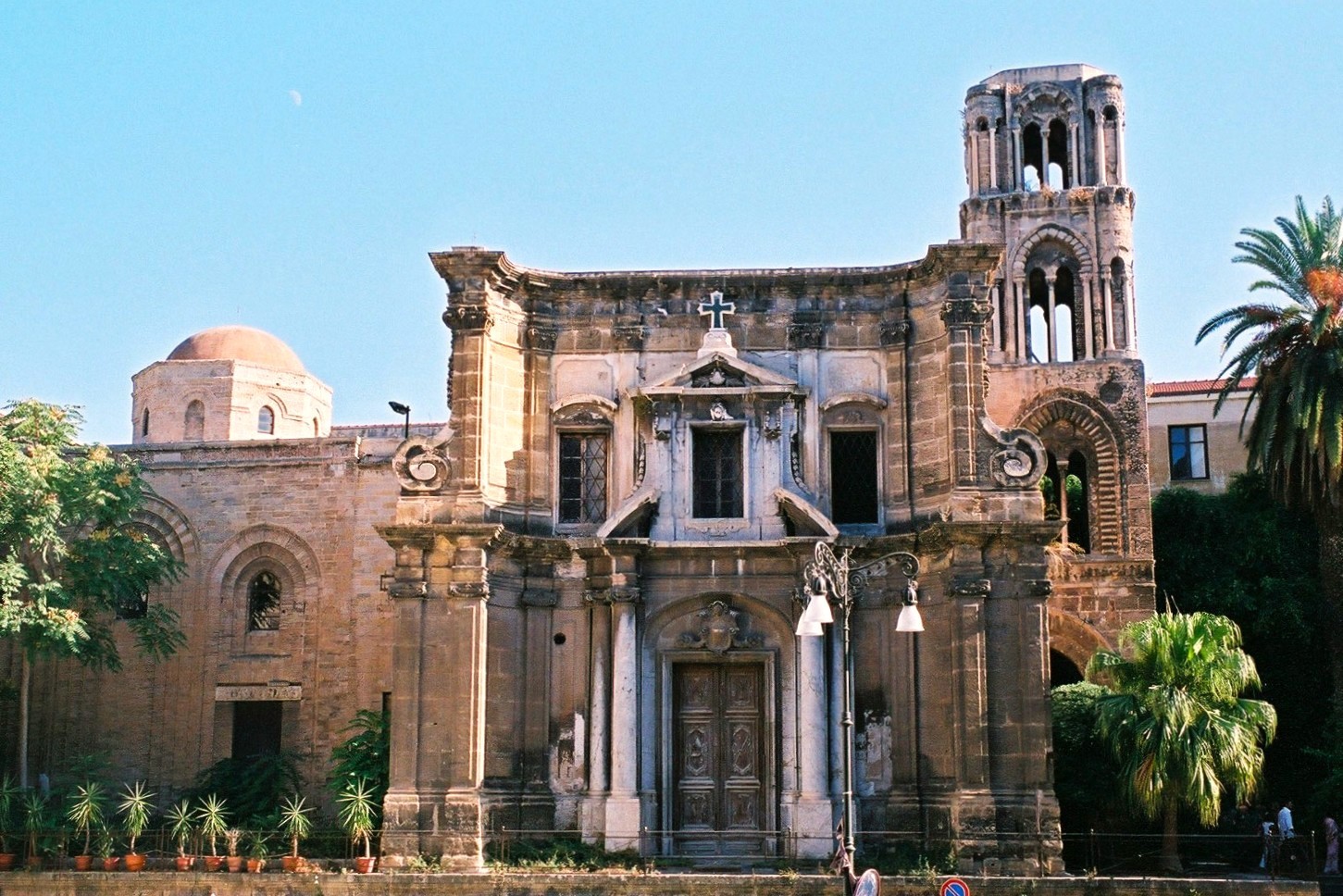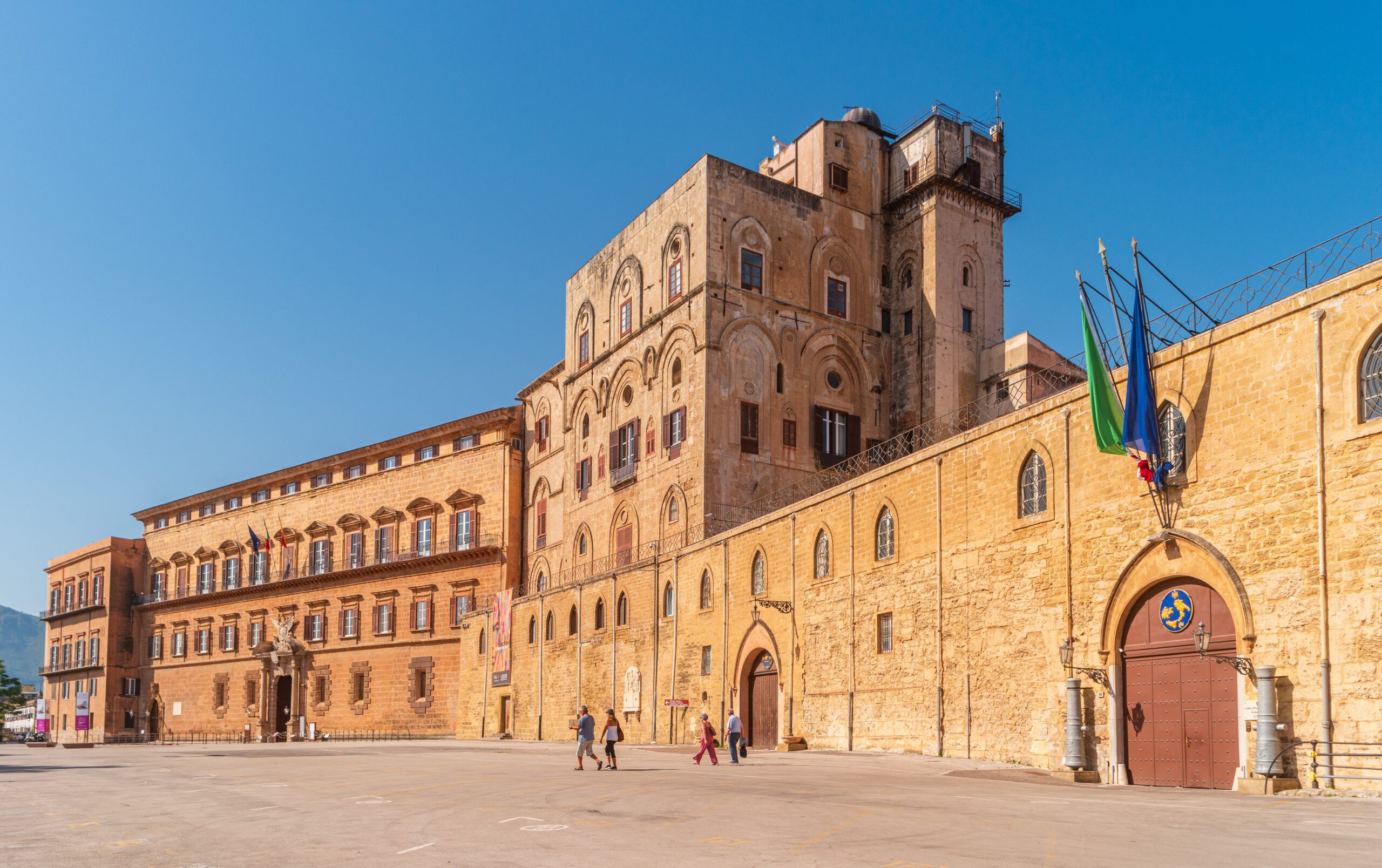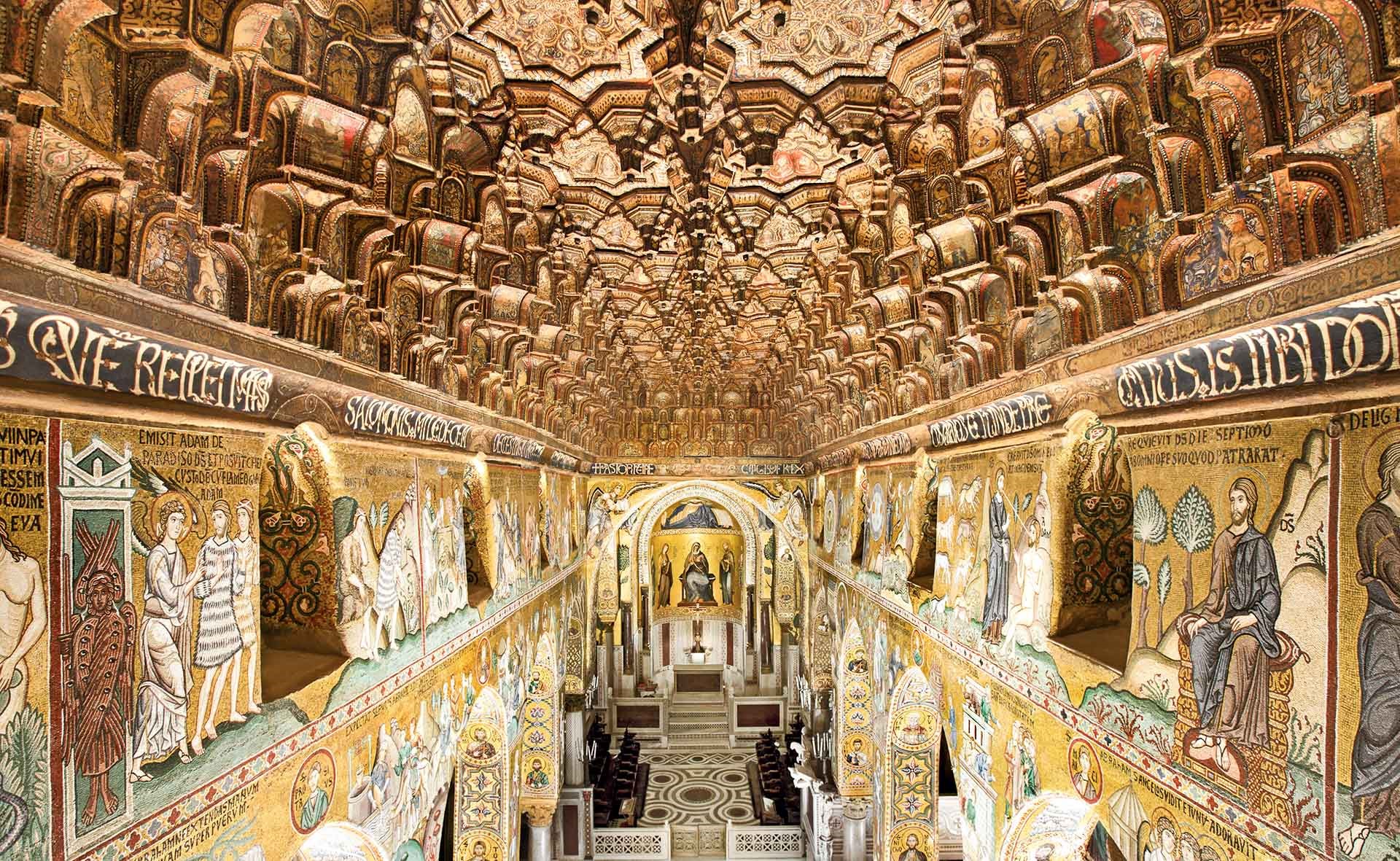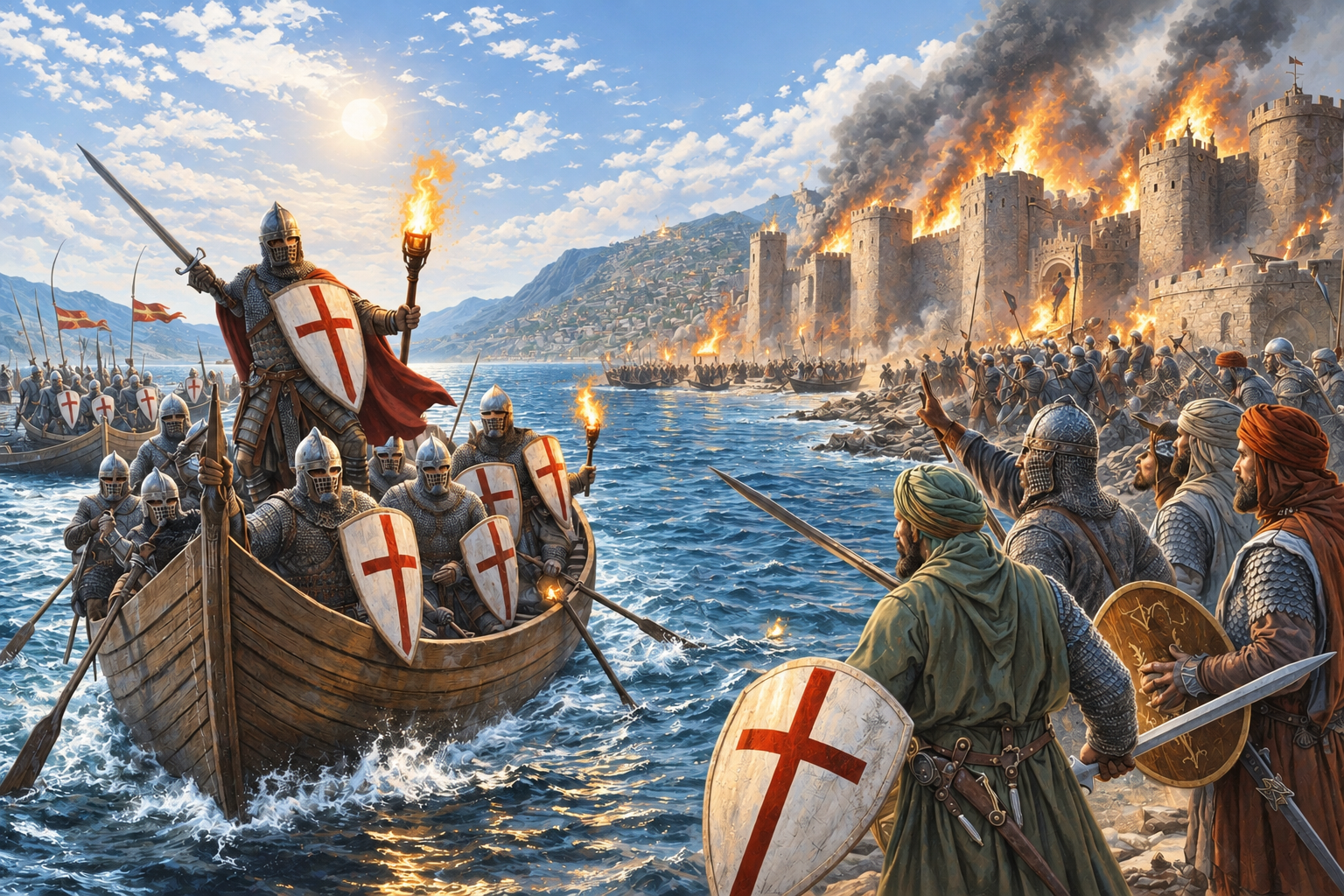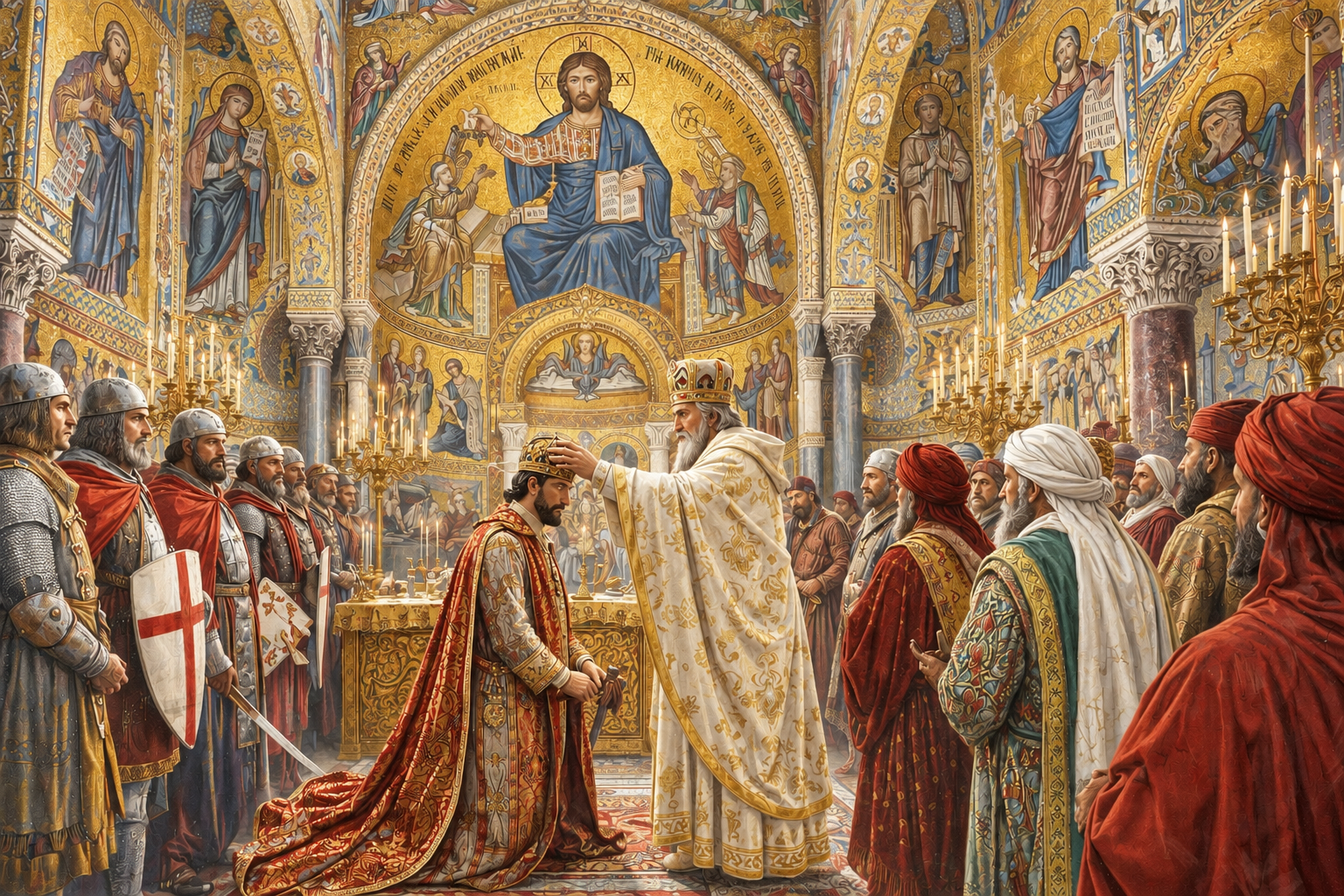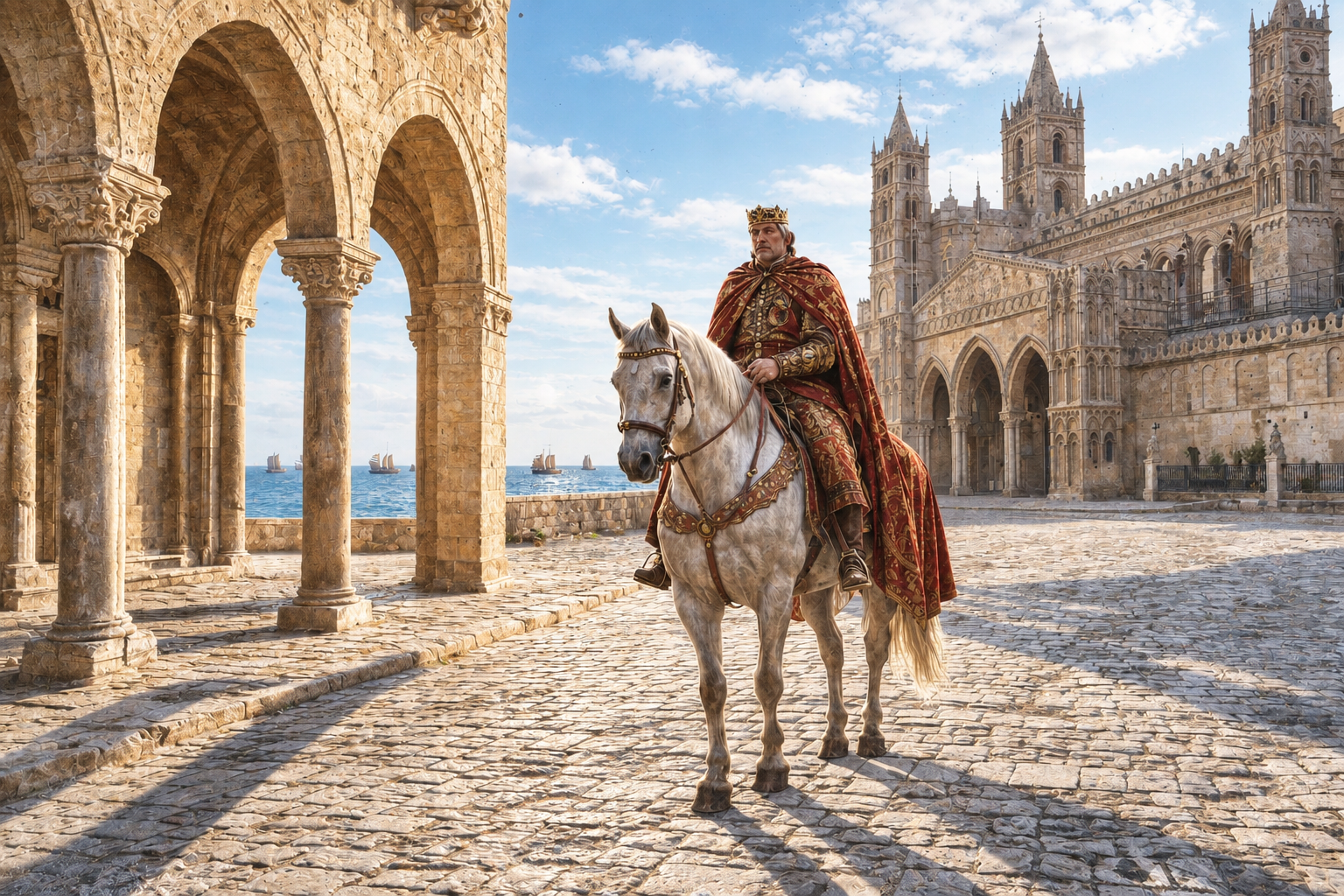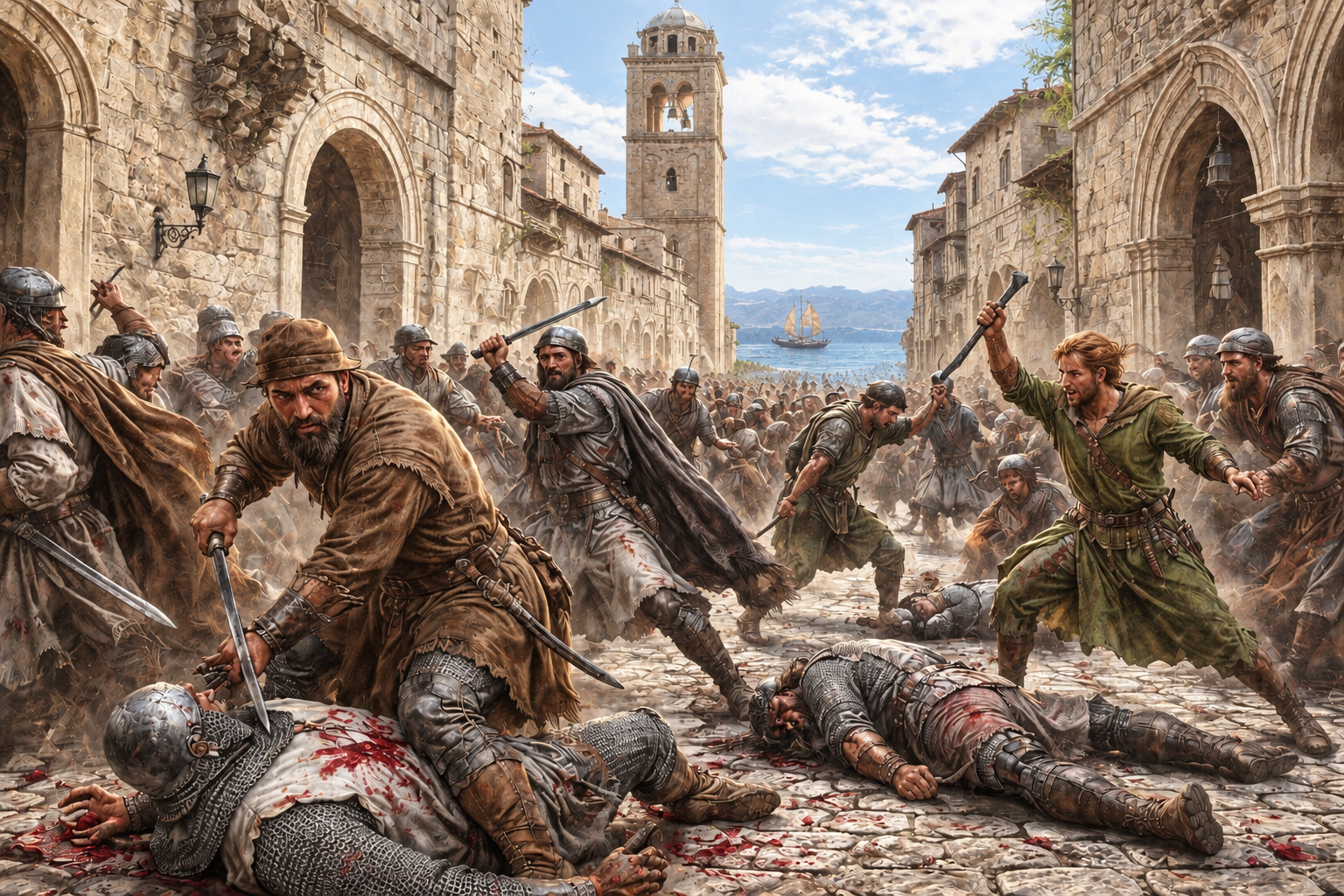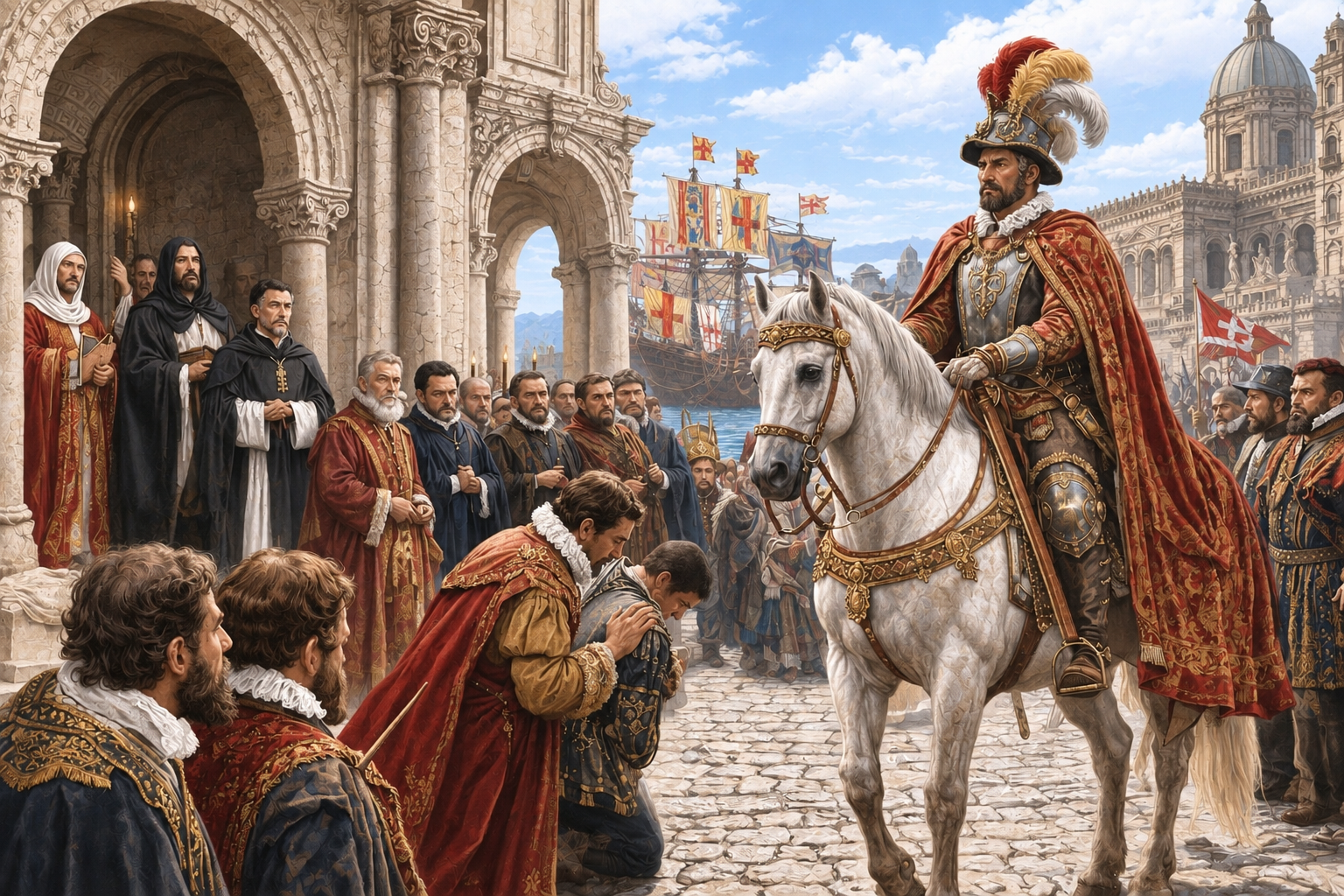


On Christmas Day 1130, Roger II, the son of the Roger I the Great Count of Sicily and Calabria, was crowned the first King of Sicily in the cathedral of Palermo. The new Norman Kingdom of Sicily, comprised of the island and most of southern Italy, would last only 64 years, but would leave behind a host of magnificent monuments, which survive today, leaving a record of this marvelous yet brief Golden Era of Sicilian history.
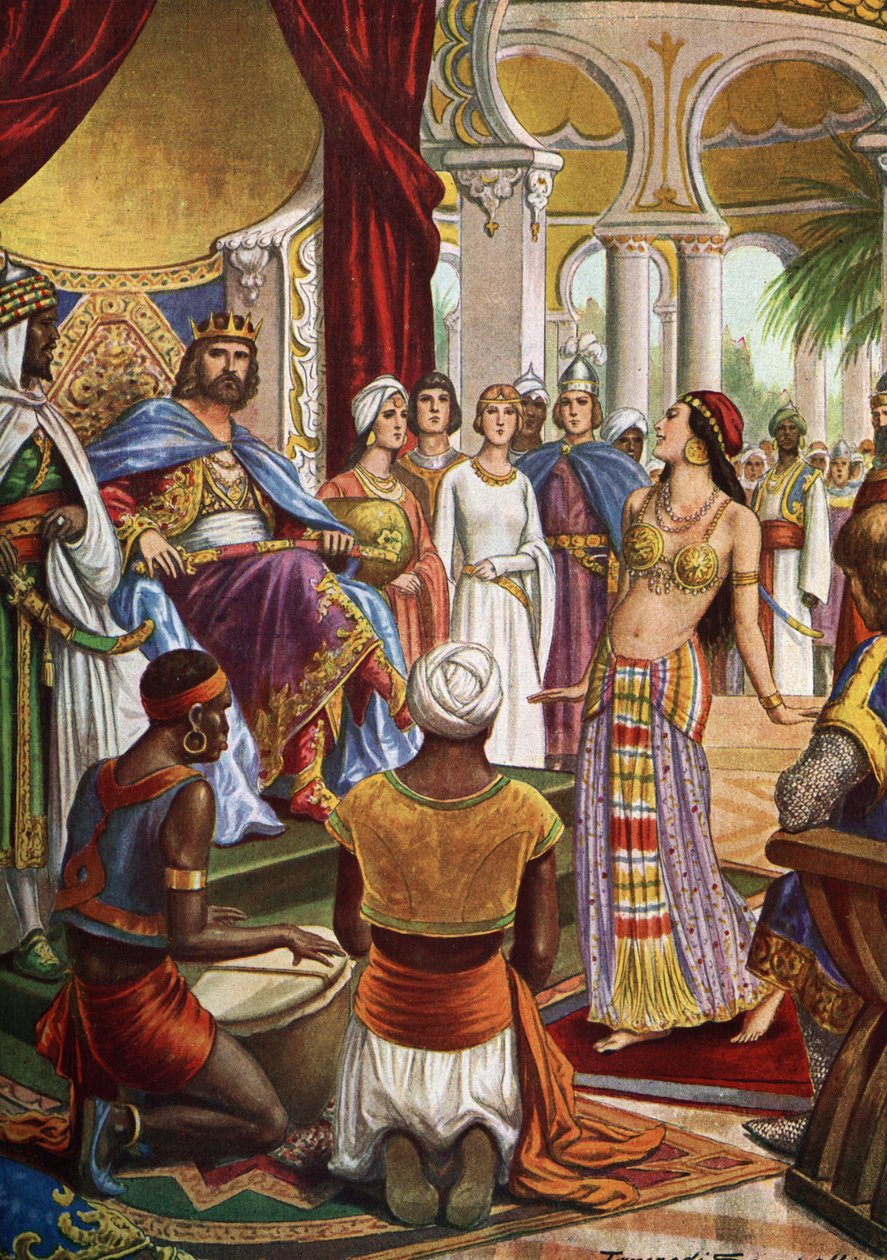
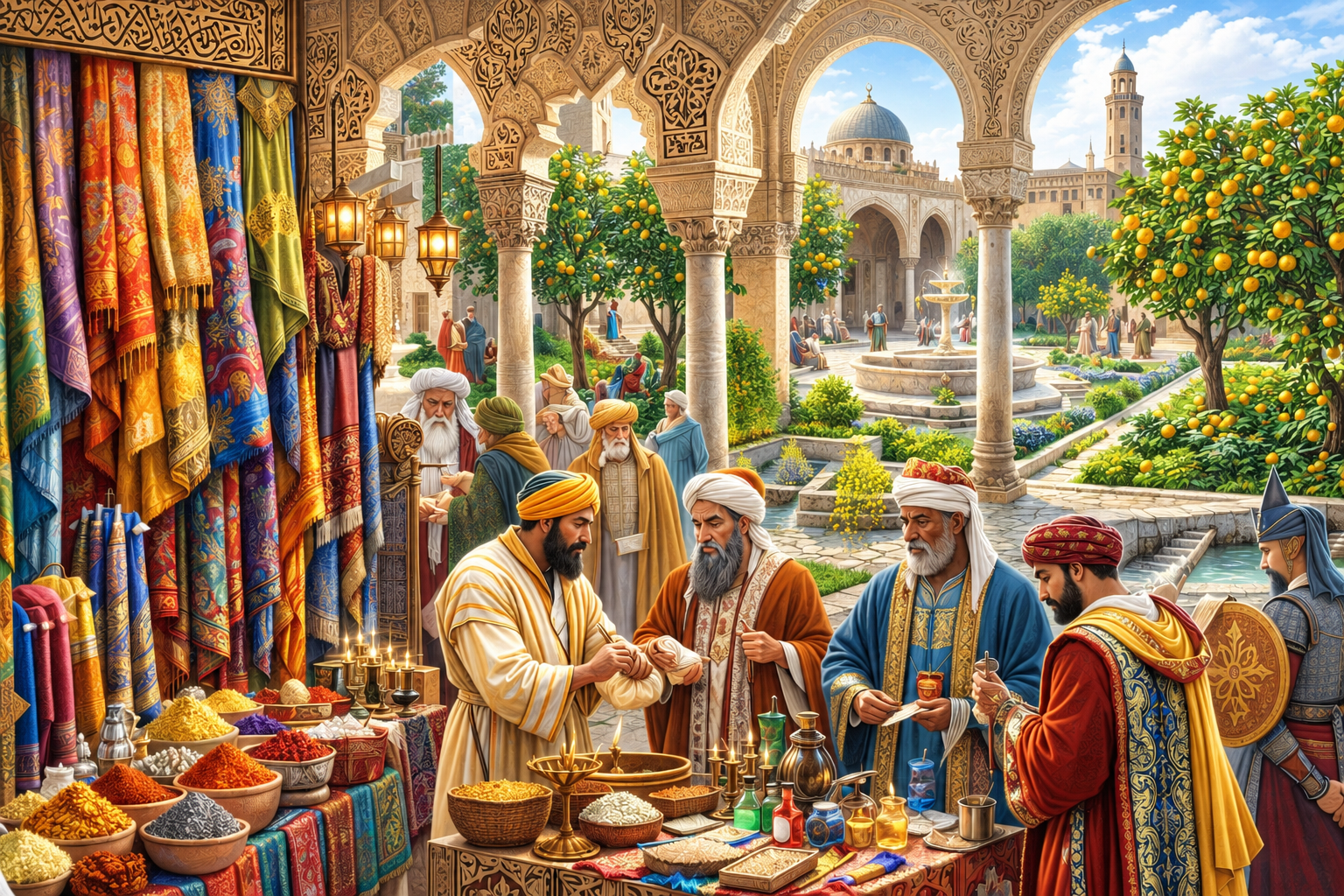
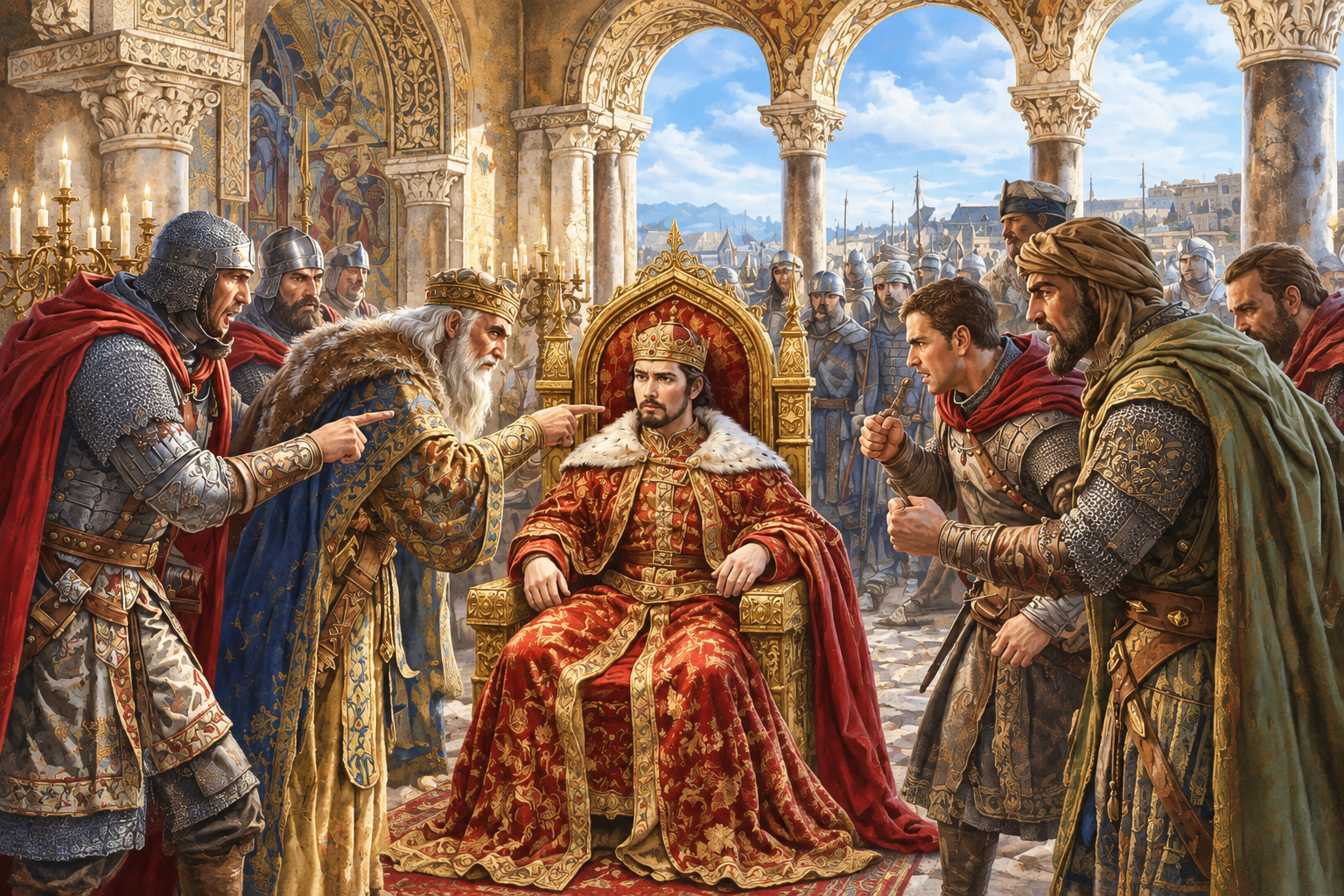
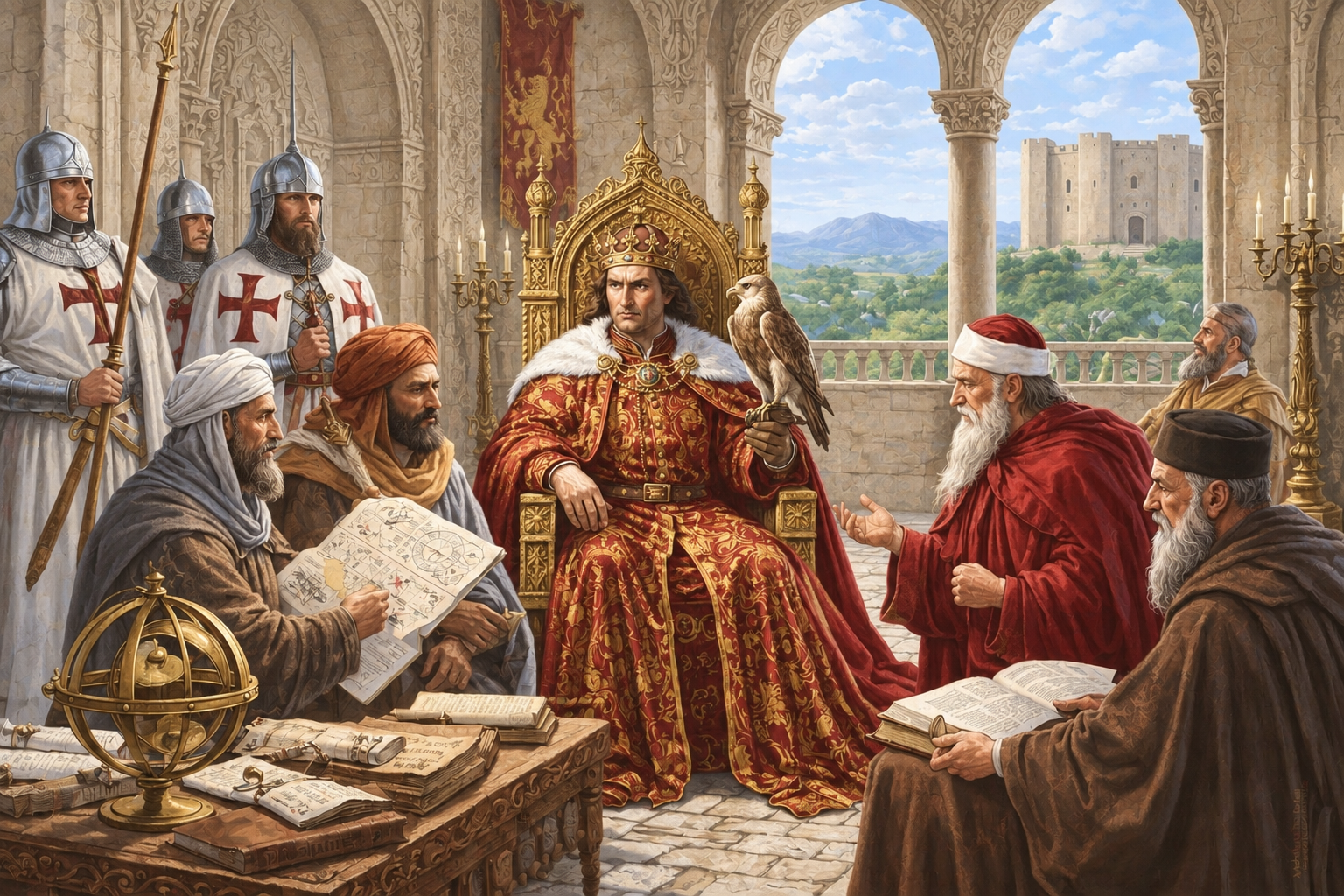
This chapter covers this Golden Age in detail: the reign of Roger II (1130–1154), a polyglot monarch who spoke Greek, Arabic, French, and Latin. King Roger’s court in Palermo was easily the most brilliant of 12th century Europe. Roger was famous for his insatiable intellectual curiosity and passion for scientific facts and surrounded himself with the foremost intellectuals, philosophers, geographers, scientists, medical doctors, mathematicians, and scholars from across the European and the Arab worlds.
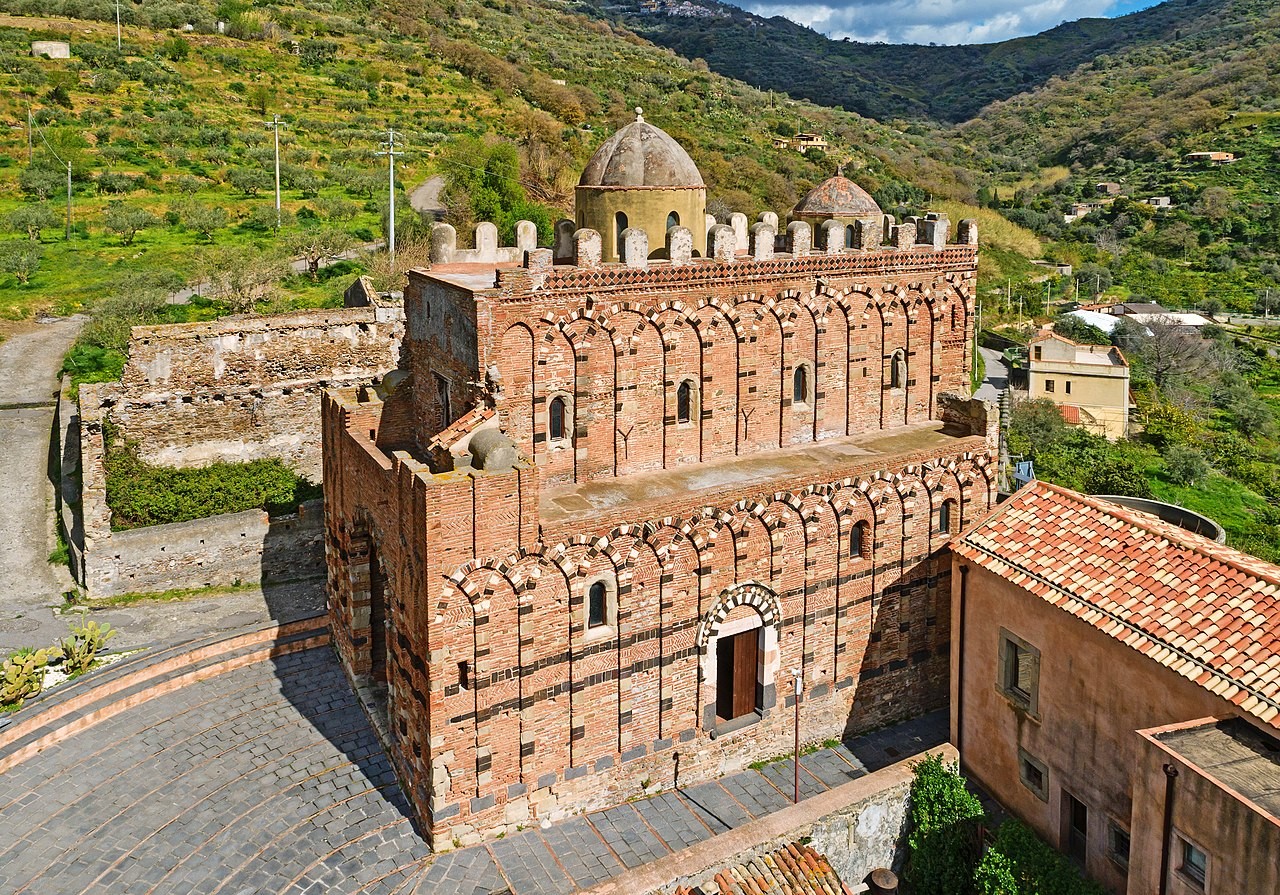
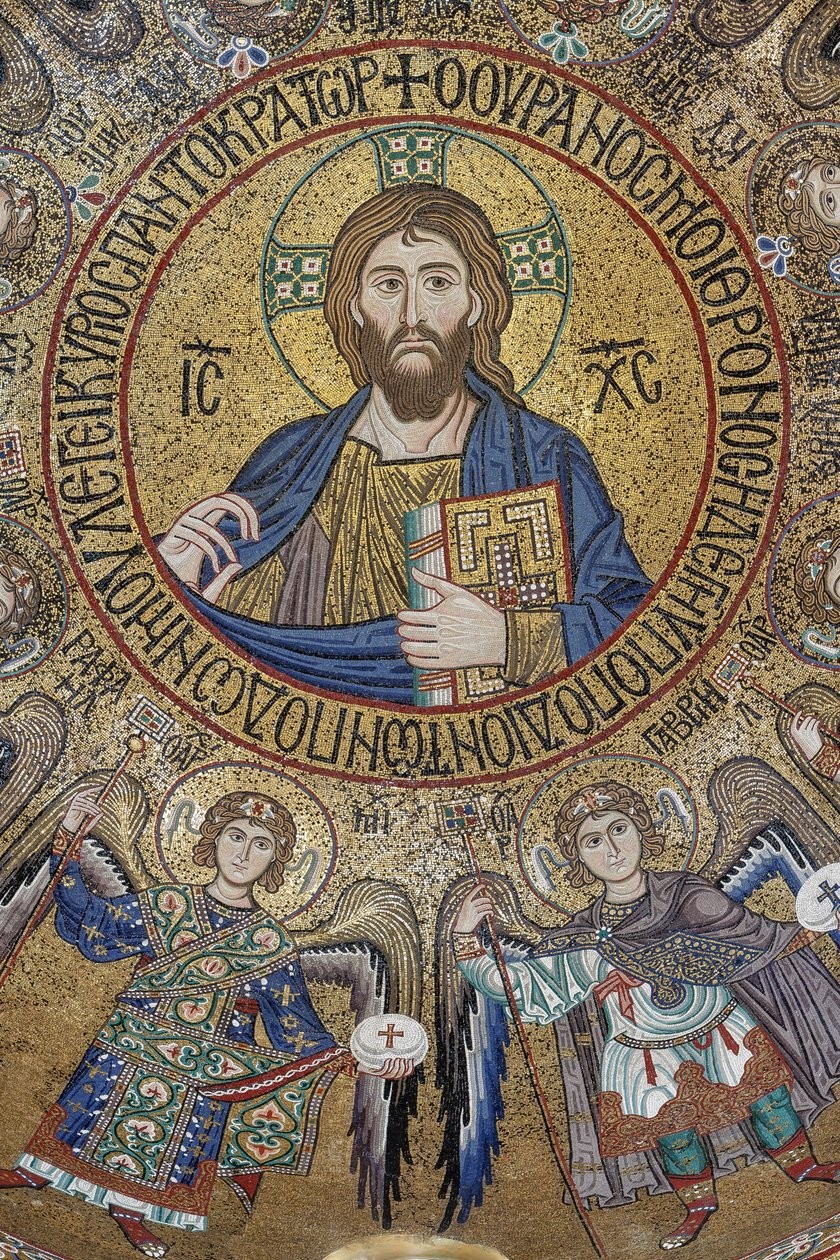
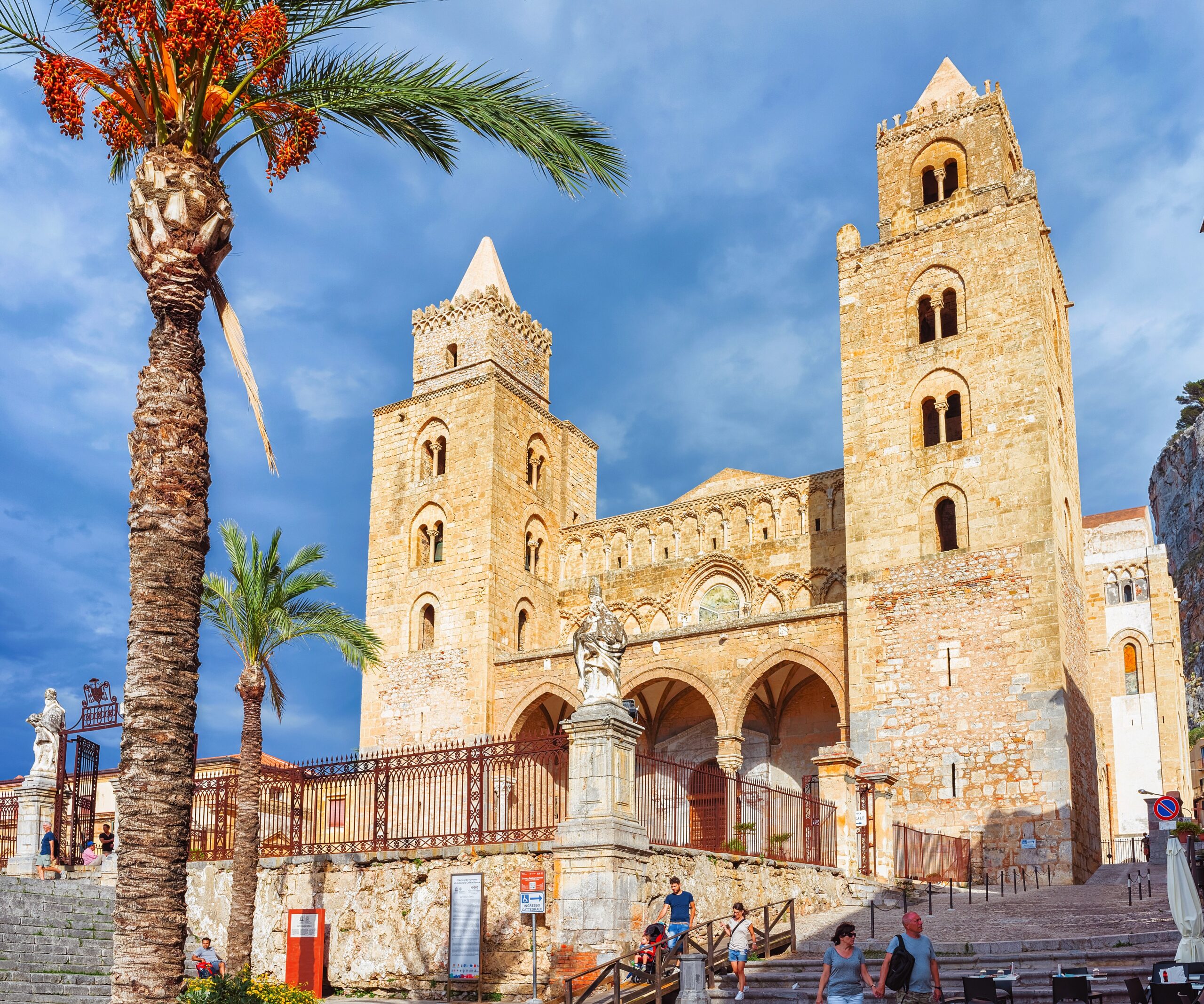
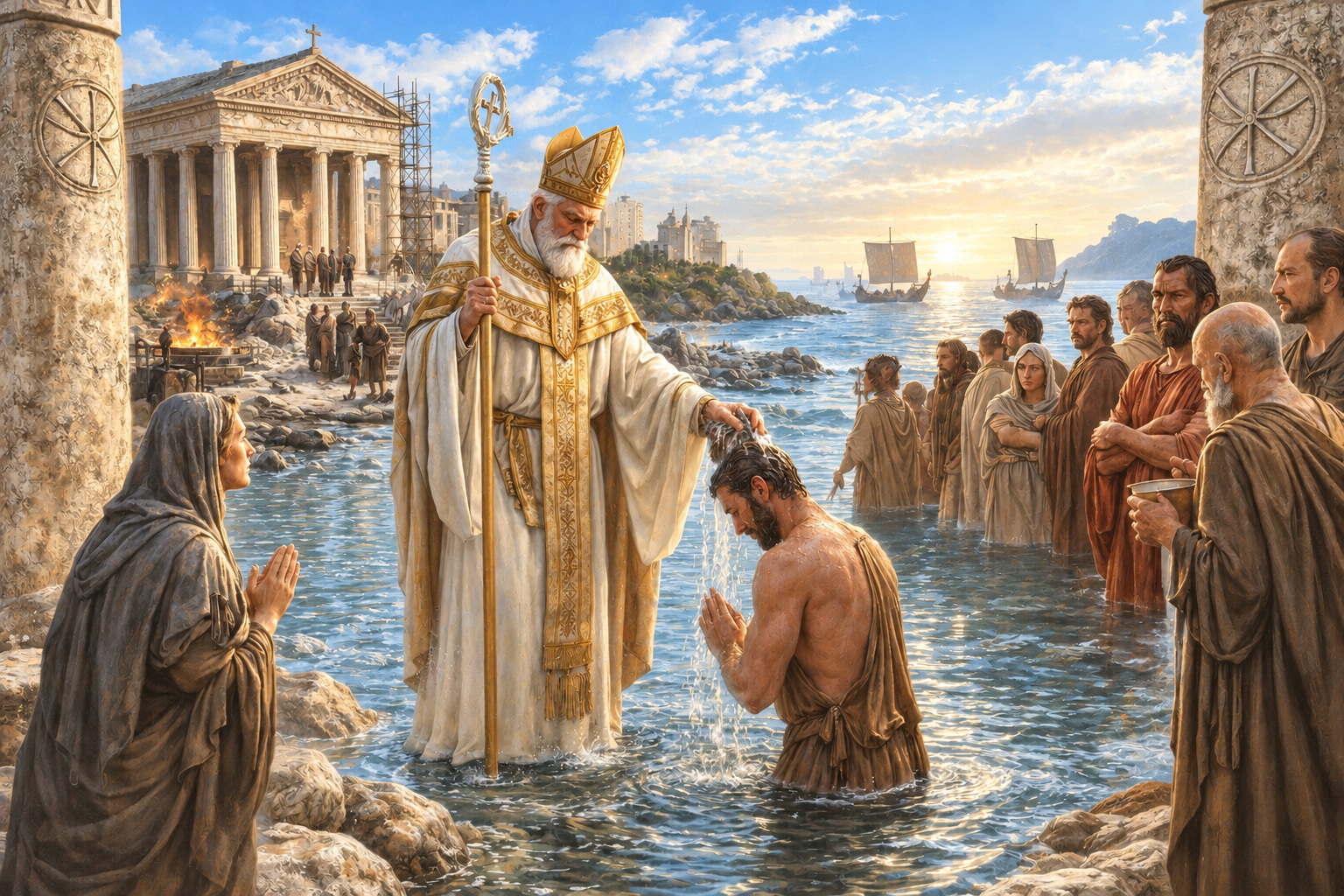
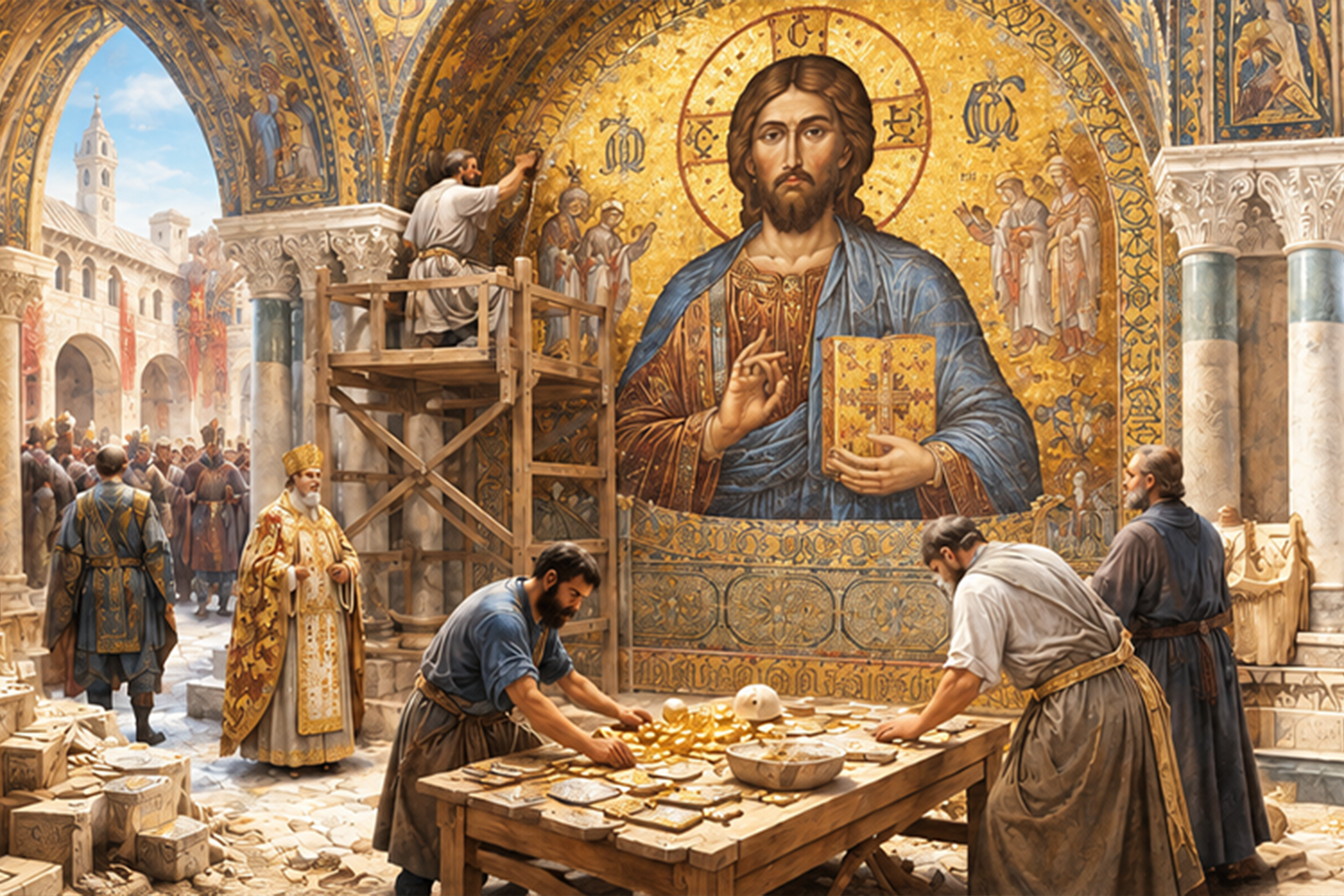
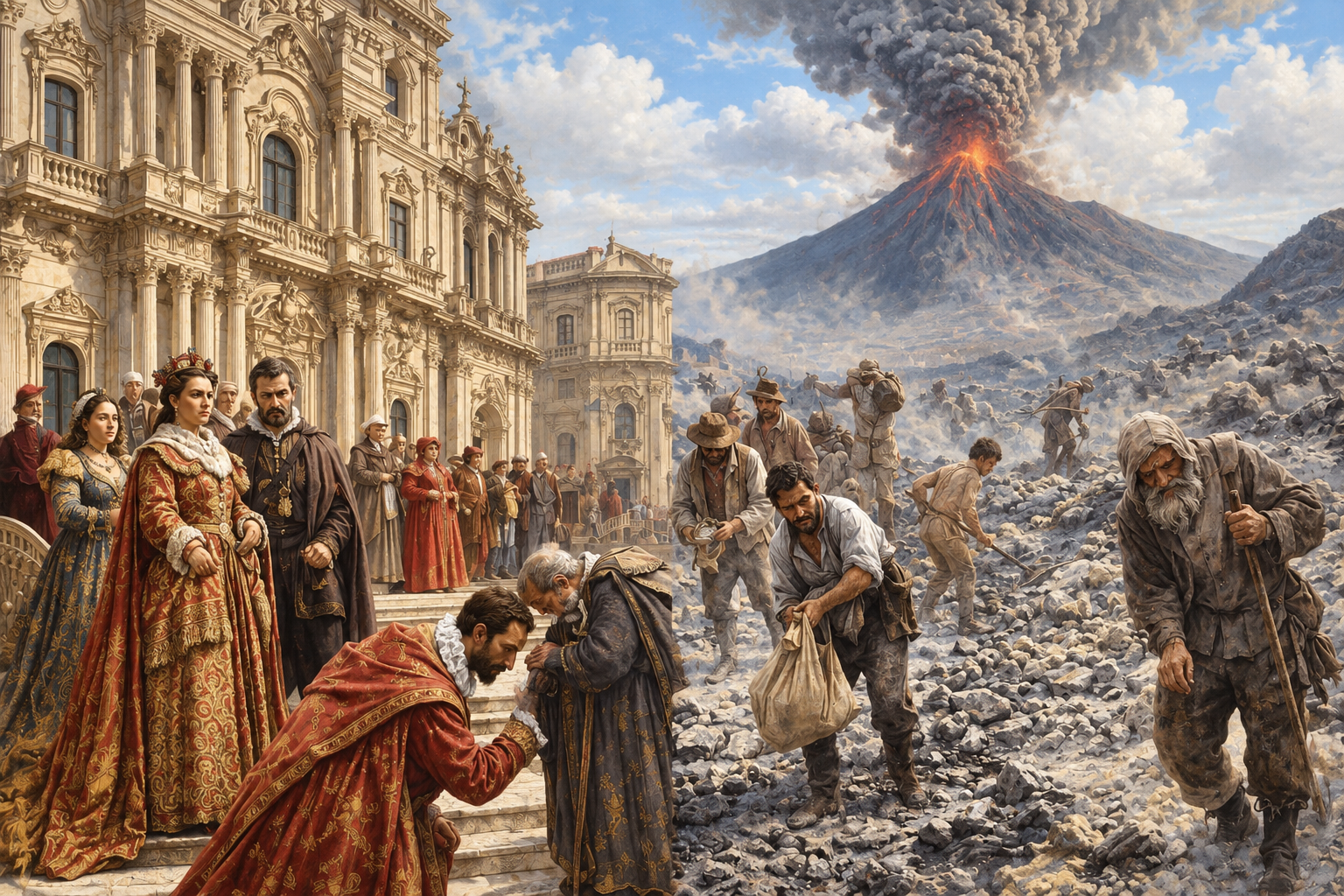
King Roger II continued his father’s mission repopulate Sicily with new religious monastic institutions, most of which had disaoppeared during the two centuries long Arab rule. During his reign he endowed many new monasteries. This included many Basilian monestaries in the Greek tradition constructed in the heavily Greek Val Demone region of northeast Sicily, as well as Latin monasteries throughout all of Sicily, including in Palermo. Both Roger II, and later his grandson King William II, were to pour the fabulous riches of the Norman kingdom into the creation of several of the most glorious cathedrals and religious institutions in all of Christendom. All of these magnificent Norman creations have been preserved and have left us a tangible record of the marvelous acultural achievements of the brilliant, but short-lived Norman kingdom.