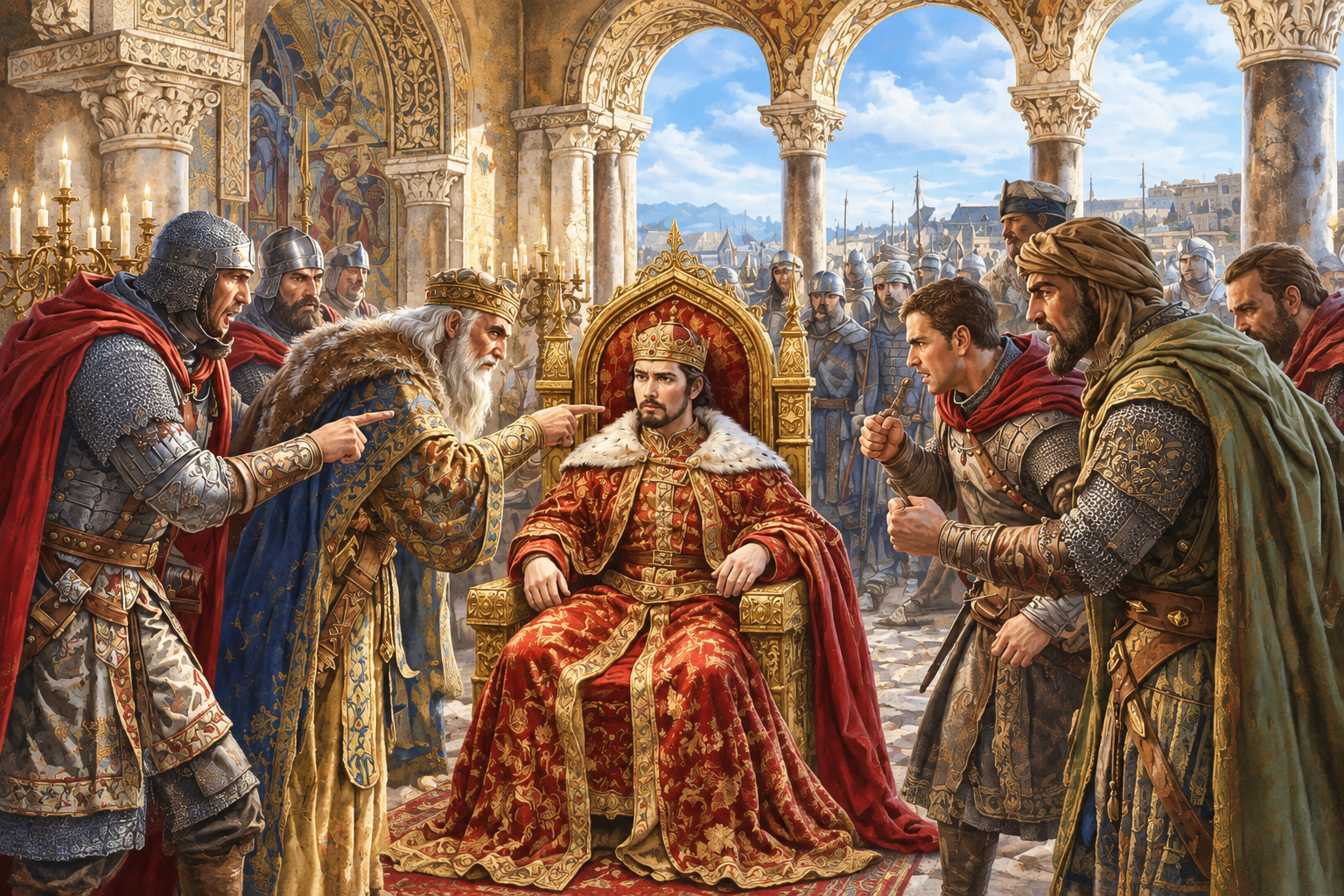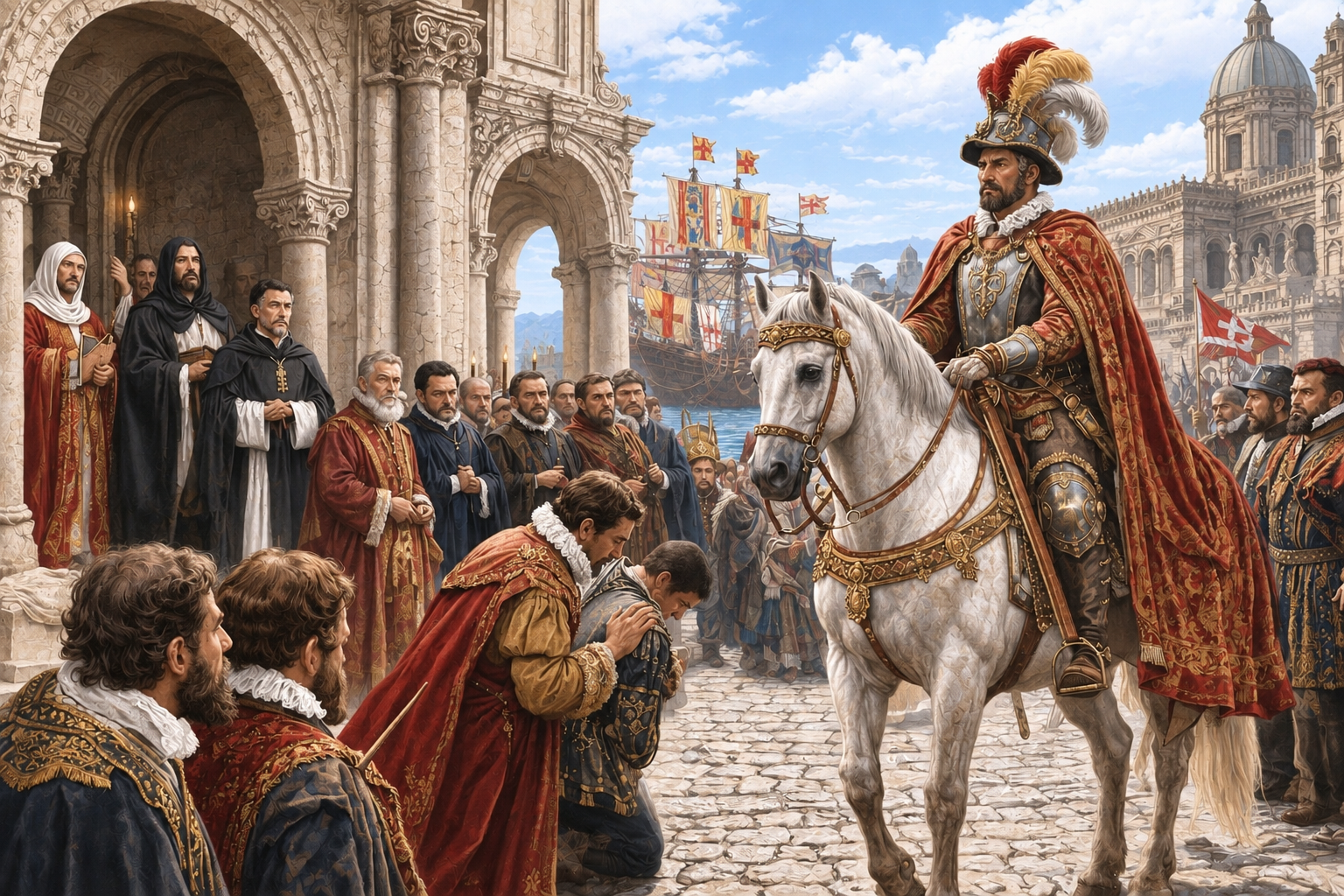


The chapter traces the regency period following the death of Emperor Henry VI in 1197, when the infant Frederick II was left as King of Sicily under the protection of Pope Innocent III. It covers the political instability of early 13th century Sicily, the growing rivalries between German, Italian, and native Sicilian factions at court, and the early experiences of the young Frederick II as he grew to manhood in this complex environment.
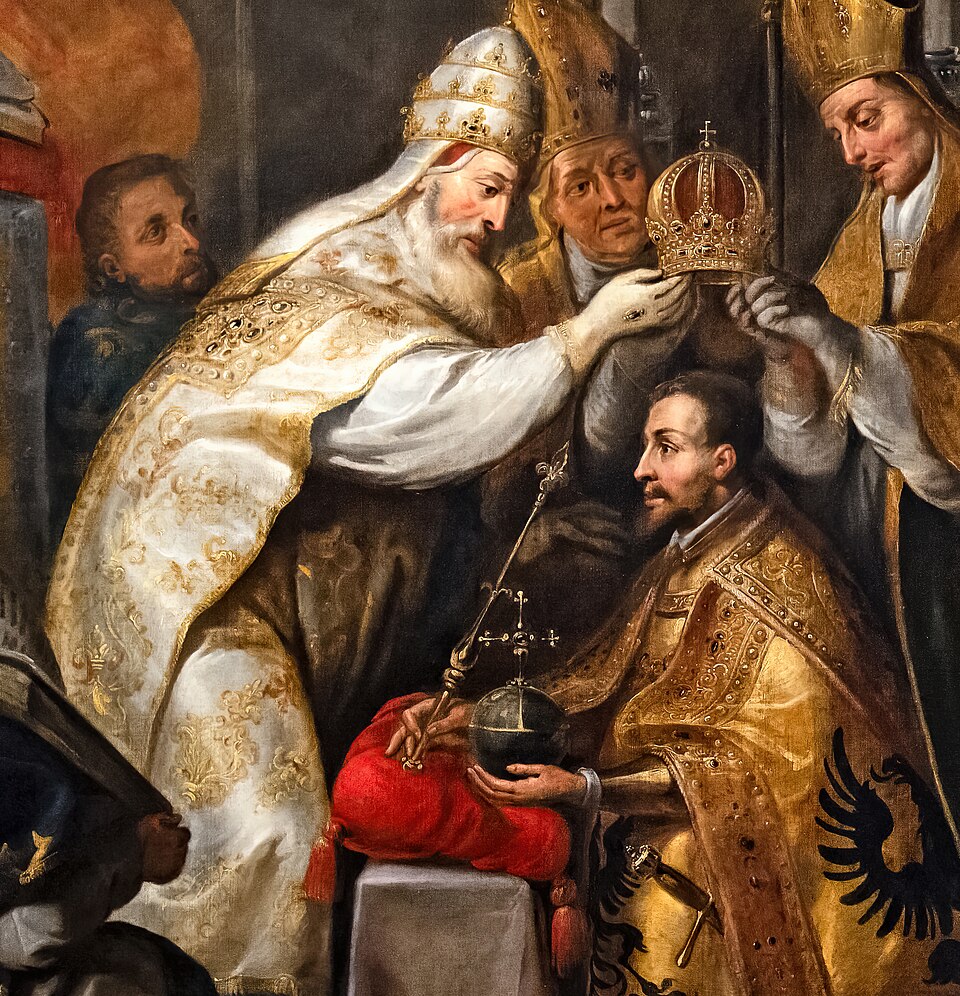
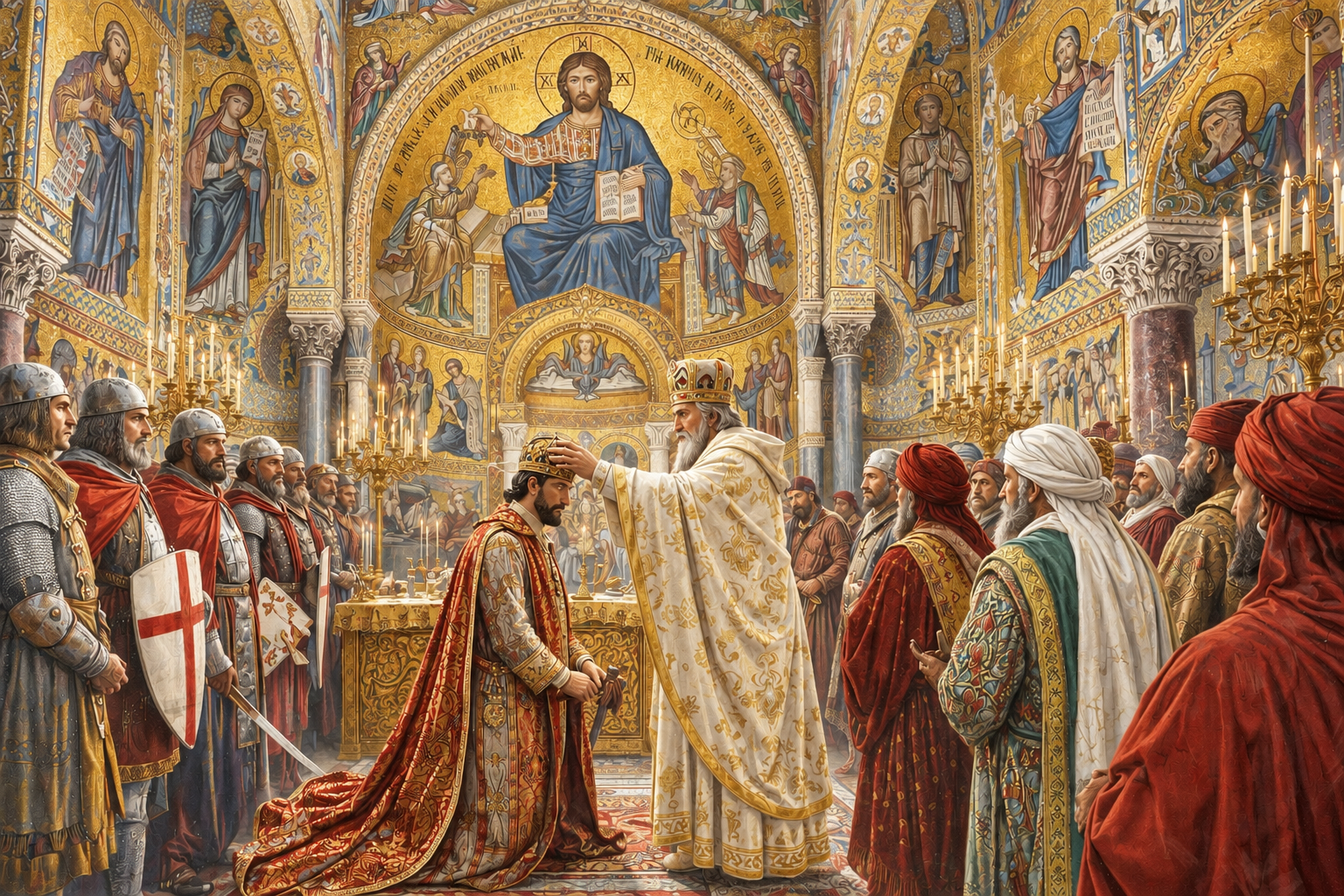
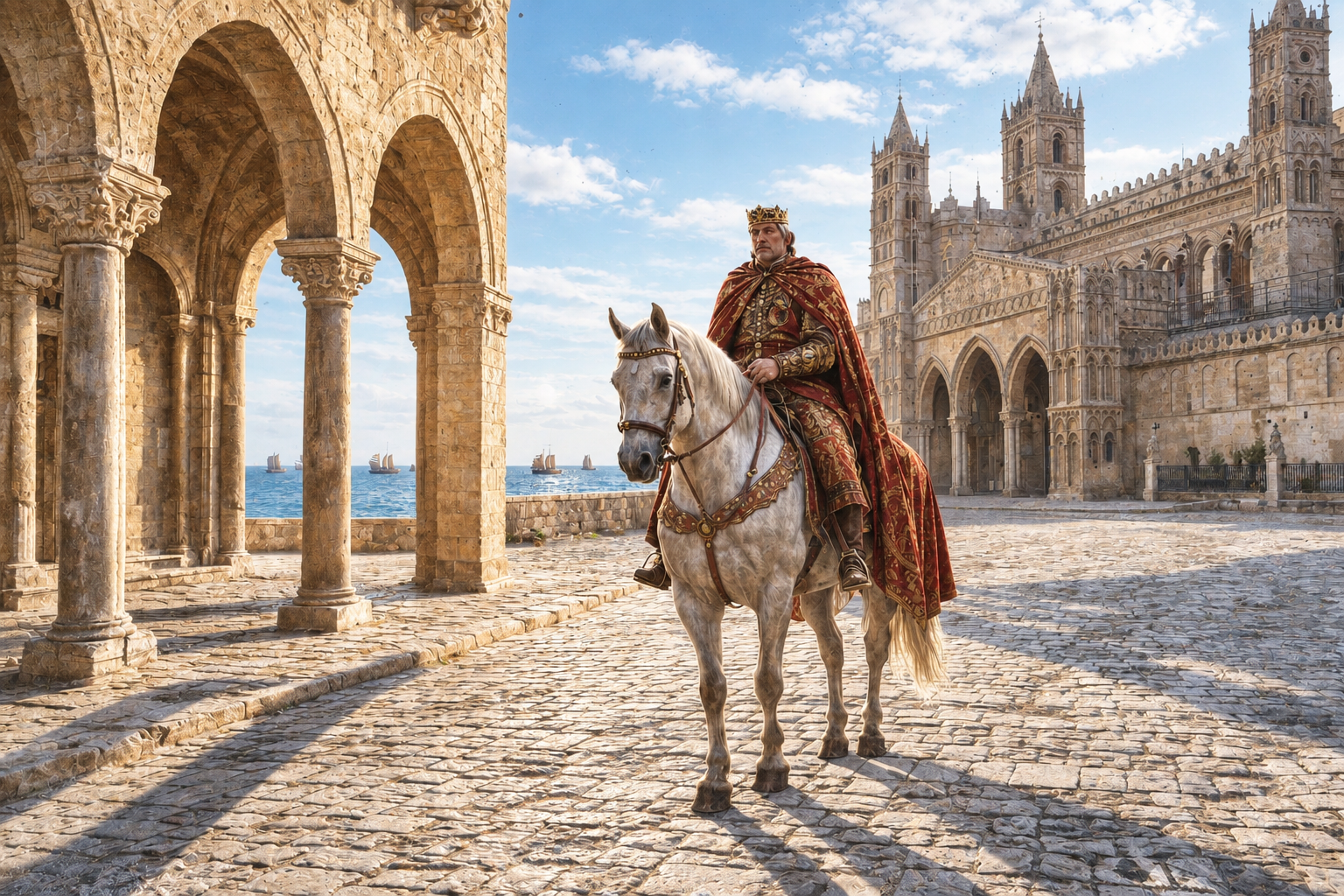
Frederick II was the grandson of both Frederick I “Barbarossa” of the Hohenstaufens, the Holy Roman Emperor, and Norman King Roger II de Hauteville of Sicily. Thus, he was the heir to two mighty family dynasties. He ruled Sicily from 1198 until his death in 1250 — more than half a century, during which time he was also crowned Holy Roman Emperor in 1220 by the Pope Honorius III. He was known throughout medieval Europe as Stupor Mundi, the Wonder of the World. This chapter covers his extraordinary reign, in which Frederick revived the old Norman traditions of the Sicilian kingdom, restoring its glory, not knowing that the Hohenstaufen dynasty was approaching its twilight.
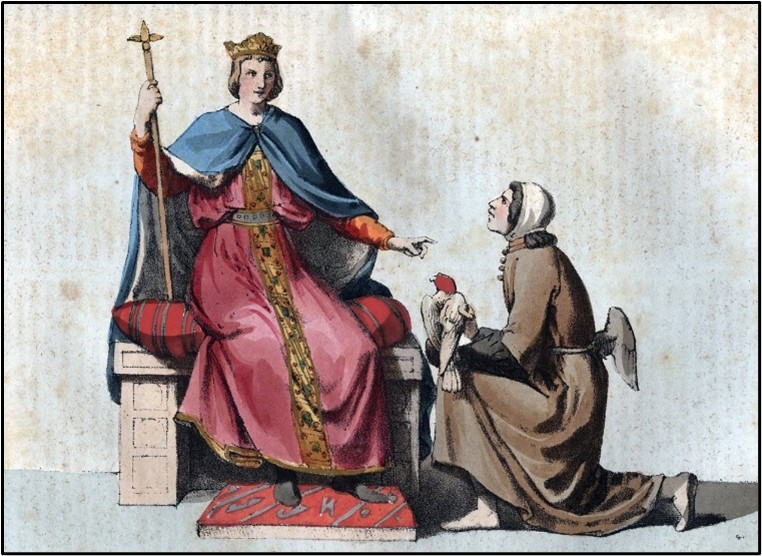
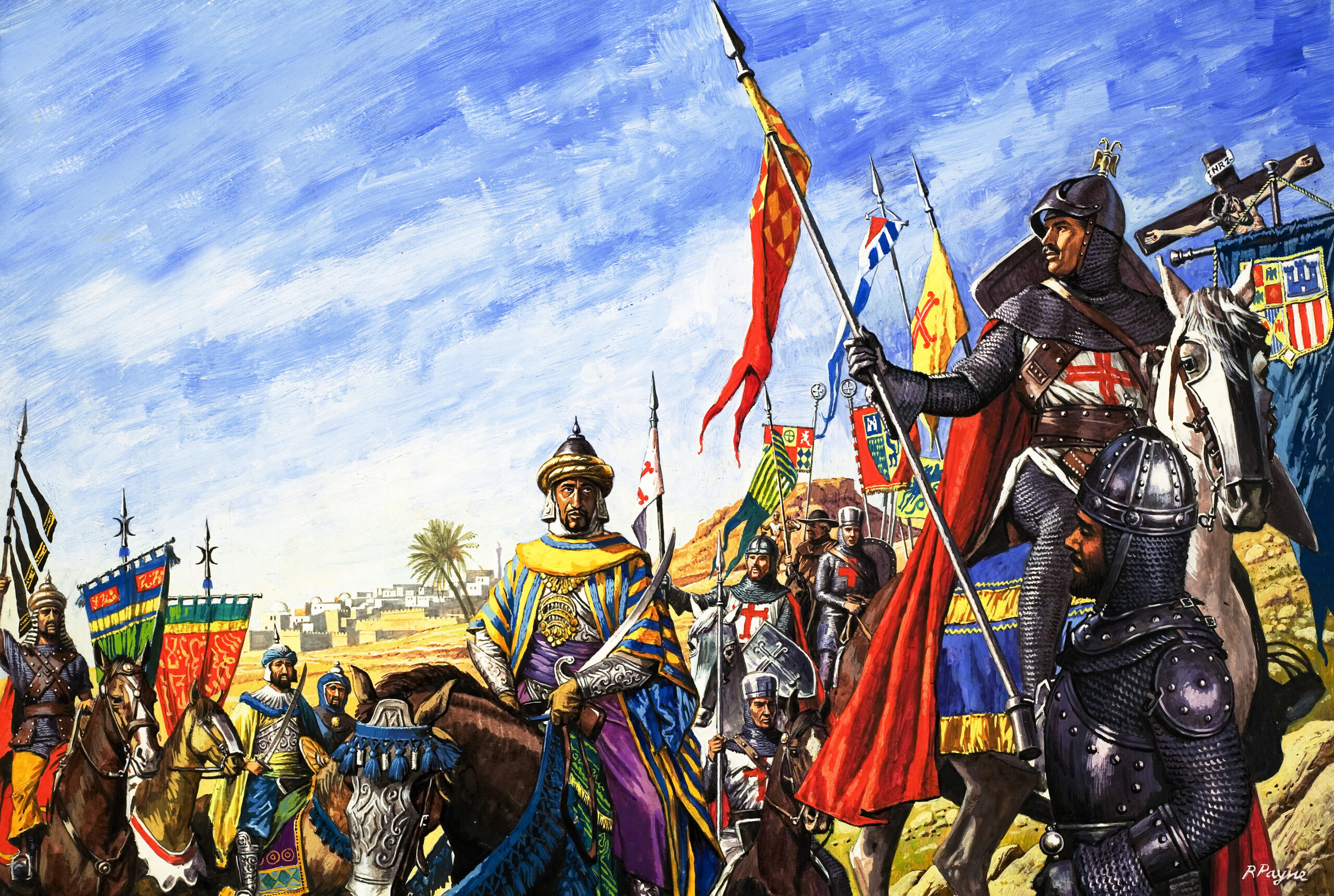
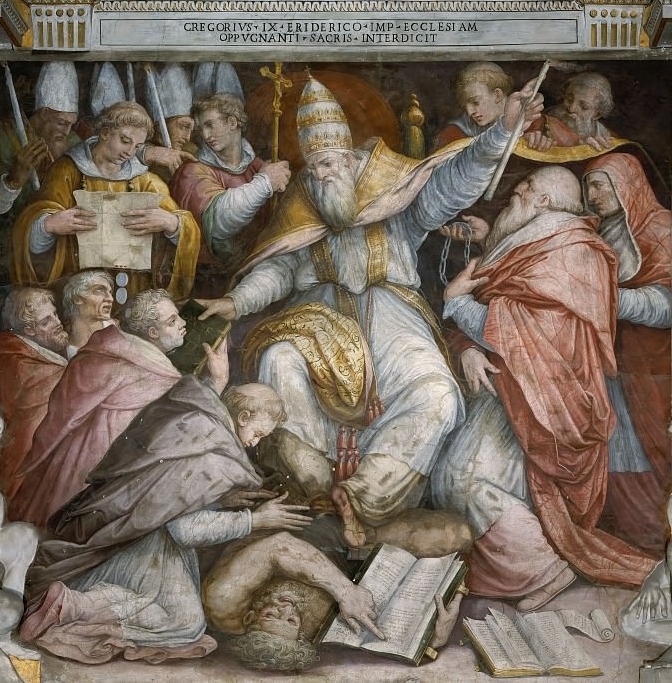
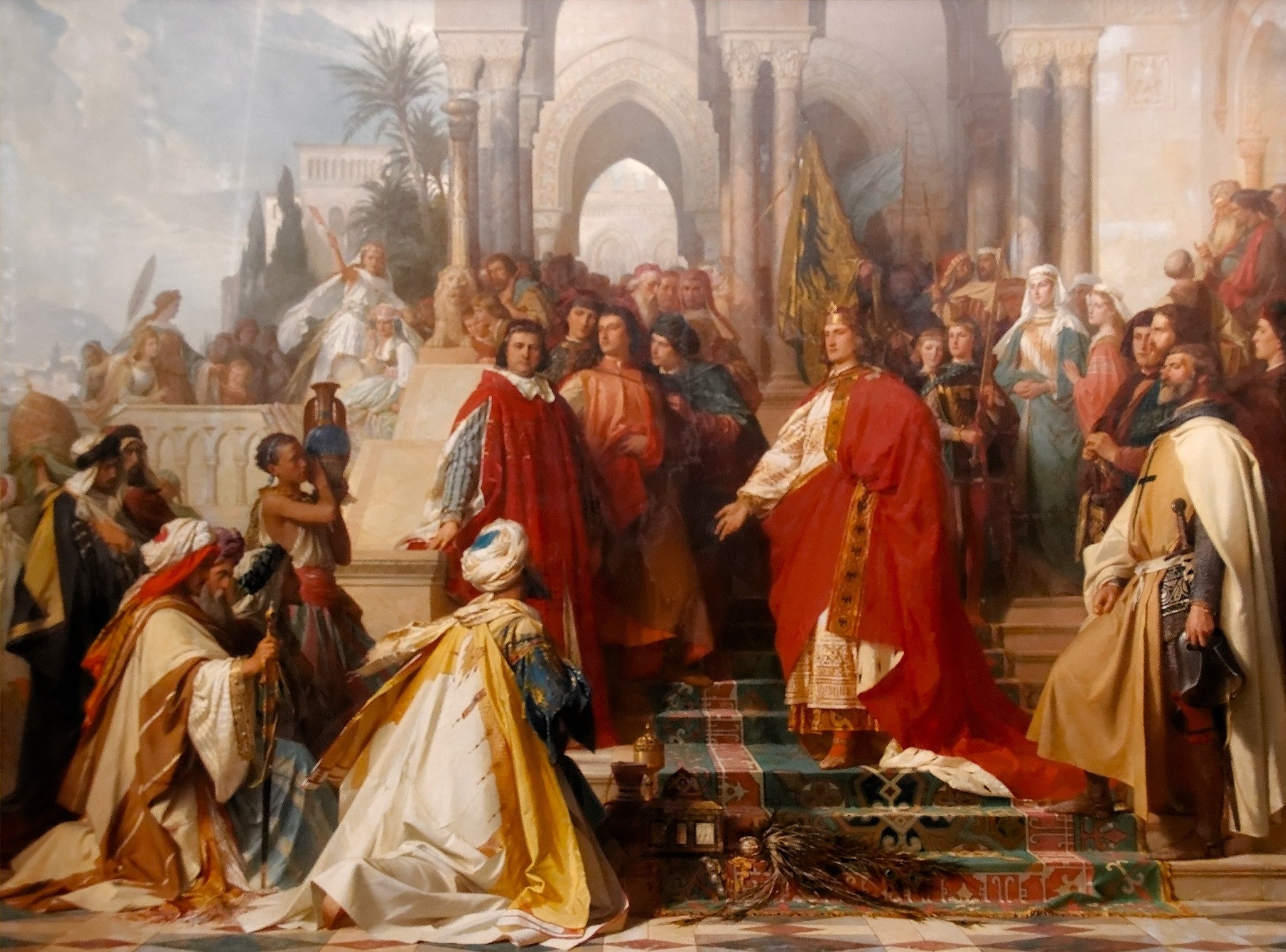
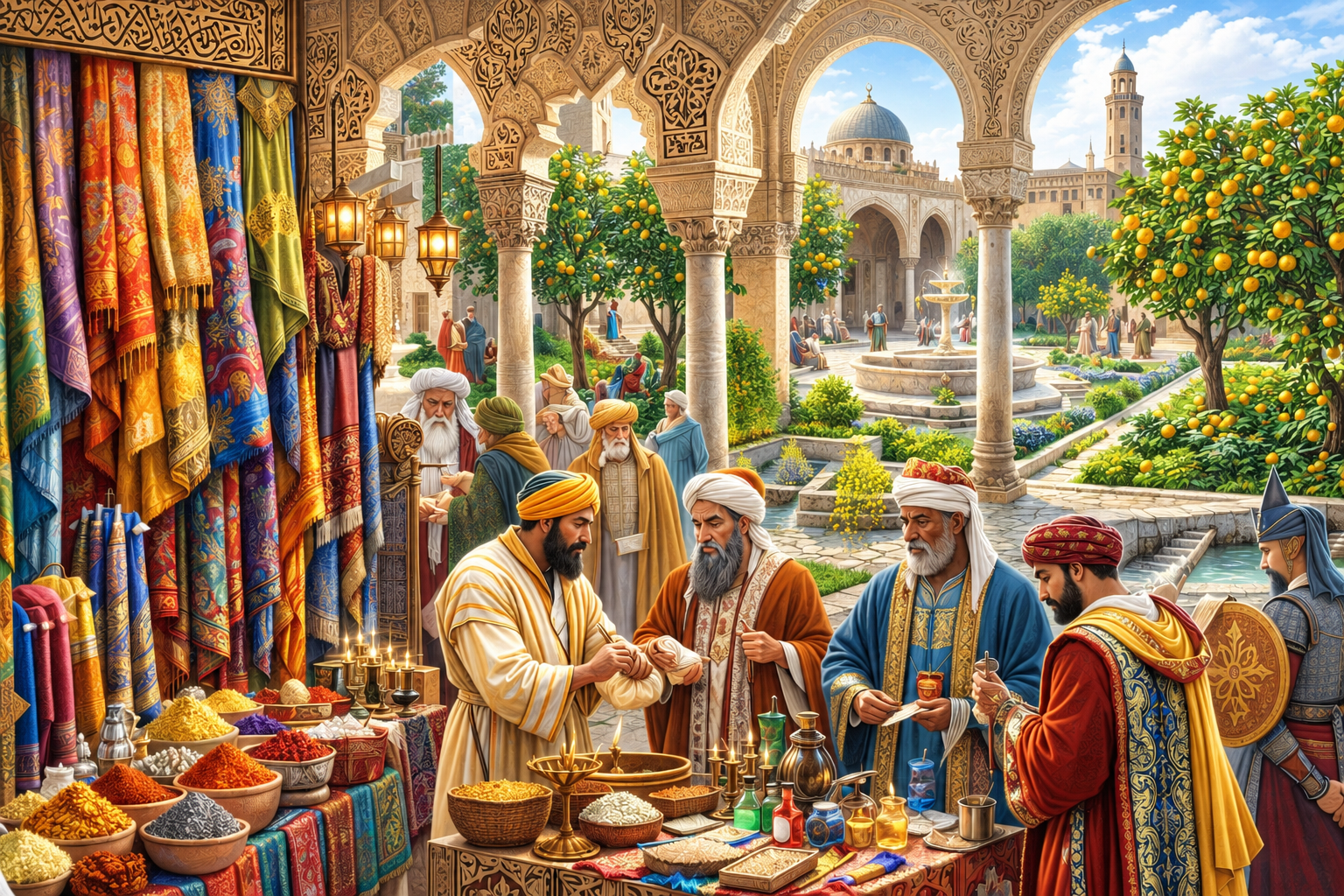
Emperor Frederick II was a most remarkable monarch. He spoke six languages, including Arabic, and maintained a retinue of Arab scholars at his court. He collected and maintained a menagerie of exotic animals, was an avid hunter using falcons, and wrote one of the most important medieval treatises on falconry (“On the Art of Hunting with Birds”), which is still studied today. Frederick founded the University of Naples in 1224. He promulgated the Constitutions of Melfi in 1231, one of the most sophisticated legal codes of the medieval world. He led the successful Sixth Crusade to holy land, bloodlessly recovering Jerusalem by use of diplomacy rather than warfare, negotiating a treaty with the Sultan al-Kamil of Egypt. A villainous Pope Gregory IX excommunicated Frederick twice — once for delaying his crusade departure and again for negotiating with Muslims rather than killing them.
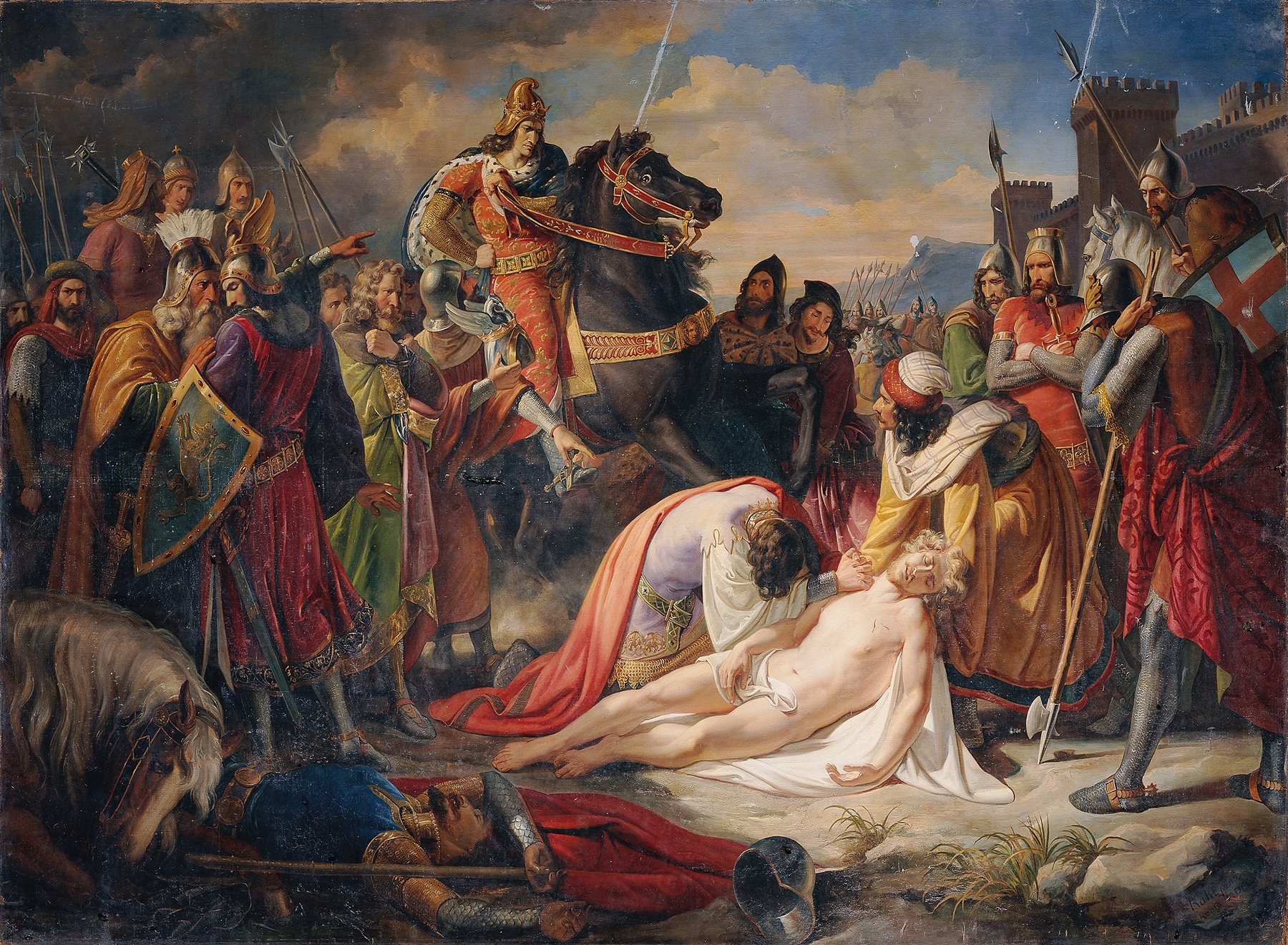
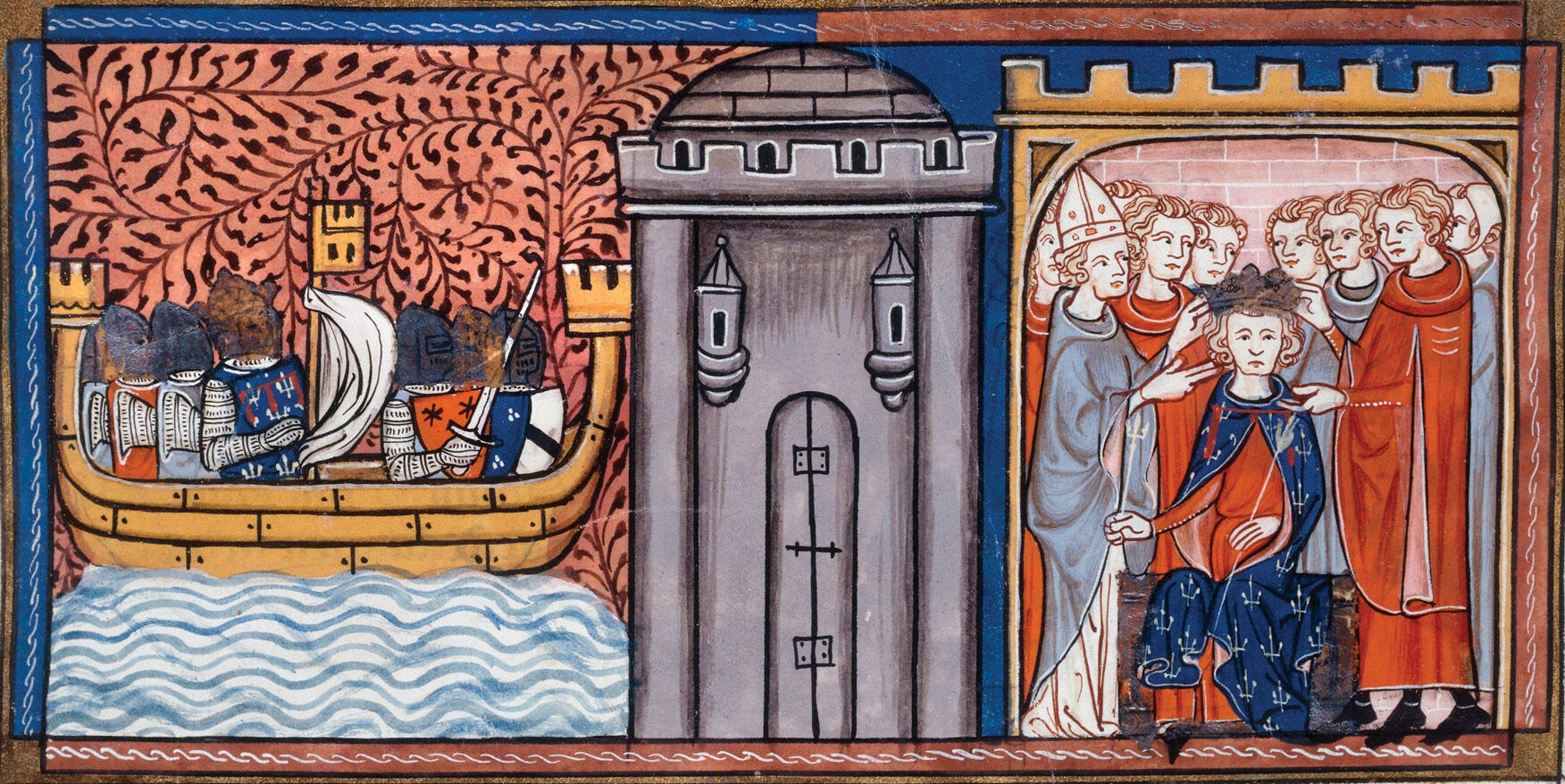
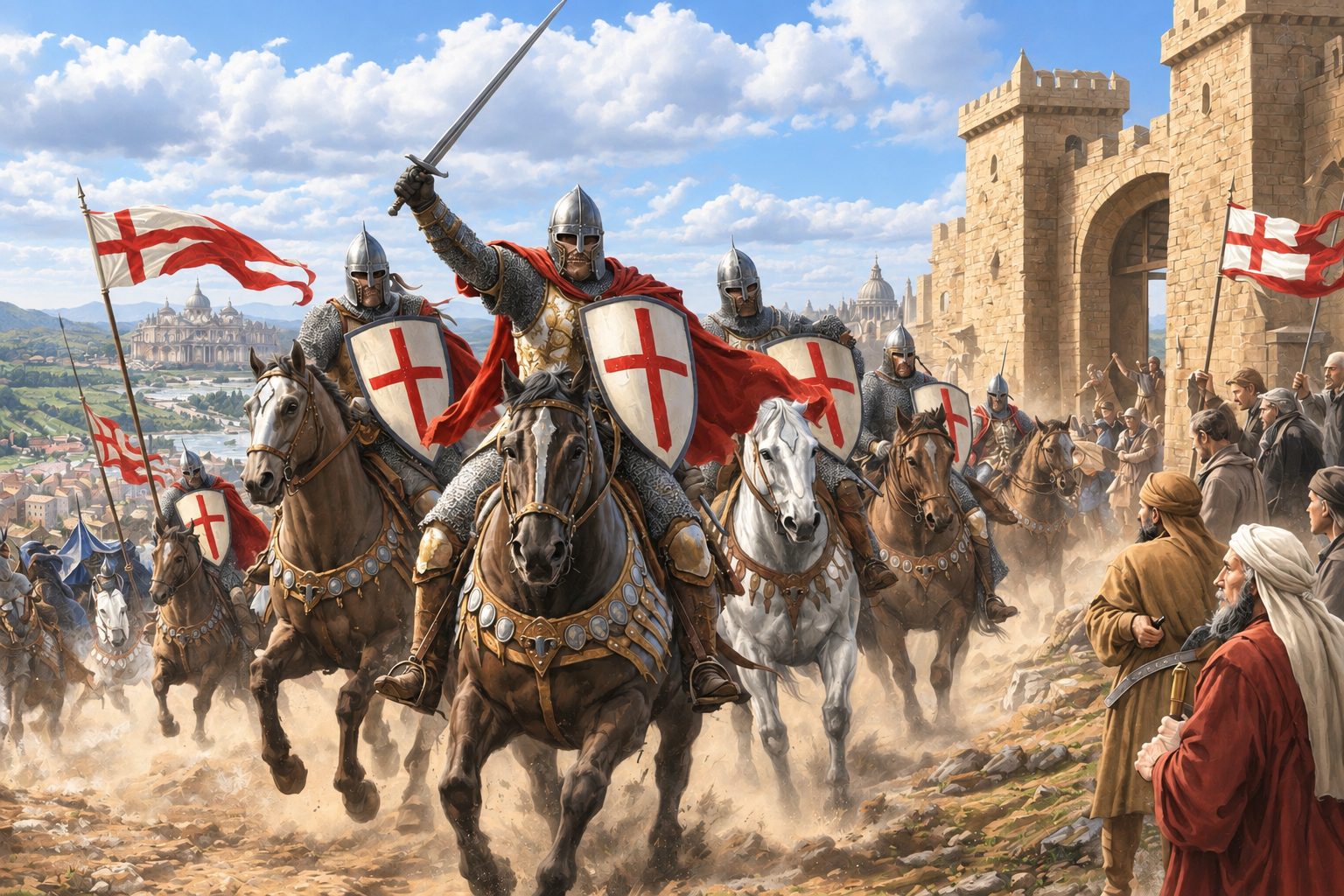
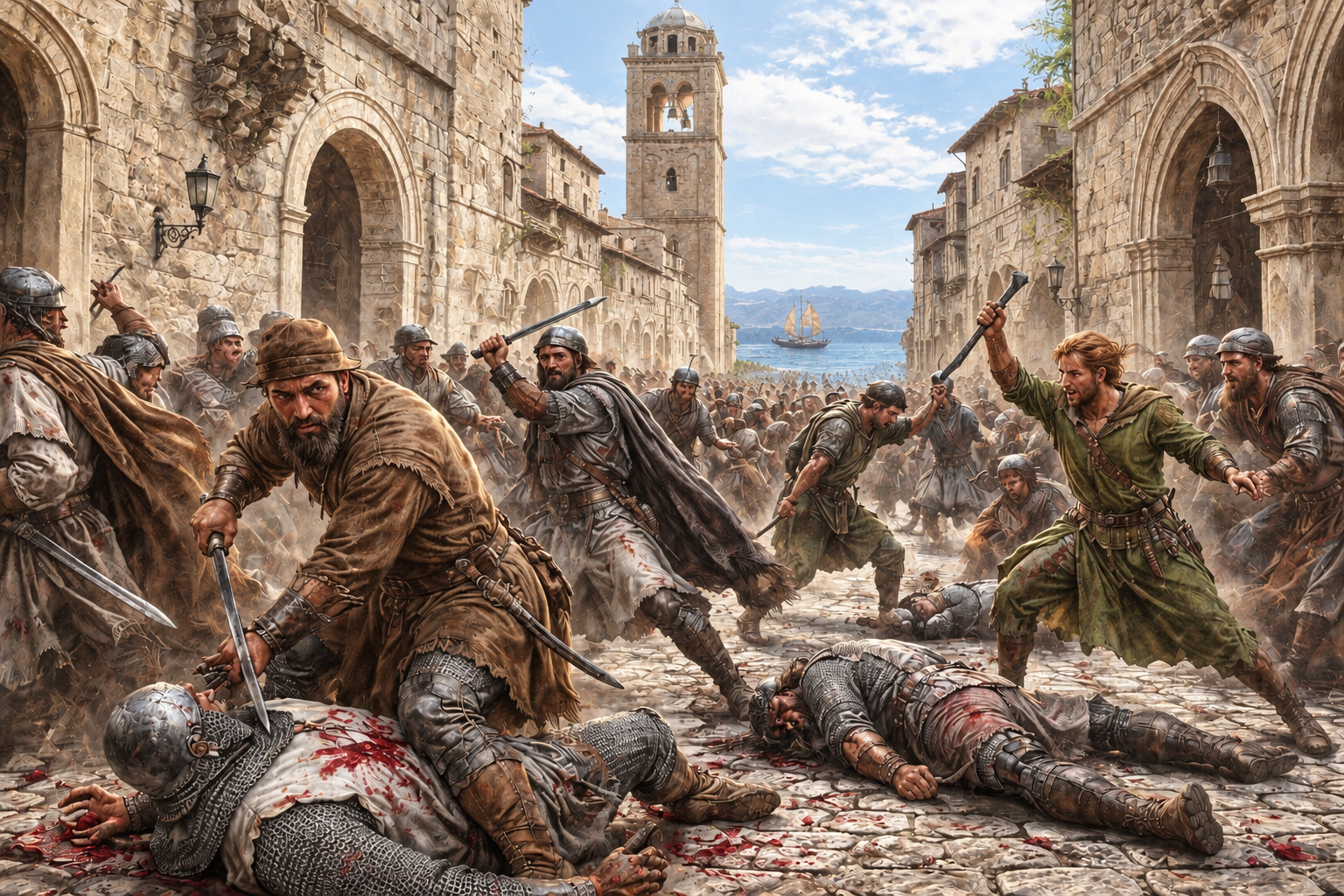
Frederick’s reign also contained contradictions that would prove fatal to the multicultural Sicily he had inherited. While he greatly respected his Muslim subjects, he ordered their forced relocation from Sicily to the Italian mainland city of Lucera, where they continued to serve as his loyal soldiers. His massive military campaigns against the independent minded cities of Northern Italy and his frequent conflicts with the Papacy drained Sicily’s financial resources. His Hohenstaufen dynasty would not long survive his death in 1250. The Papacy strongly encouraged and heavily financed a large French army, led by Charles of Anjou, to invade and seize the crown of Sicily. In February 1266, the French army battled the Sicilian forces, led by Frederick’s son King Manfred. Both armies met at the Battle of Benevento, where Manfred was killed and the Sicilian forces were defeated. The Kingdom of Sicily now passed into to the new Angevin dynasty, under its new King Charles I.