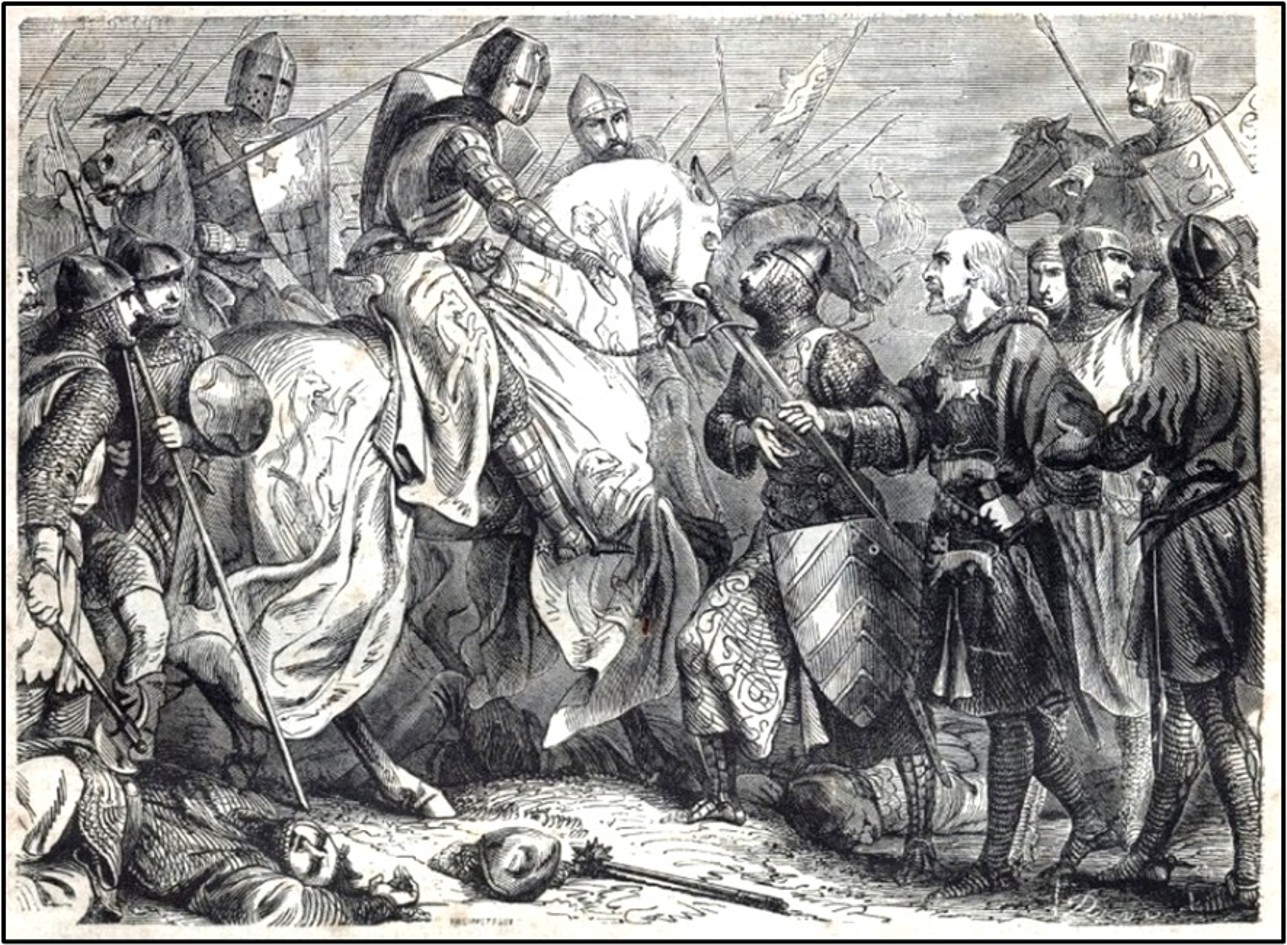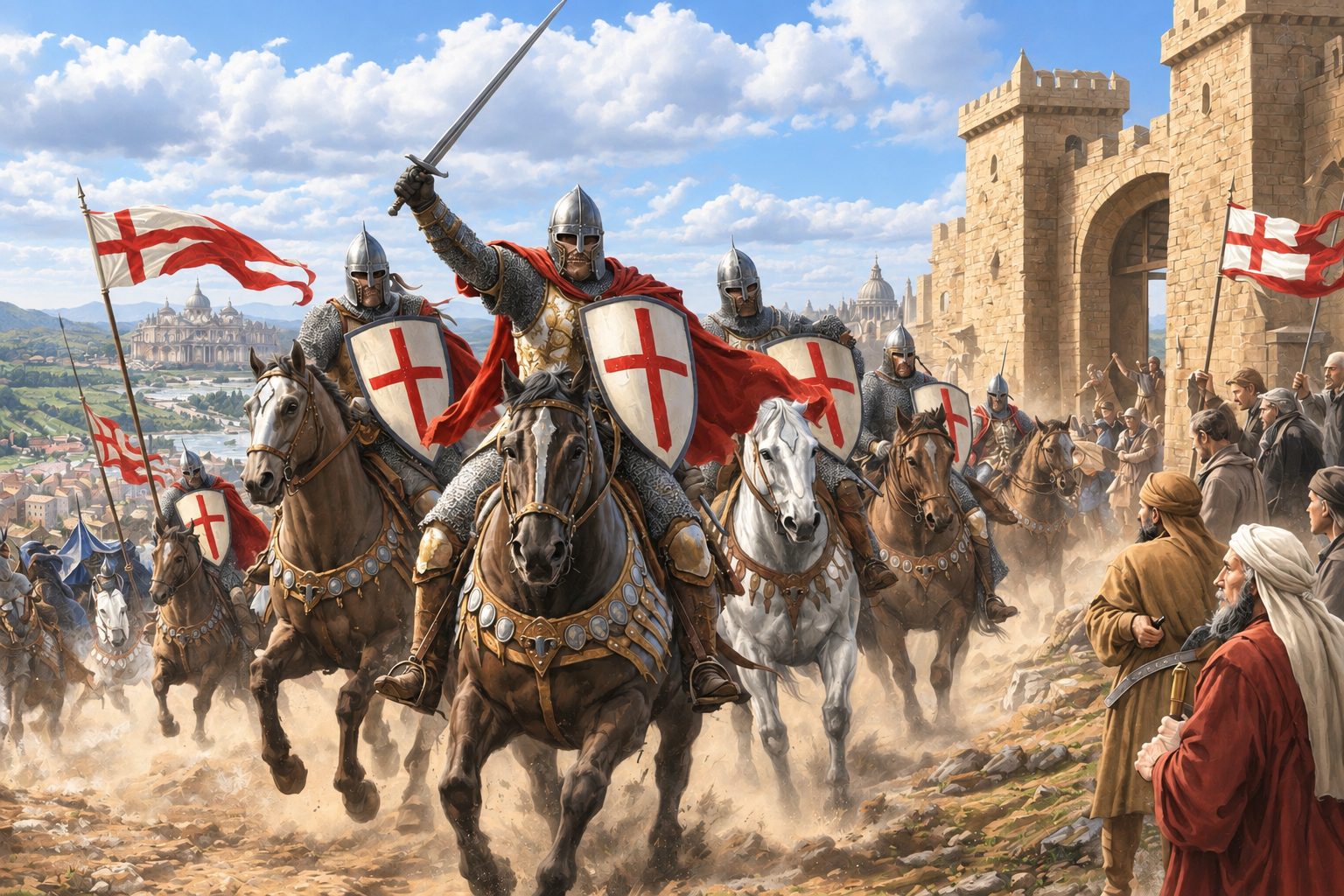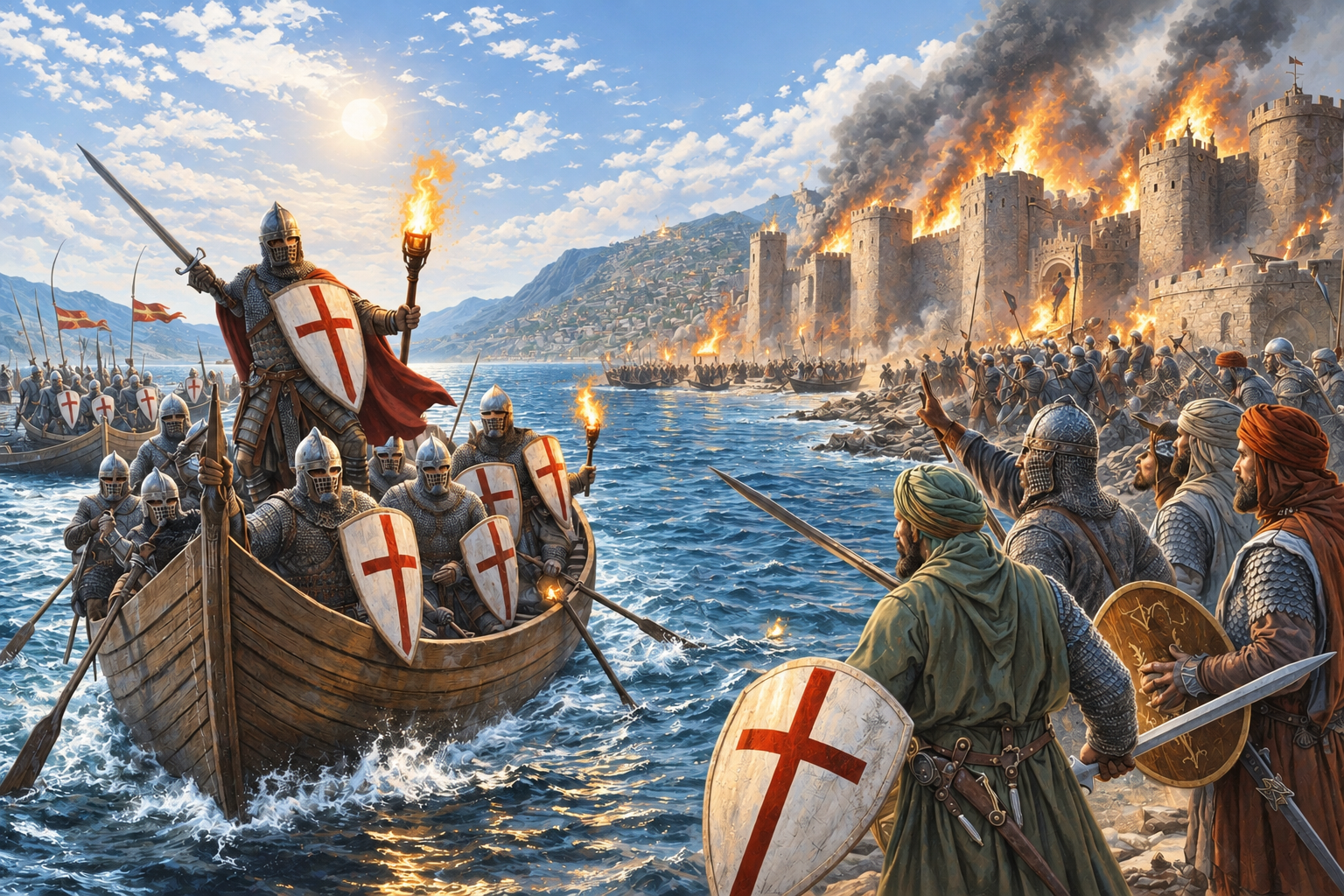


The chapter begins with the establishment of a brutal and rapacious French occupation of Sicily. Sicilians despised Angevin rule from the start. French soldiers and officials were arrogant, exploitive , and often violent toward the local population. King Charles levied oppressive new taxes on the kingdom to repay his massive debts incurred during his recent invasion and to pay huge tribute payments to the Vatican, which had engineered the overthrow of the legitimate Sicilian Kingdom.
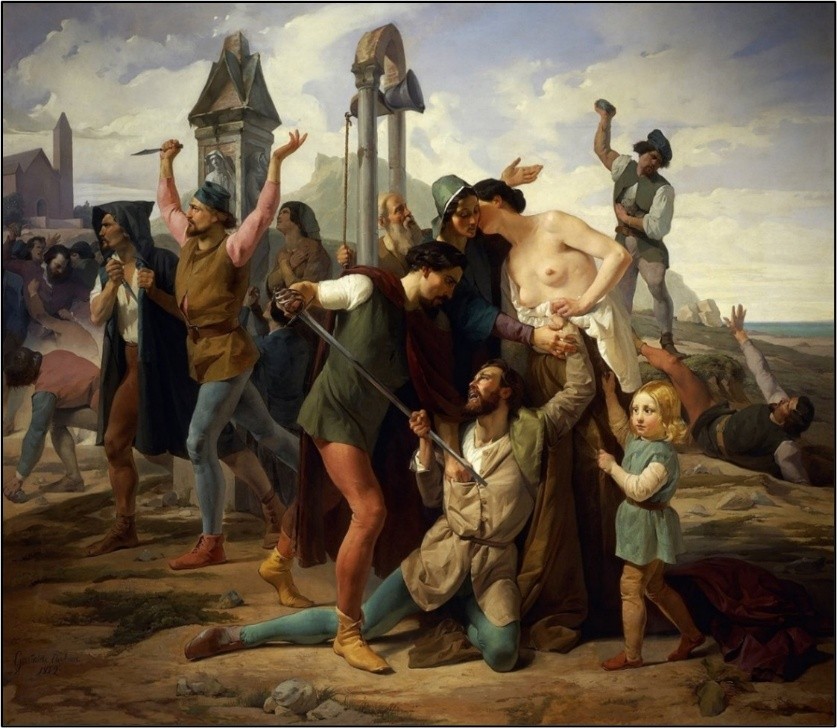
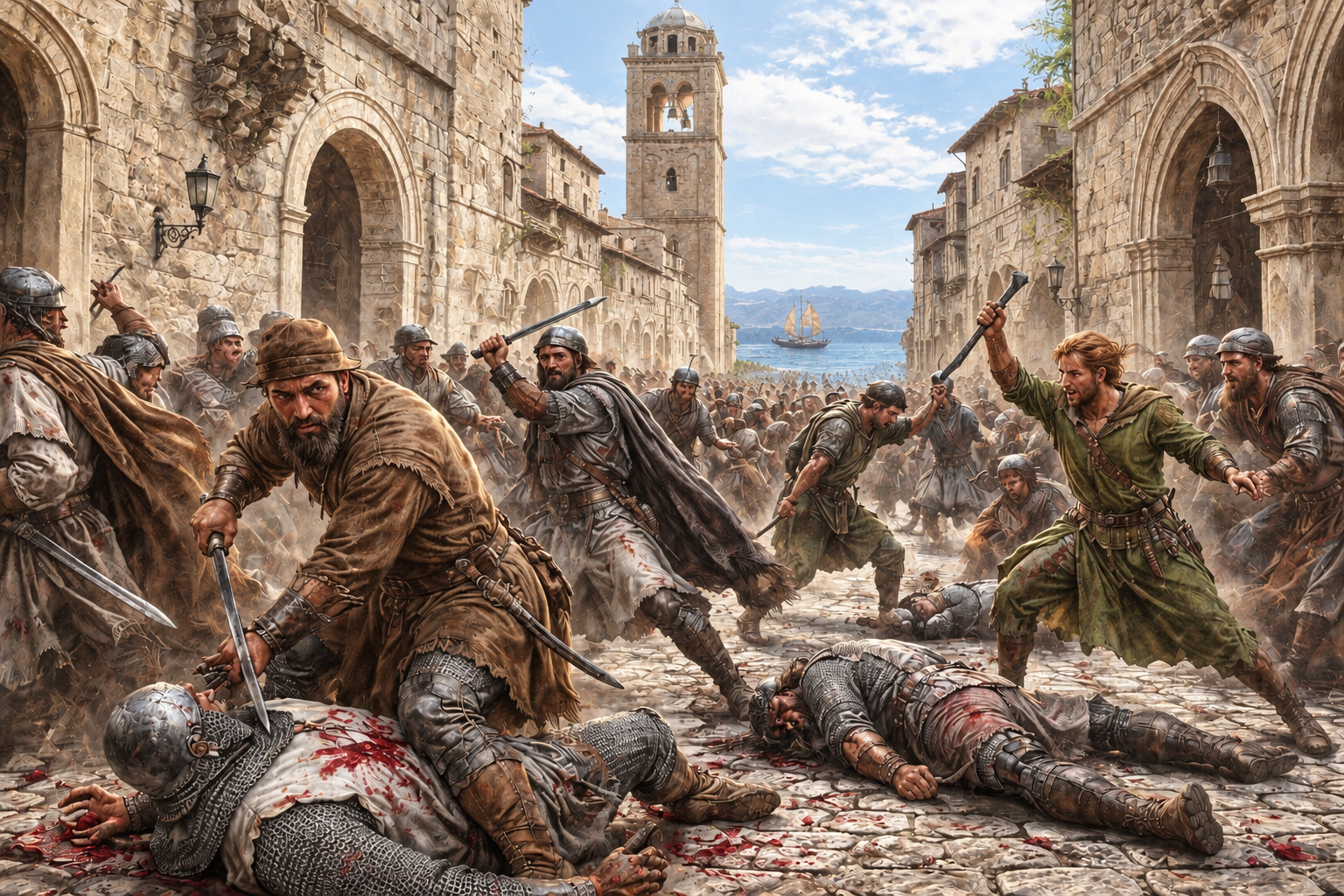
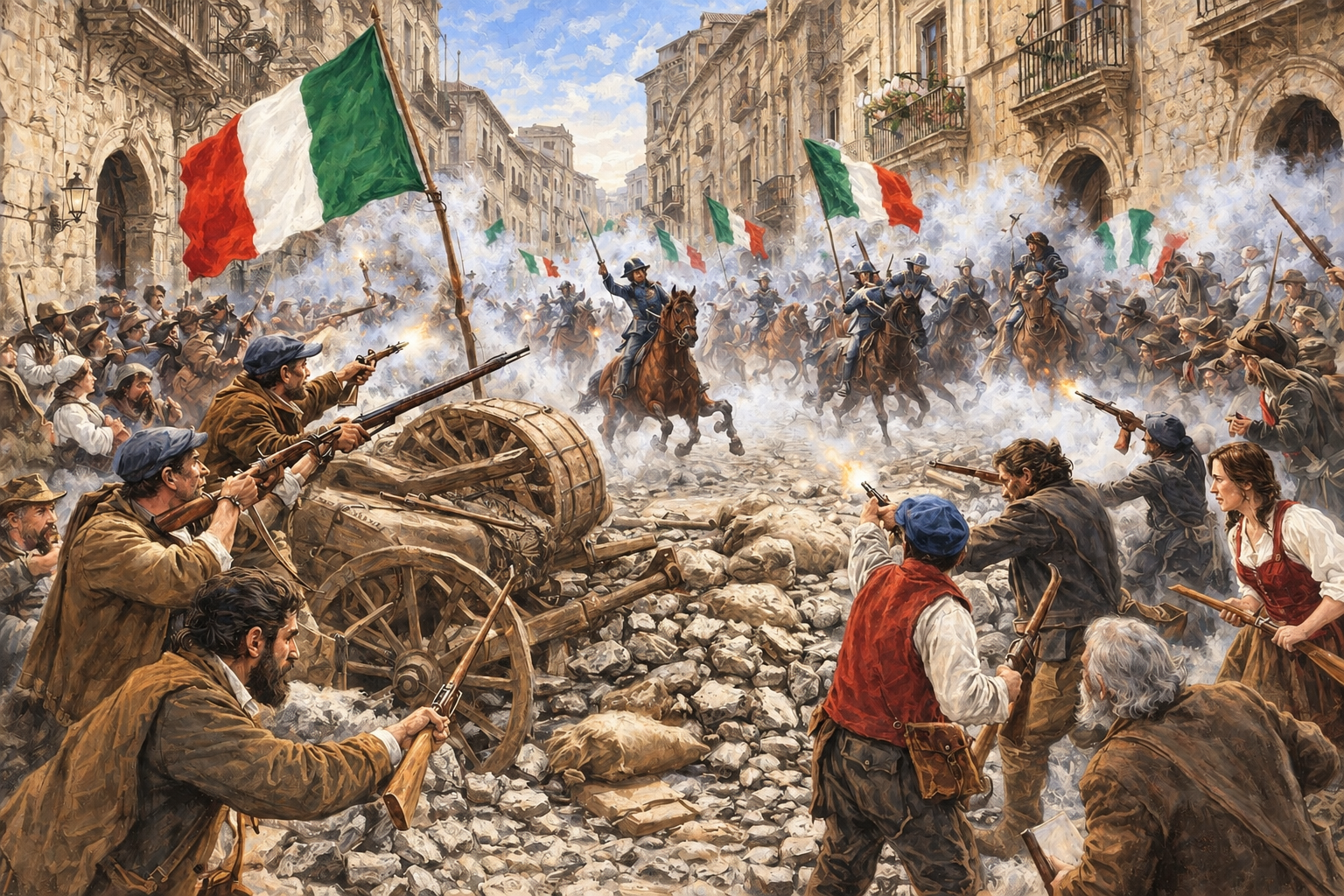
Following sixteen years of repressive French rule of Sicily, the Sicilian people rise up in an explosive rebellion, known as the Sicilian Vespers of 1282. On Easter Monday of that year, at, a French soldier named Drouet groped a married Sicilian woman outside the Church of the Holy Spirit on the outskirts of Palermo. The French soldier was then stabbed and killed by the husband. The rage of the Sicilian people had been steadily building following sixteen years of French misrule. What began as a single act of vendetta exploded into a full-scale massacre. Sicilian in Palermo rioted and began to brutally murder every Frenchman in Palermo. Within hours thousands of French were dead in Palermo and word of the riots were communicated all across the island. Within weeks, the uprising had spread across Sicily and nealy all of the French population had been killed or driven off the island.
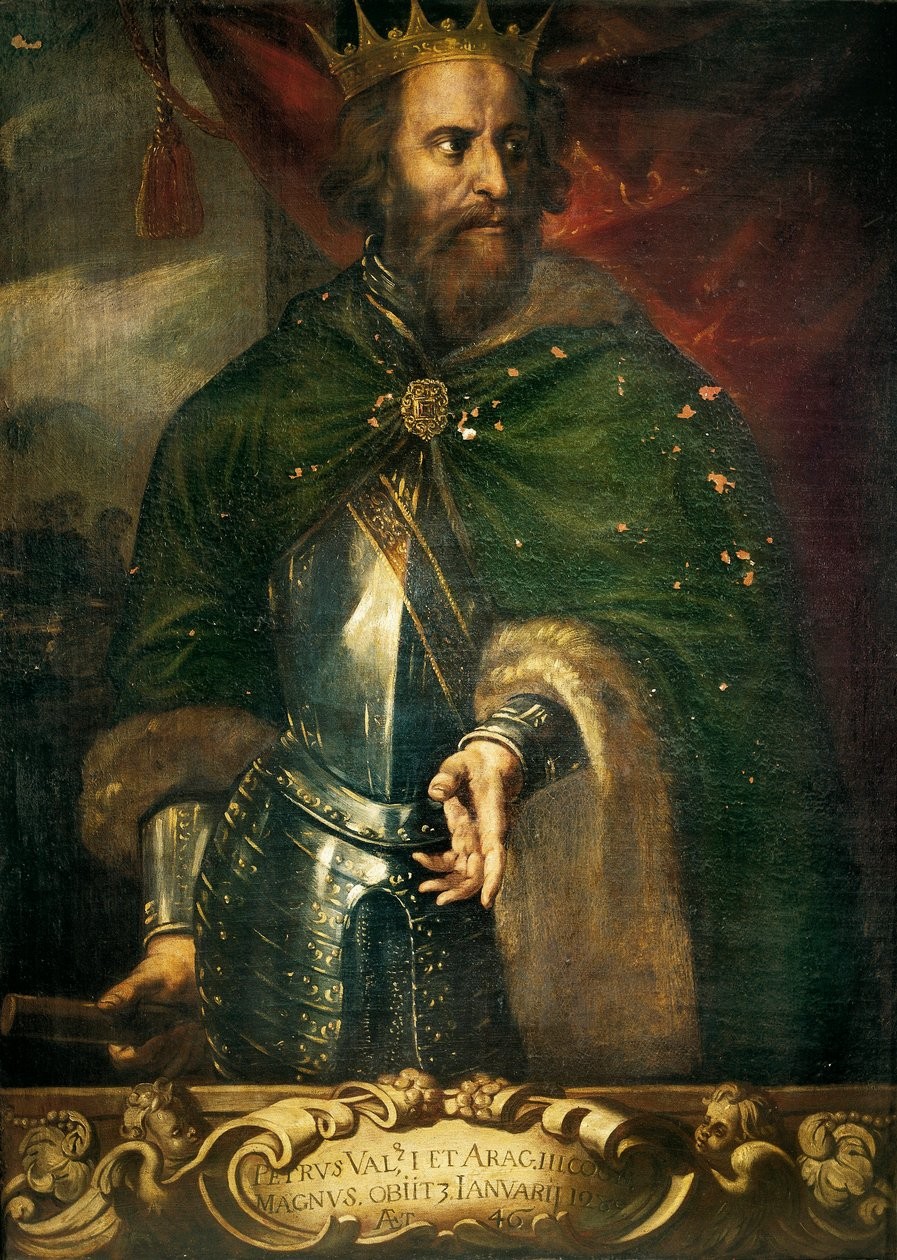
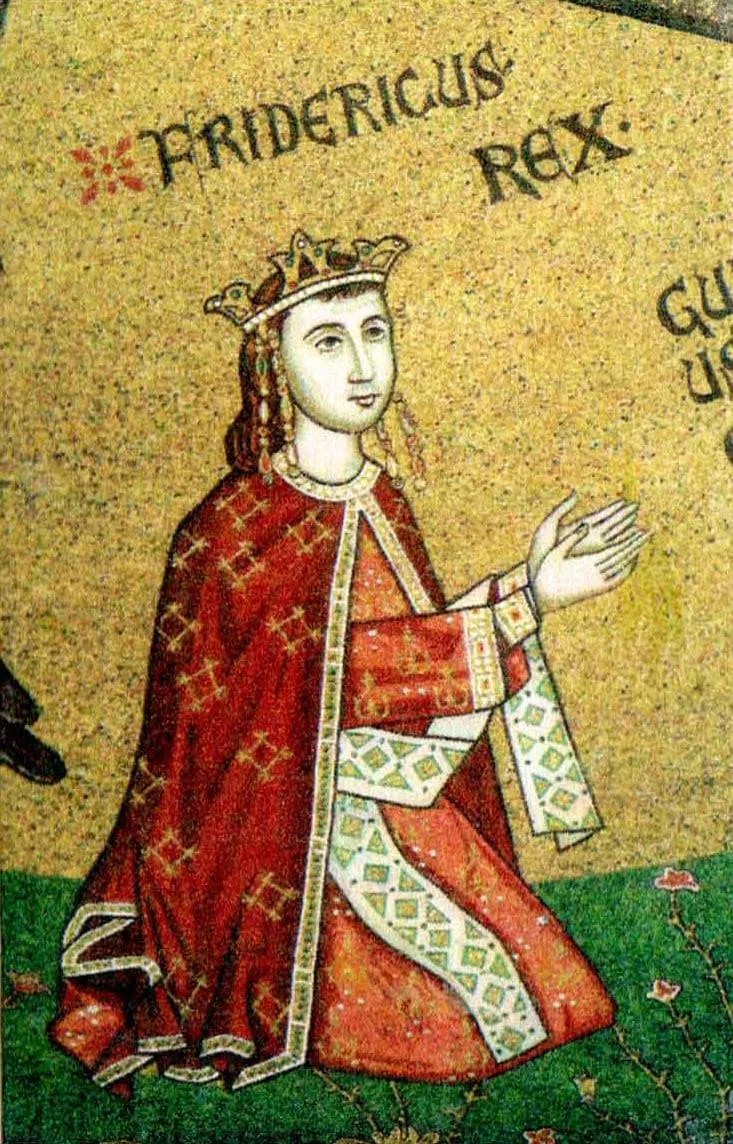
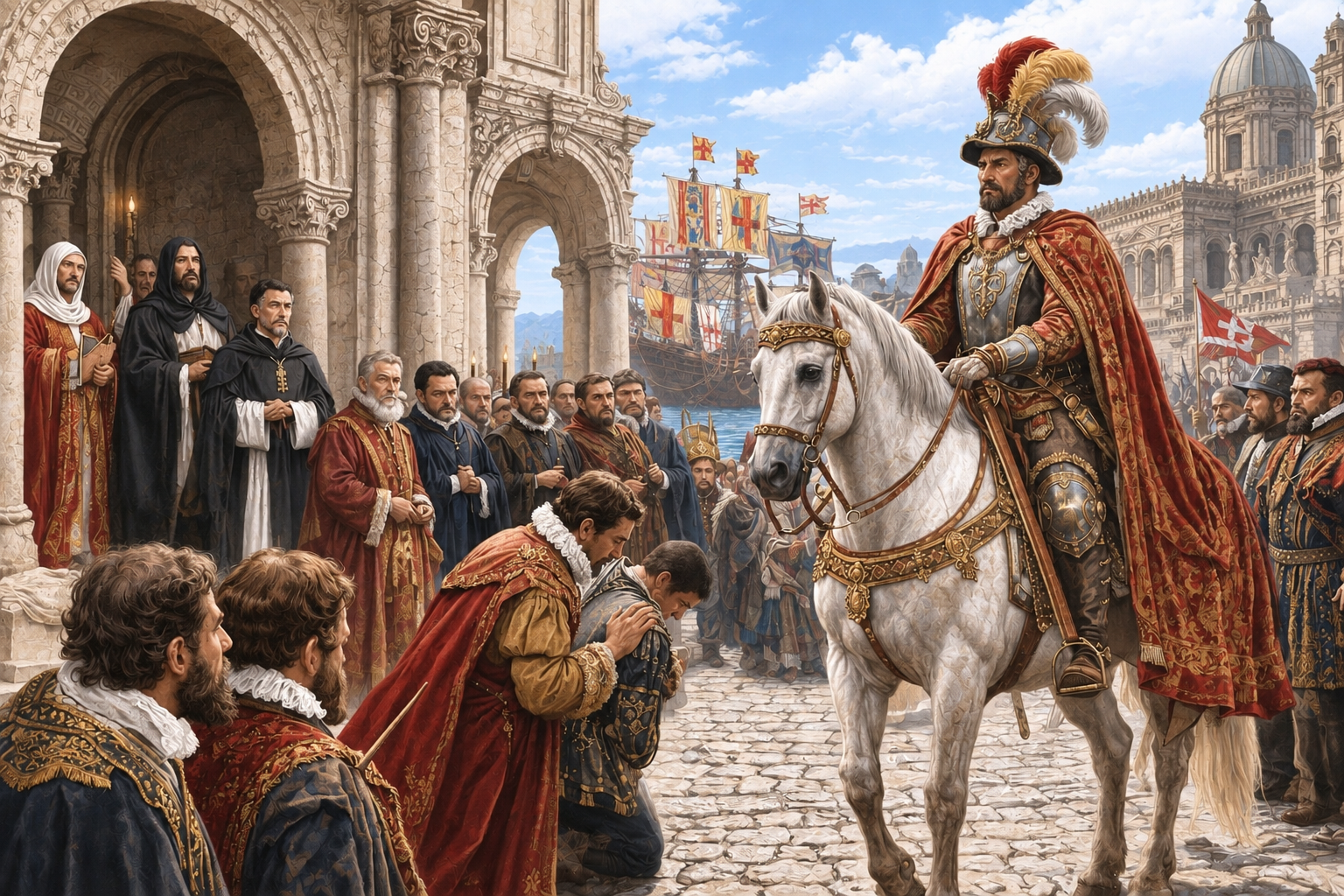
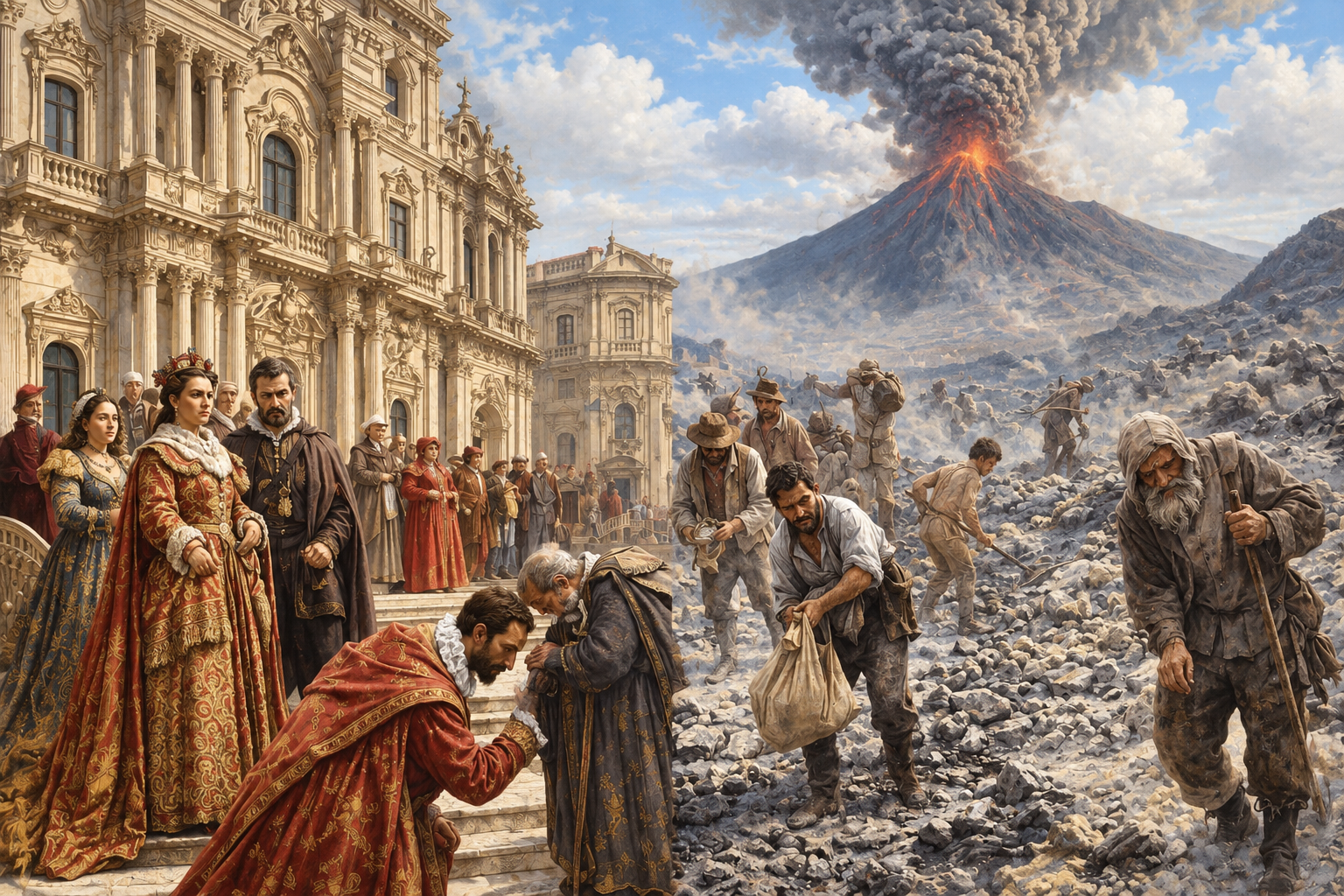
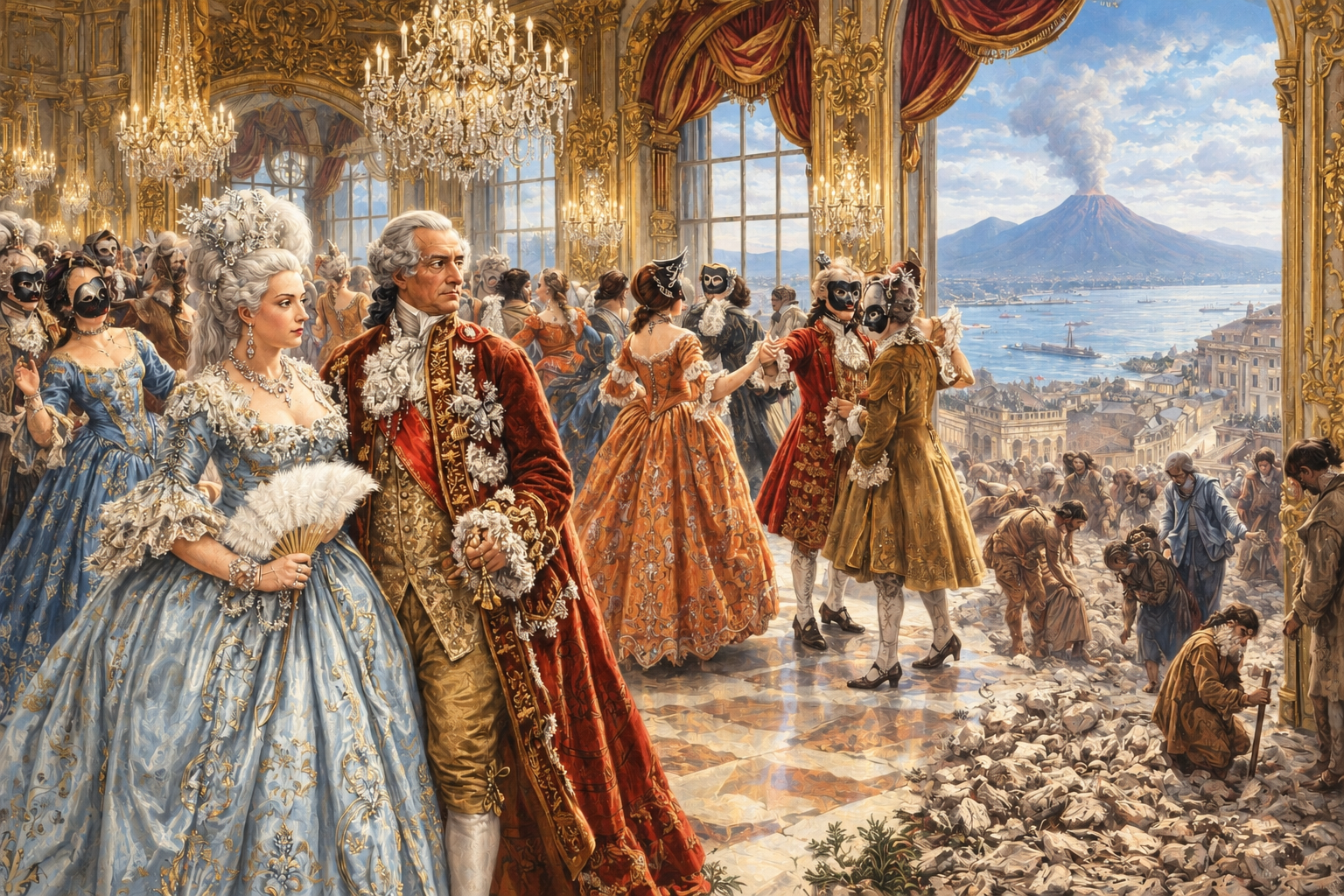
The Sicilian Vespers are one of the most famous popular uprisings in European history — an event so impactful that Giuseppe Verdi wrote an opera about it five centuries later. After the expulsion of the French, the Sicilians offered their crown to Peter III of Aragon, whose wife Constance was the last legitimate Hohenstaufen heir. Peter accepted and for most of the next four centuries Sicily would be remain under Aragonese and then Spanish rule. This extended period of Aragonese and Spanish rule was an long era of steady political and economic decline for the Kingdom of Sicily. Over time the efficient central government of the Norman and Hohenstaufen dynasties was slowly replaced by a chaotic and weak central monarchy in Sicily, becoming increasingly subordinated to growing power of a selfish and greedy aristocratic class.