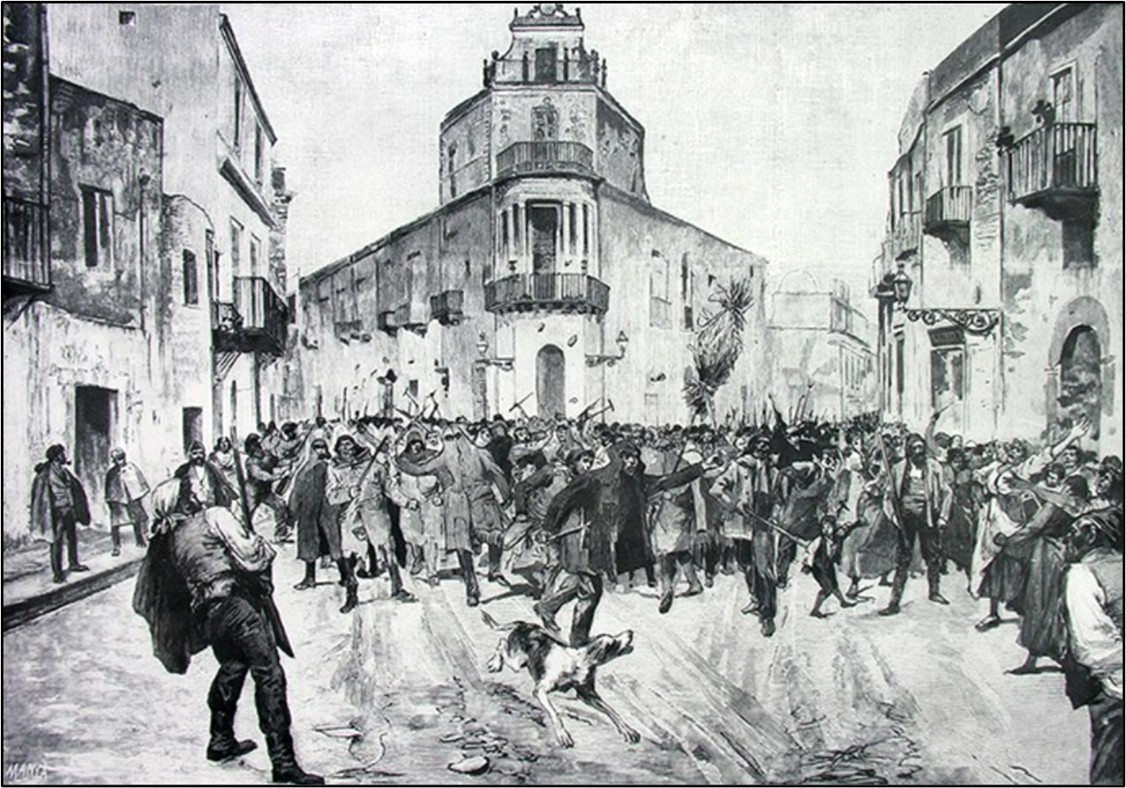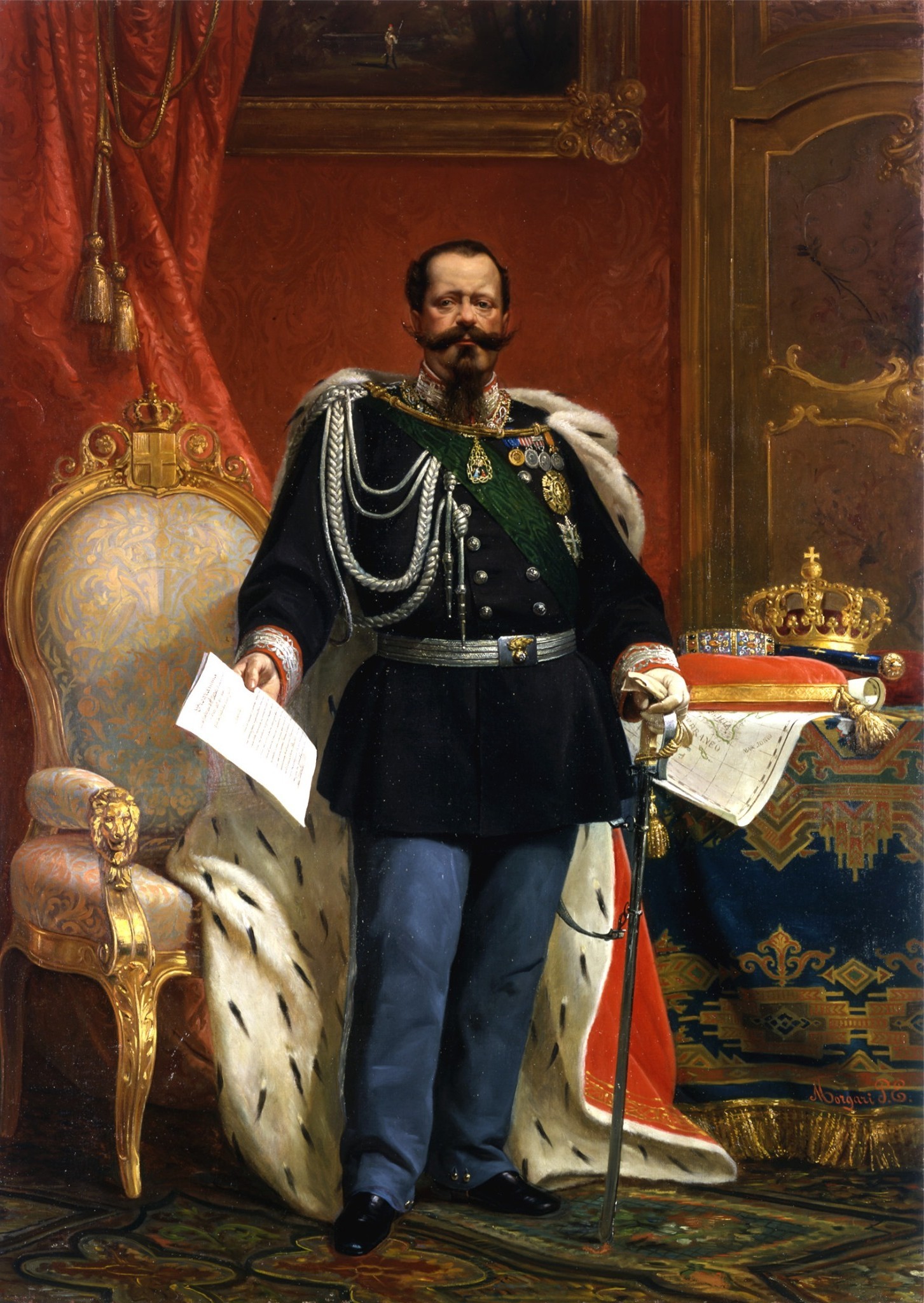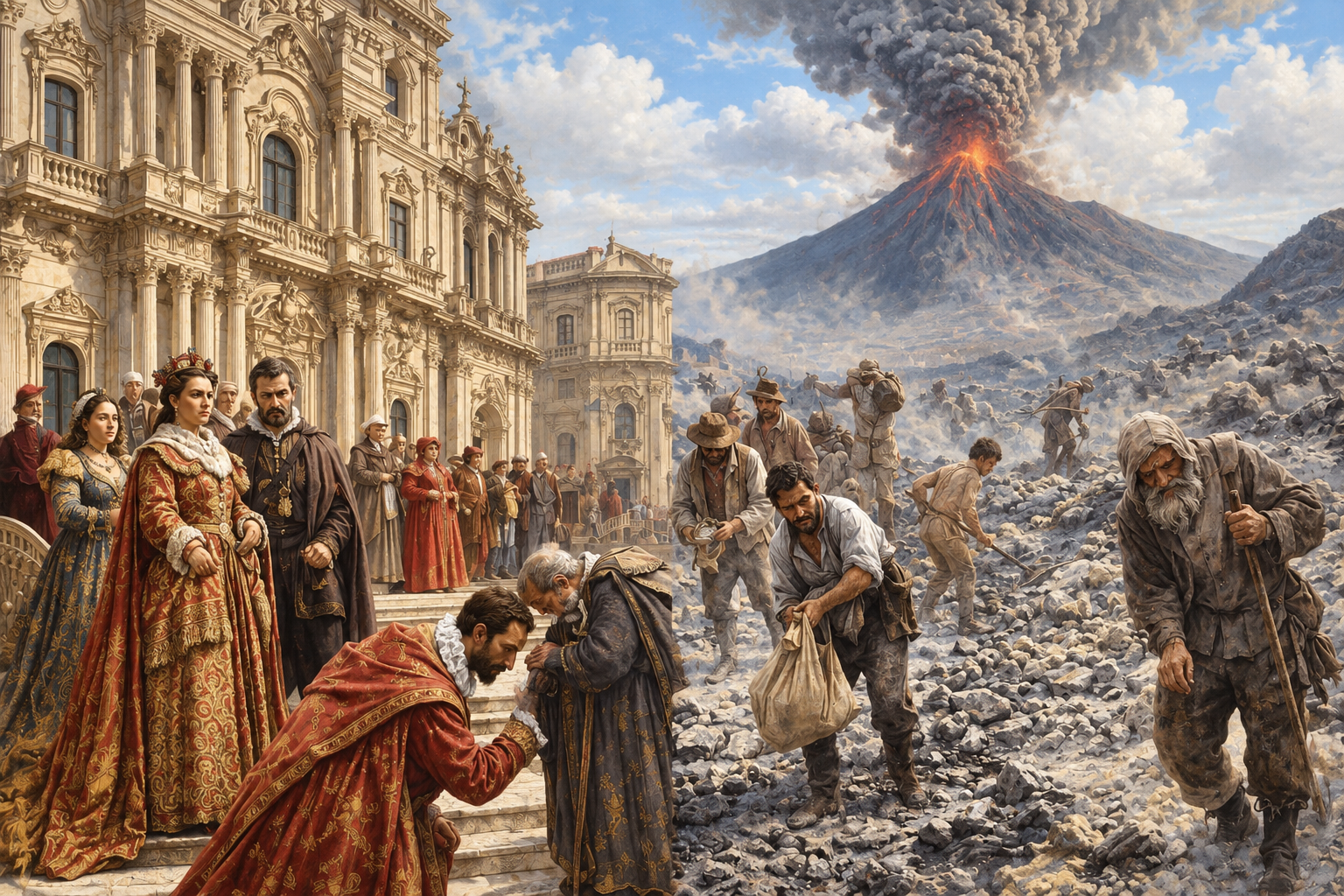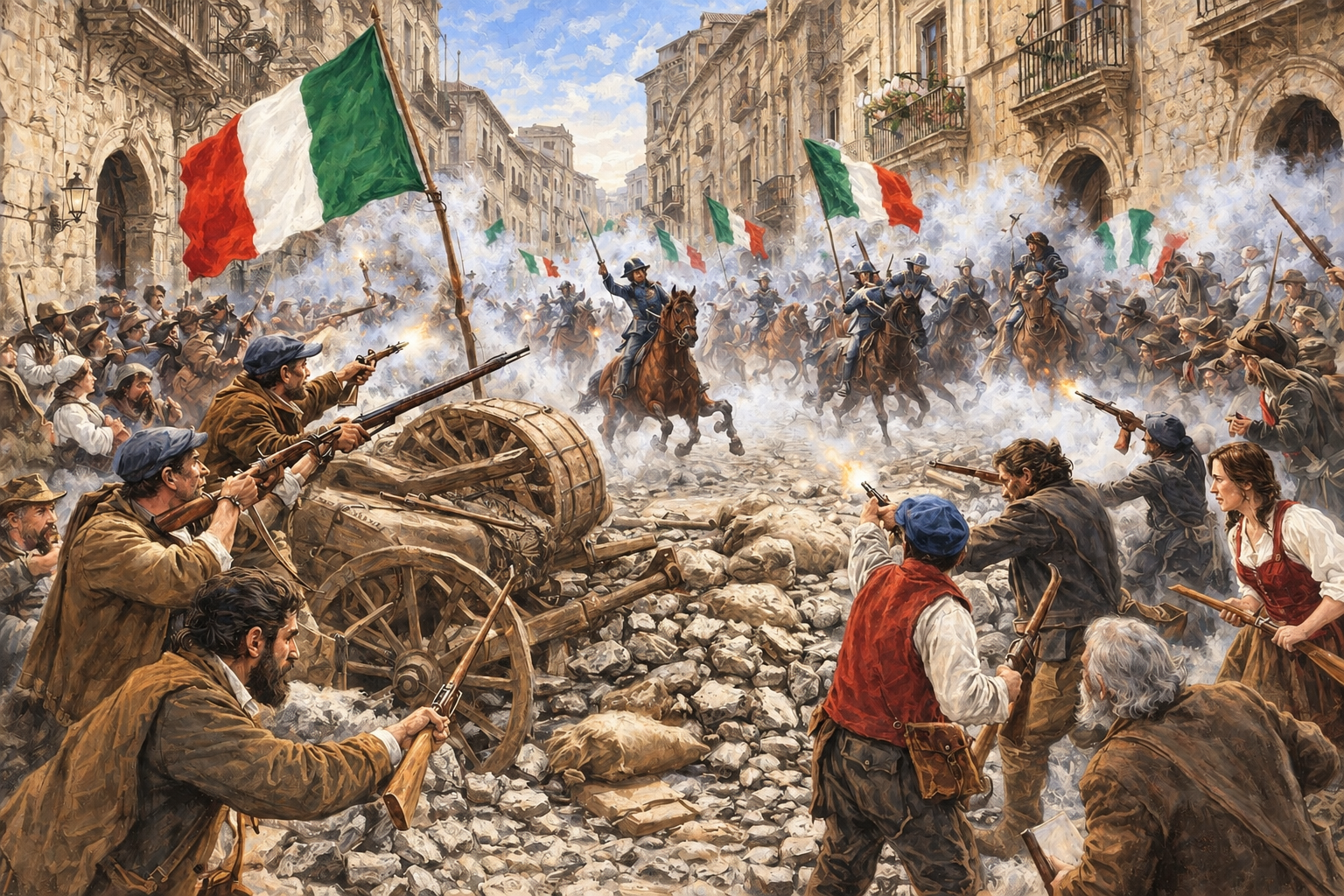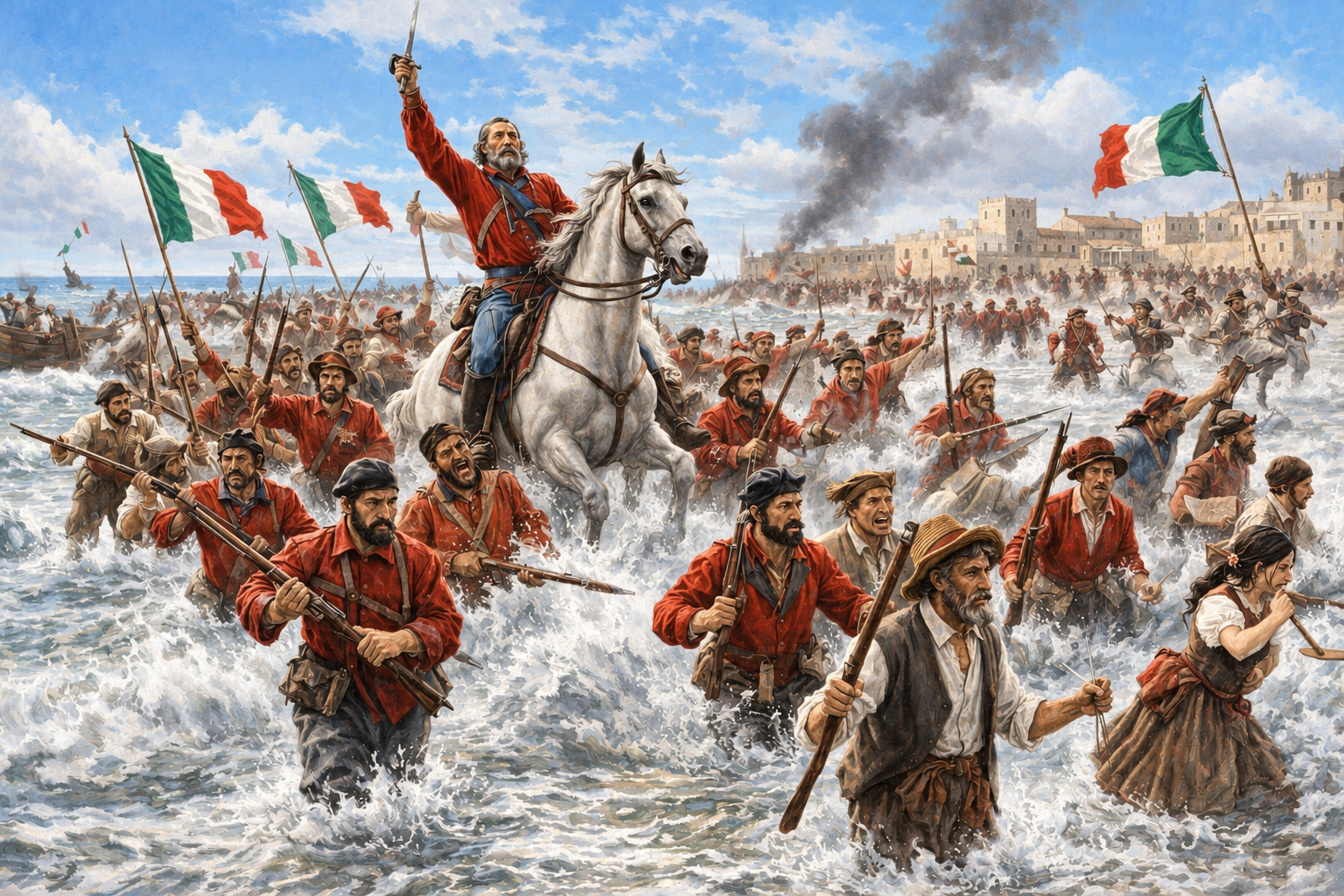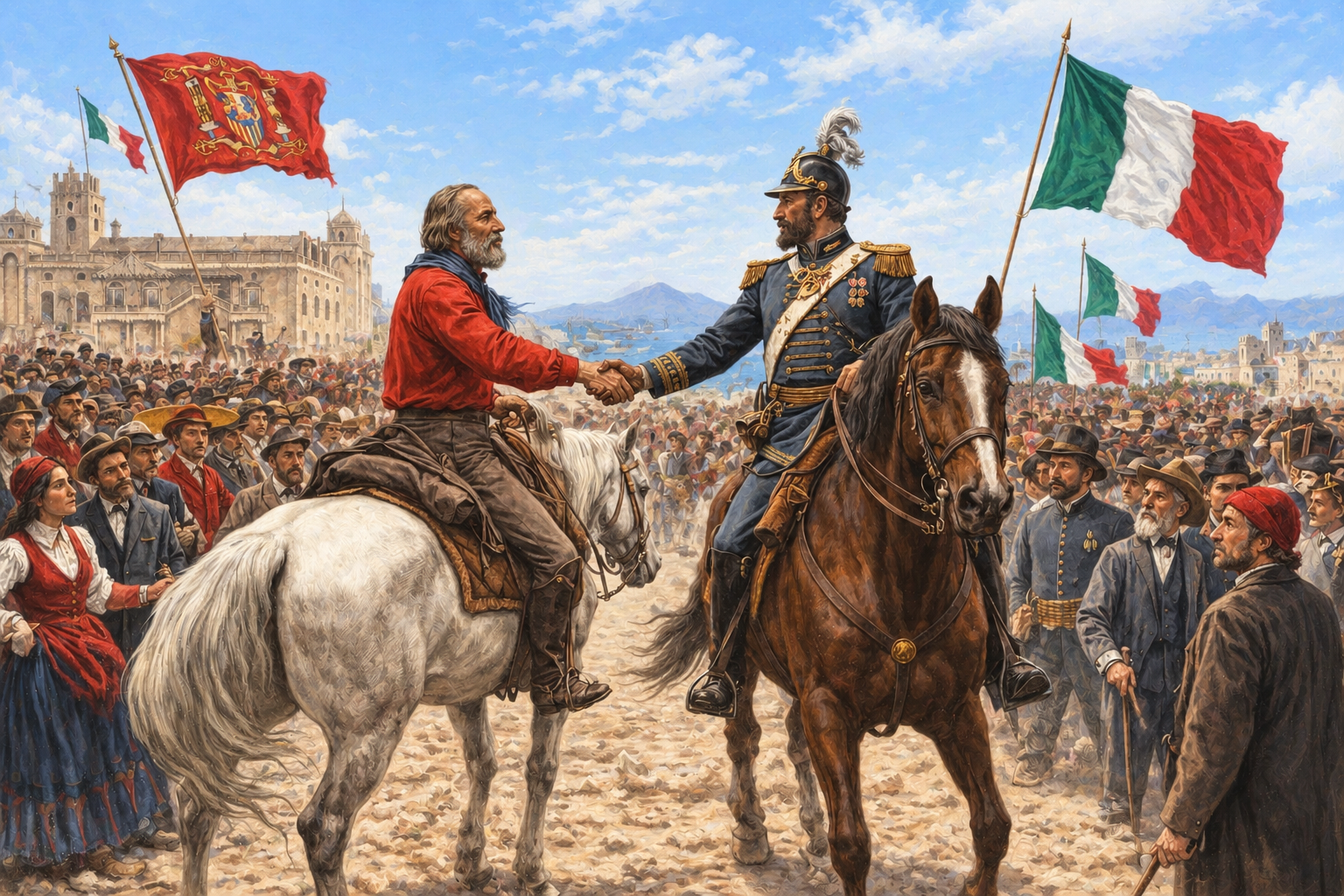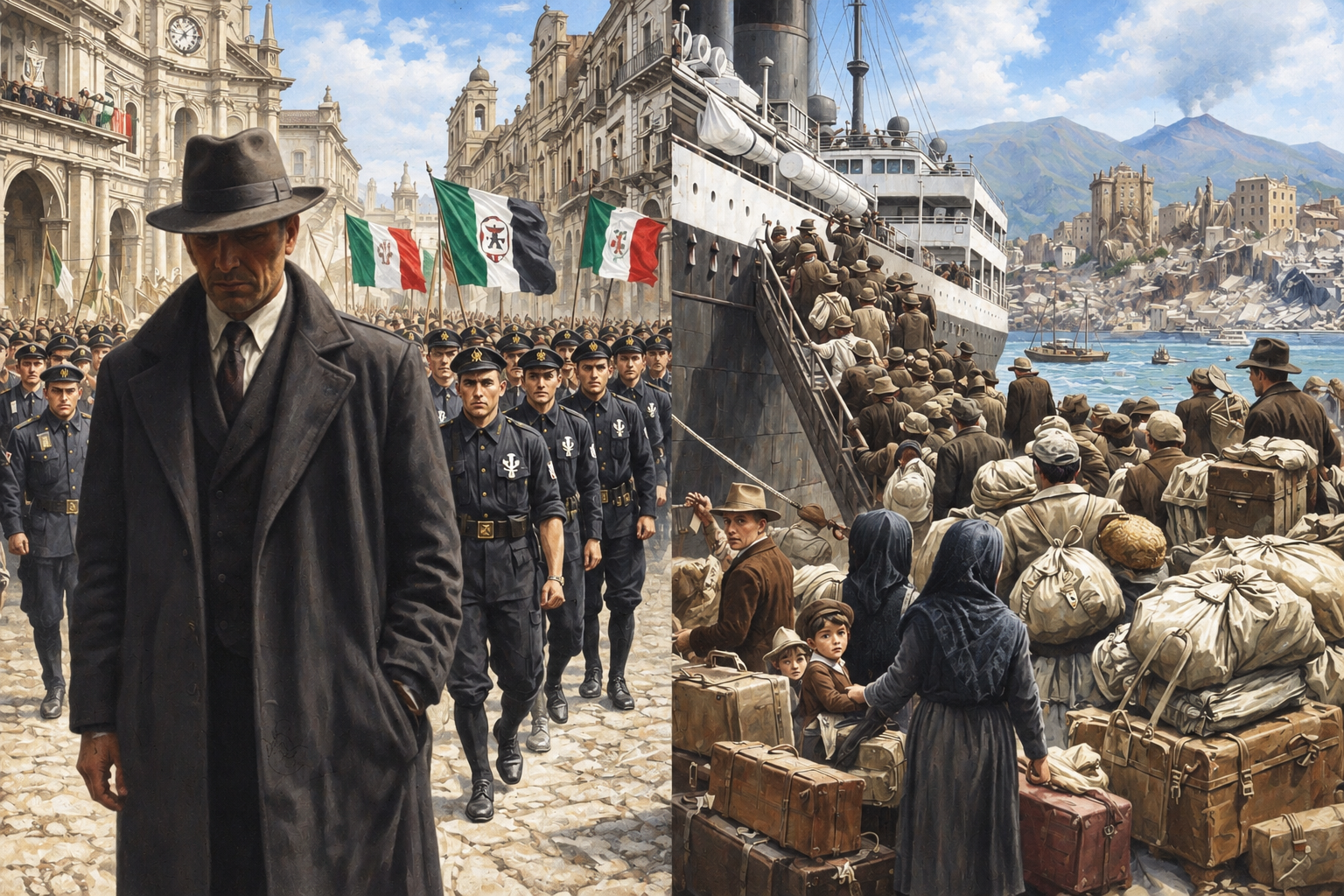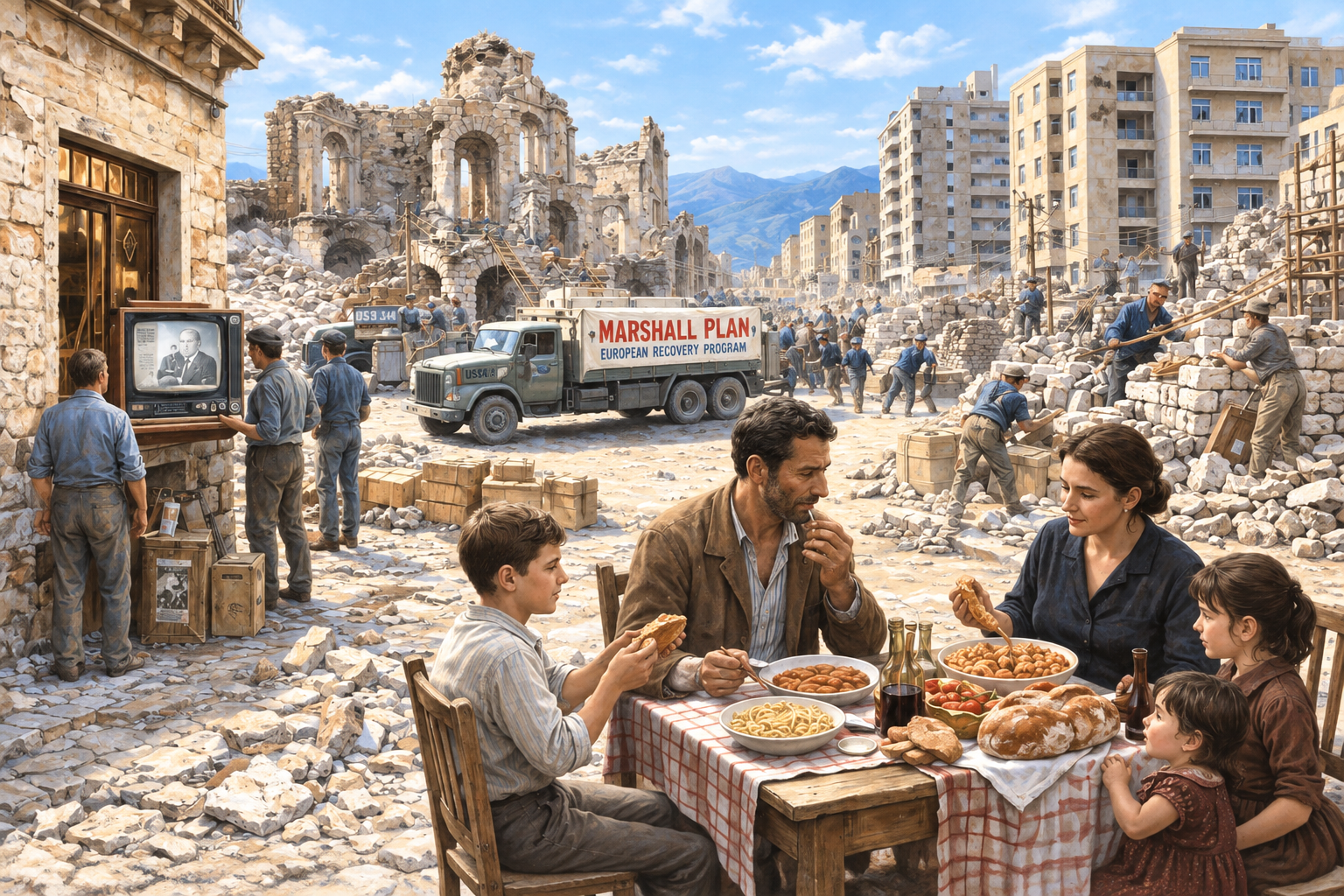


Far from romanticizing this early period of Italian unification, the chapter examines the harsh realities that followed for the Sicilian people. The new Kingdom of Italy was dominated by the banking and business interests within the industrialized northern regions, particularly within Milan, Turin, Florence, Pisa, and Genoa. The first actions of the new Italian government was to immediately abandon all the promised reforms made by Garibaldi to the Sicilian people. Southern Italians were essentially shut out of the new government, their centuries old customs and traditions were ignored, and new foreign northern laws and a institutional frameworks were forced on them without their consent. Taxes were increased on a massive scale, which principally benefitted northern Italian interests. Military conscription was imposed in Sicily. Southern cultural and economic customs and priorities were subordinated to northern ones. The resentment that this generated would ultimately produce localized insurrections, the growth of lawless brigand gangs in the interior, the military occupation of the island by the Italian army, and the rise of the political power of the modern Mafia. The great political turmoil and economic collapse of Sicilian agriculture in the late-19th century resulted in the first Great Italian Migration.
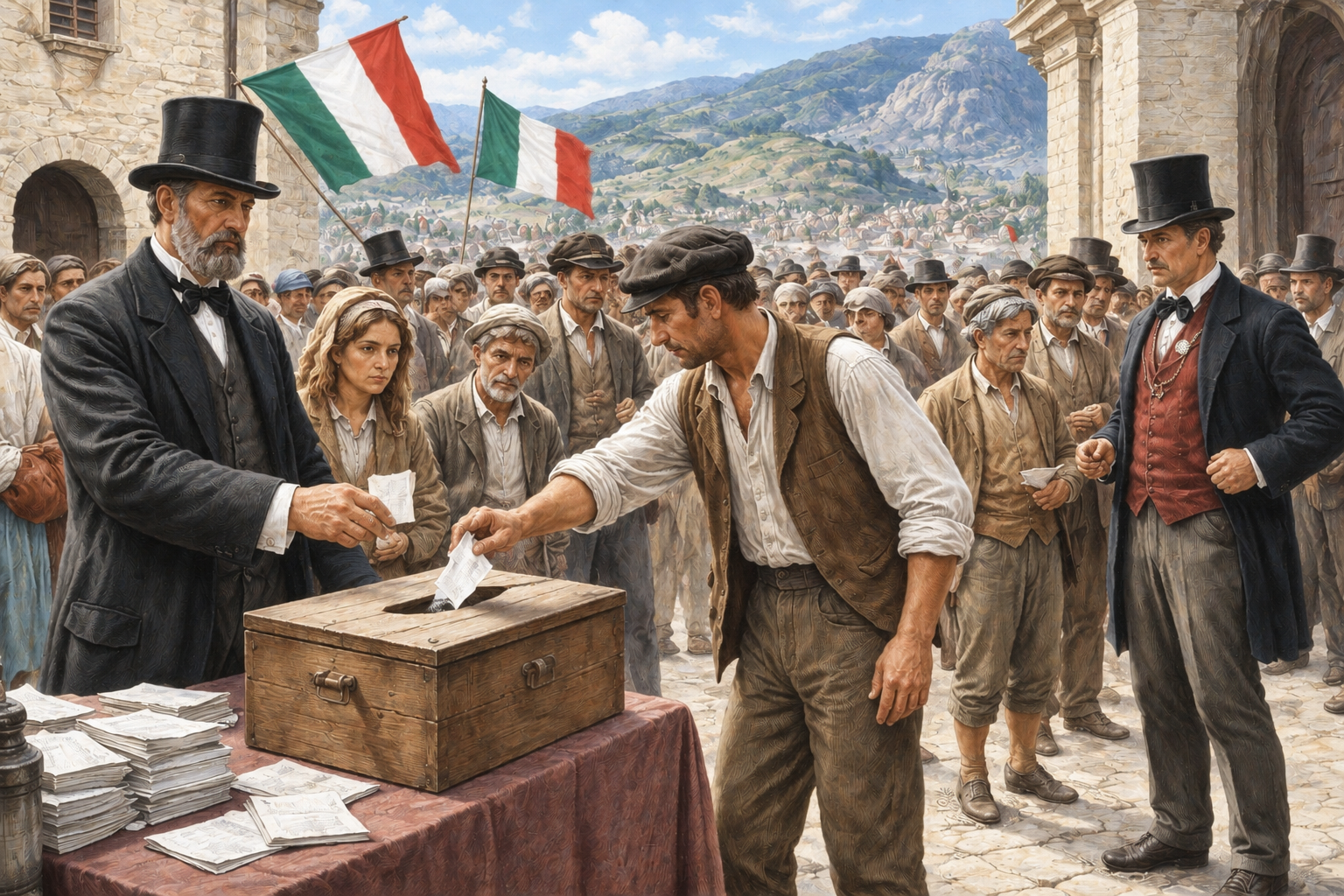
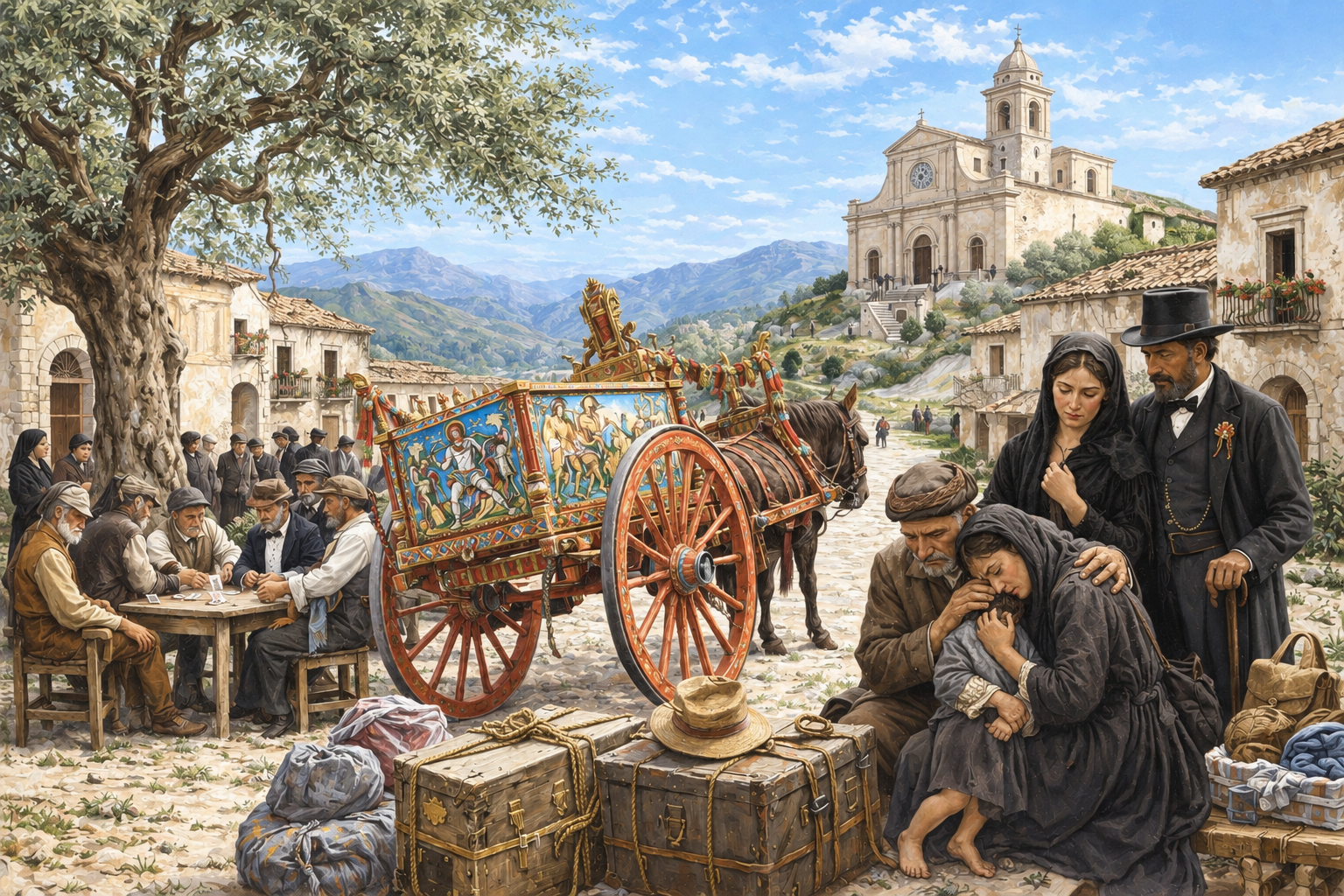
The union of Sicily with the Kingdom of Italy, formalized by plebiscite in October 1860, was initially celebrated in the moment as the end of despised foreign Bourbon rule, and the beginning of a new era of freedom and prosperity. However, Sicilians became quickly disillusioned and resentful, and began seeing the new Italian government in Rome as just another oppressive foreign power. The union had not brought the promised freedom and prosperity to Sicily. It had brought higher taxes, compulsory military service, an agricultural crisis, and an economic depression leading to mass emigration.
The new Italian state had inherited the economic problems of the Kingdom of the Two Sicilies — particularly Sicily’s feudal landholding system — but did little to solve them. Indeed, in some ways the new Italian government made Sicily’s economic situation worse. The demand by northern Italian industrialist for free trade within the new unified global market crippled Sicilian agriculture and Sicily’s few commercial industries. Sicilian wheat, still farmed using archaic feudal methods, had historically been protected from foreign competition by a complex system of high Bourbon tariffs. Unable to compete in an open market with cheaper American and Russian wheat, Sicilian agriculture collapsed.
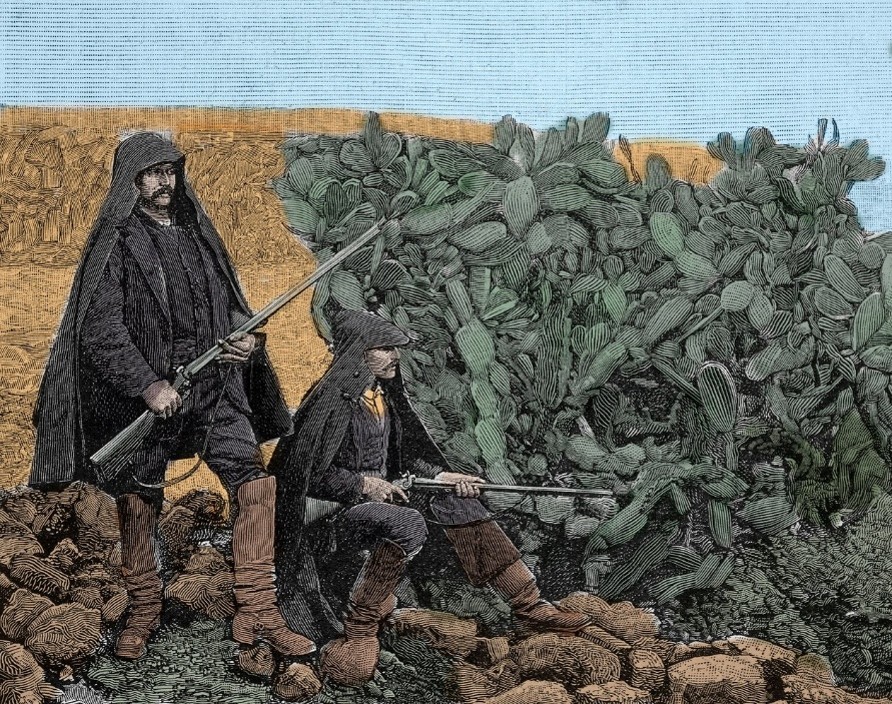
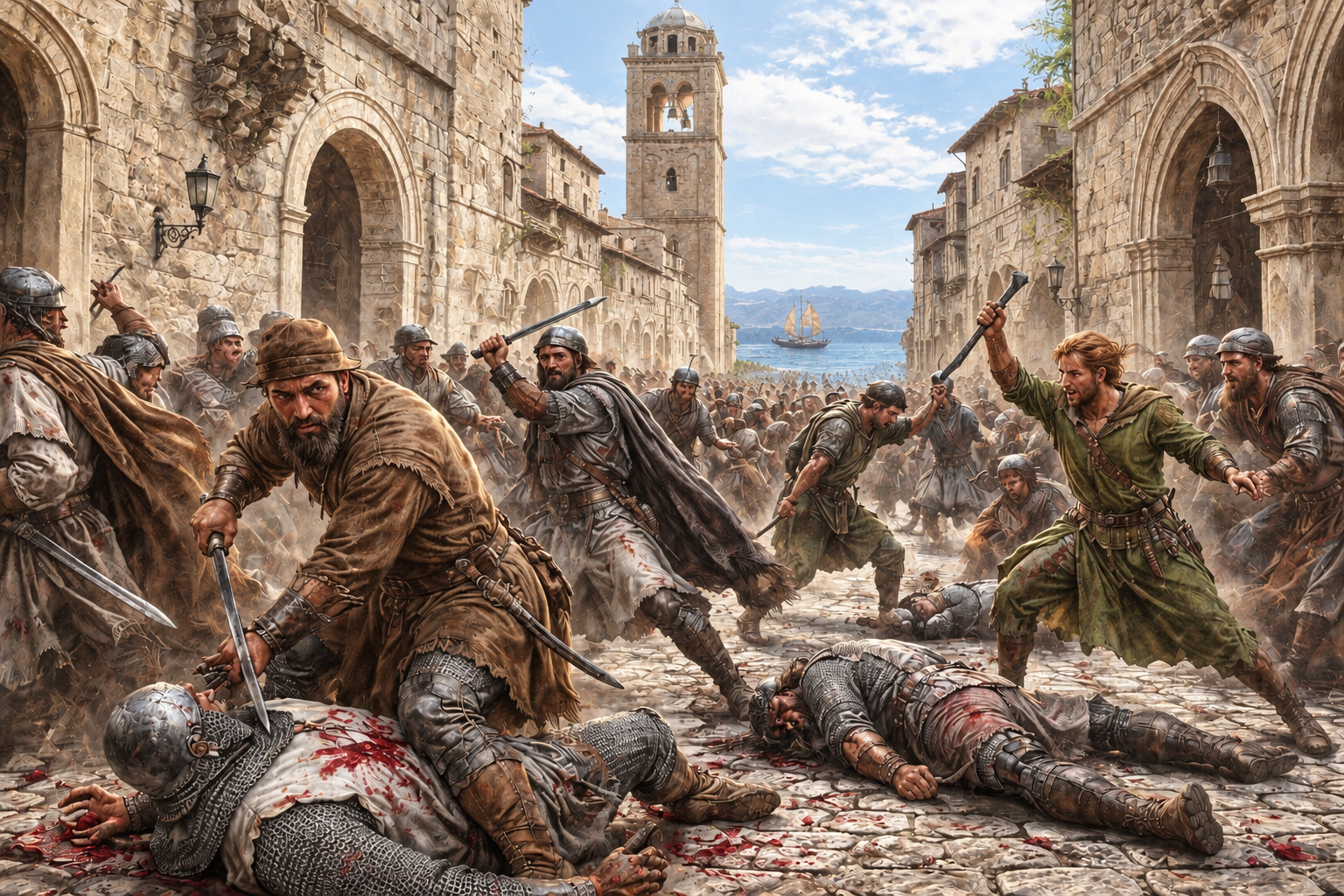
The chapter also covers the explosion of lawlessness in the Sicilian interior, the Brigand Wars of the 1860s, a violent resistance by poor peasants, displaced Bourbon loyalists, and deserters fleeing compulsory military service. This growing resistance to the new Italian order was met by military force, as the government in Rome dispatched a sizable army to occupy Sicily The political chaos and fierce local resentment of this “foreign” invasion greatly benefited the explosive growth of the modern which capitalized on the people’s resentment and the vacuum of legitimate state authority in Sicily. The chapter also covers the agricultural crisis of the 1880s and 1890s, when a combination of declining wheat prices, crushing tax burdens, and rural despair triggered the Great Italian Migration that would dominate the next half-century of Sicilian history.