Seven UNESCO World Heritage Sites. One Island.
Sicily contains more UNESCO World Heritage Sites than most countries. Here is what the world has recognized — and why.
When UNESCO inscribes a site on its World Heritage List, it is saying something definitive: this place belongs not just to one country but to humanity. It represents the peak of human creativity, the depth of human history, or the irreplaceable beauty of the natural world. Sicily has seven such sites. For an island of five million people, this is an extraordinary concentration — more than Greece has in many of its regions, more than most Italian regions combined, more than entire small nations.
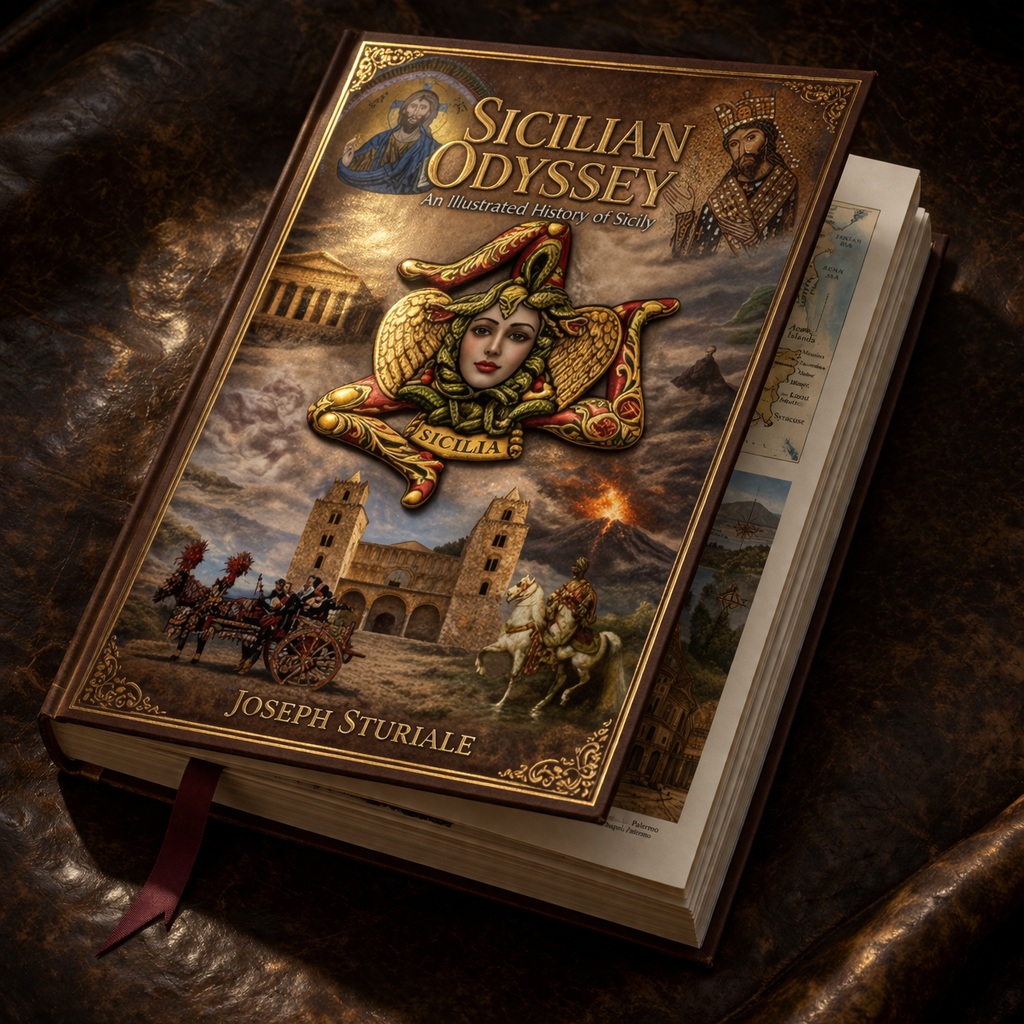
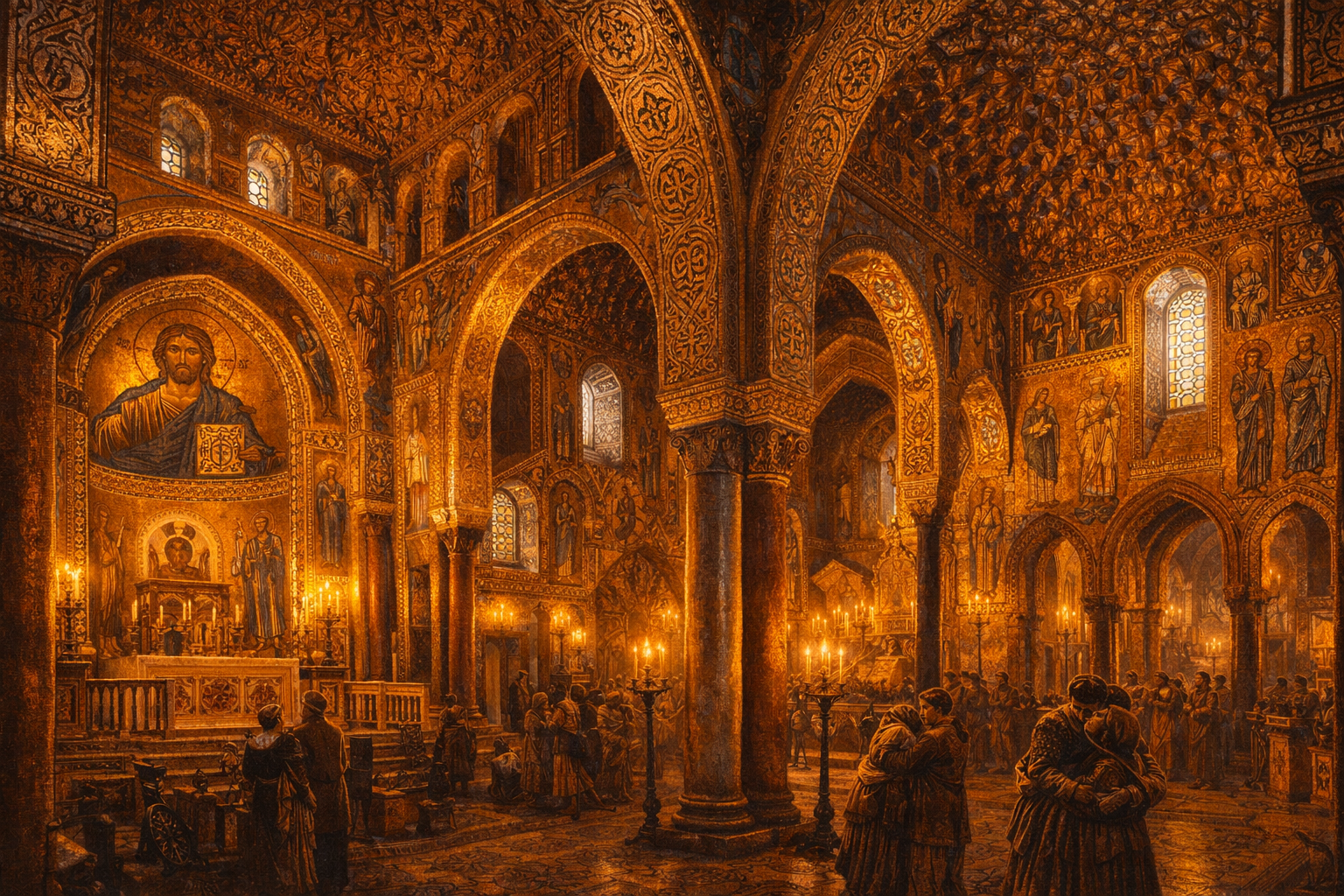
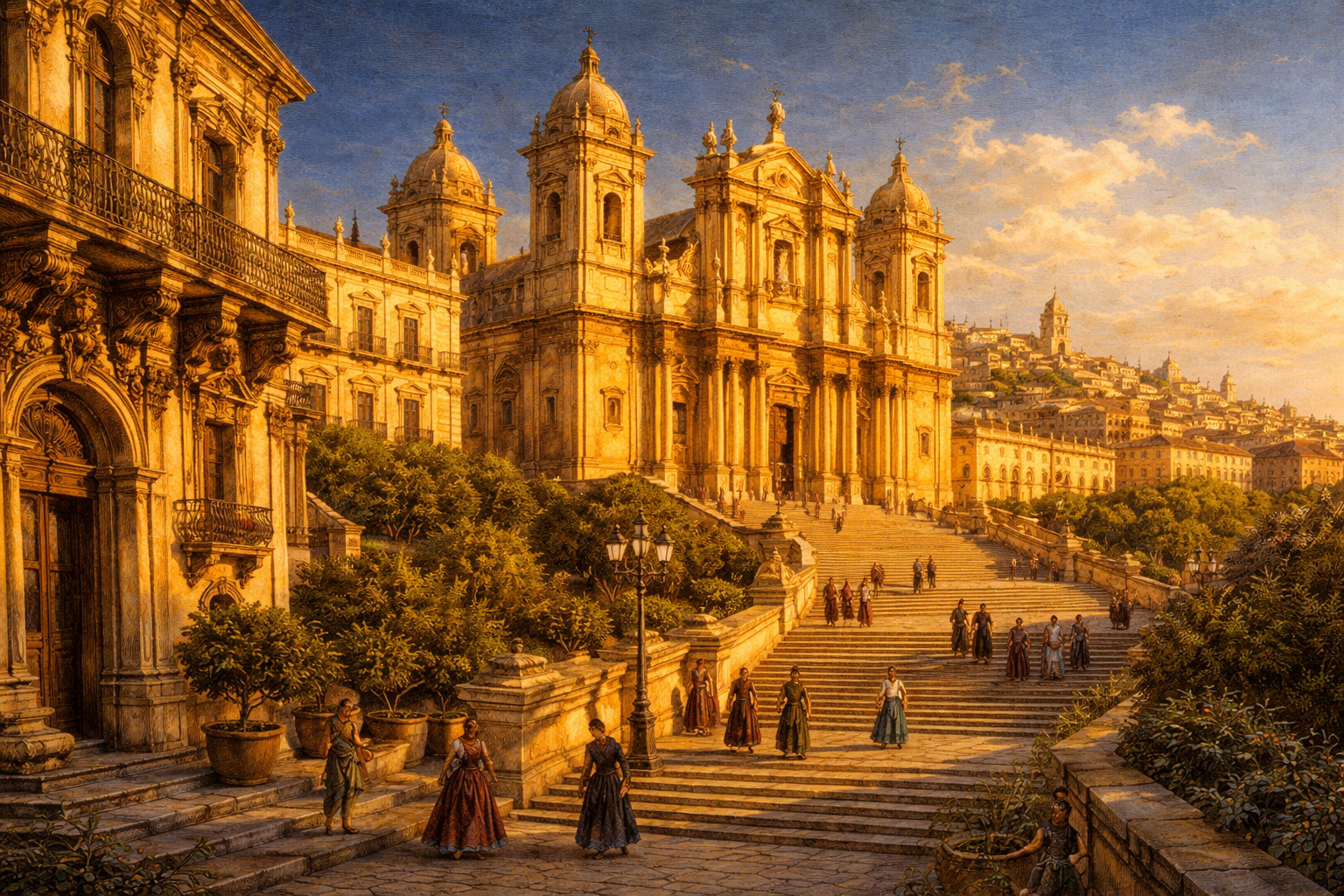
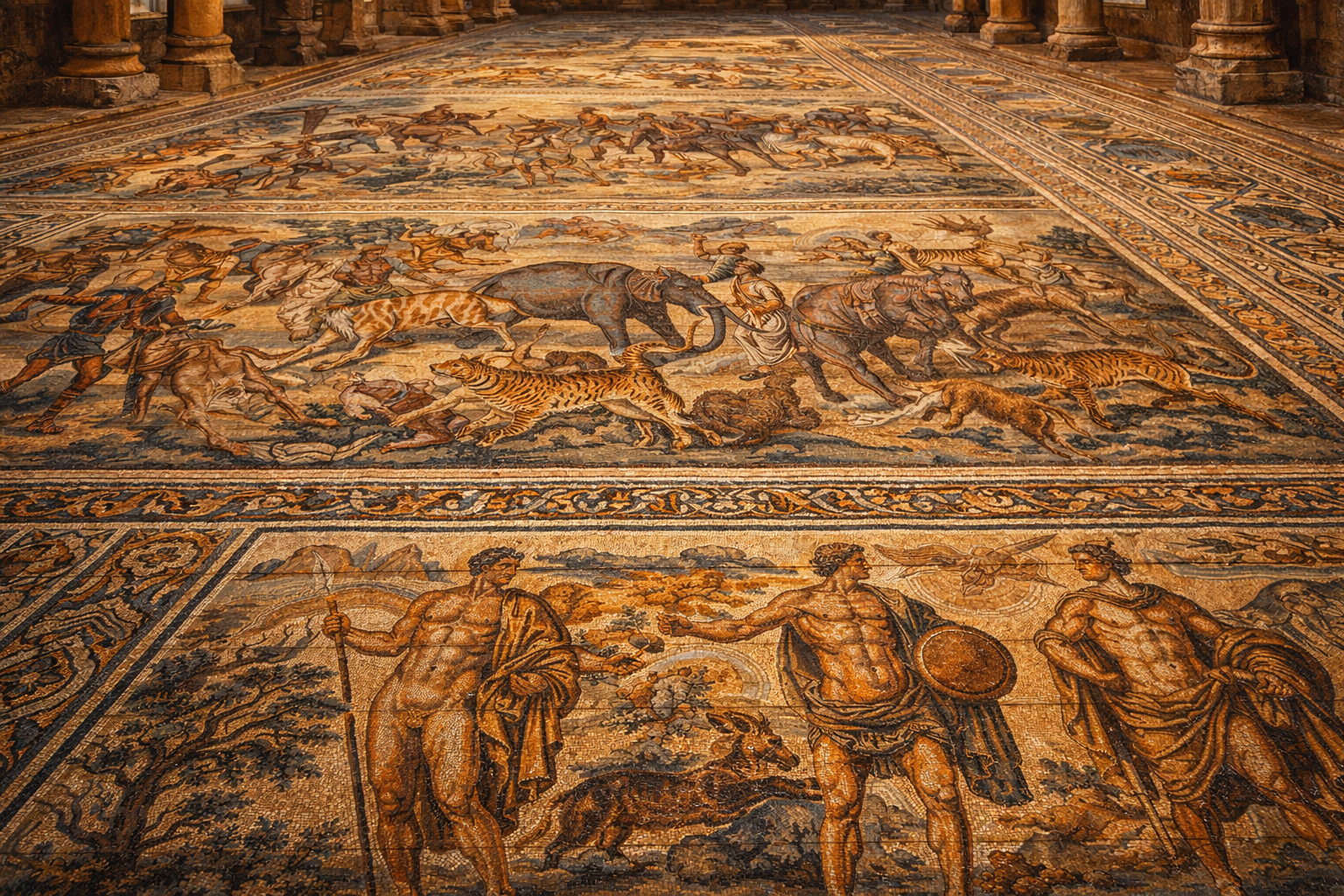
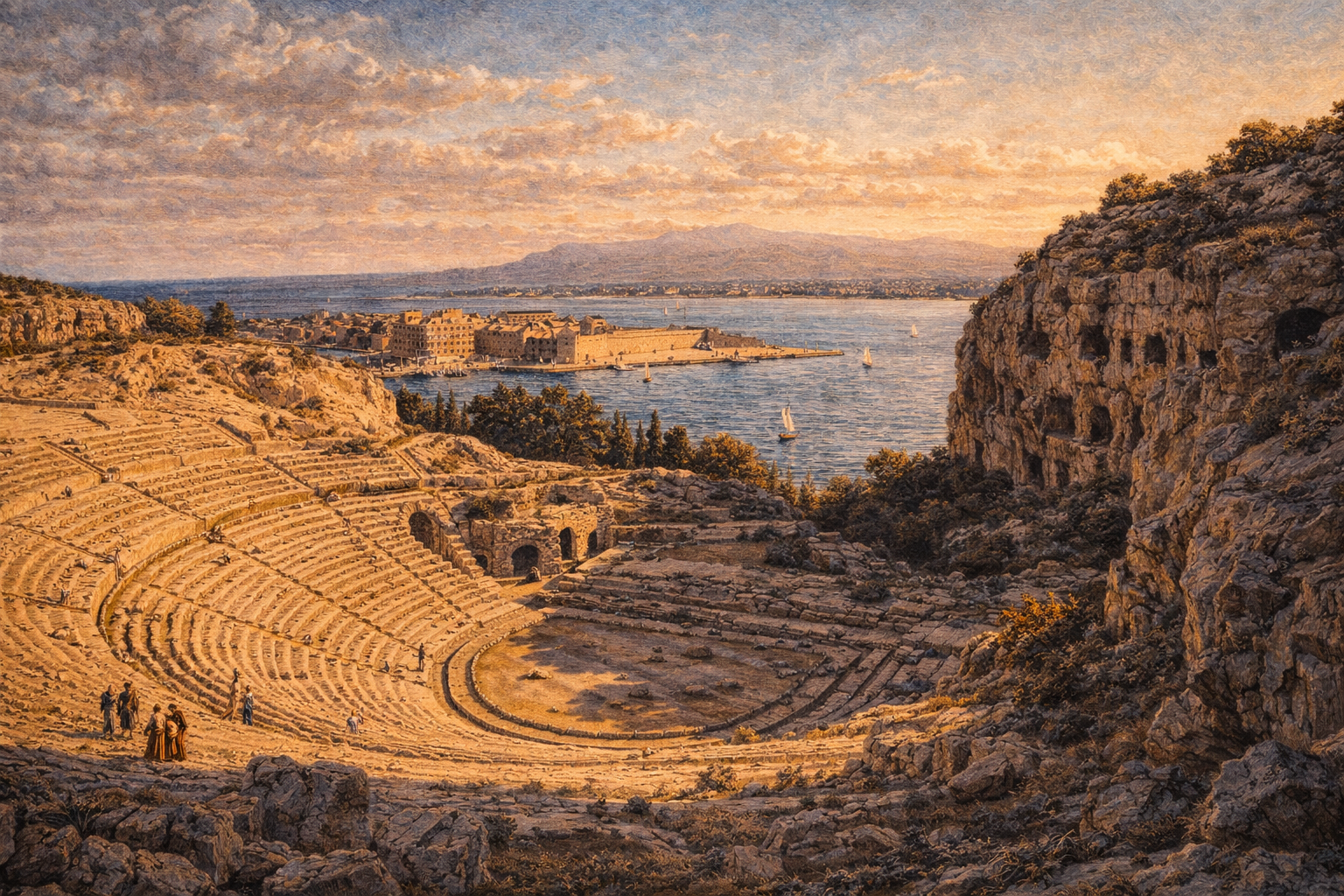
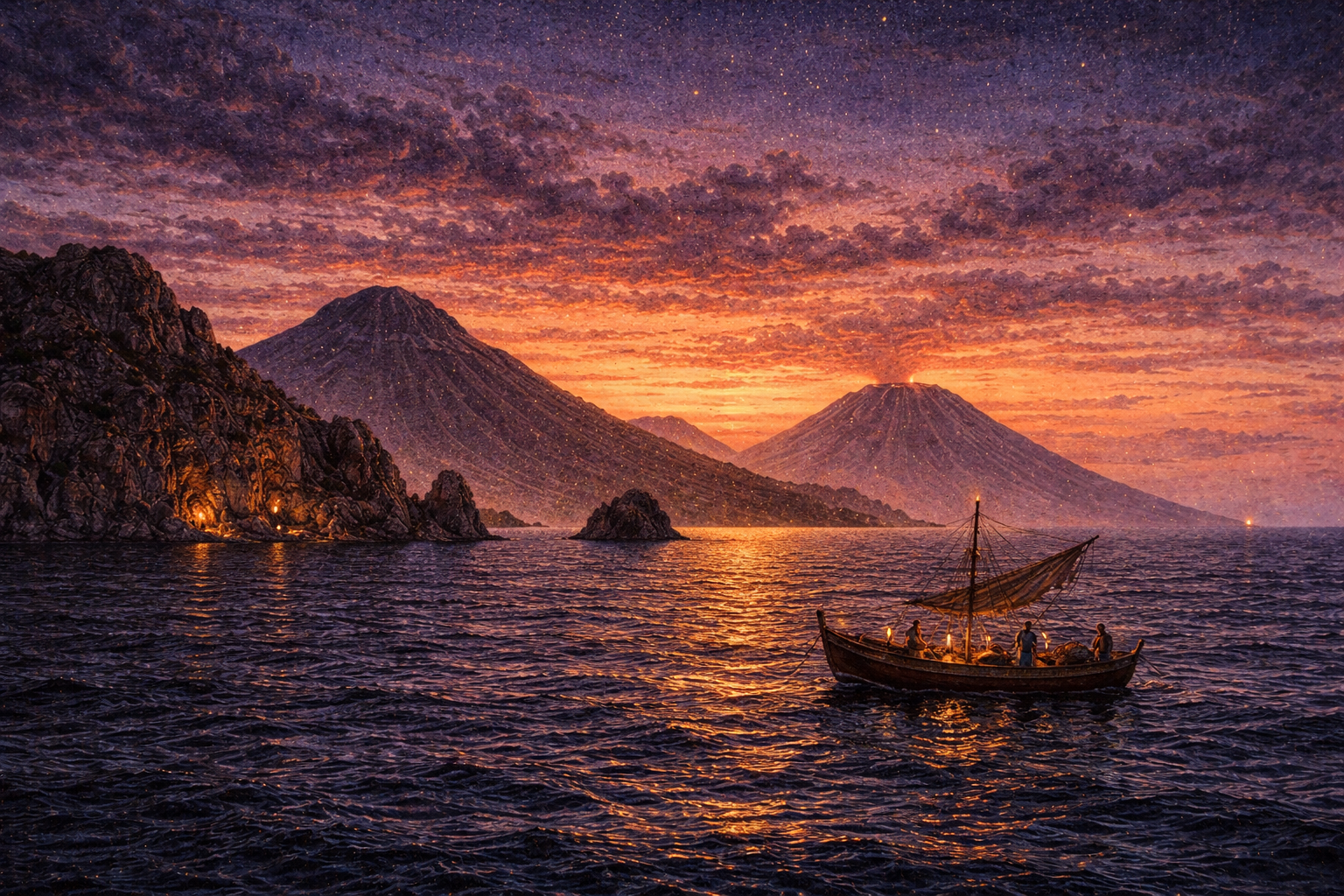
These seven sites tell a story that cannot be told anywhere else. Greek temples that still stand 2,500 years after they were built. Roman mosaics preserved under volcanic mud. Arab-Norman cathedrals whose walls blaze with gold. Baroque cities rebuilt after an earthquake leveled them in a single morning. An ancient Greek city overlaid with layer upon layer of civilization. A volcano that has been erupting continuously for as long as humans have kept records. Volcanic islands born from the sea. Each of these sites is a chapter in the Sicilian odyssey — and each is open to visitors today.
It is a long established fact that a reader will be distracted
A focused traveler can visit all seven UNESCO sites in a well-planned 10-14 day tour of Sicily. Doing so will take you across the island — from Palermo in the northwest to Syracuse in the southeast, from Agrigento on the south coast to the Aeolian Islands off the north coast, from the Baroque cities of the south to Mount Etna rising above the east. You will drive through ancient landscapes. You will eat in towns whose foundations predate Rome. You will stand before art that has survived earthquakes, invasions, and the slow erosion of centuries. By the end of the journey, you will understand Sicily in a way that no book, including this one, can fully convey.