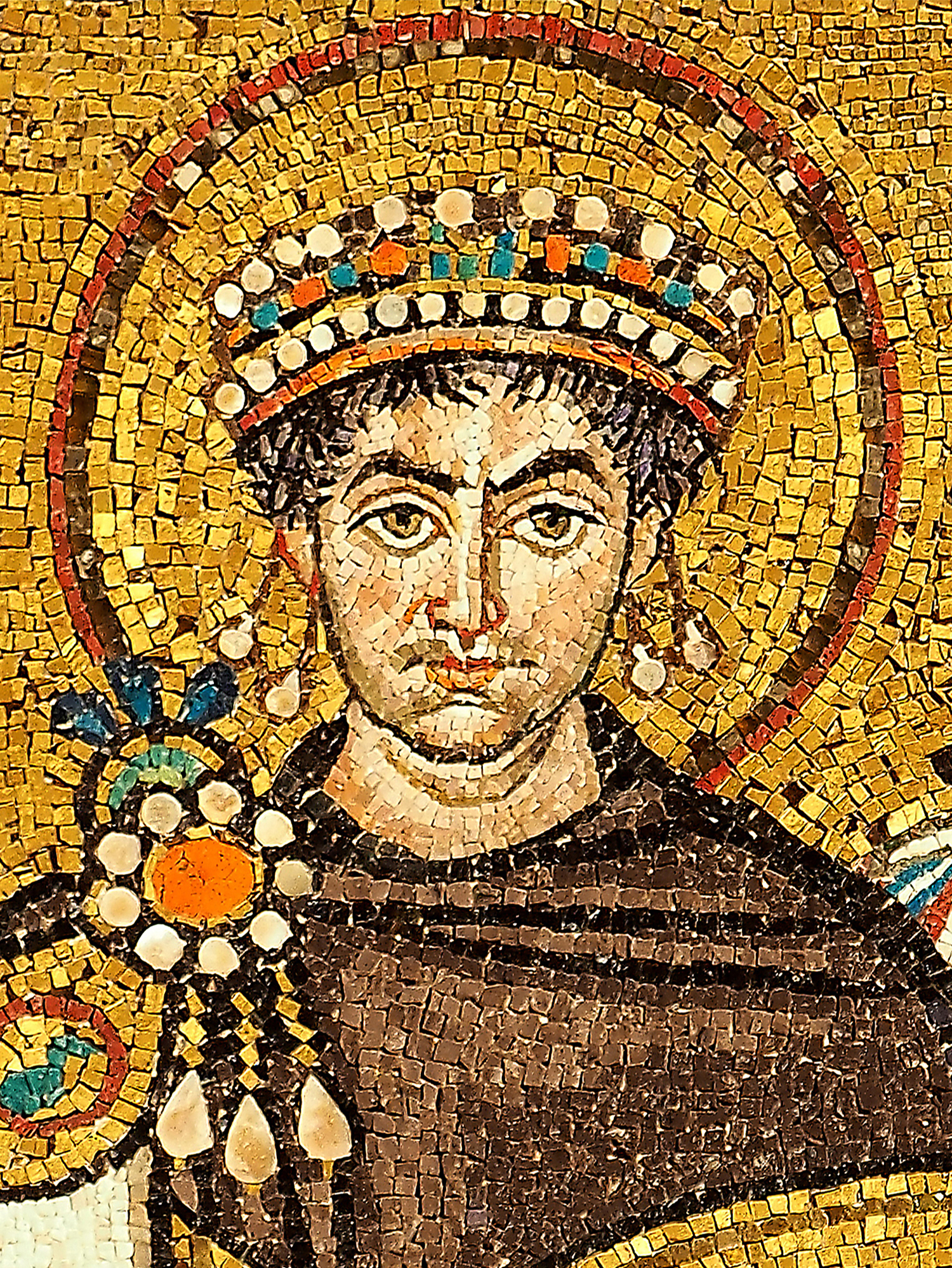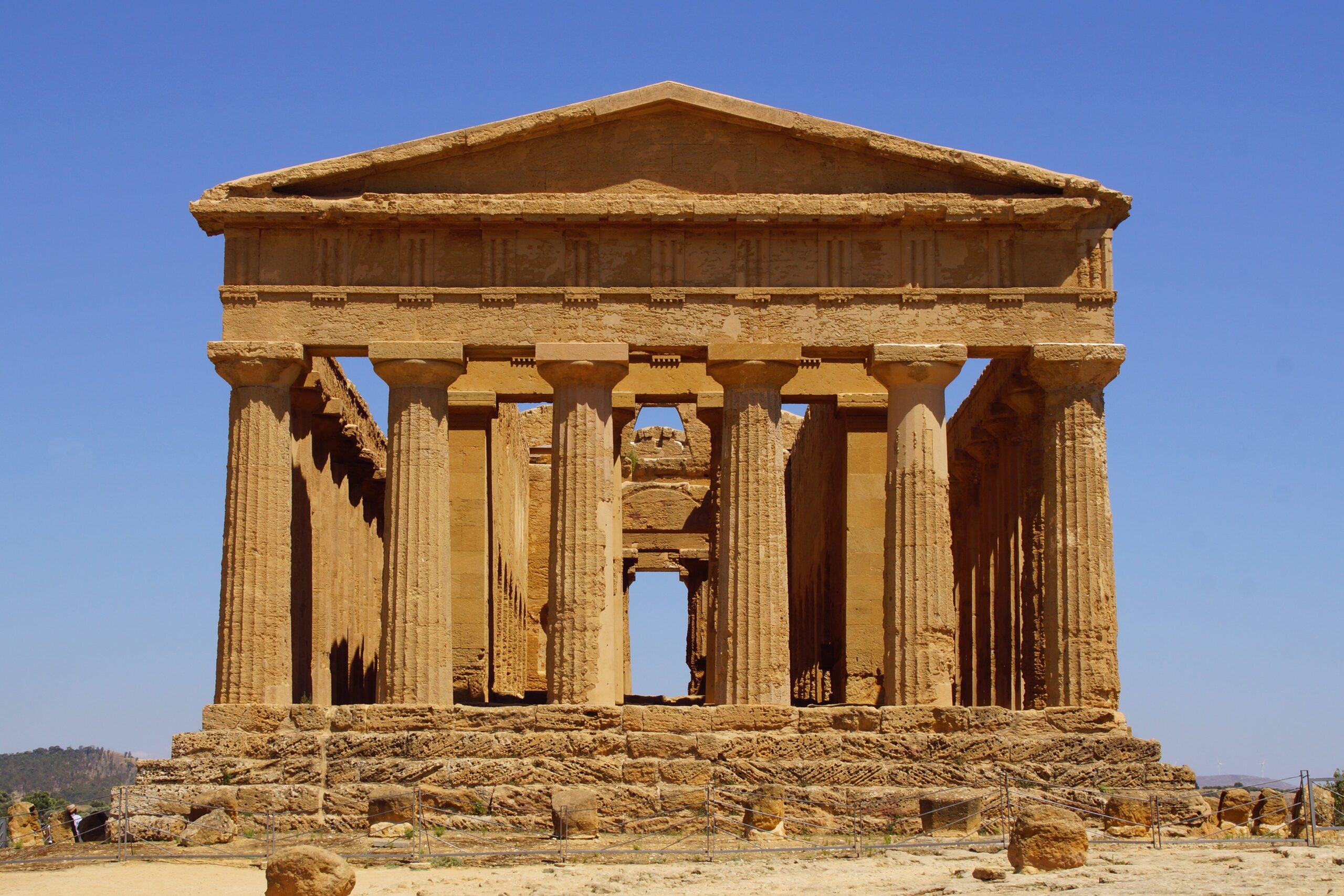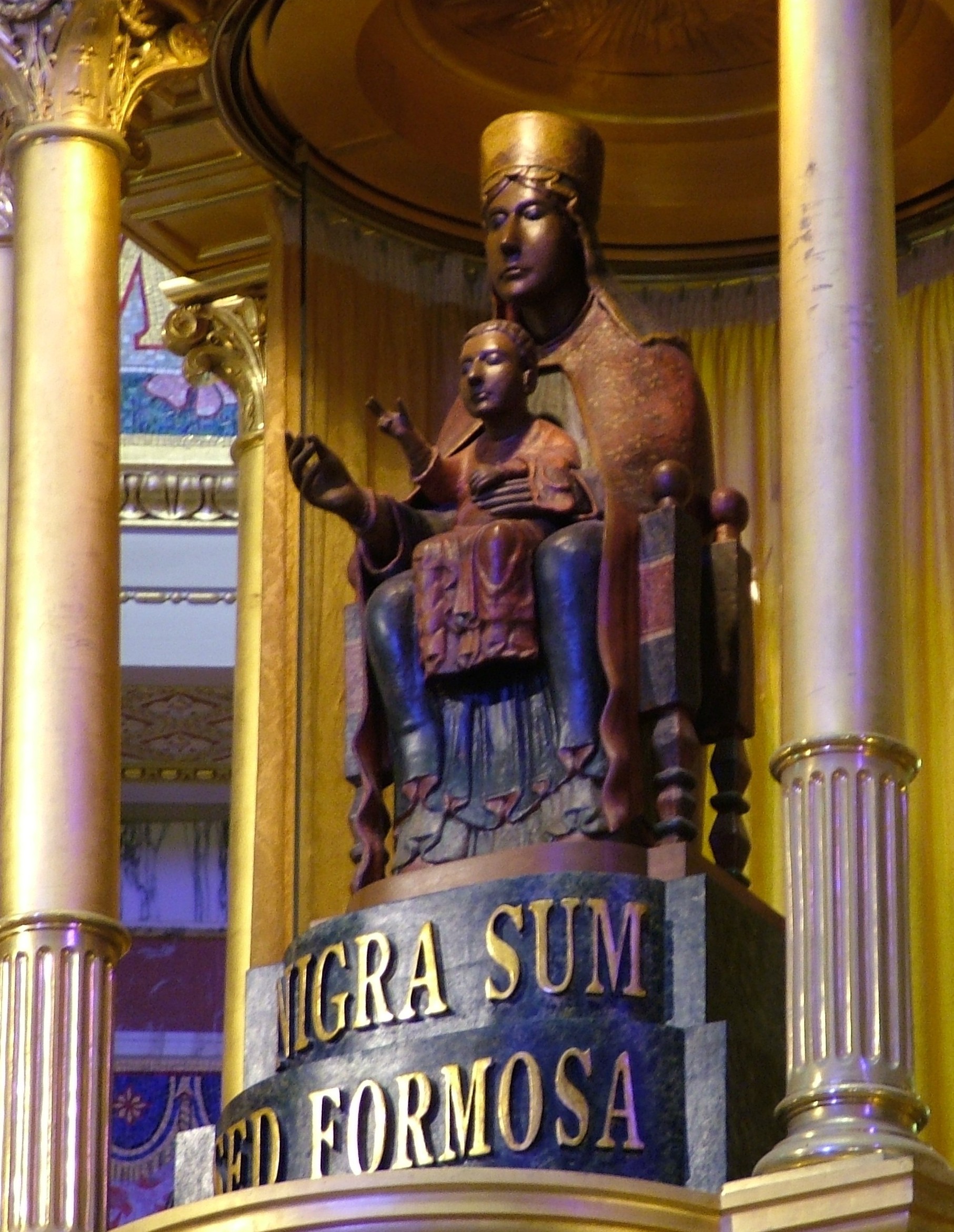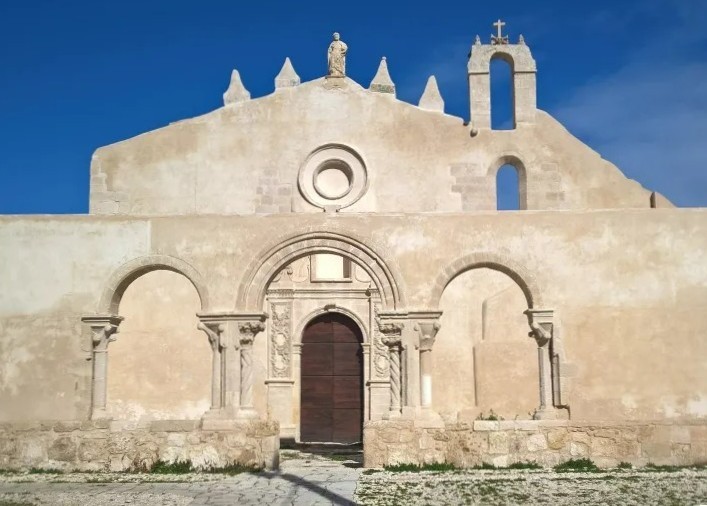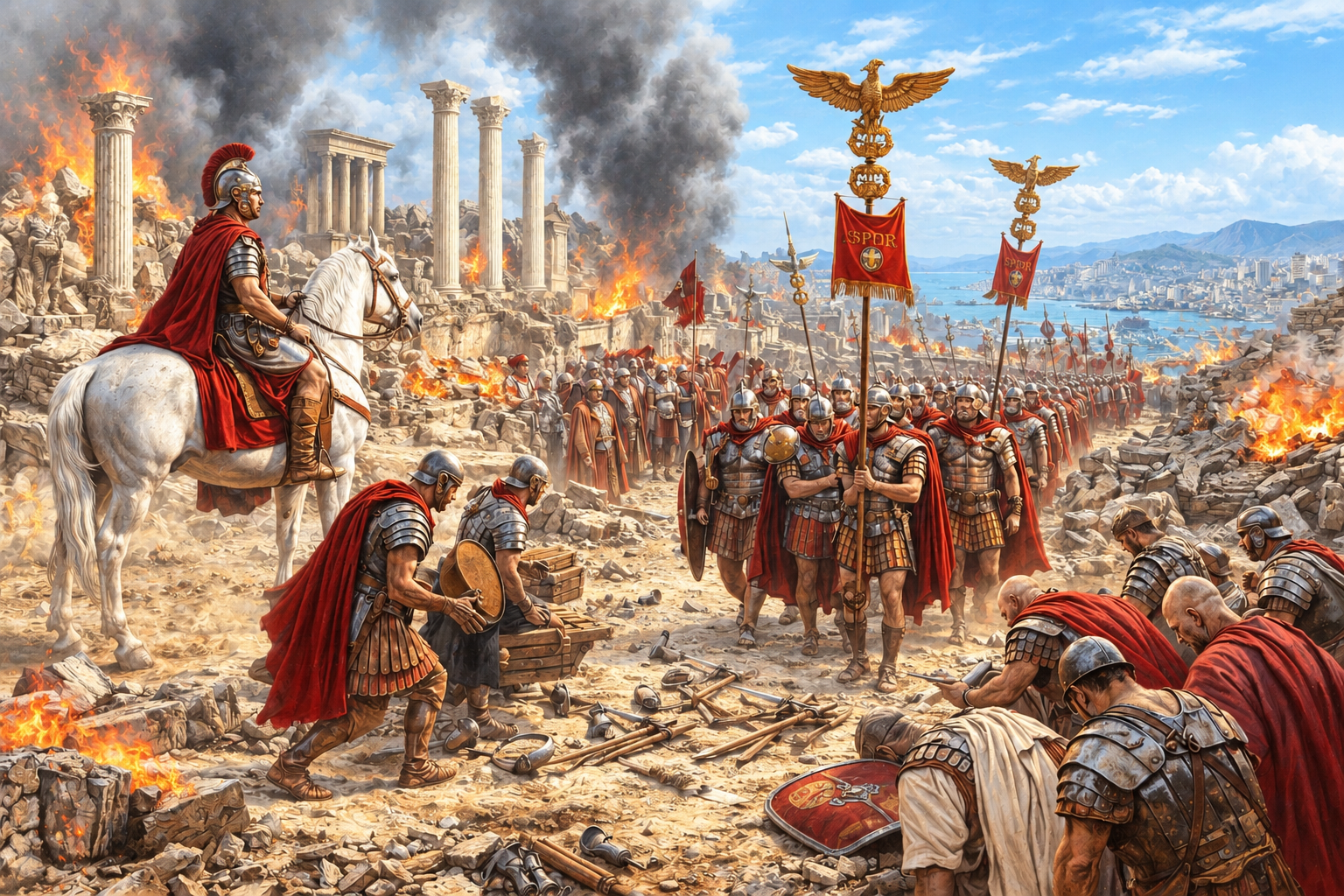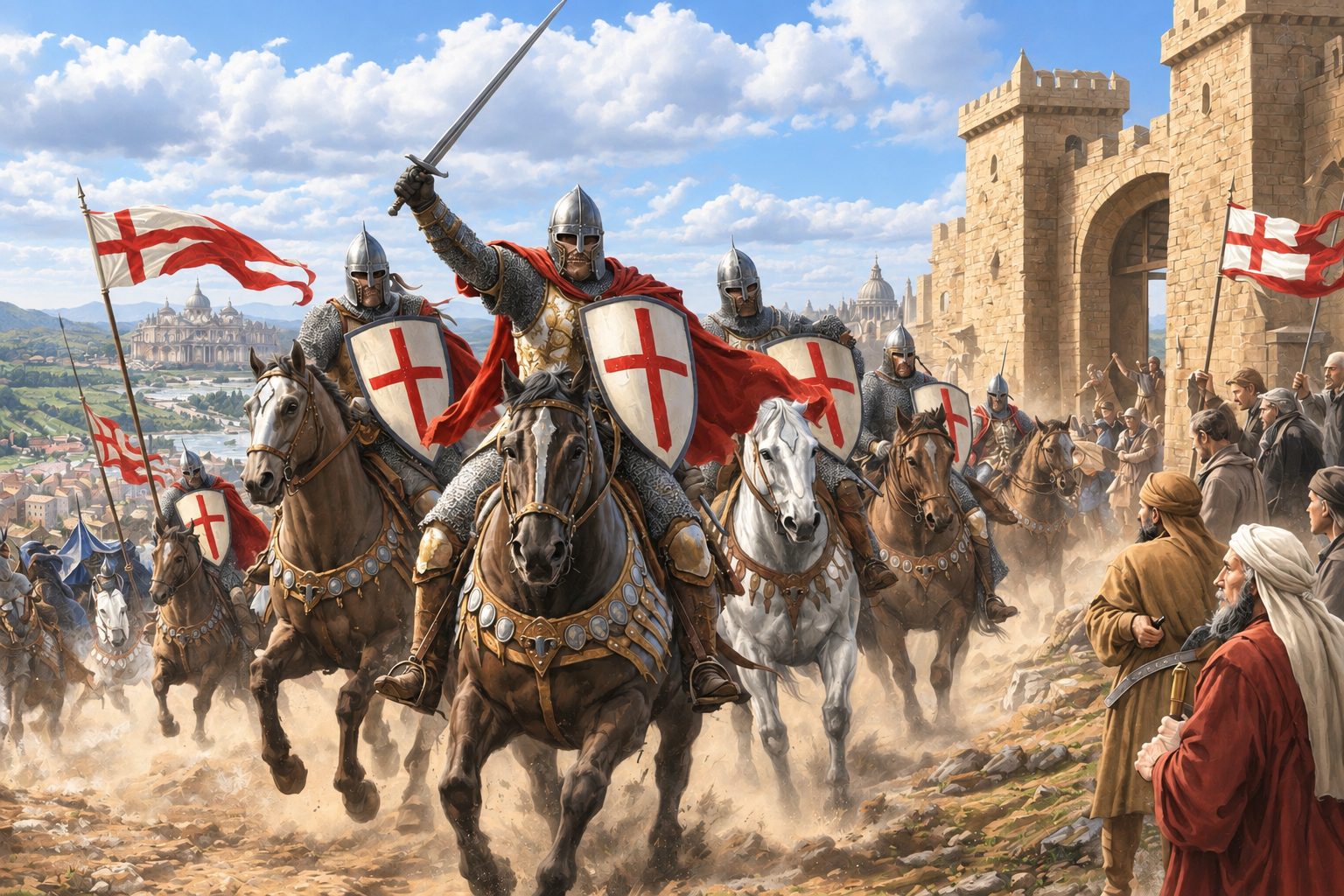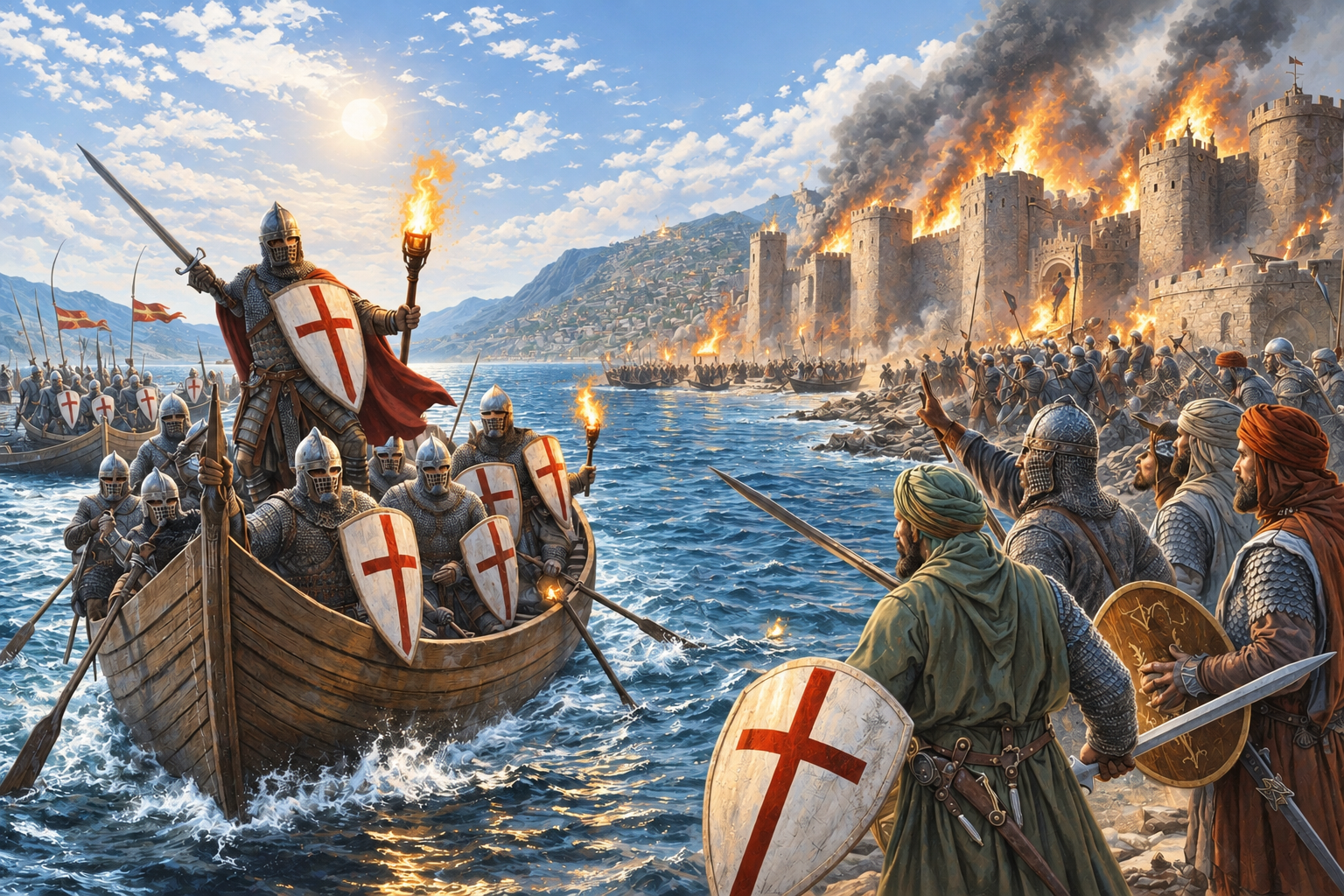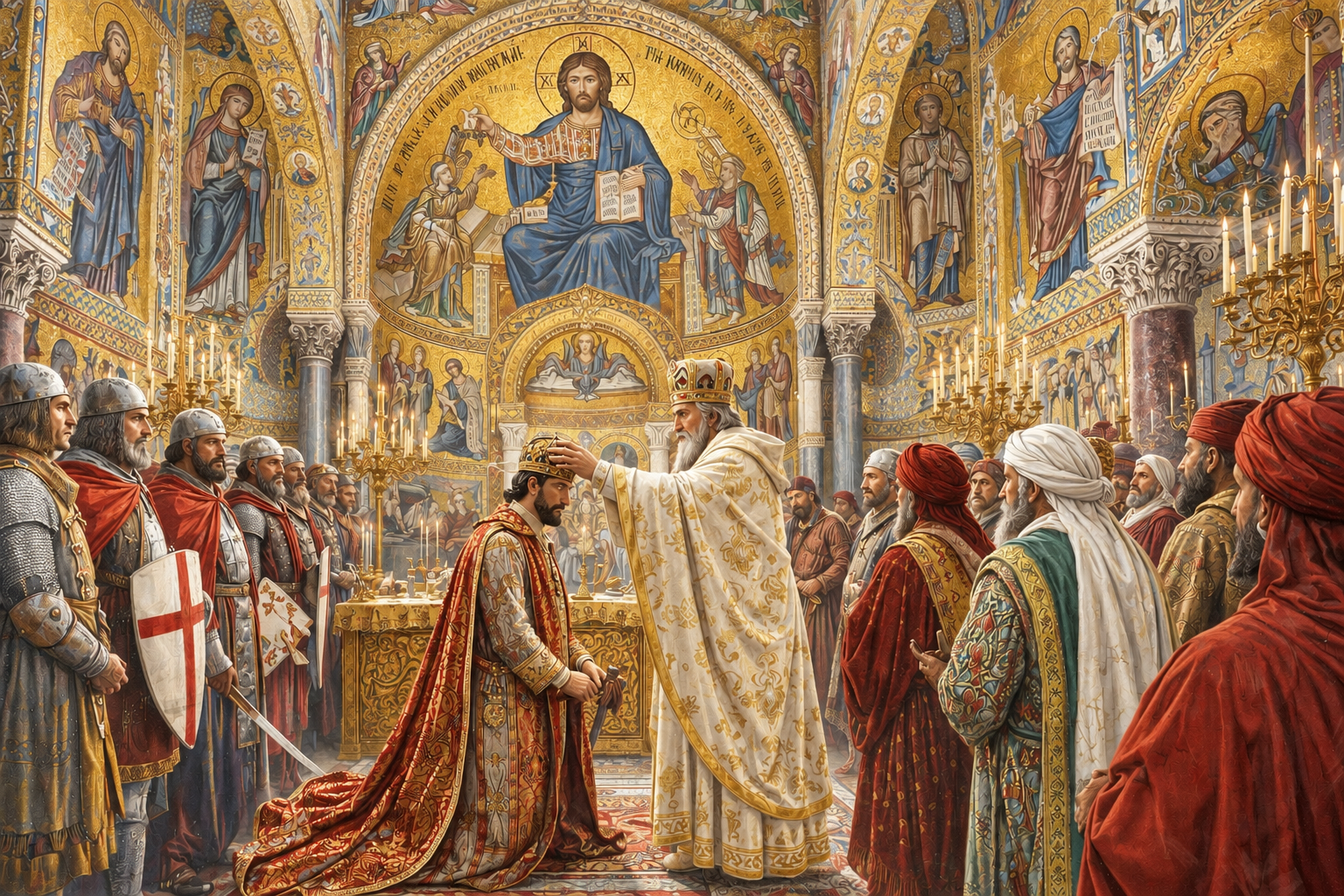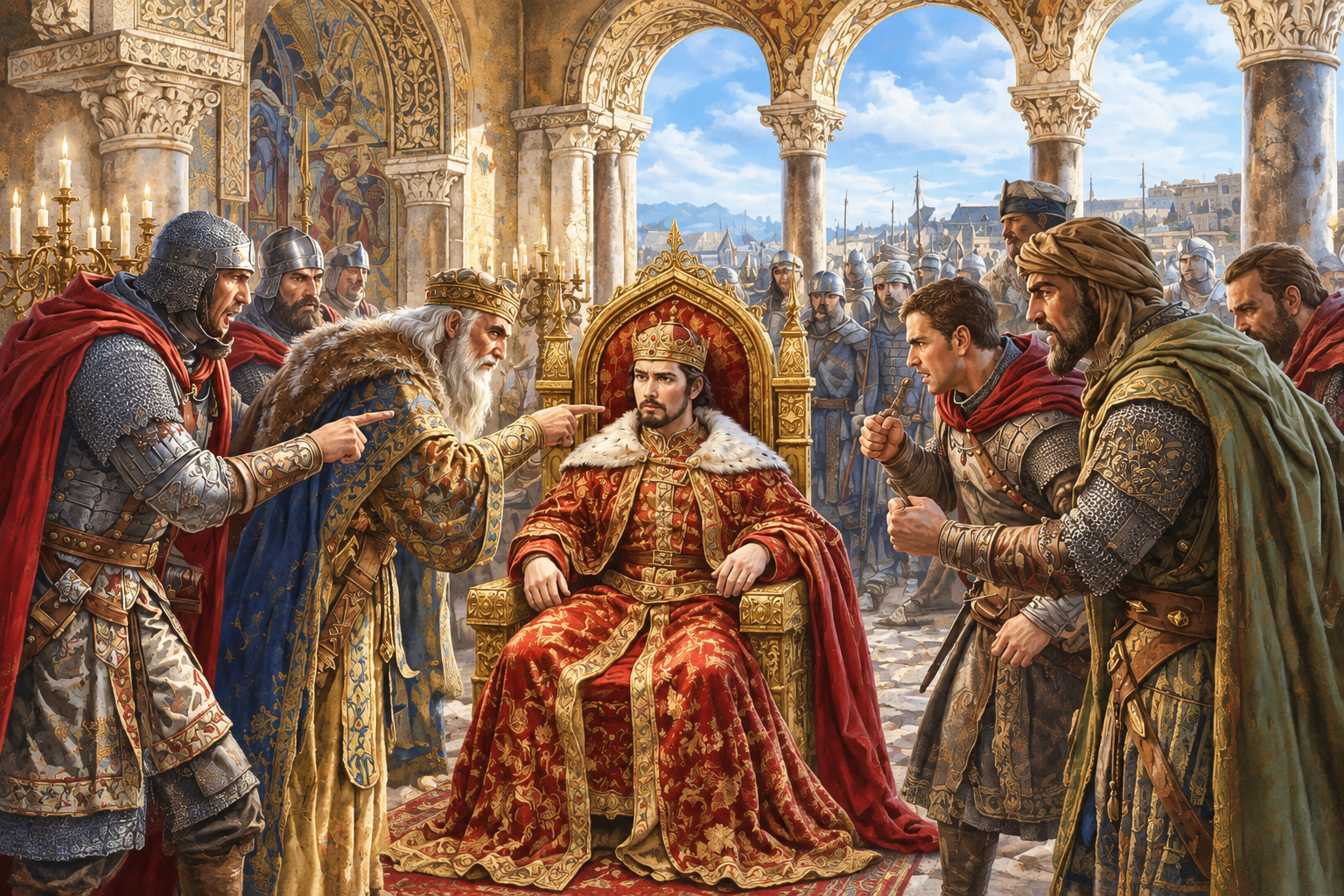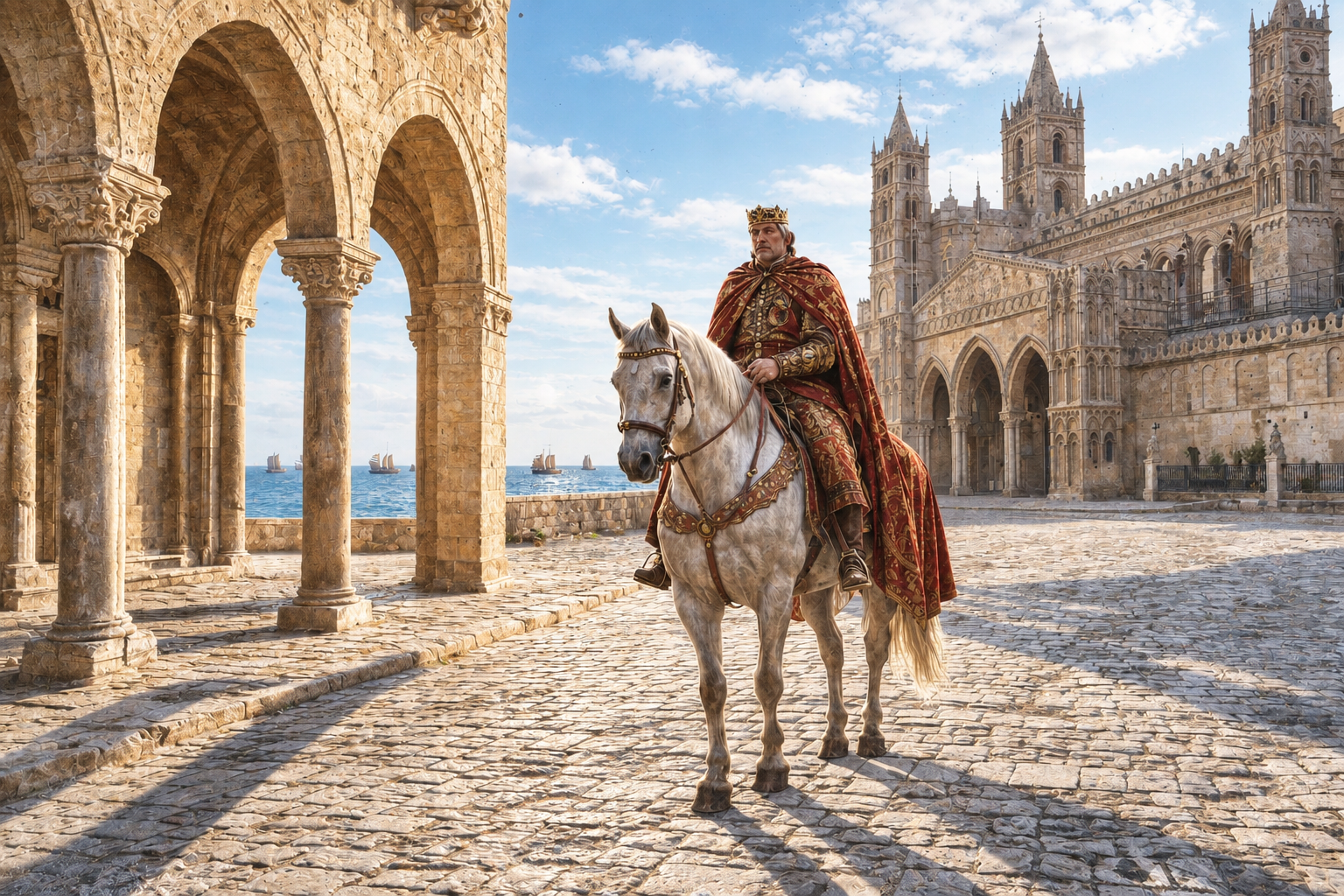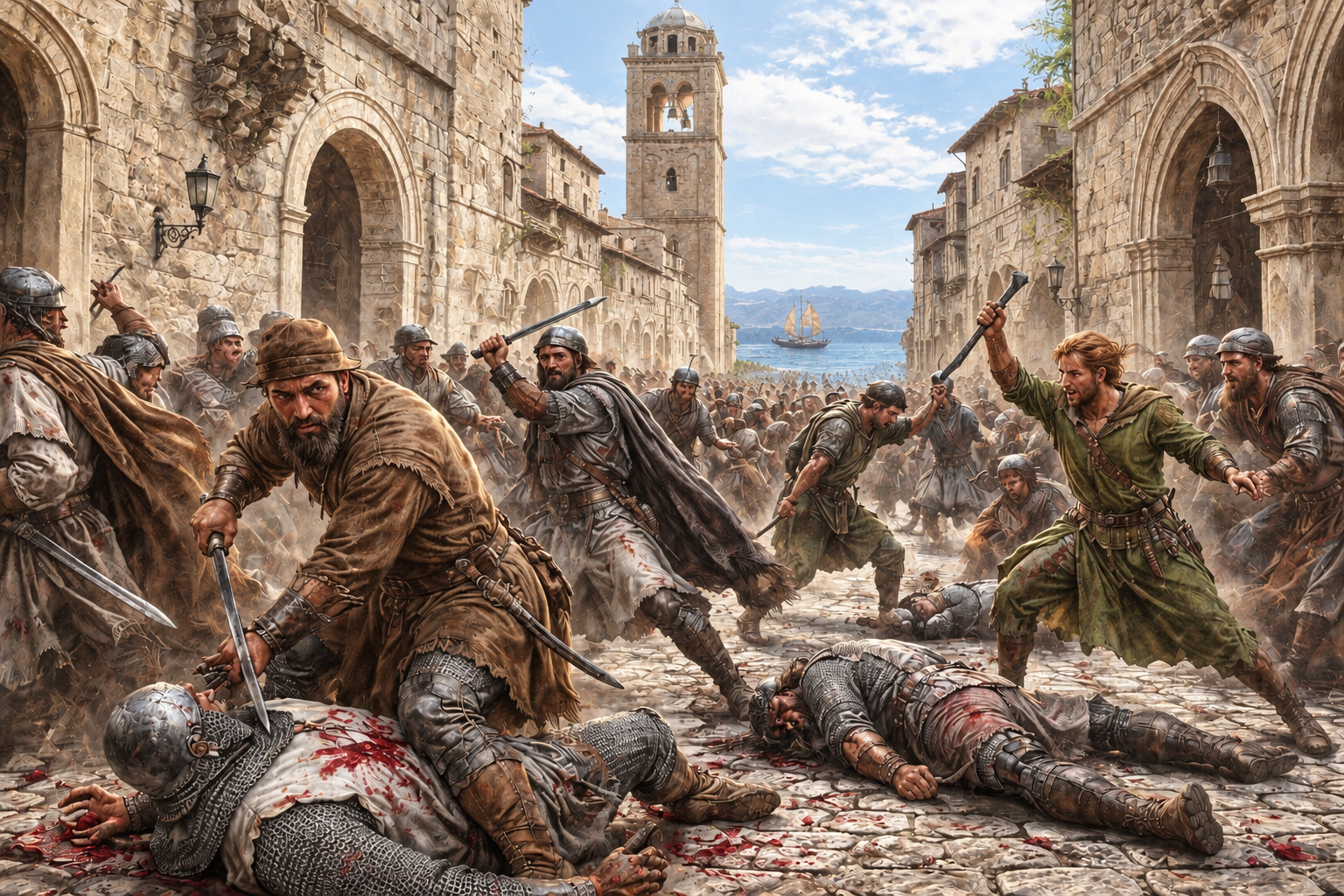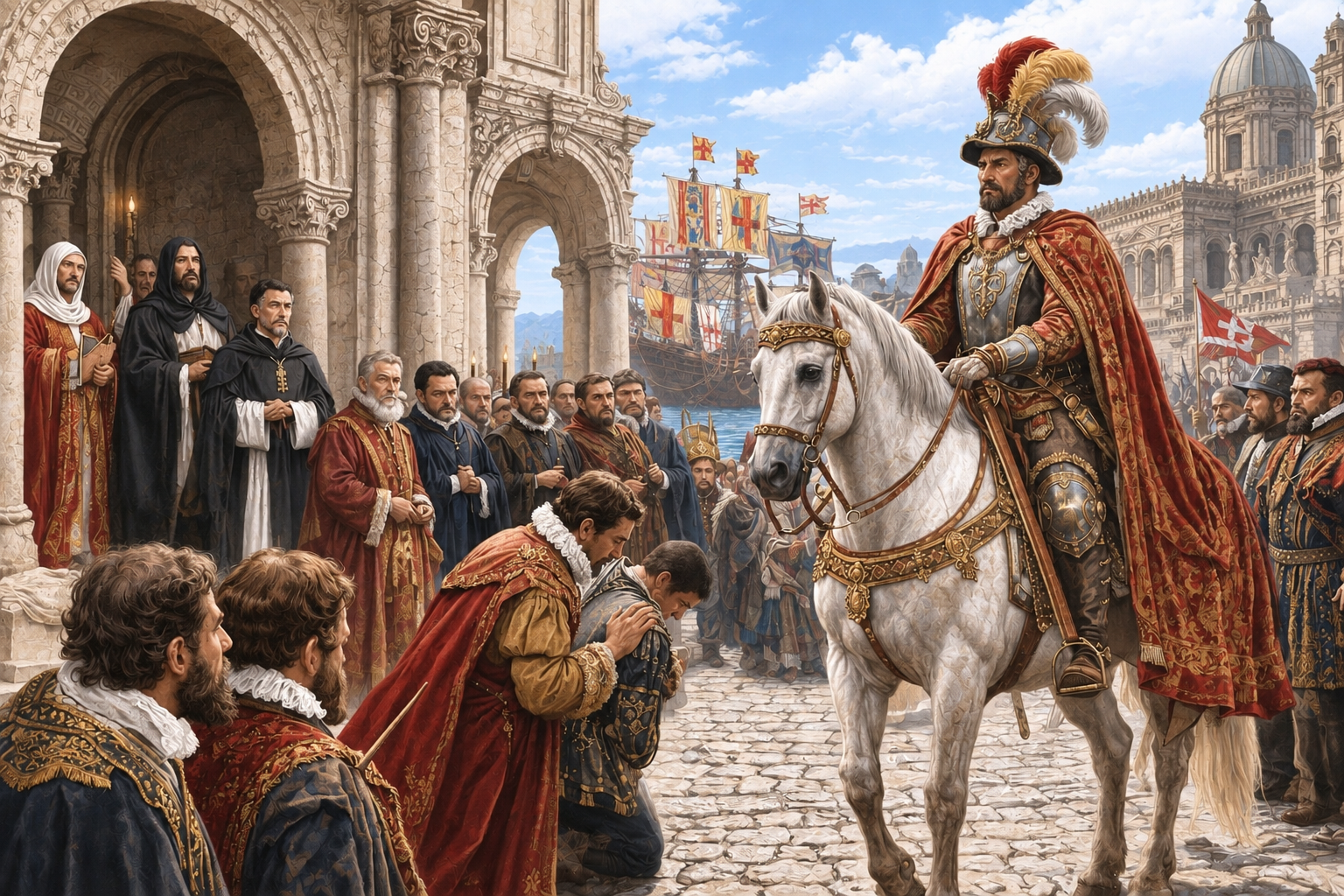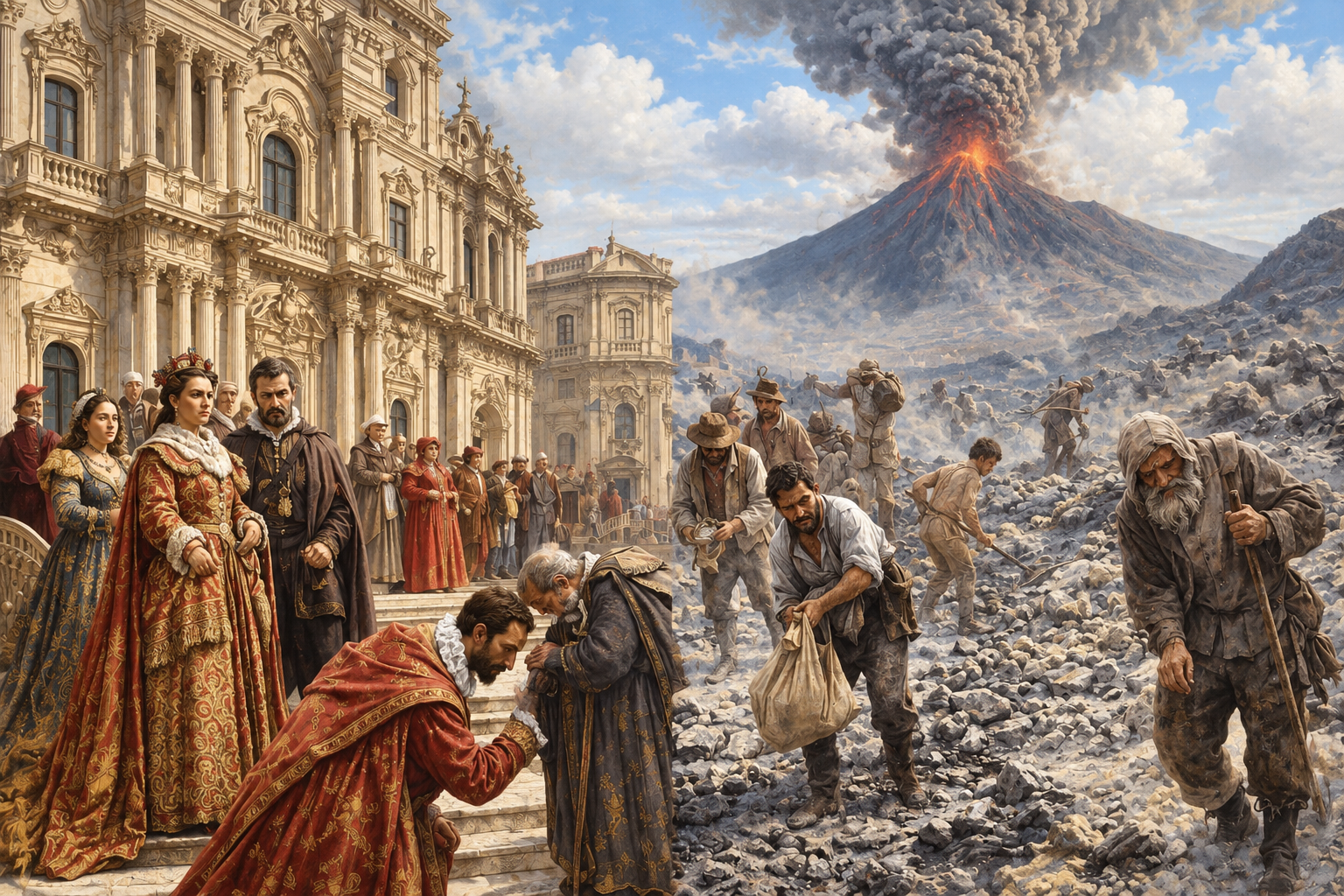


The Byzantine reconquest of Sicily was led by Belisarius, Emperor Justinian’s greatest general, in 535 AD. The campaign was remarkably swift; Belisarius took the entire island in a matter of months, with most Sicilian cities welcoming his forces. For the next 292 years, Sicily was a province of the Byzantine Empire, governed distantly from Constantinople through a system of strategi (military governors).
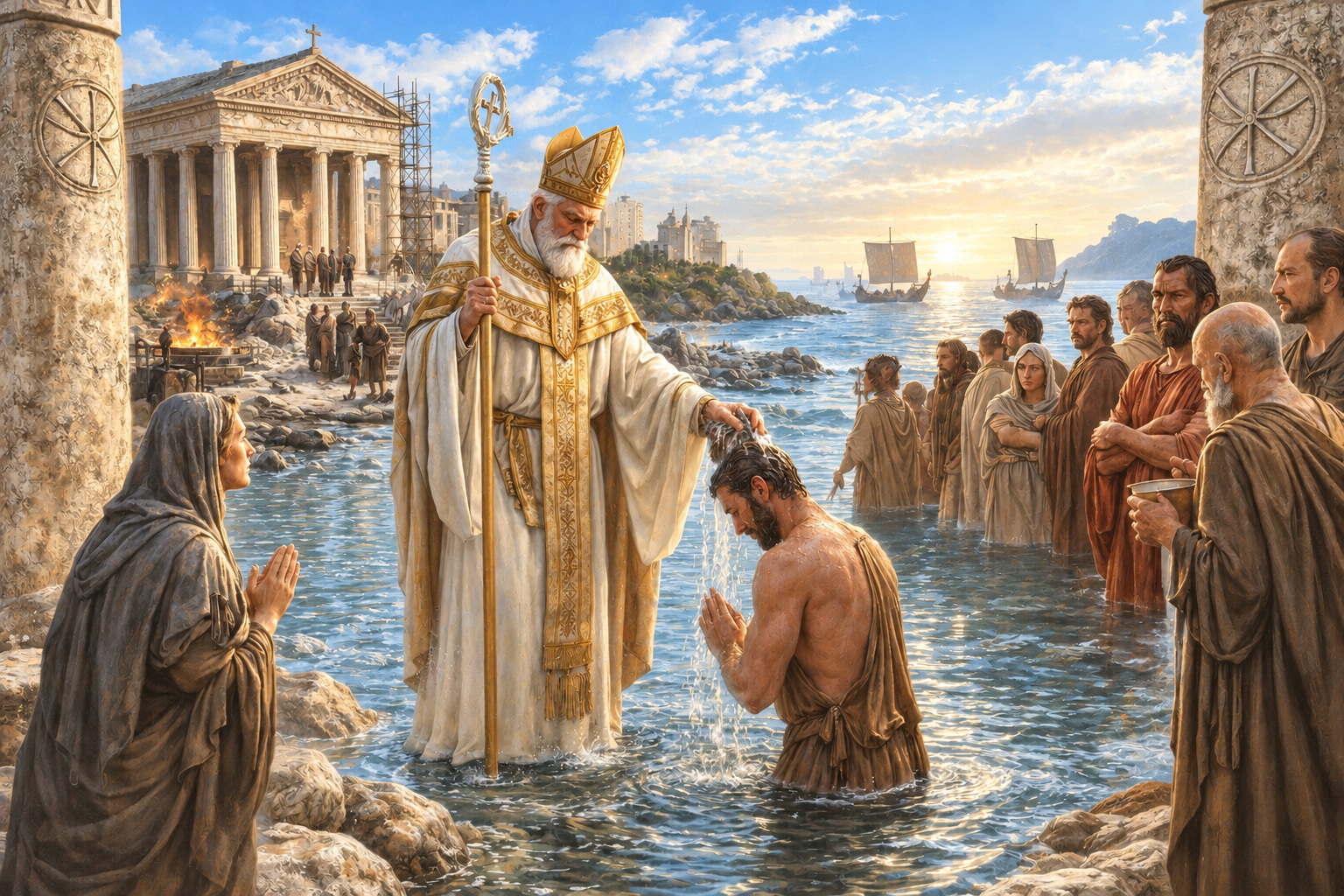
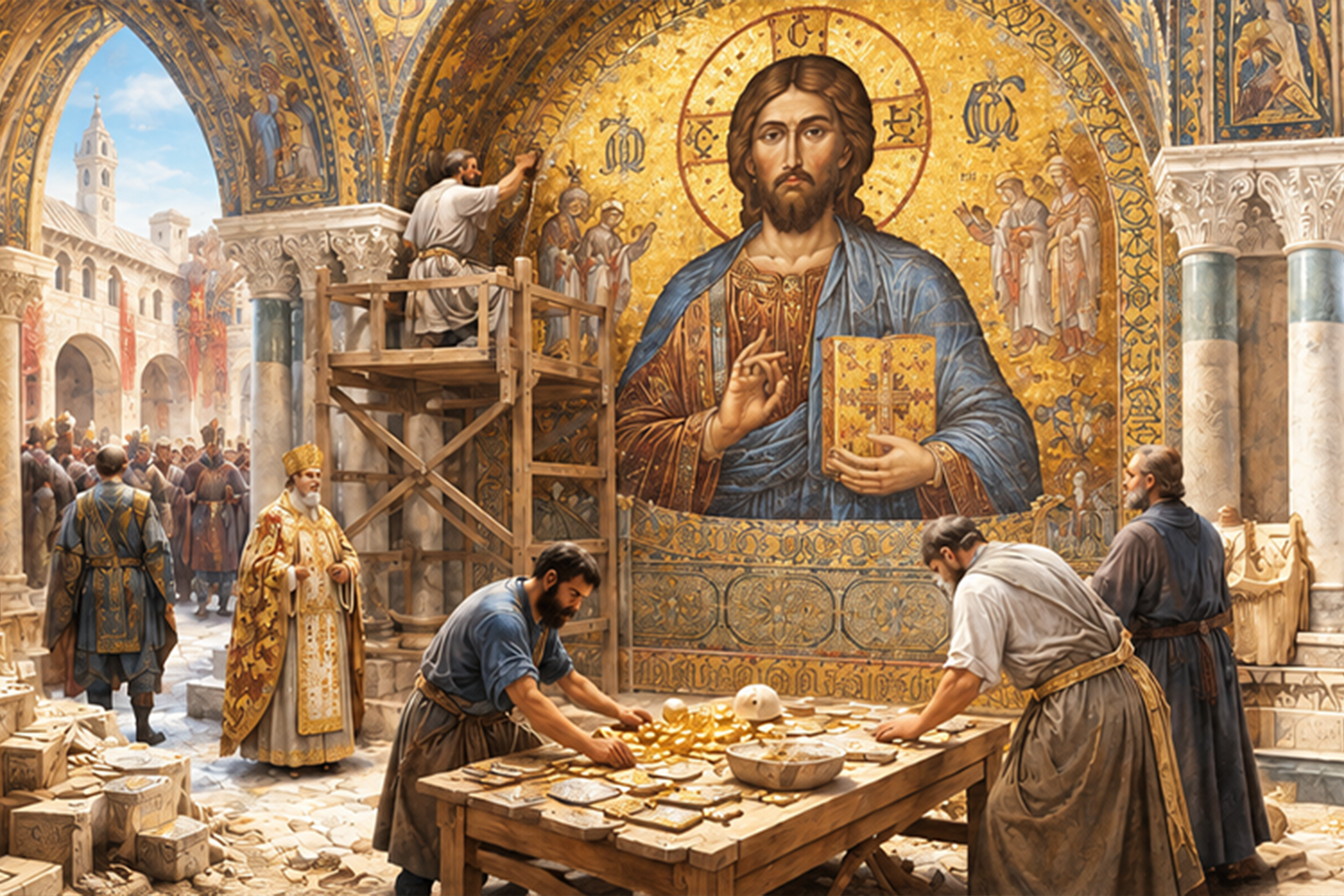
This chapter explores the Byzantine centuries in detail — a period often called Sicily’s “forgotten centuries” because so little is written about them compared to the drama of Greek tyrants or the splendor of the Norman kingdom. Yet this was a formative period. Greek returned as the island’s primary language of government and religion. Orthodox monasteries multiplied across the countryside. Byzantine art, architecture, and theology shaped Sicilian cities. The great Greek-speaking cultural stratum of eastern Sicily — which would persist for centuries, even into Norman times — took root during these years.
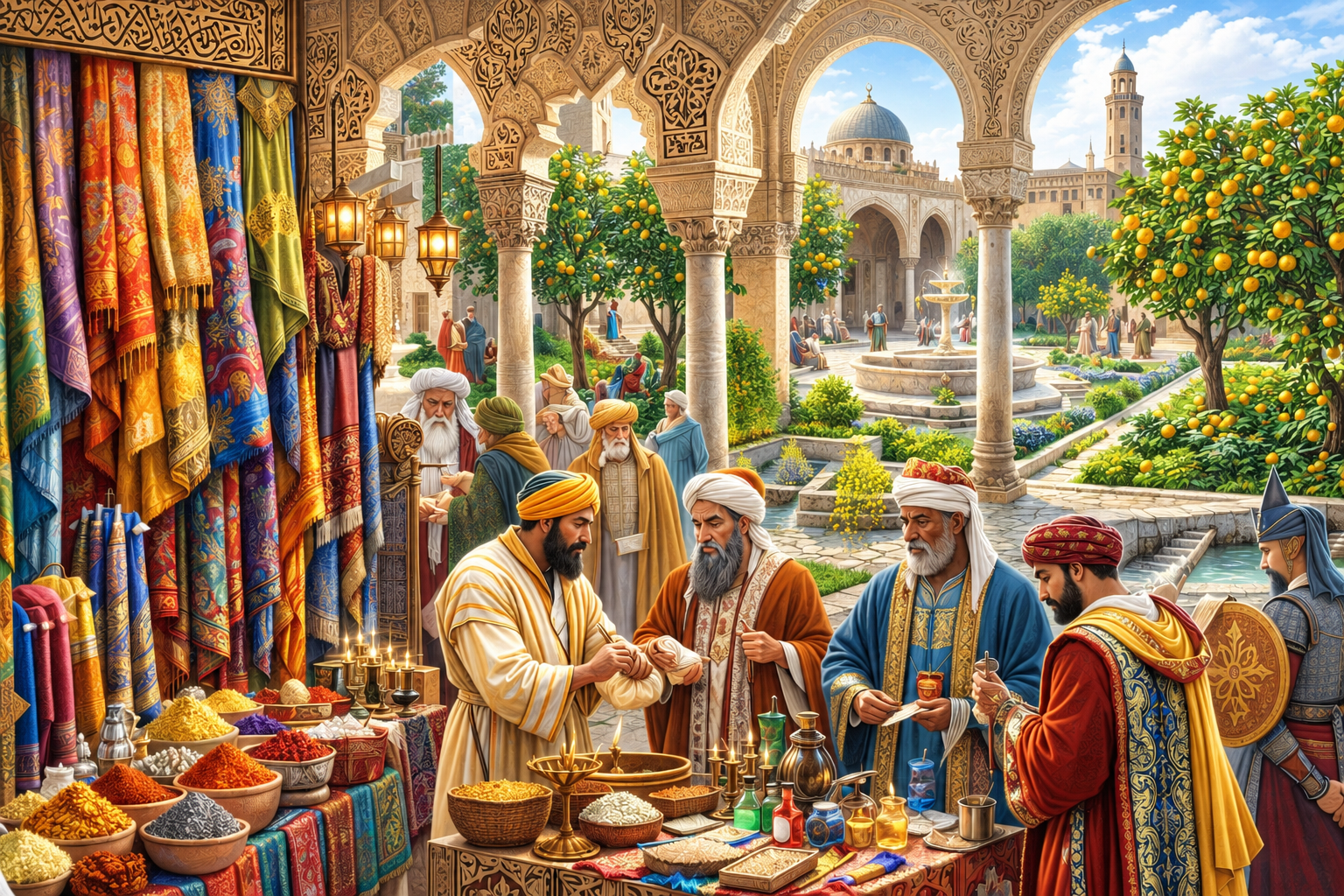
The chapter also covers the decline of Byzantine control and the growing vulnerability of Sicily to Arab raids. In 827 AD, taking advantage of a rebellion by a local Byzantine naval commander, Arab armies crossed from North Africa and began the long conquest of the island. The conquest would take nearly 75 years to complete, but the Byzantine grip was already slipping by that point. Constantinople, preoccupied with iconoclast controversies, wars against encroaching barbarian tribes, and pressure from Arabs on its eastern frontier, was unable to defend its distant western province. By 902 AD, with the fall of Taormina, Byzantine rule in Sicily was over.