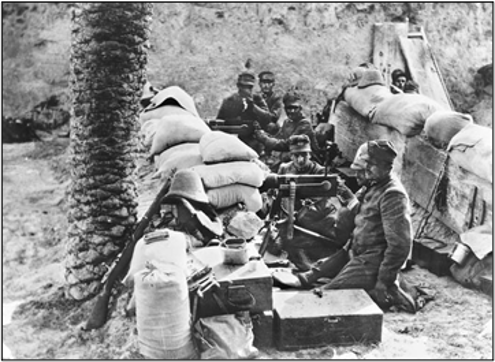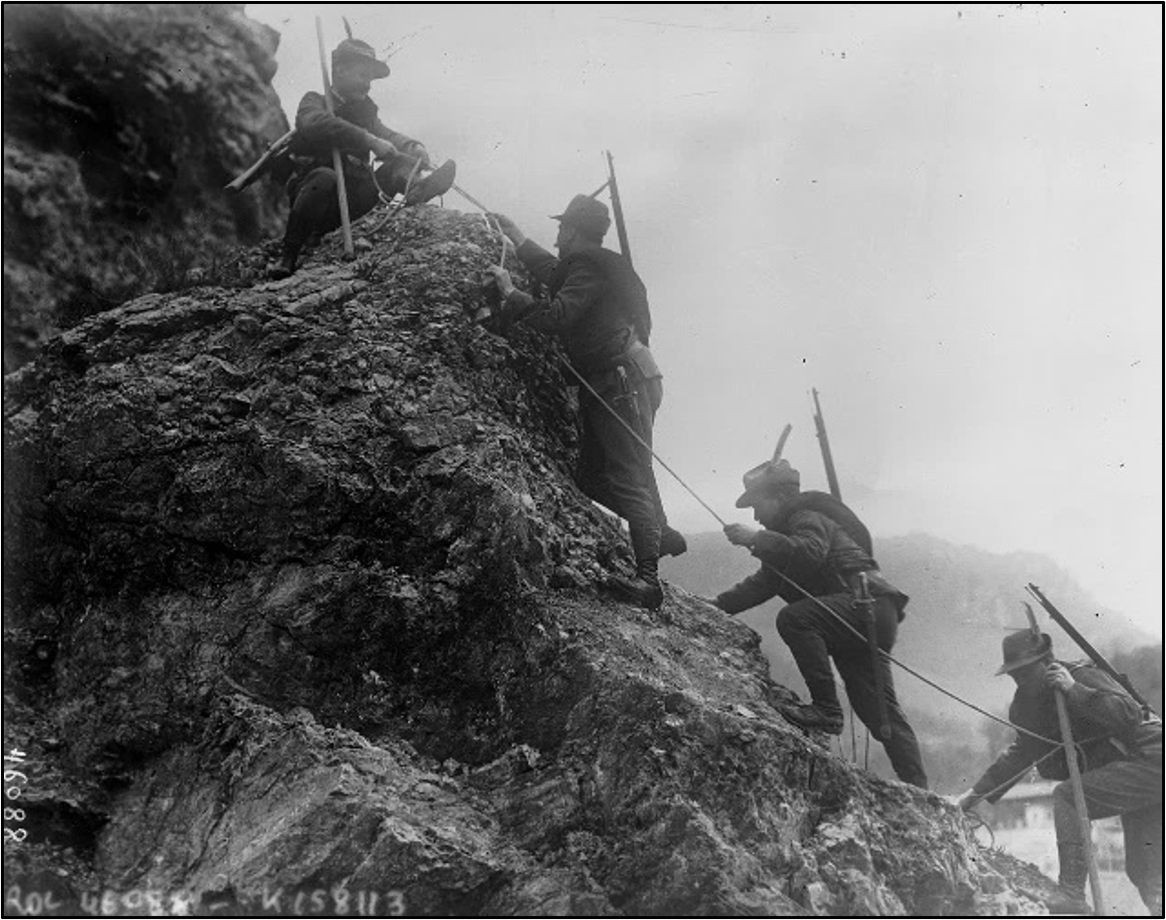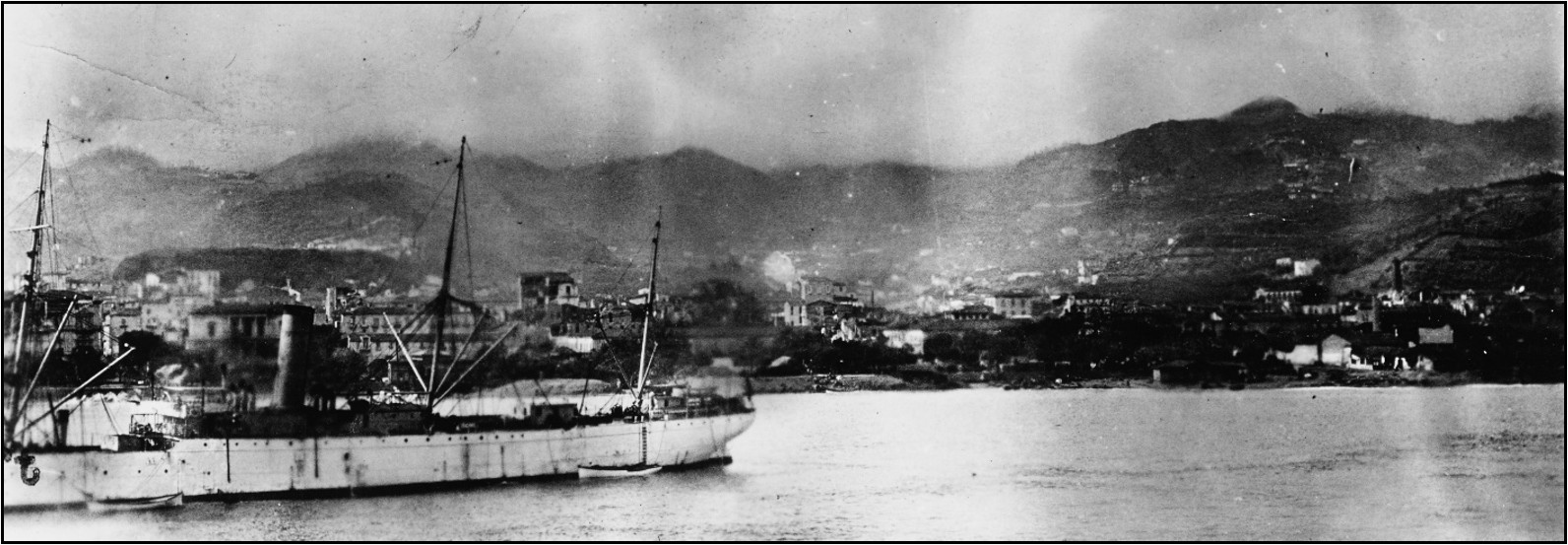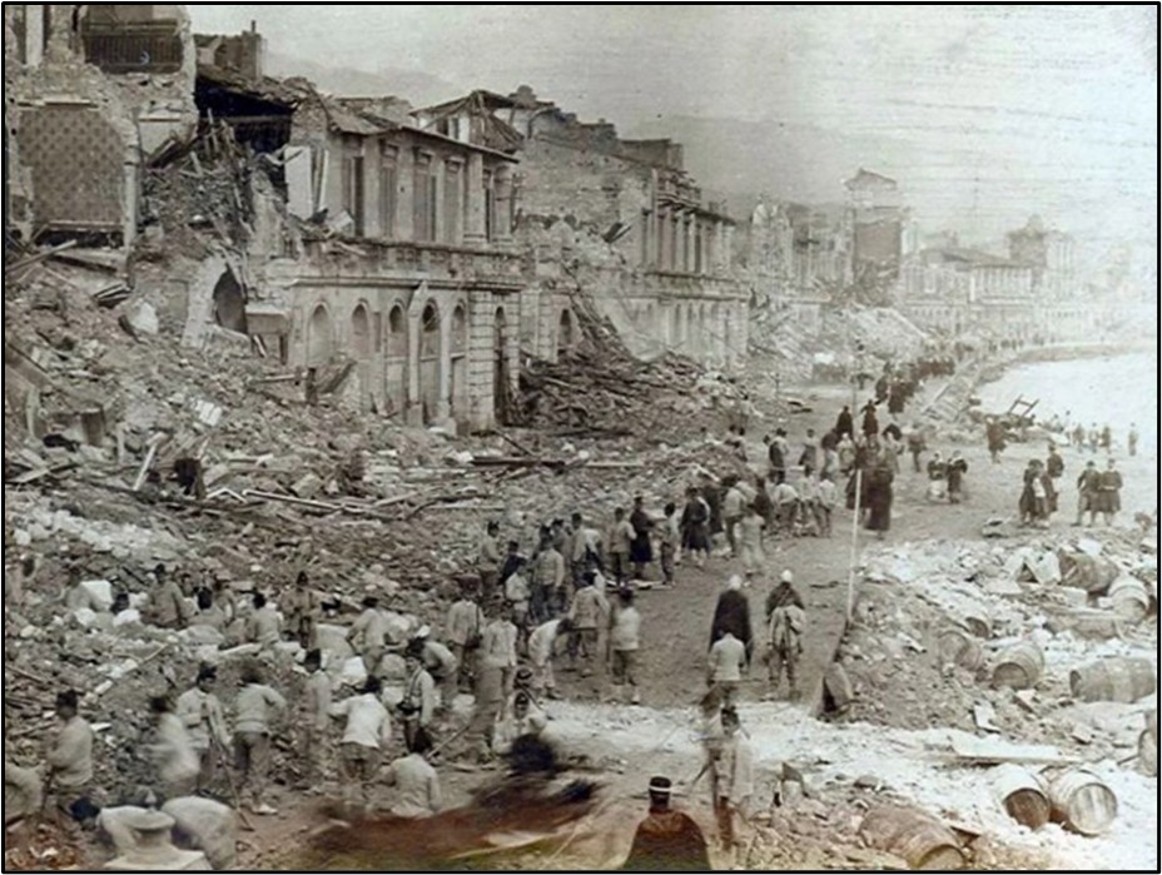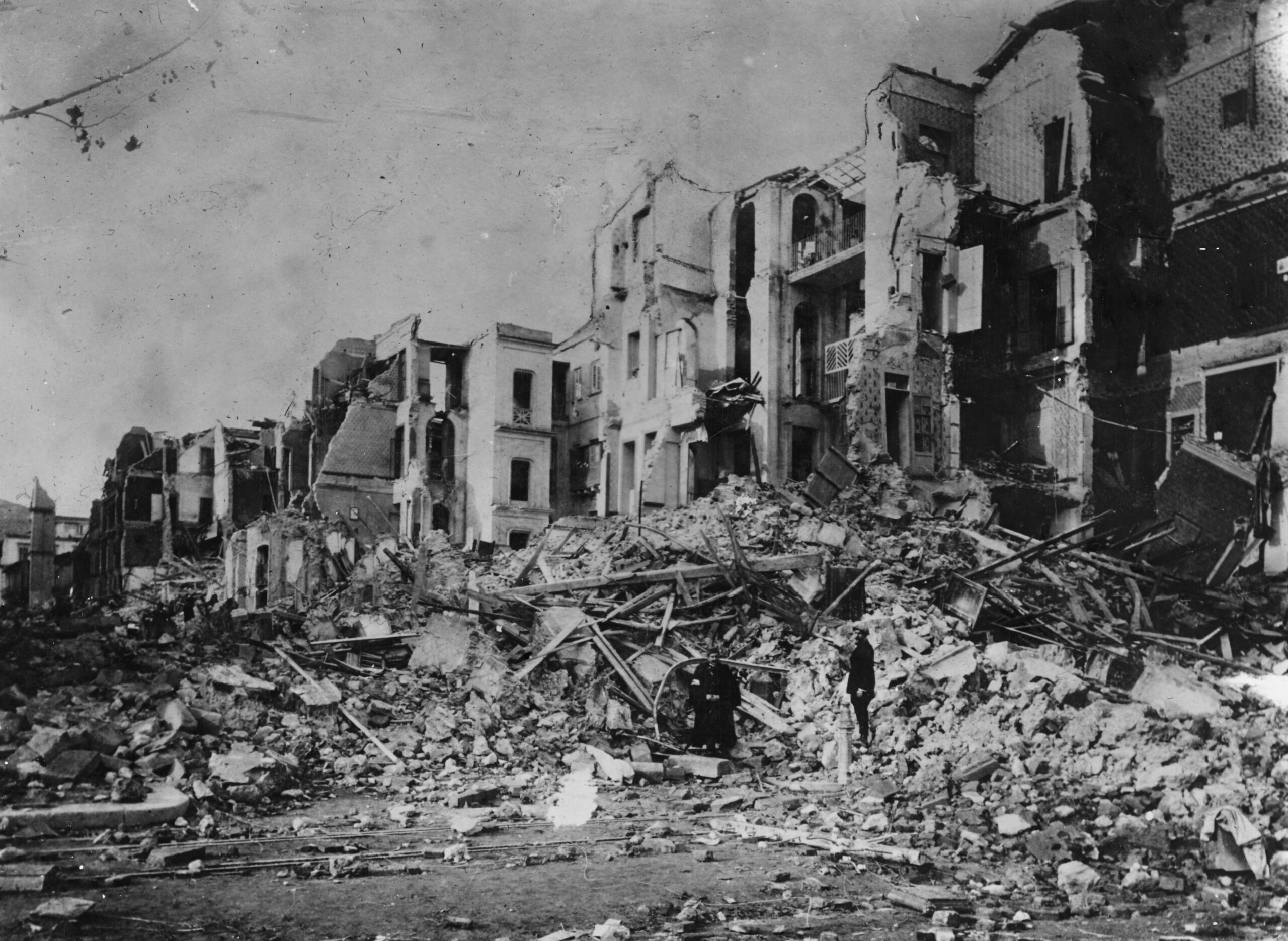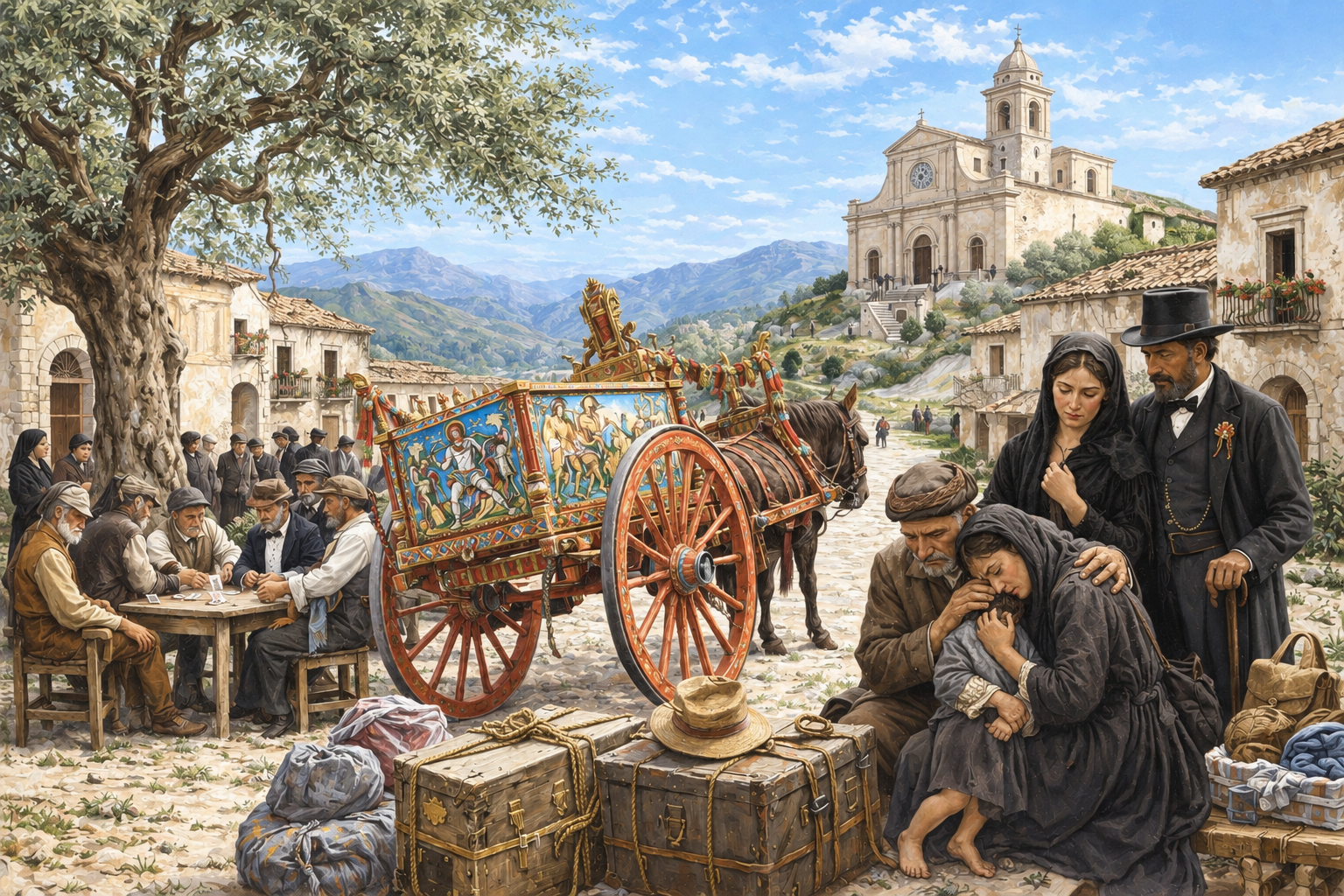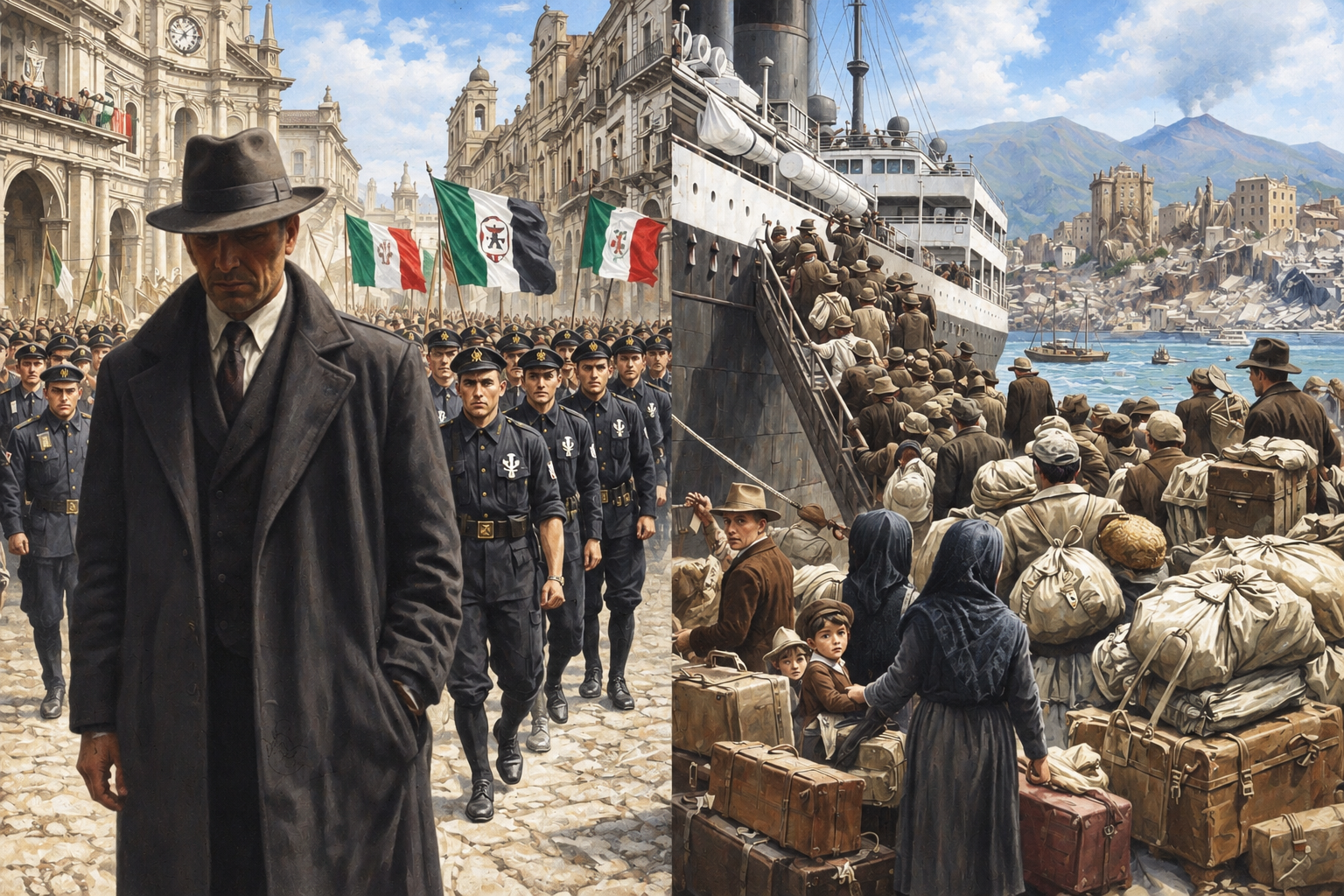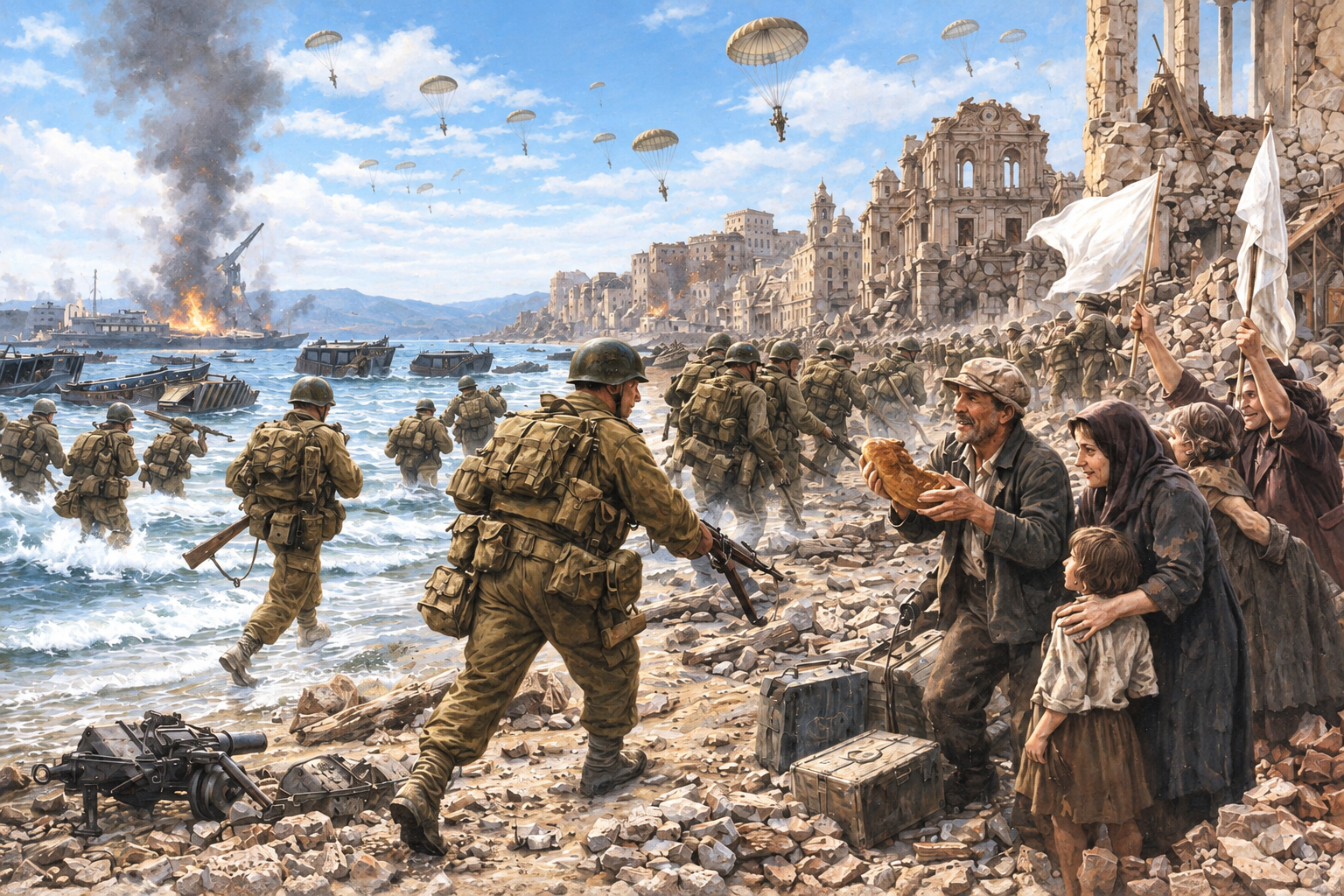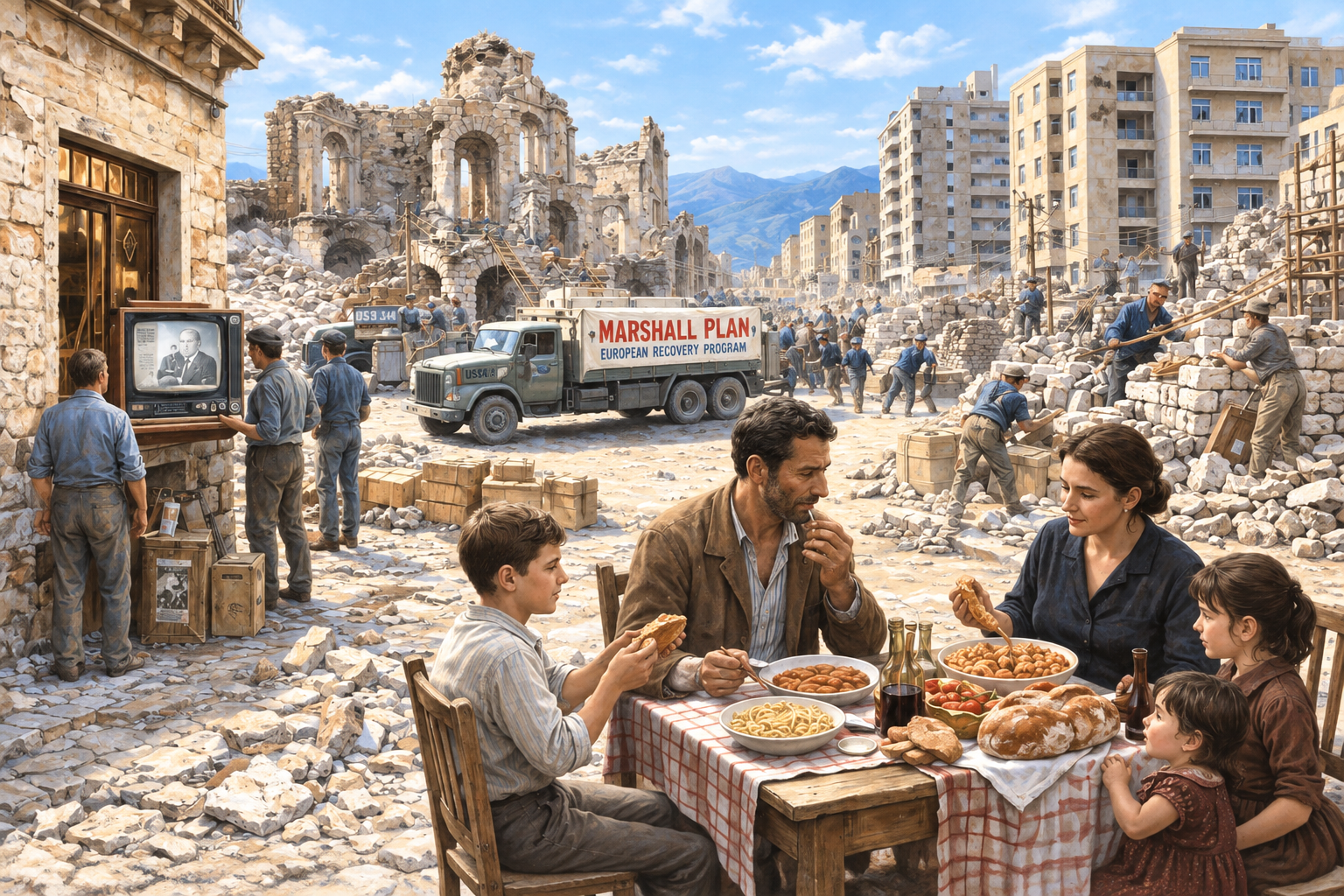


This chapter covers the period from roughly 1890 to 1940 — the era of mass Italian migration, a devastating Sicilian earthquake, Italy’s entry into the First World War, the decline of constitutional rule, and the rise of Fascism in Italy. All of these world-shaping events impacted Sicily and its people in its own particular way. Sicilians were sent in great numbers to fight and die in the rugged mountain regions of Northern Italy during World War I. It experienced the great political instability of the postwar years. It saw the rise of Mussolini and the establishment of the Fascist regime in 1922, and presents the unique relationship that most Sicilians experienced under fascism, which from the rest of Italy.
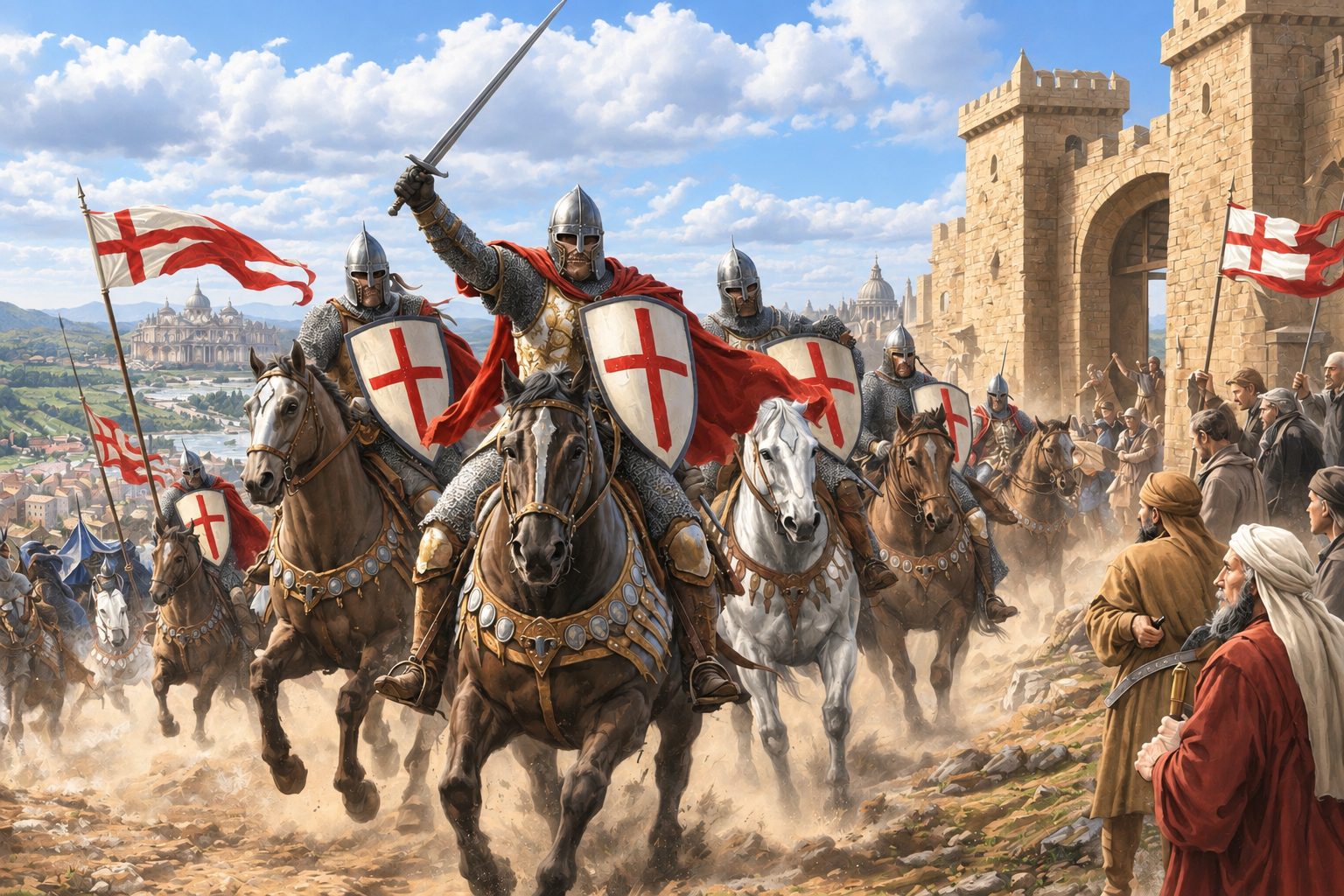
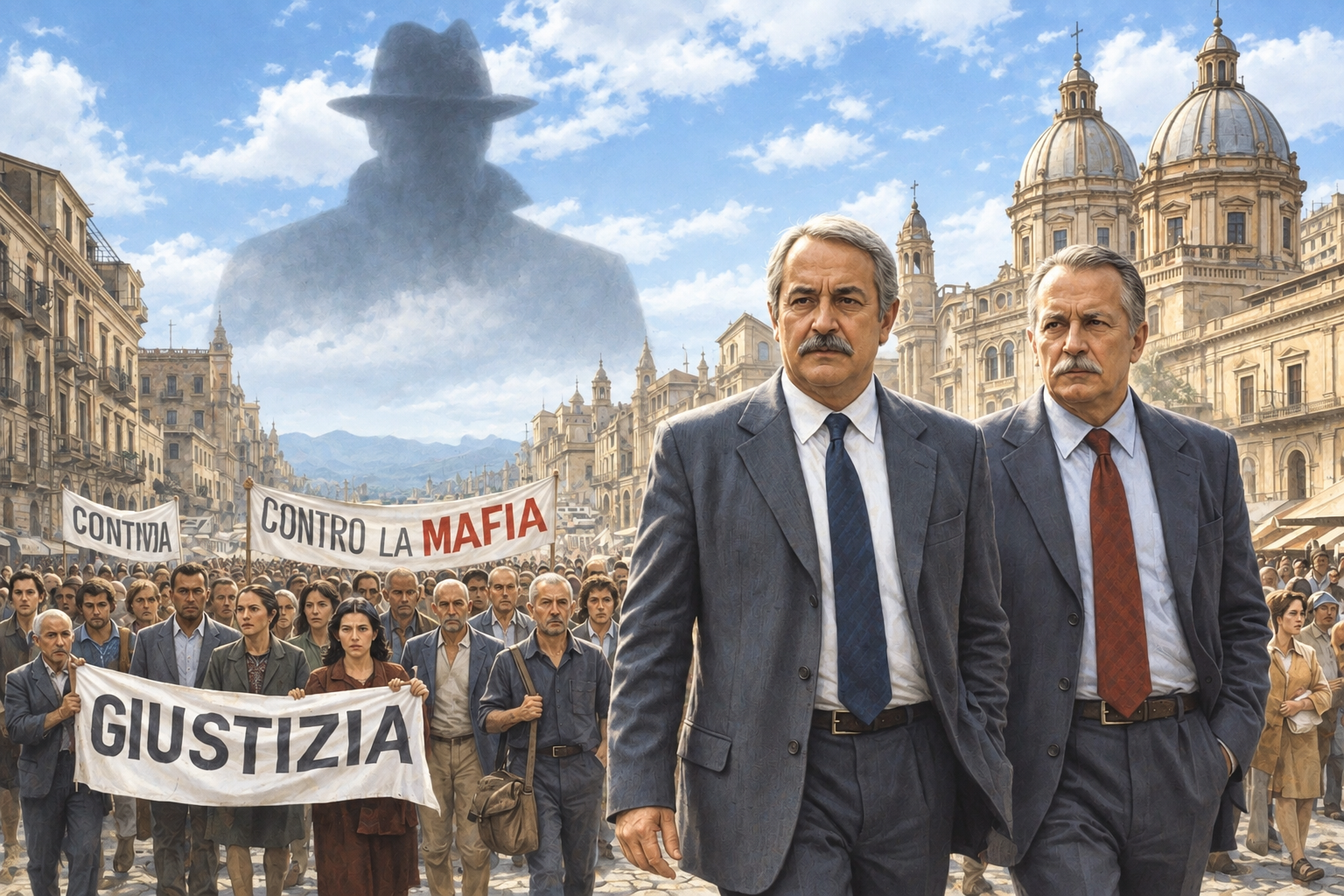
The chapter covers Mussolini’s campaign against the Sicilian Mafia in the late 1920s, led by the “Iron Prefect” Cesare Mori, who employed aggressive tactics of mass arrests, torture, and military occupation of Mafia strongholds. For a time the Fascist war against the Mafia appeared to have broken its grip on western Sicily, which was initially celebrated by most Sicilians. But the campaign also drove many Mafia figures underground or abroad (some to the United States, with significant consequences for the American criminal underworld) and did nothing to address the underlying structural problems which had given rise to the Mafia in the first place.
The chapter highlights the unfulfilled promises of Fascist economic development programs in Sicily, and the failed agricultural and land reforms that attempted to modernize Sicilian agriculture. It describes Mussolini’s attempts to resurrect his new Roman Empire by the expansion of Italian colonial possessions in Africa and the Balken region. All these events would lead to Italy’s entry into World War II, a war that placed Sicily squarely in the cross hairs of the Allied Powers, setting up the island for yet another major foreign invasion.